
A Zestful Delight: My First Fresh Orange Cream Tart Adventure
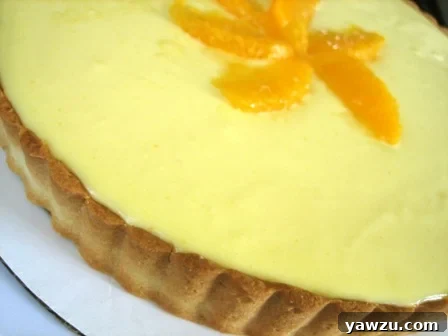
Embarking on the journey of baking my first tart has been an absolute triumph, and the sheer elegance of this fluted, buttery crust leaves me utterly mesmerized! There’s a certain magic in creating something so beautiful and delicious from scratch, a feeling that every home baker cherishes.
This particular baking endeavor was part of the renowned “Tuesdays With Dorie” group, where passionate bakers worldwide tackle recipes from Dorie Greenspan’s celebrated cookbooks. The selection for this week, courtesy of Mary from Starting From Scratch, offered a delightful dilemma: The Most Extraordinary French Lemon Cream Tart or an equally tempting Fresh Orange Cream Tart. Given my personal preference leans away from intense lemon flavors, the vibrant and refreshing Fresh Orange Cream Tart was the clear choice for my inaugural tart experience, promising a sweet escape from the everyday.
The Perfect Pastry: Mastering the Buttery Shortbread Crust
The transformation of simple ingredients into the perfect tart crust is an art, and Dorie Greenspan’s recipe for this dough is nothing short of brilliant. While a food processor simplifies the initial mixing, the real secret lies in patience and understanding the dough’s subtle stages. Many bakers often report issues with dry or crumbly dough, but the key is to trust the process and observe the precise cues the recipe provides.
The journey begins by combining all-purpose flour, confectioner’s sugar, and a pinch of salt. Next, very cold (or even frozen) unsalted butter, cut into small pieces, is scattered over the dry ingredients. Pulsing this mixture in the food processor carefully cuts the butter into the flour, aiming for pieces that range from the size of oatmeal flakes to small peas. This distribution of cold butter is absolutely crucial for creating those coveted flaky, tender layers that make a shortbread crust truly exceptional.
The addition of a large egg yolk, lightly stirred to break it up, is where the dough begins its transformation. It’s incorporated gradually, with pulses after each small addition. At first, the mixture might indeed appear dry and granular, which can be disheartening for an inexperienced baker. However, after about five ten-second pulses, a remarkable change occurs. As Dorie famously notes, the sound of the food processor working the dough will audibly shift, signaling that the mixture is starting to come together. Soon after this auditory cue, the dough visibly transitions from individual granules to forming distinct clumps and curds. This indicates optimal hydration and the perfect level of gluten development for a tender, buttery crust.
While the dough may not form a single cohesive ball within the processor, it gathers enough to be easily turned out onto a clean work surface. Here, a very light and sparing kneading is performed, solely to incorporate any stray dry ingredients that might have escaped the processor’s blades, without overworking the dough. The resulting pastry is a dream to handle – pliable enough to roll out beautifully and press effortlessly into the intricate fluted edges of a tart pan, yet robust enough to hold its shape during baking. An essential step for preventing shrinkage and contributing to that perfectly crisp, golden-brown finish is to freeze the pressed crust for at least 30 minutes, or ideally, longer, before it meets the oven’s heat.
Crafting the Velvety Orange Cream Filling: A Sophisticated Creamsicle
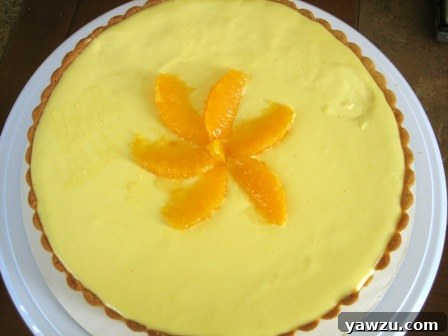
If I had to describe this Fresh Orange Cream Tart in one phrase, it would be “a sophisticated creamsicle.” The filling masterfully captures that nostalgic, creamy orange essence, but elevates it with a refined, silken texture that is simply irresistible. Crafting the cream is a careful dance of temperature and technique, a step where precision truly pays off in the final product’s lusciousness.
A common challenge noted by many bakers in the “Tuesdays With Dorie” group was reaching the crucial 180-degree Fahrenheit mark for the cream’s cooking process. However, my experience proved that using a metal bowl set directly over a pan of simmering water, creating a bain-marie, was an effective and straightforward method. This gentle, indirect heat allowed the mixture to steadily reach the target temperature within the recipe’s indicated 10-minute timeframe, crucially preventing the eggs from scrambling and ensuring a smooth, custard-like base.
The process begins by infusing granular sugar with the vibrant, aromatic zest of three oranges and a hint of lemon. Rubbing the sugar and zests together between the fingertips before adding any liquids is a technique known as “zest-infused sugar,” which effectively extracts and disperses the essential oils, intensifying the citrus flavor. Following this, eggs, fresh orange juice (blood-orange or Valencia for optimal flavor), and a touch of lemon juice are whisked in to form the initial mixture.
Once the bowl is set over the simmering water, constant whisking is paramount. The mixture undergoes several fascinating transformations: it starts out light and foamy, then the bubbles grow larger, and finally, as it approaches 180°F, it begins to visibly thicken, with the whisk leaving distinct tracks on the surface. This is the critical moment, requiring diligent stirring and precise temperature monitoring with an instant-read thermometer to avoid overcooking. Patience is key here; depending on the heat intensity, achieving the desired temperature can indeed take the full 10 minutes, but the reward is a perfectly cooked, silky base.
Immediately upon reaching 180°F, the cream is removed from the heat and strained into a blender or food processor, discarding the spent zest. Separately, unflavored gelatin is softened in cold water and then gently dissolved, typically with a brief warm-up in a microwave or over very low heat. This dissolved gelatin is then added to the warm citrus filling and pulsed once to ensure even distribution. The filling is then allowed to cool to 140°F, a crucial temperature for the next step.
The magic continues with the gradual incorporation of unsalted butter, cut into tablespoon-sized pieces and at cool room temperature. With the blender or food processor running on high, the butter is added about five pieces at a time. This isn’t merely mixing; it’s an emulsion, a process that blends fat and liquid into a smooth, stable, and luxurious consistency, much like creating a classic hollandaise sauce. Scraping down the sides of the container as needed ensures all the butter is fully incorporated. The final, and arguably most important, step involves blending the cream for an additional three minutes. This extended blending time is not just for mixing; it’s essential for achieving that characteristic light, airy, and utterly silky-smooth texture that defines Dorie’s exceptional cream fillings. The result is a perfectly balanced orange mixture that’s both rich and refreshing, ready to chill and transform into the heart of the tart.
The Grand Finale: Assembly, Glazing, and The Taste Experience
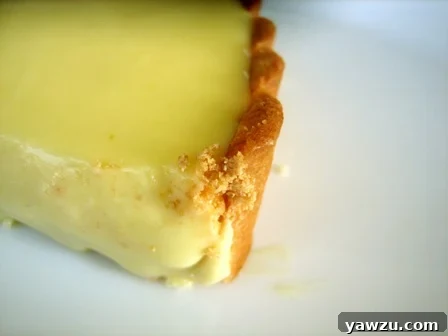
Once the luscious orange cream is chilled to perfection, having set beautifully in the refrigerator for at least four hours (or up to five days, making this a fantastic make-ahead dessert), the final assembly brings the tart to life. Before spreading, the cream is vigorously whisked to loosen its texture and restore its velvety smoothness. It’s then carefully spread evenly into the pre-baked, cooled tart shell, creating a vibrant, inviting surface. For an added touch of elegance and fresh citrus appeal, delicate orange segments are then arranged artfully in the center of the tart.
The recipe suggests a glaze made from quince or apple jelly mixed with a small amount of water, brought to a boil, and then lightly brushed over the tart. While I attempted this step with boiled-down apple jelly, I found that it was a bit too much for the delicate surface of my orange cream. A very light brush revealed some minor imperfections where the jelly slightly disturbed the smooth finish of the cream. Fearing it would compromise the pristine, unblemished appearance I had worked so hard to achieve, I ultimately opted to skip the full glaze. Sometimes, less is indeed more, and the natural beauty of the vibrant orange cream and fresh orange segments was sufficient to create a stunning presentation. For those who still desire a glossy finish without potential disruption, a very thin, almost invisible layer of a neutral glaze, applied with an exceptionally soft pastry brush or even carefully drizzled, could be an alternative. Alternatively, embracing the natural, elegant matte finish of the cream is a perfectly valid and beautiful choice.
The tart itself delivered a beautifully light and wonderfully refreshing flavor profile. While I typically gravitate towards richer, more decadent desserts, this orange cream tart was a delightful and much-appreciated change of pace. The creamy filling, with its bright, tangy citrus notes, paired exquisitely with the buttery, crumbly shortbread crust. The contrast in textures – the yielding cream against the crisp pastry – and the harmonious blend of sweet and tart flavors made each bite an absolute delight. The crust, in particular, was a standout feature – its perfectly baked fluted edges and ideal crumb providing a sublime counterpoint to the soft, smooth cream. It’s so good, in fact, that I’m already envisioning other possibilities for this versatile shell, perhaps filling it with a rich, luscious chocolate ganache for a completely different but equally indulgent experience in the future!
Joining the Sweet Community: Tuesdays With Dorie
Being part of the “Tuesdays With Dorie” group is a truly enriching experience that extends beyond just baking. With a vibrant community of nearly 125 members and growing, it’s a dynamic hub for bakers to share their culinary adventures, exchange invaluable tips, and celebrate both successes and learning moments. Each week brings a new challenge and a fantastic opportunity to hone baking skills under the expert guidance of Dorie Greenspan’s timeless and inspiring recipes. The camaraderie and support within the group are truly special.
If you’re passionate about baking, eager to explore classic and modern recipes, and keen to connect with fellow enthusiasts, I highly recommend heading over to the blog to see all the incredible lemon and orange tarts shared by the members. It’s consistently inspiring to see the diverse interpretations, creative garnishes, and beautiful creations that emerge from a single recipe, showcasing the unique touch of each baker. This community aspect truly elevates the baking experience.
Looking forward to next week’s exciting adventure: Homemade Marshmallows. And for a delicious throwback, last week we indulged in the decadent pleasure of Gooey Chocolate Cakes.
Fresh Orange Cream Tart Recipe
Yield: 8 servings
Prep Time: 6 hours
Cook Time: 15 minutes
Total Time: 6 hours 15 minutes
A delicious and refreshing citrus tart, perfect for any occasion, featuring a buttery shortbread crust and a silky orange cream filling.
Ingredients
For the Dough:
- 1 ½ cups (187.5 g) all-purpose flour
- ½ cup (60 g) confectioner’s sugar
- ¼ teaspoon salt
- 1 stick plus 1 tablespoon very cold (or frozen) unsalted butter, cut into small pieces (9 tablespoons)
- 1 large egg yolk
For the Orange Filling:
- 1 cup (200 g) sugar
- Grated zest of 3 oranges
- Grated zest of 1 lemon
- 4 large eggs
- ¾ cup (186 ml) scant fresh blood-orange or Valencia orange juice
- 3 tablespoons fresh lemon juice
- 1 ¼ teaspoons unflavored gelatin
- 1 tablespoon cold water
- 2 ¾ sticks (11 ounces) unsalted butter, cut into tablespoon-size pieces, at cool room temperature
- 3 orange segments, for decoration
- ⅓ cup (113.33 g) quince or apple jelly mixed with 1/2 teaspoon of water, for glazing
Instructions
- To make the Dough: Put the flour, confectioner’s sugar, and salt in a food processor and pulse a couple of times to combine. Scatter the pieces of butter over the dry ingredients and pulse until the butter is coarsely cut in – you should have some pieces the size of oatmeal flakes and some the size of peas. Stir the yolk, just to break it up, and add it a little at a time, pulsing after each addition. When the egg is in, process in long pulses – about 10 seconds each – until the dough, which will look granular soon after the egg is added, forms clumps and curds. Just before you reach this stage, the sound of the machine working the dough will change. Turn the dough out onto a work surface and, very lightly and sparingly, knead the dough just to incorporate any dry ingredients that might have escaped mixing.
- To Press the Dough into the Pan: Butter a 9-inch fluted tart pan with a removable bottom. Press the dough evenly over the bottom and up the sides of the pan, using all but one little piece of dough, which you should save in the refrigerator to patch any cracks after the crust is baked. Don’t be too heavy-handed – press the crust in so that the edges of the pieces cling to one another, but not so hard that the crust loses its crumbly texture. Freeze the crust for at least 30 minutes, preferably longer, before baking.
- To Partially or Fully Bake the Crust: Center a rack in the oven and preheat the oven to 375 degrees F.
- Butter the shiny side of a piece of aluminum foil and fit the foil, butter side down, tightly against the crust. (Since you froze the crust, you can bake it without weights.) Put the tart pan on a baking sheet and bake the crust for 25 minutes. Carefully remove the foil. If the crust has puffed, press it down gently with the back of a spoon. For a partially baked crust, patch the crust if necessary, then transfer the crust to a cooling rack (keep it in its pan).
- To Fully Bake the Crust: Bake for another 8 minutes or so, or until it is firm and golden brown. (It’s recommended to keep a close eye on the crust’s progress as it can go from golden to too dark in a flash.) Transfer the tart pan to a rack and cool the crust to room temperature before filling.
- To Patch a Partially or Fully Baked Crust, if Necessary: If there are any cracks in the baked crust, patch them with some of the reserved raw dough as soon as you remove the foil. Slice off a thin piece of the dough, place it over the crack, moisten the edges and very gently smooth the edges into the baked crust. If the tart will not be baked again with its filling, bake for another 2 minutes or so, just to take the rawness off the patch.
- To make the Orange Filling: Have an instant-read thermometer, a strainer, and a blender (first choice) or food processor at hand. Bring a few inches of water to a simmer in a saucepan.
- Put the sugar and orange and lemon zest in a large heatproof bowl that can be set over the pan of simmering water. Off the heat, rub the sugar and zests together between your fingertips until the sugar is moist, grainy, and very aromatic. Whisk in the eggs, followed by the orange and lemon juice.
- Set the bowl over the pan and start stirring with the whisk as soon as the mixture feels tepid to the touch. You want to cook the cream until it reaches 180 degrees F. As you whisk – you must whisk constantly to keep the eggs from scrambling – you’ll see that the cream will start out light and foamy, then the bubbles will get bigger and then, as it gets closer to 180 degrees F, it will start to thicken and the whisk will leave tracks. This indicates the cream is almost ready. Don’t stop whisking or checking the temperature, and have patience – depending on how much heat you’re giving the cream, getting to temp can take as long as 10 minutes.
- As soon as it reaches 180 degrees F, remove the cream from the heat and strain it into the container of the blender (or food processor); discard the zest.
- Soften the gelatin in the cold water, then dissolve it by heating it for 15 seconds in a microwave oven (or do this in a saucepan over extremely low heat). Add the gelatin to the filling and pulse once just to blend, then let the filling cool to 140 degrees F, about 10 minutes.
- Turn the blender to high (or turn on the processor) and, with the machine going, add the butter about 5 pieces at a time. Scrape down the sides of the container as needed as you incorporate the butter. Once the butter is in, keep the machine going – to get the perfect light, airy texture, you must continue to blend the cream for another 3 minutes. If your machine protests and gets a bit too hot, work in 1-minute intervals, giving the machine a little rest between beats.
- Pour the cream into a container, press a piece of plastic wrap against the surface, and refrigerate for at least 4 hours. (The cream can be refrigerated, tightly covered, for up to 5 days or frozen for up to 2 months; thaw overnight in the fridge.)
- When you are ready to construct the tart, whisk the cream vigorously to loosen it. Spread the cream evenly in the crust. Arrange the orange segments in the center of the tart and prepare the glaze: bring the jelly and water to a boil. Use a pastry brush or pastry feather to lightly spread the jelly over the orange segments and cream. Serve now or refrigerate the tart until needed.
Nutrition Information (per serving)
- Calories: 656 kcal
- Carbohydrates: 56 g
- Protein: 6 g
- Fat: 45 g
- Saturated Fat: 28 g
- Cholesterol: 220 mg
- Sodium: 113 mg
- Potassium: 153 mg
- Fiber: 1 g
- Sugar: 35 g
- Vitamin A: 1550 IU
- Vitamin C: 25.8 mg
- Calcium: 45 mg
- Iron: 1.7 mg
Share Your Creations!
Leave a review below to tell us how your Fresh Orange Cream Tart turned out! Don’t forget to snap a picture and tag @thebrowneyedbaker on Instagram – I’d love to see your beautiful bakes!
Author: Michelle Lettrich
Course: Dessert
Cuisine: American