
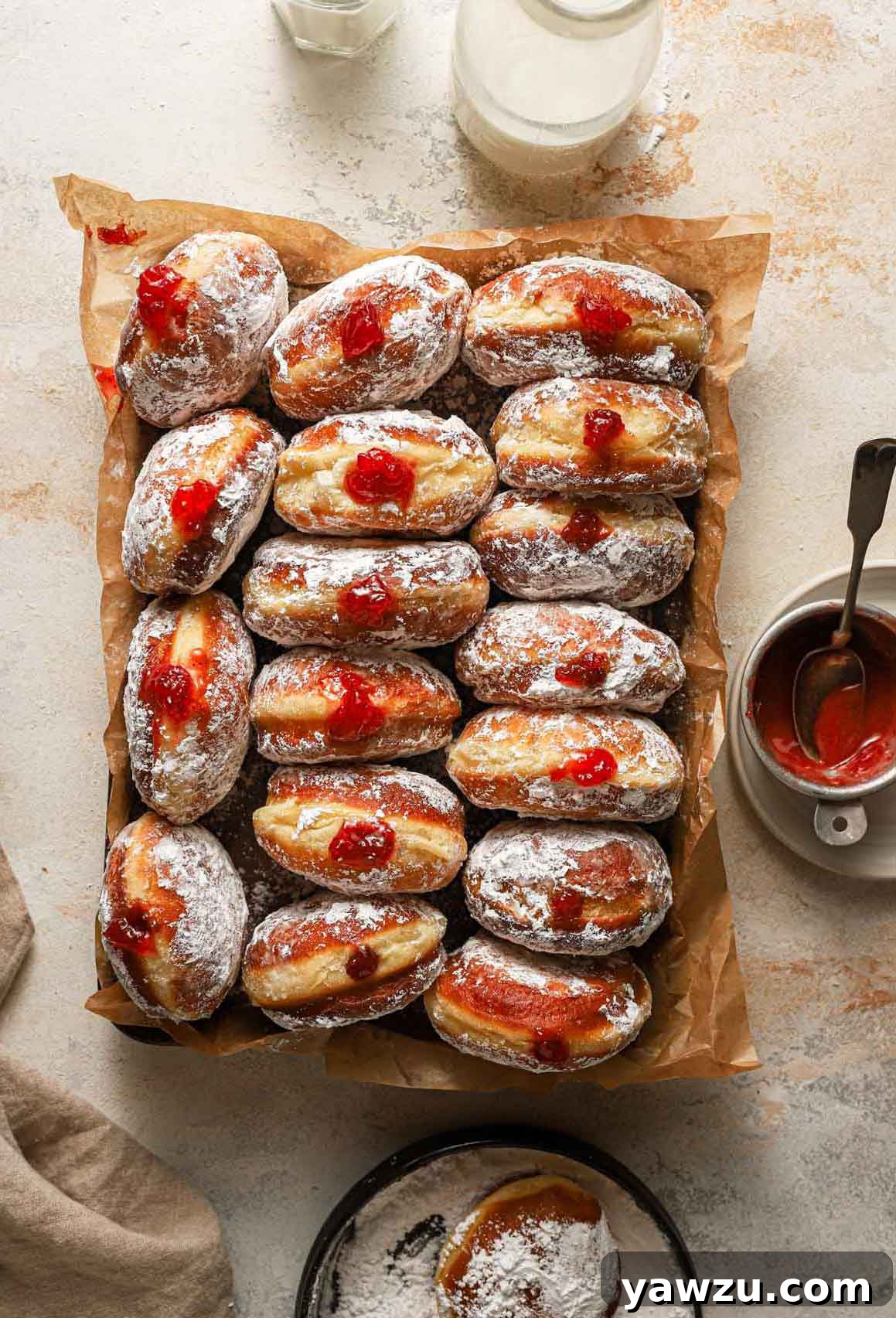
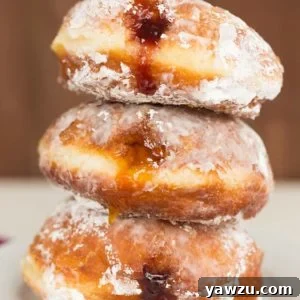
Paczki are more than just doughnuts; they are a delightful culinary tradition from Poland, celebrated with enthusiasm worldwide. These rich, brioche-style doughnuts are renowned for their incredibly tender texture, generously filled with sweet fruit preserves, and often finished with a dusting of powdered or granulated sugar. Traditionally enjoyed in the U.S. on Fat Tuesday (Mardi Gras) and on Fat Thursday in other parts of the world, Paczki offer a final, decadent indulgence before the Lenten fast begins.
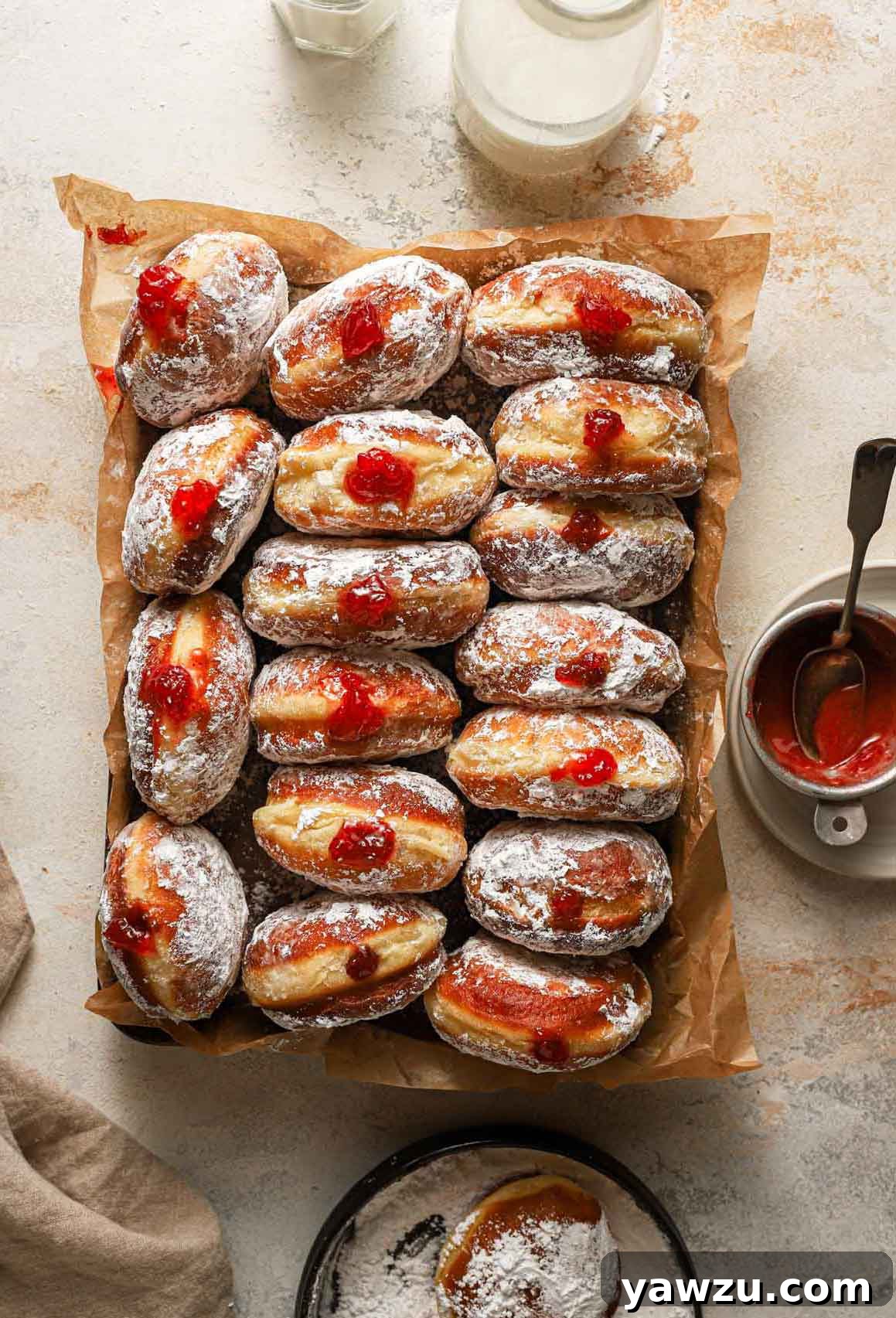
Discovering the Delicious World of Paczki: A Journey into Polish Doughnuts
My first encounter with paczki occurred nearly a dozen years ago, a fortuitous discovery at the local grocery store just before the start of Lent. Intrigued by these unfamiliar yet enticing pastries, I embarked on a small research mission. What I uncovered was a fascinating world of Polish confectionery, closely resembling jelly doughnuts but with a distinct, luxurious character all their own. Traditionally, paczki are made and consumed on specific days of indulgence: Fat Tuesday (known as Shrove Tuesday or Mardi Gras in many Western countries) and the lesser-known but equally significant Fat Thursday.
Fat Thursday vs. Fat Tuesday: A Pre-Lenten Indulgence
My research into paczki led me to the intriguing concept of Fat Thursday, or Tłusty Czwartek in Poland. This Christian feast day marks the final Thursday before Ash Wednesday, serving as a joyous prelude to the more austere period of Lent. It’s a day traditionally dedicated to gathering with loved ones, feasting on generous quantities of sweets, cakes, and other rich foods that are often abstained from during the Lenten season. While the specific day of celebration may vary by region and religious tradition, the underlying sentiment of both Fat Thursday and Fat Tuesday remains wonderfully consistent: to revel in culinary delights and indulge as much as possible before the fasting period begins.
The essence of paczki lies in their unique dough. Unlike a standard doughnut, which can sometimes be light and airy, paczki are crafted from a remarkably rich, sweet yeast dough. This dough is elevated by a generous inclusion of eggs, egg yolks, butter, and milk, creating a texture akin to a brioche doughnut – only, dare I say, even more exquisite. The careful balance of these ingredients results in a dough that is incredibly tender, subtly sweet, and wonderfully absorbent, making it the perfect vehicle for various delectable fillings and coatings.
The Quest for an Authentic Paczki Recipe
When I decided to try my hand at making these Polish doughnuts, my first instinct was to reach out to my grandmother, whose father hailed from Poland. I hoped she might possess a treasured family recipe for paczki. Sadly, she didn’t have one on hand, though she fondly recalled her mother making them, hinting at a rich culinary heritage passed down through generations.
Undeterred, I turned to the internet, starting with a general search for “paczki recipe” and then refining it to “grandma’s paczki recipe” in my pursuit of authenticity. I was delighted to find numerous recipes attributed to various grandmothers, each promising a taste of tradition. While the core ingredients remained consistent across these recipes, the precise quantities and preparation methods often differed, offering a fascinating glimpse into regional and familial variations. After careful consideration, I pieced together what I believed would yield the most delicious results, combining elements that resonated with my vision of the perfect homemade paczki.
To Fill or Not to Fill: The Art of Personalizing Your Paczki
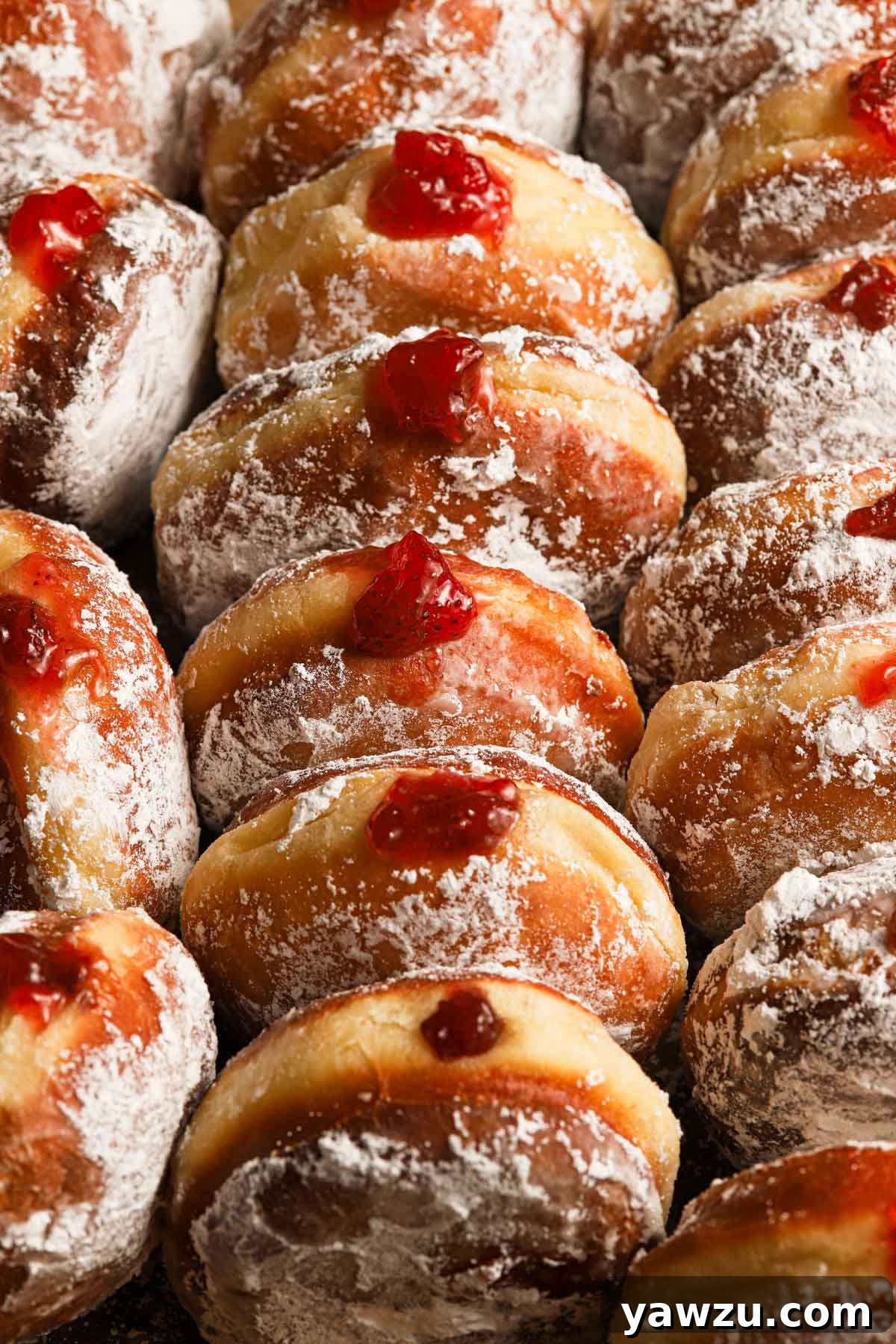
The debate over paczki fillings and coatings is as rich and varied as the pastries themselves. Many traditional recipes call for fillings such as fruit preserves, jam, or prune butter, which provide a burst of fruity sweetness against the rich dough. However, some traditionalists argue that their grandmothers never used a filling, preferring the pure taste of the doughnut itself. Similarly, while some insist on a coating of delicate powdered sugar, others advocate for the delightful crunch of granulated sugar. For those who prefer neither, a simple, elegant glaze offers another delicious option. This delightful flexibility allows for endless customization, ensuring there’s a perfect paczki for every palate.
To truly understand the nuances, I conducted a personal taste test with various combinations: filled with preserves and rolled in powdered sugar, filled and rolled in granulated sugar, unfilled with powdered sugar, and unfilled with granulated sugar. For the filled versions, I opted for a mix of raspberry and apricot preserves. My husband and I meticulously taste-tested each iteration, and much to my initial surprise, we both unanimously agreed that the unfilled paczki rolled in granulated sugar were our absolute favorite. As someone who has never been particularly fond of traditional jelly doughnuts, my preference for the unfilled version wasn’t entirely unexpected. As for the coating, while both powdered and granulated sugars were delicious, the satisfying crunch of granulated sugar on the outside of a freshly fried doughnut proved irresistible. It’s a texture that truly elevates the experience!
Crafting Homemade Paczki: A Step-by-Step Guide to Perfection
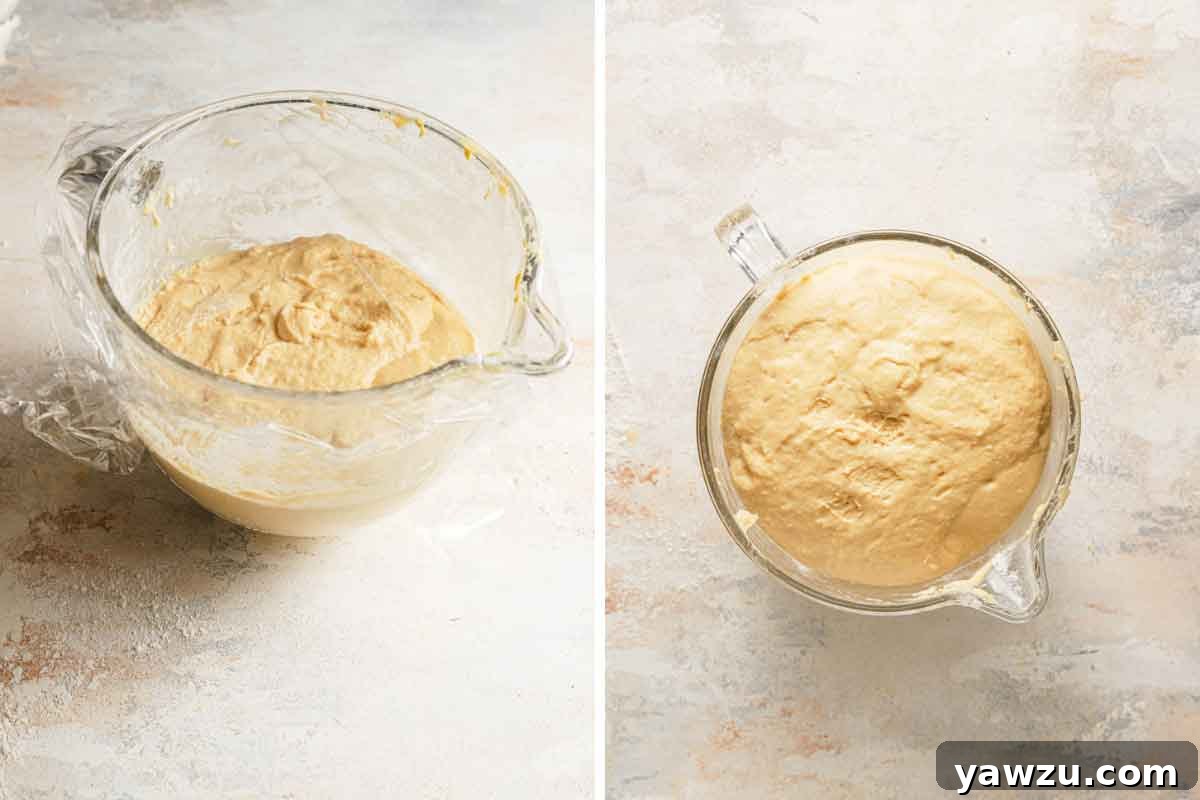
Making paczki at home is a rewarding experience, transforming simple ingredients into an extraordinary treat. The process begins with creating a luxurious brioche-style yeasted dough, which is the heart and soul of these Polish doughnuts. This rich dough incorporates whole milk, softened butter, a whole egg, and several egg yolks, all contributing to its signature tender crumb and golden hue. Once the dough is meticulously mixed and kneaded, it is placed in a bowl within a warm, draft-free environment to undergo its initial rise until it has doubled in size. This crucial first rise develops flavor and creates the airy texture essential for perfect paczki.
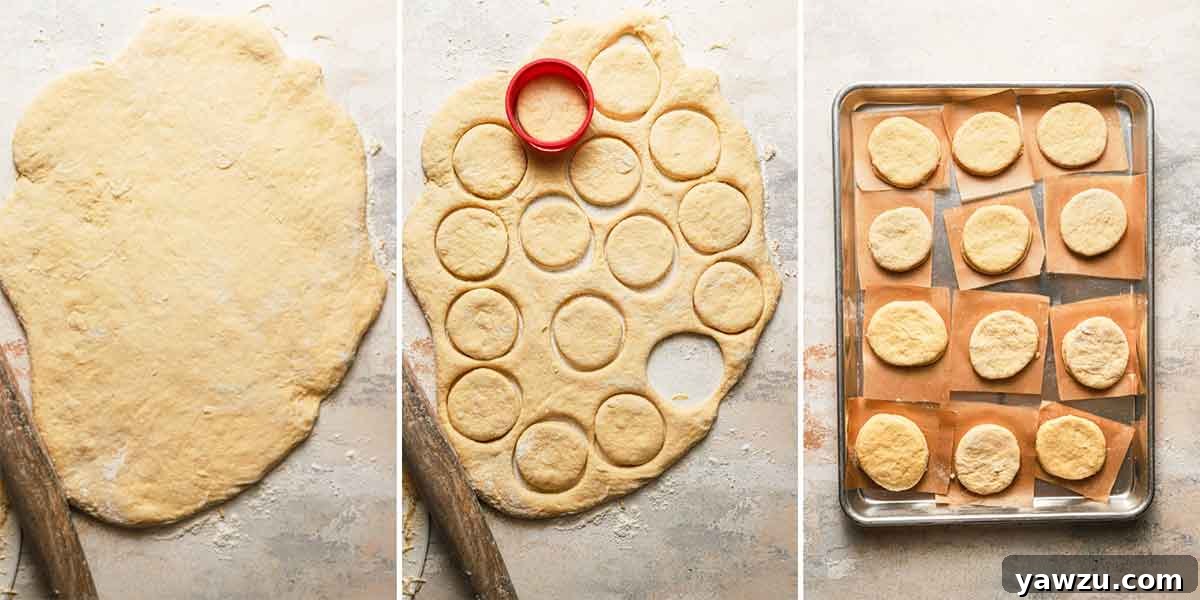
After the dough has achieved its magnificent double in size, it’s gently turned out onto a lightly floured surface. A silicone dough mat can be incredibly helpful for this stage, providing a non-stick surface for rolling. The dough is then carefully rolled to a uniform thickness of approximately half an inch. Using a three-inch round biscuit or cookie cutter, perfect rounds are cut from the dough. These delicate rounds are then transferred to parchment-lined baking sheets, making sure to leave some space between each one for their second rise. Any dough scraps are gathered, lightly re-rolled, and cut again to maximize your yield of delicious paczki. The baking sheets are then loosely covered with plastic wrap and left to rest in a warm, draft-free spot for another 30 minutes, allowing the doughnuts to nearly double in size once more.
While the paczki rounds are undergoing their final rise, it’s time to prepare the frying oil. You can use your preferred frying medium – be it peanut oil, vegetable oil, or even traditional lard – ensuring it’s suitable for deep-frying. Heat at least one and a half inches of oil in a heavy-bottomed pot or a large cast iron skillet. The key to perfectly golden paczki is maintaining a consistent oil temperature of 350 degrees Fahrenheit. A reliable thermometer is indispensable here for accuracy, preventing the doughnuts from absorbing too much oil or browning too quickly.
Once the oil is at the correct temperature, carefully lower about five or six paczki into the hot oil at a time, being careful not to overcrowd the pan, which can lower the oil temperature and lead to greasy doughnuts. Fry each side until a beautiful golden-brown color is achieved. This typically takes only a couple of minutes per side. Gently flip the doughnuts to ensure even cooking and browning. Once fried to perfection, remove them with a spider strainer or slotted spoon and transfer them to a baking sheet lined with a double layer of paper towels to drain any excess oil. Allow the oil to return to the target temperature between batches before frying the remaining doughnuts.
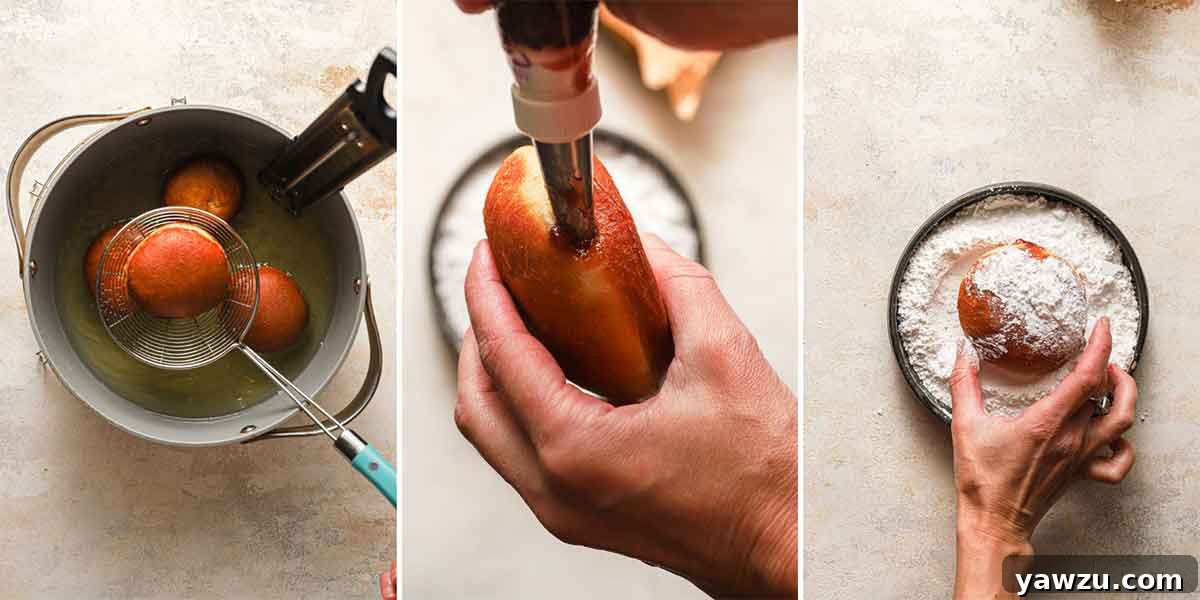
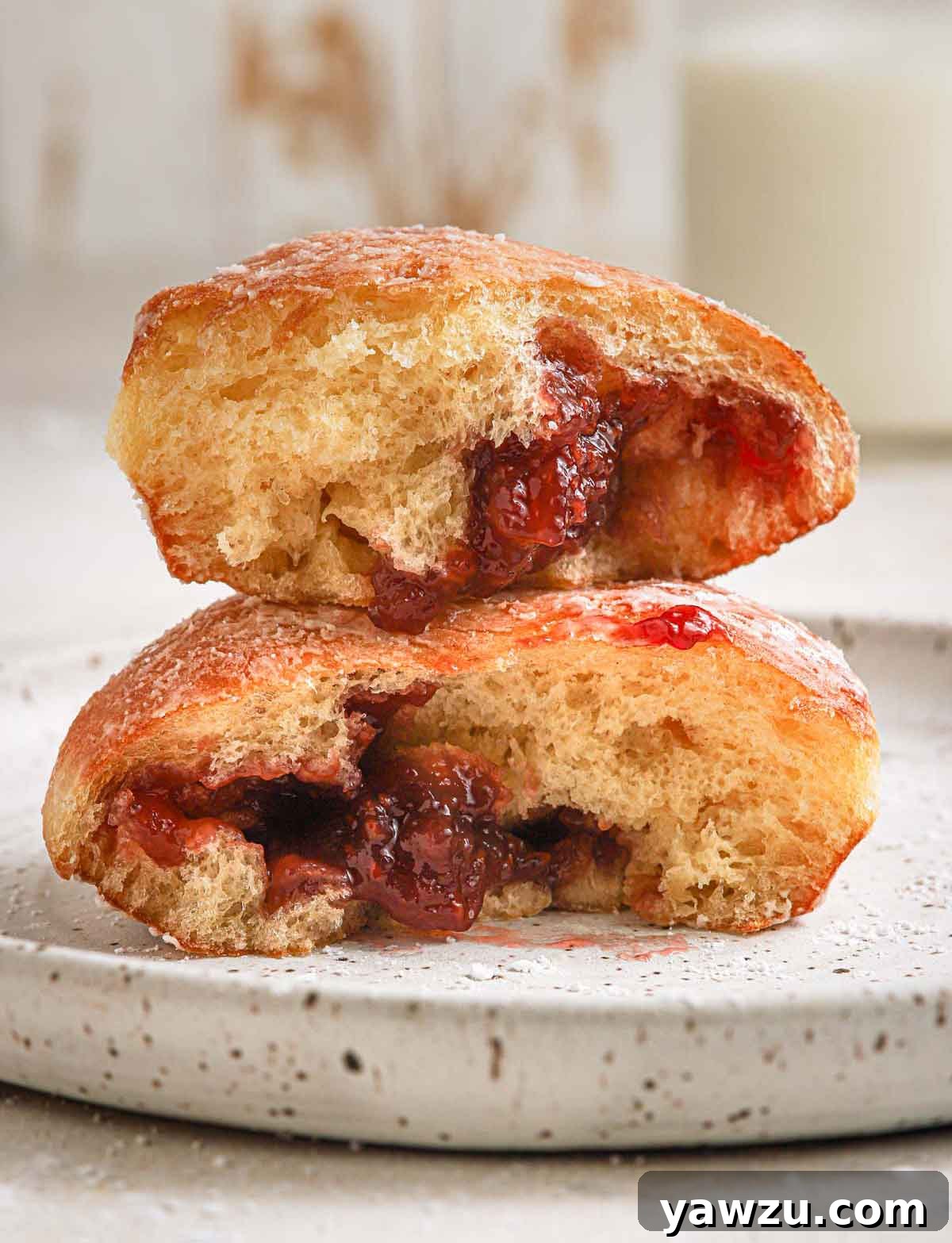
Once the paczki are cool enough to handle comfortably, the final decorative step awaits. If you desire a filled doughnut, use a piping bag fitted with a long, narrow tip to inject your chosen fruit preserves or cream into the sides of the paczki. Finally, roll them in your preferred sugar – powdered for a delicate finish, or granulated for a delightful textural contrast. These freshly made paczki are undoubtedly at their best when enjoyed on the same day they are prepared, offering an unparalleled experience of warmth, sweetness, and tender texture.
Inspiring Filling Ideas for Your Homemade Paczki
While the classic fruit preserves are always a fantastic choice, the beauty of homemade paczki lies in the freedom to customize. Whether you choose to leave them beautifully unfilled or create a burst of flavor with every bite, here are some delightful filling ideas to spark your culinary creativity:
- Classic Fruit Preserves: Raspberry, apricot, strawberry, or plum jam are timeless favorites that offer a vibrant fruity counterpoint to the rich dough.
- Prune Butter (Powidło): A deeply traditional Polish filling, offering a rich, caramelized sweetness.
- Lemon Curd: For a zesty and bright flavor that cuts through the richness of the doughnut.
- Bavarian Cream: A smooth, custardy filling that adds a luxurious, creamy texture.
- Homemade Pastry Cream: A versatile vanilla pastry cream can be easily adapted to chocolate or other flavors, providing a gourmet touch.
- Nutella or Chocolate Ganache: For the chocolate lovers, offering a rich, indulgent experience.
- Dulce de Leche: A sweet and creamy caramel spread that adds a unique depth of flavor.
Storing Your Delicious Paczki
Paczki, like most freshly fried doughnuts, are undoubtedly at their peak of flavor and texture when enjoyed warm, soon after they are made. The delicate crispness of the exterior and the soft, pillowy interior are best experienced within hours of frying.
However, if you find yourself with a few delightful leftovers, they can be stored in an airtight container at room temperature for up to two days. While they may lose a bit of their initial crispness, their rich flavor will still be wonderfully satisfying. For best results, consider a quick reheat in a microwave for 10-15 seconds to soften them slightly before serving.
Explore More Homemade Doughnut Recipes
If you’ve fallen in love with the art of making homemade paczki, you might enjoy exploring other delicious doughnut creations:
- Copycat Krispy Kreme Doughnuts
- Vanilla Cream-Filled Doughnuts
- Apple Fritter Doughnuts
- New Orleans Beignets
- Buttermilk Doughnuts
Should you create this paczki recipe and adore it, please consider returning to leave a 5-star rating. Your feedback genuinely helps others discover and enjoy this wonderful recipe!
Paczki (Polish Doughnuts)
Yield: 20 to 24 paczki
Prep Time: 2 hrs
Cook Time: 20 mins
Resting Time: 10 mins
Total Time: 2 hrs 30 mins
Traditional Polish paczki – rich, yeasted doughnuts generously filled with fruit preserves and rolled in sugar, a cherished treat for Fat Thursday and Fat Tuesday celebrations.
Ingredients
- 2 cups (480 ml) whole milk, warmed to 110 degrees F
- 4½ teaspoons (2 packages) active dry yeast
- ¾ cup (149 g) + 1 pinch granulated sugar, divided
- 5 to 6 cups (709 to 850 g) all-purpose flour, divided
- 1 large egg
- 4 egg yolks
- 1 teaspoon vanilla extract
- 1¼ teaspoons salt
- 4 tablespoons unsalted butter, melted and cooled
- Peanut oil, canola oil or lard, for frying
- Fruit preserves, for filling (optional)
- Powdered and granulated sugars, for coating (optional)
Instructions
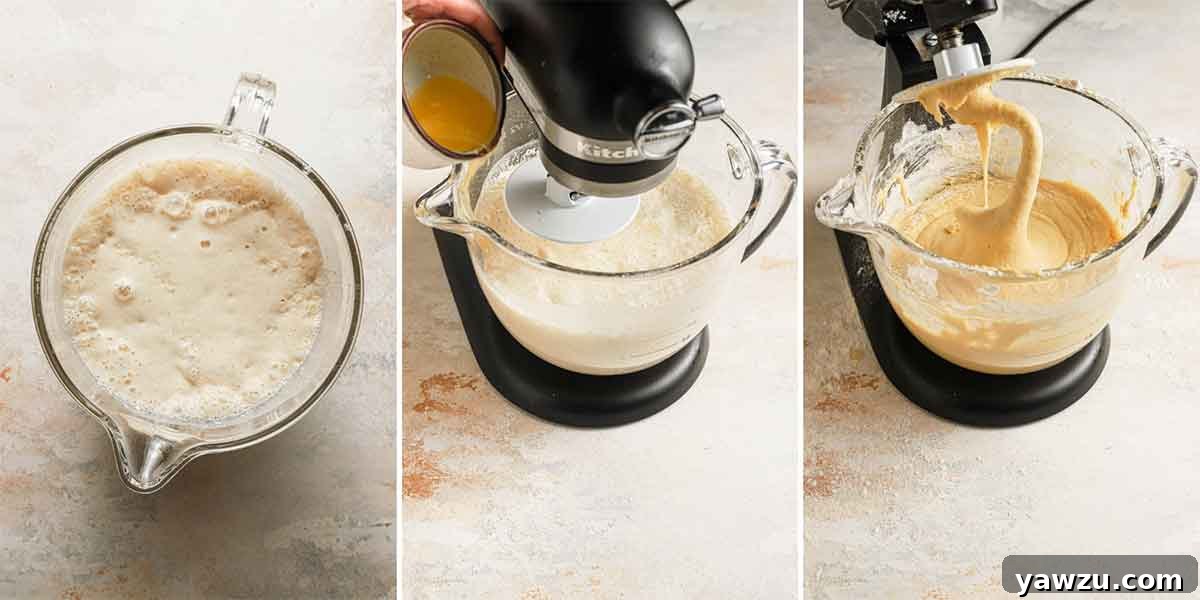
- Pour the warm milk into the bowl of a stand mixer. Stir in the active dry yeast and a pinch of granulated sugar. Let this mixture stand for 5 to 10 minutes, or until it becomes noticeably bubbly and foamy, indicating the yeast is active.
- Add 2 cups of all-purpose flour to the yeast mixture. Using a wooden spoon or the paddle attachment, stir until a smooth, thick batter forms. Cover the bowl loosely with plastic wrap and place it in a warm, draft-free spot. Allow the mixture to rise for 30 minutes. It should have risen significantly and be very bubbly.
- In a separate medium-sized bowl, whisk the whole egg and four egg yolks vigorously until they are pale yellow and frothy, which typically takes about 3 minutes. Incorporate the remaining granulated sugar, vanilla extract, and salt, whisking until the mixture is well combined and smooth.
- Attach the dough hook to your stand mixer. Add the prepared egg mixture to the risen dough, and mix on medium-low speed until the ingredients are mostly combined. Pour in the melted and cooled unsalted butter, mixing until fully incorporated. Gradually add 3 more cups of all-purpose flour to the mixture, continuing to knead with the dough hook until a very soft dough begins to form. Note that this dough will be quite slack and a bit sticky, and it may not completely clean the sides of the bowl or form a firm ball. If necessary, add up to an additional 1 cup of flour, one spoonful at a time, until the dough reaches the desired soft consistency.
- Transfer the soft dough to a lightly greased large bowl. Cover the bowl securely with plastic wrap and place it in a warm, draft-free location. Allow the dough to rise until it has completely doubled in size, which may take 1 to 2 hours depending on the warmth of your environment.
- Once doubled, gently remove the dough from the bowl and turn it out onto a well-floured work surface. Using your fingers, gently press the dough down into an even layer. Sprinkle a little more flour on top of the dough to prevent sticking, and then roll it out to an even ½-inch thickness. If the dough seems resistant and springs back excessively, cover it with a damp towel and let it rest for a few minutes before trying to roll it again.
- Using a 3-inch round biscuit cutter, carefully cut out individual paczki rounds from the rolled dough. Transfer these rounds to parchment-lined baking sheets, spacing them slightly apart. Gather any dough scraps, gently re-roll them, and cut out additional rounds until all of the dough has been used. Loosely cover the baking sheets with plastic wrap and place them in a warm, draft-free spot for a second rise, allowing the paczki to almost double in size again, typically about 30 minutes.
- While the paczki are undergoing their second rise, begin heating the frying oil. In a heavy-bottomed pot or a deep skillet (a 12-inch cast iron skillet works beautifully), heat at least 1½ inches of peanut oil, canola oil, or lard over medium heat until it reaches a consistent temperature of 350 degrees F. Use a candy or deep-fry thermometer to ensure accuracy.
- Carefully lower about five or six risen paczki into the hot oil at a time, being careful not to overcrowd the pan. Fry the paczki until the bottom side is beautifully golden brown, then carefully turn them over with tongs or a slotted spoon and continue frying until the other side is also golden brown. This typically takes 1-2 minutes per side. Using a spider strainer or slotted spoon, remove the fried paczki and transfer them to a baking sheet lined with a double layer of paper towels to drain any excess oil. Allow the oil to return to 350 degrees F between batches, then repeat the frying process for the remaining paczki.
- Once the paczki have cooled enough to be comfortably handled, you can proceed with filling and coating, if desired. Using a piping bag fitted with a filling tip, inject your chosen fruit preserves or cream into the sides of the paczki. Immediately after filling (or if leaving unfilled), roll the warm paczki in granulated sugar, powdered sugar, or glaze them as preferred. These paczki are truly best enjoyed on the very same day they are made. If you have any leftovers, they can be stored in an airtight container at room temperature for up to 2 days, though they may lose some freshness.
Notes
Nutritional values provided are based on one serving.
Nutrition Facts (per serving)
- Calories: 235 kcal
- Carbohydrates: 36g
- Protein: 5g
- Fat: 7g
- Saturated Fat: 2g
- Cholesterol: 55mg
- Sodium: 163mg
- Potassium: 100mg
- Fiber: 1g
- Sugar: 10g
- Vitamin A: 175IU
- Vitamin C: 0.2mg
- Calcium: 40mg
- Iron: 1.7mg
Did you make this recipe?
Leave a review below, then snap a picture and tag @thebrowneyedbaker on Instagram so I can see it!
Author: Michelle Lettrich
Course: Dessert
Cuisine: American, Polish
Photography by Dee Frances
This recipe was originally published on February 26, 2014.