
The Ultimate Classic Bread Stuffing: A Thanksgiving Essential
Thanksgiving. The very word conjures images of bountiful feasts, cherished family gatherings, and tables laden with an array of comforting dishes. While the turkey often takes center stage, there’s one side dish that, for many, steals the show and truly embodies the spirit of the holiday: stuffing. I recently polled my followers on Facebook about their favorite Thanksgiving accompaniment, and while opinions varied, the overwhelming love for stuffing was palpable. And honestly, I completely get it. For me, it’s not just a preference; it’s an obsession. I confess, I typically fill my plate high with creamy mashed potatoes, soft dinner rolls, and copious amounts of stuffing, leaving just a polite sliver of turkey for tradition’s sake. It seems I have a delightful, albeit undeniable, carb problem – a revelation that hardly shatters any culinary norms, given my unwavering affection for all things bread and potato.
My love affair with stuffing spans virtually every variety I’ve ever encountered. From the rustic charm of classic bread stuffing to the rich complexity of cornbread stuffing, the savory depth of sausage stuffing, and even, dare I say it, the nostalgic simplicity of Stove Top, if it’s stuffing, there’s a 99.9% chance it will vanish from my plate with remarkable speed. Each type offers its own unique texture and flavor profile, from the earthy notes of sage and thyme to the sweet undertones of apples and cranberries. Yet, amidst this delicious diversity, a special place in my heart is reserved for a truly classic, no-frills bread stuffing. It’s the quintessential comfort food that brings warmth and a sense of tradition to any holiday table. Surprisingly, my family never settled on a single, definitive recipe for this beloved dish. Each year, it felt like a delightful culinary roulette, with someone new taking the reins and experimenting. This delightful chaos, however, inspired a mission: to discover and perfect a foundational, utterly awesome classic bread stuffing recipe that could be passed down through generations. After much searching, testing, and tasting, I found my winner. This recipe delivers everything you could possibly want in a traditional stuffing: incredible flavor, perfect texture, and a sense of effortless elegance that makes it truly shine.
The quest for the perfect stuffing inevitably leads to one of the great holiday debates: to stuff the bird, or to bake it separately? There are, of course, two distinct schools of thought on this matter, each with its passionate proponents. Our family, without a doubt, falls firmly into the “baked outside the bird” camp. And for good reason! When stuffing is baked in a casserole dish, it develops a wonderfully crisp, golden-brown crust on top that is simply irresistible. This textural contrast, with a perfectly moist and flavorful interior, is a hallmark of truly exceptional stuffing. Beyond the superior texture, there’s also the peace of mind that comes with knowing you don’t have to worry about any potential food safety issues associated with cooking stuffing inside the turkey. While it’s certainly possible to safely cook stuffing in the bird, it requires precise temperature monitoring to ensure it reaches the proper internal temperature without overcooking the turkey itself. Call me overly cautious, but the thought of juggling internal temperatures and potential cross-contamination makes me a little uneasy when preparing a large holiday meal. Baking it separately simplifies the process significantly, allowing the stuffing to reach its ideal state independently. So, on which side of this delicious fence do you find yourself?
For those who opt for baking inside the bird, the primary draw is often the infusion of rich turkey drippings and juices, which can lend an unparalleled depth of flavor and moisture to the stuffing. It’s a classic method steeped in tradition, and when done right, it can be truly magnificent. However, achieving that ideal balance of flavor, moisture, and safety requires careful attention. In-bird stuffing tends to be softer and more uniformly moist, lacking the crispy bits that many (like myself) adore. This difference in texture is often the deciding factor for many home cooks. My chosen method, baking separately, allows for maximum crispness and control over the final texture, ensuring every forkful is a perfect blend of savory goodness and satisfying crunch. It’s also incredibly versatile, allowing for easy scale-up or customization without impacting the turkey’s cooking time or integrity. The debate highlights how personal preference and tradition intertwine in our holiday cooking, making each family’s stuffing a unique culinary signature.
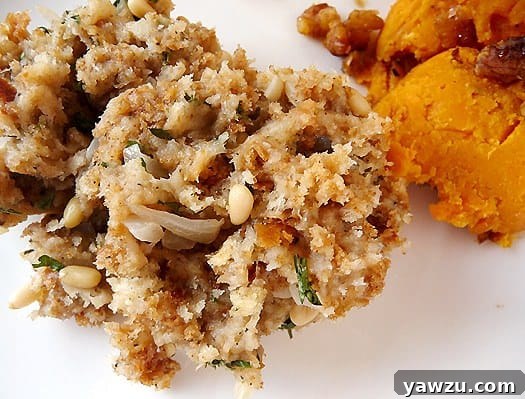
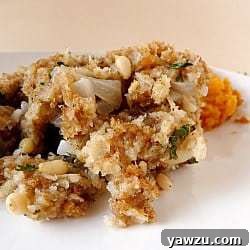
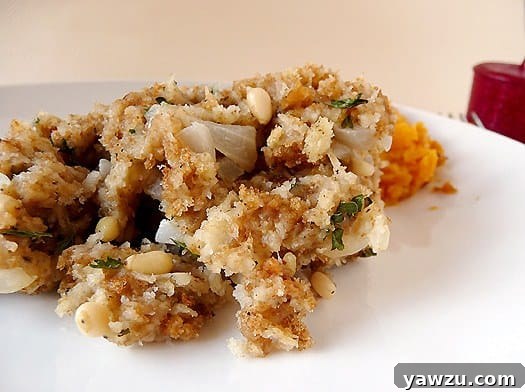
This recipe, our new family favorite, truly stands out as a beacon of classic Thanksgiving flavor. It perfectly balances the richness of butter and nuts with the aromatic freshness of herbs, creating a stuffing that is both hearty and incredibly fragrant. The key to its success lies in its simplicity and the quality of its ingredients. Fresh bread crumbs provide the perfect base, soaking up all the delicious flavors without becoming overly soggy. The addition of pine nuts offers a delightful textural contrast and a subtle, buttery richness that elevates the dish beyond the ordinary. Sage, a quintessential Thanksgiving herb, infuses the stuffing with its signature earthy aroma, while fresh parsley and scallions add bright, fresh notes that cut through the richness. It’s a symphony of flavors and textures that truly makes it a star of any holiday meal.
Beyond the Recipe: Tips for Perfect Stuffing Every Time
Achieving stuffing perfection goes beyond just following a recipe; a few key techniques can elevate your dish from good to unforgettable:
- Use Stale Bread: This is perhaps the most crucial tip. Fresh bread contains too much moisture and will result in a dense, gummy stuffing. Day-old or even two-day-old bread is ideal as it’s drier and will better absorb the liquids and flavors without turning mushy. If you’re short on time, you can cut fresh bread into cubes and toast them lightly in the oven until dry.
- Choose Your Bread Wisely: While virtually any bread can be used, a good quality white bread, sourdough, or even challah works wonderfully. Avoid overly crusty breads, as they can be difficult to break down, or very soft breads that might disintegrate too quickly.
- Don’t Over-Mix: Once the liquids are added, mix just enough to combine. Over-mixing can develop the gluten in the bread, leading to a tougher texture.
- Adjust Moisture Levels: The amount of broth needed can vary depending on the dryness of your bread. Add broth gradually until the stuffing is moist but not soaking wet. It should be able to hold its shape when squeezed lightly in your hand, but still appear fluffy. Too dry, and it will be crumbly; too wet, and it will be dense.
- Taste and Adjust Seasoning: This recipe provides a solid foundation, but always taste your stuffing mixture before baking. Adjust salt, pepper, and herbs to your preference. Remember that flavors can mellow slightly during baking.
- Customization is Key: While this classic recipe is fantastic as is, don’t hesitate to personalize it. Consider adding sautéed celery, mushrooms, cooked sausage, dried cranberries, or diced apples for extra flavor and texture. Just remember to sauté any fresh additions (like celery or mushrooms) with the onions to soften them.
- Make Ahead: Stuffing is an excellent make-ahead dish, perfect for reducing stress on Thanksgiving Day. You can prepare the mixture up to a day in advance, refrigerate it in a covered container, and then transfer it to a baking dish and bake as directed. You might need to add an extra 10-15 minutes to the baking time if baking from cold.
- Reheating Leftovers: Leftover stuffing heats beautifully. Cover it loosely with foil and reheat in a moderate oven (around 300-325°F or 150-160°C) until warmed through. For crispy edges, remove the foil for the last 10 minutes.
The Recipe: Classic Bread Stuffing
Classic Bread Stuffing Recipe
Yield: 8 to 10 servings
Prep Time: 15 mins
Cook Time: 45 mins
Total Time: 1 hr
This perfectly seasoned, wonderfully textured stuffing is destined to become a staple on your Thanksgiving table for years to come!
Average Rating: 4.88 out of 5 stars (24 ratings)
Pin Recipe
Leave a Review
Ingredients
- 8 ounces (226.8 g) butter (1 cup)
- 1 cup (160 g) chopped onion
- ½ cup (67.5 g) pine nuts
- 6 to 8 cups (540 to 720 g) fresh bread crumbs (from day-old bread)
- 1 tablespoon minced fresh sage leaves, or 1 teaspoon dried
- Salt and freshly ground black pepper, to taste
- ½ cup (50 g) chopped scallion
- ½ cup (30 g) chopped fresh parsley leaves
- Optional: 1 to 2 cups chicken or vegetable broth, for desired moisture (if not baking in the bird)
Instructions
- Preheat your oven to 375 degrees F (190°C). Prepare a 3-quart or 9×13-inch casserole dish.
- In a large, deep skillet or Dutch oven, melt the butter over medium heat. Once melted, add the chopped onion and cook, stirring occasionally, until it softens and becomes translucent, which should take about 5 minutes.
- Add the pine nuts to the skillet with the softened onions. Continue to cook, stirring almost constantly, until the pine nuts begin to turn a light golden brown, approximately 3 minutes. Keep a close eye on them to prevent burning.
- Stir in the fresh bread crumbs and the sage (fresh or dried) into the mixture. Toss gently to ensure all the bread crumbs are coated with the butter and aromatics. Reduce the heat to low.
- Season the mixture with salt and freshly ground black pepper to your taste. Add the chopped scallions and toss again to incorporate. Taste the mixture and adjust seasonings as needed. Finally, add the chopped fresh parsley leaves and stir gently until evenly distributed. Turn off the heat. (At this stage, if you’re preparing ahead, you can transfer the stuffing to a covered container and refrigerate for up to one day before baking.)
- If your bread crumbs seem too dry, or if you prefer a moister stuffing when baking separately, gradually add 1 to 2 cups of chicken or vegetable broth, stirring until the desired consistency is reached. The stuffing should be moist but not soggy.
- Transfer the prepared stuffing mixture into your casserole dish. Bake for approximately 45 minutes, or until the top is golden brown and crisp, and the stuffing is heated through to an internal temperature of 165°F (74°C).
- Serve hot and enjoy this timeless holiday classic!
Nutrition Information (per serving)
Calories: 592kcal, Carbohydrates: 62g, Protein: 12g, Fat: 33g, Saturated Fat: 15g, Cholesterol: 60mg, Sodium: 803mg, Potassium: 283mg, Fiber: 4g, Sugar: 6g, Vitamin A: 1085IU, Vitamin C: 7.7mg, Calcium: 176mg, Iron: 4.8mg
*Nutritional information is an estimate and may vary based on ingredients and preparation methods.
Loved this recipe? Share your experience!
Leave a review below to let us know how your classic bread stuffing turned out. Don’t forget to snap a picture and tag @thebrowneyedbaker on Instagram – I’d love to see your creations!
Author: Michelle Lettrich
Course: Side Dish
Cuisine: American
And if you’re looking for another delightful treat from a year ago, check out our Chocolate-Pistachio Biscotti recipe!