
Baking Panettone: A Sweet Journey into Italian Christmas Bread Tradition
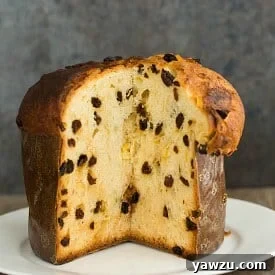
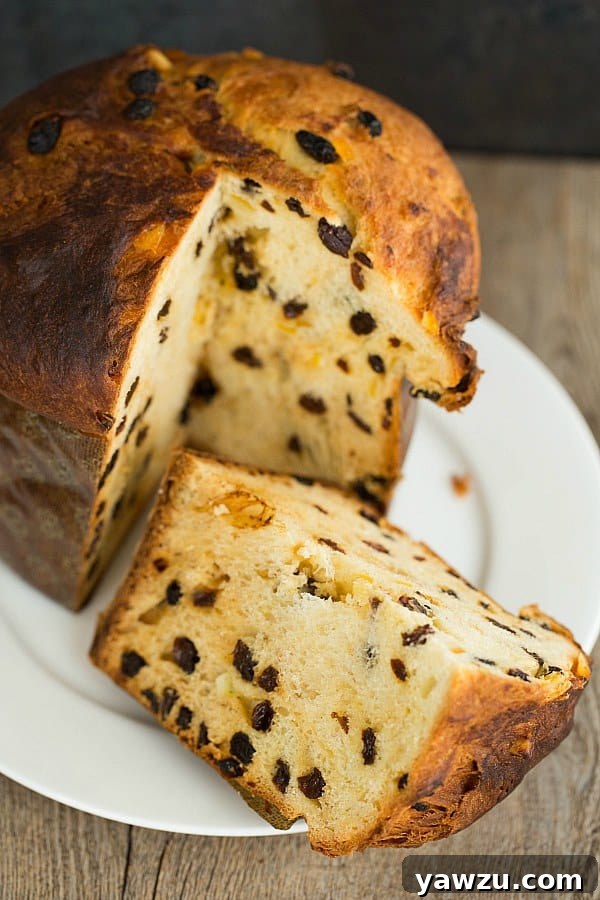
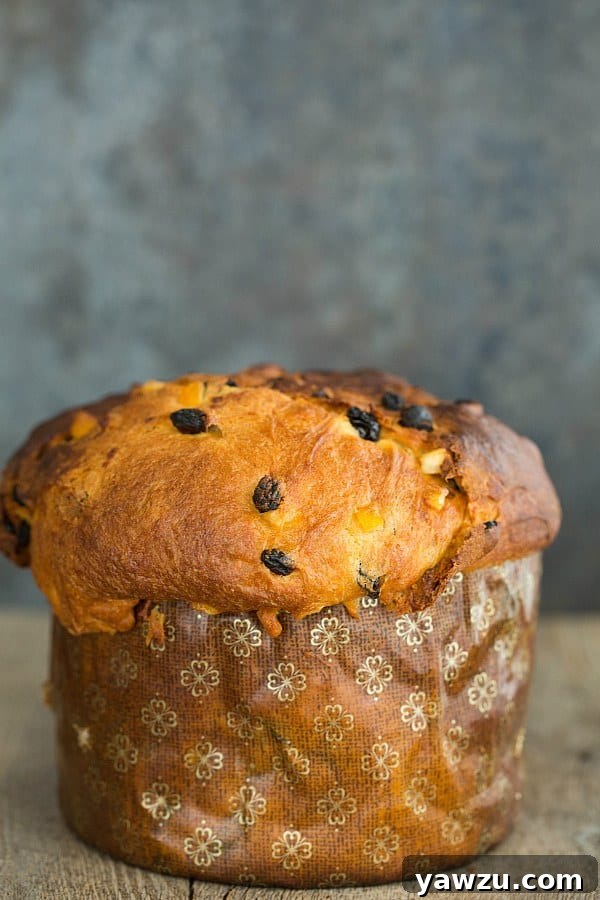
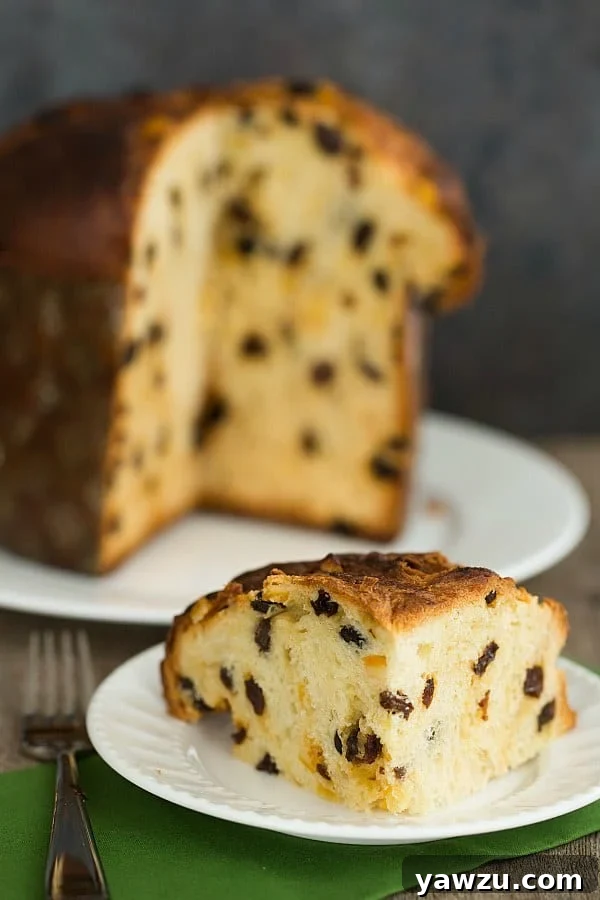
Have you ever encountered a culinary delight that instantly transports you to a different time and place, evoking a sense of warmth and tradition you never knew you were missing? For me, that experience came with Panettone, the iconic Italian Christmas bread. I’m genuinely surprised I hadn’t tasted this exquisite sweet bread before, especially given its deep roots in holiday celebrations across Italy and beyond. When I shared my newfound fascination with my mother, she wistfully recalled that my grandmother used to bake it every holiday season, even repurposing old coffee cans as molds! Sadly, after my grandpap passed away, the tradition faded, and the calls for Panettone ceased. What a profound shame, as I know I would have eagerly devoured it year after year. For those unfamiliar with this festive masterpiece, Panettone is a light, airy, and buttery sweet bread, generously studded with candied citron, aromatic lemon zest, and plump raisins. Its distinctive domed shape, achieved by baking in a tall cylindrical mold, makes it instantly recognizable. Now that I’ve embarked on the journey of making it myself, I truly understand why Panettone is a cherished holiday treasure for countless families.
The Culinary Quest: My Search for the Ultimate Panettone Recipe
Determined to revive this delightful tradition and introduce it to my own holiday festivities, I began my quest for the perfect Panettone recipe well in advance of Christmas. My initial research, however, proved to be more challenging than anticipated. Sifting through countless recipes online, I struggled to find one that truly stood out as a clear-cut “winner.” Many seemed overly complicated, while others lacked the authentic appeal I was seeking. This led to a period of trial and error, a path familiar to any dedicated home baker. I vividly recall one particularly disastrous experience with a recipe that demanded a week-long starter. By Day 4, the starter had developed a truly unfortunate aroma, reminiscent of something best left unsaid from a college freshman’s questionable beverage choices. It was, to put it mildly, NOT a good morning, especially as it was the day before Thanksgiving. I spent an absurd amount of time burning candles and liberally spraying air fresheners to try and eradicate the lingering, awful smell from my kitchen!
Undeterred by my earlier setback, I dove deeper into the digital realm, meticulously poring over blogs, forums, and message boards in pursuit of my elusive Panettone. It was during this extensive research that I stumbled upon multiple references to a specific recipe published in the December 2008 edition of Gourmet Magazine. A little more digital sleuthing led me to discover that Andrea Meyers had successfully made it, and just a few clicks further, I unearthed an actual PDF of the magazine article on Sullivan Street Bakery’s website. To my delight, I learned that the recipe was created by none other than the esteemed baker Jim Lahey, known for his no-knead bread revolution. The moment I laid eyes on his Panettone recipe, I had an immediate gut feeling: this was “the one.” I knew I had to carve out dedicated time to bring this authentic Italian Christmas bread to life in my own kitchen.
Crafting the Exquisite Panettone Dough: A Symphony of Flavors
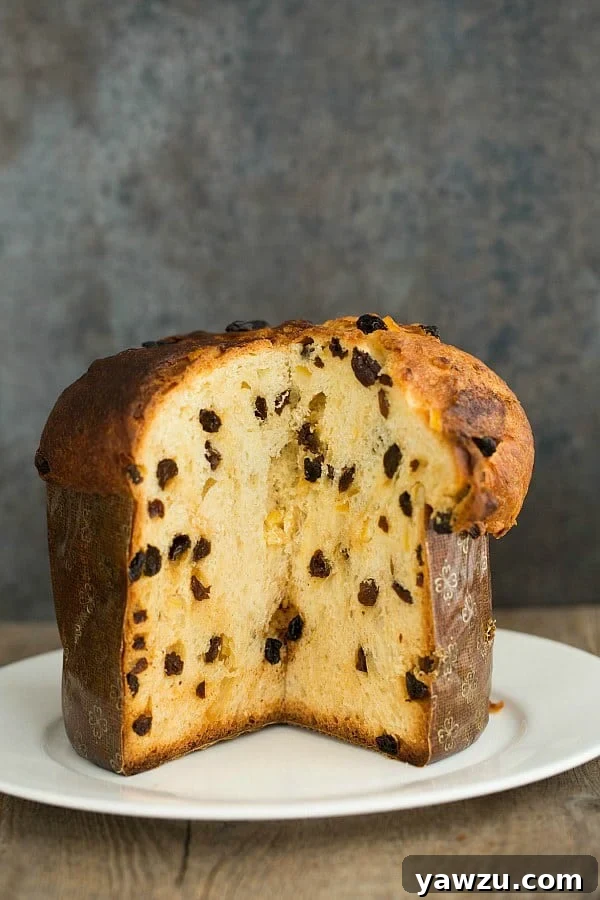
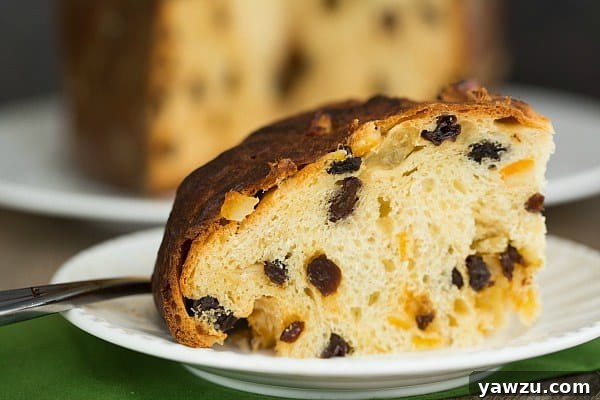
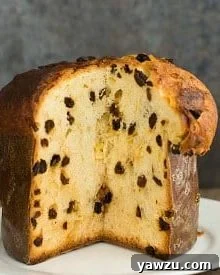
Jim Lahey’s Panettone recipe yields a truly exceptional dough, one that is beautifully soft, remarkably supple, and boasts a rich texture akin to a classic brioche. What elevates this Panettone to a show-stopping level is its thoughtful selection of high-quality ingredients. Half of a vanilla bean, split lengthwise, is added to the dough during mixing, allowing its intoxicating aroma to infuse deeply before being removed prior to baking. Plump, rum-soaked raisins lend a delightful boozy sweetness and moisture, while finely diced candied orange peel introduces a bright, zesty counterpoint. The combination of these elements creates a symphony of flavors that truly lives up to the bread’s stunning appearance. Every bite of this sweet bread is incredibly soft and intensely flavorful, a harmonious blend of vanilla, vibrant lemon zest, and the rich, fruity notes from the raisins and candied orange peel. It’s a testament to how simple yet premium ingredients can transform a traditional Italian sweet bread into an unforgettable culinary experience.
The Art of Patience: Understanding the Panettone Baking Schedule
While I found this Panettone dough remarkably easy to mix and work with, it’s important to note that the recipe demands a significant time commitment. This isn’t a quick bake; it’s a multi-stage process designed to develop complex flavors and an exceptional texture. Therefore, careful planning is absolutely essential. The slow fermentation and multiple rises are key to achieving the characteristic lightness and depth of flavor that defines authentic Panettone. I closely followed Andrea Meyers’ guide for timing, and it worked out perfectly, illustrating how a structured approach leads to success in traditional baking.
Here’s a breakdown of the typical Panettone baking schedule:
- Day 1 Morning: Begin by soaking the raisins in rum and hot water. This crucial step allows them to plump up and absorb the rich flavors, which will later infuse into the bread.
- Day 1 Evening: Prepare the main dough. This involves mixing all the ingredients and incorporating the softened butter, leading to an elastic and smooth dough that’s ready for its long fermentation.
- Overnight (12-15 hours): The first, and longest, rise. The dough rests in a cool environment, allowing the yeast to slowly work its magic, developing profound flavors and a light structure.
- Day 2 Morning: After the first rise, the dough is shaped and placed into its Panettone mold for a second, shorter rise at a warmer room temperature. This final proofing prepares it for baking.
- Day 2 Afternoon: Bake the Panettone until it’s beautifully golden brown and thoroughly cooked through.
Embracing this multi-day process is not just about following instructions; it’s about appreciating the craft and patience required to create such a magnificent holiday bread. The reward for your waiting is a Panettone unparalleled in taste and texture.
Essential Tools for Panettone Success
To successfully bake this traditional Italian Christmas bread, you’ll need a few specialized items. These tools are crucial for achieving the distinctive shape and texture of Panettone:
- Panettone Molds: These tall, cylindrical paper molds (typically 6×4½ inches) are non-negotiable for achieving the bread’s signature height and shape. They can often be sourced from specialty baking suppliers like King Arthur Flour.
- Candied Citron (or Candied Orange Peel): While candied citron is traditional, candied orange peel or a mixed candied peel blend works beautifully as an alternative, adding vibrant flavor and texture. Again, these are often available from quality baking suppliers.
- Metal or Wooden Skewers: Specifically, 12-inch skewers are needed for the unique cooling method, which is vital for maintaining the bread’s airy structure.
The Ingenious Upside-Down Cooling Method: Preventing Collapse
One of the most intriguing and essential steps in baking Panettone, particularly for achieving its characteristic light and airy texture, is the upside-down cooling method. I’ll admit, when I first read Jim Lahey’s instructions to pierce the freshly baked bread with skewers and hang it upside down, I thought it sounded absolutely crazy! However, Lahey explains that this technique is vital: by inverting the bread immediately after baking, it prevents the rich, tender crumb from collapsing under its own weight as it cools. This ensures that the Panettone retains its lofty, domed shape and delicate structure. Despite my initial skepticism, I followed the recipe precisely and was genuinely surprised and relieved when my bread held its form beautifully, not tearing through the skewers or ending up in a heap at the bottom of the pot.
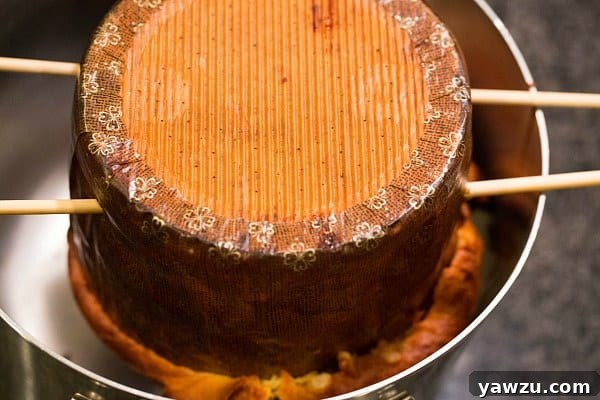
I didn’t have specific metal skewers on hand for this unique task, but I did have some enormous wooden skewers left over from summer s’mores sessions. They worked perfectly, proving that sometimes improvisation can save the day. The only minor issue I encountered during baking was that one quadrant of the Panettone’s top actually drooped slightly and separated during the baking process. You might even notice in some of the photos that one section appears lighter than the rest. Thankfully, this minor cosmetic flaw didn’t detract from the finished product; it browned again just fine and was absolutely delicious. Plus, it meant I had a little piece to “sample” while the entire loaf cooled, which was a welcome bonus!
A Cherished New Christmas Tradition
The success of this Panettone was undeniable. My Chief Culinary Consultant (my husband) and I managed to devour half of this magnificent loaf in just two days – a true testament to its irresistible nature. “Fabulous” doesn’t even begin to describe the experience. I’m already planning to bake at least two more loaves before Christmas: one for each of our families, to share the joy of this incredible sweet bread. And honestly, I might just make a third for us to continue enjoying into the New Year!
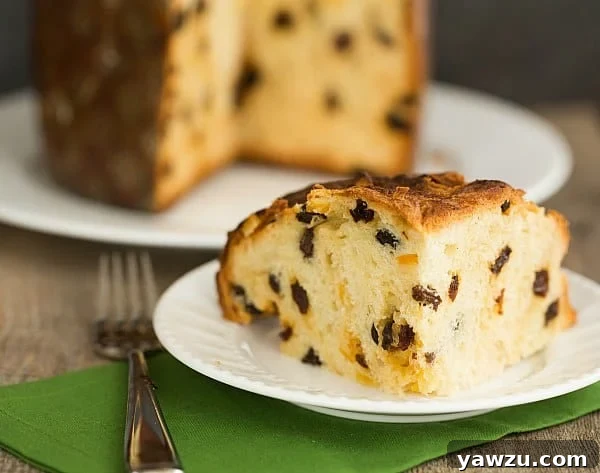
While I may not have grown up with homemade Panettone as part of my immediate family’s Christmas traditions, this delightful Italian Christmas bread is now something I am absolutely committed to making a part of our future celebrations. It brings immense joy and a wonderful connection to a rich culinary heritage. I only wish my grandma were still here to taste this rendition and compare notes; I have no doubt she would adore it!
Explore More Festive Recipes
If you enjoyed this journey into holiday baking, don’t forget to explore some of our other festive treats:
- One year ago: Homemade Torrone
- Two years ago: Gingerbread Men Cookies
- Three years ago: Homemade Hot Cocoa Mix
Panettone: Traditional Italian Christmas Bread Recipe
Yield: 12 servings (6-inch loaf)
Prep Time: 1 hour
Cook Time: 1 hour
Resting Time: 1 day 4 hours (includes rising)
Total Time: Approximately 1 day 6 hours
A cherished recipe for authentic Panettone, Italian Christmas bread, featuring a rich, brioche-like dough infused with aromatic vanilla bean and generously studded with rum-soaked raisins and candied orange peel. This traditional sweet bread is perfect for holiday celebrations.
Rated 4.37 out of 5 stars by 69 users.
Print Recipe |
Pin Recipe |
Rate Recipe
Ingredients
- 1 cup (145 g) raisins
- 2 tablespoons light rum
- 2 tablespoons hot water
- 3¾ cups (468.75 g) all-purpose flour
- ⅔ cup (133.33 g) granulated sugar
- ½ teaspoon active dry yeast
- ½ teaspoon salt
- ¼ teaspoon lemon zest
- ½ vanilla bean, split in half lengthwise
- 3 eggs, at room temperature
- ⅔ cup (166.67 ml) tepid water
- 1 tablespoon honey
- 10½ tablespoons unsalted butter, well softened
- 1 tablespoon unsalted butter, melted
- 1 tablespoon unsalted butter, chilled
- ⅔ cup (100 g) candied citron (or candied orange peel in ¼-inch pieces)
Special Equipment:
- Panettone molds, 6×4½-inch (available at King Arthur Flour)
- 12-inch metal or wooden skewers
Instructions
- In a small bowl, combine the raisins with the rum and 2 tablespoons of hot water. Allow to soak at room temperature, stirring occasionally, until the raisins are plump and most of the liquid has been absorbed, at least 8 hours or overnight.
- In a stand mixer fitted with a paddle attachment, mix together the flour, sugar, yeast, salt, lemon zest, and vanilla bean on low speed until combined. In a medium bowl, whisk together the eggs, tepid water, and honey. With the mixer on low speed, pour the egg mixture into the flour mixture. Increase the speed to medium-low and mix until all of the ingredients are combined. Add the softened butter, 1 tablespoon at a time, mixing until incorporated before adding more. Increase the speed to medium-high and beat until the dough is smooth and elastic, about 8 minutes.
- Drain the raisins, discard the soaking liquid, and stir together with the candied citron and 1 tablespoon of melted butter. Stir this mixture into the dough with a wooden spoon.
- Place the dough in a large bowl, cover with plastic wrap, and let rise in a cold oven with the door closed until it has nearly tripled in volume, 12 to 15 hours.
- Locate and discard the vanilla bean, then sprinkle the dough lightly with flour and scrape out onto a lightly floured surface. Sprinkle a bit more flour onto the dough, then fold the edges of the dough in towards the center, forming a loose ball, and place, seam-side down, into the panettone mold. Cover with a damp kitchen towel (not terry cloth) and let rise in a draft-free place at warm room temperature until the dough is just above the top of the mold, 3 to 5 hours.
- Preheat oven to 370 degrees F (185°C).
- Place the dough-filled panettone mold on a baking sheet. Use a very sharp serrated knife to score an “X” across the entire surface of the dough. Place the 1 tablespoon chilled butter in the center of the X and bake until a wooden skewer inserted into the center comes out slightly moist but not wet, 60 to 75 minutes (the panettone will be very dark).
- Remove from the oven and pierce 12-inch metal or wooden skewers all the way through the panettone (including the paper) 4 inches apart and 1 inch from the bottom so the skewers are parallel. Hang the panettone upside down over a large stockpot and cool completely before cutting. To store the panettone, wrap tightly in plastic wrap, then either place in a resealable plastic bag, or wrap again in foil. The bread will keep at room temperature for up to 1 week. (Freezing is also an option; wrap in plastic, then foil, then place in a resealable bag for longer storage.)
Notes
Nutritional values are based on one serving.
Nutrition Information (per serving):
- Calories: 381kcal
- Carbohydrates: 59g
- Protein: 6g
- Fat: 13g
- Saturated Fat: 7g
- Cholesterol: 72mg
- Sodium: 127mg
- Potassium: 169mg
- Fiber: 2g
- Sugar: 19g
- Vitamin A: 425IU
- Vitamin C: 0.7mg
- Calcium: 20mg
- Iron: 2.3mg
Did you make this recipe?
Leave a review below, then snap a picture and tag @thebrowneyedbaker on Instagram so I can see it!