
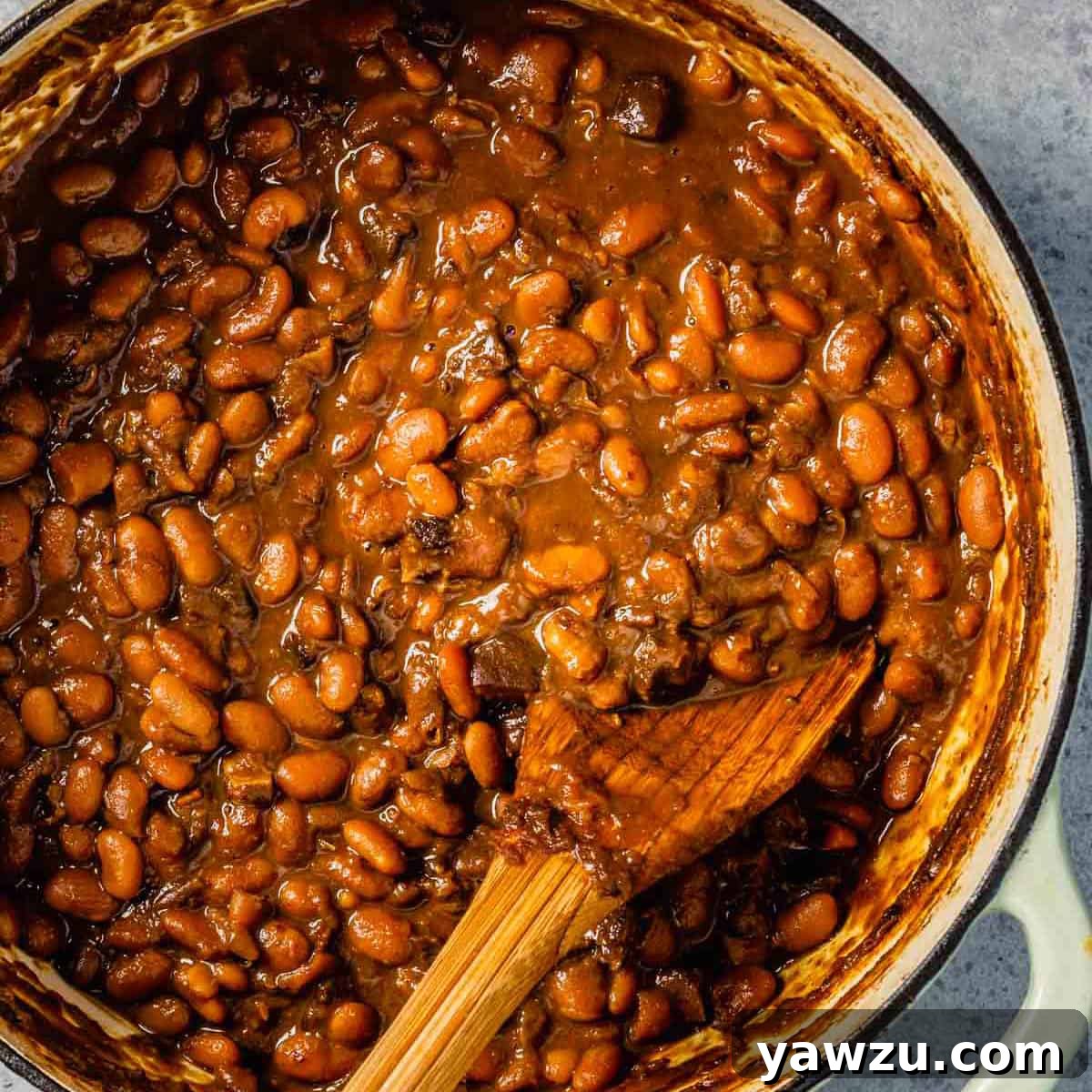
Welcome to the ultimate guide for crafting authentic, rich, and irresistibly hearty Boston Baked Beans. This isn’t just a side dish; it’s a culinary journey rooted in tradition, a comforting classic that transcends seasons. Whether you’re planning a summer potluck, a cozy winter gathering, or simply craving a taste of history, these molasses-sweetened, bacon-infused white beans are the perfect all-season comfort food you’ve been searching for.
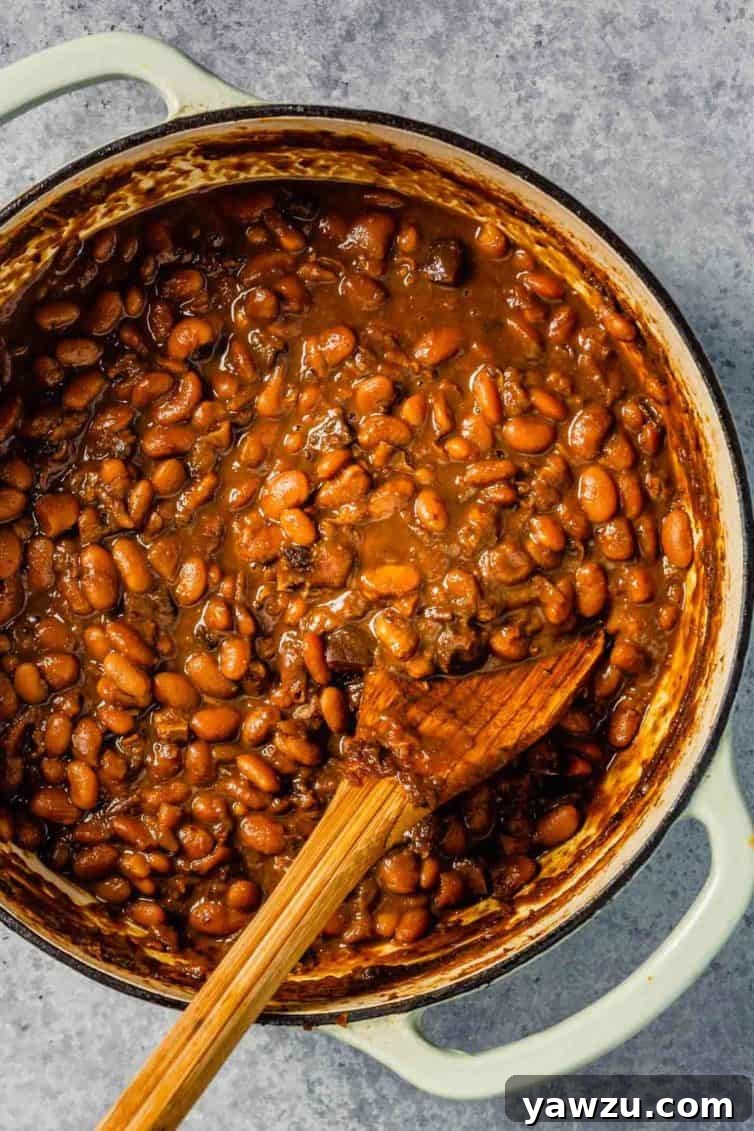
Beans sometimes get an unfair reputation, but for many, they are a beloved staple. From the creamy refried beans in a Mexican fiesta to the robust black beans, the hearty kidney beans in a warming chili, the tender cannellini beans in a vibrant minestrone, or the smooth garbanzo beans in hummus—beans offer incredible versatility and nutrition. And then, there are baked beans. Not just any baked beans, but the iconic Boston Baked Beans, a dish celebrated for its distinctive deep flavor and comforting presence.
While many families have their own cherished baked bean recipes—perhaps involving ground beef, bacon, and a homemade barbecue sauce—there’s something uniquely satisfying about creating a classic from scratch. The process of soaking dried beans and cooking them low and slow transforms simple ingredients into a dish far superior to any canned version. This recipe captures the essence of truly exceptional baked beans, promising a keeper you’ll return to again and again.
What Are Boston Baked Beans? A Taste of History
Boston Baked Beans are a distinct variety of baked beans, renowned for their characteristic sweetness derived from molasses and the savory depth imparted by salt pork or bacon. This dish traces its origins back to a traditional Native American recipe, which was quickly adopted by early European settlers in New England. The region offered an abundance of the key ingredients necessary for the dish, including various types of white beans and plentiful pork.
The popularity of Boston Baked Beans soared, particularly due to Boston’s prominent role in rum production. This industry left the city with a substantial surplus of molasses, a byproduct of rum distillation. This made molasses an incredibly convenient and affordable sweetener, defining the unique flavor profile that distinguishes Boston Baked Beans from other regional variations that might use maple syrup. Historically, these sweet baked beans were often prepared on Saturday nights and left to slow-cook overnight in brick ovens. This allowed families to enjoy a warm, hearty meal on Sundays without breaking the Sabbath’s rules against working or cooking, further cementing their place in New England culture and earning Boston the affectionate nickname “Beantown.”
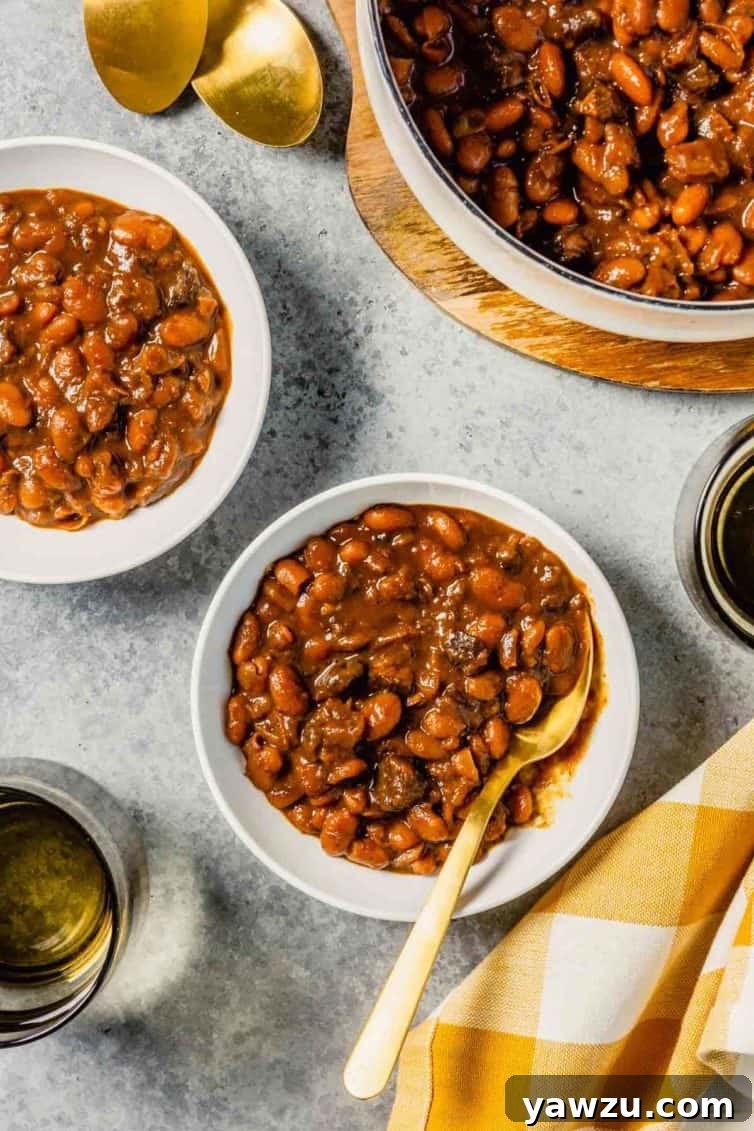
Essential Ingredients for Authentic Boston Baked Beans
To achieve the unparalleled flavor and texture of authentic Boston Baked Beans, selecting the right ingredients is key. Each component plays a vital role in building the dish’s complex profile:
- Salt Pork: This cut, typically from pork belly and cured in salt, is richer in fat than bacon. It renders slowly, releasing deep, savory flavors and creating a silky texture that infuses the beans with unparalleled richness.
- Bacon: Chopped and cooked alongside the salt pork, bacon adds another layer of smoky, salty, and savory notes, enhancing the overall meatiness of the dish.
- Onion: Finely chopped onion is sautéed in the rendered pork fat, providing a crucial aromatic base that adds a subtle sweetness and depth to the beans as they cook.
- Molasses: The star sweetener of Boston Baked Beans. Mild molasses (often referred to as light or unsulphured molasses) provides a deep, complex, and slightly bittersweet sweetness along with a characteristic dark hue and thick, luscious texture.
- Brown Sugar: Complements the molasses, adding an extra layer of caramel-like sweetness without making the dish cloyingly sweet.
- Mustard: A good quality brown mustard is essential. It provides a piquant tang that perfectly balances the sweetness of the molasses and cuts through the richness of the pork, adding a sophisticated depth of flavor.
- White Beans: The foundation of the dish. Dried small white beans like Great Northern beans are ideal due to their creamy texture when cooked, but navy beans or cannellini beans also work wonderfully. Remember to rinse and carefully pick through them to remove any debris.
- Water: The cooking liquid that transforms dried beans into tender, flavorful morsels. It’s absorbed slowly over hours, ensuring the beans are perfectly cooked.
- Apple Cider Vinegar: Added at the end of the cooking process, a touch of apple cider vinegar provides a bright, acidic “bite” that elevates all the other flavors and prevents the beans from tasting flat.
- Salt & Pepper: Essential seasonings to enhance all the other ingredients and balance the sweet and savory notes. Adjust to your personal taste.
Substitution Tips & Flavor Adjustments
Sometimes, specific ingredients can be hard to find or you might want to customize the flavor. Here are a few helpful tips:
Salt Pork Alternatives
While salt pork is highly recommended for its unique flavor, if you can’t find it (it’s often in the refrigerated section near other pork products like ham steaks), you can substitute it. The best replacement is additional bacon. You could also try a good quality pancetta for a similar rich flavor. The goal is to get that rendered fat and savory depth.
Working with Dried Beans
For the best baked beans, dried beans are truly worth the effort. Here are some pointers:
- Freshness Matters: Use relatively fresh dried beans. Older beans can take longer to cook and may not hold their shape as well.
- Rinse and Sort Thoroughly: Before soaking or cooking, always rinse your dried beans under cold water and spread them out to visually inspect them. Remove any small stones, damaged beans, or foreign particles.
- The Power of Soaking: Soaking beans is crucial for even cooking and can help reduce cooking time. It also helps break down complex sugars, which can make beans easier to digest.
- Overnight Soak: Place beans in a large bowl, cover with several inches of cold water, and let them soak for 8-12 hours, or overnight. Drain and rinse thoroughly before use.
- Quick Soak: If you’re short on time, combine beans and water in a large pot, bring to a boil, and cook for 2-3 minutes. Remove from heat, cover, and let stand for 1 hour. Drain and rinse.
- Low and Slow is Key: Resist the urge to rush the baking process. The “low and slow” method is fundamental to achieving tender, creamy beans that retain their integrity and absorb all the wonderful flavors. Patience will be rewarded with the best baked beans you’ve ever tasted.
Elevate Your Baked Beans: Flavor Variations
While the classic Boston Baked Beans are perfect as is, you can easily customize them to suit your palate or occasion:
- Spicy Baked Beans: For a kick, add 2-3 seeded and diced jalapeños along with the onion. Stir in about ¼ teaspoon of cayenne pepper (or more, to taste) to the Dutch oven with the beans and water. A pinch of red pepper flakes also works well.
- Maple Baked Beans: To lean into a different kind of sweetness, substitute half or all of the molasses with pure maple syrup. This will give the beans a distinctive, earthy maple flavor, reminiscent of some regional New England styles.
- Smoky Enhancements: If you desire a deeper, smokier flavor, consider adding a dash of liquid smoke (start with ¼ teaspoon and add more if needed) or a teaspoon of smoked paprika when you add the molasses and brown sugar.
- Vegetarian Option: To make this recipe vegetarian, omit the salt pork and bacon. Instead, use a tablespoon or two of olive oil to sauté the onion. You might add a teaspoon of smoked paprika or a very small amount of liquid smoke to replicate some of the smoky depth, and ensure you’re using vegetable broth instead of water for extra flavor.
How to Make the Best Boston Baked Beans
These beans boast a wonderfully deep, yet balanced flavor profile, achieving tenderness without becoming mushy—a true bean nirvana. The secret lies in baking them at a low temperature for an extended period, requiring a little forethought but yielding incredibly rewarding results.
Oven Baked Directions: The Classic Method
- Prepare for Baking: Adjust your oven rack to the lower-middle position to ensure even heat distribution. Preheat your oven to 300°F (150°C).
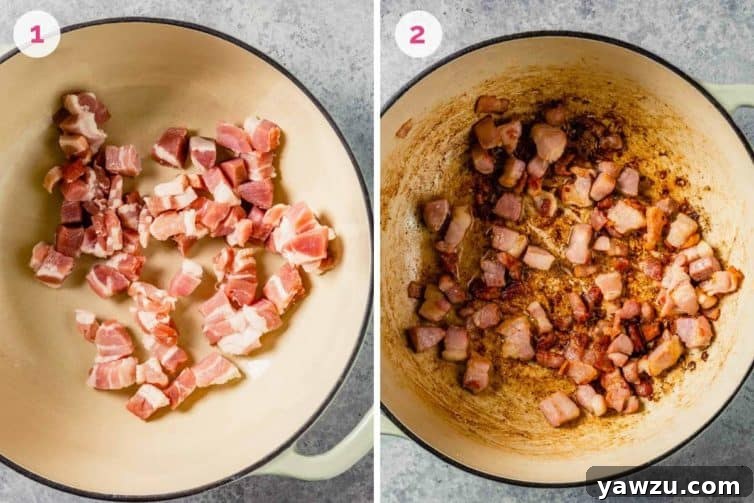
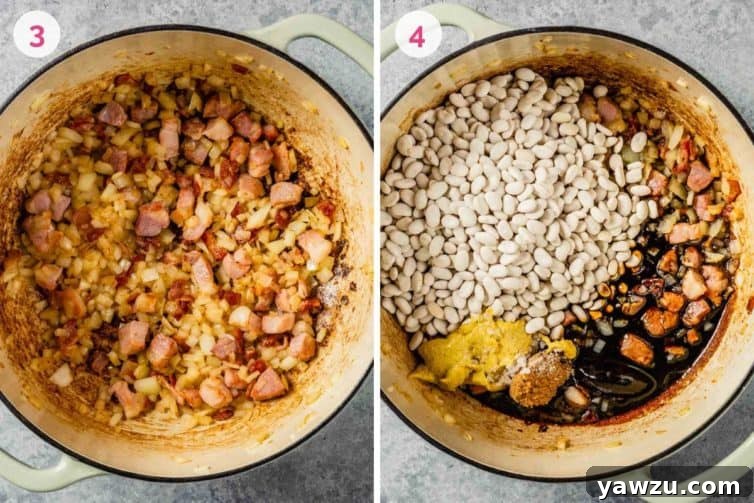
- Render Pork and Bacon: In a large, heavy-bottomed Dutch oven (at least 7 quarts, which is crucial for capacity and heat retention), add the cubed salt pork and diced bacon. Cook over medium heat, stirring occasionally, for about 7 minutes, or until the pork and bacon are lightly browned and most of their fat has rendered out. This rendered fat is essential for flavor.
- Sauté Onion: Add the finely chopped onion to the Dutch oven with the rendered fat. Continue to cook, stirring occasionally, for about 8 minutes, or until the onion has softened and become translucent. This builds a foundational layer of aromatic flavor.
- Bring to a Boil: Stir in ½ cup of molasses, the brown sugar, brown mustard, the rinsed and picked-over dried white beans, 1¼ teaspoons of salt, and 9 cups of water. Increase the heat to medium-high and bring the mixture to a rolling boil, ensuring all ingredients are well combined.
- Slow Bake to Perfection: Once boiling, cover the Dutch oven tightly with its lid and carefully transfer it to the preheated oven. Bake for approximately 4 hours, or until the beans are tender. Make sure to stir the beans once after about 2 hours of baking to prevent sticking and ensure even cooking.
- Thicken the Sauce: After the beans are tender, remove the lid from the Dutch oven. Continue to bake for another 1 to 1½ hours, or until the liquid has thickened to a luscious, syrupy consistency. This uncovered baking period allows the sauce to reduce and concentrate its flavors.
- Finish and Serve: Remove the baked beans from the oven. Stir in the remaining tablespoon of molasses (this adds a fresh note of sweetness), the apple cider vinegar (for brightness and tang), and adjust the seasoning with additional salt and freshly ground black pepper to taste. Serve hot and enjoy the fruits of your patience!
Slow Cooker Directions: For Effortless Convenience
If your oven is occupied, you’ll be away for the day, or you prefer to let your beans cook overnight, adapting this recipe for a slow cooker is an excellent option. It maintains the “low and slow” cooking philosophy for tender, flavorful results.
- Prepare Your Slow Cooker: For easy cleanup, you can line your slow cooker with a crockpot liner or simply spray the insert generously with nonstick cooking spray.
- Cook Pork and Bacon: In a large Dutch oven or heavy skillet, add the salt pork and bacon. Cook over medium heat, stirring occasionally, until lightly browned and most fat is rendered (about 7 minutes).
- Sauté Onion: Add the chopped onion to the same Dutch oven/skillet and continue to cook, stirring occasionally, until softened (about 8 minutes).
- Transfer to Crockpot: Carefully transfer the cooked salt pork, bacon, and onion, along with any rendered fat, into your slow cooker.
- Combine Ingredients: Add ½ cup of molasses, brown sugar, brown mustard, the rinsed dried beans, 1¼ teaspoons of salt, and 9 cups of water to the slow cooker. Stir everything together until well combined.
- Cook Low and Slow: Cover the slow cooker and cook on the LOW setting for 6 to 8 hours, or until the beans are perfectly tender and the sauce has thickened to your liking. The “low and slow” method is crucial here; avoid using the high setting, as it can cause the beans to break apart or cook unevenly.
- Finish and Serve: Once cooked, stir in the remaining tablespoon of molasses, the apple cider vinegar, and additional salt and pepper to taste. Serve these perfectly cooked beans warm. You’ll be delighted by the patience you exercised!
Storing and Making Ahead: Convenience Tips
Boston Baked Beans are an excellent make-ahead dish, with flavors that often improve after a day or two as they meld and deepen. This makes them perfect for entertaining or meal prepping.
- Storing Leftovers: Allow the baked beans to cool completely to room temperature before transferring them to an airtight container. They can be stored in the refrigerator for up to 4 days.
- Freezing for Later: For longer storage, baked beans freeze beautifully. Once completely cooled, transfer them to freezer-safe containers or heavy-duty freezer bags, leaving some headspace. They can be frozen for up to 3 months. Thaw overnight in the refrigerator before reheating.
- Making Ahead: You can easily prepare these beans up to 4 days in advance. When it’s time to serve, reheat them gently.
- Stovetop Reheating: Transfer beans to a pot and reheat over low heat, stirring occasionally, adding a splash of water or broth if needed to loosen the sauce.
- Oven Reheating: Place beans in an oven-safe dish, cover with foil, and reheat at 300°F (150°C) until warmed through, about 20-30 minutes.
- Slow Cooker Reheating: For a hands-off approach, reheat the beans in a slow cooker on the LOW setting for 1-2 hours. This keeps your kitchen cool and the beans perfectly warm while you prepare other dishes.
Perfect Pairings: Serving Suggestions for Boston Baked Beans
These rich, sweet, and savory Boston Baked Beans are incredibly versatile and pair wonderfully with a wide array of dishes, making them a staple for any potluck, BBQ, or family meal. Here are some of my favorite recipes to serve alongside them:
- Slow Cooker BBQ Ribs: The smoky, tender ribs are a natural complement to the sweet beans.
- Oil and Vinegar Coleslaw: A crisp, tangy coleslaw provides a refreshing contrast to the richness of the beans.
- Cornbread Muffins: Perfect for soaking up the delicious, syrupy sauce.
- Slow Cooker BBQ Brisket: Another hearty main that stands up beautifully to the robust flavor of the beans.
- Chipped Ham BBQ Sandwiches: A classic pairing for a comforting, homestyle meal.
- Grilled Hot Dogs or Sausages: A simple, quintessential BBQ combo.
- Pulled Pork Sandwiches: The tang and sweetness of pulled pork are fantastic with these beans.
- Roasted Chicken or Turkey: For a Sunday dinner feel.
- Breakfast Staple: Don’t forget their historical significance! Boston Baked Beans make a hearty and traditional breakfast side, especially with eggs and toast.
Baked Beans FAQs: Your Questions Answered
What is the difference between Boston baked beans and other baked beans?
The primary distinguishing factor for Boston Baked Beans is the use of molasses as the main sweetener, which imparts a deep, complex sweetness and dark color. Traditional baked beans, especially commercially canned varieties, often rely on brown sugar, corn syrup, or tomato-based sauces for their sweetness and flavor profile.
Why is Boston famous for baked beans?
Boston earned its nickname “Beantown” specifically because of this dish. The unique use of molasses, which was readily available and inexpensive due to the city’s rum trade, set Boston’s version apart. The practice of slow-cooking these beans overnight on Saturdays for a Sabbath meal also contributed to their deep cultural significance in the region.
Do I need to soak dried beans before making Boston Baked Beans?
Yes, soaking dried beans is highly recommended. It helps to significantly reduce cooking time, ensures the beans cook more evenly, and can make them easier to digest by breaking down some of the complex sugars. You can either do an overnight soak (8-12 hours) or a quick soak method.
Can I use canned beans for this recipe?
While you can use canned beans for a quicker baked bean dish, this specific recipe is designed for dried beans to achieve the authentic texture and flavor of traditional Boston Baked Beans. Dried beans absorb the molasses and other flavors much better and tend to hold their shape during the long cooking process, resulting in a superior dish. If you must use canned beans, use several cans of drained and rinsed Great Northern or navy beans, adjust cooking liquid, and significantly reduce the baking time.
What kind of molasses should I use?
For authentic Boston Baked Beans, mild or light molasses (often labeled as unsulphured) is preferred. Blackstrap molasses is too strong and bitter for this recipe. Mild molasses provides the signature deep, rich sweetness without overpowering the other flavors.
Are Boston Baked Beans healthy?
While Boston Baked Beans contain sugar and fat from the pork, they are also rich in fiber, protein, and various minerals from the white beans. Enjoyed in moderation as part of a balanced diet, they can be a nutritious and satisfying dish. Making them from scratch allows you to control the amount and quality of ingredients.
If You Like Boston Baked Beans, You’ll Love These Recipes Next:
- Slow Cooker Root Beer Baked Beans
- Black Bean Salsa
- Warm Black Bean Dip
- Classic Green Bean Casserole
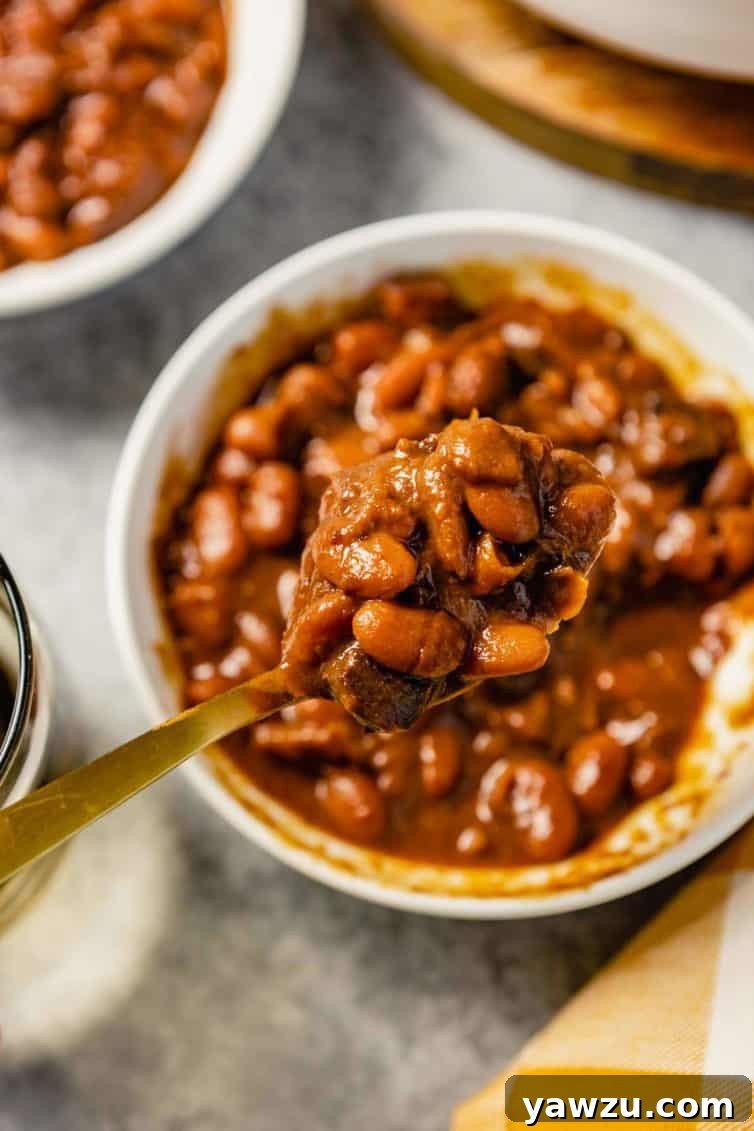
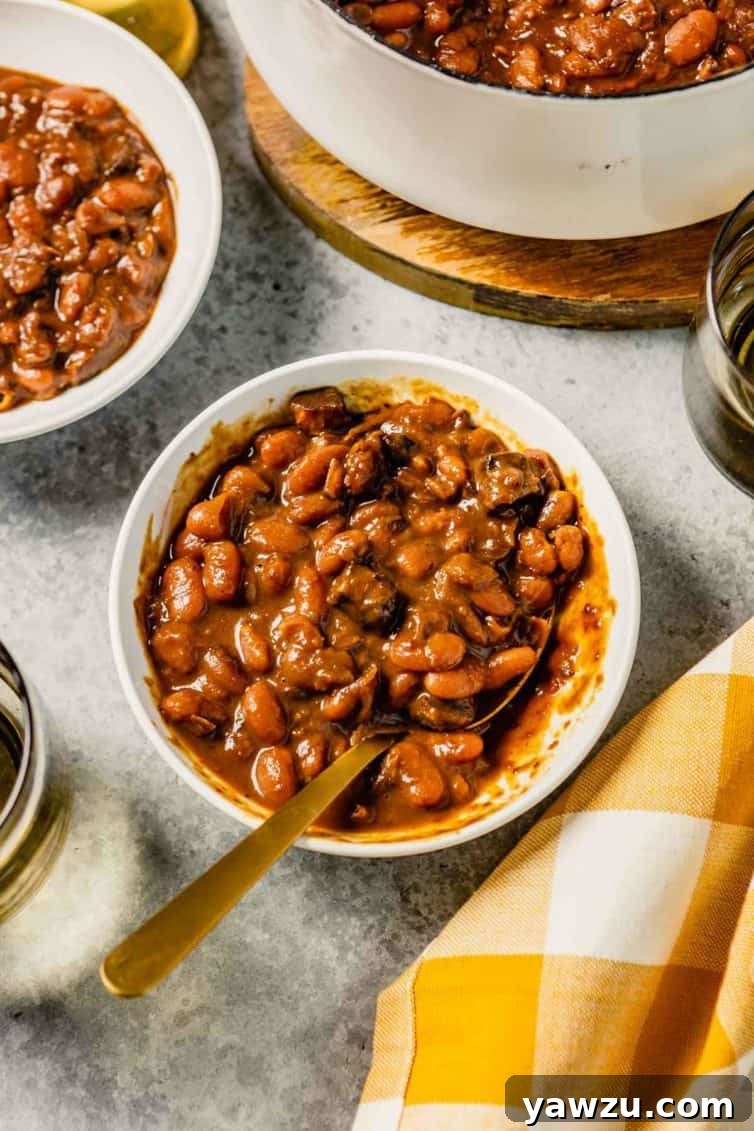
Hearty, rich, and bursting with flavor, Boston Baked Beans deserve a place on your next BBQ menu, holiday table, or weeknight dinner. Packed with savory salt pork, smoky bacon, deep molasses, and creamy white beans, these sweet yet savory beans will ignite your tastebuds and bring warmth to any meal. Embrace the tradition and savor the incredible taste of homemade Boston Baked Beans.
If you make this recipe and love it, please consider leaving a review! Your feedback helps others discover and enjoy this delicious dish.
Boston Baked Beans
Yield: 4 to 6 servings
Prep Time: 15 mins
Cook Time: 5 hrs 30 mins
Total Time: 5 hrs 45 mins
Sweet yet savory, this Boston Baked Beans recipe cooks up with molasses, bacon, and beans for a filling and comforting side dish.
Ingredients
- 4 ounces (113.4 g) salt pork, trimmed of rind and cut into ½-inch cubes
- 2 ounces (56.7 g) bacon, cut into ¼-inch pieces
- 1 medium onion, finely chopped
- ½ cup (168.5 g) + 1 tablespoon mild molasses, divided
- ⅓ cup (73.33 g) light brown sugar
- 2 tablespoons brown mustard
- 1 pound (453.59 g) dried small white beans, like great northern beans, rinsed and picked over
- 1¼ teaspoons salt
- 9 cups (2.25 l) water
- 1 teaspoon apple cider vinegar
- Salt and pepper, to taste
Instructions
- Adjust oven rack to lower-middle position; preheat oven to 300 degrees F (150°C).
- Add salt pork and bacon to a large Dutch oven (at least 7 quarts); cook over medium heat, stirring occasionally, until lightly browned and most fat is rendered, about 7 minutes. Add onion and continue to cook, stirring occasionally, until onion is softened, about 8 minutes.
- Add ½ cup molasses, brown sugar, mustard, beans, 1¼ teaspoons salt, and 9 cups water; increase heat to medium-high and bring to boil. Cover pot and set in oven. Bake until beans are tender, about 4 hours, stirring once after 2 hours.
- Remove lid and continue to bake until liquid has thickened to syrupy consistency, 1 to 1½ hours longer. Remove beans from oven; stir in remaining tablespoon of molasses, vinegar, and additional salt and pepper to taste. Serve. (You can make the beans ahead of time, letting them cool to room temperature, and then storing in an airtight container in the refrigerator for up to 4 days.)
Notes
Nutritional values are based on one serving.
Slow Cooker Directions:
- Prepare your slow cooker: Line your slow cooker with a crockpot liner for easy cleanup.
- Cook pork and bacon: Add salt pork and bacon to a large Dutch oven (at least 7 quarts). Cook over medium heat, stirring occasionally until lightly browned and most fat is rendered, about 7 minutes.
- Add onion: Continue to cook, stirring occasionally, until onion softens, about 8 minutes.
- Transfer to crockpot: Transfer the salt pork, bacon, and onion to the crockpot.
- Stir in sweeteners, water, and beans: Add 1/2 cup molasses, brown sugar, mustard, beans, salt, and water to the crockpot.
- Cook: On low for 6 to 8 hours.
- Add remaining ingredients: After cooking, stir in the remaining tablespoon of molasses, vinegar, and additional salt and pepper to taste. Serve.
Nutrition Facts (per serving)
Calories: 636kcal, Carbohydrates: 80g, Protein: 14g, Fat: 29g, Saturated Fat: 10g, Cholesterol: 33mg, Sodium: 1645mg, Potassium: 1364mg, Fiber: 7g, Sugar: 50g, Vitamin C: 2.1mg, Calcium: 229mg, Iron: 6.6mg
Did you make this recipe?
We’d love to hear your thoughts! Share your experience and tag @thebrowneyedbaker on Instagram so we can see your delicious creation!
Author: Michelle Lettrich
Course: Side Dish
Cuisine: American
Photography by Lauren Grant.