
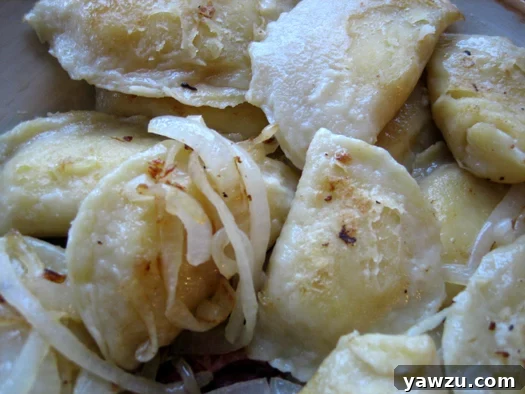
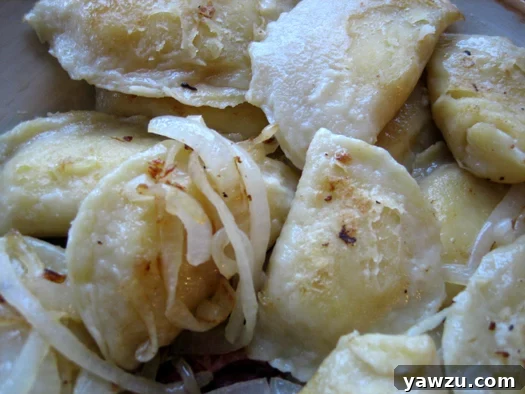
Homemade Pittsburgh Pierogies: A Taste of Heritage and Comfort
My culinary journey often draws inspiration from my Italian roots, a heritage I frequently celebrate on this blog. However, there’s a lesser-known, yet equally cherished, part of my ancestry that occasionally calls for its own spotlight: my Polish heritage. This particular dish, homemade pierogies, is a delicious homage to that side of my family, a culinary tradition that holds a special place in my heart and on my palate.
The allure of pierogies is undeniable. These delightful half-moon dumplings, traditionally filled with a savory blend of potatoes and cheese, then pan-fried to golden perfection with sweet caramelized onions and a generous pat of butter, are the epitome of comfort food. For many, including my family, pierogies weren’t just a meal; they were a staple, particularly during Lent when they offered a satisfying and meat-free option for Friday dinners. While store-bought varieties like Mrs. T’s always hit the spot, there’s an unparalleled magic that comes with crafting them from scratch. It was this sentiment that led me to include homemade pierogi on my personal “Top 100 list” of must-make dishes, solidifying their importance in my culinary repertoire.
The opportunity to dive into pierogi making finally arose when my friend Annie suggested we tackle them together. I eagerly seized the chance, not only because I love cooking with friends but also because, surprisingly, I had never tasted a homemade pierogi in my life. My experience had always been limited to the convenient, pre-made kind. This endeavor was more than just cooking; it was about connecting with a part of my heritage through an authentic culinary experience.
Embracing the Pittsburgh Pierogi Tradition
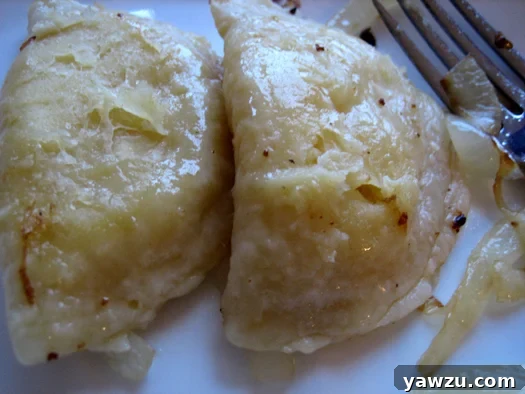
While Annie and I initially discussed various recipes, I found myself drawn to a specific variation during my research: Pittsburgh Pierogies. As a proud native of Pittsburgh, a city with a rich Eastern European immigrant history, this discovery felt like destiny. Pittsburgh’s culinary landscape is deeply influenced by Polish, Ukrainian, and other Slavic cultures, making pierogies a beloved local delicacy. In fact, it’s not uncommon to find pierogies featured on menus from fine dining establishments to local diners across the city. The Food Network even once highlighted the pierogies served at a charming diner located less than 15 minutes from my childhood home, reinforcing the strong cultural connection.
My decision to diverge from Annie’s preferred recipe stemmed from a personal challenge. I admit, I still harbor a slight apprehension towards recipes that lack precise quantities. Call me a creature of habit or a cautious chef, but after years of learning and growing in the kitchen, I still appreciate the guidance of clear measurements. The moment I stumbled upon a recipe for “Pittsburgh Pierogies” in my Google Reader, it resonated deeply. It wasn’t just another recipe; it was a call to celebrate my hometown and its unique culinary identity.
Making pierogies from scratch is indeed a labor of love, a process that requires patience and a good amount of time. However, it’s a wonderfully rewarding experience that can easily be broken down into manageable steps. For instance, you can prepare the dough one day and then focus on the filling and assembly the following day. This approach helps to alleviate the time pressure and makes the entire process more enjoyable. My initial attempt was a resounding success – not a single pierogi leaked its delicious filling during the boiling stage, which I consider a major victory for any first-time pierogi maker!
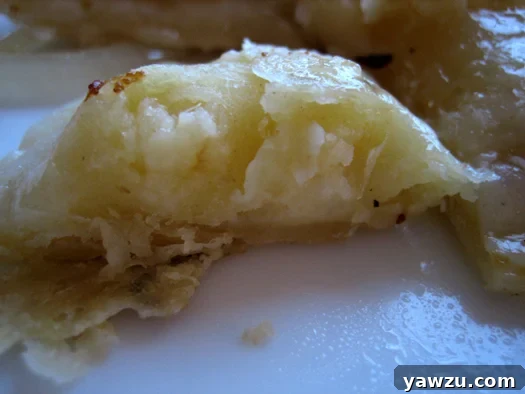
After boiling, the pierogies are traditionally pan-fried, often with more butter and onions, until their exteriors achieve a delightful crispness. While I might have aimed for a slightly deeper golden-brown crust during my first fry, the aroma was so intoxicating, and our hunger so intense, that we simply couldn’t wait any longer. Each bite was pure bliss—tender dough yielding to a creamy, savory potato and cheese interior, enhanced by the sweet notes of caramelized onions. These homemade Pittsburgh pierogies were truly, exceptionally good.
Understanding the Enduring Appeal of Pierogies
What makes pierogies such an enduring and beloved dish across cultures? It’s more than just the combination of dough and filling; it’s the comfort, the history, and the versatility they offer. From simple potato and cheese to more elaborate meat or fruit fillings, pierogies cater to diverse palates. They evoke memories of family gatherings, holiday feasts, and the simple joy of a hearty meal shared with loved ones. The act of making them, though time-consuming, can be a therapeutic and bonding experience, transforming raw ingredients into culinary masterpieces that carry a story.
In Pittsburgh, pierogies are not just food; they are an integral part of the city’s identity. From local fundraisers selling thousands of handmade pierogies to professional sports teams featuring pierogi races during games, these dumplings are celebrated. This cultural immersion deeply influenced my desire to recreate this iconic dish at home, especially a recipe that specifically honored my hometown’s interpretation.
Variations and Serving Suggestions
While potato and cheese remains a classic, the world of pierogies is vast and inviting. Other popular savory fillings include sauerkraut and mushrooms, ground meat (often pork or beef), or even a blend of cottage cheese and dill. For those with a sweet tooth, pierogies can be filled with fresh fruits like blueberries, cherries, or plums, often served with a dollop of sour cream and a sprinkle of sugar. The beauty of homemade pierogies lies in this endless customization.
Beyond the traditional pan-frying with butter and onions, pierogies can be served in various ways. A drizzle of melted butter with a sprinkle of fresh chives or parsley adds freshness. Crispy bacon bits or a spoonful of sautéed mushrooms can elevate the dish further. And, of course, a generous serving of cool sour cream on the side provides a creamy counterpoint to the rich, savory dumplings. Experimenting with these additions allows you to personalize your pierogi experience, making each batch uniquely yours.
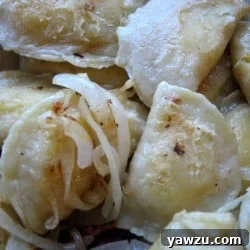
Homemade Pittsburgh Pierogies
24 large pierogi
2 hrs 30 mins
1 hr
3 hrs 30 mins
Pin
Ingredients
For the Pierogi Dough:
- 2 cups (250 g) flour, plus extra for kneading and rolling dough
- ½ teaspoon (0.5 teaspoon) salt
- 1 large egg
- ½ cup (115 ml) sour cream
- ¼ cup (56.75 g) butter, softened and cut into small pieces
- Butter and onions for sauteing (for serving)
- Ingredients for filling of your choice, Potato & Cheese filling recipe below
For the Potato, Cheese & Onion Filling:
- 1 lb (453.59 g) red potatoes
- ¼ (0.25) of a large onion, finely chopped
- 2 oz. (56.7 g) cheddar cheese, finely grated
- Salt & pepper to taste
- Optional: Fresh parsley, bacon bits, or other enhancements for the filling.
Instructions
-
To prepare the Pierogi Dough: In a large bowl, mix together the flour and salt. In a separate small bowl, beat the egg, then add it all at once to the flour mixture. Add the ½ cup sour cream and the softened butter pieces. Work the mixture by hand or with a food processor fitted with a dough hook until the dough comes together and loses most of its stickiness (this typically takes about 5-7 minutes of kneading). Be careful not to overbeat if using a food processor. Once smooth, wrap the dough tightly in plastic wrap and refrigerate for at least 20-30 minutes, or even overnight. The dough can be kept in the refrigerator for up to 2 days.
-
To make the Potato, Cheese & Onion Filling: Peel the red potatoes and boil them in lightly salted water until they are very soft and easily mashed. While the potatoes are boiling, melt a tablespoon of butter in a pan over medium heat and sauté the finely chopped onion until it becomes soft and translucent, about 5-7 minutes. Drain the potatoes well and mash them thoroughly. Combine the mashed potatoes with the sautéed onions and the finely grated cheddar cheese. Season generously with salt and pepper to taste. If desired, you can stir in fresh chopped parsley, crispy bacon bits, or other favorite enhancements at this stage. Allow the potato mixture to cool completely, then form it into small, uniform 1-inch balls.
-
To assemble the Pierogies: Lightly flour a clean board or countertop. Divide the chilled dough into two or three portions for easier handling. Roll out one portion of the dough until it is approximately 1/16″ thick. Using a cookie cutter or the rim of a drinking glass, cut out circles of dough. For smaller pierogies, use a 2-inch cutter; for larger ones, use a 3 to 3½-inch cutter. Place a small ball of filling (about a tablespoon for larger circles, less for smaller) onto the center of each dough round. Fold the dough over the filling, creating a semi-circle shape. Press the edges firmly together to seal, then use the tines of a fork to crimp and secure the edges, ensuring the filling is completely enclosed. Repeat with the remaining dough and filling.
-
To cook the Pierogies: Bring a large pot of salted water to a rolling boil. Carefully drop the pierogies into the boiling water, a few at a time, making sure not to overcrowd the pot. Cook until they float to the top, which usually takes about 8-10 minutes for fresh pierogies. Once they float, allow them to cook for another minute or two to ensure the dough is fully cooked through. Remove the cooked pierogies with a slotted spoon and rinse them briefly in cool water to prevent sticking. Place them on a wire rack or clean kitchen towel to dry slightly.
-
To pan-fry and serve: In a large skillet, melt a generous amount of butter over medium heat. Add thinly sliced onions and sauté until they are soft, translucent, and slightly caramelized. Add the boiled pierogies to the pan and pan-fry them until they are lightly golden brown and crispy on both sides. Serve immediately with extra caramelized onions, a dollop of sour cream, or fresh chives.
-
Homemade Pierogi Tips:
-
Dough Consistency: If you find it difficult to get the edges of your pierogies to stick together, it might mean there’s too much flour in your dough or on your rolling surface. A tiny bit of water or a beaten egg wash applied to the edges before sealing can help create a strong seal. Ensuring your dough is well-hydrated and properly kneaded is key.
-
Make Ahead & Freezing: Pierogies are excellent for making in advance! If you don’t plan to cook all of them right away, you can refrigerate the uncooked pierogies for several days, storing them in an airtight container dusted lightly with flour to prevent sticking. For longer storage, freeze the uncooked pierogies in a single layer on a baking sheet until solid, then transfer them to freezer bags or containers for up to several months. You can boil them directly from frozen, adding a few extra minutes to the cooking time.
-
Flavor Enhancements: Don’t be afraid to experiment with your potato filling! Caramelized onions add immense depth, but you can also incorporate sautéed mushrooms, cooked bacon bits, fresh herbs like chives or dill, or even different types of cheese for varied flavor profiles.
Carbohydrates: 11g,
Protein: 2g,
Fat: 4g,
Saturated Fat: 2g,
Cholesterol: 17mg,
Sodium: 94mg,
Potassium: 110mg,
Vitamin A: 135IU,
Vitamin C: 1.7mg,
Calcium: 27mg,
Iron: 0.7mg
Did you make this recipe?
Leave a review below, then snap a picture and tag @thebrowneyedbaker on Instagram so I can see it!
Michelle Lettrich
Appetizer, Main Dish
Polish, American (Pittsburgh style)
Making pierogies from scratch is a journey into the heart of comfort food, a delightful connection to heritage, and a rewarding culinary adventure. Whether you’re a seasoned chef or a home cook looking to explore new traditions, these Homemade Pittsburgh Pierogies promise a taste of pure satisfaction. The effort invested is undeniably worth it, yielding tender, flavorful dumplings that are perfect for any occasion. So gather your ingredients, clear your schedule, and prepare to create a memorable meal that embodies the warmth and richness of Polish-American cuisine.