
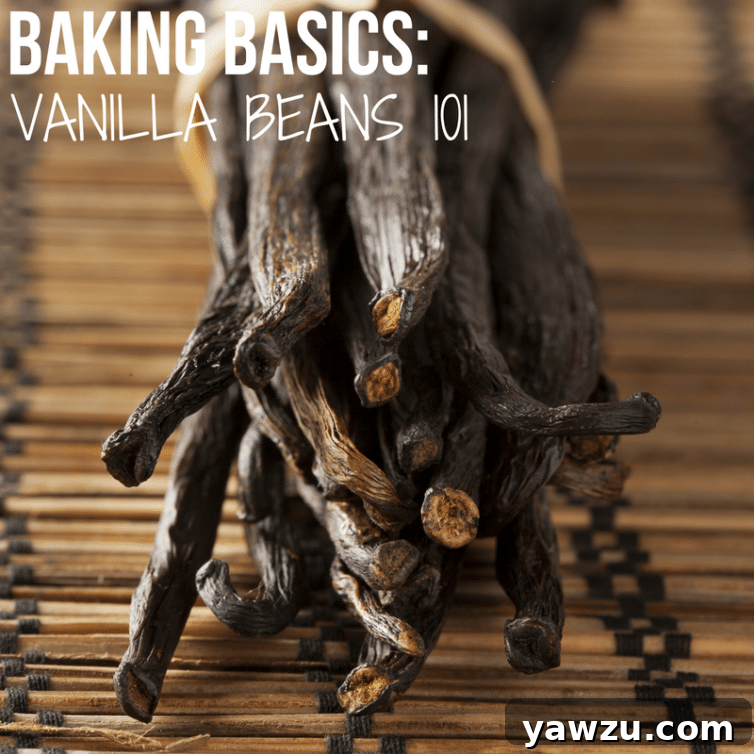
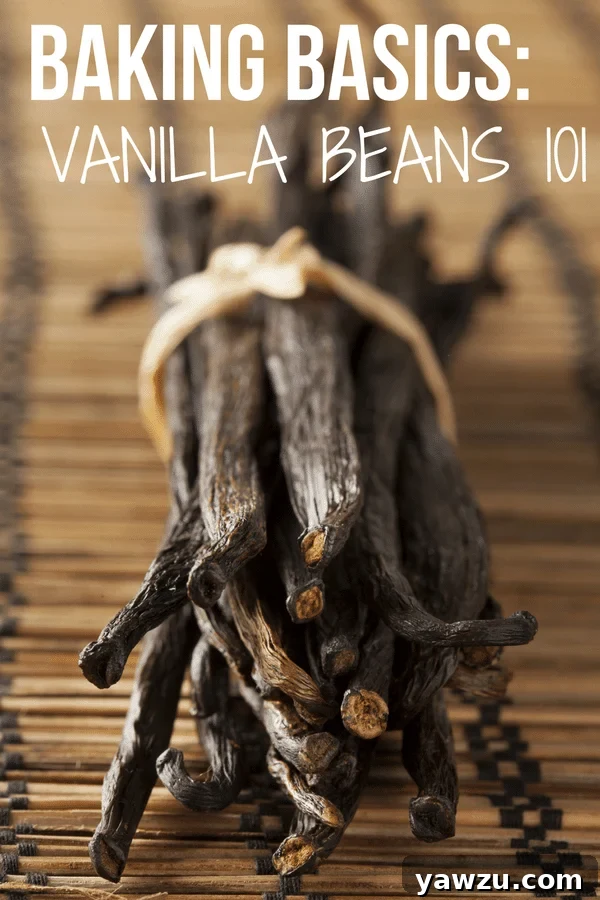
Baking Basics: The Ultimate Guide to Vanilla Beans and Crafting Your Own Extract
Welcome back to another edition of Baking Basics, where we dive deep into the essential ingredients that elevate your culinary creations. Today, we’re focusing on one of the most beloved and versatile flavors in the baking world: vanilla. While a bottle of vanilla extract is a pantry staple for many home bakers, the true magic begins with the exquisite vanilla bean itself. This guide will take you on a journey through the diverse world of vanilla, from understanding its origins and unique flavor profiles to mastering the art of making your very own homemade vanilla extract.
Join us as we explore the distinct characteristics of various vanilla bean types, uncover the best practices for sourcing and storing these precious pods, and provide a simple, effective formula for creating a custom vanilla extract that will transform your baked goods. Get ready to unlock the full potential of vanilla and bring a new level of richness and aroma to your kitchen!
Decoding Vanilla Bean Varieties: A Flavor Exploration
Not all vanilla is created equal. Just like fine wines or coffees, vanilla beans boast diverse flavor profiles influenced by their origin, climate, and curing process. Understanding these differences allows you to select the perfect bean to complement and enhance your recipes. Let’s delve into the most prominent types of vanilla beans you’ll encounter.
Madagascar (Bourbon) Vanilla Beans
Often considered the gold standard in the culinary world, Madagascar vanilla beans are celebrated for their classic, rich, and creamy flavor profile. These beans, primarily grown in Madagascar and Réunion Island (formerly known as Bourbon Island, hence the name), belong to the *Vanilla planifolia* species. They are known for their high vanillin content, which gives them that strong, sweet, and comforting aroma. You’ll find notes of caramel, chocolate, and a smooth, mellow sweetness that truly complements, rather than overpowers, other ingredients.
Ideal Uses: Madagascar vanilla is incredibly versatile and perfect for nearly all baked goods, including cakes, cookies, custards, ice creams, puddings, and crème brûlée. It’s the go-to choice for recipes where you desire a balanced, universally appealing vanilla essence that blends harmoniously with other flavors.
Mexican Vanilla Beans
Originating from the birthplace of vanilla itself, Mexico, these beans offer a darker, bolder, and often smoky flavor compared to their Madagascar counterparts. Mexican vanilla pods are typically thicker and boast a robust, earthy aroma with hints of spice like clove and nutmeg, alongside deep chocolate undertones. This variety provides a more assertive vanilla presence, making it ideal for dishes where vanilla is intended to be a star.
Ideal Uses: Mexican vanilla truly shines in recipes where its distinctive character can stand out. Think rich chocolate desserts, churros, flan, savory dishes like mole sauces, or any recipe where you want a robust, warm, and slightly spicy vanilla note to take center stage.
Tahitian Vanilla Beans
Hailing from the French Polynesian islands, Tahitian vanilla beans (*Vanilla tahitensis* species) are truly unique. They are fatter and contain fewer seeds than other varieties but compensate with an incredibly complex and delicate aromatic profile. Tahitian vanilla has less natural vanillin but excels in floral, fruity, and slightly licorice-like notes, often reminiscent of cherry, plum, or anise. Its exotic bouquet makes it distinctively different from the more traditional Bourbon or Mexican varieties.
Ideal Uses: This delicate and fragrant vanilla is perfect for lighter, more ethereal desserts. It pairs beautifully with fruit-based dishes, light pastries, creams, white chocolate, custards, and even delicate savory applications like seafood. Its unique flavor makes it a favorite for gourmet chefs looking to add an unexpected twist.
Indian Vanilla Beans
While less common than the leading varieties, Indian vanilla beans are gaining recognition for their appealing characteristics. Grown in regions like Kerala and Karnataka, these beans often share similarities with Madagascar Bourbon vanilla, offering a sweet, creamy, and highly aromatic profile. They frequently present notes of chocolate, dried fruit, and a pleasant richness that makes them wonderfully versatile.
Ideal Uses: Indian vanilla beans can be used interchangeably with Madagascar Bourbon vanilla in most recipes. They are an excellent choice for a wide range of baked goods, custards, sauces, and drinks where a sweet and robust vanilla flavor is desired.
Tonga Vanilla Beans
From the fertile volcanic soils of the Kingdom of Tonga in the South Pacific come vanilla beans known for their exceptionally bold and pronounced flavor. Tonga vanilla beans are highly prized by gourmet producers and chocolatiers for their intense aroma and deep, earthy, almost leathery notes, often with hints of caramel, dried fruit, and a subtle spiciness. Their richness ensures that their flavor comes through even in robust dishes.
Ideal Uses: The powerful flavor of Tonga vanilla makes it an excellent choice for rich chocolate creations, dark spirits, ice creams, and other desserts where you want the vanilla to be unmistakably present. It also works beautifully in savory applications, adding depth to glazes for meats or in complex sauces.
Sourcing Premium Vanilla Beans: Where to Buy and What to Look For
Investing in quality vanilla beans is crucial for achieving superior flavor in your baking. While they can be an expensive ingredient, their impact on your recipes is undeniable. Knowing where to purchase them and what characteristics define a good bean will ensure you get the most value and flavor.
Where to Buy Vanilla Beans
My absolute favorite place to buy vanilla beans is from Beanilla. They offer a fantastic selection of varieties and grades, ensuring you find exactly what you need. Beyond specialized retailers, you can also find a wide range of options on online marketplaces like Amazon, though always check seller reviews for quality assurance. Many gourmet spice shops and high-end grocery stores also carry vanilla beans, providing an opportunity to inspect them in person.
What to Look For in Quality Beans
- Appearance: High-quality vanilla beans should be dark brown or black, plump, and glossy. Avoid beans that look dry, shriveled, or brittle.
- Texture: A good vanilla bean should be pliable and supple, allowing you to gently bend it without breaking. This indicates proper moisture content.
- Aroma: The beans should have a strong, sweet, and intoxicating vanilla fragrance. If they smell weak or off, they may be old or improperly cured.
- Grade: Vanilla beans are typically sold in two main grades:
- Grade A (Gourmet or Prime): These beans are typically 15-20% moisture content, supple, oily, and visually appealing. They are perfect for recipes where you’ll scrape the seeds directly into the dish or for presentation.
- Grade B (Extract or Manufacturing): These beans have a lower moisture content (10-15%), are drier, and may have more blemishes. However, they are still packed with flavor and are ideal for making homemade vanilla extract, as the drying process concentrates the vanillin. They are also often more cost-effective.
Preserving Your Precious Pods: Essential Vanilla Bean Storage Tips
There’s nothing more disappointing than reaching for your valuable vanilla beans only to find them dried out, brittle, or, worse, moldy. Proper storage is paramount to maintain their freshness, potency, and aroma. By following a few simple guidelines, you can extend the life of your vanilla beans and ensure they’re ready to infuse your next baking project with incredible flavor.
The Art of Keeping Vanilla Beans Fresh
- Airtight is Key: The most crucial step is to protect your beans from air exposure. Wrap them tightly in plastic wrap (you can bundle several beans together; individual wrapping isn’t necessary unless you only have one or two).
- Container Protection: After wrapping, place the plastic-wrapped beans inside an airtight container. This could be a glass jar with a tight-fitting lid, a vacuum-sealed bag, or a sealed plastic food storage container. This double layer of protection helps prevent moisture loss and shields them from external odors.
- Cool, Dark, and Dry: Store your airtight container in a cool, dark place, such as your pantry or a cabinet away from direct sunlight and heat sources. Avoid storing vanilla beans in the refrigerator, as the cold, humid environment can lead to condensation buildup and potentially encourage mold growth. Freezing is also generally not recommended, as it can degrade their delicate oils and texture.
- Longevity: When stored correctly, vanilla beans can remain fresh and flavorful for up to six months, or even longer for extract-grade beans. Regularly check your beans for any signs of mold or excessive dryness.
- Rehydrating (If Needed): If your beans have become a bit dry but aren’t brittle or moldy, you can sometimes rehydrate them by placing them in a small amount of warm milk or alcohol (like the vodka you’d use for extract) for a few hours before use.
Crafting Your Own Liquid Gold: How to Make Homemade Vanilla Extract
Making your own vanilla extract is not only incredibly easy but also remarkably rewarding. It’s significantly more cost-effective than buying store-bought extract, allows for customization, and makes for a thoughtful, personalized gift during the holidays. The process simply requires good quality vanilla beans, alcohol, and a good dose of patience.
Ingredients for Superior Homemade Vanilla Extract
The beauty of homemade extract lies in its simplicity. You only need two core ingredients:
- Vanilla Beans: As discussed, Grade B (extract grade) vanilla beans are perfect for this purpose. Their lower moisture content means their flavorful compounds are more concentrated, and they are typically more affordable. You can use any type of vanilla bean, or even a blend, to create a unique flavor profile. For instance, a mix of Madagascar and Mexican beans can yield a wonderfully complex extract.
- Alcohol: The alcohol acts as a solvent, extracting the vanillin and other aromatic compounds from the beans.
- Vodka: This is the most common and versatile choice, as its neutral flavor allows the vanilla to shine through without interference. Aim for an 80-proof (40% ABV) vodka.
- Bourbon: For a warmer, slightly smoky, and caramel-toned extract, bourbon is an excellent choice. It adds an extra layer of complexity that complements vanilla beautifully.
- Brandy: If you prefer a fruity, slightly sweet, and aromatic extract, brandy will impart delightful notes that pair wonderfully with vanilla.
- Rum: Dark rum can create an extract with rich molasses and spice undertones, perfect for specific baking applications.
Always ensure your chosen alcohol is at least 80 proof (40% alcohol by volume) to effectively extract the flavors and preserve the extract.
The Ideal Beans to Alcohol Ratio
For a standard, “single-fold” vanilla extract, a generally accepted ratio is: 5-6 vanilla beans per 8 ounces (1 cup) of alcohol. This ratio ensures a rich, potent extract. If you desire an even stronger “double-fold” extract, you can double the number of beans (10-12 beans per 8 ounces) or use them by weight (approximately 1 ounce of vanilla beans per 8 ounces of alcohol for single-fold).
Step-by-Step Guide to Making Your Extract
- Prepare the Beans: Using a sharp paring knife, carefully split each vanilla bean lengthwise down the center, leaving about half an inch intact at the top and bottom. This exposes the tiny vanilla seeds and increases the surface area for extraction without fully separating the bean. Some people scrape the seeds out first, but for extract, it’s not strictly necessary as the alcohol will extract the flavors from both the seeds and the pod.
- Combine in a Bottle: Place the split vanilla beans into a clean, airtight glass bottle or jar. A bottle with a narrow neck can be aesthetically pleasing, but a wide-mouth jar is easier for adding and removing beans.
- Add Alcohol: Pour your chosen alcohol over the vanilla beans, ensuring they are completely submerged. This is crucial for proper extraction and preventing mold.
- Seal and Shake: Seal the bottle tightly. Give it a gentle shake to help distribute the beans and ensure they are fully saturated.
- Infuse with Patience: Store the bottle in a cool, dark place, such as your pantry or a cabinet. Over the next several weeks and months, the alcohol will slowly extract the vanilla’s rich flavors.
- Shake Occasionally: For optimal infusion, give the bottle a gentle shake once a week or every few days. This helps to circulate the liquid and encourages further extraction.
- The Waiting Game: While you can start using your extract after about 8 weeks, the flavor will deepen and become more complex over time. For truly exceptional vanilla extract, allow it to infuse for at least 6 months, with 12 months being ideal. The longer it sits, the better it gets!
- Ongoing Use and Maintenance: You can leave the vanilla beans in the bottle as you use the extract. As the extract level decreases, you may need to top it off with more alcohol to keep the beans submerged. Over time (after 1-2 years), the beans may lose some potency, and you might consider replacing them or adding fresh ones to maintain strength.
Tips for Extract Success and Beyond
- Labeling: Always label your bottle with the date you started the extract and the type of vanilla beans and alcohol used.
- Gift Giving: Homemade vanilla extract makes a wonderful gift. Start your batches well in advance to ensure they are perfectly infused by the holiday season!
- Using Spent Beans: Don’t throw away your “spent” vanilla beans after making extract! You can rinse and dry them, then bury them in a jar of granulated sugar to make vanilla sugar, perfect for sprinkling over fruit or adding to coffee. You can also re-infuse them in a new batch of extract, though their potency will be reduced.
Conclusion: Embrace the Vanilla Journey
From the exotic origins of each unique pod to the satisfying process of creating your own signature extract, vanilla beans offer a culinary adventure unlike any other. By understanding the nuances of Madagascar, Mexican, Tahitian, Indian, and Tonga varieties, and by mastering the simple steps of storage and extract making, you’re not just baking; you’re crafting experiences.
Armed with this knowledge, you’re now ready to elevate your baking to new heights. Experiment with different bean types, explore unique alcohol bases for your extracts, and savor the superior flavor that only real vanilla can provide. The world of vanilla is rich and boundless – so go forth and BAKE ON!
Explore More Baking Basics
Continue your journey to becoming a baking pro with other essential guides from our Baking Basics series:
- 5 Mistakes to Avoid When Preparing a Recipe
- High Altitude Baking Tips
- Flour 101: The Definitive Guide to the Different Types of Baking Flours
- Cocoa Powder 101: Natural Unsweetened vs Dutch-Process
- Baking Soda vs. Baking Powder: Everything You Need to Know!
- Why You Should ALWAYS Weigh Your Ingredients
- Chocolate 101
- A List of My Must-Have Ingredients
- My Essential Baking Equipment
- Pan Size Conversions