
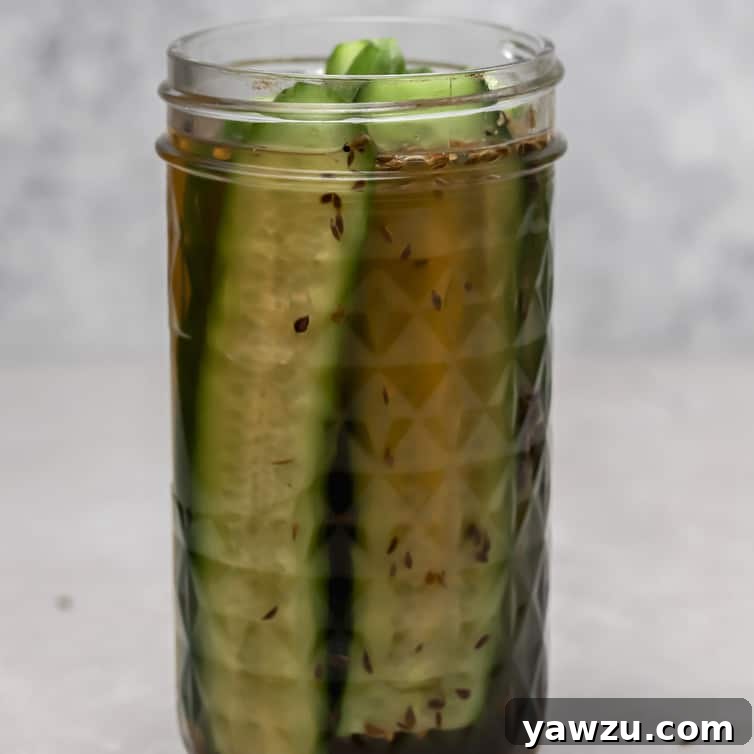
Unlock the incredible satisfaction of homemade dill pickles, a culinary endeavor far simpler than you might imagine. This comprehensive guide empowers you to stock your pantry with jars of these deliciously crisp, fresh-tasting pickles, boasting an impeccable balance of zesty dill and aromatic garlic. Prepare to transform humble cucumbers into a gourmet staple with our expert tips and resources.
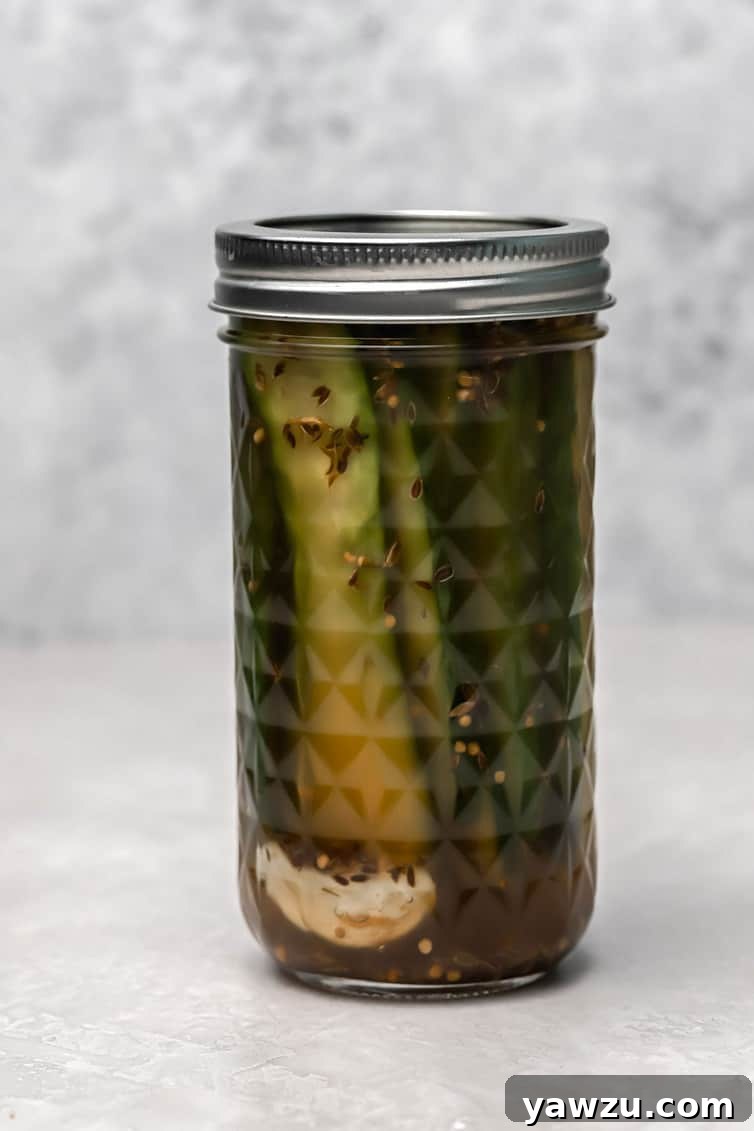
My journey into the delightful world of home preserving began years ago with a batch of refrigerator bread and butter pickles. Their irresistible flavor quickly made them a summer household favorite. While those quick pickles were fantastic for immediate enjoyment, I soon yearned for a dill-infused version suitable for long-term storage. This led me to the indispensable Ball Complete Book of Home Preserving, a trusted companion that offered the perfect recipe for dill slices – ideal for stacking high on sandwiches.
It’s truly astonishing how straightforward canning can be once you understand the basic principles. Dedicating just a few hours on a weekend can yield a well-stocked pantry, brimming with your favorite homemade preserves. This abundance not only brings immense satisfaction but also ensures a supply of fresh-ttasting ingredients throughout the year.
These homemade dill pickles, with their fantastic and robust dill flavor, are destined to become a winter staple for your sandwiches, burgers, and snack plates. Like many pickled goods, their taste only deepens and harmonizes with time. For the absolute best flavor experience, I recommend allowing your newly opened jar to chill in the refrigerator for a couple of days before diving in. This brief refrigeration period enhances the crispness and allows the flavors to truly shine.
Mastering Homemade Dill Pickles: A Step-by-Step Guide
The art of canning might initially seem daunting, but fear not! We’ll demystify the process, building your confidence to create your own delicious preserves. Trust me, if I can do it, so can you! Here’s a detailed breakdown of how to craft perfect dill pickles:
- Sanitize Jars and Lids: Begin by thoroughly washing your canning jars, lids, and screw bands in hot, soapy water. Rinse them completely. Place a canning rack at the bottom of your large water-bath canner. Arrange the clean jars on the rack, then fill both the jars and the canner with water until the water covers the jars by at least an inch. Bring the water to a gentle simmer (around 180°F or 82°C) over medium heat, ensuring it doesn’t boil. In a separate small saucepan, simmer the lids in water (again, around 180°F) to keep them hot and pliable. Keep all equipment hot until immediately before use; the screw bands do not require heating.
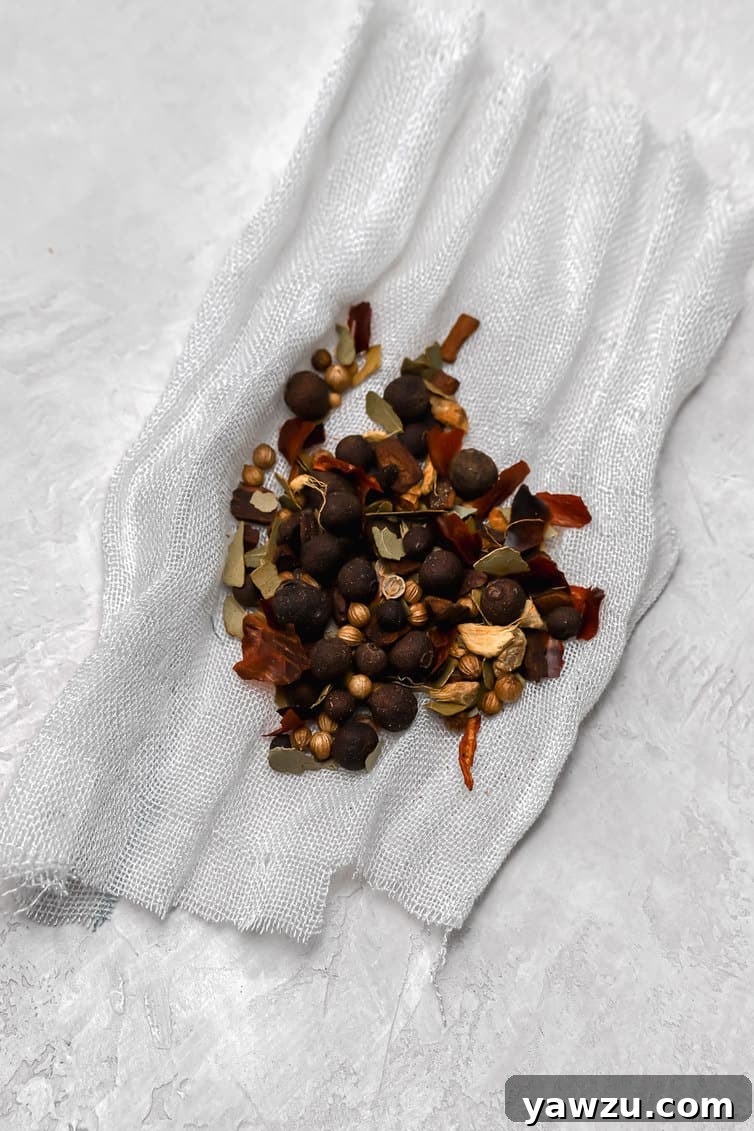
- Prepare the Spice Bag: Gather your pickling spices and tie them securely within a square of cheesecloth. This creates a convenient spice bag that infuses the brine with flavor while keeping the liquid clear.
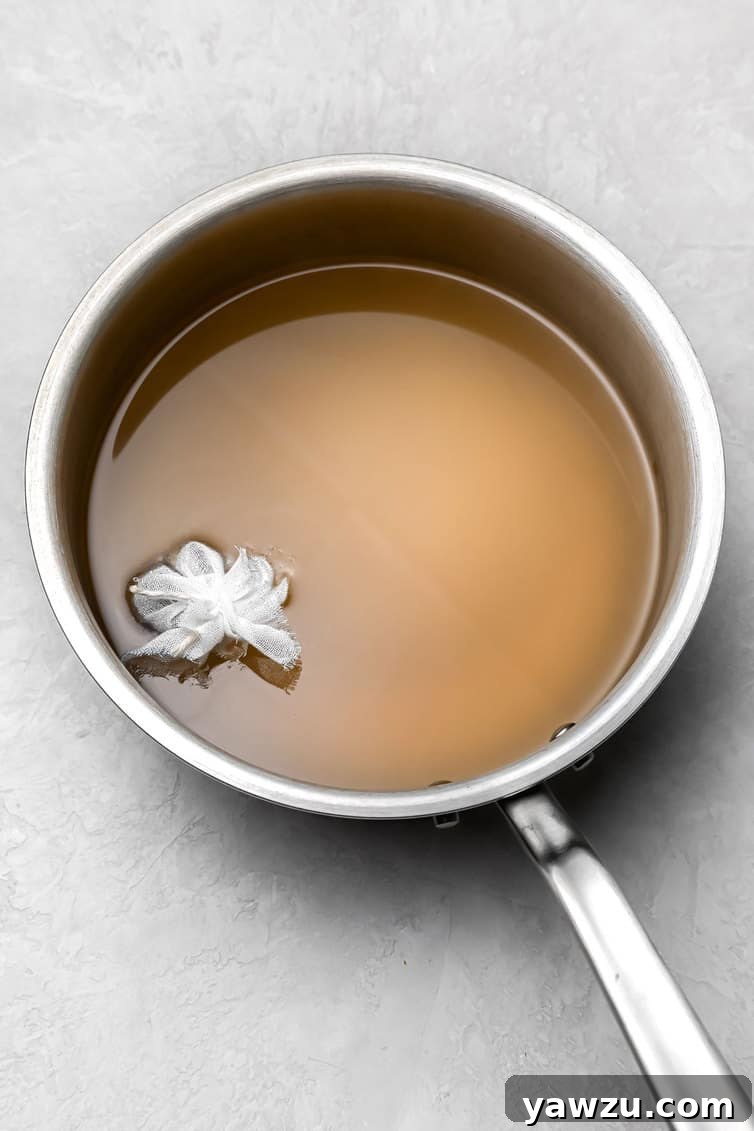
- Craft the Pickling Liquid (Brine): In a large, non-reactive saucepan (stainless steel is ideal), combine the cider vinegar, water, granulated sugar, pickling salt, and your prepared spice bag. Bring this mixture to a boil over medium-high heat, stirring consistently until both the sugar and salt have fully dissolved. Once boiling, reduce the heat and let it gently simmer for 15 minutes to allow the flavors to meld and infuse properly.
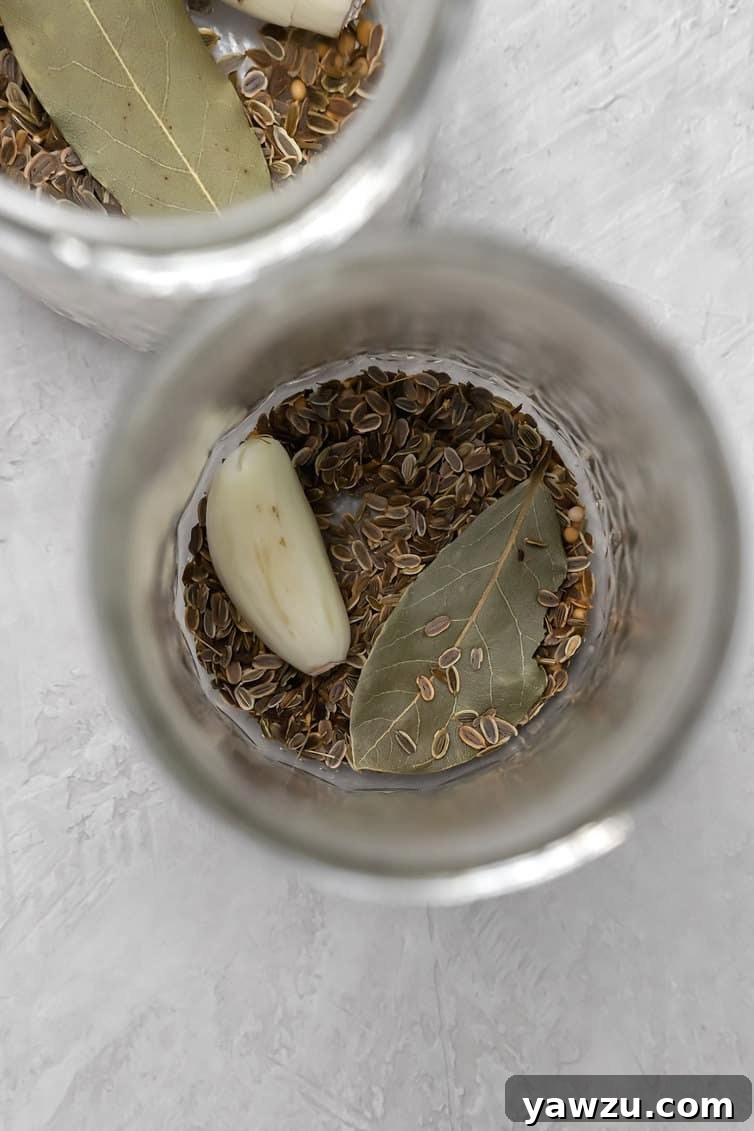
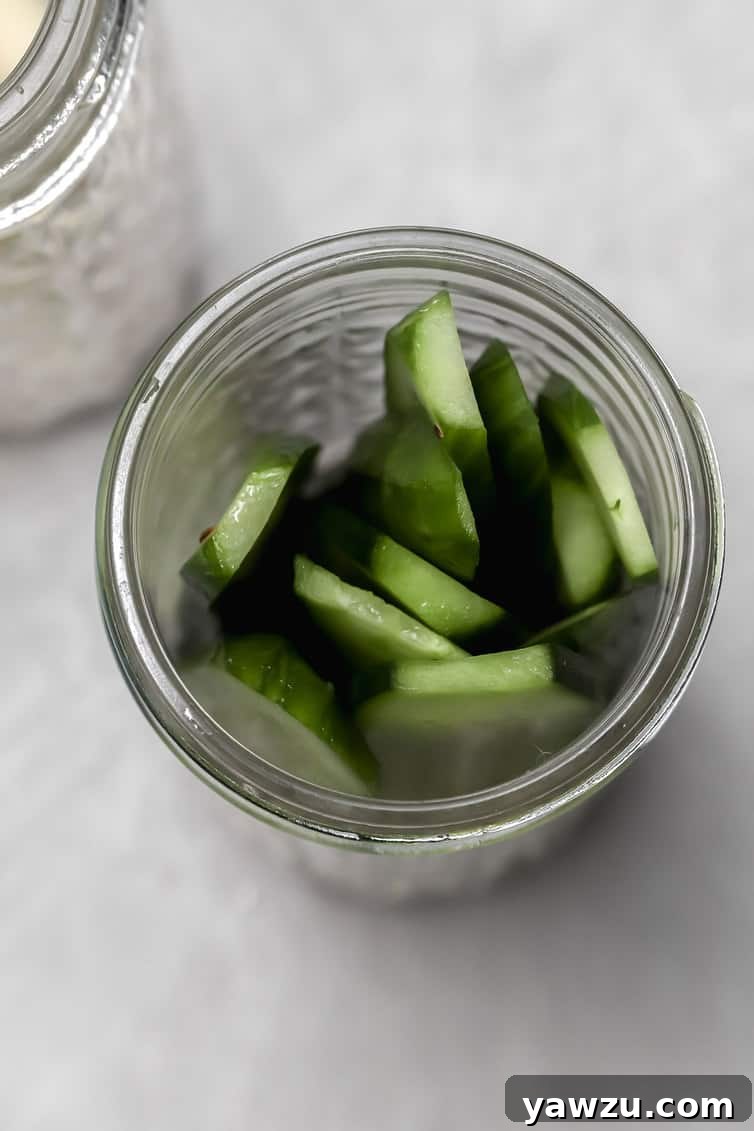
- Pack the Jars with Flavor: Carefully remove one hot jar from the canner, pouring the hot water back into the canner. Place the jar on a heat-safe surface, like a wooden cutting board or a clean towel. Into each jar, place one bay leaf, one garlic clove, ½ teaspoon of mustard seeds, and 1½ teaspoons of dill seeds. Now, meticulously pack your sliced cucumbers into the hot jar, leaving a generous ½-inch of headspace from the rim of the jar.
- Add the Hot Pickling Liquid: Ladle the hot pickling liquid from the saucepan over the packed cucumbers in each jar, ensuring the cucumbers are fully submerged and maintaining that crucial ½-inch headspace. Using a non-metallic utensil, such as a rubber spatula, gently slide it down between the food and the inside of the jar two or three times. This step is vital for releasing any trapped air bubbles. If the liquid level drops after de-bubbling, add more hot pickling liquid to restore the ½-inch headspace.
- Seal and Process the Jars: With a clean, damp cloth, carefully wipe the rim and threads of each jar to remove any food particles that could interfere with the seal. Using a magnetic lid lifter or another non-metallic tool, retrieve a hot lid from the saucepan and center its sealing compound on the jar’s rim. Place a screw band over the lid and tighten it until you feel resistance, then turn it “fingertip-tight” – avoid overtightening, as this can prevent a proper seal. Return the filled jar to the rack in the water-bath canner. Repeat this process for all remaining jars.
- Water Bath Processing: Once all jars are securely in the canner, adjust the water level to ensure it covers the jars by at least 1 inch. Cover the canner with its lid and bring the water to a full, rolling boil over high heat. Once a vigorous boil is achieved, process (continue boiling) the jars for 15 minutes. After 15 minutes, turn off the heat, remove the canner lid, and let the jars rest in the hot water for an additional 5 minutes. This helps normalize the pressure and prevents siphoning.
- Cool and Check Seals: Carefully remove the jars from the canner, lifting them straight up without tilting, and place them upright on a clean towel on your counter. Choose a draft-free location and allow the jars to cool undisturbed for a full 24 hours. Resisting the urge to touch them is key!
- Verify the Seals and Store: After 24 hours, remove the screw bands. Run your finger over the center of each lid. A properly sealed lid will be concave (curving inward) and should not flex or move when pressed. Re-apply the screw bands. For any jars that haven’t sealed (lids are popped up or move), transfer them to the refrigerator and consume within one month. Properly sealed jars should be wiped clean with a damp cloth to remove any residue, then stored in a cool, dark place for up to 1 year. For optimal flavor, refrigerate a jar for 1-2 days before opening.
Selecting the Best Cucumbers for Pickling Success
When it comes to crafting exceptional homemade pickles, the choice of cucumber is paramount. While the name is a dead giveaway, “pickling cucumbers” are indeed the ideal choice. These varieties are typically shorter and wider than standard slicing cucumbers, and critically, possess a thinner skin and fewer, smaller seeds. These characteristics translate to a superior pickle with a firmer texture and a satisfying crunch.
However, if pickling cucumbers are unavailable at your local market or garden, don’t let that deter your pickling ambitions! Regular garden cucumbers can absolutely be used. Just be aware that they might produce a slightly softer pickle due to their thicker skins and higher water content. If using regular cucumbers, you might want to consider removing some of the larger seeds before slicing for an improved texture. The most important factor is to use fresh, firm cucumbers, regardless of variety.
Creative Cucumber Cuts for Every Pickle Preference
How you slice your cucumbers is entirely a matter of personal preference and dictates the type of pickle you’ll ultimately enjoy. Here are some popular ideas:
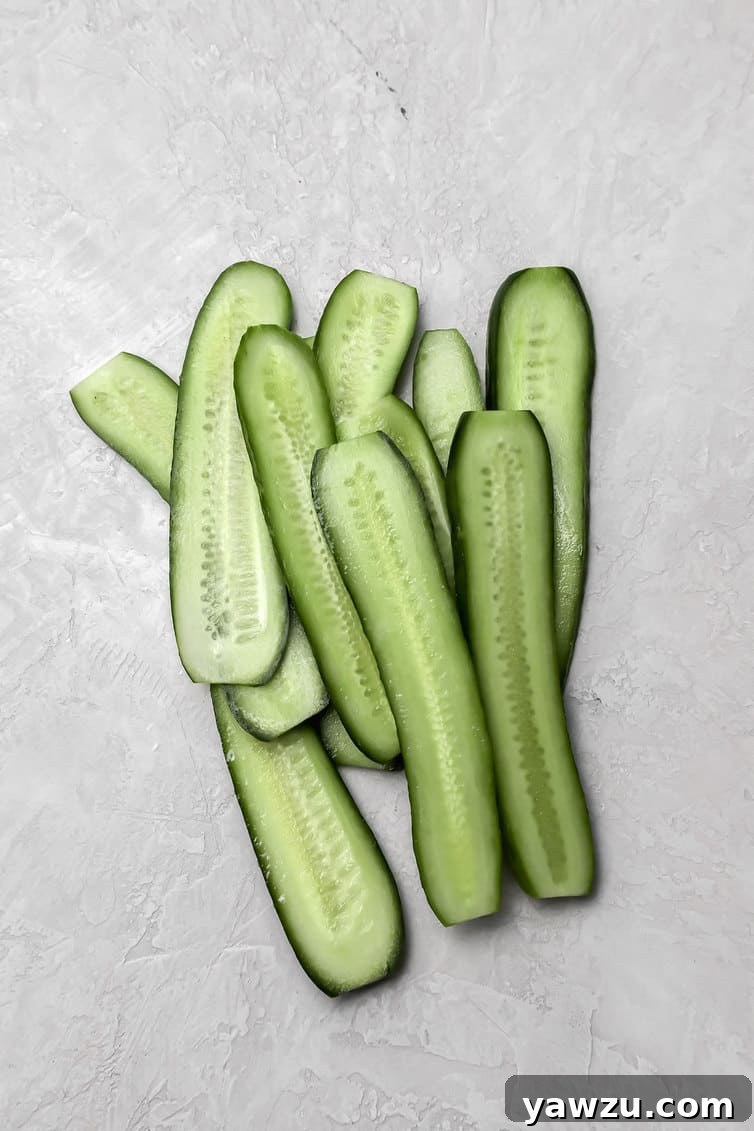
- “Sandwich”-Style Pickles: As featured in this recipe, these cucumbers are sliced lengthwise into thin, elongated strips. Their shape makes them perfect for layering neatly onto sandwiches or wraps. While a sharp chef’s knife can get the job done with careful precision, a mandoline slicer is my tool of choice for achieving consistent thickness and speeding up the preparation process significantly.
- Spears: For a more substantial bite, simply slice your cucumbers lengthwise into quarters or eighths, creating sturdy pickle spears. These are fantastic for snacking straight from the jar or alongside a hearty meal.
- Chips: The classic, round pickle chips are a must-have for topping your favorite hamburgers, hot dogs, and barbecue. For an extra touch of visual appeal and a fun texture, I love to use a wavy slicer to give them those distinctive crinkle-cut edges.
Canning 101: Your Essential Guide to Safe Home Preserving
If you’re new to the world of home canning, you might wonder about its benefits and intricacies. Let’s explore why this traditional practice remains so popular and how to ensure safety every step of the way.
What are the advantages of canning?
The allure of canning lies in its ability to preserve an incredible array of foods, extending their shelf life for months, even up to a year. Beyond pickles, you can preserve jams, jellies, pie fillings, pasta sauces, salsa, various vegetables, and so much more. For those who cultivate a garden or have access to an abundance of local, in-season produce, canning becomes an exceptionally economical method. It allows you to capture peak freshness and flavor, ensuring a pantry perpetually stocked with wholesome, homemade food, ready whenever you need it.
How do you can?
At its core, canning involves heat processing food in sealed jars to destroy spoilage-causing microorganisms and create a vacuum seal. The basic steps, as outlined in the “How to Make Dill Pickles” section above, are remarkably consistent across various foods: sterilizing your jars and lids, filling the jars with the food to be preserved (along with its liquid), securing the lids, and then processing the sealed jars in a boiling water bath (or pressure canner for low-acid foods) to achieve a safe, airtight seal.
Canning Safely: Non-Negotiable Guidelines
Food safety is paramount when canning. It is absolutely crucial to adhere to all recommended guidelines and use only tested, reliable recipes. I exclusively rely on recipes from established and respected publications, such as the Ball Complete Book of Home Preserving, which I’ve linked to throughout this article. For high-acid foods like pickles, the vinegar content ensures a pH level where most harmful bacteria cannot survive. Never attempt to modify the vinegar-to-water ratio in a pickling recipe, as this could compromise safety. If you wish to experiment with your own recipes, I cannot stress enough the importance of consulting authoritative sources like the USDA Complete Guide to Home Canning for rigorous guidance and safety protocols.
Exploring Different Types of Pickling
The world of pickling offers a diverse range of techniques, primarily categorized into two main methods:
- Pickles Preserved in Vinegar (Acid Pickling): This is the most common method, used for standard pickles found in grocery stores and the method employed in this dill pickle recipe. The high acidity of vinegar creates an environment hostile to most bacteria, effectively preserving the food and imparting that classic tangy pickle flavor. This method is generally simpler and provides a consistent result.
- Pickles Soaked in a Salt Brine (Fermentation): This traditional method relies on the power of lacto-fermentation. Vegetables are submerged in a saltwater brine, which encourages the growth of beneficial lactic acid bacteria. These “good” bacteria consume sugars in the vegetables and produce lactic acid, which naturally preserves the food and gives fermented pickles their distinct, complex flavor and probiotic benefits. While different from vinegar pickling, it’s another fantastic way to enjoy preserved foods.
Canned Pickles vs. Refrigerator Pickles: Understanding the Difference
With the recent surge in popularity of “refrigerator pickles,” it’s common to wonder how they differ from their canned counterparts. The distinction is quite significant, primarily revolving around their preservation method and resulting shelf life.
Refrigerator pickles are a quick and easy way to enjoy homemade pickles without the full canning process. They involve simply pouring a hot pickling liquid over vegetables in jars and then storing them directly in the refrigerator. Because they do not undergo a heat processing step to create a vacuum seal, they are not shelf-stable and must be kept refrigerated. Their shelf life is typically limited to about a month or so, making them perfect for smaller, spontaneous batches.
In contrast, canned pickles (like the dill pickles in this recipe) are processed in a boiling water bath. This crucial step sterilizes the jar’s contents and creates an airtight vacuum seal, which prevents spoilage and makes the pickles safe for long-term storage at room temperature. Properly canned pickles can be kept in your pantry for up to a year, retaining their freshness and flavor much like commercially produced options. This method is ideal for preserving larger harvests or ensuring a year-round supply of your homemade favorites.
Dill 101: Unpacking the Iconic Pickle Herb
Dill, with its distinctive aroma and flavor, is the quintessential herb associated with pickles, and a beloved ingredient in dishes like potato salads and deviled eggs. Its versatility means you can incorporate it into your pickles in several forms, each imparting a slightly different nuance:
- Dill Seed: This is the option I’ve chosen for this recipe, prized for its potent, slightly spicier, and more concentrated dill flavor. You’ll typically find dill seeds in the spice aisle of your grocery store, or easily available online (Amazon is a great source). It delivers a classic, robust pickle profile.
- Fresh Dill Heads: If you prefer a brighter, fresher dill note, use whole fresh dill heads. These are the beautiful, feathery, yellow-flowered tops of the dill plant, often found in the produce section. For this recipe, approximately five heads of fresh dill would provide a vibrant flavor.
- Dried Dill Weed: This is the dried, leafy part of the dill plant, commonly available in the spice aisle. While less potent than dill seed, it offers a milder, more herbaceous dill flavor. If substituting for dill seeds, use about 2 teaspoons of dried dill weed per pint jar (10 teaspoons total for this recipe).
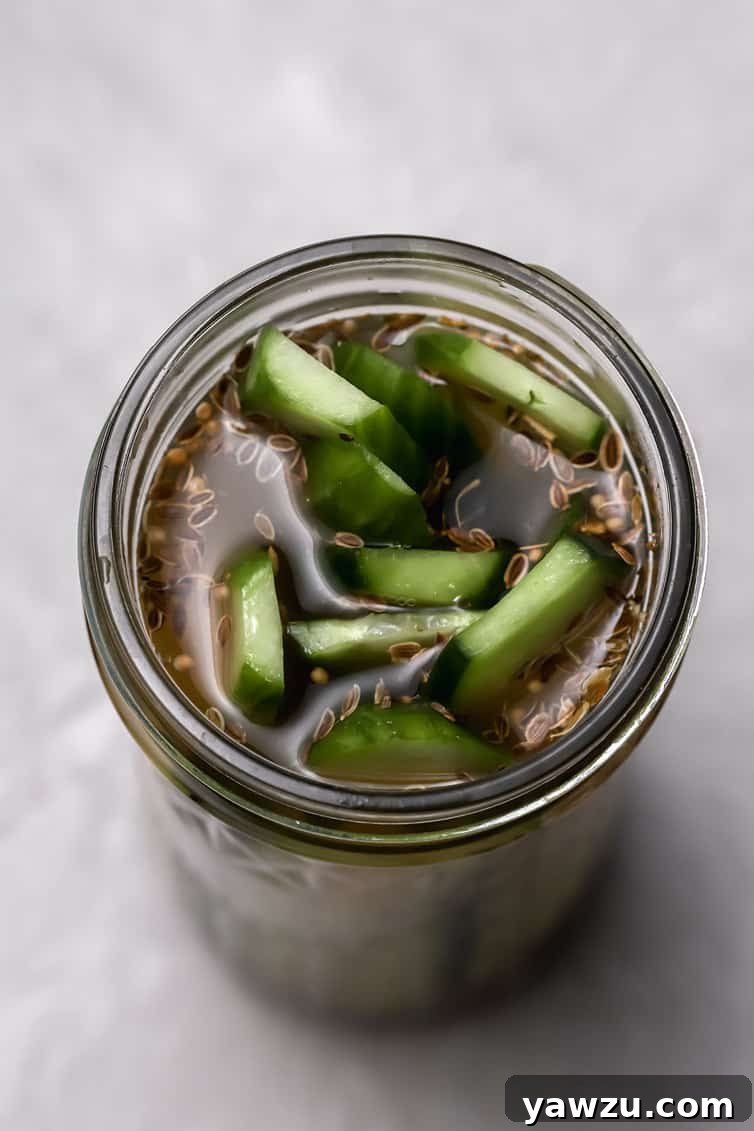
Customizing Your Pickle Perfection: Flavor Variations
The spices in this recipe are designed to deliver a perfectly balanced, traditional dill pickle flavor. However, the beauty of homemade pickles lies in your ability to customize them to your exact liking. Here are some exciting ideas to play with the flavor profile:
- Amplify the Garlic: Each jar calls for one clove of garlic, but if you’re a true garlic aficionado who craves a more pungent, garlicky pickle, feel free to drop in an extra clove or two per jar. Crushing or lightly smashing the cloves before adding them can also intensify their release of flavor.
- Ignite the Spice: For those who appreciate a kick, infuse your pickles with a bit of heat. A pinch of red pepper flakes or a few whole black peppercorns added to each jar will introduce a pleasant, fiery undertone that complements the dill beautifully.
- Explore Aromatic Depth: The world of pickling spices is vast and exciting! Don’t hesitate to experiment with other aromatics to create unique flavor combinations. Consider adding a few allspice berries, a dash of caraway seeds for an earthy note, a sprinkle of celery seed, a couple of cloves for warmth, or even some whole coriander seeds for a citrusy hint. The possibilities are endless for creating your signature pickle blend.
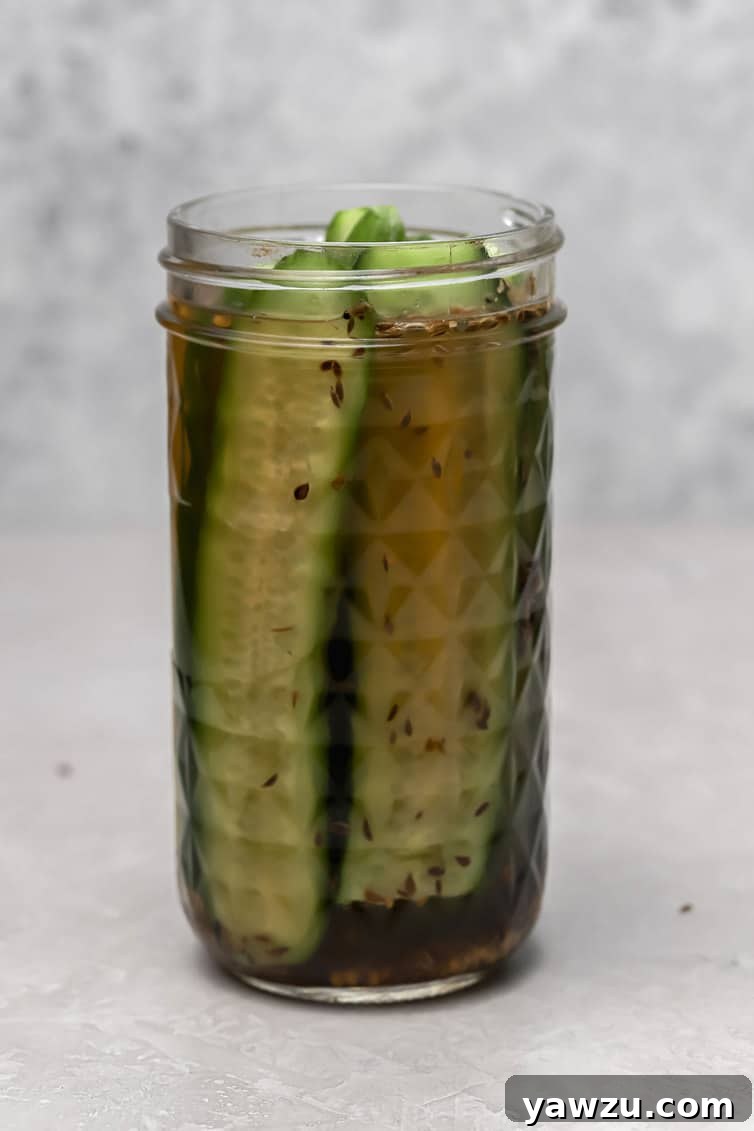
Beyond the Sandwich: Creative Ways to Enjoy Your Dill Pickles
While layering these crisp dill pickles onto your favorite sandwich is undeniably a classic pleasure, their versatility extends far beyond! Here are some delightful ways to incorporate your homemade pickles into your culinary repertoire:
- Straight from the Jar: Sometimes, the simplest pleasure is the best. Grab a fork and enjoy these crunchy delights directly from the jar as a refreshing, low-calorie snack.
- Homemade Relish: Chop your dill pickles finely to create your own fresh, vibrant relish. It’s a fantastic substitute for store-bought versions and elevates hot dogs, hamburgers, or tuna salad to new heights.
- Dill Pickle Dip: Prepare to be addicted! These pickles are the star ingredient in a creamy dill pickle dip. Perfect for parties, it’s a guaranteed crowd-pleaser served with potato chips or fresh vegetables.
- Salads and Sides: Dice them and toss into potato salad, pasta salad, or coleslaw for an extra layer of tangy crunch. They also make a bright, acidic accompaniment to rich, savory dishes.
More Pickle Recipes to Explore
If your love for pickles knows no bounds, be sure to try these other fantastic recipes:
- Refrigerator Bread and Butter Pickles
- Zesty Refrigerator Zucchini Pickles
- Quick & Easy Refrigerator Dill Pickles
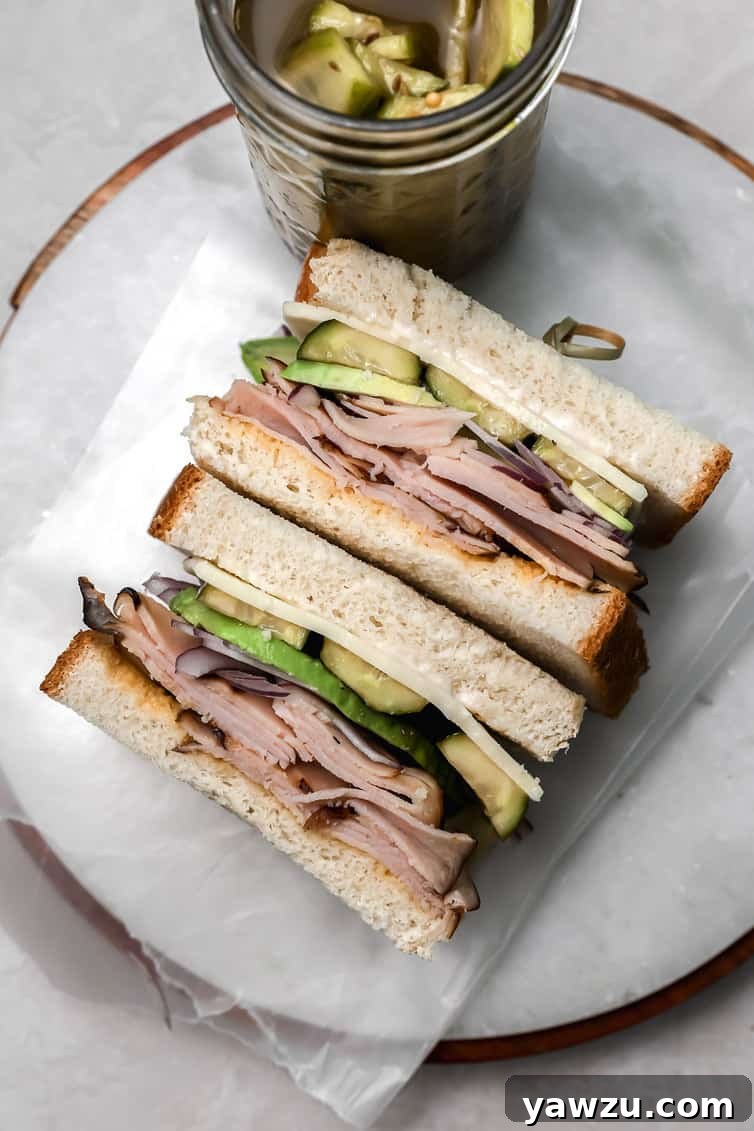
Watch the Recipe Video Below:
For a visual guide to making these delicious dill pickles, watch the instructional video below:
If you make these dill pickles and fall in love with them, please consider taking a moment to leave a rating below. Your feedback is greatly appreciated! ❤️️
Dill Pickles Recipe
5 pint jars
20 mins
30 mins
50 mins
These dill pickles taste incredibly fresh and have the perfect balance of dill and garlic flavor. Learn everything you need to know about how to make them!
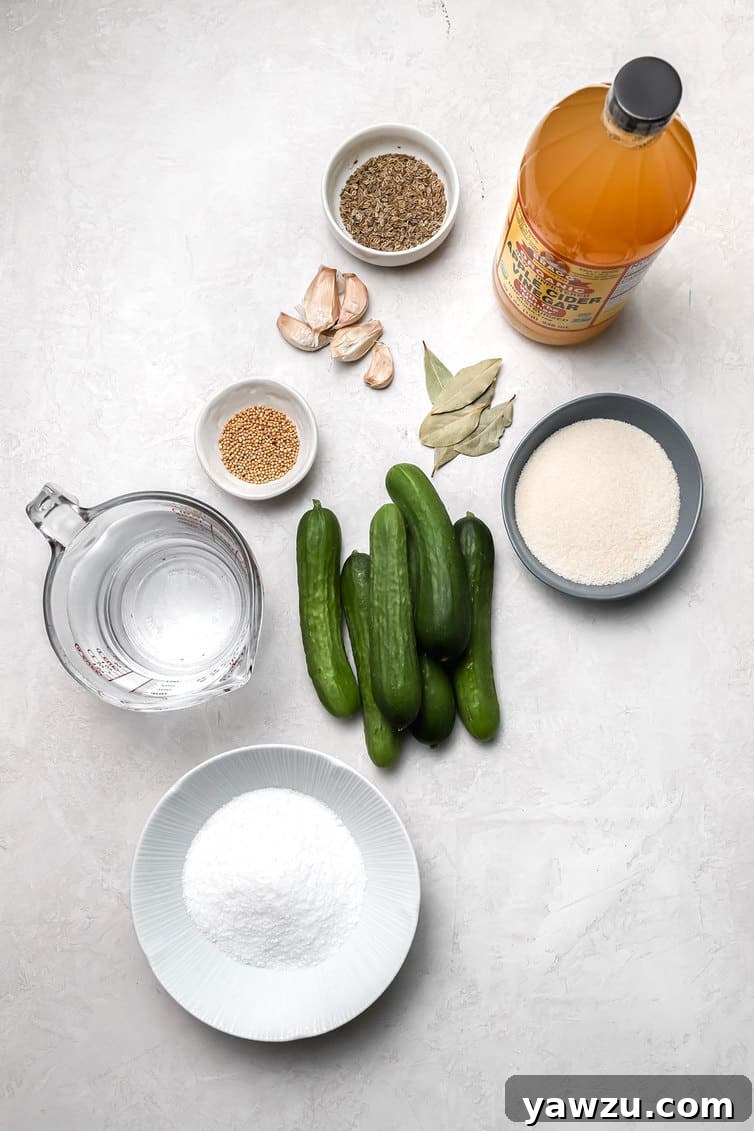
Ingredients
- 3 tablespoons pickling spice
- 4 cups (960 ml) cider vinegar
- 4 cups (960 ml) water
- ¾ cup (149 g) granulated sugar
- ½ cup (144 g) pickling or canning salt
- 5 bay leaves
- 5 garlic cloves
- 2½ tablespoons dill seeds
- 2½ teaspoons mustard seeds
- 7 pounds pickling cucumbers, ends trimmed and cut into ¼-inch slices lengthwise
Instructions
- Prepare canner, jars, and lids. Wash the jars, lids, and screw bands in hot, soapy water. Rinse well. Place a rack in the bottom of a boiling-water canner, then place the required number of jars on the rack. Add water to the jars and the canner until it covers the jars by at least 1 inch. Cover the canner and bring the water to a simmer (180°F / 82°C) over medium heat. Do not boil the jars. Keep jars hot until ready to use. Place the lids in a small saucepan, cover with water, and bring to a simmer (180°F / 82°C) over medium heat. Do not boil the lids. Keep lids hot until ready to use. Set screw bands aside; they do not require heating.
- Tie pickling spice in a square of cheesecloth, creating a spice bag.
- In a large stainless steel saucepan, combine vinegar, water, sugar, pickling salt, and spice bag. Bring to a boil over medium-high heat, stirring to dissolve the sugar and salt. Reduce the heat and boil gently for 15 minutes.
- Working with one jar at a time, remove a jar from the canner, pouring hot water back into the canner. Place the jar on a heat-protected work surface. Place 1 bay leaf, 1 garlic clove, ½ teaspoon mustard seeds, and 1½ teaspoons dill seeds into each jar. Pack cucumber slices into hot jars to within a generous ½-inch of the top of the jar. Ladle hot pickling liquid into the jar to cover the cucumbers, leaving ½-inch headspace. Slide a nonmetallic utensil, such as a rubber spatula, down between the food and the inside of the jar two or three times to release air bubbles. Adjust headspace, if necessary, by adding more hot pickling liquid. With a clean damp cloth, wipe jar rim and threads. Lift a hot lid from the water and place it on the jar, centering the sealing compound on the rim. Place a screw band on the jar and screw down until fingertip-tight. Return the jar to the rack in the hot water-filled canner. Repeat filling steps until all jars are filled.
- When all of the jars are in the canner, adjust the water level so it covers the jars by at least 1 inch. Cover the canner with a lid and bring the water to a full rolling boil over high heat. Once boiling hard and continuously, process (continue boiling) for 15 minutes. Turn off the heat, remove the lid, and let sit for 5 minutes. After 5 minutes, remove the jars, lifting them out of the hot water without tilting them. Place the jars upright on a towel in a draft-free place and let cool, undisturbed, for 24 hours.
- When the processed jars have cooled for 24 hours, check the lids for a seal. Remove the screw bands and press down on the center of each lid. Sealed lids will be concave (curved downward) and show no movement when pressed. Jars that have not sealed properly must be refrigerated immediately and used within a few days. For sealed jars, thoroughly wipe lids and jar surfaces with a damp cloth to remove any residue. Store the sealed jars in a cool, dark place for up to 1 year.
Notes
- Equipment: Consider investing in a water bath canner, a canning essentials set, proper jars, quality pickling spice, and specific pickling salt for best results.
- Cucumbers: While pickling cucumbers are preferred for their ideal texture, regular cucumbers can be successfully used.
- Dill: In place of dill seeds, you can substitute 5 fresh dill heads (the yellow flower portion) or 2 teaspoons of dried dill weed for each jar (totaling 10 teaspoons).
- Seals: It’s critical not to disturb the jars for 24 hours after processing. After checking, promptly refrigerate any jars that do not have a concave seal.
- Storage: Properly sealed jars can be stored in a cool, dark place for up to 1 year. For the best flavor and crispness, refrigerate the opened jar for a day or two before serving.
Nutritional values are based on one pint.
Nutrition Facts
Calories: 264kcal,
Carbohydrates: 51g,
Protein: 5g,
Fat: 2g,
Sodium: 854mg,
Potassium: 1103mg,
Fiber: 6g,
Sugar: 39g,
Vitamin A: 475IU,
Vitamin C: 23.3mg,
Calcium: 199mg,
Iron: 2.9mg
Did you make this recipe?
Leave a review below, then snap a picture and tag @thebrowneyedbaker on Instagram so I can see it!
Michelle Lettrich
Snack
American
(Recipe adapted from Ball Complete Book of Home Preserving)
[Photography by Ari of Well Seasoned]