

Elevate Your Burger Game: The Ultimate Guide to Homemade Hamburger Buns
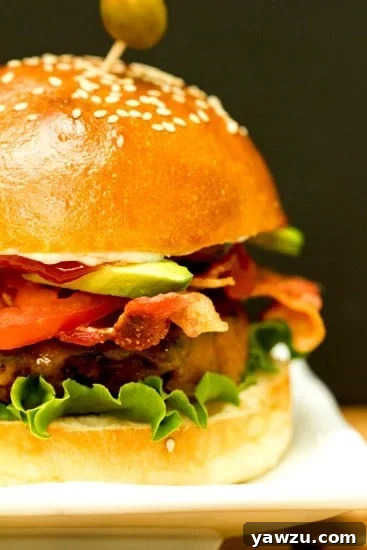
There’s something undeniably satisfying about a perfectly grilled hamburger. The sizzle of the patty, the crispness of the lettuce, the tang of the pickle – it’s a symphony of flavors and textures. Yet, often overlooked is the unsung hero of any great burger: the bun. A truly exceptional burger deserves a bun that can stand up to its juicy contents, providing the ideal soft yet sturdy foundation without falling apart. For years, like many home cooks, I relied on mediocre store-bought options, always feeling like something was missing from my backyard barbecue creations. That quest for perfection led me to embark on a journey to master the art of homemade hamburger buns. And let me tell you, once you taste the difference that soft, fluffy, and flavorful homemade burger buns make, you’ll never go back.
My personal journey to these best hamburger buns was fueled by a lifelong love for hearty meals, especially anything involving beef. While chicken and fish have their place (preferably battered and fried!), there’s nothing quite like a well-prepared steak, a savory taco, or, my absolute favorite, a juicy bacon cheeseburger. And as any true burger connoisseur knows, the quality of the bun can elevate an ordinary burger to an extraordinary culinary experience. Those restaurant-quality buns – slightly oversized, robust enough for generous fillings, and often perfectly buttered and toasted – became my benchmark. With summer grilling season in full swing, there’s no better time to perfect your homemade hamburger buns recipe. I’m thrilled to share a recipe that consistently delivers buns that are light, incredibly tender, and moist, making them an essential staple for all your summer grilling adventures.
Why Go Homemade? The Unbeatable Advantages of Baking Your Own Burger Buns
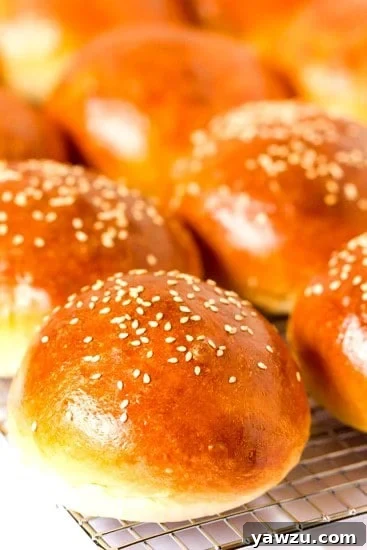
You might be wondering if making your own hamburger buns from scratch is truly worth the effort. The answer, unequivocally, is yes! The difference in quality, taste, and texture between homemade and store-bought is monumental. Here’s why baking your own fluffy burger buns will revolutionize your burger experience:
- Superior Taste and Texture: Mass-produced buns often lack depth of flavor and tend to be dry or overly airy. Our homemade recipe yields buns that are rich, with a delicate sweetness from the milk and butter, and a remarkably tender crumb. They’re soft enough to yield to a bite but sturdy enough to hold all your favorite toppings.
- No Unwanted Additives: When you bake at home, you control every ingredient. Say goodbye to preservatives, artificial flavors, and high-fructose corn syrup found in many commercial buns. You’ll be serving a wholesome and delicious product.
- Customization is Key: Want to add a hint of garlic powder to the dough? Or sprinkle on some everything bagel seasoning? With homemade buns, you have the freedom to experiment and tailor them to your precise preferences.
- The Aroma of Fresh Bread: There’s nothing quite like the comforting scent of freshly baked bread filling your home. It’s an experience that enhances the entire cooking process and builds anticipation for the meal to come.
- Cost-Effective: While the initial purchase of ingredients may seem like an investment, homemade buns are often more economical per serving than specialty bakery buns, especially if you’re baking in larger batches.
- The Satisfaction of Creation: There’s immense pride in presenting a meal where every component, right down to the bread, was made by your own hands. It’s a rewarding culinary endeavor that your family and friends will appreciate.
The Simple Science Behind Perfect Homemade Burger Buns
Don’t be intimidated by baking with yeast! This recipe for soft hamburger rolls is designed to be straightforward and accessible for bakers of all skill levels. The secret to their incredible flavor and texture lies in a few key ingredients and steps:
- Enriched Dough: Unlike lean bread doughs (which typically contain only flour, water, salt, and yeast), an enriched dough incorporates fats like butter and liquids like milk (or buttermilk) and eggs. These ingredients contribute to a softer crumb, richer flavor, and a more tender crust. The fat also helps keep the buns fresh longer.
- Room Temperature Ingredients: Using ingredients like milk, butter, and eggs at room temperature is crucial. It helps the dough come together more easily, promotes consistent gluten development, and ensures the yeast activates properly for optimal rising.
- Instant Yeast: This type of yeast is a baker’s best friend. It can be mixed directly with dry ingredients and doesn’t require activation in warm water beforehand, making the process quicker and simpler.
Crafting the Dough: From Mixing Bowl to First Rise
The hands-on time for these easy homemade buns is surprisingly minimal. Most of the process involves passive waiting while the yeast works its magic. Here’s a breakdown:
Mixing and Kneading for the Ideal Texture
Begin by combining the dry ingredients – bread flour, salt, granulated sugar, and instant yeast – in a large mixing bowl or the bowl of your stand mixer. The bread flour is key here, as its higher protein content provides the necessary gluten structure for a chewy yet tender bun. Next, add the slightly beaten egg, softened butter, and room temperature milk or buttermilk. Mix on low speed until the flour is fully absorbed and a shaggy dough forms. If your dough seems too stiff, gradually add a tiny bit more milk until it’s soft and supple.
Transfer the dough to a lightly floured counter and begin kneading. If using a stand mixer with a dough hook, mix on medium speed. Kneading is vital for developing the gluten, which gives the buns their structure and elasticity. Continue kneading for 6 to 8 minutes. You’re looking for a dough that is soft, pliable, and slightly tacky, but not sticky. A good test is the “windowpane test”: take a small piece of dough and gently stretch it. If you can stretch it thin enough to see light through it without tearing, your gluten is well-developed.
The First Rise (Bulk Fermentation)
Once kneaded, lightly oil a clean bowl and transfer the dough, rolling it around to coat. Cover the bowl tightly with plastic wrap to prevent a skin from forming. Allow the dough to ferment at room temperature for 1½ to 2 hours, or until it has doubled significantly in size. This first rise, known as bulk fermentation, is crucial for flavor development and creating a light, airy crumb structure.
Shaping Your Buns: Achieving That Classic Look
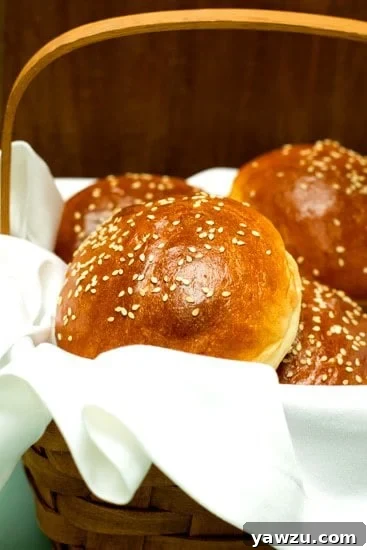
After the first rise, gently punch down the dough to release the air. Transfer it to a clean surface and divide it into twelve equal 3-ounce pieces. The way you shape these pieces is important for the final appearance and texture of your hamburger buns.
Shape each piece into a tight round. This is achieved by gently pulling the edges of the dough underneath itself, creating a smooth, taut top surface. Cup your hand over the dough ball and roll it against the counter with light pressure to create a perfect sphere. Once shaped, lightly mist the dough balls with spray oil and cover them with a clean towel or plastic wrap. Let them rest for about 20 minutes; this allows the gluten to relax, making them easier to handle in the next step.
Now, for the distinguishing feature of a hamburger bun versus a dinner roll: the flat top. Line two baking sheets with parchment paper. Gently press down on the tops of each dough ball with your fingers to flatten them slightly. The amount you press down is a matter of personal preference; a lighter press will result in taller, more substantial buns, while a firmer press will create flatter, wider ones. I prefer mine with a bit of height and substance, pressing down lightly twice to achieve the ideal shape. This step helps prevent the buns from becoming too spherical, ensuring they have the perfect indentation to cradle your burger patty.
The Final Proof and Baking for Golden Perfection
Once shaped and on the baking sheets, mist the tops of the dough with spray oil again and loosely cover them with plastic wrap or a towel. This is the second rise, or proofing stage. Allow them to proof at room temperature for 60 to 90 minutes, or until the buns have nearly doubled in size. This proofing ensures a light and airy texture in the final baked product.
While the buns are proofing, preheat your oven to 400 degrees F (200 degrees C). Just before baking, prepare an egg wash by whisking one egg with a teaspoon of water until frothy. Gently brush the tops of the proofed buns with this egg wash. This step gives the buns a beautiful golden-brown color and a lovely sheen, and it also helps any optional sesame or poppy seeds adhere perfectly.
Bake the buns for approximately 15 minutes, or until they are a rich golden brown and register an internal temperature of about 180 degrees F (82 degrees C). Transfer the baked buns to a wire rack to cool for at least 15 minutes before serving. Cooling is important as it allows the internal structure of the bread to set and prevents gumminess. Your kitchen will smell absolutely incredible!
Serving and Storage: Maximizing Your Homemade Bun Experience
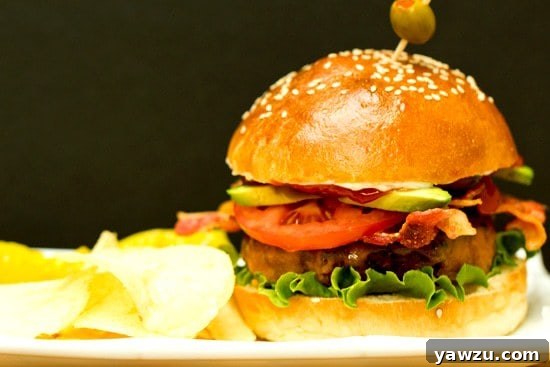
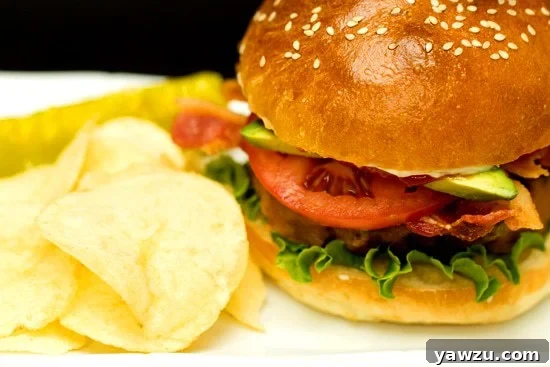
Once your perfect burger buns are cooled, it’s party time! Nothing beats assembling your favorite burger on a fresh, tender homemade bun. My ideal burger features a juicy patty topped with melted cheese, crispy bacon, fresh lettuce, a ripe tomato slice, creamy avocado, and a generous dollop of mayonnaise and ketchup. Served with a side of crunchy chips and a crisp pickle, it’s pure culinary bliss.
These buns are incredibly versatile. Perhaps you prefer a gourmet burger with blue cheese and caramelized onions? Or a classic American cheeseburger with lettuce, tomato, onion, and pickles? Maybe a smoky BBQ burger with a tangy sauce and coleslaw? Whatever your preference, these homemade hamburger buns will elevate any burger creation from good to unforgettable. Don’t forget to lightly toast the cut sides of the buns on the grill or in a pan for an extra layer of texture and flavor!
Storage Tips for Freshness
These buns are best enjoyed fresh, but they also store remarkably well. Store any leftovers in an airtight zip-top bag at room temperature for up to 3 days. For longer storage, homemade hamburger buns freeze beautifully. To freeze, wrap each bun individually in plastic wrap, then place them all in a larger freezer-safe zip-top bag. They can be frozen for up to 2-3 months. When you’re ready to enjoy them, simply thaw at room temperature or gently warm in a low oven for a few minutes.
I’m already excited for my next burger on one!
One year ago: Sweet and Salty Brownies

Hamburger Buns
Yield: 12 hamburger buns
Prep Time: 20 mins
Cook Time: 15 mins
Resting time: 4 hrs
Total Time: 4 hrs 35 mins
Soft buns for your favorite burgers
Pin Recipe
Ingredients
- 4¼ cups (531.25 g) bread flour
- 1½ teaspoons (1.5 teaspoons) salt
- 3 tablespoons granulated sugar
- 2 teaspoons instant yeast
- 1 egg, slightly beaten, at room temperature
- ¼ cup (56.75 g) butter, at room temperature
- 1½ cups (360 ml) buttermilk or whole milk, at room temperature
- 1 egg, whisked with 1 teaspoon water until frothy, for egg wash (optional)
- Sesame or poppy seeds for garnish, optional
Instructions
- Mix together the flour, salt, sugar and yeast in a large mixing bowl (or in the bowl of an electric mixer). Pour in the egg, butter and milk, and mix on low speed until all the flour is absorbed and the dough forms a ball. If the dough seems very stiff and dry, trickle in more milk until the dough is soft and supple.
- Sprinkle flour on the counter, transfer the dough to the counter, and begin kneading (or mix on medium speed with the dough hook), adding more flour, if necessary, to create a dough that is soft, supple and tacky, but not sticky. Continue kneading (or mixing) for 6 to 8 minutes. (In the electric mixer, the dough should clear the sides of the bowl, but stick every so slightly to the bottom.) Lightly oil a large bowl and transfer the dough to the bowl, rolling it to coat it with oil. Cover the bowl with plastic wrap.
- Ferment at room temperature for 1½ to 2 hours, or until the dough doubles in size.
- Remove the fermented dough from the bowl and divide it into twelve 3-ounce pieces. Shape the pieces into tight rounds. Mist the dough lightly with spray oil and cover with a towel or plastic wrap. Allow to rest for about 20 minutes.
- Line 2 sheet pans with parchment paper. Gently press down on the tops of the rolls with your fingers to flatten slightly. Transfer the buns to the sheet pans.
- Mist the tops of the dough with spray oil and loosely cover with plastic wrap or a towel. Proof the dough at room temperature for 60 to 90 minutes, or until the buns have nearly doubled in size.
- Preheat the oven to 400 degrees F. Brush the buns with the egg wash and garnish with poppy or sesame seeds, if desired.
- Bake the buns for approximately 15 minutes, or until they are golden brown and register just about 180 degrees F in the center. The buns should cool for at least 15 minutes on a rack before serving. Store leftovers in an airtight zip-top bag. If you want to freeze them, I would wrap individually in plastic wrap and then store in a zip-top bag. Thaw at room temperature.
Notes
Nutritional values are based on one serving.
Calories: 245kcal, Carbohydrates: 37g, Protein: 8g, Fat: 6g, Saturated Fat: 3g, Cholesterol: 40mg, Sodium: 368mg, Potassium: 117mg, Fiber: 1g, Sugar: 4g, Vitamin A: 205IU, Calcium: 54mg, Iron: 0.7mg
Did you make this recipe?
Leave a review below, then snap a picture and tag @thebrowneyedbaker on Instagram so I can see it!
Author: Michelle Lettrich
Course: Bread
Cuisine: American