
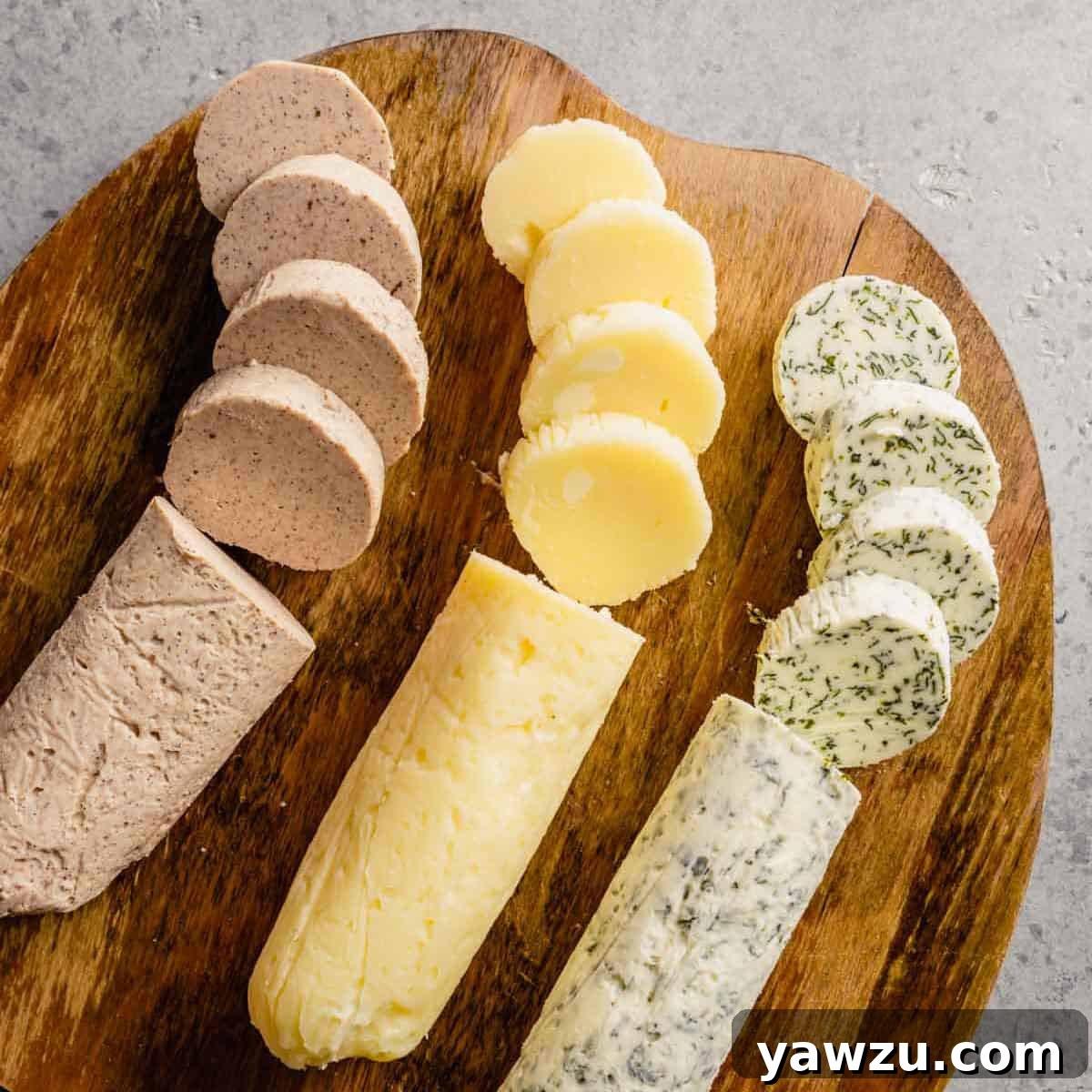
Welcome to the ultimate guide to creating exquisite compound butter at home. This versatile ingredient is a true game-changer, transforming ordinary meals into gourmet experiences with minimal effort. Whether you’re looking to elevate your everyday toast, add a luxurious touch to a perfectly cooked steak, or present sophisticated dinner rolls for a holiday feast, compound butter is your secret weapon. Prepare to discover how incredibly simple it is to infuse butter with a spectrum of flavors, opening up a world of culinary possibilities.
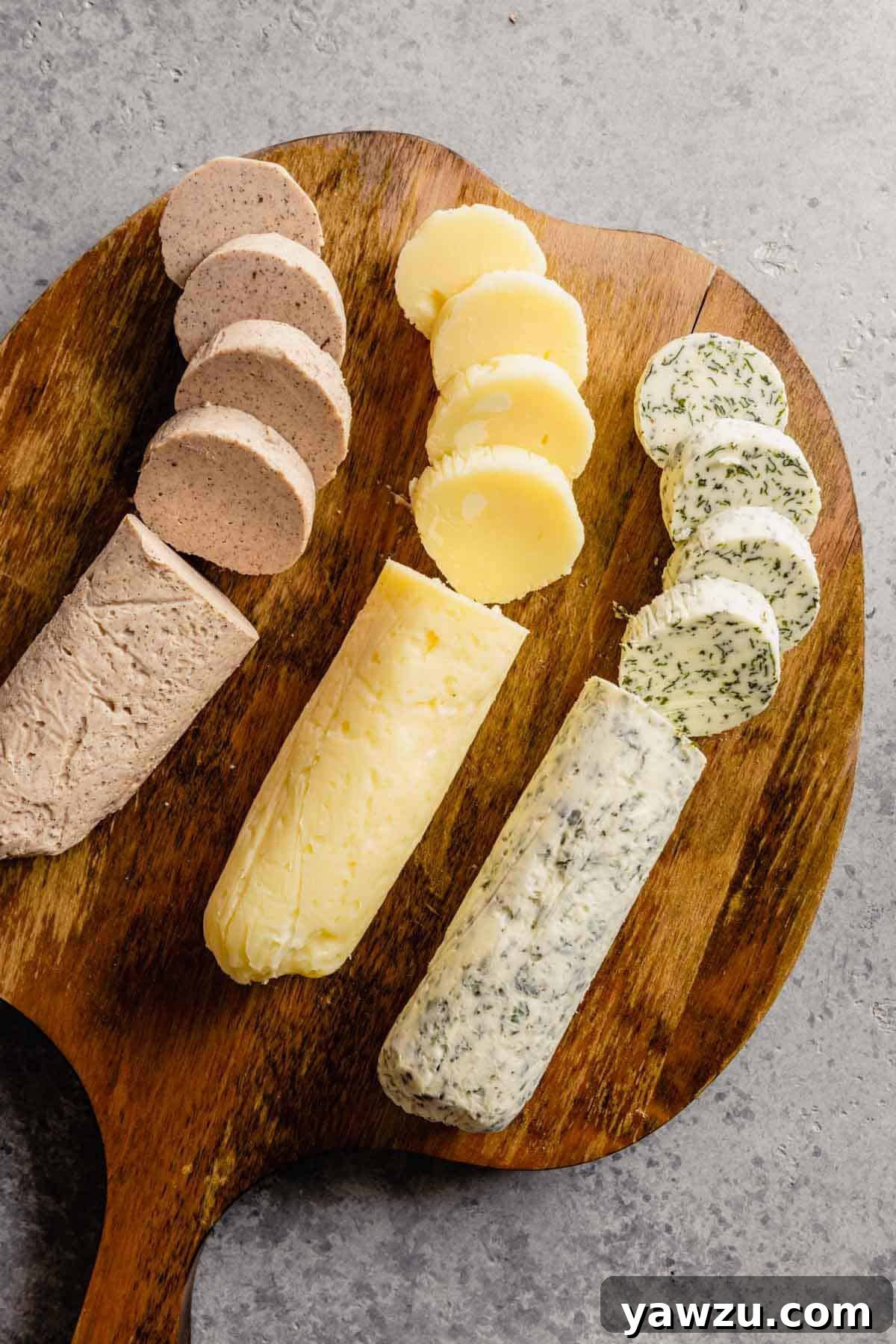
For much of my life, the concept of butter was straightforward: a simple, unadorned dairy staple. Then came a revelation during a restaurant visit years ago. A basket of warm bread arrived, accompanied by what appeared to be standard butter. Yet, with the first bite, I realized this was no ordinary spread. It possessed a distinct sweetness, a subtle warmth that delighted my palate. Upon inquiry, the server revealed it was honey butter. My culinary world expanded in that moment. It wasn’t long before I recognized the potential to recreate this magic in my own kitchen, and not just with honey, but with virtually any flavor imaginable. This discovery sparked a passion for compound butter, and I’m excited to share how you can easily craft these flavorful creations too.
What is Compound Butter? The Art of Flavor Infusion
Compound butter, also known as beurre composé, is simply butter that has been softened and then thoroughly mixed with other ingredients to create a flavored spread. These additions can range from savory herbs, spices, garlic, and shallots to sweet elements like honey, vanilla, cinnamon, citrus zest, or even chocolate. The beauty of compound butter lies in its ability to effortlessly elevate the flavor profile of countless dishes.
Often utilized as a “finishing butter,” it’s typically added to a dish after cooking, allowing its nuanced flavors to melt and meld into the food. Imagine a dollop of herb butter melting over a sizzling steak, infusing it with aromatic notes, or a spoonful of sweet honey butter dissolving onto warm pancakes. Its applications are truly limitless, making it an indispensable tool for home cooks and professional chefs alike. The process is remarkably straightforward, requiring minimal time and effort for a maximum flavor impact. In this guide, we’ll explore the simple steps to making your own, complete with recipes for three of my favorite variations: Herbed, Vanilla-Cinnamon, and Honey butter, along with creative serving suggestions for each.
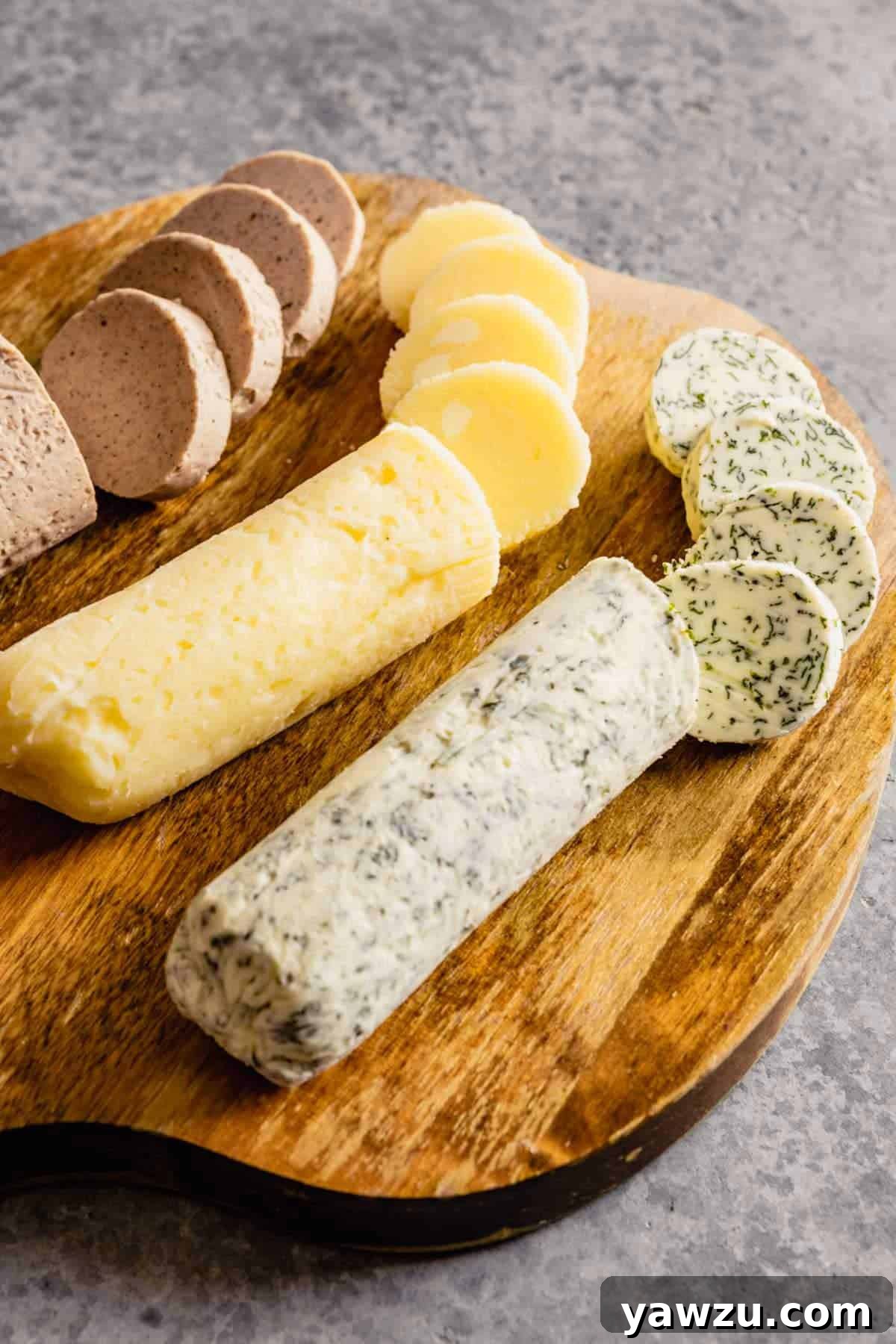
Crafting Your Own Flavored Butter: Three Irresistible Ways
The foundation of any great compound butter is high-quality butter and your chosen flavorings. The process itself is surprisingly simple, primarily involving mixing and chilling. Below, we’ll dive into how to prepare the perfect base and then explore three distinct recipes to get you started on your compound butter journey.
Selecting the Ideal Butter Base
For the finest compound butter, unsalted butter is unequivocally the best choice. Opting for unsalted butter gives you complete control over the final seasoning. You can precisely adjust the amount of salt to complement your chosen flavorings, ensuring they aren’t overshadowed or thrown off balance by pre-existing salt levels. This control is crucial for achieving a perfectly balanced and delicious result, whether sweet or savory.
Beyond being unsalted, the consistency of your butter is paramount. It needs to be exceptionally soft, truly at room temperature. This isn’t just a suggestion; it’s a critical step. When butter is thoroughly softened, it becomes pliable and much easier to work with, allowing your chosen mix-ins – be they delicate herbs or sticky honey – to be fully and evenly incorporated. Hard or even slightly firm butter will resist mixing, leading to clumps and uneven distribution of flavor. So, plan ahead and let your butter sit out on the counter for a couple of hours until it’s perfectly spreadable and ready to embrace its flavorful destiny.
Savory Herbed Compound Butter: A Culinary Essential
This fragrant herbed butter is a staple for any savory dish, bringing a fresh, aromatic burst of flavor. It’s incredibly versatile and easy to customize.
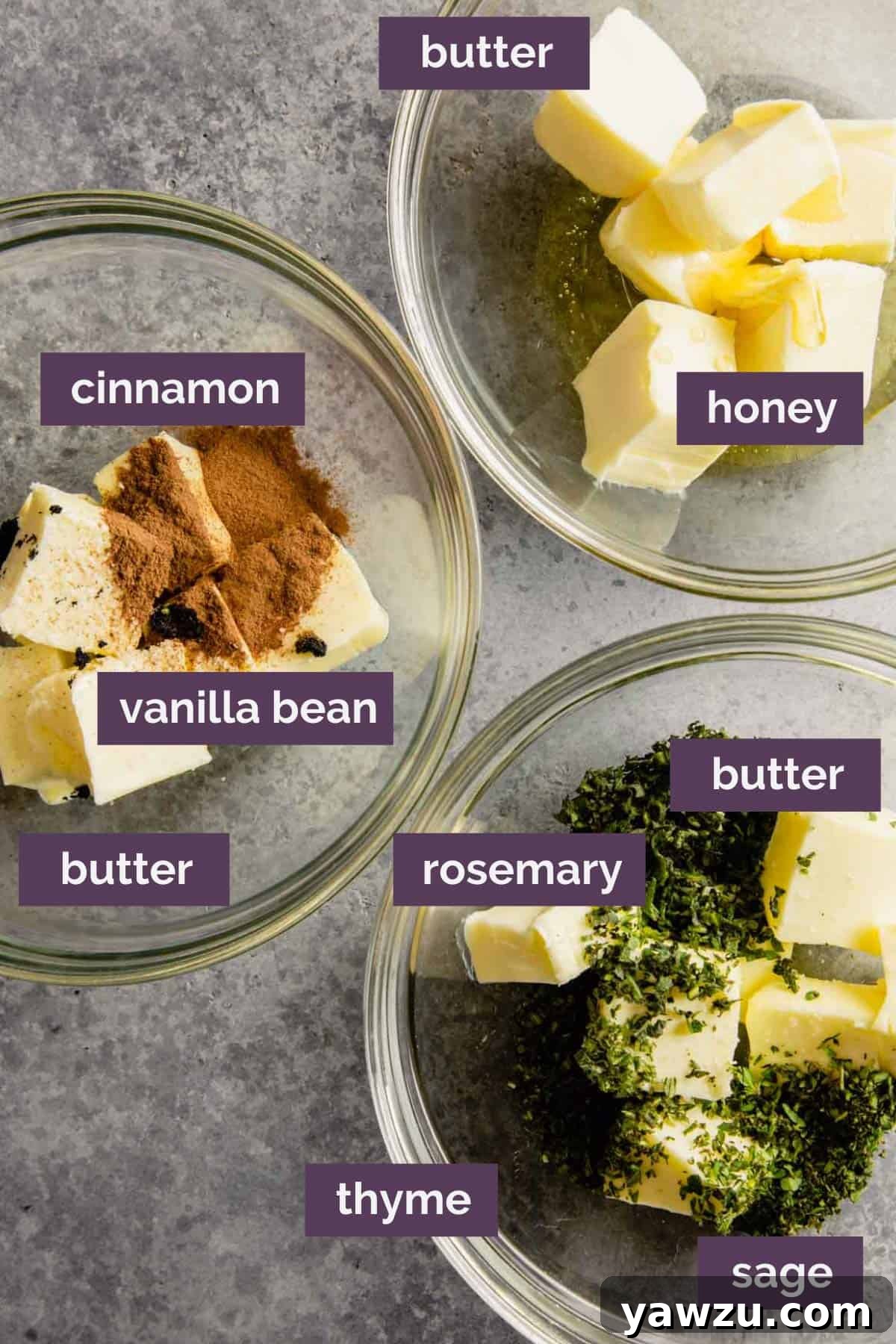
Ingredients You’ll Need:
- 1/2 cup (113.5 g) unsalted butter, very soft
- A pinch of fine sea salt (adjust to taste)
- 1 tablespoon fresh rosemary, finely minced
- 1 tablespoon fresh sage, finely minced
- 1 tablespoon fresh thyme, finely minced
Simple Preparation Steps:
- Prepare Your Herbs: Begin by finely mincing all your fresh herbs. The smaller the pieces, the more evenly they will distribute throughout the butter, ensuring every bite is flavorful. Set them aside.
- Combine Butter and Salt: Place your well-softened unsalted butter in a medium-sized mixing bowl. You can cut it into smaller pieces to facilitate easier mixing. Add a pinch of salt.
- Fold in the Herbs: Add the minced herbs to the butter. Using a rubber spatula, gently fold and mix until the herbs are completely incorporated and uniformly distributed. Continue mixing until no streaks of plain butter remain.
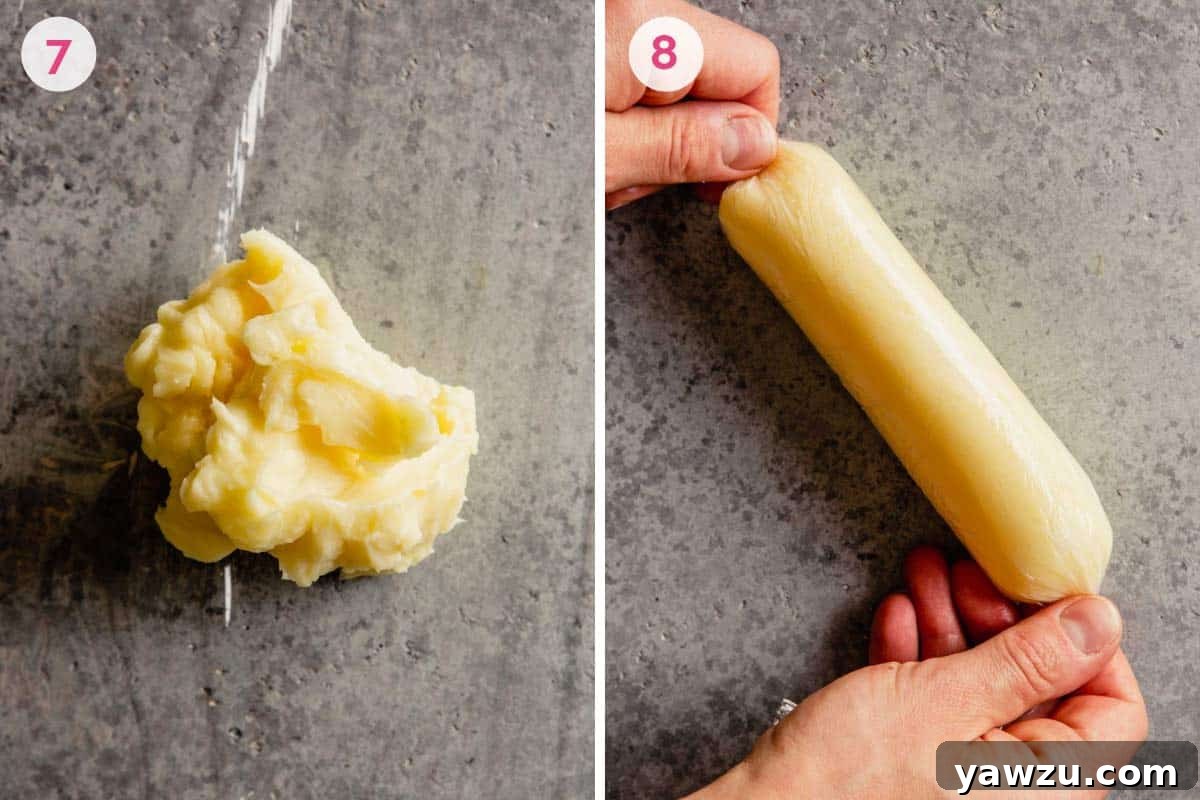
- Shape and Roll: Transfer the flavored butter onto a sheet of plastic wrap. Gently shape and roll it into a log, approximately 6 inches in length. Twist the ends of the plastic wrap to seal it tightly. This log shape makes it easy to slice off portions later.
- Chill for Flavor Development: Refrigerate the butter for at least 2 hours. This chilling period is crucial as it allows the flavors from the herbs to meld and deepen into the butter, resulting in a more harmonious and pronounced taste.
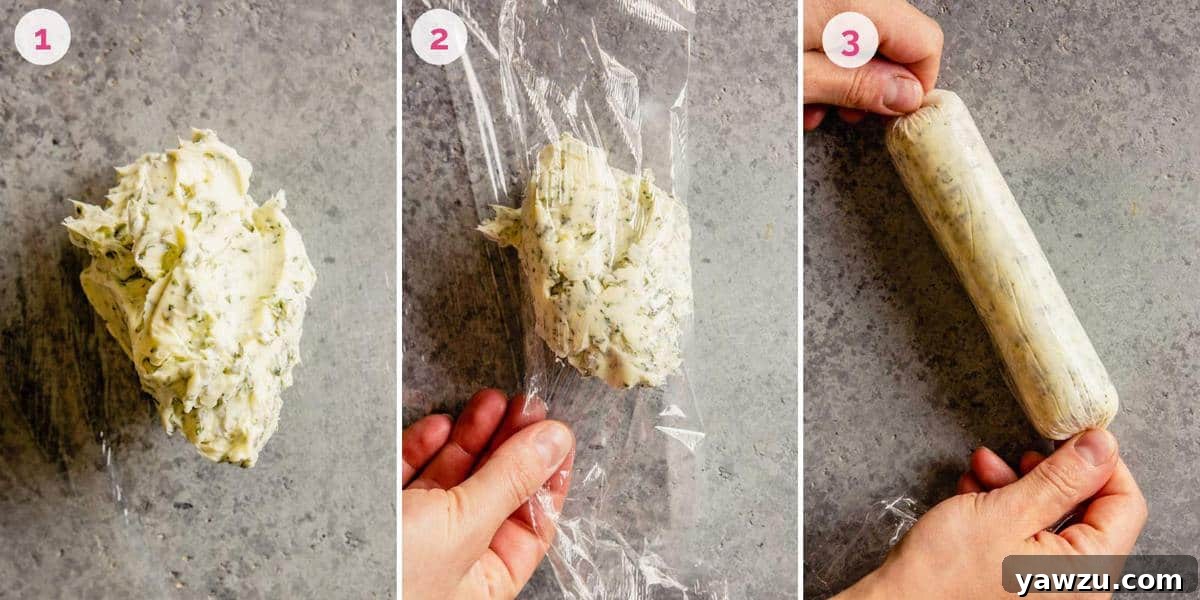
Creative Variations for Herbed Butter:
While the rosemary, sage, and thyme combination is a classic, the world of herbed butter offers endless possibilities. Feel free to experiment with your favorite fresh herbs. Just ensure the total quantity of herbs remains around 3 tablespoons per 1/2 cup of butter to prevent overwhelming the delicate butter flavor. Some fantastic alternatives or additions include:
- Basil: Adds a sweet, peppery note, excellent with Italian dishes or tomatoes.
- Chives: Offers a mild oniony flavor, perfect for eggs or baked potatoes.
- Parsley: A fresh, bright, and slightly peppery herb that pairs well with almost anything.
- Garlic: Minced garlic or garlic powder adds a robust, savory depth, ideal for garlic bread or mashed potatoes.
- Dill: Known for its fresh, slightly anise-like flavor, it complements fish and cucumber dishes beautifully.
- Oregano: Earthy and slightly bitter, a great addition for Mediterranean-inspired meals.
- Citrus Zest: A touch of lemon or orange zest can brighten any savory herb blend.
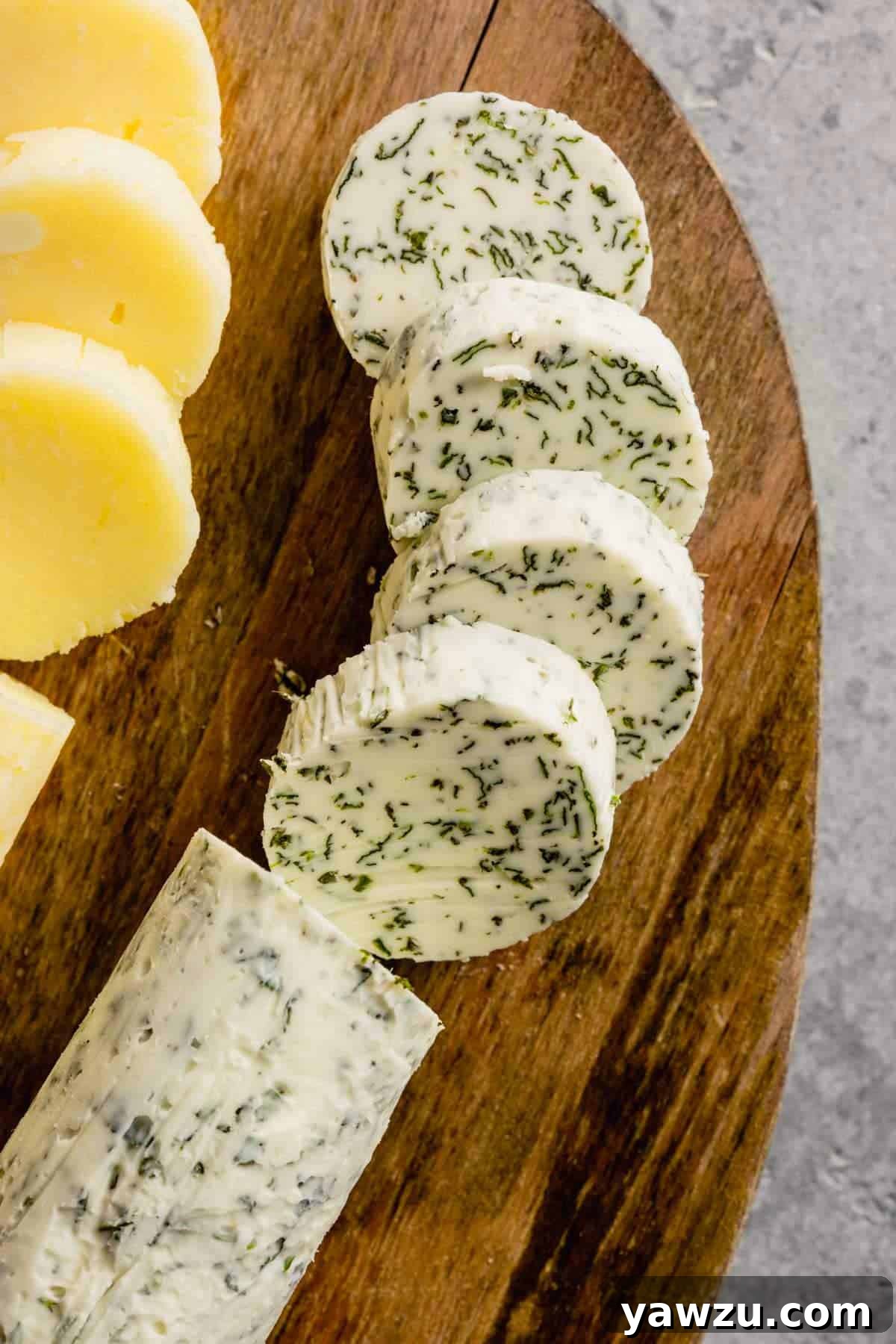
Inspiring Ways to Serve Herbed Compound Butter:
This savory spread can do so much more than just sit on a piece of bread, though it’s certainly delightful that way! Here are some elevated serving suggestions to fully appreciate your homemade herbed compound butter:
- Bread & Rolls: Serve a generous knob with a basket of warm, crusty bread, artisanal rolls, or homemade cloverleaf dinner rolls. It’s an instant upgrade to any bread course.
- Steak & Meats: Place a pat on a freshly grilled or pan-seared steak, chicken breast, or pork chop. As it melts, it bastes the meat, infusing it with incredible flavor and tenderness.
- Roasted Vegetables: Toss roasted potatoes, carrots, asparagus, or green beans with a spoonful of herbed butter immediately after cooking for a vibrant finish.
- Pasta & Rice: Stir it into plain pasta or rice for a simple yet profound flavor enhancement, turning a basic side into a flavorful accompaniment. It’s also fantastic on baked potatoes.
- Garlic Bread Reinvented: Swap out traditional garlic butter in your favorite garlic bread recipe for this herbed version. The complex herb flavors will take your garlic bread to the next level.
- Grilled Fish: A pat of herbed butter melts beautifully over grilled salmon, cod, or shrimp, adding moisture and a burst of herbaceous flavor.
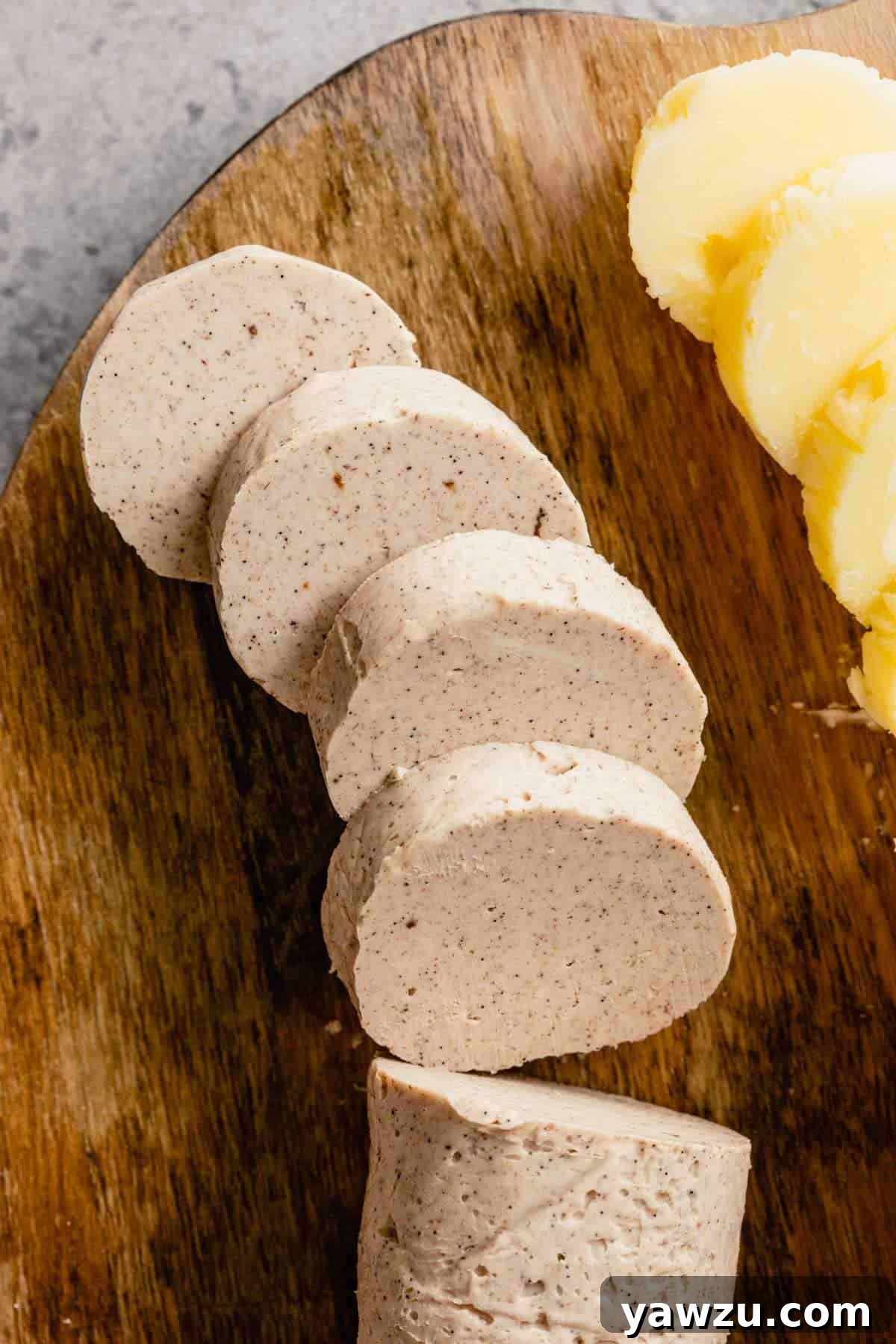
Sweet Vanilla-Cinnamon Butter: A Breakfast Delight
This sweet and aromatic butter is a dream for breakfast and dessert items, adding warmth and comforting flavor to every bite.
Ingredients You’ll Need:
- 1/2 cup (113.5 g) unsalted butter, very soft
- A tiny pinch of fine sea salt
- 1 vanilla bean, split lengthwise, seeds scraped out
- 1 teaspoon ground cinnamon
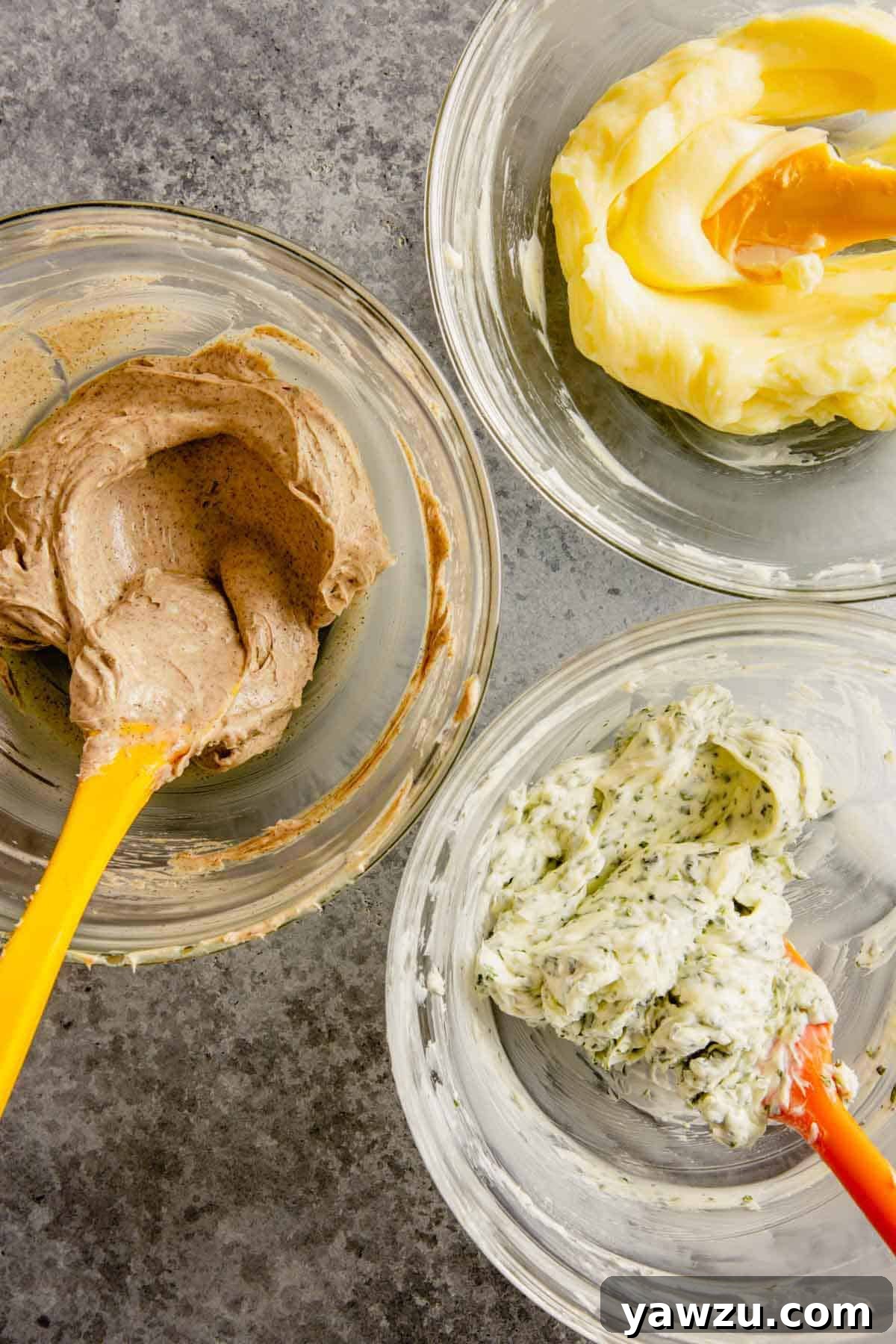
Easy Steps to Deliciousness:
- Prepare Vanilla Bean: Carefully split the vanilla bean lengthwise with a sharp knife. Use the back of the knife to scrape out the tiny, fragrant seeds. These seeds are the essence of vanilla flavor. You can discard the empty pod.
- Combine Butter and Salt: In a medium bowl, place your softened unsalted butter and add a tiny pinch of salt. The salt helps to balance and enhance the sweetness.
- Fold in Flavors: Add the scraped vanilla bean seeds and ground cinnamon to the butter. Using a rubber spatula, thoroughly fold and mix until the vanilla seeds and cinnamon are completely incorporated and evenly distributed throughout the butter. Ensure there are no visible streaks.
- Shape the Butter: Transfer the flavored butter mixture onto a piece of plastic wrap. Gently shape it into a log, about 6 inches long, then twist the ends of the plastic wrap to seal.
- Refrigerate: Place the wrapped butter in the refrigerator for at least 2 hours to allow the flavors to meld and deepen, achieving optimal taste.
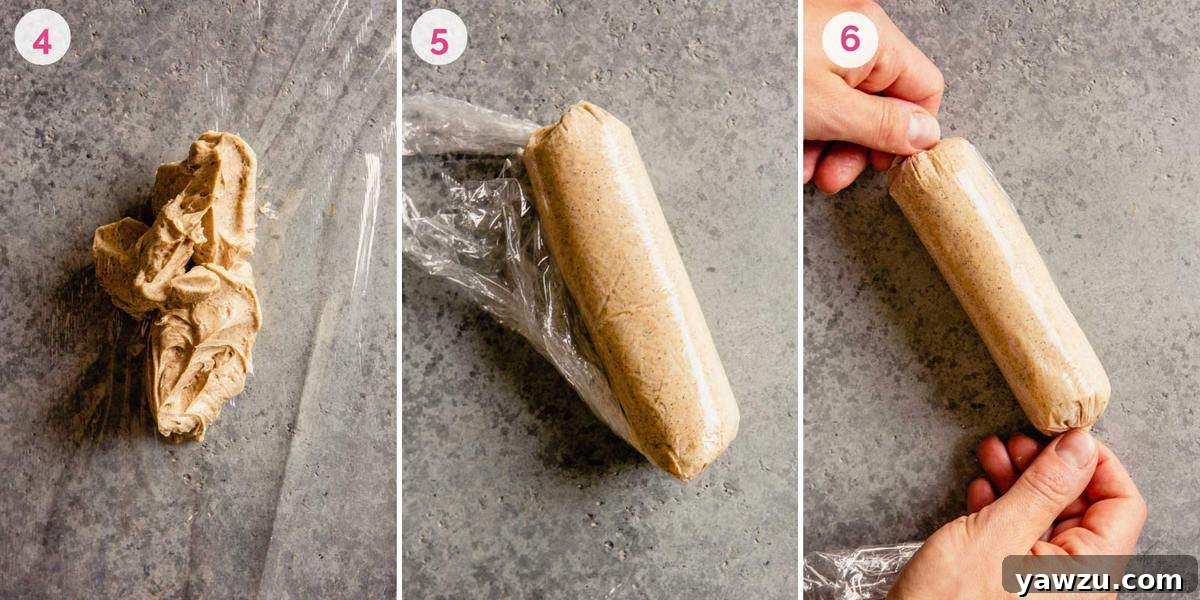
Delightful Ways to Enjoy Vanilla-Cinnamon Butter:
This vanilla-cinnamon butter is so irresistible, you’ll want to spread it on everything! It imparts a warm, comforting flavor reminiscent of cinnamon rolls or freshly baked spiced bread.
- Toasted Bread: Spread generously on a slice of warm, toasted white bread, brioche, or challah for a simple yet gourmet breakfast.
- Oatmeal & Porridge: Stir a spoonful into a fresh bowl of homemade oatmeal, cream of wheat, or any hot cereal for an extra layer of flavor and richness.
- Quick Breads: Slather it on a warm slice of banana bread, pumpkin bread, or zucchini bread.
- Pancakes & Waffles: Dollop on a stack of fluffy pancakes or crispy waffles. As it melts, it creates a luscious, sweet glaze.
- Sweet Potatoes: Serve a pat over baked sweet potatoes for a delightful savory-sweet combination.
- Muffins & Scones: Spread on warm muffins or freshly baked scones for an elevated treat.
Golden Honey Butter: A Classic Sweet Spread
This classic honey butter is a universally loved sweet compound butter, perfect for adding a touch of golden sweetness to baked goods and breakfast favorites.
Ingredients You’ll Need:
- 1/2 cup (113.5 g) unsalted butter, very soft
- A pinch of fine sea salt
- 1 tablespoon honey (use your favorite type, from clover to wildflower)
Quick & Easy Preparation:
- Combine Butter and Salt: Place the very soft unsalted butter in a medium mixing bowl. Cut it into smaller pieces and add a pinch of salt. The salt is essential here to cut through the sweetness and enhance the overall flavor.
- Fold in Honey: Pour the honey into the butter. Using a rubber spatula, gently fold and mix until the honey is completely incorporated and evenly distributed. Keep mixing until the butter has a uniform, creamy consistency with no visible streaks of unmixed honey.
- Shape and Chill: Transfer the honey butter onto a piece of plastic wrap. Shape and roll it into a log, approximately 6 inches in length, and twist the ends of the plastic wrap securely.
- Refrigerate: Refrigerate for at least 2 hours before serving. This allows the honey and butter to fully meld, creating a more cohesive and deeply flavored spread.
Delectable Ways to Enjoy Honey Butter:
Once chilled to perfection, your homemade honey butter is ready to brighten up any meal. Its sweet, buttery notes are especially fantastic with warm baked goods.
- Biscuits & Scones: A warm basket of fluffy buttermilk biscuits or fresh-baked scones becomes an irresistible treat when paired with honey butter.
- Pancakes & Waffles: Top a stack of fresh buttermilk pancakes, waffles, or French toast with a generous dollop.
- Dinner Rolls: Enhance any bread service, especially sweet dinner rolls, with this delightful spread.
- Cornbread: Honey butter is the perfect complement to warm cornbread, adding moisture and a touch of sweetness.
- Muffins: From blueberry to bran, most muffins are greatly improved with a smear of honey butter.
- Glazes & Spreads: Melt it down and brush it over roasted vegetables like carrots, or use it as a sweet glaze for baked goods.
Storing and Freezing Instructions for Your Compound Butter
Proper storage is key to extending the life and freshness of your homemade compound butter. Whether you plan to use it within a week or save it for future culinary endeavors, these guidelines will ensure your flavored butter remains delicious.
- Shaping for Storage: While shaping into a log wrapped in plastic wrap is ideal for slicing, you can also press your compound butter into a small decorative butter dish or ramekin. Simply cover it tightly with plastic wrap to prevent air exposure and absorption of refrigerator odors.
- Refrigeration:
- With Fresh Herbs: Due to the moisture content and delicate nature of fresh herbs, compound butter containing them should be consumed within approximately 1 week when stored in the refrigerator.
- Without Fresh Herbs: For compound butters made without fresh herbs (like honey butter, or those with dried spices/zest), they can typically last for up to 2 weeks in the refrigerator. Always ensure it’s tightly covered.
- Freezing for Long-Term Storage: For extended preservation, compound butter freezes beautifully.
- Preparation: Keep your butter shaped into a log and tightly wrapped in its initial layer of plastic wrap. For extra protection against freezer burn, consider wrapping it again in a layer of aluminum foil or placing it in an airtight freezer bag.
- Freezer Life: When properly wrapped, compound butter can be stored in the freezer for up to 3 months without significant loss of quality or flavor.
- Thawing: To use, simply transfer the frozen log to the refrigerator and allow it to thaw overnight. For quicker use, you can slice off a portion and let it soften at room temperature for about 30 minutes, depending on the thickness.
Frequently Asked Questions About Compound Butter
Absolutely, yes. Compound butter is indeed real butter at its core. It starts with a base of high-quality, typically unsalted, real butter that has been softened and then thoroughly mixed with various savory or sweet flavor-enhancing ingredients. The butter itself remains unchanged, simply enriched with additional flavors.
The versatility of compound butter is truly remarkable, making its uses virtually limitless. It excels as a finishing butter for grilled meats, poultry, and fish, adding a burst of flavor as it melts. It’s fantastic slathered on warm bread, toast, dinner rolls, biscuits, or cornbread. Beyond that, it can be stirred into hot pasta or rice, melted over baked potatoes, added to roasted vegetables, or even used to enhance breakfast items like pancakes and waffles. It’s a simple way to add a gourmet touch to almost any dish.
While you can use salted butter in a pinch, it’s generally recommended to use unsalted butter. Unsalted butter provides complete control over the seasoning, allowing you to add salt precisely to your taste and to complement the specific flavors you’re incorporating. Using salted butter might result in an overly salty final product, especially if your mix-ins already contain sodium or if you prefer a less salty profile.
The key to perfectly soft butter is patience. Simply leave it out on your kitchen counter at room temperature for at least 1-2 hours, or even longer if your kitchen is cool. The butter should be easily pliable to the touch, leaving a slight indent when pressed, but not melted or greasy. If you’re short on time, you can cut the butter into smaller pieces to speed up the softening process, or even gently warm it in the microwave for a few seconds (being very careful not to melt it).
Expand Your Culinary Skills: Related Recipes
If you’ve enjoyed the simplicity and deliciousness of making compound butter, you might appreciate these other fantastic recipes:
- Irish Whiskey Soda Bread with Irish Whiskey Butter
- How to Measure Butter: Essential Baking Tips
- Mastering Fresh Homemade Whipped Cream
- Elegant Individual Beef Wellington
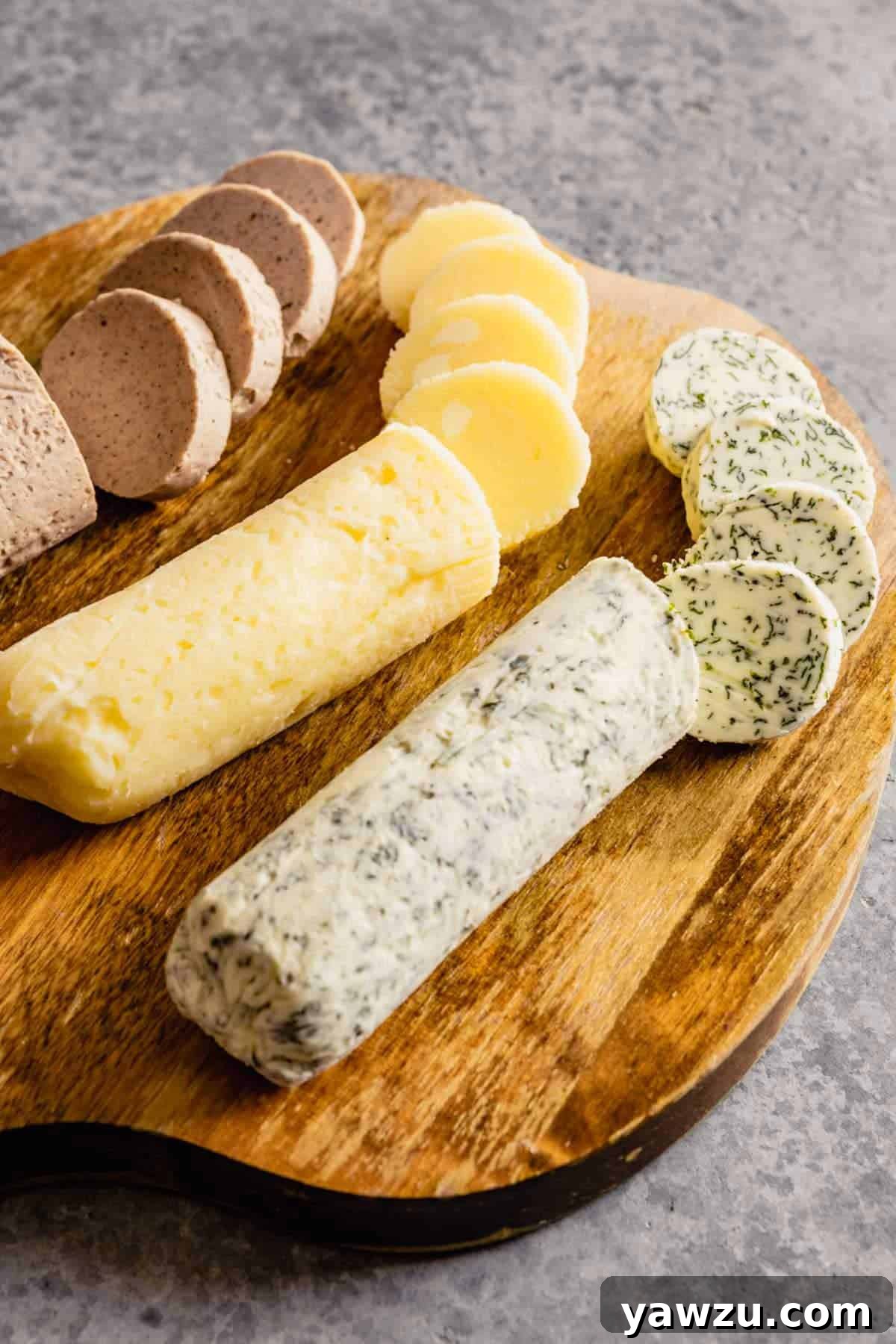
Don’t let your butter routine be bland! Jazz it up with these easy and adaptable compound butter recipes. From aromatic savory blends to delightful sweet infusions, homemade compound butter is a simple yet impactful way to elevate your cooking. Perfect for a warm slice of bread, a sizzling steak, or a fluffy pancake, these flavorful butters promise to add a gourmet touch to any dish. Dive in and start creating your own personalized flavor enhancers today!
If you whip up any of these incredible compound butter recipes and fall in love with them, please take a moment to come back and leave a 5-star rating and a comment! Your feedback not only brightens my day but also helps other home cooks discover and enjoy these delicious creations. Thank you for your support! ❤️️
Compound Butter Recipe
1
cup of compound butter
10
mins
2
hrs
2
hrs
10
mins
Pin
Rate
Ingredients
-
½
cup
(113.5
g)
unsalted butter,
very soft -
Pinch
of salt
For Herbed Butter:
-
1
tablespoon
minced rosemary -
1
tablespoon
minced sage -
1
tablespoon
minced thyme -
Or, 3 tablespoons of your favorite herbs
For Honey Butter:
-
1
tablespoon
honey
For Vanilla-Cinnamon Butter:
-
1
vanilla bean,
split lengthwise, seeds scraped out and added to the butter, pod discarded -
1
teaspoon
ground cinnamon
Instructions
-
Place the softened butter in a medium bowl, cut into pieces and add a pinch of salt.
-
Add your herbs or flavorings and use a rubber spatula to fold and mix until the add-ins are completely incorporated and evenly distributed throughout the butter.
-
Transfer the butter to a piece of plastic wrap. Shape and roll it into a log about 6 inches in length. Twist the plastic wrap at the ends to seal. Refrigerate for at least 2 hours before serving to allow the flavors to meld. (Alternatively, you can transfer the butter to a small bowl or ramekin and cover with plastic wrap.)
Notes
- Shaping: The most common way to shape compound butter is in the long, as described above. You can also store your compound butter in a butter dish with plastic wrap.
- Storing: Fresh herbs in compound butter last about 1 week in the refrigerator. If you made compound butter without fresh herbs it can keep for up to 2 weeks in the refrigerator.
- Freezing: For longer storage, keep your wrapped compound butter in the freezer for up to 3 months.
Nutritional values are based on the whole recipe
Calories:
611
kcal
,
Carbohydrates:
16
g
,
Protein:
1
g
,
Fat:
62
g
,
Saturated Fat:
39
g
,
Cholesterol:
162
mg
,
Sodium:
29
mg
,
Potassium:
28
mg
,
Fiber:
2
g
,
Sugar:
11
g
,
Vitamin A:
2155
IU
,
Vitamin C:
8.3
mg
,
Calcium:
94
mg
,
Iron:
1.7
mg
Did you make this recipe?
Leave a review below, then snap a picture and tag @thebrowneyedbaker on Instagram so I can see it!
Michelle Lettrich
Condiment
American
Photography by Lauren Grant.