
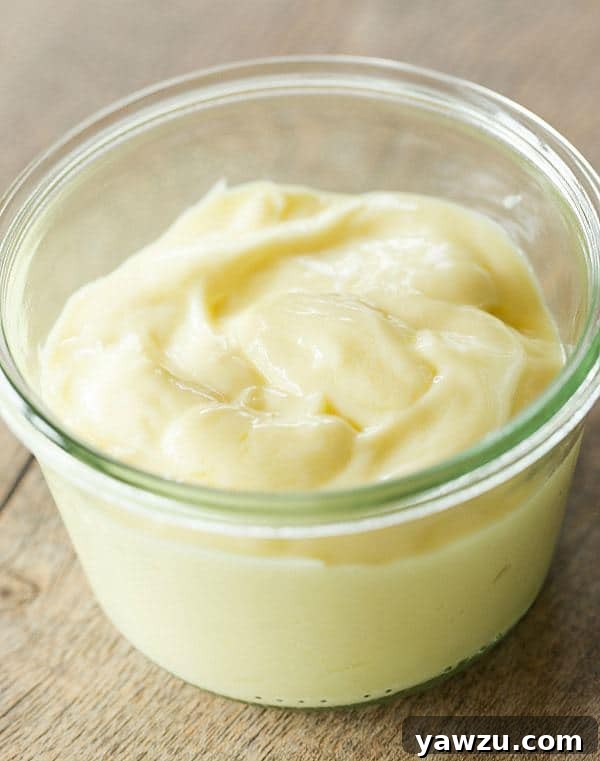
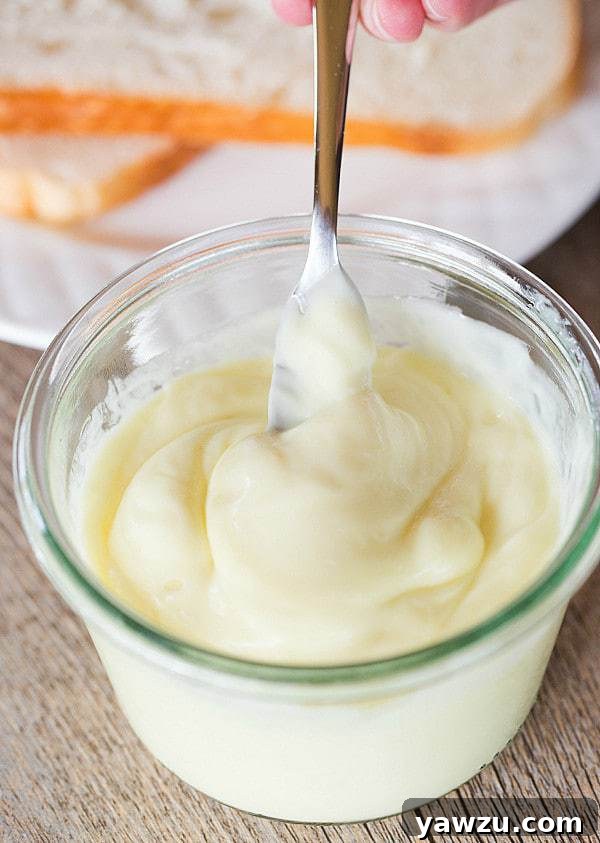
Master the Art of Homemade Mayonnaise: Your Ultimate DIY Guide
There’s an undeniable satisfaction that comes from creating something at home that you typically purchase from a grocery store. This philosophy has always resonated with me, driving my passion for DIY recipes. Over the years, I’ve tackled a variety of kitchen projects, from delightful sweets like peppermint patties and Nutella to savory staples like Cheez-Its, Klondike bars, and even fish sticks. While my condiment adventures have been somewhat limited – a Pittsburgh native rarely seeks an alternative to Heinz ketchup, after all – I harbored a long-standing desire to try my hand at homemade mayonnaise. The appeal stemmed not only from the sheer satisfaction of crafting it myself but also from the exciting potential for countless variations on a small scale.
After a few attempts and a valuable learning curve, I finally mastered the art of making homemade mayonnaise. The result was nothing short of amazing, exceeding all my expectations for flavor and texture!
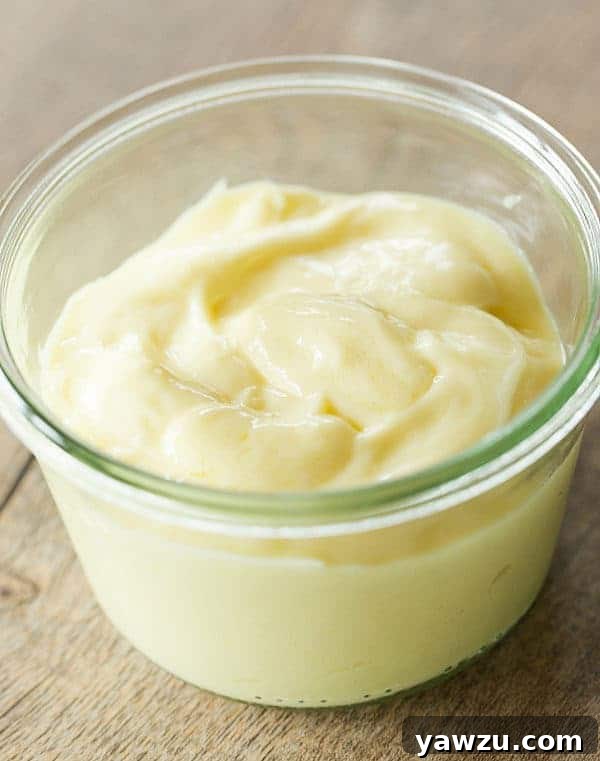
Why Make Mayonnaise from Scratch? The Unbeatable Taste and Benefits
The world of homemade food offers a unique charm, and mayonnaise is no exception. While store-bought options are convenient, crafting your own unlocks a superior level of flavor, freshness, and control over ingredients. The taste of fresh mayonnaise is genuinely incomparable – it’s richer, creamier, and boasts a brighter, more vibrant flavor profile that elevates any dish it accompanies. You’ll immediately notice the difference compared to mass-produced varieties, which often rely on artificial flavors and excessive preservatives.
Beyond taste, making your own mayonnaise allows you to choose high-quality ingredients. You can opt for organic eggs, your preferred type of oil (light olive oil, avocado oil, or a neutral vegetable oil), and fresh lemon juice, ensuring a product free from unwanted additives. This control is particularly appealing for those mindful of their diet or dealing with specific dietary restrictions. Plus, you avoid the hidden sugars and questionable oils often found in commercial brands, making homemade mayo a healthier choice for your family.
Another significant advantage is the endless potential for customization. Once you master the basic recipe, you can easily experiment with various flavors to create unique condiments. Imagine a zesty lemon-dill mayonnaise for fish tacos, a fiery sriracha mayo for sushi bowls, or a smoky chipotle mayo for burgers. The possibilities are truly boundless, allowing you to tailor your mayonnaise to complement any meal or craving. This versatility alone makes the effort of homemade mayonnaise incredibly rewarding.
The Journey to Perfect Homemade Mayonnaise: My Experience
My foray into homemade mayonnaise was not without its challenges. Like many aspiring home chefs, I experienced a few frustrating attempts before striking gold. I experimented with multiple recipes, tried both a food processor and a blender, only to be met with disappointing, oily concoctions. The key to mayonnaise is achieving a stable emulsion, where oil and water (from the egg and acid) are blended into a thick, creamy consistency. My early attempts often resulted in the emulsion breaking, leaving me with a separated, unappetizing mess of oily eggs.
However, perseverance paid off. The winning combination, for me, came from adapting a method inspired by Alton Brown – a simple bowl, a sturdy whisk, and a healthy dose of elbow grease. Doing it by hand, though it required more patience and attention, yielded a perfectly emulsified, gloriously smooth mayonnaise. There’s something incredibly satisfying about watching the liquid transform under your own hand, thickening into that familiar creamy texture. The moment I opened the refrigerator and saw my perfectly crafted jar of mayonnaise, I was genuinely amazed and thrilled that I had finally conquered this culinary challenge.
Adding homemade mayonnaise to my repertoire of DIY recipes has been a truly gratifying experience. It’s a testament to the idea that with a little patience and the right technique, even seemingly complex kitchen staples can be made fresh and delicious in your own home.
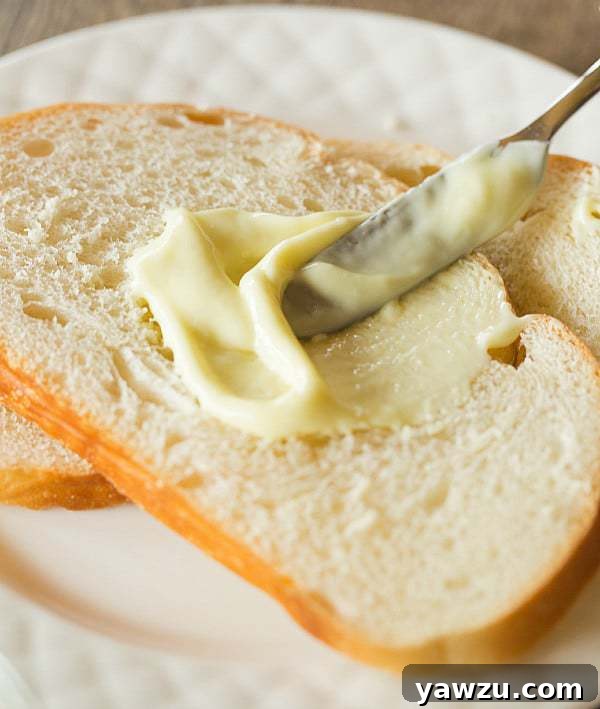
Essential Ingredients for the Best Homemade Mayonnaise
Crafting exceptional homemade mayonnaise begins with a few simple, high-quality ingredients. Each component plays a crucial role in achieving that perfect creamy texture and balanced flavor. Understanding these roles will help you create a consistently delicious condiment every time.
- Egg Yolk: The Emulsifier. The star of the show, egg yolk contains lecithin, a powerful natural emulsifier. It’s what allows the oil and acidic liquid to combine into a stable, creamy mixture. Using a fresh, room-temperature egg yolk is vital for successful emulsification.
- Yellow Mustard: The Flavor and Stabilizer. Mustard not only adds a subtle tang that rounds out the flavor of mayonnaise but also contains compounds that help stabilize the emulsion, making it more forgiving and less likely to break.
- Fine Sea Salt: The Seasoning. Salt is essential for enhancing all the other flavors. Fine sea salt dissolves easily and provides a clean taste.
- Granulated Sugar (Optional): The Balancer. A tiny pinch of sugar can help balance the acidity from the vinegar and lemon juice, adding a touch of sweetness that many people enjoy in their mayonnaise. It’s entirely optional, depending on your preference.
- White Wine Vinegar or Substitutes: The Acidity. Vinegar adds a sharp, bright note and is crucial for the emulsion. White wine vinegar is classic, but you can also use apple cider vinegar or rice wine vinegar for slightly different flavor profiles.
- Lemon Juice: The Freshness. Freshly squeezed lemon juice brightens the mayonnaise and adds another layer of acidity, contributing to both flavor and the emulsification process.
- Light Olive Oil: The Foundation. The choice of oil greatly impacts the final taste. Light olive oil is a popular choice for its mild flavor that doesn’t overpower the other ingredients. You can also use other neutral oils like grapeseed, avocado, or sunflower oil. Avoid extra virgin olive oil, as its strong flavor can make the mayonnaise bitter.
Bringing all your ingredients to room temperature before you begin is a common but crucial tip. Room temperature ingredients emulsify more easily and create a smoother, more stable mayonnaise.
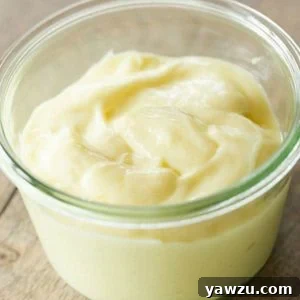
Homemade Mayonnaise
1
heaping cup
15
mins
15
mins
Pin Recipe
Ingredients
- 1 egg yolk
- 1 teaspoon yellow mustard
- ½ teaspoon fine sea salt
- 2 pinches granulated sugar, optional
- 1 tablespoon white wine vinegar, can sub apple cider or rice wine vinegar
- 2 teaspoons lemon juice
- 1 cup (216 ml) light olive oil
Instructions
-
In a large glass bowl, whisk together the egg yolk, mustard, sea salt and sugar (if using).
-
In a small bowl, stir together the vinegar and lemon juice. Whisk half of the vinegar mixture into the egg mixture until thoroughly combined.
-
Start whisking briskly, then begin adding the oil a few drops at a time, until the liquid begins to thicken and lighten a bit. Once you reach that point, continue whisking while you add the oil in a very slow, steady stream. Once half of the oil has been incorporated, whisk in the remaining vinegar mixture. Continue whisking until all of the oil is incorporated.
-
Allow the mixture to sit at room temperature for 1 to 2 hours, then refrigerate for up to 1 week.
Notes
Note: If you have an aversion to raw eggs or are pregnant, substitute pasteurized eggs. You can usually find these in regular grocery stores; Davidson’s is a popular pasteurized brand.
Nutritional values are based on the whole recipe.
Nutrition Information (per serving):
- Calories: 265 kcal
- Carbohydrates: 3g
- Protein: 3g
- Fat: 26g
- Saturated Fat: 4g
- Cholesterol: 195mg
- Sodium: 1229mg
- Sugar: 2g
- Vitamin A: 260 IU
- Vitamin C: 3.9mg
- Calcium: 23mg
- Iron: 0.5mg
Did you make this recipe?
Leave a review below, then snap a picture and tag @thebrowneyedbaker on Instagram so I can see it!
Michelle Lettrich
Condiment
American
Step-by-Step Guide: How to Make Mayonnaise by Hand
Making mayonnaise by hand is a classic technique that, while requiring a bit of arm work, ensures a beautifully controlled emulsion. Follow these steps carefully to achieve a rich, creamy homemade mayonnaise.
- Prepare the Base: In a large, sturdy glass bowl, combine the room-temperature egg yolk, yellow mustard, fine sea salt, and optional granulated sugar. Whisk these ingredients vigorously until well combined and slightly pale. The mustard is crucial here, not just for flavor but for its emulsifying properties.
- Combine Acids: In a separate small bowl, stir together the white wine vinegar and lemon juice. This acidic mixture will contribute to both the flavor and the stability of your mayonnaise.
- Initial Emulsification: Add approximately half of the vinegar and lemon juice mixture to the egg yolk blend. Whisk thoroughly until everything is fully incorporated and the mixture is smooth. This step introduces some liquid, making it easier to start the emulsion.
- Slowly Add Oil – The Critical Step: This is where patience is key. Begin whisking briskly and consistently. While continuously whisking, start adding the light olive oil a few drops at a time. The mixture will initially look quite loose, but as you continue whisking and slowly adding oil, you’ll notice it beginning to thicken and lighten in color. This is the crucial stage of emulsification.
- Maintain a Steady Stream: Once the mixture shows signs of thickening, you can increase the oil flow to a very slow, thin, steady stream – think a strand of spaghetti. Do NOT rush this step. If you add the oil too quickly, the emulsion will break, resulting in an oily, separated mess. Keep whisking continuously until about half of the oil has been incorporated.
- Add Remaining Acid: After half the oil is in, whisk in the remaining vinegar and lemon juice mixture. This helps thin out the developing mayonnaise slightly, making it easier to incorporate the rest of the oil and adding another layer of flavor.
- Finish Incorporating Oil: Continue whisking and adding the rest of the oil in that slow, steady stream. The mayonnaise will become progressively thicker and creamier as more oil is incorporated. Keep whisking until all the oil is fully emulsified and you have a smooth, spreadable consistency.
- Rest and Refrigerate: Once complete, allow your homemade mayonnaise to sit at room temperature for 1 to 2 hours. This brief rest helps the flavors meld and the emulsion to stabilize further. Afterwards, transfer it to an airtight container and refrigerate for up to 1 week.
Troubleshooting Your Homemade Mayonnaise
If your mayonnaise splits or turns into an oily mess, don’t despair! It’s a common issue and often fixable. This usually happens if the oil is added too quickly or if the ingredients are too cold. To fix a broken mayonnaise, separate another egg yolk into a clean bowl. Slowly whisk the broken mayonnaise into the fresh egg yolk, a teaspoon at a time, until it emulsifies again. Remember to add it very gradually, just like the initial oil incorporation.
Unleash Your Creativity: Homemade Mayonnaise Variations
One of the most exciting aspects of making your own mayonnaise is the ability to customize it with an array of flavors. Once you have a perfect batch of plain homemade mayo, the culinary world is your oyster. Here are a few ideas to get you started:
- Garlic Aioli: Whisk in 1-2 cloves of finely minced fresh garlic (or roasted garlic for a milder flavor) with the egg yolk and mustard. This transforms your mayo into a classic, delicious aioli perfect for fries, sandwiches, or as a dip for vegetables.
- Spicy Sriracha Mayo: After your mayonnaise is complete, fold in 1-2 tablespoons of sriracha sauce, or more to taste, for a vibrant kick. Excellent for sushi, seafood, or spicy chicken wraps.
- Fresh Herb Mayonnaise: Mix in 1-2 tablespoons of finely chopped fresh herbs like chives, dill, parsley, or tarragon. This variation is fantastic with fish, potato salads, or as a spread for elegant finger sandwiches.
- Lemon-Dill Mayonnaise: Amp up the lemon and dill for a bright, fresh flavor. Add extra lemon zest and a generous amount of fresh chopped dill. Ideal for salmon, crab cakes, or as a dipping sauce for roasted asparagus.
- Chipotle Mayonnaise: For a smoky, slightly spicy option, blend in 1-2 teaspoons of chipotle powder or finely minced chipotle peppers in adobo sauce. This works wonders with grilled meats, corn on the cob, or as a burger topping.
- Curry Mayonnaise: Whisk in 1-2 teaspoons of curry powder for an exotic twist. Great with chicken salad, on wraps, or with roasted sweet potatoes.
To incorporate these flavors, simply prepare your basic homemade mayonnaise recipe. Once it’s fully emulsified and creamy, gently fold in your chosen additions. Taste as you go to achieve your desired intensity. The beauty of homemade mayo is that you are the chef, and your palate dictates the perfect blend!
Storing Your Freshly Made Mayonnaise
Proper storage is essential to maintain the freshness and safety of your homemade mayonnaise. Because it contains raw egg yolk, it has a shorter shelf life than its commercial counterparts. After preparing your mayonnaise, transfer it to a clean, airtight container, such as a glass jar with a tight-fitting lid. Refrigerate it immediately. Homemade mayonnaise can be stored in the refrigerator for up to 1 week. Always use a clean spoon to scoop out mayonnaise to prevent introducing bacteria, which can hasten spoilage.
As noted in the recipe, if you have concerns about consuming raw eggs, especially if you are pregnant, elderly, or have a compromised immune system, it is highly recommended to use pasteurized egg yolks. Pasteurized eggs are heat-treated to kill potential bacteria while still being suitable for recipes like mayonnaise. You can often find them alongside regular eggs in most grocery stores.
Serving Suggestions: Beyond the Sandwich
Homemade mayonnaise is incredibly versatile and can elevate a wide range of dishes beyond the classic sandwich. Here are some ideas to inspire your culinary creations:
- Classic Sandwiches and Wraps: Of course, it’s a foundational spread for turkey clubs, BLTs, chicken salad sandwiches, or any wrap.
- Dips and Dressings: Use it as a base for creamy salad dressings (think ranch or Caesar), or as a simple dip for fresh vegetables, chips, or crackers.
- Potato and Pasta Salads: Homemade mayo is the secret ingredient to the best potato salad, macaroni salad, or coleslaw, providing a rich, creamy binder that store-bought versions can’t match.
- Deviled Eggs: Elevate your deviled eggs with the superior flavor of homemade mayonnaise.
- Grilled & Roasted Foods: Serve it alongside grilled fish, roasted chicken, or even as a dipping sauce for sweet potato fries and onion rings.
- Burgers and Hot Dogs: A dollop of homemade mayo can transform a simple burger or hot dog into a gourmet experience.
No matter how you choose to enjoy it, your homemade mayonnaise is sure to impress with its fresh flavor and luxurious texture. It’s a testament to the joy and reward of creating delicious food from scratch in your own kitchen.
Earlier recipes we’ve loved:
- Three years ago: Salted Espresso Oatmeal Chocolate Chip Cookies
- Four years ago: White Bean and Garlic Scape Dip
So go ahead, grab your whisk and embark on your own mayonnaise-making journey. You might be surprised at how empowering and delicious the results can be!