
Master the Art of the Rainbow Cake: A Step-by-Step Guide to Vibrant Celebration Cakes
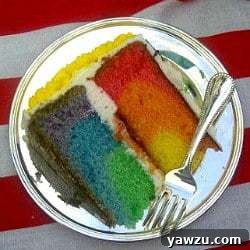
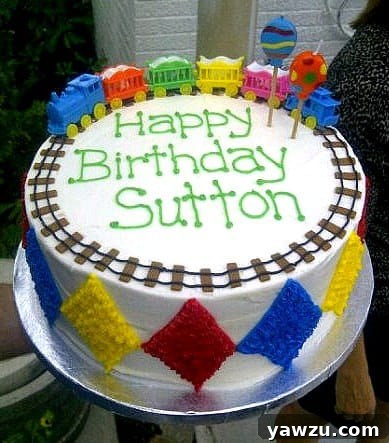
Every special occasion deserves a show-stopping dessert, and nothing quite captures joy and surprise like a homemade rainbow cake. Imagine cutting into a beautifully decorated cake only to reveal a kaleidoscope of vibrant colors hidden within! This past weekend, I had the pleasure of baking such a cake for a very special second birthday celebration. The exterior was designed with bright, primary colors and a charming train track, carrying on a beloved family tradition. But the true magic, the one that brought gasps of delight, was indeed on the inside: a magnificent rainbow cake!
Why a Rainbow Cake? More Than Just a Treat!
Rainbow cakes are more than just a dessert; they are an experience. They embody celebration, wonder, and a playful spirit that captivates both children and adults alike. Having crafted a few of these delightful creations for children’s parties over the years, I’m frequently asked about the secret behind their vibrant layers. It’s a question I love answering because the process is far simpler and more accessible than many imagine. This tutorial is designed to demystify the art of the rainbow cake, turning a potentially intimidating baking project into an incredibly fun and rewarding endeavor. It’s a whimsical way to add an unforgettable touch to any birthday, holiday, or special gathering. Get ready to impress your guests with a cake that’s as fun to make as it is to eat!
Gathering Your Essentials: Ingredients & Equipment for Your Rainbow Masterpiece
Before diving into the colorful world of rainbow cake baking, let’s ensure you have all the necessary ingredients and tools. A little preparation goes a long way in making the process smooth and enjoyable.
Choosing Your Cake Base: The Perfect Canvas for Color
The foundation of a truly vibrant rainbow cake is a good quality white cake recipe. A white cake batter provides a neutral base, allowing your food colors to shine brightly and clearly without being muted by yellow tones. My personal go-to is the Perfect Party Cake recipe, known for its tender crumb and excellent structure. However, feel free to use any white cake recipe you adore, whether it’s a cherished family recipe or even a high-quality box mix for convenience. The key is to ensure it produces a light, fluffy texture that holds its shape well.
When baking cakes intended for stacking and decorating, I often refer to the invaluable Cake Batter Chart from Wilton. This chart often recommends slightly more batter than typical recipes, which is a fantastic secret to achieving wonderfully tall and substantial cake layers. Taller layers mean more dramatic color separation and a more impressive finished cake once leveled. To give you some perspective, a standard two-layer nine-inch cake recipe typically yields about 4 to 5 cups of batter. For a multi-layer rainbow cake, having ample batter is crucial for creating those striking, evenly proportioned colored segments.
Essential Equipment Checklist:
- Your chosen white cake recipe ingredients
- High-quality food coloring (gel colors are highly recommended for vibrancy)
- 6 mixing bowls (or an assortment of fancy plasticware!)
- Measuring cups and spoons
- Large measuring cup (at least 4-cup capacity) or a kitchen scale for precise batter division
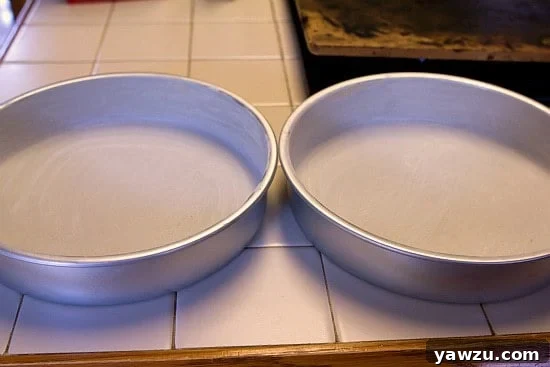
- 2 round cake pans (typically 8-inch or 9-inch, depending on your recipe)
- Parchment paper (optional, but highly recommended for easy release)
- Non-stick baking spray or butter/flour for pan preparation
- Whisk or electric mixer
- Spatulas
- Wire cooling racks
- Plastic wrap
- Cake leveler (e.g., Wilton Cake Leveler) or a long serrated knife
Step-by-Step Rainbow Cake Tutorial: Bringing Color to Life
With your ingredients and tools at the ready, let’s embark on the exciting journey of creating your very own rainbow cake. Follow these steps for a dazzling result!
Step 1: Prepare Your Cake Pans for a Flawless Release
Achieving perfectly baked cake layers starts with proper pan preparation. Generously grease and flour your cake pans. For an extra layer of assurance, especially with delicate cakes, you can cut circles of parchment paper to line the bottoms of your pans before greasing and flouring the sides. This simple step virtually guarantees an easy, clean release and prevents any sticking disasters. The goal is to ensure your beautifully colored layers slide out effortlessly once baked.
Step 2: Divide and Conquer: Portioning the Batter Evenly
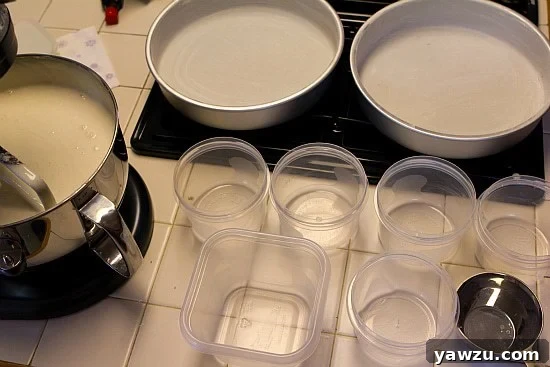
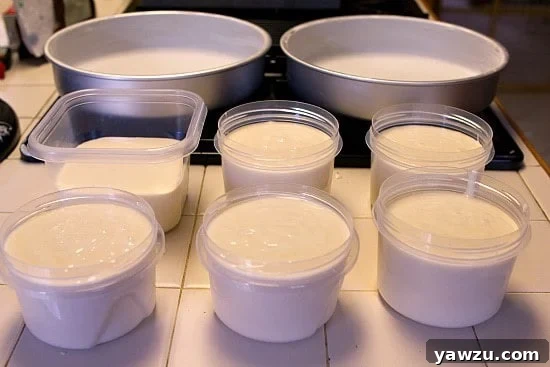
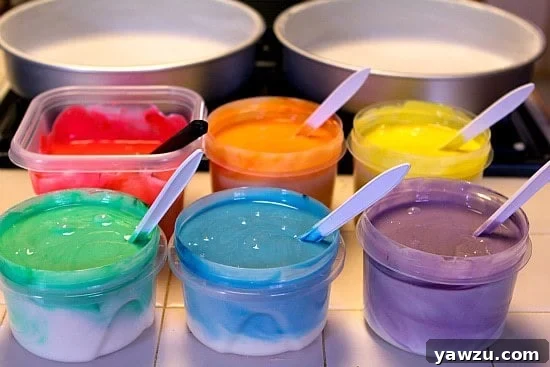
Once your white cake batter is mixed according to your chosen recipe, it’s time for the critical step of dividing it. Gather your six bowls or containers – the more identical, the better for consistency. The key to distinct, uniform rainbow layers is to divide the batter as evenly as possible among these six vessels.
The most precise way to do this is to either pour the entire batter into a large (at least 4-cup) measuring cup and then divide that total volume by six, or even better, weigh the total batter on a kitchen scale and then divide that weight by six. This calculation will give you the exact amount of batter to scoop into each bowl. This might seem like a small detail, but it’s arguably the most important step for ensuring balanced, beautiful layers. Don’t rush this part; precision here pays off!
Step 3: Unleash the Colors: Dyeing Your Batter
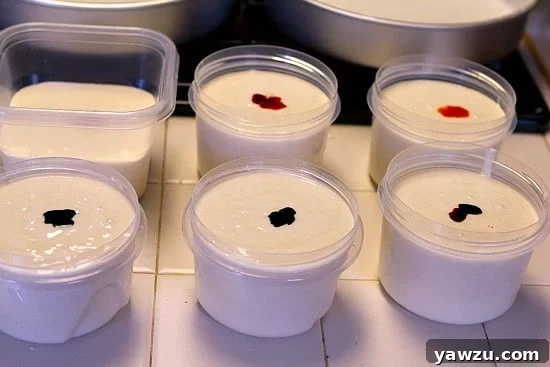
Now for the most exciting part: bringing your rainbow to life! Round up your food coloring. While liquid food colorings are common, many bakers, including myself, highly recommend using gel food colorings (such as AmeriColor or Wilton Icing Colors). Gels are much more concentrated, producing incredibly vibrant hues with less product, which is vital for not altering the batter’s consistency. However, if you have liquid food coloring on hand, it will certainly work; just be prepared to use a bit more to achieve desired intensity.
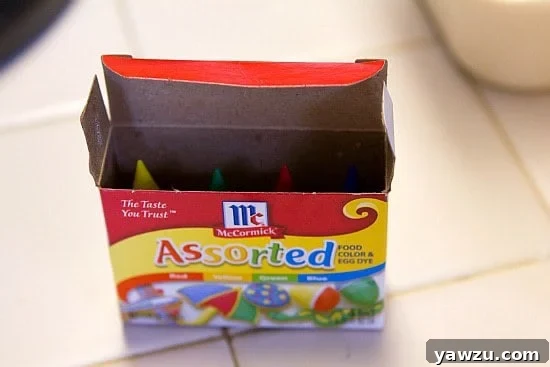
You’ll want to create the classic rainbow spectrum: red, orange, yellow, green, blue, and purple. If you’re working with a basic 4-color kit (red, yellow, blue, green), you can easily mix secondary colors:
- Red + Yellow for a bright orange
- Yellow + Blue for a lively green
- Red + Blue for a rich purple
Add a small amount of coloring to each bowl, stir gently but thoroughly, and add more until you achieve your desired color saturation. Be careful not to overmix, which can develop gluten and make your cakes tough. Feel free to experiment! This technique isn’t limited to rainbow colors; you could create an elegant ombre cake with varying shades of one color, or even a fun zebra cake by alternating plain white and brown batter.
Step 4: The Art of Layering: Pouring Your Rainbow
Now, we’re ready to load up the cake pans with your vibrant batter. You have two main options for arranging the colors within your cake layers, each yielding a slightly different visual effect:
Option #1: Individual Color Pop (My Preferred Method)
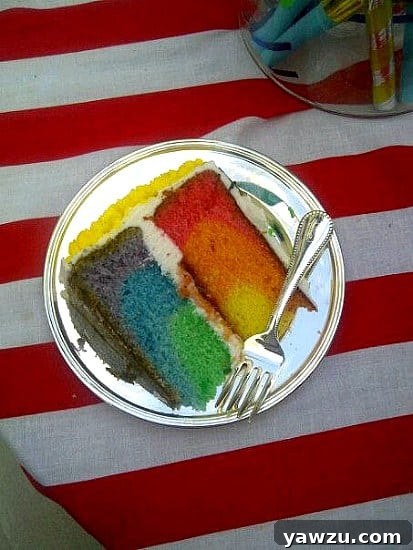
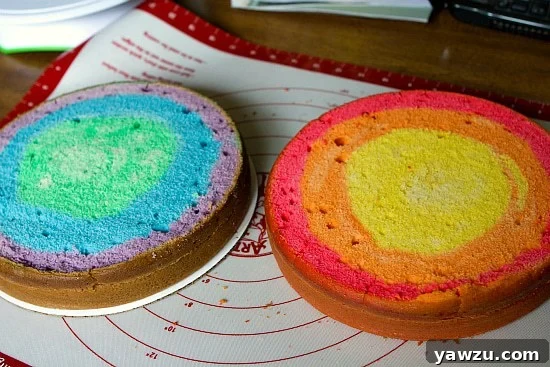
This method creates two distinct cake layers, each showcasing three different colors. For example, one layer will be red, orange, and yellow, and the second layer will be green, blue, and purple. I personally chose this method for the cake featured in this tutorial because it allows each color to truly “pop” and be distinctly visible when the cake is sliced, offering a dramatic and clear rainbow effect.
Option #2: All Colors in Each Layer
If you prefer to have all six colors present in every slice, you can divide each colored batter in half between the two pans. For instance, half of the red batter goes into one pan, the other half into the second pan, and so on for all six colors. This results in two identical rainbow layers that are then stacked.
As mentioned, I opted for Option #1. Here’s how to execute it:
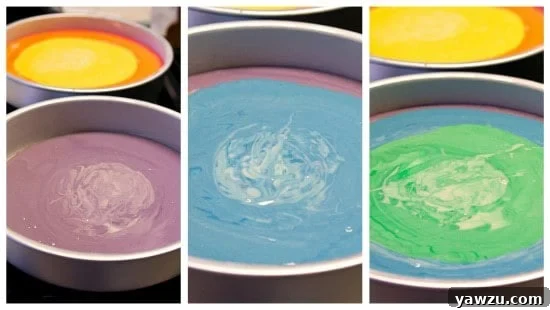
- First Cake Pan (Red, Orange, Yellow):
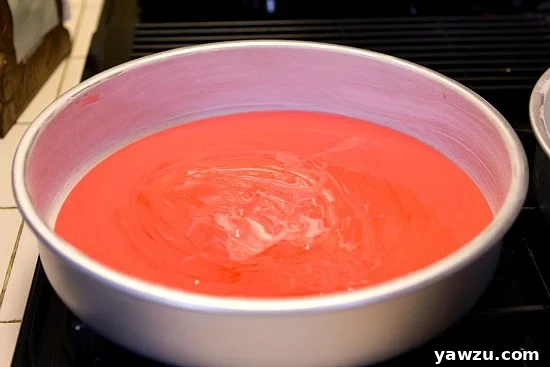
- Begin by pouring the red batter into the very bottom of one of your prepared cake pans, spreading it gently to cover the base.
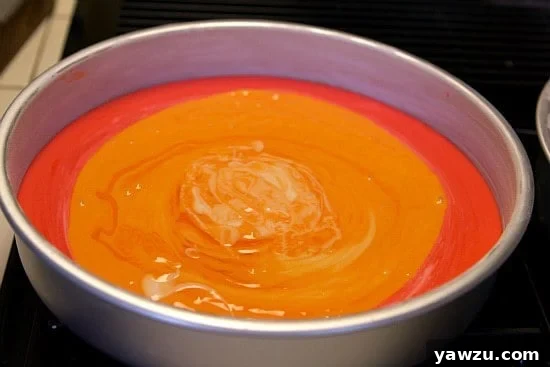
- Next, slowly pour the orange batter directly into the center of the red layer. Don’t spread it; as you pour, the weight of the orange batter will naturally push the red layer outwards, creating a beautiful ring effect.
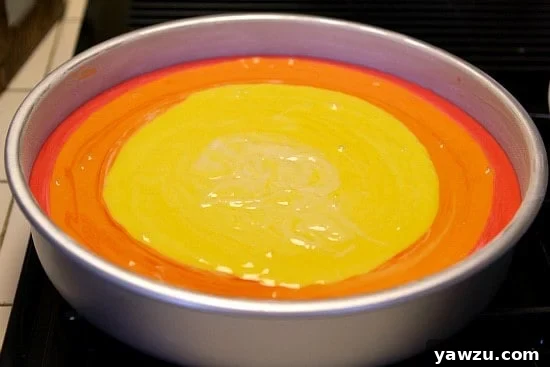
- Finally, pour the yellow batter in the same manner, slowly into the center of the orange layer. This will gently spread the orange layer, forming the third distinct color ring.
- Second Cake Pan (Purple, Blue, Green):
- Repeat the identical process in your second cake pan, starting with the purple batter at the bottom, then slowly adding the blue batter into the center, and finishing with the green batter poured into the center of the blue.
The key here is to pour slowly and steadily into the center, letting gravity do the work of spreading the colors. This creates those beautiful, concentric circles of color that define a rainbow cake.
Step 5: Bake, Cool, and Chill for Perfection
Now, it’s time to bake those beautiful babies! Follow your recipe’s instructions for baking time and temperature. A good indicator that your cakes are done is when a wooden skewer or toothpick inserted into the center comes out clean, and the edges begin to pull away slightly from the sides of the pan.
Once baked, allow the cakes to cool in their pans on a wire rack for about 10-15 minutes before inverting them onto the rack to cool completely. This is a crucial step; attempting to level or frost warm cakes will lead to crumbling and frustration.
For an extra tip that guarantees easier and cleaner leveling, once the cakes have cooled completely, wrap each layer tightly in plastic wrap and refrigerate them for at least an hour, or even overnight. Cold cakes are significantly firmer and less prone to crumbling than room-temperature cakes, allowing for incredibly precise and smooth cuts. This refrigeration step is a game-changer for achieving professional-looking layers!
Step 6: Leveling Your Layers for a Professional Finish
Achieving a perfectly level cake is fundamental for a stable, professional-looking tiered or layered cake. Uneven layers can cause your cake to lean, making frosting and decorating much more challenging. This is where a good cake leveler truly shines.
I highly recommend using a dedicated tool like the Wilton Cake Leveler. These inexpensive gadgets (often less than $5 at craft stores) are incredibly simple to use and ensure your cake layers are sliced evenly and cleanly every single time. While a long serrated knife can also work, a leveler provides unmatched precision. Carefully trim the domed tops off your chilled cake layers. You’ll be amazed at the vibrant, crisp color lines revealed beneath the baked crust!
Beyond the Rainbow: Creative Decoration Ideas
With your perfectly leveled rainbow layers ready, you’re free to embark on the exciting process of filling, frosting, and decorating! This is where your personal creativity truly takes center stage. A simple buttercream frosting allows the internal rainbow to be the star, or you can go all out with intricate designs. For the birthday cake I made, the theme called for some unique detailing: a charming train track. I’ve included a brief tutorial on how to create these below, as it was a popular inquiry!
Bonus Tutorial: Crafting Adorable Train Tracks for Your Cake
Adding thematic decorations like train tracks can personalize your cake and make it even more memorable. For this particular cake, the tracks needed to be ¾-inch wide to perfectly accommodate the small plastic trains that were to adorn it. Here’s how you can make them:
Tools & Materials:
- Brown fondant
- Rolling pin
- Ruler
- Sharp knife or pizza cutter
- Black icing
- #2 decorating tip
- Piping bag
Step-by-Step Train Track Creation:
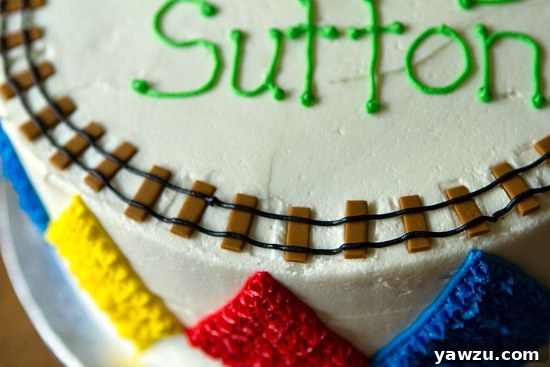
- Prepare the Fondant: Knead your brown fondant until it’s pliable and smooth. On a lightly dusted surface (with cornstarch or powdered sugar), roll out the fondant to an even thickness of about 1/16-inch. You want it thin enough to be manageable but sturdy enough to hold its shape.
- Cut the Ties: Using your ruler and a sharp knife (a pizza cutter works wonderfully for straight lines), cut a long strip of fondant exactly ¾-inch wide. From this long strip, begin cutting across it in ¼-inch increments to create your individual “ties” for the track. Cut enough ties to encircle your cake, plus a few extras for good measure.
- Arrange on the Cake: Once your cake is frosted and ready for decoration, carefully arrange the fondant ties evenly spaced around the base or top of your cake, forming the elliptical or circular path for your train.
- Pipe the Rails: Fill a piping bag fitted with a #2 decorating tip with black icing. Carefully pipe two thin, parallel lines on top of the fondant ties to create the train rails. Take your time to ensure straight, consistent lines for a realistic effect.
Your Masterpiece Revealed: The Finished Rainbow Cake
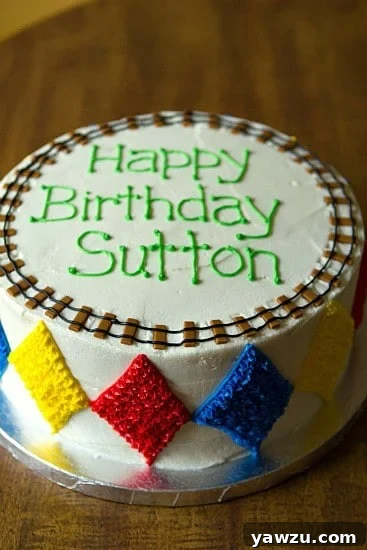
And there you have it – a magnificent rainbow cake, ready to bring joy and color to any celebration! The final touches for the birthday cake included the adorable train set, a cherished family heirloom that continued its tradition of decorating birthday cakes for generations. This cake, with its vibrant interior and personalized exterior, was a true labor of love and a testament to the magic of baking.
A huge thank you to my friend Renee for capturing these beautiful moments – especially the stunning internal shots of the sliced cake and the final decorated version with the train, ensuring I had photos to share this wonderful journey with you.
Conclusion: Share Your Sweet Success!
I hope this comprehensive tutorial empowers you to create your own show-stopping rainbow cake. It’s a project that combines simple techniques with a truly spectacular outcome, proving that even the most impressive desserts can be made with a little patience and a lot of heart. Whether for a child’s birthday, a festive gathering, or just because you want to add a little extra brightness to your day, a rainbow cake is guaranteed to spread smiles and create lasting memories.
Don’t be afraid to experiment with colors, decorations, and even different flavor profiles for your cake layers. The most important ingredient is always the joy you put into baking. If you try this tutorial, please share your creations in the comments below – I’d love to see your colorful masterpieces!