
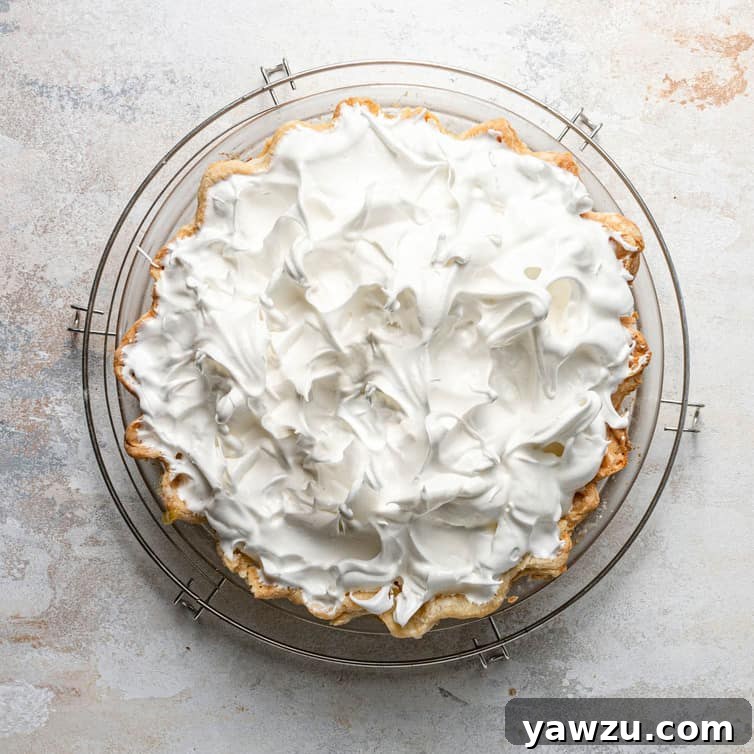
Master the art of meringue with this comprehensive guide, featuring a reliable basic recipe, detailed step-by-step instructions, and an abundance of expert advice and troubleshooting tips. Whether you’re a novice baker or an experienced home cook, this article will empower you to create consistently glossy, stable, and show-stopping meringues every single time!
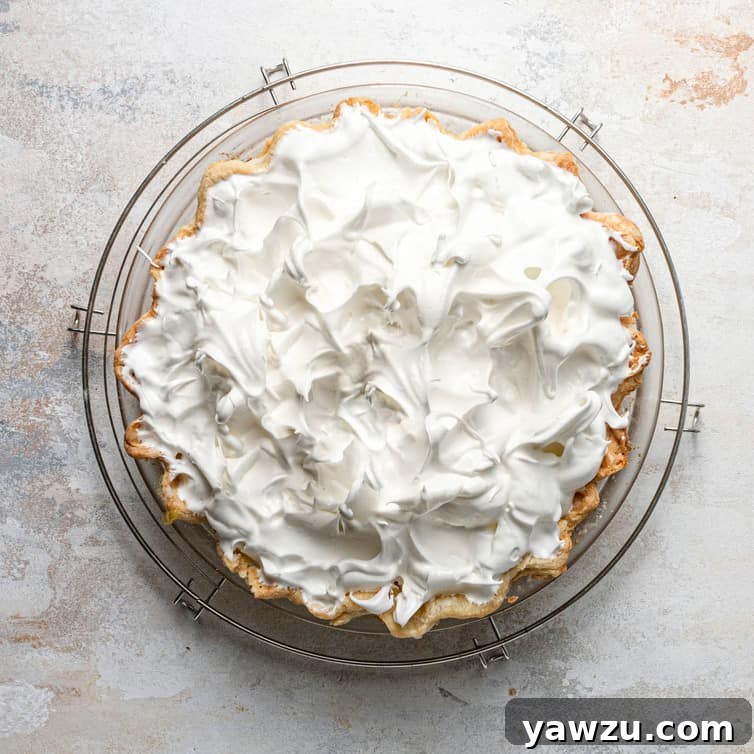
Have you ever found yourself gazing at a beautifully topped lemon meringue pie or a delicate pavlova, wondering, “What exactly is meringue?” and “How can I possibly make something so seemingly ethereal?” If so, you’ve landed in the perfect place! Meringue, often perceived as a daunting challenge by many home cooks, is actually a remarkably simple creation once you understand its fundamental principles. My mission today is to demystify this elegant confection, providing you with the knowledge and confidence to transform humble egg whites into glorious, cloud-like peaks.
You’ve undoubtedly encountered meringue in its most iconic form, perhaps topping a classic lemon meringue pie. But the versatility of meringue extends far beyond this beloved dessert! It can grace other pies and puddings with its delicate sweetness, be baked into crisp, airy cookies, form the impressive base of a spectacular pavlova, or even be combined with butter to forge some of the most luscious, silky-smooth frostings imaginable. From sophisticated tortes to light-as-air cookies, meringue offers a delightful texture and flavor that elevates a wide array of sweet treats.
At its heart, meringue is a magical transformation, beginning with just two primary ingredients: egg whites and sugar. Through the simple act of whipping, these ingredients are aerated and stabilized, expanding into billowy white clouds of pure deliciousness. It’s a culinary alchemy that’s both rewarding and surprisingly achievable. So, let’s roll up our sleeves and embark on this delicious journey together!
Understanding the Core Ingredients for Perfect Meringue
While meringue appears simple, the quality and preparation of its few ingredients are paramount to success. Here’s a closer look at what you’ll need and why:
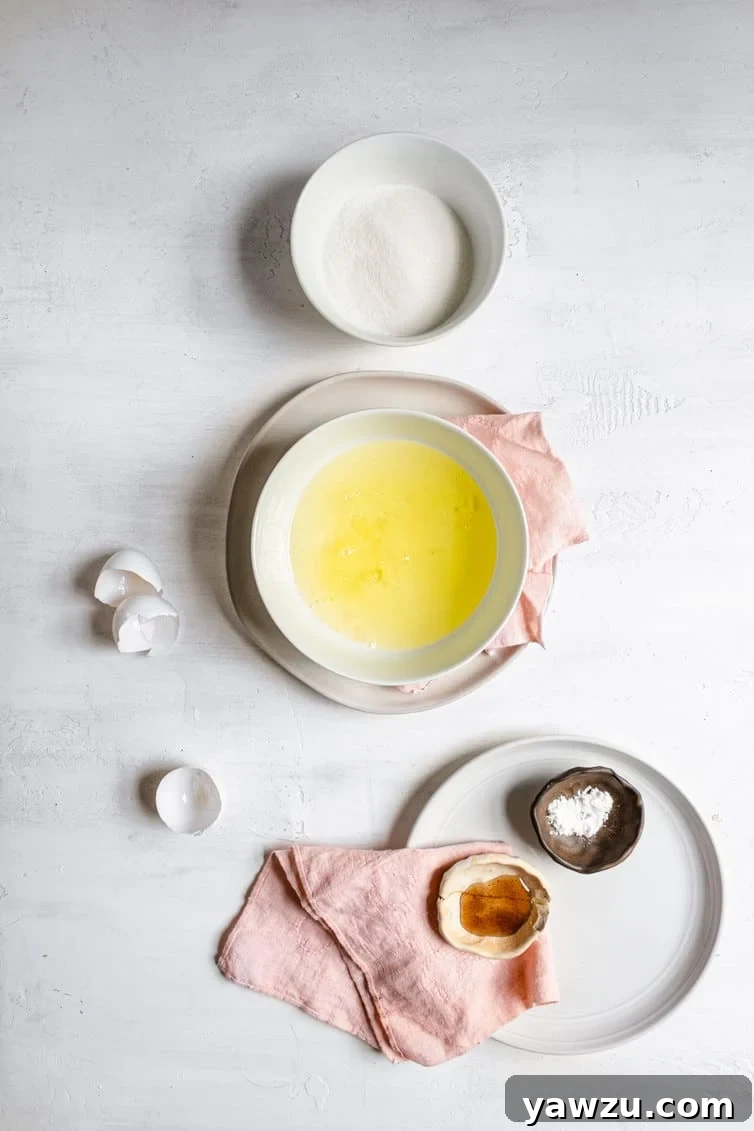
- Eggs: The foundation of any meringue. For optimal results, always use fresh eggs. Fresh egg whites contain stronger protein structures that whip up with greater volume and stability compared to older eggs. It’s crucial to avoid using boxed or carton egg whites, as they are typically pasteurized. This processing can alter the egg white proteins, making it difficult for them to achieve that desired glossy, stiff peak consistency. Furthermore, ensure your eggs are at room temperature before whipping. While cold eggs are easier to separate, allowing the whites to warm up for about 30 minutes before mixing helps them incorporate air more effectively, leading to maximum volume and a more stable meringue.
- Sugar: Not just for sweetness, sugar plays a vital role in stabilizing the whipped egg whites. It dissolves into the aerated proteins, creating a stronger foam that holds its shape. Granulated sugar is standard, but for an even smoother meringue that dissolves faster, you can opt for superfine (castor) sugar. The key is gradual addition, which we’ll discuss in detail in the instructions.
- Cream of Tartar: Meringue’s secret weapon and a true game-changer for stability. This acidic powder acts as a crucial stabilizer for the egg whites, helping them reach their full volume and maintain those big, beautiful, billowy peaks without deflating.
- Salt + Vanilla Extract: These are essential for flavor. A tiny pinch of salt helps to balance the sweetness and enhances the overall taste profile. Vanilla extract adds a classic, warm aroma and flavor, transforming the simple egg white and sugar mixture into something truly delightful. For more intricate flavors or colors, these are the points at which to incorporate them.
The Indispensable Role of Cream of Tartar in Meringue
This humble ingredient is so pivotal to meringue success that it merits its own dedicated discussion. Cream of tartar is an acidic salt, and its presence in your meringue mixture is the key to achieving those strong, stable, and impressively voluminous results that often seem elusive. Scientifically speaking, cream of tartar works by slightly denaturing the egg white proteins, preventing them from bonding too tightly too quickly. This allows the proteins to unfold and trap more air, resulting in a more elastic and stable foam. Without it, your egg whites might struggle to reach stiff peaks, or worse, they might collapse and weep shortly after whipping.
How Much to Use? A general guideline to follow is to use ⅛ teaspoon of cream of tartar for every egg white in your recipe. This small amount makes a significant difference.
What if You Don’t Have Cream of Tartar? Don’t fret if your pantry is bare! You can substitute another acid: lemon juice or white vinegar. Use ½ teaspoon of fresh lemon juice or white vinegar for every egg white. While these work well, cream of tartar is generally considered the most reliable option for consistent results.
Step-by-Step Guide to Crafting the Perfect Meringue
Creating beautiful meringue is a process that, when approached with a few key techniques, transforms from intimidating to incredibly rewarding. Follow these precise steps, and you’ll be well on your way to becoming a meringue maestro:
- Prepare Your Equipment: The Foundation of Success
Before you even crack an egg, ensure your mixing bowl and whisk attachment (or hand mixer beaters) are meticulously clean and completely dry. Even the slightest trace of fat—whether from egg yolk, residual oil, or a lingering speck of dish soap—can sabotage your meringue, preventing the egg whites from whipping up properly. Wipe everything down with a paper towel dampened with a little lemon juice or vinegar for extra assurance. - Separate Eggs Carefully & Achieve Room Temperature
Carefully separate your egg whites from the yolks. It’s often easiest to do this when the eggs are cold, as the yolks are firmer and less likely to break. Once separated, place the egg whites in your clean mixing bowl and allow them to come to room temperature for about 20-30 minutes. This helps them whip to maximum volume. - Begin Whipping the Egg Whites to Frothy Stage
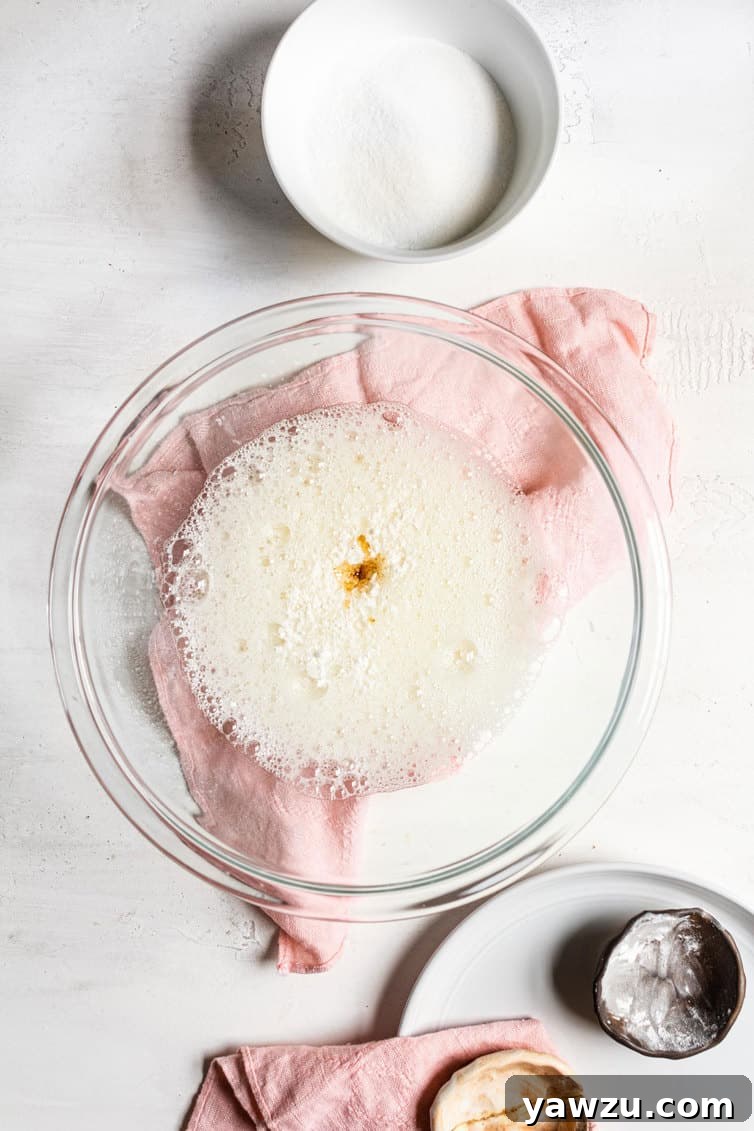
Using an electric mixer (either a stand mixer with a whisk attachment or a hand mixer) on medium speed, begin beating the egg whites. Initially, they will look clear and watery. Continue to beat until they become broken up, bubbly, and frothy, resembling a light foam. - Incorporate Stabilizers and Flavor
Once the egg whites are frothy, add the cream of tartar (or lemon juice/vinegar substitute), a pinch of salt, and the vanilla extract. These ingredients will help stabilize the foam and infuse it with flavor from the early stages. - Beat to Soft Peaks
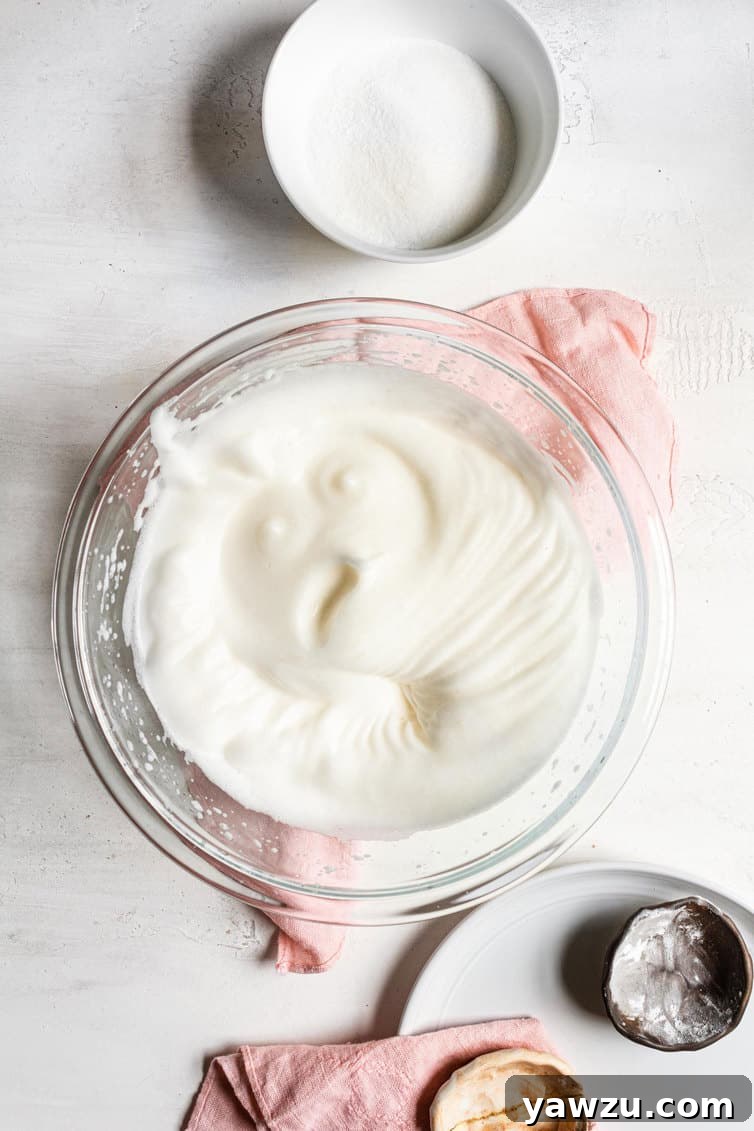
Increase the mixer speed to medium-high and continue beating. You’ll notice the foam becoming whiter and more voluminous. Beat until you reach the “soft peak” stage. This means that when you lift the whisk, the meringue forms peaks that droop or curl over gently. It should resemble shaving cream. - Gradually Add the Sugar: The Crucial Step
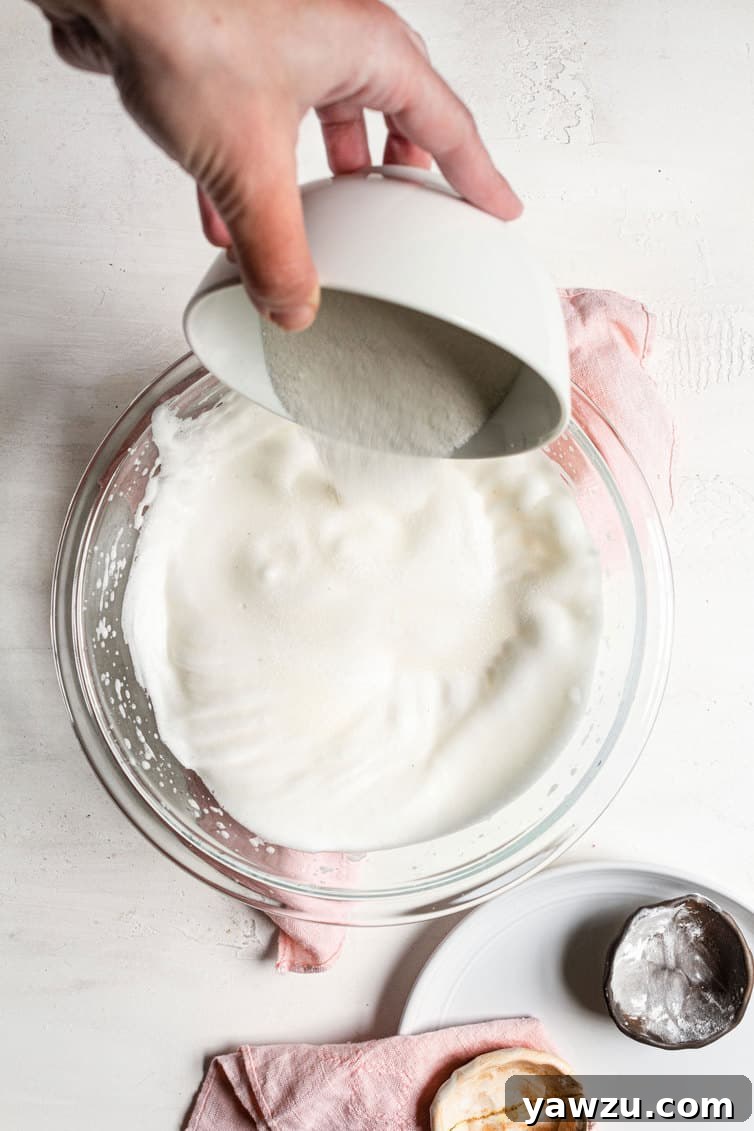
This is where patience pays off! While continuing to beat on medium-high speed, gradually add the granulated sugar, about a tablespoon or two at a time. Do not dump it all in at once. Adding sugar slowly allows it to fully dissolve into the egg white foam, preventing a gritty texture and ensuring a stable, glossy meringue that won’t collapse. Give each addition about 15-30 seconds to incorporate before adding the next. This process might take a few minutes. - Beat Until Glossy and Stiff Peaks Form
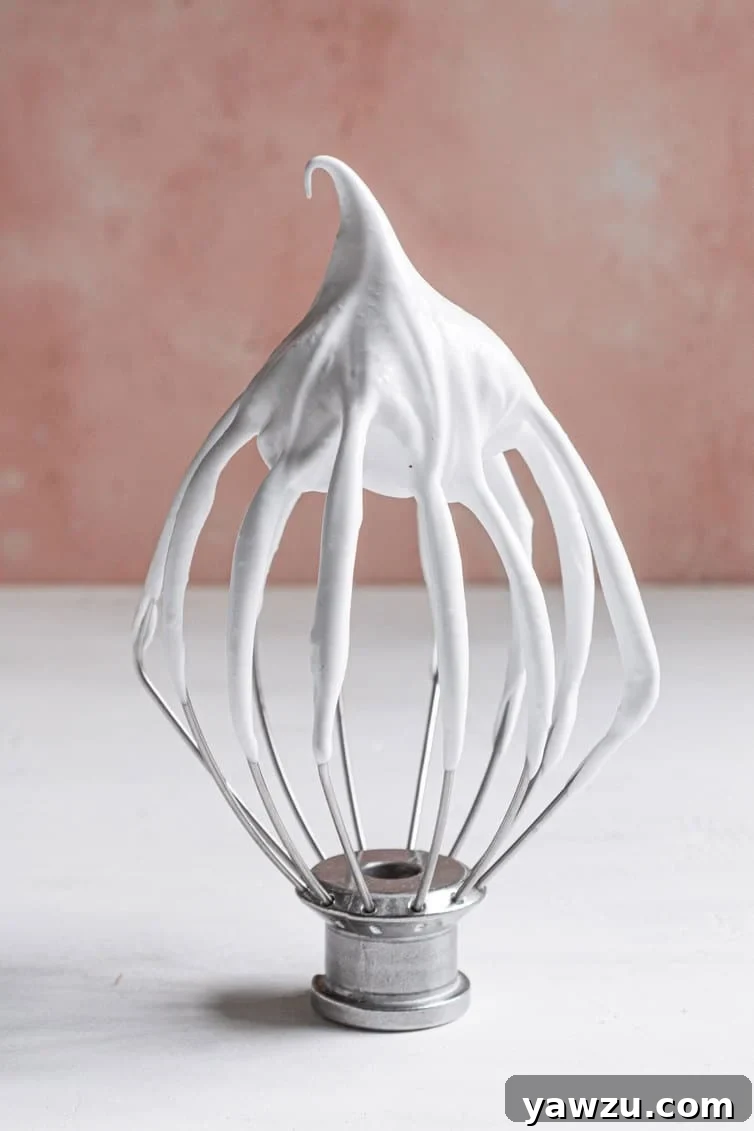
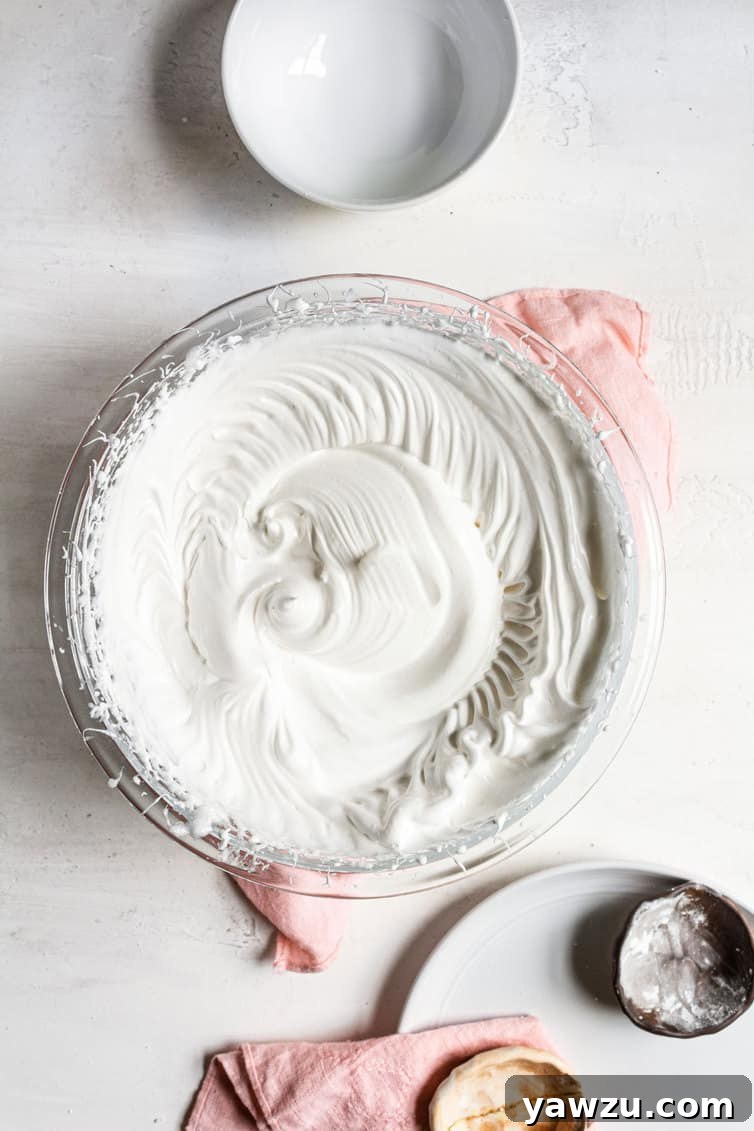
Once all the sugar has been incorporated, continue beating on medium-high to high speed. The meringue will transform, becoming thick, very white, and incredibly glossy. When you lift the whisk, the peaks should stand up straight and firm, without drooping at all. This is the “stiff peak” stage. When you rub a tiny bit of meringue between your fingers, it should feel smooth, with no grittiness from undissolved sugar. This final beating phase is critical; many home bakers stop too soon.
Exploring the Different Types of Meringue
While the basic concept of whipping egg whites and sugar remains constant, there are three primary methods for preparing meringue, each yielding distinct textures and suited for different culinary applications. Understanding these differences will broaden your baking horizons:
1. French Meringue (The Uncooked Meringue)
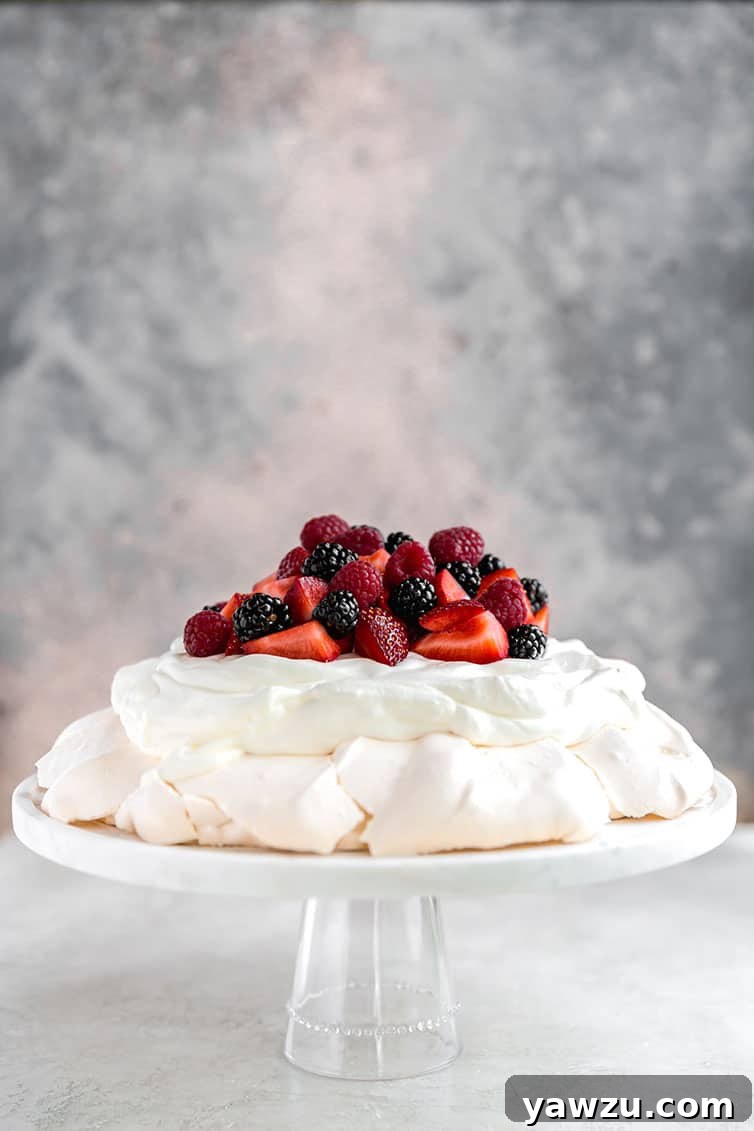
This is the simplest and most common type of meringue, and it’s the one we’ve primarily discussed in our basic recipe. French meringue is created by whipping raw egg whites until frothy, then gradually adding granulated sugar until stiff, glossy peaks form. Because the egg whites remain uncooked, this meringue must always be baked or otherwise cooked before consumption to ensure food safety and achieve its desired crisp texture. It’s the go-to for light meringue cookies, pavlovas, and as a topping for pies that will be browned in the oven or with a torch.
2. Swiss Meringue (The Heated Meringue)
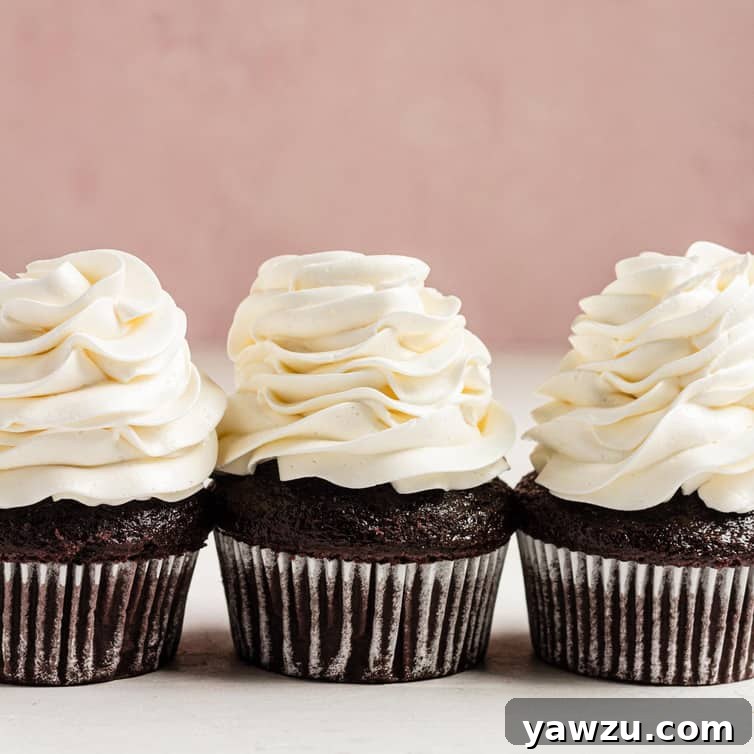
Swiss meringue offers a more stable and dense texture than French meringue, making it incredibly popular for buttercreams. To create it, egg whites and granulated sugar are gently heated together over a double boiler (or in a heatproof bowl set over simmering water) while whisking constantly. The mixture is heated until it reaches a specific temperature (typically 160°F / 71°C), ensuring the sugar is fully dissolved and the egg whites are pasteurized, making it safe to eat. Once heated, the mixture is transferred to a stand mixer and whipped on high speed until it cools down to room temperature and forms very stiff, glossy peaks. This robust meringue is less prone to weeping and holds its shape beautifully. It’s famously used as the base for Swiss meringue buttercream frosting, a light, silky, and less sweet alternative to traditional American buttercream, perfect for decorating cakes and cupcakes.
3. Italian Meringue (The Hot Syrup Meringue)
Italian meringue is considered the most stable and pipeable of the three types. It involves cooking sugar with water to create a hot sugar syrup, which is then gradually streamed into whipping egg whites. The egg whites are first whipped to soft peaks in a stand mixer. Simultaneously, a sugar syrup is boiled to the “soft ball” stage (240°F / 115°C). While the mixer continues to run on medium-high speed, the hot syrup is carefully poured in a slow, steady stream down the side of the bowl, avoiding the whisk, directly onto the egg whites. The whipping continues until the meringue cools down to room temperature and forms incredibly stiff, glossy peaks. Because the sugar syrup cooks the egg whites, Italian meringue is considered safe to eat without further baking. Its exceptional stability makes it ideal for delicate decorations, mousses, and as a stable topping for pies or tarts that might only be lightly torched rather than baked. Like Swiss meringue, it also forms the base for a luxurious Italian meringue buttercream frosting, known for its light texture and supreme stability.
Recipe Tips and Troubleshooting for Meringue Success
Achieving consistently perfect meringue involves understanding a few critical factors and knowing how to troubleshoot common issues. Keep these expert tips in mind for amazing, picture-perfect results every single time:
- Room Temperature Eggs are a Must: We can’t stress this enough! While separating eggs is easiest when they are cold (as the yolks are firmer), allow your egg whites to come to a full room temperature (about 20-30 minutes) before you begin whipping. Room temperature egg whites have less surface tension, allowing them to aerate much more effectively and whip up with maximum volume and stability.
- The Golden Rule: Clean and Dry Equipment: This is arguably the most crucial tip. Even the slightest speck of fat—be it a tiny fleck of egg yolk, residual oil from previous baking, or even soap residue on your bowl or beaters—will prevent your egg whites from whipping properly. Fat interferes with the egg white proteins’ ability to bond and create a stable foam. Always use a scrupulously clean, dry mixing bowl (preferably glass or metal, as plastic can sometimes retain fatty residues) and whisk attachments. A quick wipe with lemon juice or vinegar can provide extra assurance.
- Gradually Add the Sugar – Patience is Key: Resist the urge to dump all the sugar into your frothy egg whites at once. Adding the sugar slowly, a tablespoon or two at a time, is vital. This allows the sugar crystals to fully dissolve into the egg white foam, creating a smooth, stable meringue without a gritty texture. Rapid sugar addition can “shock” the egg whites, causing them to deflate and fail to reach stiff peaks.
- Don’t Be Afraid to Beat Longer (Within Reason!): While the adage “you can’t overbeat meringue” is often repeated, it’s more accurate to say that it’s challenging to overbeat *once the sugar is incorporated*. You want to beat until the meringue is incredibly glossy, opaque, and holds very firm, stiff peaks that stand straight up when you lift the whisk. If your meringue still looks soft or dull, keep beating! Many novice bakers stop too soon. However, beating for an excessively long time past the stiff peak stage (e.g., another 10-15 minutes) can sometimes lead to a slightly grainy texture or cause the meringue to eventually separate or “weep.” Aim for just past beautifully stiff and glossy.
- Adding Colors and Flavors: If you wish to introduce additional flavors beyond vanilla, do so when you add the vanilla extract in step 4 of the instructions. For colored meringue, I highly recommend using gel food coloring. Gel colors are concentrated and do not introduce extra liquid, which could thin out your meringue. Add the gel coloring once your meringue has reached stiff peaks, then beat gently until the color is evenly incorporated.
- Recommended Equipment for Effortless Meringue: The easiest and most efficient way to make meringue is with a stand mixer fitted with a whisk attachment. It’s hands-free and powerful! However, a trusty hand mixer also works wonderfully. For those who prefer a more traditional approach, meringue can absolutely be made by hand using a large wire whisk and some good old-fashioned elbow grease. It will take longer and require more stamina, but it’s certainly achievable!
- Check the Weather: Humidity is Meringue’s Foe: Meringue is notoriously sensitive to humidity. On very humid days, egg whites can struggle to whip up into stiff peaks, and baked meringues can become sticky or chewy instead of crisp. While modern central heating and cooling systems help mitigate many issues, bakers often notice a difference. If possible, choose a day with low humidity for your meringue-making endeavors.
- Proper Storage: Once baked, meringues are best stored in an airtight container at room temperature. Humidity is their enemy, so avoid refrigerating them, as this can cause them to become sticky and soft.
Delicious Ways to Enjoy Your Perfect Meringue
Now that you’ve mastered the art of making meringue, it’s time to put your beautiful creation to good use! Here are some fantastic ideas to inspire your next baking project:
- Elegant Pavlovas: Create a show-stopping dessert with a crisp meringue shell, soft marshmallowy interior, and a vibrant topping. Try a classic pavlova with berries and whipped cream, an impressive pavlova layer cake, or even a decadent chocolate pavlova for a rich twist.
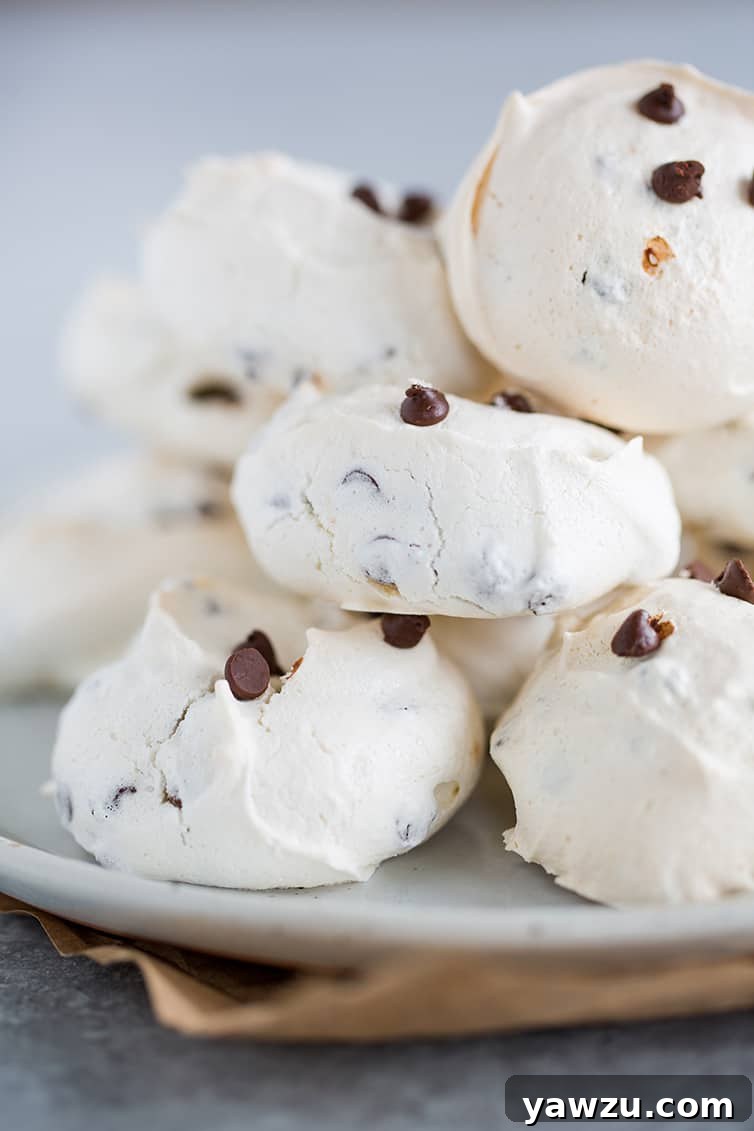
- Light-As-Air Meringue Cookies: Bake your meringue into delicate, crisp cookies that melt in your mouth. Chocolate chip meringue cookies are a delightful treat, offering a delicate crunch and bursts of chocolate flavor.
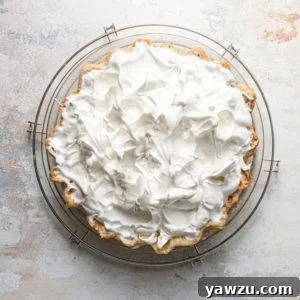
- Classic Pie Toppings: Transform any pie into an impressive dessert. Lemon meringue pie is a timeless favorite, but feel free to top any citrus-based pie, or even a rich cream pie, with a cloud of homemade meringue.
- Southern-Style Puddings: Elevate a comforting pudding with a luxurious meringue topping. Classic southern banana pudding, for instance, is often crowned with a beautifully browned meringue.
With this guide in hand, you’re ready to explore the wonderful world of meringue. From simple toppings to intricate desserts, your baking adventures are about to get a whole lot sweeter and more impressive!
Basic Meringue Recipe
Basic Meringue Recipe
Yield: 8 servings
Prep Time: 15 mins
Total Time: 15 mins
All of my best tips for how to make the perfect meringue, with step-by-step instructions, and tons of advice and troubleshooting tips to ensure your meringue whips up glossy, stiff, and beautiful each and every time!
Ingredients
- 5 large egg whites, at room temperature
- ½ teaspoon cream of tartar
- ½ teaspoon vanilla extract
- Pinch of salt
- ½ cup (99 g) granulated sugar
Instructions
- Using an electric mixer with the whisk attachment (or a hand mixer), beat the room temperature egg whites on medium speed until they are frothy and bubbly.
- Add the cream of tartar, salt, and vanilla extract to the frothy egg whites.
- Increase the mixer speed to medium-high and continue to beat until soft peaks form (when you lift the whisk, the peaks will droop gently).
- While continuing to beat the egg whites on medium-high speed, gradually add the granulated sugar, about 1-2 tablespoons at a time, allowing each addition to fully incorporate before adding the next. This slow process ensures a smooth, stable meringue.
- Continue beating after all the sugar is added until the meringue is glossy, opaque, and very stiff peaks form (when you lift the whisk, the peaks should stand straight up firmly). The meringue should feel smooth when rubbed between your fingers, indicating the sugar has dissolved.
Notes
- Eggs: Always use fresh, room temperature egg whites for the best volume and stability. Boxed or carton egg whites are not recommended.
- Cleanliness is Key: Ensure your mixing bowl and whisk attachments are immaculately clean and completely dry. Any trace of fat will prevent the egg whites from whipping correctly.
- Gradual Sugar Addition: Adding sugar slowly is crucial for preventing a gritty texture and ensuring a stable meringue that holds its shape.
- Beat Until Stiff and Glossy: Don’t be afraid to beat the meringue long enough. It should be thick, smooth, glossy, and hold very firm peaks. While it’s hard to overbeat once sugar is in, ensure it reaches the described consistency.
- Adding Flavors/Colors: Add liquid flavors (like extracts) with the vanilla. For color, use gel food coloring once stiff peaks are formed, then beat until fully incorporated.
- Equipment: A stand mixer is ideal, but a hand mixer or even a large wire whisk and elbow grease will work!
- Humidity Check: Meringue prefers dry days. High humidity can make it difficult to achieve stiff peaks and can lead to sticky baked meringues.
- Recipe Inspiration: For more ideas on what to make with meringue, refer to the “Delicious Ways to Enjoy Your Perfect Meringue” section above.
Nutrition Information (per serving)
Calories: 59kcal, Carbohydrates: 13g, Protein: 2g, Fat: 1g, Sodium: 31mg, Potassium: 62mg, Sugar: 13g, Calcium: 1mg
Did you make this recipe?
If you made this recipe and loved it, I would so appreciate it if you would take a moment to leave a review below. Then, snap a picture and tag @thebrowneyedbaker on Instagram so I can see your beautiful creations!
Author: Michelle Lettrich
Course: Dessert | Cuisine: American
[Photography by Dee of One Sarcastic Baker]