
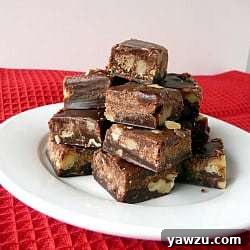
Mastering the Art of Homemade Chocolate Walnut Fudge
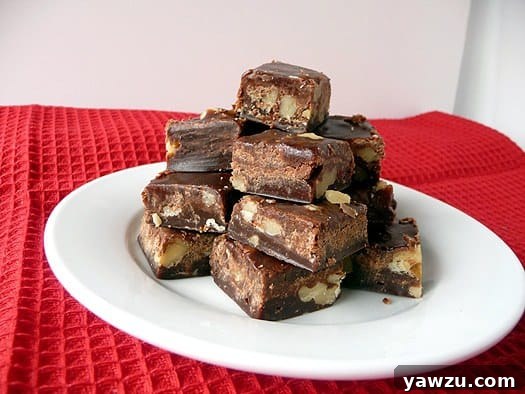
There’s an undeniable magic that comes with the mention of fudge. For many, it conjures images of sun-drenched boardwalks, bustling holiday markets, or cozy evenings by the fireplace. Last year, as the lingering cool weather made me yearn for the warmth of summer beach days, my thoughts naturally drifted to that quintessential seaside treat: fudge. You simply can’t visit the beach without indulging in its sweet, creamy embrace – at least, I can’t. Yet, a surprising realization hit me: I had never actually made fudge from scratch. A true culinary oversight!
I quickly remedied this by whipping up a batch using a popular quick and easy fudge recipe that featured sweetened condensed milk. While undeniably delicious, it left me with a lingering desire to create genuine, old-fashioned fudge – the kind that takes time, care, and a candy thermometer. I vowed to tackle this project around the holidays, a perfect time for such a decadent treat. However, as often happens with ambitious plans, those holidays came and went, and the traditional fudge never materialized. My self-imposed deadline was, to say the least, overdue. So, as soon as the last of the Thanksgiving turkey leftovers found their way into the freezer, I knew my very first priority was to grab a wooden spoon and finally dive into the world of classic fudge making!
The Irresistible Appeal of Old-Fashioned Fudge
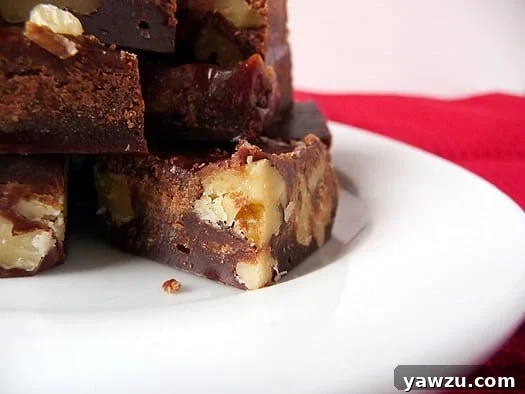
While quick fudge recipes offer instant gratification, there’s something truly special about the depth of flavor and velvety texture achieved through traditional methods. This classic approach, while requiring a bit more attention and a trusty candy thermometer, yields a fudge that tastes remarkably similar to the artisanal creations found in those charming fudge shops dotted along the boardwalks. It’s that perfect blend of rich chocolate and a melt-in-your-mouth consistency that a shortcut simply cannot replicate.
Imagine the salty ocean breeze mixing with the intoxicating aroma of freshly made fudge – a memory truly worth recreating at home. As the snow begins to fall outside my window this season, I’ll be savoring my homemade chocolate walnut fudge, letting each bite transport me to warmer days, daydreaming of dipping my toes in the sand just a few months away. But beyond personal indulgence, this exceptional treat is also perfect for sharing. I’ll likely wrap some of these delectable squares in pretty little packages, making them thoughtful and much-appreciated gifts for friends and family. All while enjoying a classic holiday movie, of course. ‘Tis the season for homemade delights!
Why Choose Homemade Chocolate Walnut Fudge?
The decision to make fudge from scratch, especially a classic chocolate walnut fudge, goes beyond just the ingredients; it’s about the experience and the unparalleled quality. Unlike mass-produced candies, homemade fudge offers a bespoke texture – often creamier, softer, and more intensely flavored. The control over ingredients means you can select high-quality chocolate, fresh walnuts, and pure vanilla extract, elevating the final product significantly. Furthermore, the process itself, while demanding a little patience, is incredibly rewarding. The transformation of simple ingredients into a luxurious confection is a small culinary triumph that adds a unique charm to your kitchen endeavors.
The Science Behind Perfect Fudge: Temperature and Technique
The secret to perfect, non-grainy, old-fashioned fudge lies in precise temperature control and careful technique. This recipe requires a candy thermometer, which is your best friend in achieving the coveted “soft-ball stage.” This stage, around 234 degrees F (112°C), indicates that the sugar syrup has reached a specific concentration, allowing it to form a soft, pliable ball when dropped into cold water. Cooking it too little results in runny fudge, while overcooking leads to crumbly, dry results.
Equally crucial is the cooling process. After reaching the correct temperature, the mixture is allowed to cool undisturbed to 110 degrees F (43°C). Resisting the urge to stir during this cooling phase is vital, as premature agitation can encourage large sugar crystals to form, leading to a grainy texture. Once cooled, the vigorous stirring or beating helps to create many small sugar crystals, which are responsible for fudge’s signature smooth, creamy consistency. It’s a delicate balance that, once mastered, guarantees a perfect batch every time. This precise method, though more involved than the condensed milk variations, is what distinguishes truly exceptional homemade fudge.
Ingredients Spotlight: Crafting the Perfect Chocolate Walnut Fudge
Every ingredient in this classic chocolate walnut fudge recipe plays a vital role in achieving its rich flavor and desirable texture. Granulated sugar provides the primary sweetness and structure, while the combination of half-and-half and heavy cream contributes to the fudge’s luxurious creaminess. Light corn syrup is a key player, acting as an interfering agent that helps prevent sugar crystallization, ensuring a smooth, non-grainy finish. A touch of salt balances the sweetness and enhances the overall flavor profile.
For the chocolate, using a high-quality bittersweet or semisweet variety is paramount. Chopping it finely allows it to melt evenly and incorporate seamlessly into the warm mixture, creating that deep, intense chocolate flavor we all adore. Unsalted butter adds richness and contributes to the smooth texture, while pure vanilla extract provides a warm, aromatic finish. And of course, the walnuts! Coarsely chopped walnuts add a delightful crunch and a nutty contrast that perfectly complements the rich chocolate, making each bite an exquisite experience. For those who prefer other nuts, pecans or almonds could also be a delicious substitute, or you could even experiment with a sprinkle of sea salt on top for a gourmet touch.
Gifting and Holiday Traditions with Homemade Fudge
Homemade chocolate walnut fudge isn’t just a treat; it’s a gesture of warmth and affection, especially during the holiday season. The effort and care that go into creating such a delicious confection make it an incredibly thoughtful gift. Imagine presenting a beautifully packaged box of your homemade fudge to a neighbor, a teacher, or a beloved family member. It’s a gift that speaks volumes, conveying appreciation and spreading holiday cheer far more effectively than any store-bought item. This tradition of homemade edible gifts is a timeless way to connect with others and share the joy of the season. Plus, making it fills your home with an aroma that is truly irresistible, setting the perfect festive mood.
So, this year, instead of just dreaming of boardwalk fudge, take the plunge and create your own batch of this timeless classic. The satisfaction of crafting something so delicious with your own hands is truly unmatched, and the resulting squares of chocolate walnut fudge will be a testament to your culinary skills and a source of sweet memories.
One year ago: Chewy Oatmeal-Raisin Cookies
Chocolate Walnut Fudge
Yield: 64 pieces (about 1½ pounds)
Prep Time: 50 minutes
Cook Time: 10 minutes
Total Time: 1 hour
Homemade fudge with chocolate and walnuts
Pin Recipe
Ingredients
- 2 cups (400 g) granulated sugar
- ½ cup (118.29 ml) half-and-half
- ½ cup (119 ml) heavy cream
- ¼ cup (85.25 ml) light corn syrup
- ⅛ teaspoon (0.13 teaspoon) salt
- 6 ounces (170.1 g) bittersweet or semisweet chocolate, chopped
- 2 tablespoons unsalted butter, softened
- 1 teaspoon vanilla extract
- 1 cup (117 g) walnuts, coarsely chopped
Instructions
- Line an 8-inch square baking pan with foil that extends over the sides. Lightly butter the foil and set aside.
- In a large, heavy-bottomed saucepan, combine the granulated sugar, half-and-half, heavy cream, light corn syrup, and salt. Stir the mixture gently over low heat until the sugar is completely dissolved, which should take approximately 5 minutes. Once dissolved, increase the heat and bring the mixture to a rolling boil. Cook for 1 minute without stirring. During this boiling phase, occasionally brush down the sides of the pan with a pastry brush dipped in warm water to prevent any sugar crystals from forming and causing graininess in your fudge. Remove the pan from the heat.
- Immediately add the chopped bittersweet or semisweet chocolate to the hot sugar mixture. Stir continuously until the chocolate is fully melted and the mixture becomes smooth and uniform. Place the pan back over medium heat and insert a candy thermometer. Continue to cook the mixture, without stirring, until it precisely reaches 234 degrees F (112°C) – this is known as the soft-ball stage. Carefully remove the pan from the heat as soon as this temperature is achieved.
- Add the softened unsalted butter and vanilla extract to the mixture. Crucially, do NOT stir them in at this point. Simply let them float on top of the fudge mixture. Stirring now can prematurely initiate crystallization and lead to a grainy texture.
- To rapidly cool the candy, place the bottom of the saucepan into a larger bowl of cold water (an ice bath works wonders) to effectively stop the cooking process. Allow the fudge to cool undisturbed until it reaches a temperature of 110 degrees F (43°C).
- Once cooled to the desired temperature, begin stirring the fudge vigorously in the pan with a sturdy wooden spoon. Continue stirring until the fudge visibly “snaps” (becomes firm enough to tear slightly when stirred) and starts to lose its glossy sheen, taking on a more matte appearance. (Alternatively, for those with a heavy-duty stand mixer: transfer the cooled fudge to the mixer bowl. Using the paddle attachment, beat the fudge on low speed until it begins to thicken and lose its sheen. This typically takes 5 to 10 minutes. It’s important to watch the mixture very carefully at this stage, as it can thicken rapidly and become unworkable if over-beaten.)
- Quickly stir in the coarsely chopped walnuts, ensuring they are evenly distributed throughout the fudge. Immediately turn the fudge out into the prepared foil-lined baking pan. Use an offset spatula, dipping it in hot water as needed, to smooth the top surface of the fudge evenly. Allow the fudge to set at room temperature for at least 1 hour.
- Once set, use a large, sharp knife to gently score the fudge into desired 1-inch squares. This helps in achieving clean cuts later. Cover the pan and refriger refrigerate the fudge for at least 24 hours to allow it to firm up completely and for the flavors to fully develop.
- After refrigeration, carefully remove the fudge from the pan by lifting the foil edges. Peel off the foil from the fudge block. Use your knife to finish cutting the fudge along the scored lines into perfect squares. Store the finished chocolate walnut fudge in an airtight container in the refrigerator for up to 3 weeks. For the best taste and texture, allow the fudge to come to room temperature for about 15-20 minutes before serving.
Nutrition Information (per piece)
Calories: 67kcal, Carbohydrates: 9g, Fat: 3g, Saturated Fat: 1g, Cholesterol: 4mg, Sodium: 7mg, Potassium: 26mg, Sugar: 8g, Vitamin A: 45IU, Calcium: 7mg, Iron: 0.2mg
Did you make this recipe?
Leave a review below, then snap a picture and tag @thebrowneyedbaker on Instagram so I can see it! Your feedback is always appreciated!
Author: Michelle Lettrich
Course: Snack, Dessert
Cuisine: American