
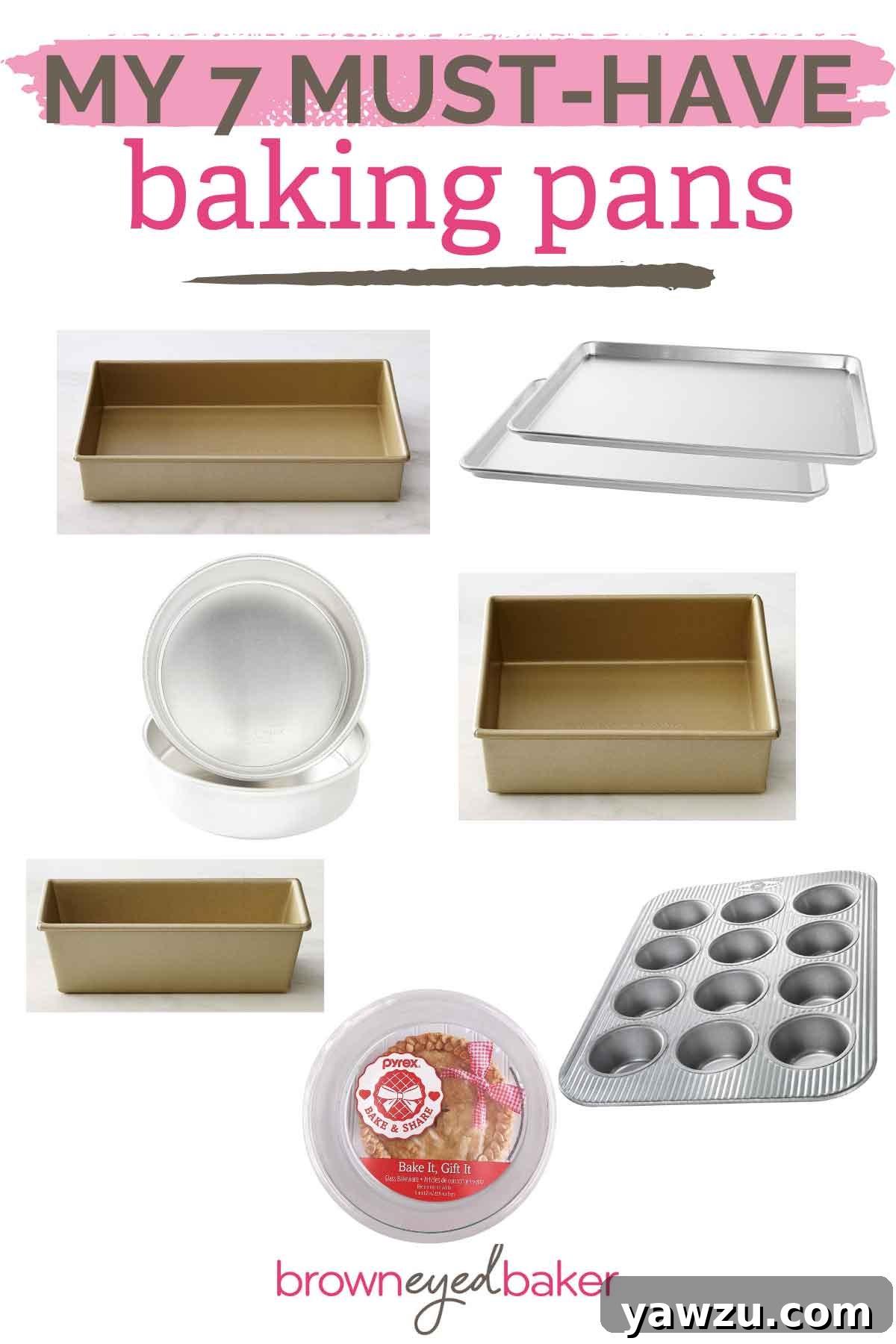
The Ultimate Guide to Essential Baking Pans: Build Your Must-Have Bakeware Collection
Baking is a delightful journey, a creative outlet that fills your home with incredible aromas and your table with delicious treats. But even the most talented baker knows that great results begin with the right tools. In the vast world of kitchen equipment, baking pans stand out as fundamental. This comprehensive guide is designed to arm you with everything you need to know to build an arsenal of essential baking pans, ensuring you’re always prepared for everyday baking adventures and those spontaneous moments of dessert inspiration.
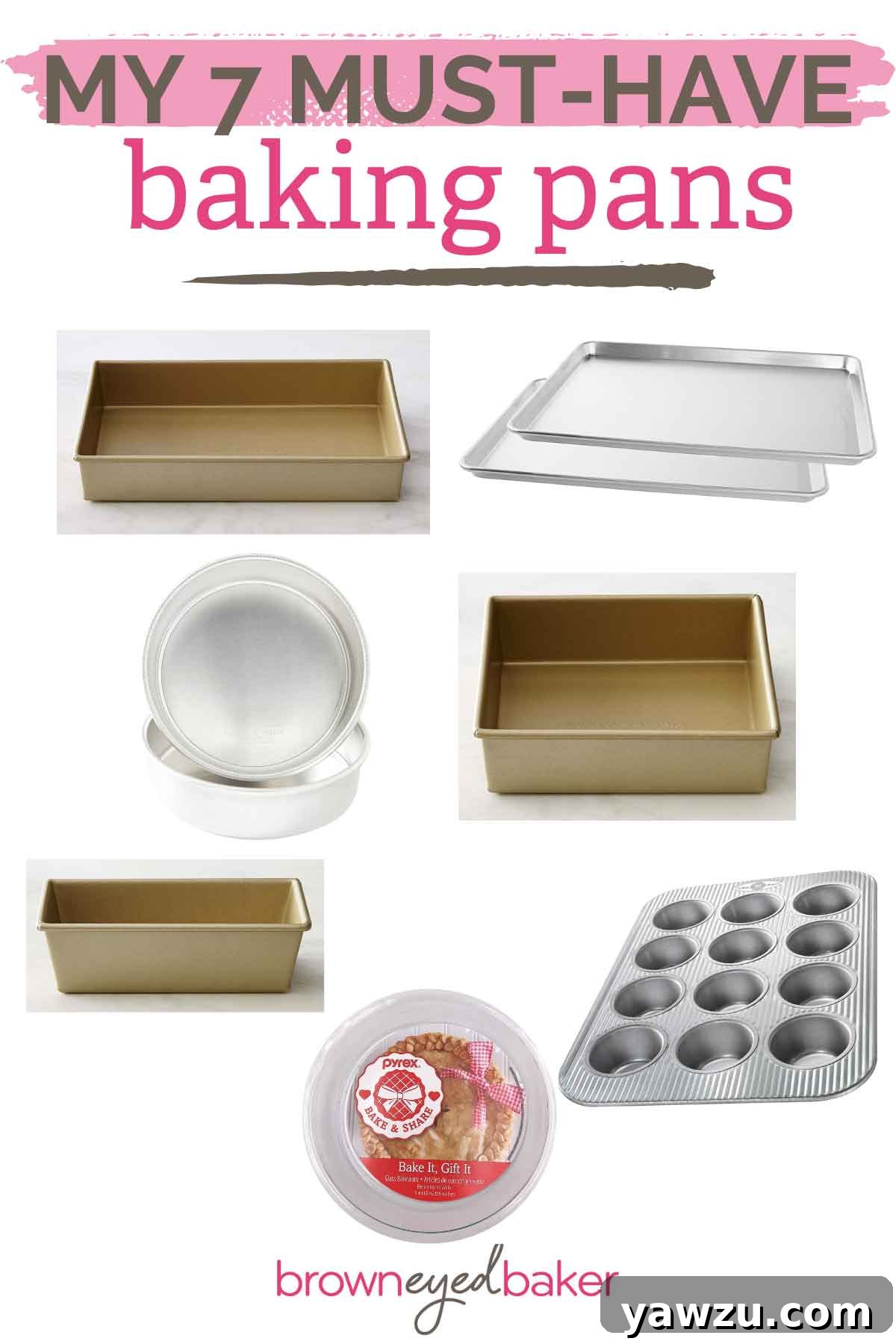
Having previously explored lists of essential kitchen equipment and indispensable baking ingredients, today our focus narrows exclusively to bakeware—specifically, the pans that form the backbone of any successful baking endeavor. The sheer variety of baking pans available can be overwhelming, with countless types, sizes, materials, and brands vying for your attention. Fear not! This guide cuts through the clutter to present my personal recommendations for the must-have pans that every home baker, from novice to seasoned pro, will find invaluable.
Whether you’re just starting your baking journey, outfitting a new kitchen, compiling a wedding registry, or searching for the perfect gift for a baking enthusiast, this curated list of the best baking pans is your ultimate resource. Let’s dive into the essential bakeware that will elevate your baking game and ensure consistent, delicious results every time.
#1: The Versatile Workhorse – Half-Sheet Pans
If there’s one pan that truly earns the title “workhorse” in my kitchen, it’s the half-sheet pan. These 13×18-inch rectangular pans are incredibly versatile, making them an absolute non-negotiable for any baker. My top recommendation, and what I personally use, are the Nordic Ware Half Sheet Pans. Crafted from durable aluminum, they conduct heat efficiently and evenly, which is crucial for consistent baking and roasting.
I reach for these pans almost daily, for an astonishing array of tasks. From baking legendary Ina Garten’s outrageous brownies to expansive sheet cakes that feed a crowd, and countless batches of perfectly golden cookies, their utility is unmatched. Beyond sweet treats, they excel at savory preparations, effortlessly roasting vegetables to tender perfection and crisping up potatoes for family dinners. Their large surface area is ideal for spreading ingredients out, promoting even cooking and browning – a key factor in achieving delicious results.
How Many Half-Sheet Pans Do You Need?
Given their indispensable nature, I highly recommend starting with at least two half-sheet pans. This allows you to multitask, perhaps baking one batch of cookies while another cools, or roasting vegetables on one while a main dish bakes on another. Personally, I own four and find that number incredibly useful for larger baking projects or when entertaining.
Pro Tips for Using Half-Sheet Pans:
- Parchment Paper Perfection: For easy cleanup and perfectly non-stick results, invest in pre-cut parchment paper sheets designed to fit these half-sheet pans. They save time and ensure even baking.
- Cooling Rack Compatibility: Many cooling racks are specifically sized to fit inside half-sheet pans. This setup is fantastic for draining excess grease, glazing pastries, or creating incredibly crispy oven-baked chicken wings by allowing air circulation all around the food.
Bonus Size: The “Big Baking Sheet” Advantage
Last year, I discovered an even larger option from Nordic Ware: their “big baking sheets.” Measuring 15×21 inches, these pans offer a significant increase in surface area compared to the traditional half-sheet. The extra space is a game-changer, especially for baking larger batches of cookies without overcrowding, or for roasting substantial quantities of meat and vegetables simultaneously. I have two of these larger pans and absolutely adore them for their enhanced capacity and versatility.
#2: The Family Favorite – 9×13-inch Baking Pan
A 9×13-inch baking pan is a cornerstone of American baking, perfectly sized for everything from gooey bars and sheet cakes to savory casseroles and gratins. When it comes to baking, particularly for cakes and brownies, I strongly advocate for a metal baking pan over glass. Metal pans, especially those made from anodized aluminum or steel with a non-stick coating, conduct heat more efficiently and evenly, resulting in better browning and a more consistent bake throughout your creation. This is paramount for achieving that perfect cake texture or a beautifully caramelized crust on your bars.
For superior baking performance, I enthusiastically recommend the Williams Sonoma Goldtouch Rectangular Cake Pan and the USA Pan Rectangular Cake Pan. Both brands are renowned for their quality, even heat distribution, and durable non-stick surfaces, making cleanup a breeze.
While metal is my go-to for baked goods, I also keep a 9×13-inch glass baking pan on hand for specific applications, primarily casseroles, lasagnas, and other dishes where visibility of the cooking process (e.g., bubbling cheese) is desirable, or for recipes that benefit from glass’s ability to retain heat for serving. The classic Pyrex 3-Quart Glass Baking Dish, ideally with a lid for easy storage and transport, is my recommendation for this purpose.
How Many 9×13-inch Baking Pans Do You Need?
One good quality metal 9×13-inch baking pan is an excellent starting point and sufficient for most home bakers. If you frequently host large gatherings or prepare multiple dishes, a second metal pan, or the addition of a glass one for casseroles, would be a valuable expansion to your collection.
#3: The Versatile Square – Square Baking Pan
Square baking pans are incredibly versatile, perfect for smaller batches of brownies, blondies, cornbread, and even mini casseroles. Like the 9×13-inch pan, for optimal baking results with cakes and bars, I again emphasize the superiority of metal over glass due to its even heat conductivity. You’ll typically find square pans in both 8-inch and 9-inch varieties. While both are useful, I personally gravitate towards the 8-inch pan.
My preference for the 8-inch square pan stems from its practical capacity. A standard 9×13-inch pan holds approximately 14 cups, whereas an 8×8-inch pan has an 8-cup capacity, making it a nearly perfect half-size for many recipes. A 9×9-inch pan, by contrast, holds about 10 cups, which can sometimes make scaling down a 9×13-inch recipe a bit trickier. This makes the 8-inch pan ideal when you want to halve a recipe originally designed for a larger rectangular pan without significant adjustments.
For reliability and performance, I wholeheartedly recommend the same trusted brands: the Williams Sonoma Goldtouch Pro Nonstick Square Cake Pan and the USA Pan Square Cake Pan. Both deliver exceptional results with their durable non-stick finishes and excellent heat distribution. The provided links also offer options to purchase 9-inch square versions, should you decide to expand your collection with that additional size.
Similar to the 9×13-inch pan, an 8-inch square glass baking dish also has its place in the kitchen, particularly for dishes that don’t require precise browning or for serving. The Pyrex Basics Square Glass Baking Dish is a dependable choice for this purpose.
How Many Square Baking Pans Do You Need?
One high-quality metal square baking pan, preferably an 8-inch for its versatility in recipe scaling, is an essential starting point for any home baker.
#4: The Celebration Essential – Round Cake Pans
No baking collection is complete without round cake pans, the cornerstone for crafting beautiful layer cakes that mark celebrations and special occasions. The 9-inch round cake pan is generally considered the standard size for most layer cake recipes, making it the ideal starting point for your collection. These pans are crucial for achieving those classic, impressive multi-layered confections.
Once you’ve mastered the 9-inch, you might consider adding 8-inch round pans. While slightly smaller in diameter, 8-inch pans yield taller, more elegant cake layers, which many bakers (myself included!) adore for their aesthetic appeal and impressive stature. The choice between 8-inch and 9-inch often comes down to personal preference and the specific look you’re aiming for.
For consistent, perfectly baked layers, I highly recommend the Nordic Ware Round 9-inch Cake Pans (conveniently sold in a set of two, which is exactly what you need!) and the USA Pan Round 9-inch Cake Pan. Both brands are renowned for their durable construction, even heat distribution, and reliable non-stick properties, ensuring your cakes release effortlessly and bake beautifully.
How Many Round Cake Pans Do You Need?
To create a standard two or three-layer cake, you’ll need multiple pans. Ideally, aim for three 9-inch round cake pans. This allows you to bake all layers simultaneously, saving time and ensuring a consistent bake across all layers. However, you can certainly start with two and bake in batches if necessary.
Nice-to-Have: Expanding Your Round Pan Collection
If you find yourself frequently baking layer cakes and wish to explore different aesthetics, acquiring 8-inch round versions of these quality pans is a fantastic idea. You can find the Nordic Ware 8-inch pans here and the USA Pan 8-inch pans here. These additions offer greater flexibility and the ability to create stunningly tall, professional-looking cakes.
#5: The Breakfast & Snack Staple – Standard Muffin Tin
A standard muffin tin is an absolute essential for any home baker, indispensable for whipping up fluffy muffins, festive cupcakes, and even savory egg bites or individual quiches. It’s a tool you’ll find yourself reaching for consistently, making it a foundational piece of bakeware.
While my personal muffin pans are an older, discontinued Wilton model, I can confidently recommend two highly-rated alternatives known for their quality and performance: the OXO Non-Stick Muffin Pan and the USA Pan Muffin Pan. Both feature durable non-stick coatings that ensure effortless release of your baked goods and make cleanup incredibly easy. Their sturdy construction promotes even heat distribution, preventing burnt bottoms and undercooked centers.
How Many Muffin Tins Do You Need?
Most standard muffin tins feature 12 wells. However, many popular muffin and cupcake recipes yield more than 12 servings. To avoid baking in multiple time-consuming batches, I highly recommend owning two standard muffin pans. This allows you to bake an entire recipe simultaneously, ensuring consistent results and saving valuable time.
Nice-to-Have: Mini Muffin Pan for Smaller Bites
While not strictly necessary, if you’re a devoted fan of muffins and cupcakes, or simply love creating bite-sized treats, a Mini Muffin Pan that yields 24 mini muffins or cupcakes is a fantastic addition. I personally use mine all the time for smaller portions – they’re perfect for school snacks, appetizer spreads, or when you just want a little treat without overindulging. Their smaller size also often means faster baking times, adding to their convenience.
#6: The Quick Bread Champion – Loaf Pan
The loaf pan is a quintessential kitchen staple, indispensable for turning out delicious quick breads, yeasted breads, and even savory meatloaves. Its distinctive rectangular shape with high sides creates those characteristic, beautifully domed loaves that are perfect for slicing and sharing. This pan is a go-to for comforting classics like moist banana bread, flavorful zucchini bread, and aromatic pumpkin bread.
The 9×5-inch size is the most commonly specified in recipes and offers the best versatility, making it the one you will undoubtedly get the most use out of. For consistent baking and easy release, I recommend either the Williams Sonoma Goldtouch Loaf Pan or the USA Pan 1.25 Pound Loaf Pan. It’s important to note that 9×5-inch loaf pans are often labeled or sold as “1.25 pound loaf pans” due to their capacity, so keep an eye out for both designations when shopping.
How Many Loaf Pans Do You Need?
At least one high-quality loaf pan is a must-have. However, if you frequently bake quick breads or prefer to make double batches for gifting or freezing, you may eventually want to own two. This allows for continuous baking without waiting for a pan to cool and be cleaned.
Nice-to-Have: The 8.5×4.5-inch Loaf Pan
While the 9×5-inch is standard, some recipes specifically call for an 8.5×4.5-inch loaf pan. This slightly smaller size can sometimes yield taller, more aesthetically pleasing loaves, especially for certain quick bread recipes where volume is important. I find it beneficial to keep both sizes in my kitchen for maximum flexibility and to achieve optimal results depending on the recipe. These smaller pans are often sold as “1 pound loaf pans.” For this size, I recommend the Goldtouch 1-pound pan and the USA Pan 1-pound pan, both offering the same reliable performance as their larger counterparts.
#7: The Classic Dessert Essential – Glass Pie Plate
No list of essential baking pans would be complete without the humble yet mighty pie plate. For crafting perfect pies, tarts, and quiches, a glass pie plate is my material of choice. The 9-inch pie plate is widely considered the most classic and standard size for the vast majority of pie recipes. While you might encounter 9½-inch plates, these typically result in shallower pies, which may not always be ideal for recipes with generous fillings.
My unwavering recommendation for this category is the 9-inch Pyrex Glass Pie Plate. Pyrex has been a trusted name in bakeware for generations, and for good reason. Glass offers several distinct advantages when baking pies:
- Even Baking: Glass conducts heat steadily and evenly, which is crucial for achieving a beautifully cooked crust—crisp on the bottom and golden brown all around—without over-browning the top or edges prematurely.
- Visibility: A clear glass plate allows you to visually monitor the browning of the bottom crust, a common challenge in pie baking, ensuring it’s perfectly done before you remove it from the oven.
- Durability: Unlike non-stick metal pie plates that can scratch when cut, glass is incredibly resilient. You can cut and serve your pie directly from the plate without fear of damaging the surface.
How Many Glass Pie Plates Do You Need?
To begin your pie-baking adventures, one 9-inch glass pie plate is entirely sufficient. However, if you frequently bake pies, especially around holidays or for special events, having two on hand can be incredibly useful, allowing you to prepare multiple pies simultaneously or offer a variety of fillings.
6 More Nice-to-Have Baking Pans to Elevate Your Collection
Once you’ve established your core collection of essential baking pans, the fun truly begins with expanding your bakeware arsenal to tackle more specialized recipes and impress with stunning presentations. These “nice-to-have” pans aren’t strictly necessary for everyday baking, but they unlock a world of culinary creativity and will have you ready for almost any recipe that sparks your interest. Add them to your collection as your baking passion grows!
- 10 to 12-cup Bundt Pan: For those show-stopping, gorgeously molded bundt cakes, a quality bundt pan is indispensable. My absolute favorite, and a true classic, is the Nordic Ware Anniversary Bundt Pan. Nordic Ware is synonymous with Bundt pans, offering an incredible array of intricate designs. You truly can’t go wrong with any of their creations, but some of my personal favorites, known for their stunning patterns, include the elegant Heritage Bundt Pan (famously showcased in my homemade rum cake recipe), the charming Blossom Bundt Pan, the sophisticated Brilliance Bundt Pan, and the regal Bavaria Bundt Pan. These pans transform simple cakes into works of art.
- 9-inch Springform Pan: A springform pan is an absolute necessity if you plan on diving into the wonderful world of cheesecake recipes or other delicate desserts that can’t be easily inverted or removed from a traditional pan. Its clever design, with a removable bottom and a clasp that releases the sides, ensures perfect, intact cheesecakes every time. I have an older version of the Williams Sonoma Goldtouch Springform Cake Pan, and while I can’t speak to the newer model directly, it consistently receives top ratings. Another excellent and reliable alternative is the Nordic Ware Springform Pan.
- 9-inch Tart Pan with Removable Bottom: For creating elegant tarts with crisp crusts and beautiful fluted edges, or for shallow quiches, a tart pan with a removable bottom is key. The removable base makes unmolding incredibly easy, preserving the delicate crust and presentation. I highly recommend the Fox Run Tart and Quiche Pan, which I use myself. Its sturdy construction and non-stick properties ensure reliable results.
- Jumbo Muffin Pan: If you adore those generously sized, bakery-style muffins that are truly a meal in themselves, a jumbo muffin pan is a fantastic investment. This pan typically features six extra-large wells, perfect for creating impressive, fluffy muffins with that desirable domed top. I recommend the USA Pan Jumbo Texas Muffin Pan for its robust build and excellent non-stick performance, ensuring your massive muffins release without a hitch.
- Tube Pan: Specifically designed for light, airy cakes like angel food cake, a tube pan is characterized by its tall, straight sides and a central tube that helps the cake rise evenly and cool properly. If angel food cake is a favorite or a recipe you aspire to master, grabbing one of these pans will be essential to achieving its signature lofty texture. Many tube pans also feature removable bottoms, which are crucial for releasing delicate cakes without damage.
- Jelly Roll Pan: While it might sound specialized, a jelly roll pan is essentially a shallower, rimmed baking sheet (typically 10.5×15.5 inches) that is incredibly versatile. It’s the perfect size for thin sheet cakes that are rolled, like pumpkin roll, but also excellent for Texas sheet cake, smaller batches of cookies, roasted vegetables, and even savory dishes like apple slab pie. Its utility extends far beyond just “jelly rolls.” I recommend the Nordic Ware Jelly Roll Pan for its durability and consistent performance.
Further Resources for Your Baking Journey
Equipping your kitchen with the right baking pans is a significant step, but the journey of a home baker involves continuously learning and refining your skills. To further support your culinary explorations and ensure you’re fully prepared for any baking challenge, here are some additional valuable resources:
- 12 Essential Baking Tools Every Home Baker Needs – Expand beyond pans to discover other indispensable gadgets and tools.
- Essential Baking Ingredients: How to Stock Your Pantry – A well-stocked pantry is just as important as the right bakeware.
- How to Convert Pan Sizes – Essential knowledge for adapting recipes to the pans you own.
- Common Baking Substitutions – Handy tips for when you’re missing an ingredient or want to adjust a recipe.
- High Altitude Baking Tips – Specific advice for bakers living in higher elevations.
With this comprehensive guide to essential baking pans and a wealth of supplementary resources, you’re now perfectly poised to tackle any baking recipe with confidence and achieve truly delicious results. Happy baking!