
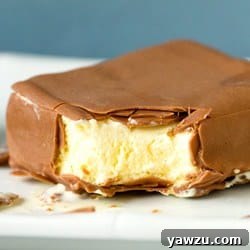
Homemade Klondike Bars: A Deliciously Simple Summer Treat
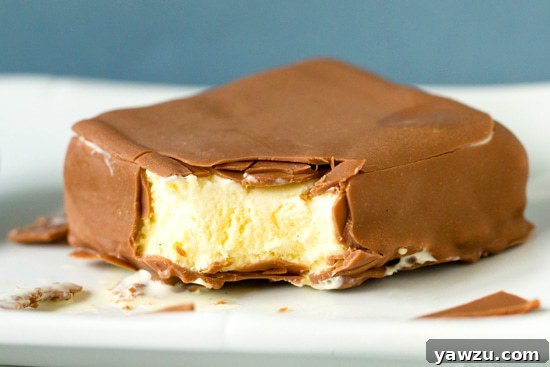
Growing up, my family had a strict “no junk food” rule at home. This meant that visits to grandma’s house were nothing short of a culinary rebellion. It was a place where rules relaxed, and sugary delights reigned supreme. Forget about Pop-Tarts, potato chips, or brightly colored cereals at our house; but at grandma’s, the pantry was always stocked. Yet, among all the forbidden treasures, one stood out: the legendary Klondike bar. That foil-wrapped square of frozen deliciousness, with its hard chocolate shell enveloping creamy vanilla ice cream, was the ultimate weekend treat. It wasn’t just an ice cream bar; it was a symbol of carefree summer days, sleepovers, and the joy of being a kid at grandma’s house (who, bless her heart, braved summers without air conditioning or a dishwasher – truly a saint!).
The mere thought of that distinctive chocolate crackle and the smooth vanilla interior brings a wave of nostalgia. As summer approaches and my cravings for frozen treats intensify, homemade Klondike bars quickly ascended to the top of my must-make list. I envisioned creating a version that captured all the beloved elements of the original, but with the enhanced freshness and quality that only a homemade touch can provide. The best part? This iconic treat can be replicated with astonishing simplicity, requiring just a few key ingredients. If you’ve been searching for an easy, fun, and utterly delicious project to sweeten your summer, look no further!
Why Make Your Own Klondike Bars?
Beyond the delightful nostalgia, there are several compelling reasons to embark on the journey of making your own Klondike bars. Firstly, it offers unparalleled control over ingredients. You can choose high-quality chocolate, premium vanilla ice cream, and avoid any artificial flavors or preservatives often found in store-bought versions. This often translates to a richer, more authentic flavor profile that elevates the entire experience.
Secondly, the customization possibilities are virtually endless. While the classic vanilla and milk chocolate combination is timeless, homemade allows you to experiment with different ice cream flavors, chocolate types, and even unique mix-ins for the coating. Imagine dark chocolate with a hint of sea salt, or a white chocolate shell over raspberry swirl ice cream – the creative freedom is truly a game-changer for dessert enthusiasts.
Finally, it’s a wonderfully satisfying project. There’s a unique joy in crafting something from scratch, especially when the end result is a beloved treat that brings smiles to faces. It’s a fantastic activity for families, allowing kids (and adults!) to participate in the process and enjoy the fruits of their labor. Plus, once you master the basic technique, you’ll have a signature summer dessert that’s sure to impress everyone.
The Magic Behind the Perfect Chocolate Shell
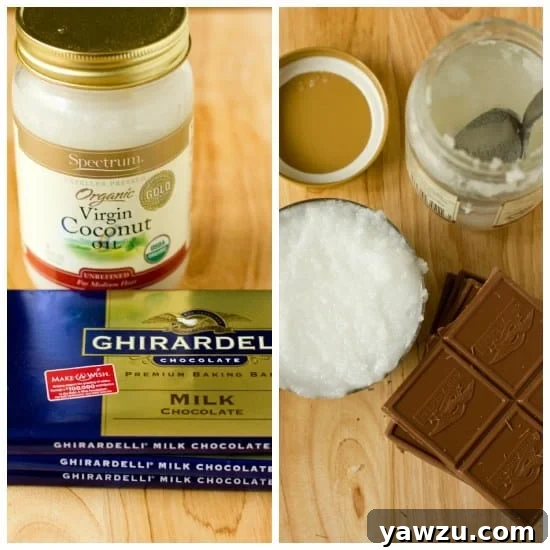
The signature element of a Klondike bar, and indeed many popular ice cream bars, is that distinctive hard, snappy chocolate shell. Have you ever wondered what creates that delightful crunch? The secret lies in an incredibly simple, two-ingredient combination: chocolate and coconut oil. It’s a revelation that transforms ordinary melted chocolate into what’s affectionately known as “magic shell” – an ice cream topping that solidifies almost instantly upon contact with cold ice cream.
The science is quite straightforward. Coconut oil contains a high percentage of saturated fats, which are solid at room temperature but melt easily when heated. When melted chocolate is combined with coconut oil and then comes into contact with the freezing cold surface of the ice cream, the coconut oil rapidly cools and re-solidifies, causing the entire chocolate mixture to harden into a crisp, thin shell. This ingenious method creates that satisfying “crack” when you bite into your homemade treat.
Achieving the perfect magic shell involves a few key considerations. While there are many suggested ratios of chocolate to coconut oil, I’ve found that a good starting point is approximately ¼ cup of coconut oil for every 16 ounces of chocolate. However, don’t be afraid to adjust slightly based on your preferred thickness and hardness. For melting, using a double boiler method (a bowl set over a saucepan of simmering water) ensures even melting without scorching the chocolate. Stir the mixture until it’s perfectly smooth and the coconut oil is fully incorporated. The mixture should be thin and fluid. Crucially, allow the chocolate to cool to room temperature before dipping the ice cream. If the chocolate is too hot, it will melt the ice cream; if it’s too cold, it will be too thick to coat smoothly.
Crafting the Perfect Ice Cream Squares
The foundation of any great Klondike bar is, of course, the ice cream. For this recipe, I opted to churn up my favorite homemade vanilla ice cream, which offers an unparalleled richness and creamy texture. However, if you’re short on time or prefer a simpler approach, your favorite high-quality store-bought vanilla ice cream will work beautifully. Just ensure it’s a good, full-fat variety for the best texture and flavor.
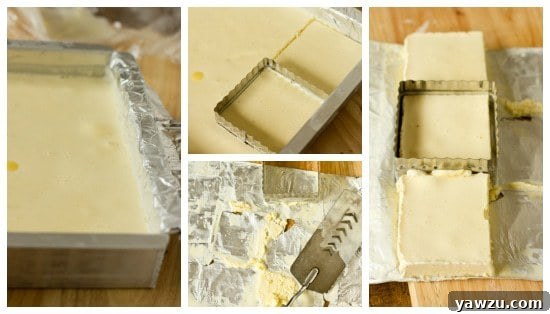
Preparing the ice cream for dipping requires a bit of patience and attention to temperature. Start by lining a 9×9-inch square baking pan with foil or parchment paper, leaving an overhang on the sides to easily lift the ice cream block later. If using homemade ice cream, spread it into the prepared pan immediately after churning. If using store-bought ice cream, allow it to soften slightly in the refrigerator for about 30 minutes, making it easier to spread evenly into the pan. Once spread, cover the pan tightly with plastic wrap and freeze it for at least 6 hours, or ideally, overnight. This extended freezing time is crucial for ensuring the ice cream is rock-hard, which is essential for successful dipping.
When it’s time to cut the ice cream, work swiftly to prevent melting. Remove the pan from the freezer and use the foil or parchment overhangs to lift the solid block of ice cream onto a cutting board. Using a sharp knife or a biscuit cutter, quickly cut the ice cream into nine equal squares. A warm knife can help make cleaner cuts; simply run it under hot water and wipe it dry between cuts. Immediately transfer these squares onto a parchment-lined baking sheet using a flat stainless steel spatula and return them to the freezer for at least another hour. This intermediate freezing step is vital to ensure the ice cream remains as cold and firm as possible, preventing it from melting too quickly when it meets the room-temperature chocolate coating. Patience truly is a virtue when working with frozen treats!
Dipping, Layering, and Endless Klondike Variations
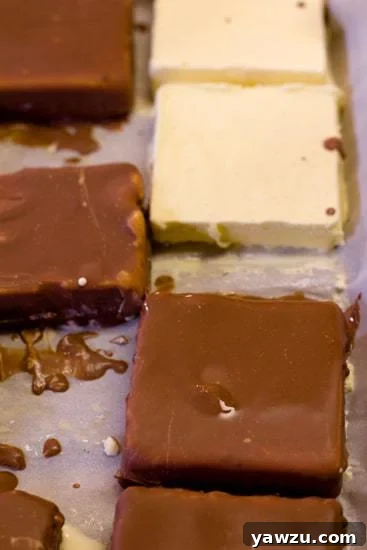
Once your ice cream squares are perfectly chilled and your chocolate magic shell has cooled to room temperature, it’s time for the most exciting part: dipping! This is where your homemade Klondike bars truly come to life. Working quickly, use a large fork to carefully dip each ice cream square into the chocolate mixture, ensuring it’s completely coated. Lift it out, allowing any excess chocolate to drip off, and then place it back onto your parchment-lined baking sheet. Repeat this process with all the squares. The chocolate will harden almost instantly, forming that glorious, crunchy shell. Return the baking sheet with the freshly coated bars to the freezer for at least 30 minutes to fully set the chocolate.
For an extra-thick and satisfying chocolate coating, I highly recommend a second dip. Simply repeat the dipping process after the first layer has completely set. This creates an even more robust and decadent shell, enhancing the textural contrast between the crunchy exterior and creamy interior. After the second dip, freeze for another 30 minutes. Once fully set, you can individually wrap each Klondike bar in plastic wrap and store them in a zip-top freezer bag in the freezer for future enjoyment.
Unleashing Your Creativity: Klondike Flavor Adventures
The beauty of homemade Klondike bars lies in their incredible versatility. While the classic vanilla and milk chocolate combination is undeniably delicious, don’t hesitate to unleash your inner dessert artist and explore a myriad of exciting variations:
- Ice Cream Flavor Swaps: Substitute vanilla ice cream with your favorite flavor! Imagine mint chocolate chip, strawberry, coffee, or even a rich chocolate ice cream for a double chocolate delight.
- Chocolate Variations: Experiment with different types of chocolate for the coating. Semi-sweet chocolate offers a balanced sweetness, while dark chocolate provides a sophisticated, intense flavor that pairs beautifully with sweet ice cream.
- Textural Additions: Before the chocolate shell sets completely, sprinkle your dipped bars with crushed pretzels for a salty-sweet crunch, chopped nuts (like pecans or almonds), toasted coconut flakes, or even colorful sprinkles for a festive touch.
- Layered Indulgence: Consider dipping the ice cream squares first in a layer of luscious salted caramel or peanut butter, allowing it to freeze, and *then* dipping them into the chocolate shell. This creates an incredible multi-layered flavor experience.
- Spiced Coatings: Infuse your chocolate coating with a hint of spice. A pinch of chili powder for a Mexican hot chocolate twist, or a dash of cinnamon and nutmeg for a warm, comforting note can be surprisingly delightful.
The possibilities truly are endless! What unique combination would your ultimate homemade Klondike bar feature? Share your creative ideas in the comments!
Serving and Enjoying Your Homemade Treats
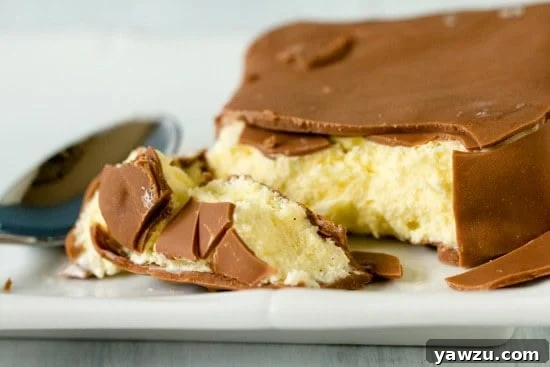
After all your hard work and patient freezing, it’s time to enjoy your masterpieces! When it comes to eating Klondike bars, I’ve always been a fan of the “spoon in a bowl” method. It might seem unconventional for an ice cream bar, but it’s my tried-and-true way to savor every bite without making a gigantic mess. Call me a little kid when it comes to ice cream, but a little melt is inevitable, and a bowl catches all that deliciousness!
Proper storage is key to enjoying your homemade Klondike bars over time. Once the chocolate coating is completely set, wrap each individual bar tightly in plastic wrap. This prevents freezer burn and keeps them from sticking together. Then, place the wrapped bars into a freezer-safe zip-top bag or an airtight container. Stored this way, your delicious homemade Klondike bars can last in the freezer for up to several weeks, ready to be pulled out whenever a craving strikes.
There’s immense satisfaction in recreating a beloved classic in your own kitchen. These homemade Klondike bars are not just a dessert; they’re a trip down memory lane, a creative culinary project, and a refreshing treat all rolled into one. So this summer, ditch the store-bought versions and dive into the simple joy of making your own – you won’t regret it!
You might also enjoy these frozen treats:
One year ago: Frozen Chocolate-Peanut Butter Pie
Two years ago: Peanut Butter Cup Rice Krispies Treats
Three years ago: Anise-Almond Biscotti
Four years ago: American Sandwich Bread
Homemade Klondike Bars
Pin
Ingredients
- 1 quart (0.95 l) vanilla ice cream
- 16 ounces (453.59 g) milk chocolate, chopped
- ¼ cup (54.5 ml) + 2 tablespoons coconut oil
Instructions
-
Line a 9×9-inch square baking pan with foil or parchment paper; set aside.
-
If you are using homemade ice cream, churn it and immediately spread it into the prepared pan. If using store-bought ice cream (or already-churned homemade ice cream), let it soften in the refrigerator for about 30 minutes, then spread it in the prepared pan. Cover the pan with plastic wrap and place in the freezer for at least 6 hours, or preferably overnight.
-
When ready to cut, line a large baking sheet with parchment paper. Remove the pan from the freezer and, using the foil or parchment overhangs, lift the ice cream block out of the pan and place on a cutting board. Working quickly, cut the ice cream into 9 even squares, using a biscuit cutter or a sharp knife. Use a flat stainless steel spatula to lift the squares onto the parchment-lined baking sheet. Place the baking sheet with the squares of ice cream in the freezer for at least 1 hour.
-
Meanwhile, prepare your chocolate coating. Set a medium-sized bowl over a small saucepan with about an inch of water in it. Turn the heat to low and place the chocolate in the bowl, stirring occasionally, until it is completely melted. Once melted, add the coconut oil and stir until it has been completely melted and incorporated into the chocolate. The mixture will be very thin. Turn off the heat, remove the bowl from the top of the saucepan and place on a wire cooling rack. Stir occasionally and allow it to cool to room temperature.
-
Once the ice cream squares have been in the freezer for at least an hour and the chocolate mixture has reached room temperature, remove the baking sheet from the freezer. Working very quickly, use a large fork to dip one ice cream square at a time into the chocolate mixture, ensuring that it is completely coated. Lift it out and place it back on the parchment-lined sheet. Repeat with all of the ice cream squares and then return the sheet with the chocolate-coated squares to the freezer for at least 30 minutes.
-
At this point, you can dip the squares again for a nice, thick chocolate coating (which is what I did), or you can be finished. If you dip them again, follow the same process as above, and again allow to freeze for at least 30 minutes following dipping. Once you are finished, you can wrap each square individually in plastic wrap, place in a zip-top freezer bag and store in the freezer.
Notes
Carbohydrates: 55g,
Protein: 5g,
Fat: 34g,
Saturated Fat: 22g,
Cholesterol: 46mg,
Sodium: 92mg,
Potassium: 355mg,
Fiber: 3g,
Sugar: 48g,
Vitamin A: 445IU,
Vitamin C: 0.7mg,
Calcium: 147mg,
Iron: 1.5mg
Did you make this recipe?
Leave a review below, then snap a picture and tag @thebrowneyedbaker on Instagram so I can see it!