
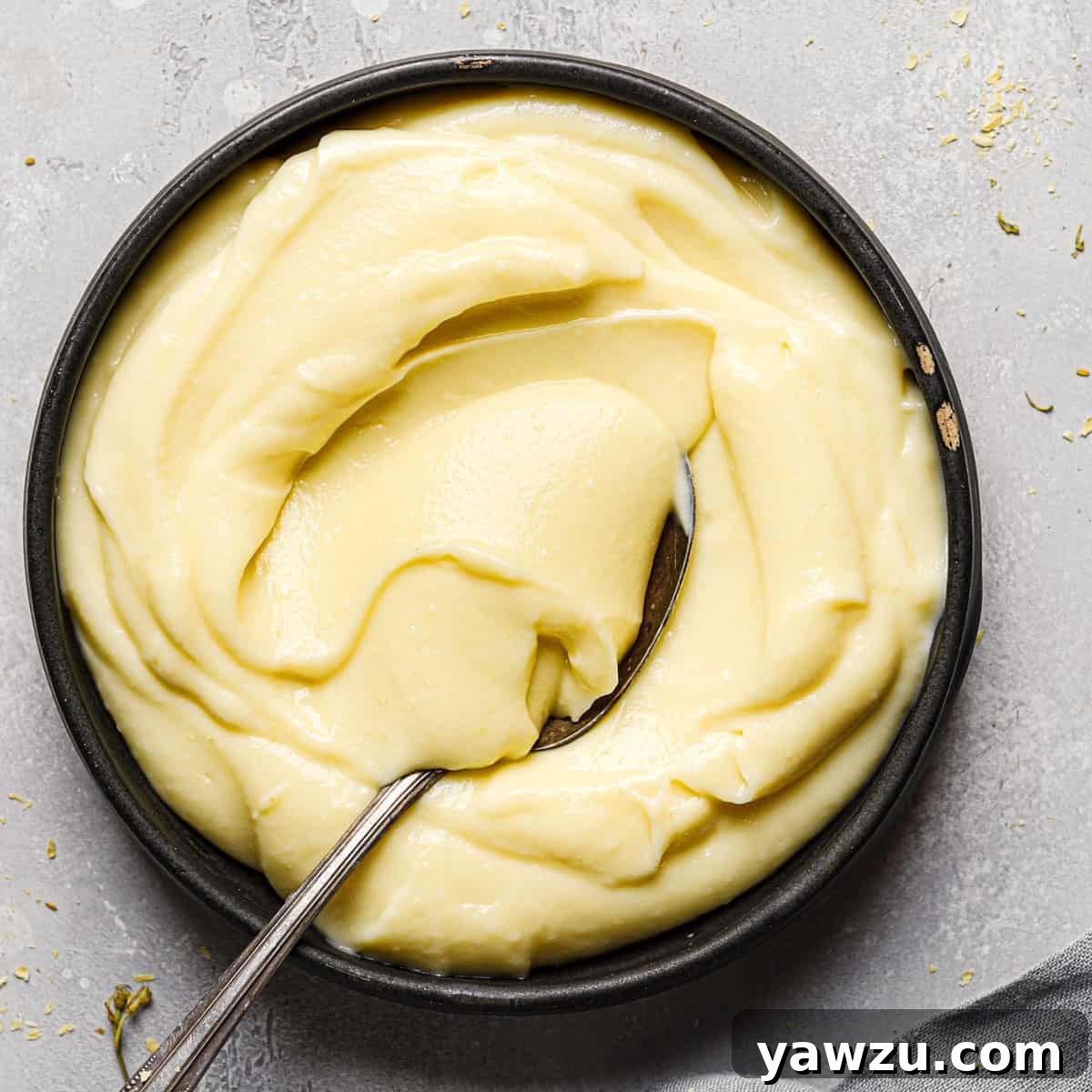
Welcome to the ultimate guide for crafting the most exquisite homemade pastry cream! Known in the culinary world as crème pâtissière, this velvety, rich, and incredibly versatile custard is the secret behind many beloved desserts. From the delicate filling of classic French eclairs to the cloud-like center of cream puffs, the smooth base of fruit tarts, and the irresistible surprise in doughnuts, mastering this fundamental recipe will unlock a universe of dessert possibilities. Prepare to elevate your baking skills and delight your taste buds with this comprehensive, step-by-step tutorial.
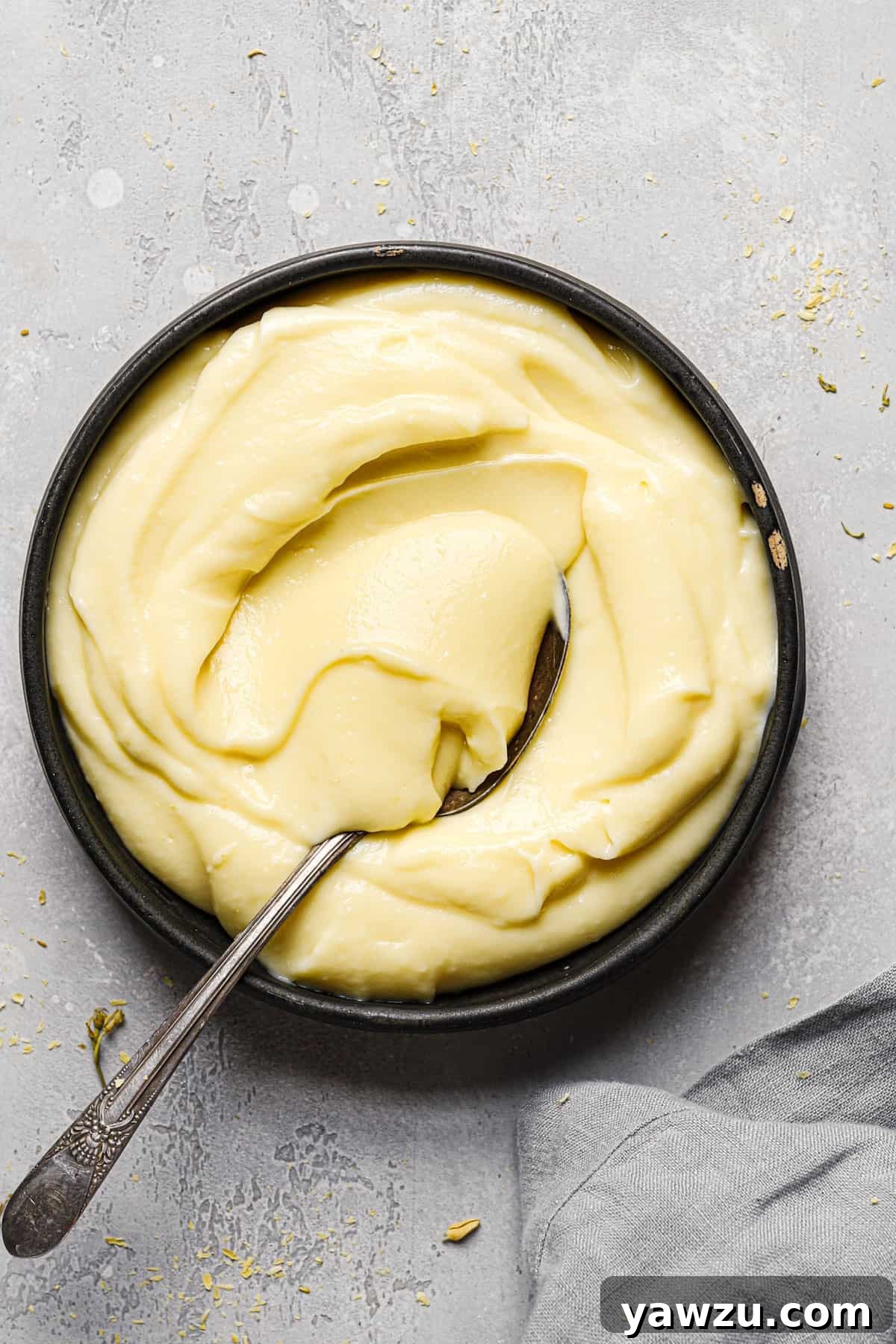
Having dedicated countless hours over the years to perfecting pastry cream, I’m thrilled to share all my accumulated wisdom with you. My goal is to equip every home baker with the confidence and techniques needed to create this luscious confection from scratch, experiencing the pure joy of homemade goodness. This guide isn’t just a recipe; it’s a deep dive into the art of crème pâtissière, complete with invaluable tips and straightforward troubleshooting solutions for any challenges you might encounter along your baking journey. Say goodbye to store-bought fillings and hello to superior flavor and texture!
So, grab your whisk, tie on your apron, and let’s embark on a delightful baking adventure!
What is Pastry Cream (Crème Pâtissière)?
Pastry cream, universally recognized by its elegant French name, crème pâtissière, is a foundational component in classic patisserie. It’s a rich, sweet, and incredibly thick custard-like filling, distinguished by its silky smooth texture and decadent flavor profile. Unlike many thinner custards, crème pâtissière achieves its characteristic stability and luscious consistency through the addition of a starch, typically cornstarch, which prevents the eggs from curdling and allows it to be brought to a boil for proper thickening. This starch acts as a stabilizer, creating a robust, yet melt-in-your-mouth filling perfect for holding its shape within various desserts.
While often confused with general custard, it’s important to understand the subtle but significant differences. “Custard” is a broad culinary term encompassing any dish thickened primarily with eggs, which can range from sweet to savory and vary widely in consistency. Pastry cream, however, is a specific type of sweet custard, uniquely thickened further with starch. This additional thickening agent not only provides a desirable firm yet tender texture but also acts as a safeguard against curdling, making it more forgiving for beginner bakers. Its versatility is truly remarkable, serving as the star filling for a myriad of desserts including delicate éclairs, airy cream puffs, elegant fruit tarts, rustic cream pies, and indulgent cream-filled doughnuts.
Essential Ingredients for Perfect Pastry Cream
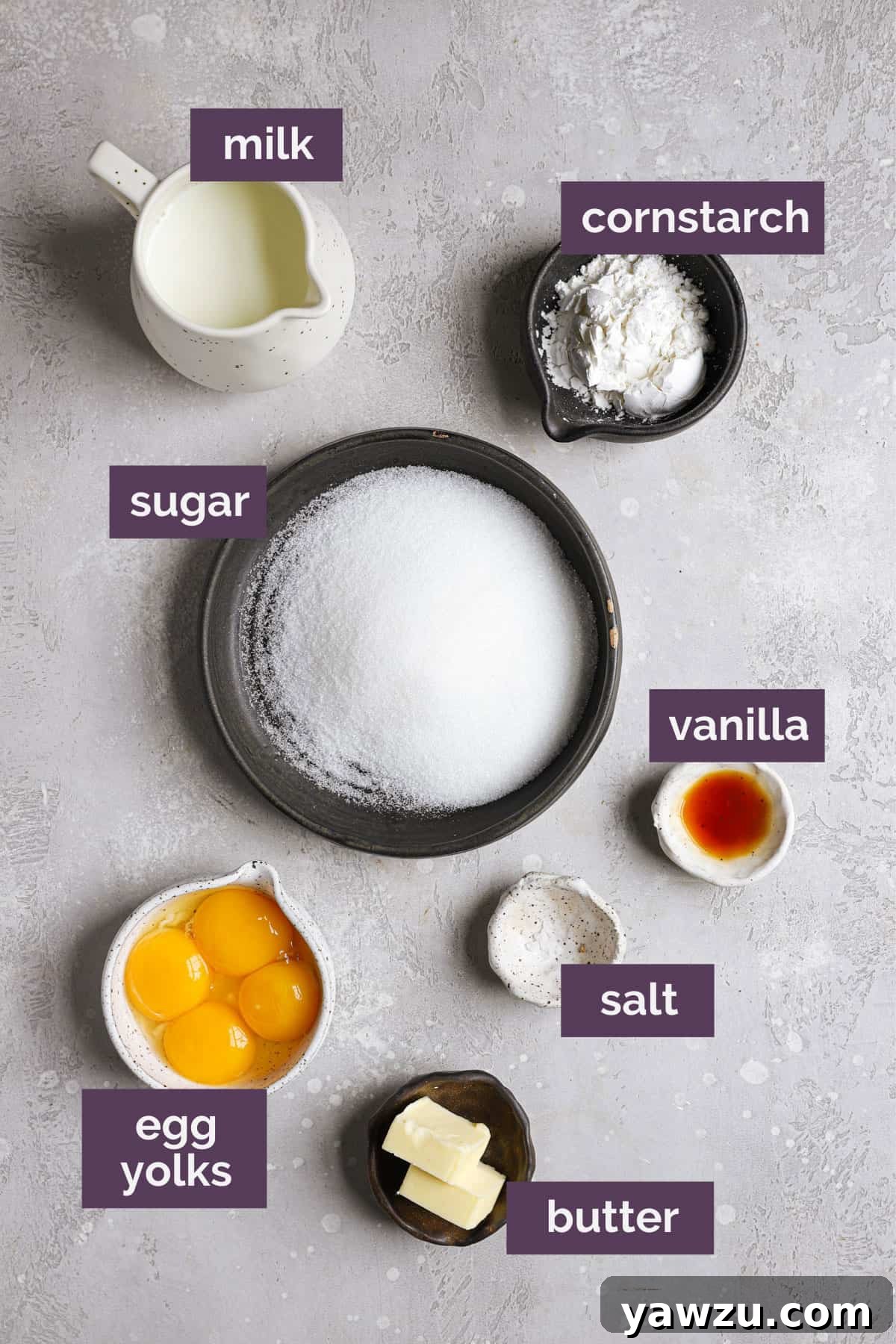
Crafting perfect pastry cream begins with understanding the role each ingredient plays in achieving that desirable thick, creamy, and flavorful result. High-quality ingredients are key to a superior finish.
- Granulated Sugar: Beyond simply sweetening the pastry cream, sugar plays a crucial role in the cooking process. It helps to tenderize the egg yolks and prevents them from scrambling when heated, ensuring a smooth, consistent texture.
- Cornstarch: This is the hero ingredient for thickening crème pâtissière. It provides the necessary structure and stability, allowing the cream to set beautifully without becoming overly stiff or gummy. Moreover, it makes this a naturally gluten-free filling, suitable for a wider audience.
- Kosher Salt: A small pinch of salt is essential for balancing the sweetness and enhancing the overall flavor of the pastry cream, preventing it from tasting flat.
- Egg Yolks: The heart of any great custard, egg yolks contribute significantly to the rich flavor, vibrant golden color, and luxurious creamy texture that defines pastry cream. They also act as a natural emulsifier, binding the ingredients together.
- Whole Milk: The liquid base for our pastry cream, whole milk adds richness and a subtle dairy flavor. Its fat content also helps to prevent the egg proteins from clumping and scrambling, contributing to a smoother final product.
- Unsalted Butter: Incorporated at the end, butter adds a wonderful silkiness and richness to the pastry cream, imparting a glossy sheen and a more decadent mouthfeel. Using unsalted butter allows you to control the overall salt content in the recipe.
- Vanilla Extract: For classic vanilla pastry cream, high-quality vanilla extract is indispensable. It infuses the cream with its warm, aromatic, and comforting flavor, making it truly irresistible. Consider using vanilla bean paste or a scraped vanilla bean for an even more intense vanilla presence.
Step-by-Step Guide to Homemade Pastry Cream
With all your ingredients measured and ready, it’s time to bring this delicious pastry cream to life. Follow these detailed steps for a flawless result.
- 1. Prepare an Ice Bath and Sieve: Begin by preparing an ice bath. Fill a large bowl halfway with ice water. Over a separate medium bowl, set a fine-mesh sieve. This setup will be crucial for rapidly cooling the pastry cream and ensuring its smooth texture. Set both aside, ready for action.
- 2. Combine Dry Ingredients: In a sturdy 3 to 4-quart saucepan, vigorously whisk together the granulated sugar, cornstarch, and kosher salt. Ensure these dry ingredients are thoroughly combined to prevent lumps later on.
- 3. Incorporate Egg Yolks: Add the egg yolks to the dry mixture in the saucepan. Whisk them in until they are completely combined with the dry ingredients, forming a thick, paste-like consistency. Make sure all the dry bits are fully incorporated, leaving no streaks of unmixed sugar or cornstarch.
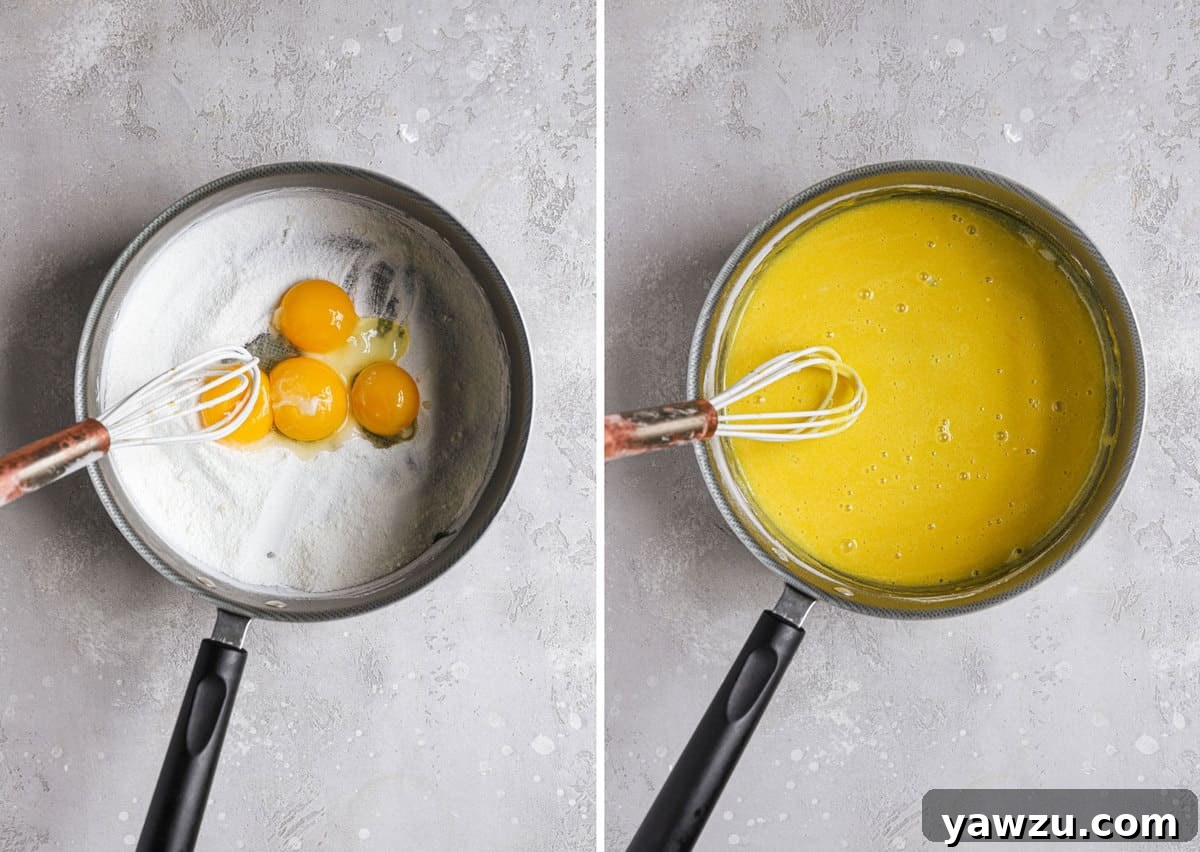
- 4. Add Milk and Prepare for Heat: Gradually whisk the whole milk into the egg yolk mixture until it is fully combined and the mixture is smooth. This thins out the base, preparing it for the cooking process.
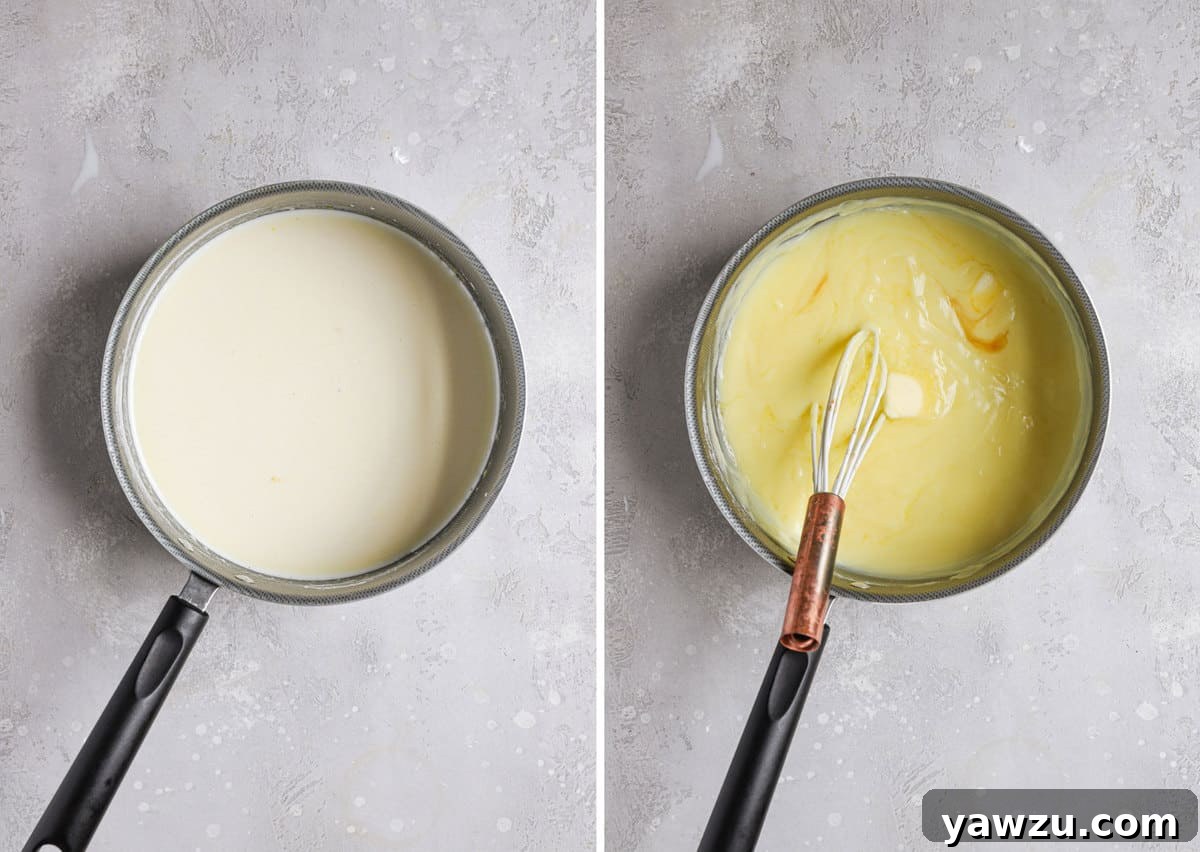
- 5. Heat to Thicken: Place the saucepan over medium heat. This is a critical stage where constant attention is required. Whisk continuously and vigorously, scraping the bottom and sides of the pan to prevent scorching. The pastry cream will gradually begin to noticeably thicken, transforming from a thin liquid to a more substantial custard-like consistency. This usually takes about 4 to 8 minutes, depending on your stovetop.
- 6. Look for Boiling Bubbles: As the cream thickens, continue whisking. You’ll know it’s reaching the correct stage when large bubbles begin to break and “pop” on the surface, indicating it has come to a boil. Once these distinct bubbles appear, continue to whisk constantly for a full minute. This boiling step is crucial for activating the cornstarch and breaking down an enzyme in the egg yolks that can prevent proper setting.
- 7. Remove from Heat and Flavor: Immediately remove the saucepan from the heat. Whisk in the unsalted butter and vanilla extract until the butter is completely melted and the pastry cream is entirely smooth and glossy. The residual heat from the cream will melt the butter and disperse the vanilla.
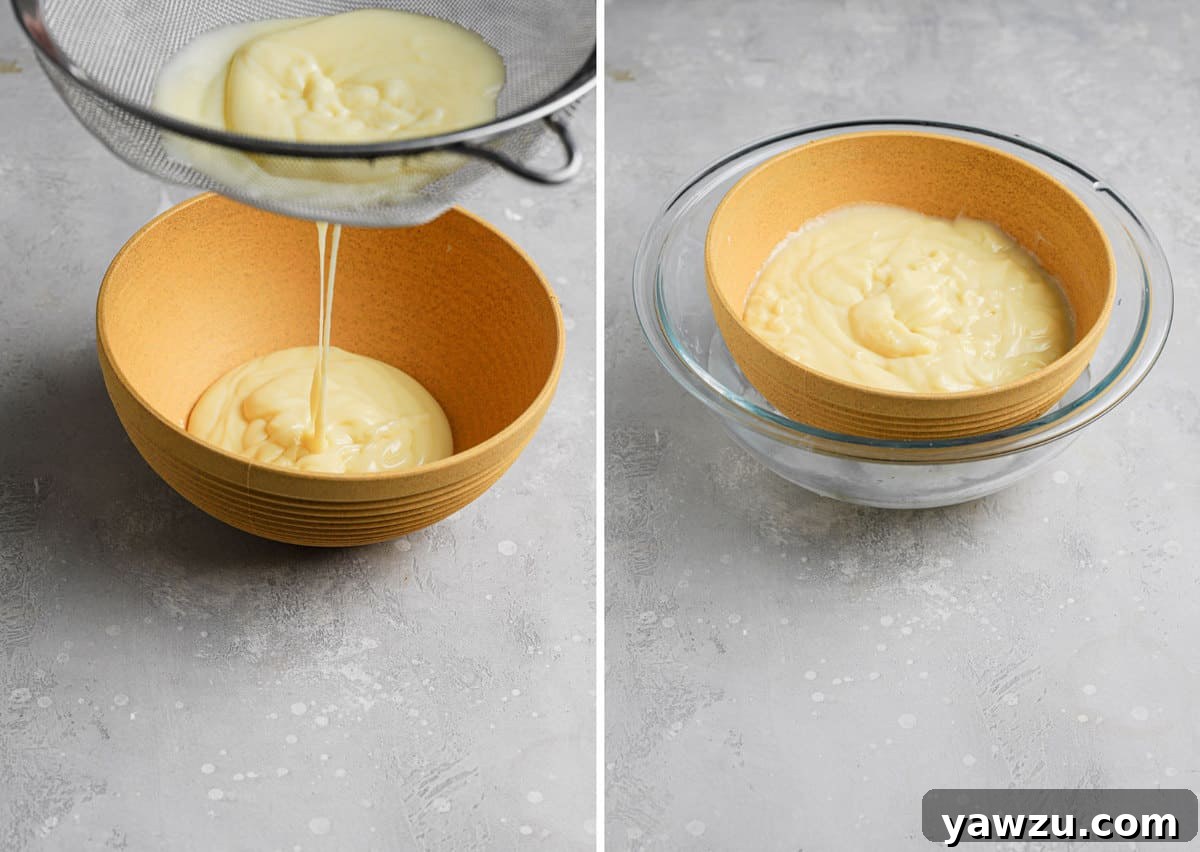
- 8. Strain for Smoothness: Carefully pour the hot pastry cream through the fine-mesh sieve into the medium bowl you prepared earlier. This step is vital for catching any small lumps of cooked egg or starch, ensuring your crème pâtissière is perfectly smooth and velvety. Use a rubber spatula to push the cream through the sieve if necessary.
- 9. Prevent Skin Formation: Immediately after straining, press a piece of plastic wrap directly against the surface of the crème pâtissière. This contact is essential to prevent a “skin” from forming as the cream cools, which can lead to an undesirable texture.
- 10. Rapid Chill in Ice Bath: Place the bowl containing the plastic-wrapped pastry cream into the ice bath you prepared. Allow it to cool rapidly for approximately 30 minutes, stirring occasionally in the bowl (through the plastic wrap) to distribute the coolness. This quick cooling helps to stop the cooking process and maintain a smooth consistency.
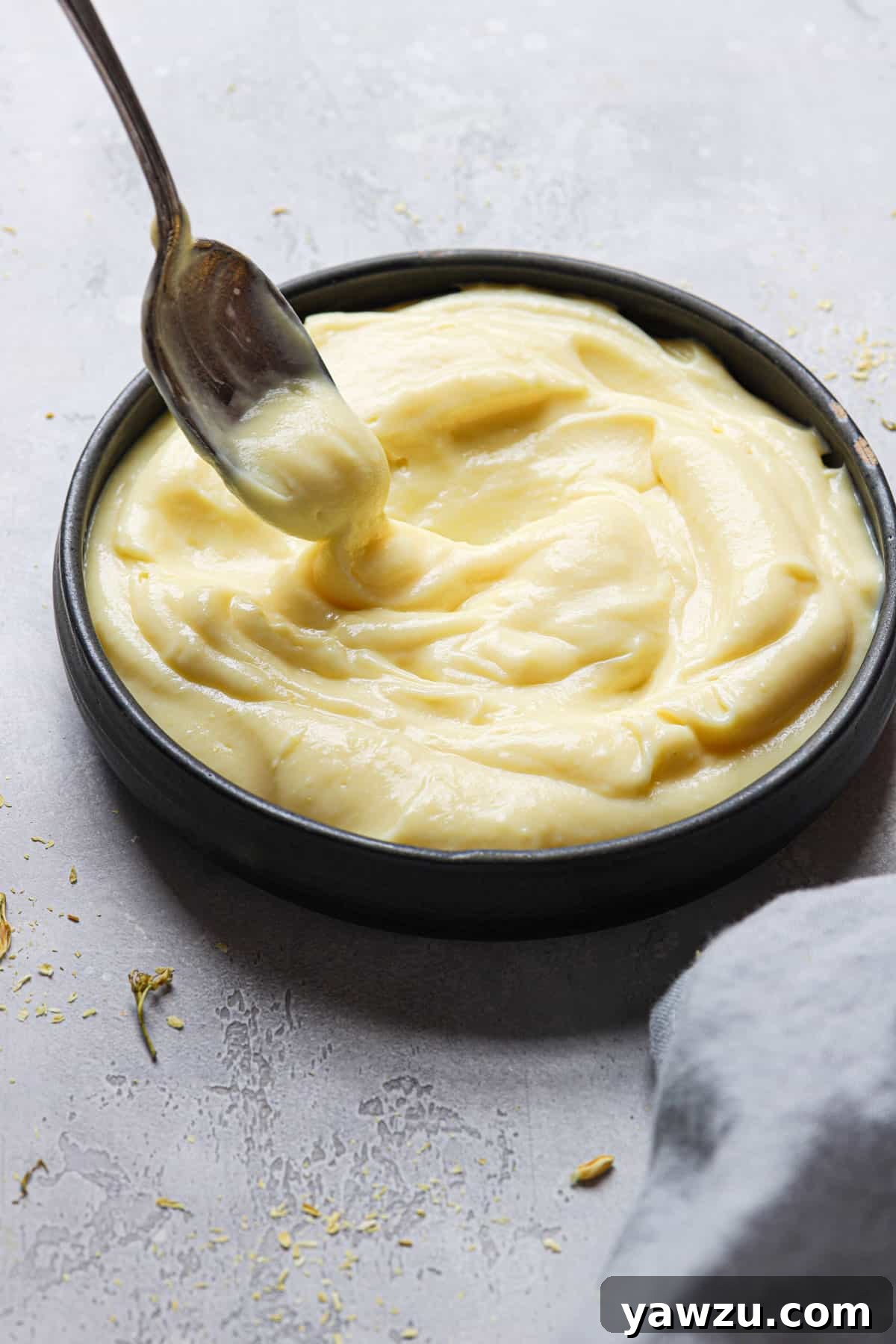
- 11. Final Refrigeration: Transfer the chilled pastry cream, still covered with plastic wrap, to the refrigerator. Allow it to chill for at least 4 hours, or ideally overnight, to fully set and achieve its optimal thick and creamy texture.
Troubleshooting and Expert Pastry Cream Tips
Like any culinary endeavor, making pastry cream becomes more intuitive with practice. Don’t be discouraged if you encounter a hiccup or two; these common issues are easily preventable or fixable. Here’s how to navigate them like a pro:
Curdling and Lumps in Pastry Cream
The most frequent concern when making crème pâtissière is the dreaded curdling of eggs, which can result in a texture reminiscent of scrambled eggs. While this worry is valid, several factors are working in your favor to prevent it. Firstly, the cornstarch acts as a protective barrier around the egg proteins, making them less prone to scrambling. Secondly, the whole milk helps to dilute and separate the egg proteins, further reducing the likelihood of clumping. Most importantly, continuous, vigilant whisking throughout the heating process is your best defense. By keeping the mixture constantly in motion, you ensure even heat distribution and prevent the eggs from settling and overcooking in one spot, which leads to lumps.
Fixing Lumps: If, despite your best efforts, you still find small lumps or bits of cooked egg in your finished pastry cream, don’t despair! This is where the fine-mesh sieve comes to the rescue. Simply pass the entire batch of warm pastry cream through the sieve a second time, pressing it with a spatula. This will effectively catch any undesirable cooked bits, leaving you with the smooth, silky texture you desire.
Why is Boiling Pastry Cream Essential?
Many home bakers are hesitant to bring their pastry cream to a full boil, fearing it will curdle. However, this step is absolutely critical for the success of your crème pâtissière! Bringing the mixture to a boil serves two primary functions: it fully activates the starch, ensuring maximum thickening, and more importantly, it breaks down the enzyme amylase present in egg yolks. If amylase isn’t denatured by heat, it can break down the starch molecules over time, leading to a runny, loose pastry cream after chilling. By ensuring a full boil, you guarantee that your crème pâtissière will set into a beautifully thick, creamy, and stable custard that holds its shape perfectly.
How to Confirm Boiling: Because you’ll be whisking constantly, it can be challenging to visually confirm if the pastry cream is truly boiling. Here’s a reliable method:
- Once the cream has visibly thickened to a custard-like consistency, briefly stop whisking for a few seconds. Observe the surface closely.
- Look for large, distinct bubbles that vigorously break and pop on the surface, similar to a slow simmer. If you don’t see them, resume whisking for another minute, then stop and check again. Repeat until you witness these unmistakable boiling bubbles.
- Once you confirm the boiling, resume whisking vigorously for precisely one minute to ensure the starch is fully cooked and the amylase enzyme is deactivated. Then, immediately remove from heat and proceed with adding the butter and vanilla.
Resolving Loose or Runny Pastry Cream
A common complaint is pastry cream that doesn’t set properly and remains too thin or runny after chilling. This issue almost always stems from undercooking the egg yolk mixture. If the cream is removed from the heat before it reaches a full boil and is cooked for the specified minute, the crucial amylase enzyme in the egg yolks will not be fully broken down. This enzyme then continues its activity during cooling and chilling, preventing the starch from maintaining its thickening power and resulting in a loose, unstable cream.
How to Fix Runny Pastry Cream: If you find your crème pâtissière is too thin after cooling, all is not lost! Simply return the entire batch to the saucepan and place it back over medium heat. Whisk constantly and bring it back to a full, rolling boil (refer to the “Why is Boiling Essential?” section above for visual cues). Cook for one minute after it starts boiling, then remove from heat, whisk in additional butter and vanilla if desired (or just butter for texture), strain again, and chill thoroughly. This re-cooking will activate the starch and denature the enzyme, allowing your pastry cream to set beautifully.
Exciting Flavoring Options for Your Crème Pâtissière
Once you’ve mastered the classic vanilla pastry cream, a world of delightful flavor variations awaits! Experimenting with different essences and additions can transform your desserts. Here are some inspiring ideas to get you started:
- Luscious Lemon: For a bright, zesty, and tart lemony finish, add the juice and finely grated zest of one small to medium lemon to your pastry cream when you whisk in the vanilla extract and butter. This creates a wonderfully refreshing filling, perfect for summer tarts.
- Decadent Chocolate: To create a rich chocolate pastry cream, add 4 ounces of finely chopped dark or semisweet chocolate to the hot crème pâtissière immediately after removing it from the heat, along with the vanilla and butter. Stir vigorously until the chocolate is completely melted and the cream is smooth and uniformly colored.
- Aromatic Extracts: Expand your flavor palette by incorporating other extracts. Try adding ¼ to ½ teaspoon of almond, peppermint, coconut, or even a touch of orange blossom water along with the vanilla. Adjust the quantity to your taste preference, starting with less and adding more if desired.
- Coffee Infusion: For a sophisticated coffee flavor, dissolve 1-2 teaspoons of instant espresso powder or strong instant coffee into the hot milk before adding it to the egg yolk mixture. Proceed with the recipe as usual.
- Nutty Notes: Stir in 2-3 tablespoons of a smooth nut butter like hazelnut or pistachio paste (not oil-separated) along with the butter and vanilla for a rich, nutty variation.
- Spiced Delight: Infuse your milk with spices like cinnamon sticks, star anise, or cardamom pods during the heating phase. Strain out the spices before combining with the egg mixture. Alternatively, add a pinch of ground spices like cinnamon or nutmeg along with the dry ingredients.
Storing and Making Pastry Cream Ahead of Time
Proper storage is key to maintaining the quality and freshness of your homemade pastry cream. Here’s how to ensure it stays delicious:
- Initial Cooling Storage: As soon as you’ve strained the pastry cream, it’s imperative to press a layer of plastic wrap directly onto its surface. This direct contact prevents the formation of an undesirable “skin” or crust on top as it cools, ensuring a uniformly smooth texture throughout.
- Longer-Term Refrigeration: Once the pastry cream is fully chilled (after the ice bath and initial refrigeration), transfer it to an airtight container. Stored properly in the refrigerator, homemade pastry cream will remain fresh and delicious for up to 5 days. Always ensure it is kept well-sealed to prevent it from absorbing odors from other foods.
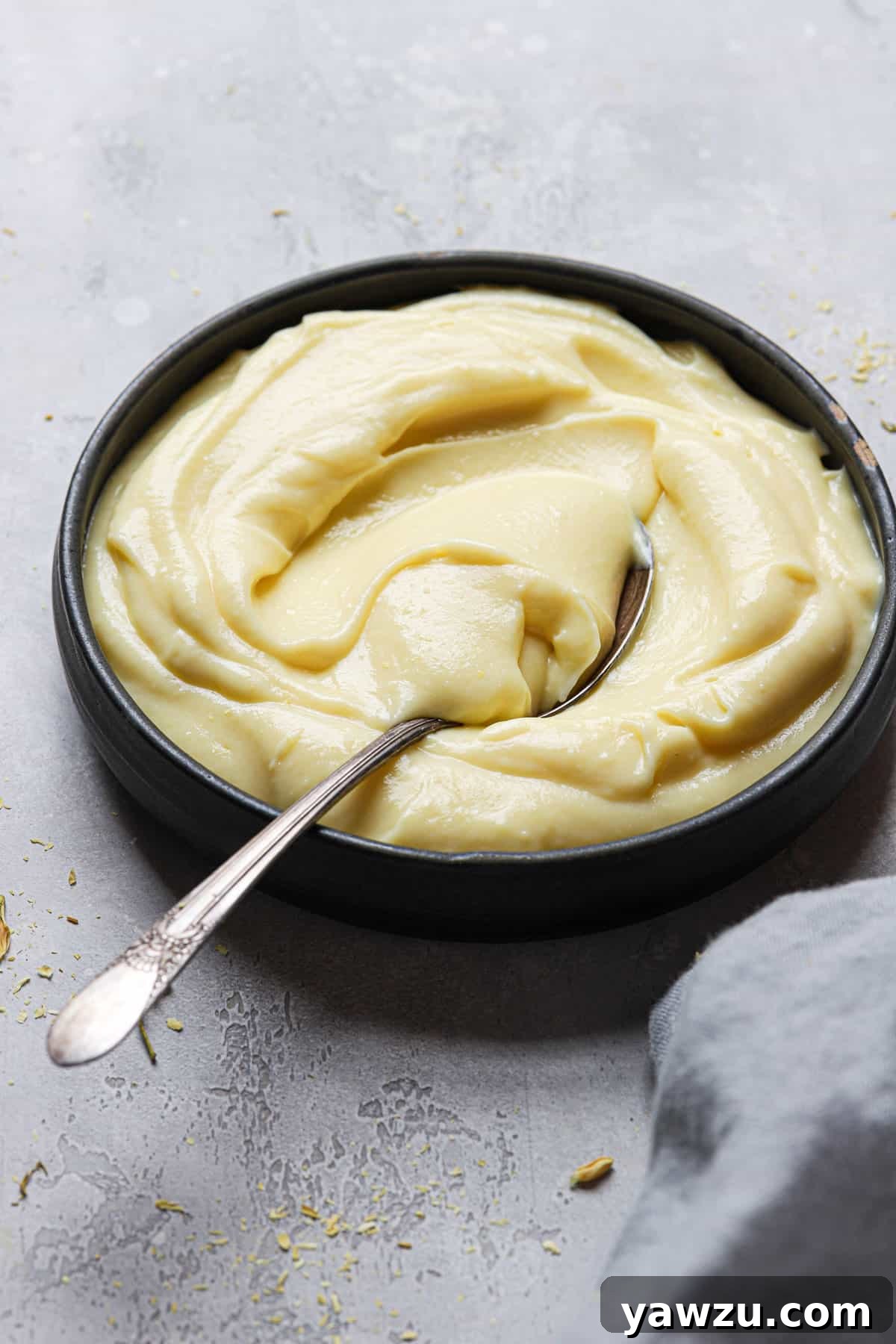
- Making Ahead and Rejuvenation: Pastry cream is an excellent component to prepare in advance, making your dessert assembly much smoother. If you make crème pâtissière a day or more ahead, you might notice it gels up and becomes quite firm in the refrigerator. This is completely normal! Before using, simply give it a vigorous whisk by hand or with an electric mixer on low speed for a minute or two. This will smooth it out, restoring its luscious, pipeable consistency.
Creative Ways to Use Your Homemade Pastry Cream
Once you’ve mastered this versatile filling, the possibilities for delectable desserts are endless. Here are some of my absolute favorite applications for your silky-smooth crème pâtissière:
- Eclairs and Cream Puffs: The quintessential use! Pipe or spoon this velvety cream into shells of delicate baked choux pastry for an authentic and utterly delicious homemade treat.
- Decadent Banana Cream Pie: Use a generous layer of vanilla pastry cream as the rich base to build a truly decadent banana cream pie, topped with fresh slices of banana and whipped cream.
- Fresh Fruit Tarts: Line a baked tart crust with a layer of smooth vanilla crème pâtissière, then artfully arrange an assortment of vibrant fresh fruits on top for an impressive and refreshing dessert. Explore this delicious Fresh Fruit Tart recipe.
- Gourmet Doughnut Filling: Elevate your favorite doughnuts by filling them with this silky-smooth cream for the ultimate cream-filled doughnut experience. Chocolate pastry cream makes an incredible twist!
- Classic Boston Cream: It’s the essential filling for a traditional Boston cream pie, layering sponge cake with pastry cream and chocolate glaze, or use it to fill delightful Boston cream cupcakes!
- Layer Cake Filling: Use it as an elegant filling between layers of your favorite sponge or genoise cake for a sophisticated dessert.
- Trifles and Parfaits: Layer pastry cream with cake pieces, fresh fruit, and whipped cream in glasses for a beautiful and easy individual dessert.
- Crepes and Waffles: Serve warm crepes or waffles folded over a dollop of cold pastry cream, perhaps with some fresh berries, for an indulgent breakfast or dessert.
Watch the Recipe Video Below:
For a visual guide to making this perfect pastry cream, check out the instructional video.
If you whip up this incredible pastry cream and absolutely love it, please take a moment to come back and leave a 5-star rating – your feedback helps other bakers discover and enjoy this recipe! ❤️️
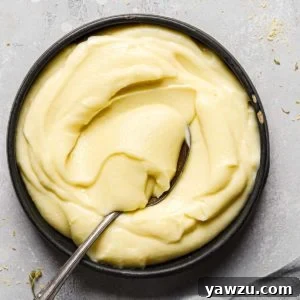
Pastry Cream
Pin
Rate
Ingredients
- ½ cup (99 g) granulated sugar
- 3 tablespoons cornstarch
- ¼ teaspoon (0.25 teaspoon) kosher salt
- 4 egg yolks
- 2 cups (480 ml) whole milk
- 2 tablespoons (28 g) unsalted butter
- 2 teaspoons vanilla extract
Instructions
-
Fill a large bowl with ice water, then set a fine-mesh sieve over a medium bowl. Set both aside.
-
In a 3 to 4-quart saucepan, whisk together the sugar, cornstarch and salt. Whisk in the egg yolks until thoroughly combined and all of the dry ingredients have been incorporated. Then, whisk in the milk to combine.
-
Place the saucepan over medium heat, whisking constantly, until the pastry cream begins to noticeably thicken, about 4 to 8 minutes. When it reaches this point, look for large bubbles to break on the surface. Once they do, whisk constantly for 1 minute, then remove from the heat.
-
Whisk in the butter and vanilla until melted and completely smooth.
-
Strain the pastry cream through the fine-mesh sieve into the medium bowl. Immediately press a piece of plastic wrap against the surface of the pastry cream to prevent a skin from forming. Place the bowl of pastry cream into the ice bath to cool for 30 minutes. Transfer to the refrigerator and chill for at least 4 hours or overnight.
Notes
Flavoring Crème Pâtissière
Once you’ve mastered the classic vanilla, you are ready to take on any flavor your heart desires! Here are some other flavors you might want to try:
- Lemon- When you add the vanilla also add the juice and zest of a small lemon to give your pastry cream a tart lemony finish.
- Chocolate- Add 4 ounces finely chopped dark or semisweet chocolate to the hot crème pâtissière when you add the vanilla and butter.
- Extracts- Try adding ¼ tsp almond or coconut extract to the custard along with the vanilla.
Storing and Making Ahead
- Storing- When you first make the pastry cream, it’s important to keep a layer of plastic wrap on top of the pastry cream to prevent a skin from forming.
- Longer storage- Once fully cooled, keep in an airtight container for up to 5 days.
- Making ahead- If you make the crème pâtissière in advance you might notice it gel up in the fridge. Simply smooth it out by whisking it up before using.
Did you make this recipe?
Leave a review below, then snap a picture and tag @thebrowneyedbaker on Instagram so I can see it!
Photography by Dee Frances