

The Ultimate Guide to Crafting Irresistible Homemade Asiago Bagels
Few culinary combinations achieve the sheer delight and universal appeal of bread and cheese. It’s a match made in gastronomic heaven, perhaps only rivaled by the addition of smoky bacon. Whether it’s the rustic charm of a French baguette paired with your favorite sharp cheddar, the comforting warmth of a perfectly grilled cheese sandwich, or, as we explore today, the savory satisfaction of freshly baked Asiago bagels, there’s an undeniable magic in this duo. The moment warm, yielding bread meets the salty, creamy texture of cheese, a symphony of flavors unfolds that truly captivates the palate and leaves you craving more.
Today, we dive into the world of homemade bagels, specifically a sensational adaptation of Peter Reinhart’s acclaimed original bagel recipe: the magnificent Asiago bagel. This isn’t just another baking project; it’s an experience that promises to elevate your breakfast and brunch game to an entirely new level. Having refined this recipe through multiple iterations – including successful ventures with egg bagels and the ever-popular cinnamon raisin bagels featured in “The Bread Baker’s Apprentice” – I can confidently say these Asiago bagels are nothing short of spectacular. My “Chief Culinary Consultant” (my husband, who always has excellent suggestions) proposed this cheesy twist a few weeks ago, and the results have exceeded all expectations.
The Irresistible Allure of Asiago Bagels
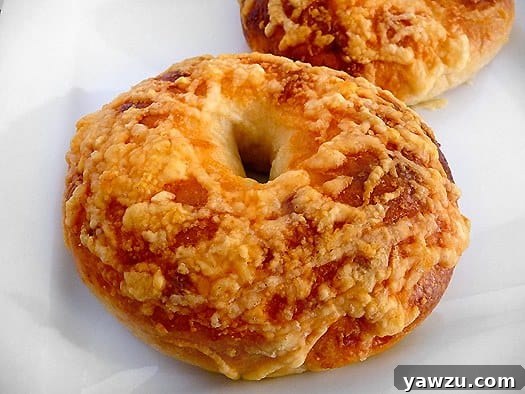
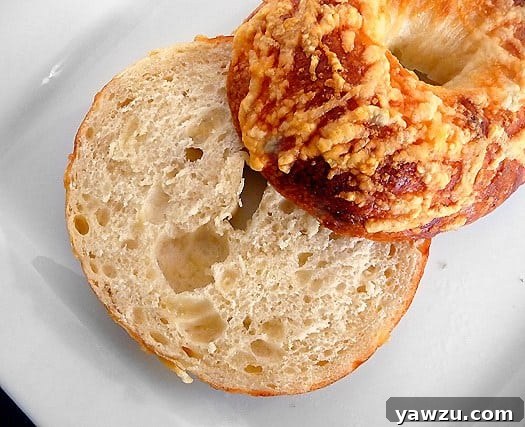
Imagine sinking your teeth into a warm, chewy bagel, its exterior boasting a crusty layer of perfectly melted Asiago cheese. But the enchantment doesn’t stop there. Inside, a soft, pillowy crumb is dotted with magnificent cheesy bubbles, each bite delivering a burst of savory goodness. This unique texture and flavor profile is what sets these homemade Asiago bagels apart from anything you’ll find at commercial bakeries like Panera or Bruegger’s. Once you experience the unparalleled freshness and cheesy intensity of these bagels, your perception of what a bagel can be will be forever transformed. You’ll likely find yourself abandoning your usual bagel spot in favor of your own kitchen, where the aroma of freshly baked, cheese-infused bread fills the air.
Why Peter Reinhart’s Method is Gold
The journey to perfect these Asiago bagels wouldn’t be complete without acknowledging the invaluable guidance of Peter Reinhart, a true master in the world of bread baking. His generosity in sharing insights via email, offering adaptations to his seminal bagel recipe, has been instrumental in my baking success. His foundational techniques, especially the sponge method, create a dough with exceptional flavor and texture. It’s this robust base that allows for creative variations, such as incorporating the rich, nutty flavor of Asiago cheese, without compromising the classic bagel characteristics of a chewy interior and a delightfully crisp crust. Every baker, from novice to experienced, benefits immensely from Reinhart’s detailed and scientific approach to bread making, which consistently yields outstanding results.
The Art and Science of Homemade Bagels
For those who haven’t yet ventured into the rewarding realm of homemade bagel making, I implore you to give it a try. There’s a profound satisfaction that comes from transforming simple ingredients into something so delicious and personal. The process, while requiring a bit of time, is incredibly meditative and deeply gratifying. From developing the yeast sponge that kickstarts the flavor, to kneading the dough until it achieves that perfect pliability, and finally, the magical transformation that occurs during the boil and bake – each step is a discovery. Once you master the basic technique, a world of flavor possibilities opens up. My mind is already brimming with ideas for future creations; blueberry bagels might just be next on the list, promising another exciting chapter in my home bakery!
The Magic of Asiago Cheese in Bagels
Asiago cheese, originating from Italy, is renowned for its versatile flavor profile. When young (Asiago Fresco), it offers a sweet, milky taste, evolving into a sharper, nuttier, and more pungent flavor as it ages (Asiago d’Allevo). For bagels, a well-aged Asiago provides that desired depth and character, complementing the robust bread flavor beautifully. Shredded and incorporated directly into the dough, it infuses every bite with its distinct tang and richness. Sprinkling additional cheese on top before baking creates a beautifully caramelized, crispy exterior that adds another layer of texture and intensified flavor. This thoughtful addition elevates a simple bagel into a gourmet experience, making it perfect for breakfast, a savory snack, or even a light lunch with your favorite toppings.
Tips for Bagel Baking Success
Mastering homemade bagels, especially variations like Asiago, involves a few key steps that ensure a perfect outcome. Pay close attention to these details, and you’ll be rewarded with incredible bagels:
- The Sponge: Do not rush this initial fermentation step. The sponge (or “poolish”) is crucial for developing deep, complex flavors and a superior dough structure. Ensure it’s visibly foamy and bubbly, indicating active yeast, before proceeding. This can take longer or shorter depending on your room temperature.
- Kneading: Proper kneading is paramount for developing the strong gluten network that gives bagels their characteristic chewiness. The dough should be firm, smooth, and elastic. If it’s too sticky, add a little flour; if too dry, a few drops of water can help. Aim for a dough that passes the windowpane test, meaning you can stretch a small piece thin enough to see light through it without tearing.
- The Float Test: This seemingly simple test is vital for knowing when your bagels are perfectly proofed and ready for their cold retard in the refrigerator. A bagel that floats within 10 seconds of being dropped into a bowl of water has developed just the right amount of gas. If it sinks, it needs more proofing time.
- Boiling: The brief boil in alkaline water (made with baking soda) is what gives bagels their unique glossy, chewy crust. This step gelatinizes the starch on the exterior of the bagel, creating a protective layer that locks in moisture and helps toppings adhere.
- High Heat Baking: Starting with a very hot oven (500°F or 260°C) ensures a quick initial rise (oven spring) and helps create that crisp, golden crust before the interior fully sets. The temperature is then often reduced to ensure even cooking through the center.
By paying meticulous attention to these details, you’ll be well on your way to baking bagels that rival those from the finest bagel shops, right in your own kitchen.

Embrace the Bagel-Making Journey
Once you taste these homemade Asiago bagels, fresh from your oven, you’ll understand why the effort is so incredibly rewarding. The warmth, the intoxicating aroma that fills your home, the perfect chew, and the explosion of cheesy flavor—it’s an experience that store-bought simply cannot replicate. Each bite is a testament to the joy of baking and the satisfaction of creating something truly exceptional. So gather your ingredients, set aside a few hours, and embark on this delightful baking adventure. You might just discover your new favorite kitchen endeavor and a skill that brings endless joy to your family and friends.
Now, I’m curious: What’s your absolute favorite bagel flavor? Share your thoughts and any creative twists you’ve tried in the comments below!
Looking Back: Favorite Recipes from Years Past
As we celebrate new recipes, it’s always fun to look back at beloved classics:
One year ago: Sour Cream Coffee Cake
Two years ago: Russian Grandmothers’ Apple-Pie Cake
Three years ago: Texas Sheet Cake

Asiago Bagels
Pin
Rate
Ingredients
Sponge:
- 1 teaspoon instant yeast, (0.11 ounce )
- 4 cups (500 g) unbleached high-gluten or bread flour, (18 ounces )
- 2½ cups (625 ml) water, at room temperature, (20 ounces )
Dough:
- ½ teaspoon (0.5 teaspoon) instant yeast, (.055 ounces )
- 3¾ cups (468.75 g) unbleached high-gluten or bread flour, (17 ounces )
- 2½ teaspoons (2.5 teaspoon) salt
- 2 teaspoons malt powder OR 1 Tablespoon (.5 ounce) dark or light malt syrup, honey or brown sugar, (.33 ounce )
- 8 ounces (226.8 g) Asiago cheese, shredded
To Finish:
- 1 Tablespoon baking soda
- Cornmeal or semolina flour for dusting
- 1 cup (100 g) shredded Asiago cheese
Instructions
-
1. To make the sponge, stir the yeast into the flour in a 4-quart mixing bowl. Add the water, whisking or stirring only until it forms a smooth, sticky batter (like pancake batter). Cover the bowl with plastic wrap and leave at room temperature for approximately 2 hours, or until the mixture becomes very foamy and bubbly. It should swell to nearly double in size and collapse when the bowl is tapped on the countertop.
-
2. To make the dough, in the same mixing bowl (or in the bowl of an electric mixer), add the additional yeast to the sponge and stir. Then add 3 cups of the flour and all of the salt and malt. Stir (or mix on low speed with the dough hook) until the ingredients form a ball, slowly working in the remaining ¾ cup flour to stiffen the dough.
-
3. Transfer the dough to the counter and knead for at least 10 minutes (or for 6 minutes by machine). Add the Asiago cheese during the last minute or so of kneading, and knead until evenly distributed. The dough should be firm, stiffer than French bread dough, but still pliable and smooth. There should be no raw flour – all the ingredients should be hydrated. The dough should pass the windowpane test and register 77 to 81 degrees F. If the dough seems dry and rips, add a few drops of water and continue kneading. If the dough seems sticky or tacky, add more flour to achiever the stiffness required. The kneaded dough should feel satiny and pliable but not be tacky.
-
4. Immediately divide the dough into 12 equal pieces. Form the pieces into rolls.
-
5. Cover the rolls with a damp towel and allow them to rest for approximately 20 minutes.
-
6. Line 2 sheet pans with baking parchment and mist lightly with spray oil. Proceed with shaping the bagels: Push a hole through the center of the roll with your thumb and stretch out the hole to 2½ inches in diameter, making sure that the resulting ring has a fairly even thickness all the way around.
-
7. Place each of the shaped pieces 2 inches apart on the pan. Mist the bagels very lightly with the spray oil and cover loosely with plastic wrap. Let the pans sit at room temperature for 20 minutes.
-
8. Check to see if the bagels are ready to be retarded in the refrigerator by using the “float test”. Fill a small bowl with cool or room temperature water. The bagels are ready to be retarded when they float within 10 seconds of being dropped into the water. Take one bagel and test it. If it floats, immediately return the tester bagel to the pan, pat it dry, cover the pan, and place it in the refrigerator overnight (it can stay in the refrigerator for up to 2 days). If the bagel does not float, return it to the pan and continue to proof the dough at room temperature, checking back every 10 to 20 minutes or so until a tester floats. The time needed to accomplish the float will vary, depending on the ambient temperature and the stiffness of the dough.
-
9. The following day (or when you are ready to bake the bagels), preheat the oven to 500 degrees F with the two racks set in the middle of the oven. Bring a large pot of water to a boil (the wider the better), and add the baking soda. Have a slotted spoon or skimmer nearby.
-
10. Remove the bagels from the refrigerator and gently drop them into the water, boiling only as many as comfortably fit (they should float within 10 seconds). After 1 minute flip them over and boil another minute. While the bagels are boiling, sprinkle the same parchment-lined sheet pans with cornmeal or semolina flour. Sprinkle the bagels with the shredded Asiago as soon as they come out of the water.
-
11. When all the bagels have been boiled and topped, place the pans on the two middle shelves in the oven. Bake for approximately 8 minutes, then rotate the pans, switching shelves and giving the pans a 180-degree rotation. (If you are only baking one pan at a time, keep it on the center shelf but still rotate 180 degrees.) After the rotation, lower the oven temperature to 450 degrees F and continue baking for about 8 minutes, or until the bagels turn golden brown.
-
12. Remove the pans from the oven and let the bagels cool on a rack for 15 minutes or longer before serving.
Did you make this recipe?
Leave a review below, then snap a picture and tag @thebrowneyedbaker on Instagram so I can see it!