


Experience Autumn Flavors with Our Savory Apple, Gruyere, and Sage Scones
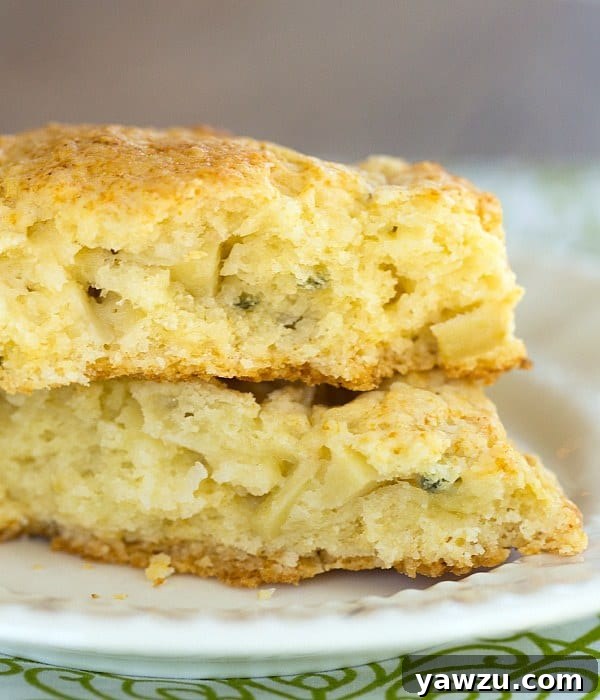
For those who truly appreciate the art of baking, there’s a distinct charm in a perfectly crafted scone. While many might reach for a doughnut, my heart has always belonged to the humble, yet exquisite, scone. Forget fried dough; give me a tender, flaky, pseudo-biscuit any day! My journey into scone-making began over a decade ago, evolving from sweet chocolate chip scones – which have become a firm family favorite – to an extensive repertoire of both sweet and savory variations. Today, I’m thrilled to share a recipe that perfectly encapsulates the cozy, comforting essence of autumn: Apple, Gruyere, and Sage Scones. This unique combination offers a delightful twist on a classic, creating a pastry that’s as versatile as it is irresistible.
These scones are more than just a baked good; they are an invitation to savor seasonal flavors and enjoy a moment of culinary bliss. With their rich, complex profile, they stand out from typical breakfast pastries, offering a sophisticated taste experience. The subtle sweetness of apple, the nutty depth of Gruyere cheese, and the earthy aroma of fresh sage come together in a symphony of flavors that will awaken your palate and leave you craving more. Prepare to elevate your baking game and impress your family and friends with these truly special savory scones.

The Culinary Spark: From Panini Inspiration to Scone Perfection
Every exceptional recipe often has an origin story, and these Apple, Gruyere, and Sage Scones are no exception. The inspiration struck a couple of years ago during a lunch with a friend. I ordered an apple, Gruyere, and bacon panini, expecting a standard sandwich. What I received, however, was surprisingly one of the most amazing sandwiches I had ever tasted. The harmonious blend of crisp apple, melty, nutty Gruyere, and savory bacon created an unforgettable flavor profile. It immediately sparked an idea: how could I translate this incredible combination into a baked good, specifically a scone?
Transforming a sandwich into a scone presented an exciting challenge. I knew the apple and Gruyere were non-negotiable, forming the core of the flavor. For the smoky, savory element of bacon, I sought a different, perhaps more seasonal, touch. Fresh sage immediately came to mind. Its earthy, slightly peppery notes are emblematic of fall and would beautifully complement the apple and cheese, without overwhelming the delicate scone structure. This simple substitution elevated the concept, infusing the scones with a distinct autumn character that is both comforting and sophisticated. The result is a scone that captures the essence of that memorable panini, reimagined for a new, equally delightful experience.

Key Ingredients for Scone Success: A Deep Dive
The magic of these Apple, Gruyere, and Sage Scones lies in the quality and balance of their core ingredients. Understanding each component not only helps in successful baking but also allows for informed substitutions or variations.
Choosing Your Apple: Texture and Sweetness Matter
When it comes to apples, the beauty of this recipe is its flexibility. You truly can use any type of apple you prefer. Whether your favorite is sweet, tart, crisp, or slightly softer, it will lend its unique character to the scones. For instance, a crisp, tart Granny Smith would offer a refreshing counterpoint to the rich cheese, while a sweeter Gala or Fuji would enhance the overall comforting profile. I often find myself reaching for Gala apples for their consistent flavor, but on one occasion, using a lone Red Delicious yielded equally fabulous results, proving that variety is indeed the spice of life in this recipe. Just ensure your apple is peeled, cored, and finely chopped to integrate seamlessly into the dough and cook evenly.
The Distinctive Charm of Gruyere Cheese
Gruyere cheese is a star player in these scones, bringing a nutty, earthy, and slightly sweet flavor that melts beautifully. Its distinct taste is paramount to achieving the desired depth. However, I understand that Gruyere can sometimes be a bit challenging to find or may come with a higher price tag. If you find yourself in this predicament, a good quality regular Swiss cheese can be a suitable substitute. While Swiss cheese shares some similar characteristics, it tends to be a bit milder in flavor. This means your scones will still be delicious, but perhaps with a less pronounced nutty complexity. Nevertheless, the combination of apple and Swiss cheese will still create a wonderful savory pastry.
Fresh Sage: The Essence of Autumn
The fresh sage is more than just an herb in this recipe; it’s the ingredient that truly anchors these scones in the flavors of fall. Its distinct aromatic, slightly peppery, and earthy notes create an incredible depth that perfectly complements the sweetness of the apple and the richness of the Gruyere. Using fresh sage is key here, as dried sage would not provide the same vibrant flavor and aroma. When minced finely, the sage releases its essential oils, infusing every bite with a warm, autumnal essence that is simply irresistible. This herb elevates the scone from a simple pastry to a sophisticated culinary experience, evoking images of crisp fall days and cozy gatherings.
Essential Tips for Baking Flawless Savory Scones
Baking scones, especially savory ones, is a rewarding experience when you follow a few key principles. These tips will help you achieve that coveted light, flaky texture and ensure your Apple, Gruyere, and Sage Scones turn out perfectly every time:
- Keep Your Butter Cold: This is arguably the most crucial tip for flaky scones. Cold butter, cut into small cubes, creates pockets of steam as it melts in the oven, resulting in those desirable airy layers. Work quickly when incorporating the butter to prevent it from warming up too much.
- Don’t Overwork the Dough: Scone dough, much like pie crust, thrives on minimal handling. Over-kneading develops the gluten in the flour, leading to tough scones. Mix just until the ingredients are combined and the dough comes together. A few gentle kneads on a lightly floured surface are all that’s needed.
- Use a Pastry Blender (or Two Knives): To effectively cut the cold butter into the flour mixture, a pastry blender is your best friend. If you don’t have one, two knives can be used in a scissor-like motion. The goal is to achieve a texture resembling coarse sand, with no butter pieces larger than a small pea.
- Heavy Cream is Key: The fat content in heavy cream contributes significantly to the richness and tender texture of the scones. Avoid using lighter milks or half-and-half, as they won’t yield the same luxurious result. The extra cream for brushing on top before baking also aids in a beautiful golden crust.
- Proper Shaping and Cutting: Patting the dough into an even 9-inch circle, about 1-inch thick, ensures uniform baking. While round cutters are classic, you can also cut the circle into wedges, like a pie, for a rustic look. Gather any scraps gently and re-pat to cut out additional scones, but try not to handle the dough excessively.
- Achieve Golden Perfection: Scones are done when they are set and have a beautiful golden-brown color. Baking for 20-25 minutes at 425°F is typically sufficient, but ovens vary, so keep an eye on them.
Following these guidelines will set you up for success, ensuring each scone is a testament to perfect texture and rich flavor.
Serving Suggestions and Storage: Enjoying Your Scones Anytime
While scones often feature prominently at breakfast or brunch, their versatility means there’s truly never a bad time for a good scone! These Apple, Gruyere, and Sage Scones are particularly adaptable. For a delightful start to your day, serve them warm with a dollop of apple butter or a light cream cheese spread. They make an excellent addition to any brunch spread, pairing wonderfully with eggs, bacon, or a fresh fruit salad. As a sophisticated afternoon snack, they are perfect alongside a cup of hot tea or coffee, offering a comforting pick-me-up.
Beyond traditional pairings, these savory scones can even complement a light dinner. Imagine them served warm as a side with a hearty soup or a simple roasted chicken. Their unique flavor profile makes them a fantastic alternative to dinner rolls. You might even find yourself enjoying one as an unconventional, yet utterly satisfying, dessert. The balance of sweet apple, savory cheese, and earthy sage makes them incredibly flexible for various culinary occasions.
To keep your freshly baked Apple, Gruyere, and Sage Scones at their best, store them in an airtight container at room temperature for up to three days. For longer storage, they freeze beautifully. Simply wrap individual scones tightly in plastic wrap and then place them in a freezer-safe bag for up to two months. When you’re ready to enjoy them, thaw at room temperature and gently warm in a toaster oven for that freshly baked taste and texture. This ensures you can always have a delicious scone on hand, ready to brighten your day.
My Baking Journey: A Look Back at Favorite Recipes
Baking is a continuous journey of discovery, and it’s always fun to look back at the delicious creations that have marked different phases of my culinary adventures. From comforting classics to innovative treats, each recipe holds a special place. Here’s a peek into some past favorites:
- One year ago: Ultimate Nachos with Beer-Braised Carnitas – A hearty, flavor-packed dish perfect for gatherings.
- Two years ago: Homemade Clif Bars (No-Bake!) – A healthy and convenient snack option that’s surprisingly easy to make.
- Three years ago: Pumpkin Bread – The quintessential fall treat, moist and spiced to perfection.
- Four years ago: Pancake Cupcakes with Maple-Bacon Frosting – A fun, whimsical twist on breakfast that doubles as a delightful dessert.
- Five years ago: Chewy, Fudgy Triple-Chocolate Brownies – A classic indulgence for serious chocolate lovers.
These past recipes highlight the diverse range of flavors and styles I enjoy exploring in the kitchen, always striving for delicious and approachable results. Each one tells a story, much like these Apple, Gruyere, and Sage Scones, and reminds me of the joy that comes from sharing homemade goodness.

Apple, Gruyere and Sage Scones
12 scones
15 mins
20 mins
35 mins
Pin
Rate
Ingredients
- 2½ cups (301 g) all-purpose flour
- ½ cup (99 g) granulated sugar
- 1 tablespoon baking powder
- ½ teaspoon (0.5 teaspoon) salt
- ½ cup (113 g) unsalted butter, chilled and cut into small cubes
- 1 apple, any variety, peeled, cored and finely chopped
- ½ cup (57 g) finely diced Gruyere cheese
- 1½ teaspoons (1.5 teaspoons) minced fresh sage
- 1 cup (227 ml) heavy cream, plus more for brushing
Instructions
- Preheat oven to 425 degrees F. Line a baking sheet with parchment paper; set aside.
- In a large bowl, whisk together the flour, sugar, baking powder and salt.
- Add the cubed butter and, using a pastry blender or two knives, cut the butter into the flour mixture until it is the texture of coarse sand and there are no pieces of butter larger than the size of a pea remaining. Stir the chopped apple, Gruyere and sage into the mixture, making sure that everything is evenly coated in flour.
- Pour the heavy cream into the flour mixture and, using a wooden spoon, gently stir until all of the cream has been absorbed. Turn the dough out onto a lightly floured surface and gently knead a few times to bring the dough together.
- Pat the dough into a 9-inch circle (it should be 1-inch thick). Using a 2½-inch round cutter, cut out circles and place on the prepared baking sheet, gathering scraps and repeating until no dough remains.
- Bake until the scones are set and golden brown, about 20 to 25 minutes. Cool on the baking sheet for 15 minutes, then transfer to a wire rack to cool. Serve warm or at room temperature. Store the scones in an airtight container at room temperature for up to 3 days.
Notes
Did you make this recipe?
Leave a review below, then snap a picture and tag @thebrowneyedbaker on Instagram so I can see it!
Michelle Lettrich
Side Dish
American