
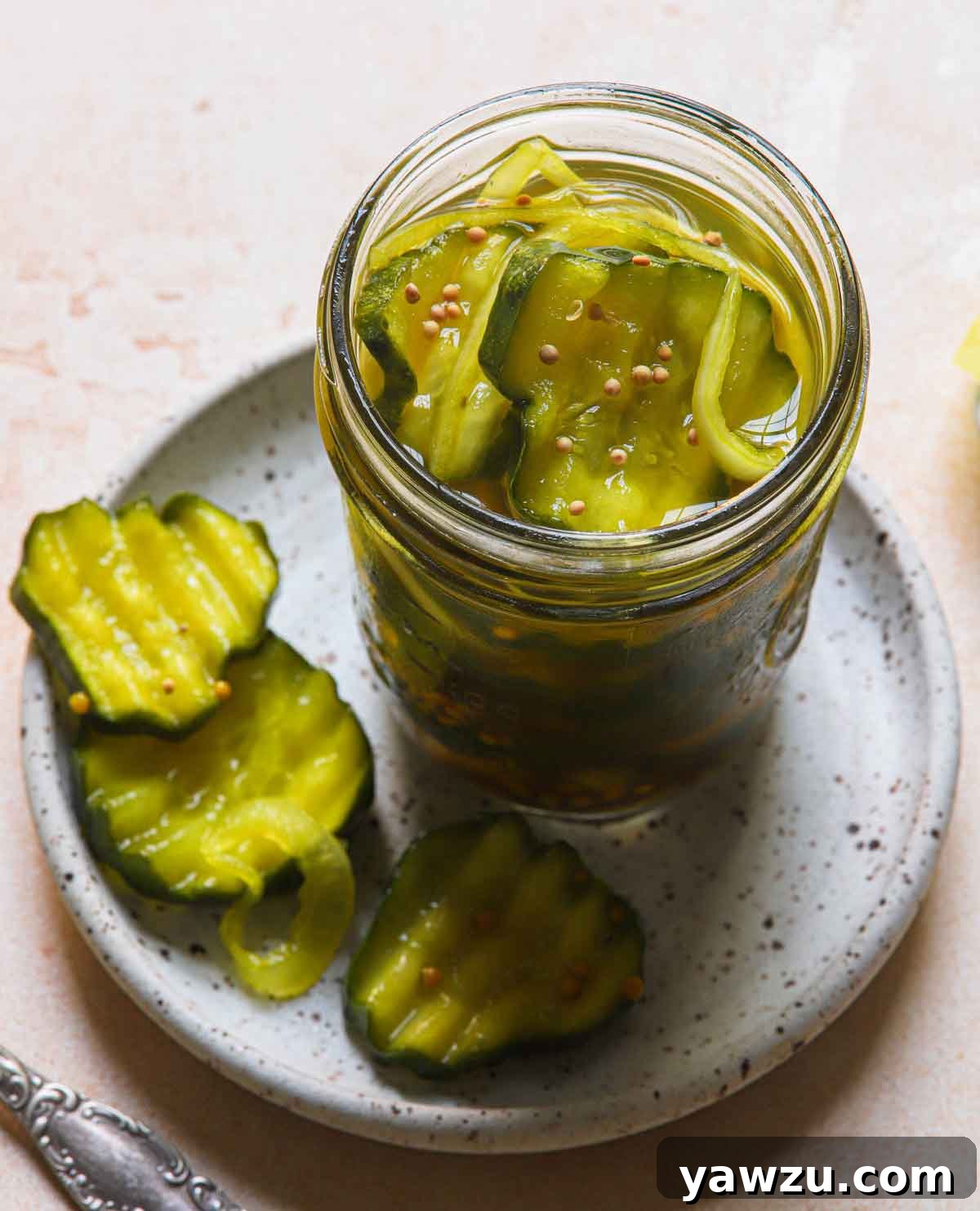
Delightfully crisp, sweet, and tangy, these refrigerator bread and butter pickles come together quickly and easily. Forget the fuss of traditional canning pots, hot water baths, or specialized tools – this foolproof recipe brings fresh, homemade pickles to your table with minimal effort!
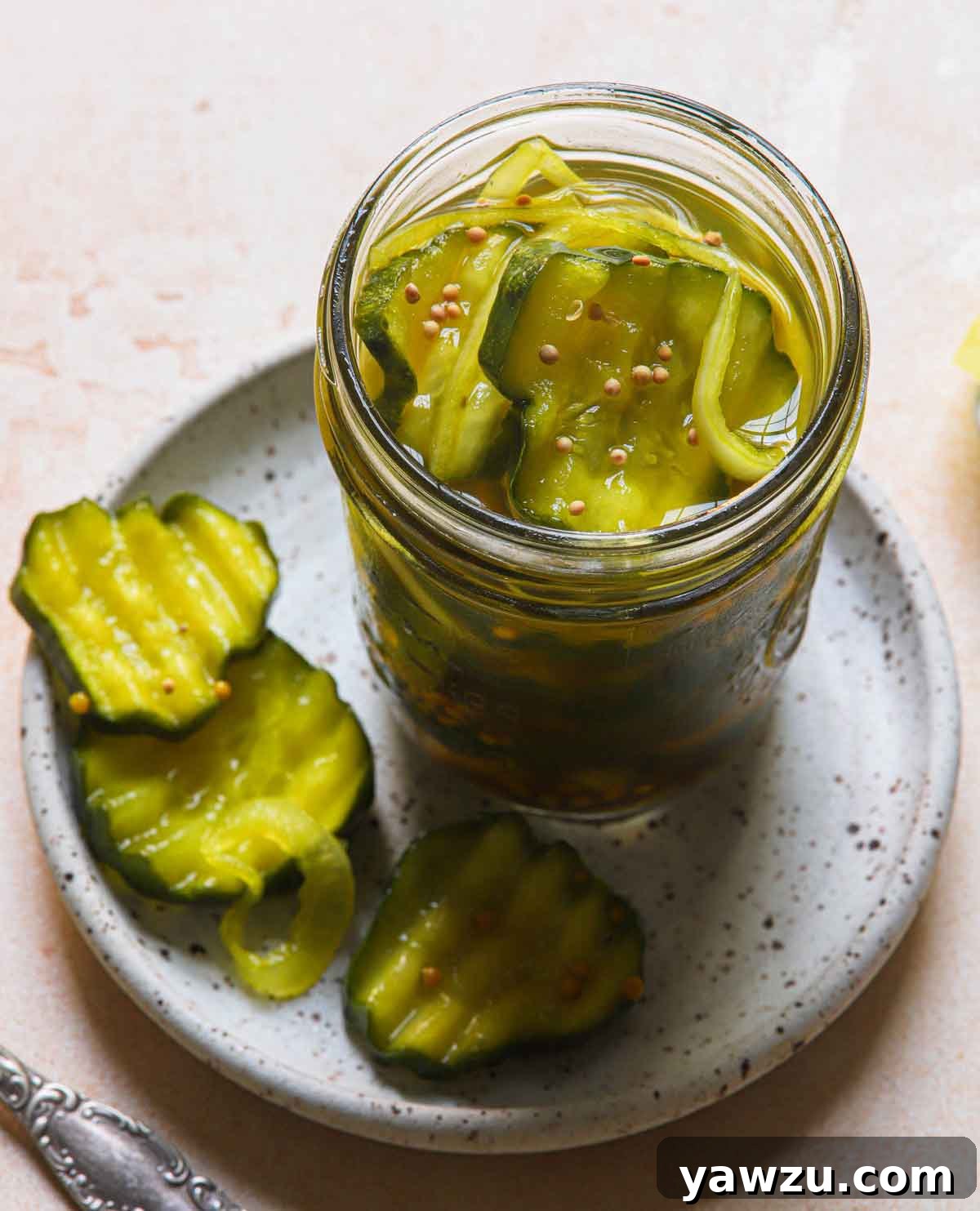
Homemade Refrigerator Bread and Butter Pickles: Your Easy Guide to Sweet & Tangy Perfection
Craving that classic sweet and tangy crunch of bread and butter pickles but intimidated by the complexities of traditional canning? You’re in luck! Our guide to homemade refrigerator bread and butter pickles offers a refreshingly simple and utterly foolproof method to create these beloved condiments right in your own kitchen. There’s no need for elaborate equipment or stressful sterilization processes – just fresh ingredients and a few easy steps stand between you and a jar of unbelievably delicious pickles.
Why Choose Refrigerator Pickles? The Ultimate Convenience
Years ago, I aspired to master the art of canning fresh produce during the summer, but life, as it often does, got in the way. Before I knew it, summer had passed, and my canning jars remained untouched. Determined not to let the season slip by without preserving something, I decided to try refrigerator pickles. It was a revelation! I quickly discovered how incredibly simple and satisfying homemade pickles could be, and I haven’t looked back since.
These bread and butter pickles aren’t just a recipe; they’re a revelation in simplicity and flavor. Here’s why they’ll become a year-round staple in your kitchen:
- Effortlessly Simple: Minimal steps and straightforward techniques make this recipe accessible to even novice cooks.
- Lightning Fast Prep: From slicing cucumbers to mixing the brine, you’ll be done in a flash, with most of the time dedicated to passive chilling.
- Absolutely Foolproof: No pressure canners, water baths, or any fancy canning equipment is needed. If you can chop and stir, you can make these pickles!
- Perfectly Balanced Flavor: A delightful harmony of sweet and zesty notes, characteristic of classic bread and butter pickles, with an irresistible crunch.
- Irresistibly Addictive: Be warned – once you start, it’s hard to stop. These pickles are known to disappear quickly!
- Year-Round Freshness: Enjoy the taste of summer any time of year, with a constant supply of vibrant, homemade pickles in your fridge.
The Art of Bread and Butter Pickles: A Flavor Profile
Bread and butter pickles get their distinctive name from their history as a common accompaniment to bread and butter sandwiches, especially during hard economic times when they provided an affordable, flavorful snack. Their hallmark is a delicate balance of sweetness, tanginess, and a hint of spice, making them uniquely versatile. Unlike sour dill pickles, bread and butter varieties feature a sugary brine that offers a delightful contrast to the acidity of vinegar, creating a flavor profile that appeals to a wide range of palates. This recipe captures that essence perfectly, offering a bright, crisp texture and a complex flavor that elevates any meal.
Essential Ingredients for Your Perfect Pickle Batch
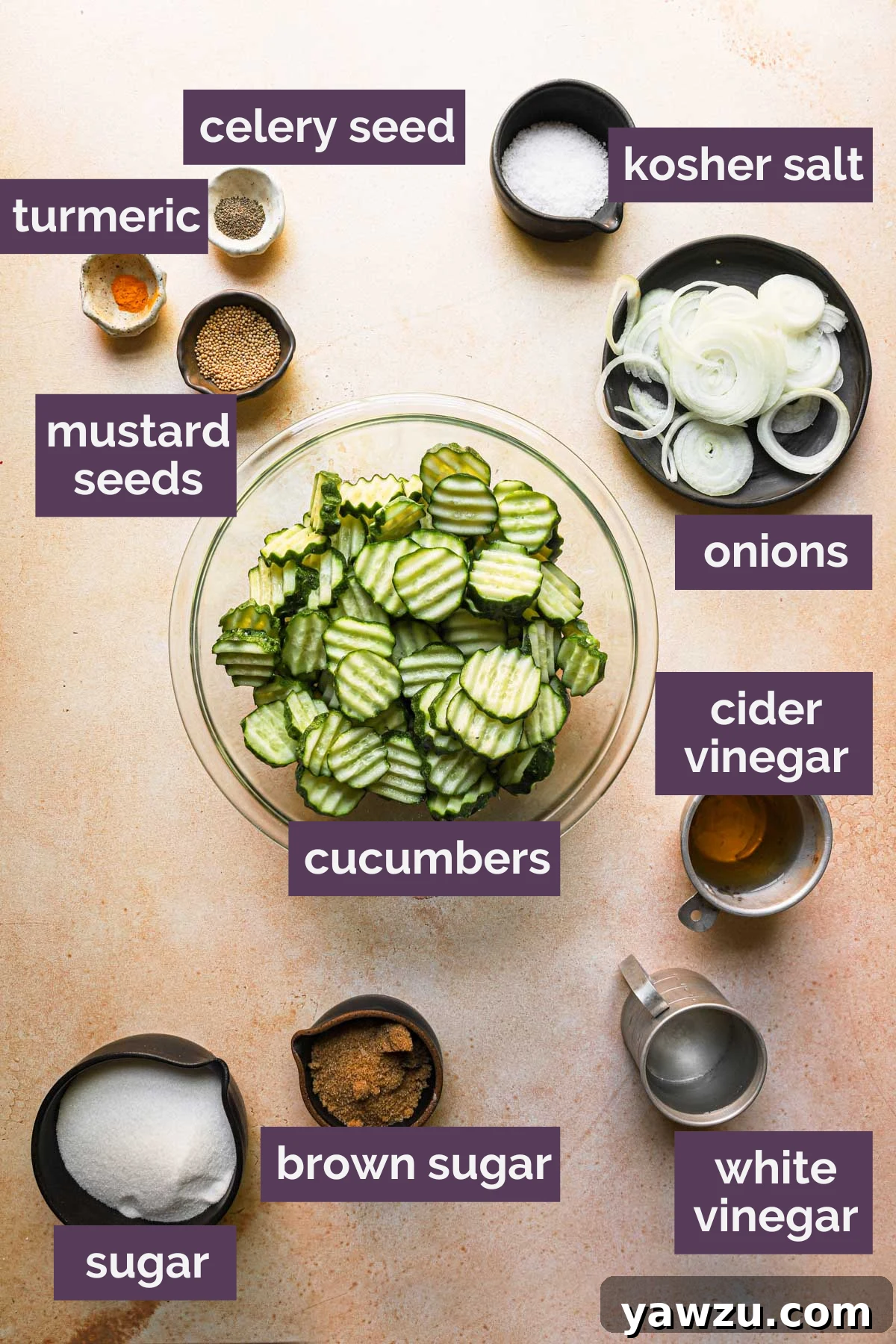
Creating these delightful refrigerator pickles relies on two primary components: the star ingredient – cucumbers – and the flavorful brine that transforms them. Each element plays a crucial role in achieving that signature sweet and tangy taste.
- The Cucumbers:
- For the best results, I highly recommend using pickling cucumbers. These smaller, firmer cucumbers have thinner skins and fewer seeds, making them ideal for absorbing the brine and retaining a superior crispness. Varieties like Kirby or Persian cucumbers are excellent choices.
- In a pinch, small regular slicing cucumbers can be used, but aim for those that are firm and relatively seedless. Avoid larger, watery varieties, as they can result in softer, less flavorful pickles. Ensure they are fresh for maximum crunch.
- Slice your cucumbers evenly, about ¼-inch thick, to ensure uniform brining and texture. A crinkle cutter not only adds a classic aesthetic but can also create more surface area for flavor absorption.
- The Brine: This is where the magic happens, infusing your cucumbers with that iconic sweet and tangy bread and butter pickle flavor!
- Vinegars: A blend of white vinegar and apple cider vinegar provides a balanced acidity. White vinegar offers a sharp, clean tang, while apple cider vinegar adds a subtle fruity depth and complexity.
- Sugars: We use both granulated sugar and light brown sugar. Granulated sugar provides direct sweetness, while brown sugar adds a richer, molasses-like undertone that complements the spices beautifully. Feel free to adjust the sugar quantities to suit your preference for a sweeter or more tart pickle.
- Spices: The foundation of our pickle’s distinctive flavor comes from a trio of essential spices:
- Mustard seeds: These provide a characteristic pungent and slightly spicy warmth.
- Celery seeds: Offering a subtle, earthy, and aromatic note that is classic in bread and butter pickles.
- Ground turmeric: Not only does turmeric contribute a mild, earthy flavor, but it’s also responsible for the beautiful golden-yellow hue of these pickles.
- Optional Kick: For those who appreciate a bit of heat, a pinch of red pepper flakes can be added to the brine for an extra layer of flavor without overpowering the sweetness.
- Onion: Thinly sliced sweet onion adds another layer of mild, aromatic flavor and a delicate crunch that pairs wonderfully with the cucumbers.
- Salt: Kosher salt is used initially to draw out excess moisture from the cucumbers, ensuring a crispier pickle. It’s crucial to rinse thoroughly after this step.
Step-by-Step Guide to Perfect Refrigerator Pickles
Making these bread and butter pickles is incredibly straightforward. Follow these simple steps for a batch of homemade goodness:
- Step 1: Prepare the Cucumbers & Salt Cure
- Begin by slicing your pickling cucumbers into ¼-inch thick rounds. For a traditional look and added texture, consider using a crinkle cutter.
- Place the sliced cucumbers in a large, shallow bowl. Sprinkle them generously with kosher salt and toss to ensure they are evenly coated.
- Cover the bowl and refrigerate for about 90 minutes. This crucial step draws out excess moisture from the cucumbers, which helps them maintain their crisp texture once pickled.
- Step 2: Rinse and Combine with Onion
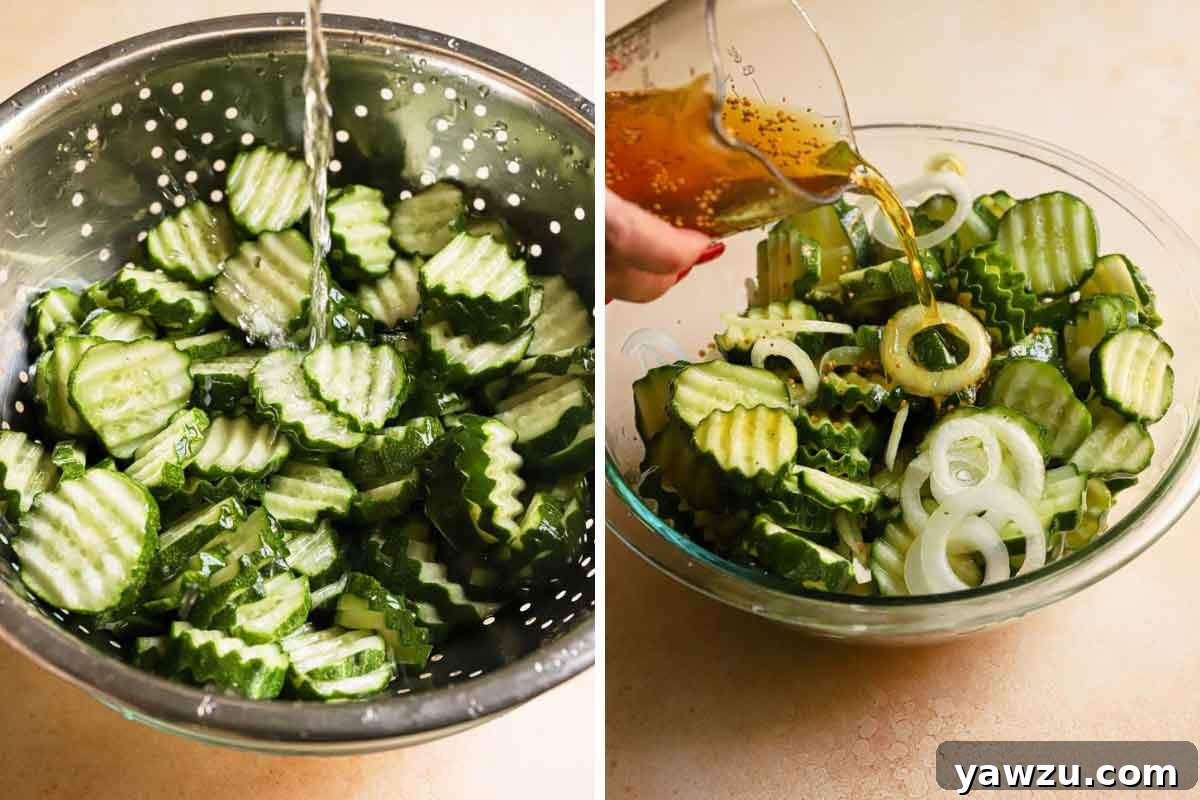
- After the salting period, transfer the cucumbers to a colander and rinse them thoroughly under cold running water. This washes away the excess salt.
- Drain the cucumbers very well, gently pressing out any remaining water. Return them to the bowl.
- Add the thinly sliced sweet onion to the bowl with the cucumbers and toss to combine.
- Step 3: Craft the Flavorful Brine
- In a medium saucepan, combine the granulated sugar, white vinegar, apple cider vinegar, light brown sugar, mustard seeds, celery seeds, and ground turmeric.
- Place the saucepan over medium heat and bring the mixture to a gentle simmer. Stir continuously until all the sugars have completely dissolved into the vinegary liquid. This ensures a smooth, evenly flavored brine.
- Step 4: Combine and Rest
- Carefully pour the hot brine directly over the cucumber and onion mixture in the bowl.
- Allow the mixture to sit at room temperature for approximately one hour. This allows the cucumbers to begin absorbing the brine’s flavors as it cools.
- Step 5: Transfer and Refrigerate
- Once cooled, transfer the entire pickle and onion mixture, including all the delicious liquid, into clean, airtight containers or jars.
- Refrigerate for at least 24 hours before serving. This chilling time is essential for the flavors to fully meld and deepen, transforming them into perfectly tangy, sweet, and crisp bread and butter pickles.
Simple Tools for Homemade Pickle Success
One of the many advantages of making refrigerator pickles is that you don’t need any specialized canning equipment. However, a couple of items can make the process even more enjoyable and yield beautifully authentic results:
- For Slicing: While a sharp kitchen knife or a mandoline works perfectly for creating uniform ¼-inch slices, a crinkle cutter is my personal favorite. It not only adds that classic wavy edge to your bread and butter pickles but also creates more surface area for the brine to cling to, enhancing flavor absorption.
- For Storage: Any clean, airtight container will work for storing your pickles. I adore this large 67.5-ounce jar for storing a big batch, but you can also divide the pickles into several traditional pint jars. Glass jars are excellent as they don’t absorb odors or flavors and allow you to admire your vibrant creations.
Serving Suggestions: Elevate Your Meals with Pickles
These bread and butter pickles are incredibly versatile, offering a delightful sweet, tangy, and zesty burst of flavor that can transform many dishes. Their crisp texture and vibrant taste make them a welcome addition to a wide array of meals and snacks:
- Classic Sandwich Enhancer: The ultimate topping for any sandwich! Pile them high on juicy cast iron skillet cheeseburgers, pulled pork sandwiches (like this easy pulled pork recipe), or simple deli meat and cheese creations.
- BBQ Companion: Their bright acidity cuts through the richness of barbecue, making them a perfect side for grilled meats, ribs, and barbecue platters.
- Charcuterie Boards: Add a pop of color and tangy contrast to your next charcuterie or cheese board. They pair wonderfully with aged cheeses and cured meats.
- Salad Topper: Chop them up and add them to potato salad, tuna salad, or chicken salad for an extra layer of crunch and flavor.
- Snack Attack: Enjoy them straight out of the jar as a refreshing, low-calorie snack.
- Hot Dog & Sausage Relish: Dice them finely to create a homemade relish for hot dogs, brats, or any grilled sausage.
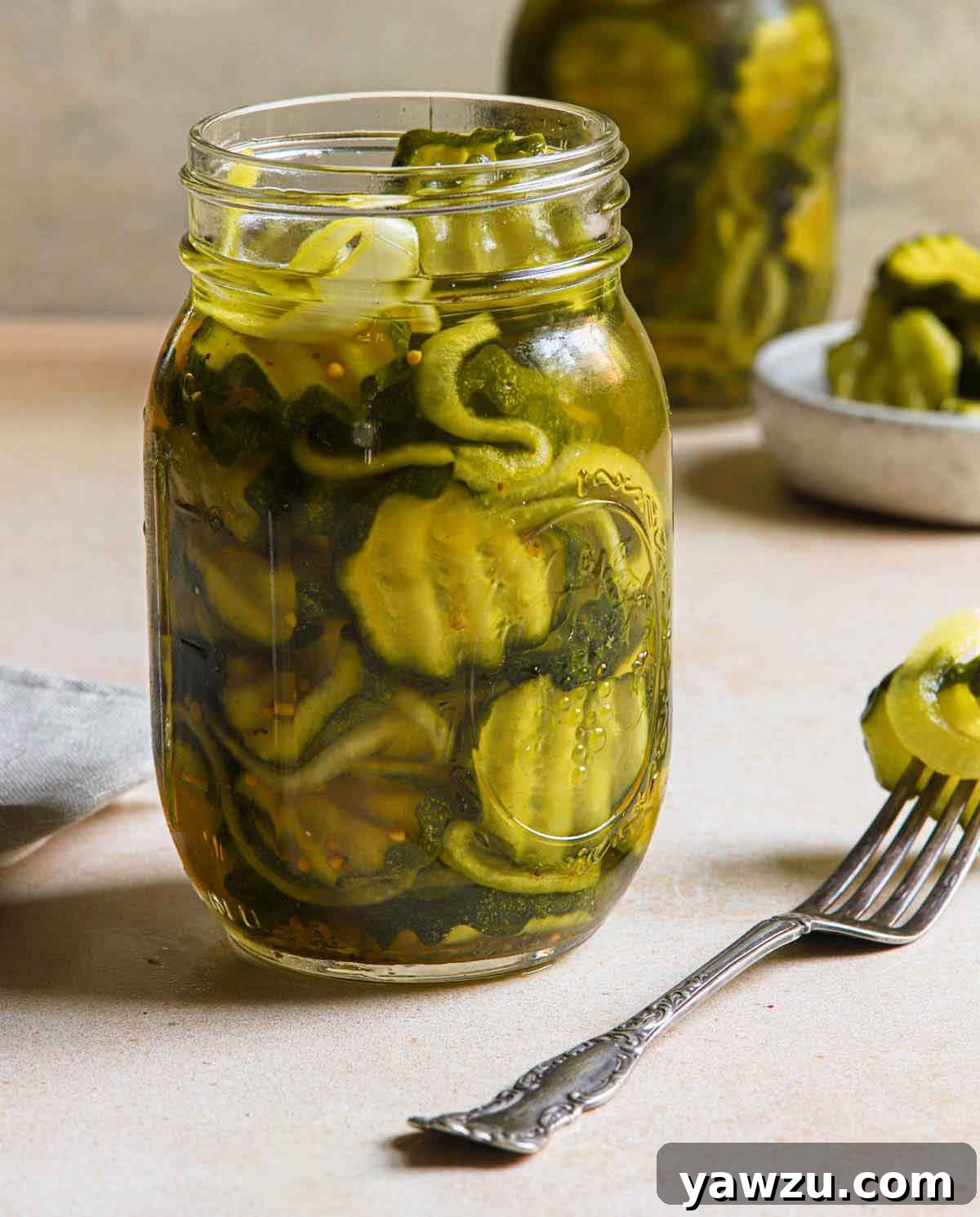
Storage and Shelf Life: Keeping Your Pickles Fresh
These refrigerator bread and butter pickles are designed for enjoyment within a shorter timeframe than traditionally canned pickles. Once prepared and transferred to an airtight container, they will keep beautifully in your refrigerator for up to 1 month. The flavors will continue to develop and deepen over the first few days, making them even more delicious. Always ensure they are submerged in the brine for optimal freshness and flavor. As this recipe is not designed for long-term canning, it is crucial not to store these pickles at room temperature for any extended period, as they are not shelf-stable.
Tips for Pickle Perfection
Achieving the best homemade bread and butter pickles is easy with a few expert tips:
- Choose Fresh, Firm Cucumbers: The crispness of your final pickles largely depends on the freshness and quality of your cucumbers. Look for firm, unblemished pickling cucumbers.
- Even Slicing is Key: Uniform ¼-inch slices ensure that all cucumbers absorb the brine evenly and have a consistent texture.
- Don’t Skip the Salt Cure: This step is vital for drawing out excess water, which prevents soggy pickles and helps maintain that satisfying crunch.
- Rinse Thoroughly: After salting, a good rinse removes excess salt, preventing your pickles from becoming overly salty.
- Dissolve Sugar Completely: Ensure the sugar in your brine is fully dissolved before pouring it over the cucumbers. This creates a smooth, well-balanced flavor.
- Allow Adequate Chilling Time: While tempting to taste immediately, the flavors truly meld and deepen after at least 24 hours in the refrigerator. Patience is rewarded!
- Adjust Sweetness to Taste: Feel free to slightly adjust the sugar content in the brine. If you prefer a less sweet pickle, reduce the granulated sugar by a couple of tablespoons. For more tang, you can slightly increase the white vinegar.
Frequently Asked Questions About Refrigerator Pickles
Can I use other vegetables for this recipe?
While this recipe is specifically formulated for cucumbers, the refrigerator pickling method can be adapted for other vegetables. Green beans, zucchini, carrots, or even bell peppers can be pickled using a similar brine, though the resting times and spice profiles might need slight adjustments for optimal flavor and texture. For zucchini, specifically, check out our Sweet and Spicy Zucchini Refrigerator Pickles recipe!
Do I need to sterilize my jars?
Since these are refrigerator pickles and not intended for long-term shelf-stable canning, full sterilization (boiling jars for 10 minutes) is not strictly necessary. However, it’s good practice to ensure your jars and lids are thoroughly clean and hot. You can run them through a dishwasher on a hot cycle or wash them well with hot, soapy water and rinse completely before use. This ensures a clean environment for your pickles and helps extend their refrigerator shelf life.
Can I reuse the brine?
It is generally not recommended to reuse the brine from refrigerator pickles. Once the cucumbers have sat in the brine, they release some of their own water and enzymes, which can alter the brine’s flavor and preservative qualities. For the best taste and safety, always prepare a fresh batch of brine for each new batch of pickles.
What if my pickles aren’t crunchy?
Several factors can affect pickle crispness. Ensure you’re using fresh, firm pickling cucumbers. The initial salt cure is crucial for drawing out water, so don’t skip or shorten this step. Also, avoid overcooking the brine – you only need to simmer it long enough for the sugar to dissolve. Lastly, ensure your pickles are fully chilled for at least 24 hours before tasting; cold pickles are crisper.
Explore More Delicious Pickle Recipes
If you’ve enjoyed the simplicity and flavor of this homemade bread and butter pickle recipe, you’re in for a treat with these other fantastic pickle creations:
- Sweet and Spicy Zucchini Refrigerator Pickles: A delightful twist for zucchini lovers.
- Quick & Easy Refrigerator Dill Pickles: For those who prefer a classic dill flavor without the hassle.
- Dill Sandwich Pickles: Perfectly sized and flavored to complete any sandwich.
- And for an unexpected savory delight, you will absolutely LOVE this dill pickle dip!
Watch Our Video: How to Make Refrigerator Bread and Butter Pickles
Watch this quick video to see just how easy it is to make your own batch of crisp and flavorful refrigerator bread and butter pickles!
If you make these pickles and love them, I would so appreciate it if you would take a moment to leave a rating below. Thank you! ❤️️
Refrigerator Bread and Butter Pickles
Yield: 4 cups of pickles
Prep Time: 15 mins
Cook Time: 5 mins
Resting: 2 hrs 40 mins
Total Time: 3 hrs
A wonderful, simple recipe for homemade refrigerator Bread and Butter Pickles. No canning equipment required! Just prepare and pop in the fridge!
Ingredients
- 5½ cups (680 g) pickling cucumbers, sliced ¼-inch thick (about 1½ pounds)
- 1½ tablespoons kosher salt
- 1 cup thinly sliced sweet onion
- 1 cup (198 g) granulated sugar
- 1 cup (240 ml) white vinegar
- ½ cup (120 ml) apple cider vinegar
- ¼ cup (53 g) light brown sugar
- 1½ teaspoons mustard seeds
- ½ teaspoon celery seeds
- ⅛ teaspoon ground turmeric
Instructions
- Combine cucumbers and salt in a large, shallow bowl; cover and chill 1½ hours. Move cucumbers into a colander and rinse thoroughly under cold water. Drain well, and return cucumbers to bowl. Add onion to the bowl and toss with the cucumbers.
- Combine the granulated sugar, white vinegar, apple cider vinegar, brown sugar, mustard seeds, celery seeds and ground turmeric in a medium saucepan; bring to a simmer over medium heat, stirring until the sugar dissolves.
- Pour the hot vinegar mixture over cucumber mixture; let stand at room temperature 1 hour. Cover and refrigerate 24 hours. Store in an airtight container in refrigerator up to 1 month.
Notes
- Cucumbers: Pickling cucumbers work best, but you can substitute small regular cucumbers if needed.
- Sugar: You can adjust the sugar quantities based on your preferences.
- Jars: You can store this entire recipe in one of these large Bormioli jars (I’ve loved these forever!) or you divide it up using regular pint-size jars.
- Storage: These pickles will keep in your refrigerator for up to 1 month.
- Long-Term Storage: This pickle recipe is not meant for long-term storage, so you should not can it or store it at room temperature for any length of time.
Nutritional values are based on one cup in juice.
Nutrition Information
Serving: 1 cup, Calories: 307kcal, Carbohydrates: 73g, Protein: 2g, Fat: 1g, Saturated Fat: 0.1g, Polyunsaturated Fat: 0.2g, Monounsaturated Fat: 0.3g, Sodium: 2628mg, Potassium: 325mg, Fiber: 2g, Sugar: 68g, Vitamin A: 151IU, Vitamin C: 7mg, Calcium: 59mg, Iron: 1mg
Did you make this recipe?
Leave a review below, then snap a picture and tag @thebrowneyedbaker on Instagram so I can see it!
Author: Michelle Lettrich
Course: Appetizer
Cuisine: American
This recipe was originally published on August 25, 2011, and has been updated to provide even more helpful information and tips for your pickling success.