
Mastering Authentic Neapolitan Pizza: Your Guide to a Crispy, Flavorful Crust at Home
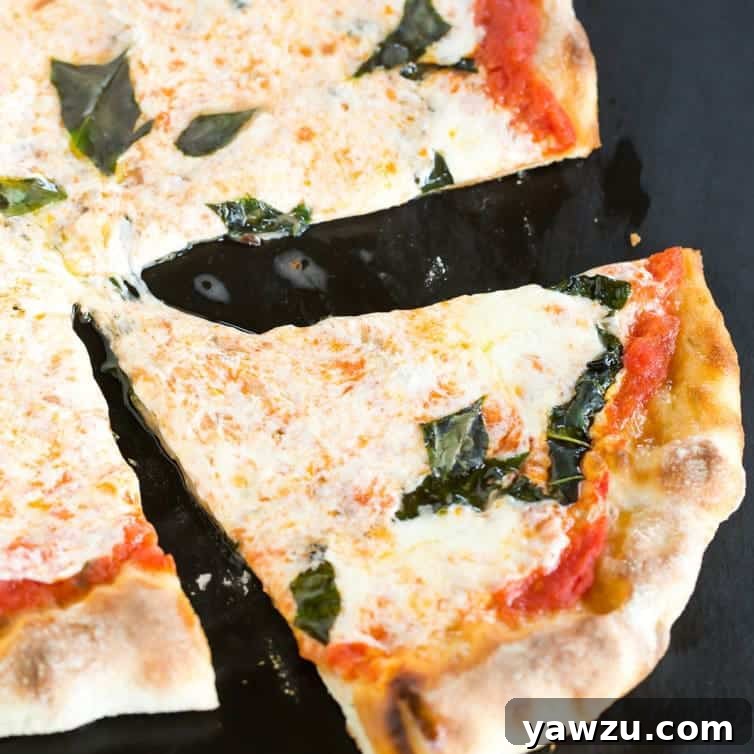
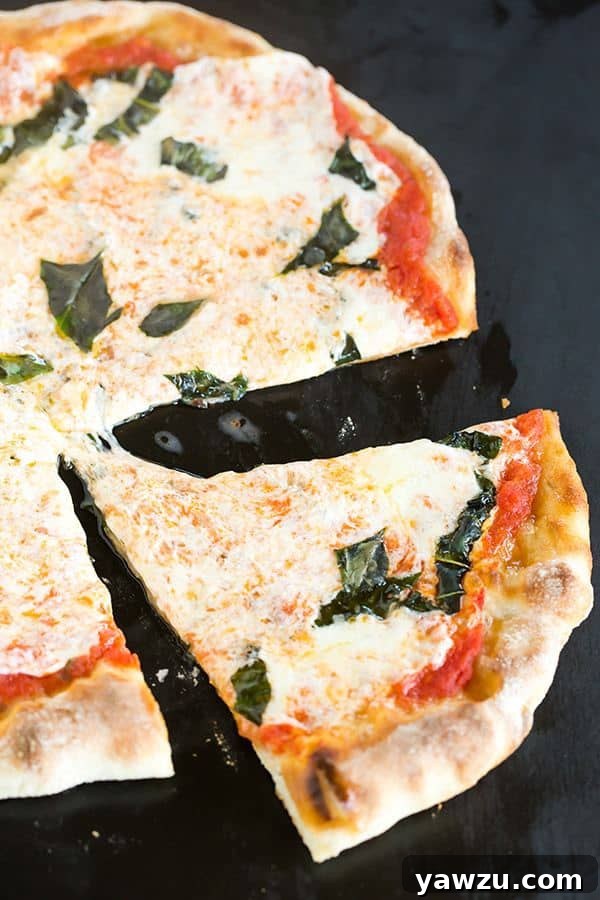
Prepare to elevate your homemade pizza game forever. This Neapolitan pizza crust recipe is a true revelation, delivering a thin, wonderfully crispy base with an incredible depth of flavor that will transport your taste buds straight to Naples. Forget soggy middles or bland dough; once you try this method, your perception of homemade pizza will be changed for good.
My journey to perfecting this Neapolitan-style pizza began months ago, sparked by a captivating article my husband shared. It detailed a New York City chef who reportedly lost a significant amount of weight while “eating pizza every day.” Of course, as with most sensational headlines, there was a nuanced truth to the story. The chef maintained a super clean diet for breakfast, dinner, and snacks, but for lunch, he indulged in a single Neapolitan pizza. He explained that its inherently light crust, simple tomato sauce, and minimal cheese made it a satisfying yet surprisingly healthy splurge.
Intrigued but somewhat frustrated that the lengthy article lacked an actual recipe, I embarked on a deep dive into the world of Neapolitan pizza dough. What started as a casual curiosity quickly turned into an obsessive quest, leading me down a captivating rabbit hole of Italian culinary traditions, fermentation science, and specialized ingredients. After weeks of research, experimentation, and taste tests, I finally emerged with this perfected recipe, which has undoubtedly become our family’s absolute favorite pizza dough. It’s more than just a recipe; it’s a culinary journey that brings the authentic taste of Italy right into your kitchen.
The Secrets to an Exceptional Neapolitan Pizza Dough
My extensive research into Neapolitan pizza revealed a strong consensus on two fundamental elements that are absolutely crucial for achieving that perfect, authentic dough:
1. The Magic of Italian “00” Flour
At the heart of any true Neapolitan pizza lies “00” flour. This isn’t just any flour; it’s a finely milled soft wheat flour, graded for its superior texture and low protein content compared to standard all-purpose or bread flour. The “00” designation refers to the fineness of the grind, making it incredibly silky to the touch. This unique characteristic is what allows the dough to stretch incredibly thin without tearing, resulting in a light, airy, and exceptionally tender crust with that characteristic slight chewiness. While you *can* substitute with bread flour or all-purpose flour in a pinch, be warned: the authentic taste and delicate texture will not be the same. Investing in genuine “00” flour, easily found on Amazon or from specialty retailers like King Arthur Flour, is truly worth it for an unparalleled Neapolitan experience.
2. The Art of Long Cold Fermentation
The second, equally vital secret is allowing the dough a lengthy rest in the refrigerator. This isn’t merely for convenience; it’s a crucial step in developing the complex flavors and ideal texture. While you can technically shape and bake the pizzas after an 8-hour refrigeration period, the dough truly transforms when given two to three full days to ferment slowly in the cold. During this extended period, enzymes in the flour break down complex carbohydrates into simpler sugars, enhancing the flavor, making the dough more digestible, and creating a beautifully extensible dough that’s a joy to work with. This cold fermentation process is what gives authentic Neapolitan pizza its distinctive taste and aroma, making it far more nuanced than traditionally prepared pizza dough.
Replicating Wood-Fired Perfection in Your Home Kitchen
Traditional Neapolitan pizza is synonymous with blistering hot wood-fired ovens, which can reach temperatures upwards of 900°F (480°C), cooking a pizza in mere seconds. Replicating this intense heat at home can be challenging, but I discovered a brilliant technique that comes remarkably close to mimicking that elusive wood-fired taste and crust texture: cooking the pizza in a cast iron skillet directly under a blazing hot broiler.
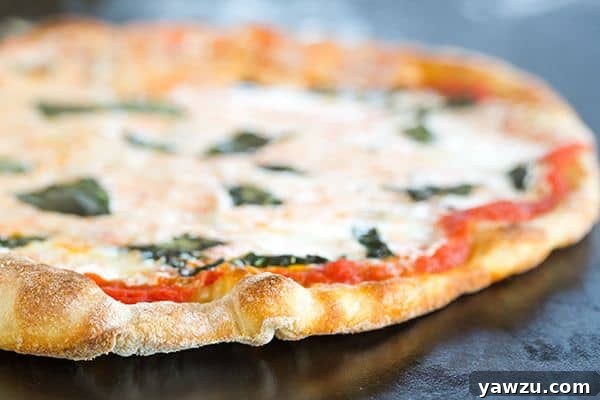
The cast iron skillet acts as a makeshift pizza stone, getting incredibly hot on the stovetop and providing intense direct heat to the bottom of the crust, ensuring it crisps up beautifully. Meanwhile, the broiler, positioned just above, blasts the top of the pizza with scorching heat, creating those characteristic leopard spots of char on the crust and rapidly melting the cheese. This dual-heat approach is key to achieving that perfect balance of a chewy, airy interior, a crisp bottom, and a slightly charred, flavorful edge.
When using this method, ensure your cast iron skillet is piping hot before adding the dough. After the initial broiling, a quick return to the stovetop for a minute or two can further crisp up the base, preventing any hint of a soggy crust – a common pitfall of homemade pizza. The thinness of Neapolitan dough means it cooks rapidly, so keep a close eye on it, as cooking times can vary slightly depending on your stove and broiler’s intensity.
A Family Favorite: Versatility and Unforgettable Flavor
The day I first made these Neapolitan pizzas was memorable. My husband and father-in-law, fresh from picking up our new crib, both declared it some of the best pizza they’d ever tasted, indistinguishable from an authentic pizza shop. That’s a resounding seal of approval in my book!
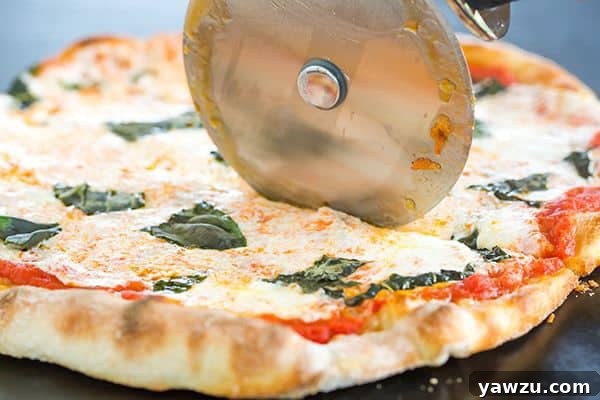
I crafted mine with a simple yet vibrant tomato pizza sauce (crushed tomatoes, olive oil, and garlic), adorned with fresh mozzarella and a generous sprinkle of fragrant fresh basil – an absolute slice of heaven. My husband and father-in-law opted for classic regular mozzarella and pepperoni, proving just how versatile this incredible crust base truly is. It’s robust enough to support various toppings while remaining light and delicate.
In fact, I frequently make extra dough and freeze individual balls for future quick meals. Upon thawing, they perform beautifully, allowing for impromptu calzones or pizzas that taste every bit as fresh as if the dough was made that day. The nuanced, complex flavor profile of this slow-fermented Neapolitan dough far surpasses any traditional pizza dough I’ve ever made. My husband and I were in immediate agreement: this Neapolitan pizza dough is the new reigning champion in our home, redefining our pizza nights entirely.
For more delicious recipes, check out some of my past favorites:
- The BEST Italian Meatballs
- Oatmeal-Dark Chocolate Chip & Coconut Cookies
- Good Eats in the Outer Banks (from six years ago!)
- Blueberry-Buttermilk Scones
- Croissants
Authentic Homemade Neapolitan Pizza
Yield: 6 (10-inch) pizzas
Prep Time: 45 mins |
Cook Time: 40 mins |
Resting Time: 1 day 12 hrs 35 mins |
Total Time: 2 days
This Neapolitan pizza crust is thin, crispy and has the most amazing flavor. My homemade pizza-making is forever changed!
Rating: 4.50 out of 5 stars (based on 26 ratings)
Ingredients
For the Pizza Dough:
- 4 cups (500 g) Italian “00” flour
- 2¼ teaspoons (2.25 teaspoons) kosher salt
- 1 teaspoon active dry yeast
- 2 teaspoons granulated sugar
- 1½ cups (375 ml) water, at room temperature
For the Sauce:
- 2 tablespoons olive oil
- 2 cloves garlic, minced
- 28 ounce (793.79 g) can crushed tomatoes
- Salt and pepper, to taste
For the Toppings:
- 16 ounces (453.59 g) fresh mozzarella, thinly sliced
- Fresh basil, torn or thinly sliced
Instructions
- Make the Pizza Dough: In the bowl of a stand mixer fitted with a dough hook, combine the flour, salt, yeast, and sugar. Mix on low speed until well combined. Add the water and knead on low speed until a rough dough forms and no dry flour remains. Let the dough rest for 10 minutes. Continue kneading on low speed for an additional 10 minutes. The finished dough should be soft, elastic, and slightly tacky. If it sticks excessively to the bowl, add more flour one tablespoon at a time until it pulls away from the sides. Cover the bowl tightly with plastic wrap and refrigerate for a minimum of 8 hours, ideally for 2 to 3 days (up to 72 hours) for maximum flavor development.
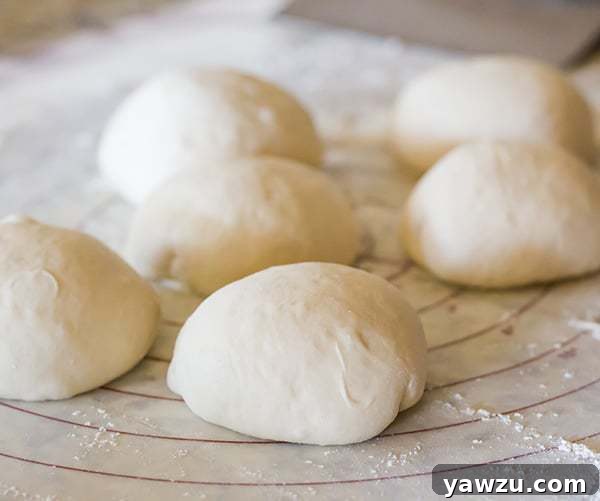
- Transfer the chilled dough to a lightly floured work surface and dust the top with additional flour. Using a bench scraper, divide the dough into six equal pieces, approximately 6 ounces each. Gently shape each piece into a smooth ball. Lightly coat six small bowls with non-stick cooking spray and place one dough ball in each. Turn to coat, then cover each bowl tightly with plastic wrap and allow the dough balls to rise at room temperature for 2 hours.
- Prepare the Sauce: In a medium saucepan, heat the olive oil and minced garlic over medium heat. Cook until the garlic just begins to sizzle and become fragrant, about 1-2 minutes, being careful not to burn it. Add the crushed tomatoes to the saucepan. Simmer, uncovered, stirring occasionally, for about 15 minutes, or until the sauce has thickened slightly. Season with salt and pepper to taste. (Quick Tip: If you’re pressed for time, you can simply mix the crushed tomatoes, olive oil, garlic, salt, and pepper in a bowl, though simmering will yield a richer, thicker sauce.)
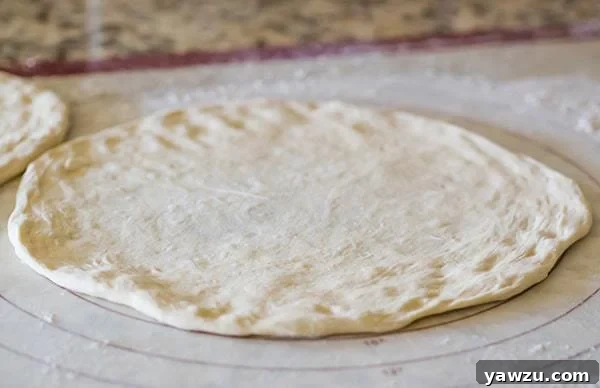
- Assemble & Bake the Pizzas: Prepare your work area: transfer one dough ball to a bowl filled with flour and turn to coat, then gently dust off any excess flour before placing it on a floured work surface. Carefully stretch or roll the dough ball into a 10-inch circular shape, ensuring the outer 1-inch edge remains slightly thicker to form the crust.
- Preheat your oven’s broiler to high. Adjust an oven rack so that a 12-inch cast iron skillet (or another heavy-bottomed, oven-safe 12-inch skillet) fits comfortably underneath the broiler element, allowing enough space for the pizza to rise.
- Dust the cast iron skillet with a light layer of flour, then tap out any excess. Heat the skillet over high heat on your stovetop for 3 minutes until it is smoking hot. Carefully transfer the 10-inch round of dough into the preheated skillet (it should entirely cover the bottom surface). Evenly spread a layer of your prepared sauce over the dough, leaving the outer 1-inch border unsauced. Top with thinly sliced fresh mozzarella and a sprinkle of fresh basil.
- Immediately transfer the hot skillet with the pizza to the oven, directly under the broiler. Broil for 1-3 minutes (watch carefully!) until the pizza crust is puffed, beautifully golden, and darkly charred in spots, and the cheese is melted and bubbly. Remove the skillet from the oven and return it to the stovetop over high heat for an additional 1-2 minutes, if needed, to ensure the bottom crust is deeply browned and crispy. (Note: Depending on your pan and broiler, the bottom may already be perfectly crisp after broiling.)
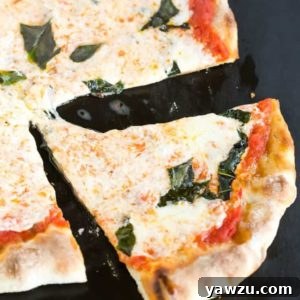
- Carefully slide the finished Neapolitan pizza onto a cutting board. Slice and serve immediately. Repeat steps 4 through 6 for the remaining dough balls and ingredients to bake the rest of your delicious pizzas.
Notes
- Flour Substitute: While Italian “00” flour is highly recommended for authentic texture and flavor, if unavailable, you can use bread flour or all-purpose flour. However, expect a slightly different, denser texture and less delicate flavor.
- No Cast Iron? No Problem: If you don’t own a cast iron skillet, a pizza stone preheated in a very hot oven (preferably under the broiler for the last few minutes) can achieve a similar crisp bottom crust.
- Freezing Dough: To save time later, you can freeze unused portions of dough after step #2. Wrap each dough ball tightly in plastic wrap, then place them in a freezer-safe ziploc bag. Thaw frozen dough overnight in the refrigerator, then let it sit at room temperature for about 30 minutes before proceeding with step #3.
- Nutritional values are approximate and based on one serving.
Nutrition Facts (per serving):
Calories: 627kcal, Carbohydrates: 77g, Protein: 28g, Fat: 22g, Saturated Fat: 10g, Cholesterol: 59mg, Sodium: 1531mg, Potassium: 553mg, Fiber: 5g, Sugar: 8g, Vitamin A: 840IU, Vitamin C: 12.6mg, Calcium: 443mg, Iron: 6mg
Did you make this recipe?
We’d love to hear from you! Leave a review below, then snap a picture and tag @thebrowneyedbaker on Instagram so I can see your delicious creation!
Author: Michelle Lettrich
Course: Main Course |
Cuisine: American, Italian
Why This Neapolitan Pizza Will Transform Your Pizza Nights
This Neapolitan pizza isn’t just another recipe; it’s an experience that will fundamentally change how you approach making pizza at home. The delicate balance of its thin, crispy crust, born from specific “00” flour and a slow, patient fermentation, delivers a flavor profile and texture that is miles beyond typical homemade versions. You’ll find yourself craving that unmistakable airy chew, the perfect char, and the vibrant taste of fresh, high-quality ingredients.
Beyond its incredible taste, this recipe offers a level of customization and satisfaction that’s hard to beat. From classic Margherita to your own creative combinations, the superior base allows your toppings to truly shine. It’s also an impressive dish to serve guests, offering a gourmet experience with the comfort of home cooking. The initial effort in making the dough is richly rewarded with not just one, but six incredible pizzas, providing ample opportunity to enjoy and share this culinary masterpiece.
Frequently Asked Questions About Neapolitan Pizza
- What exactly is “00” flour and why is it essential for Neapolitan pizza?
- “00” flour is a finely milled Italian wheat flour, graded for its very low protein content and incredibly fine texture. This unique composition allows the dough to stretch thin without tearing, resulting in a light, airy crust with a slight chew, perfect for Neapolitan pizza. Standard all-purpose or bread flour will yield a denser, less authentic result.
- Can I make this pizza dough without a stand mixer?
- Yes, absolutely! While a stand mixer makes the process easier, you can knead the dough by hand. After combining the ingredients into a rough dough, turn it out onto a floured surface and knead for about 15-20 minutes until it’s smooth, elastic, and slightly tacky. The resting times remain the same.
- How long can I refrigerate the dough for optimal flavor?
- The dough requires at least 8 hours of refrigeration. However, for the most developed flavor and best texture, aim for 2 to 3 days (up to 72 hours). This long, cold fermentation process allows complex flavors to emerge, making the dough more delicious and easier to digest.
- What if I don’t have a cast iron skillet?
- If a cast iron skillet isn’t available, a preheated pizza stone or heavy-duty baking steel can be used. Preheat it in your oven on the highest setting for at least 30-60 minutes before baking, then transfer your topped pizza directly onto the hot stone/steel. You can still use the broiler for the final stage to get a nice char on top.
- Can I use different toppings besides mozzarella and basil?
- Of course! The beauty of this crust is its versatility. While traditional Neapolitan typically features minimal, high-quality toppings, feel free to experiment with your favorites like pepperoni, mushrooms, olives, or sautéed vegetables. Just be mindful not to overload the pizza, as a thin crust can become soggy if too much moisture or weight is added.
- How do I know when the pizza is perfectly cooked?
- A perfectly cooked Neapolitan pizza will have a visibly puffed and slightly charred crust with dark “leopard spots” from the high heat. The cheese should be fully melted and bubbly, often with some browned spots. The bottom of the crust should be golden brown and crisp. Keep a close eye on it under the broiler, as cooking can happen very quickly!