
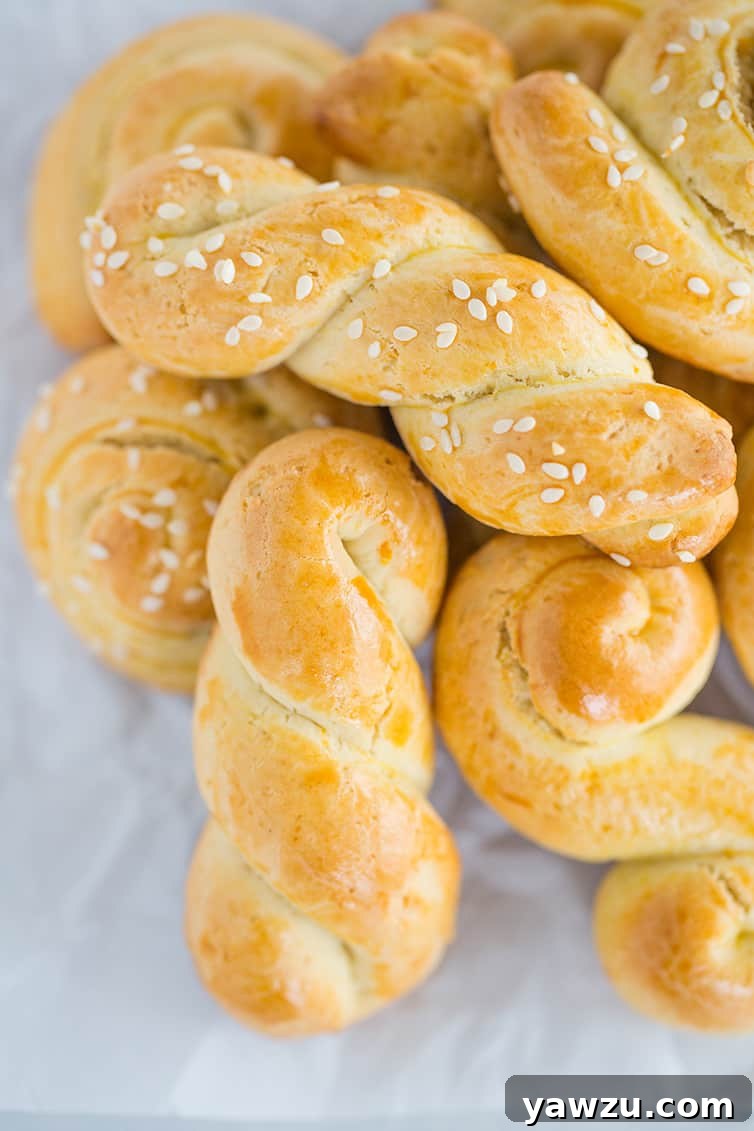
Koulourakia, pronounced koo-lou-RAH-kya, are more than just cookies; they are a delightful embodiment of Greek Easter traditions, infusing the air with the comforting aroma of orange zest and fresh-baked goodness. These delicately braided or twisted biscuits, with their signature firm yet tender crumb, are absolutely perfect for dipping into your morning coffee or afternoon tea. While delicious any time of year, they hold a special place during the Easter celebrations, symbolizing the breaking of the Great Lent fast. For those seeking an authentically crisp and light texture, embracing the traditional leavening agent – baking ammonia – truly elevates these cookies to their intended perfection.
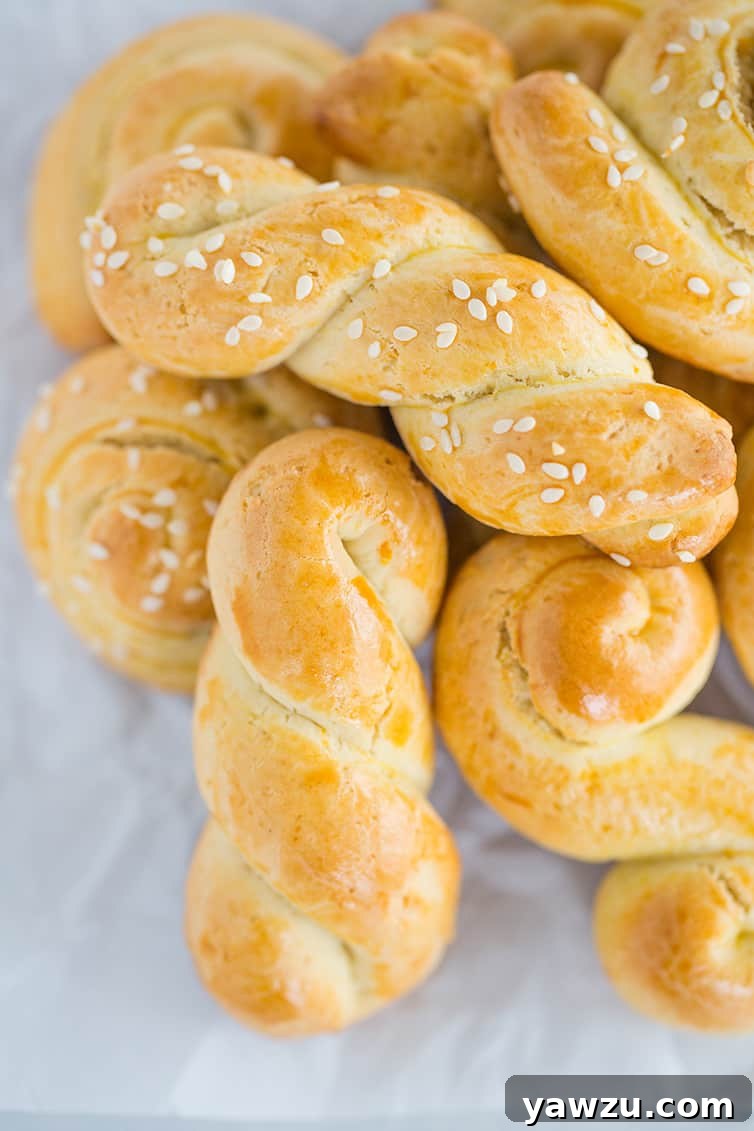
Koulourakia: The Irresistible Charm of Traditional Greek Easter Cookies
One of the most cherished aspects of any holiday, for me, is the opportunity to delve into new-to-me culinary traditions. This quest for festive flavors recently led me to the delightful world of Greek Easter cookies, affectionately known as Koulourakia, and they’ve quickly become a treasured addition to my kitchen repertoire. While my husband and I have deep Italian roots, our culinary affections extend broadly, especially towards the rich and vibrant tapestry of Greek cuisine. Our very first date featured a memorable moussaka, and our household regularly celebrates spanakopita and the honey-drenched layers of baklava. Just recently, my husband enthusiastically requested a classic Greek custard pie, galaktoboureko, for his birthday dessert, underscoring our enduring love affair with these Mediterranean delights. It was only a matter of time before Koulourakia found their way onto our holiday table, promising a new tradition to savor.
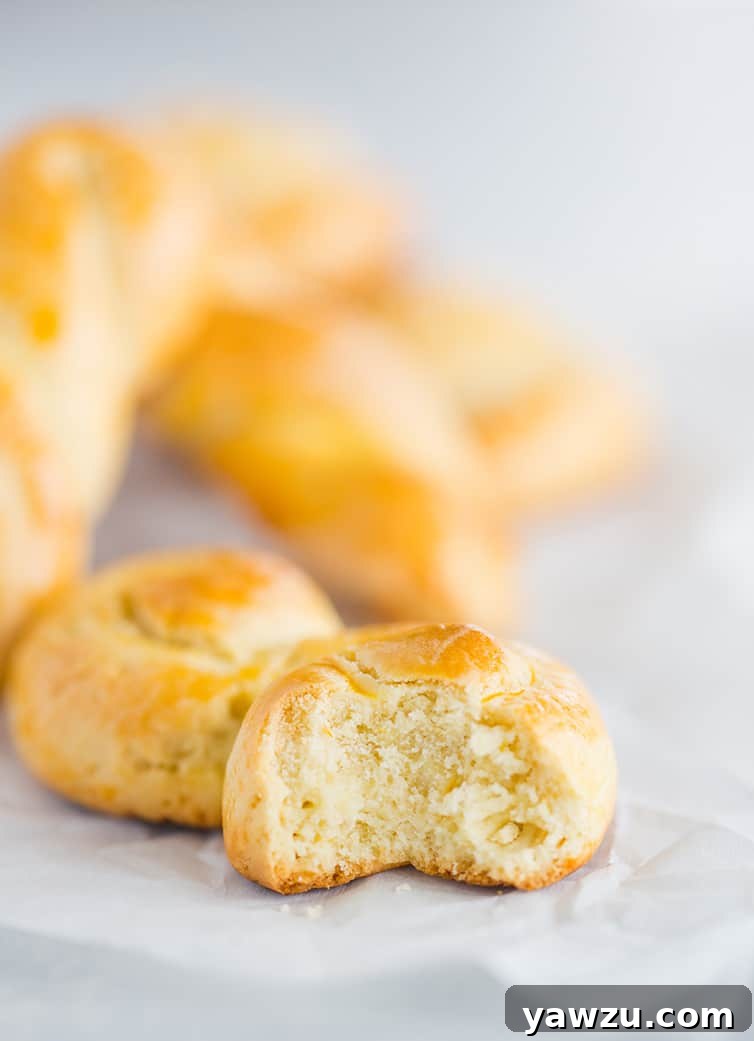
These exquisite cookies strike a perfect balance: firm enough to hold their intricate shapes, yet tender with a satisfying crumb that yields gently with each bite. Their dominant flavor profile is a bright, fragrant orange, subtly reminiscent of a softer, more delicate biscotti. This unique texture and aromatic essence make them an ideal companion for a warm beverage. Imagine starting your day with a Koulourakia dipped into your robust morning coffee, or unwinding in the afternoon with one alongside a soothing cup of tea. Even an evening coffee can be transformed into a moment of pure bliss with these delightful biscuits. They offer a comforting, slightly sweet indulgence that perfectly complements any hot drink, making them a versatile treat for any time of day.
The Secret to Vibrant Citrus Flavor: Dorie Greenspan’s Zest Trick
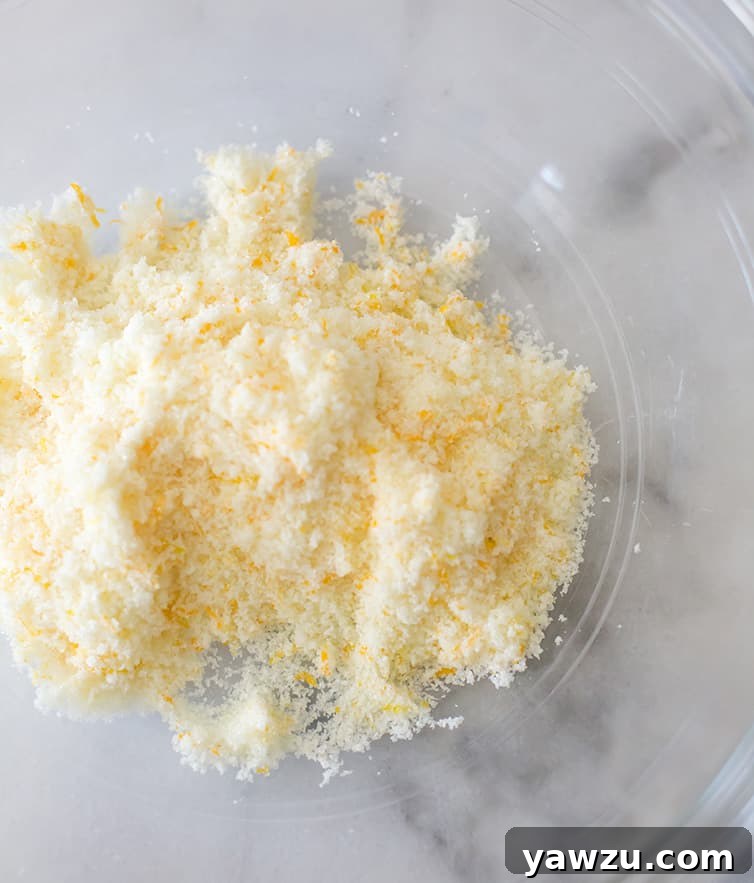
My journey into crafting the perfect Koulourakia dough began with a technique I discovered over a decade ago, a brilliant tip from Dorie Greenspan’s essential cookbook, “Baking: From My Home to Yours.” It’s a game-changer for any recipe featuring citrus zest: instead of simply adding the zest to your wet or dry ingredients, first, rub the zest directly into the granulated sugar with your fingertips. This simple yet profound step transforms the sugar into a fragrant canvas, fully infused with the essential oils and vibrant essence of the citrus. The warmth and gentle friction of your fingers effectively “bruise” the zest, coaxing out its aromatic compounds and transferring them directly into the sugar crystals. This creates a much more dramatic and pronounced citrus flavor throughout your baked good, far surpassing merely mixing the zest into the batter or dough later on. I’ve adopted this method for every single recipe involving citrus zest – from lemon bars to orange cakes and now, these Koulourakia – and the consistently exceptional results make it a non-negotiable step in my baking process. The difference in aroma and taste is truly remarkable, elevating the final product from good to unforgettable.
Embracing Tradition: What Makes Koulourakia Special?
Koulourakia are deeply rooted in Greek tradition, particularly during the revered period of Easter. These cookies are typically baked with great care and anticipation during Holy Week, leading up to Easter Sunday. This timing is significant, as they are traditionally enjoyed after the solemnity of Holy Saturday, marking the joyous celebration of Christ’s Resurrection and the breaking of the rigorous Lenten fast. The act of making Koulourakia is often a communal and cherished family activity, passed down through generations, with elders teaching the younger ones the art of shaping the dough.
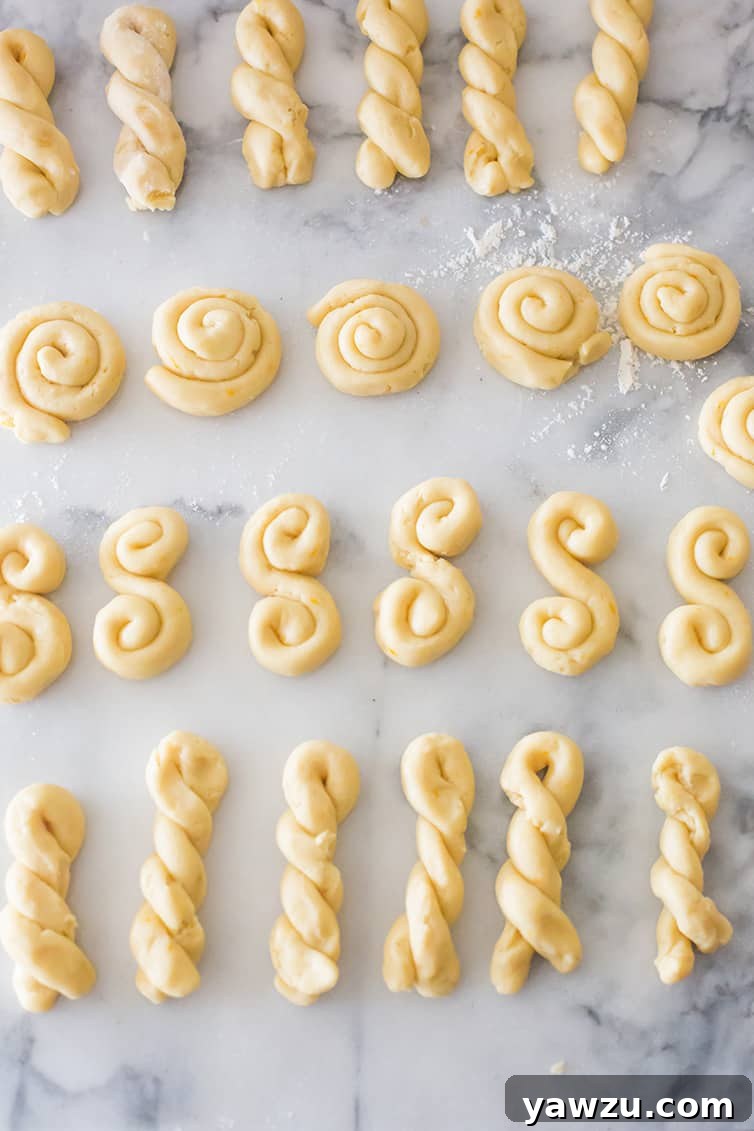
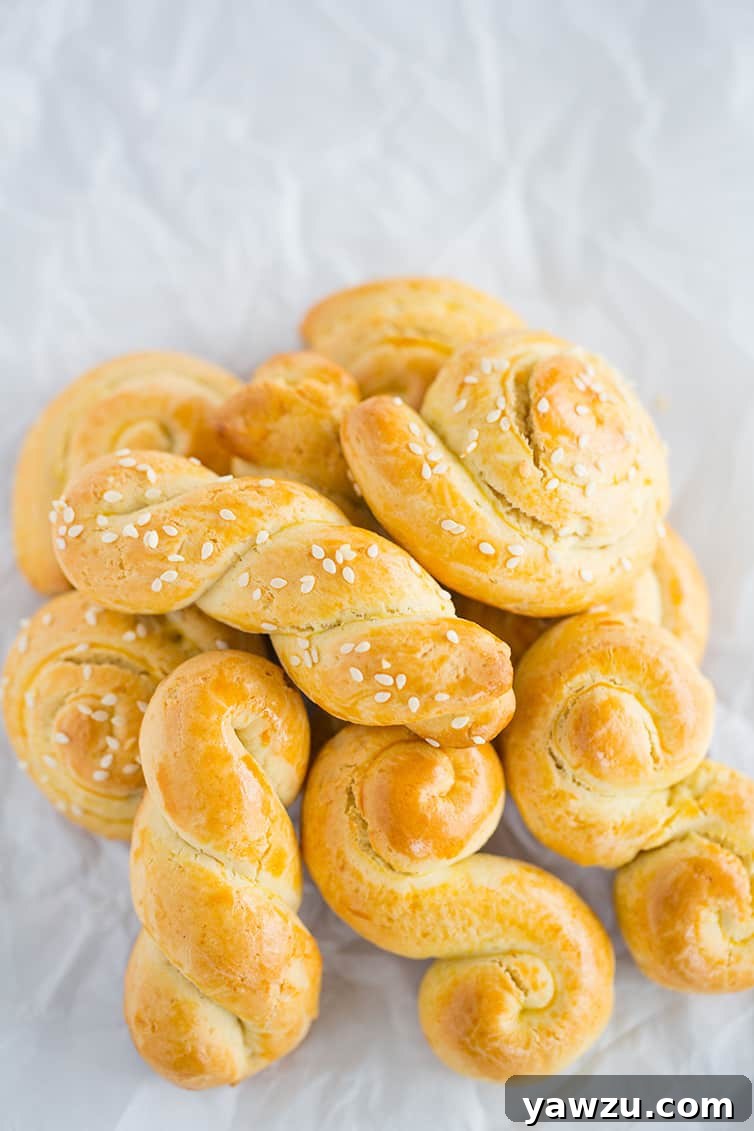
At their core, Koulourakia are butter-based cookies, which contributes to their rich flavor and tender crumb. However, a defining characteristic is their delightful array of hand-shaped designs. Bakers meticulously roll and twist the soft dough into various forms: elegant braids, classic coils, intricate “S” shapes, and charming pinwheels. Each shape is not just decorative; it adds to the unique texture and rustic charm of the cookie. Before baking, these shaped wonders are brushed with an egg wash, which imparts a beautiful golden sheen and a subtle crispness to the exterior. Sometimes, they are also sprinkled with sesame seeds, adding a nutty counterpoint and a traditional touch. While variations exist, the most common and beloved flavor profile marries the bright, refreshing notes of orange with the warm, comforting essence of vanilla, creating a truly harmonious and unforgettable taste experience that encapsulates the spirit of Greek Easter.
Unveiling Baking Ammonia: The Authentic Leavening for Koulourakia
As I delved into the world of truly traditional Greek Easter cookie recipes, a consistent and intriguing ingredient emerged: baking ammonia, also known as baker’s ammonia or ammonium bicarbonate. This ancient leavening agent often appeared in lieu of the more familiar baking powder or baking soda, piquing my curiosity. My research revealed that baking ammonia predates modern chemical leaveners by centuries, having been utilized extensively in baking long before baking powder or soda were widely available or even conceived. Its use remains prevalent in many traditional Mediterranean baking practices, offering a unique texture that modern leaveners simply can’t replicate.
Baking ammonia is particularly favored in baked goods with a low moisture content, those intended to be firm, crisp, or delightfully crunchy, much like Koulourakia. Unlike baking powder, which releases carbon dioxide gas upon contact with liquid and heat, baking ammonia releases both carbon dioxide and ammonia gas solely upon heating. The key is that the ammonia gas dissipates entirely during baking, leaving no residual taste or odor in dry, crisp cookies. This complete evaporation is crucial, as the raw product does indeed possess a strong, pungent odor (it was historically used as smelling salts!). However, rest assured, this potent aroma vanishes completely as the cookies bake, leaving behind an exceptionally light and crunchy crumb that is the hallmark of authentic Koulourakia. While baking powder can serve as a viable substitute, baker’s ammonia truly shines in its ability to produce a distinctively lighter, more airy, and exquisitely crisp texture that defines these traditional Greek delights. You can often find it in specialty Greek markets or conveniently order it online to achieve that authentic touch in your own kitchen.
Crafting Your Koulourakia: Tips for Success
Achieving Koulourakia perfection involves a few key considerations. Firstly, ensure your butter and eggs are at room temperature; this allows them to cream together more smoothly, creating a homogeneous and airy dough foundation. When shaping the cookies, don’t be afraid to experiment with the traditional designs. Whether you opt for intricate braids, simple “S” shapes, or classic coils, handling the dough gently will help maintain its tender quality. Rolling the dough into uniform ropes ensures even baking and a beautiful presentation. The egg wash, a simple mixture of egg yolk and water, is crucial for that signature golden color and subtle sheen. Apply it evenly just before baking. Finally, while the recipe specifies baking ammonia for authentic crispness, if you’re substituting with baking powder, understand that the texture might be slightly softer, though still delicious. Proper cooling on the baking sheet allows the cookies to set and crisp up further, and storing them in an airtight container will keep them fresh and ready for dunking for up to two weeks, ensuring your Greek Easter joy lasts longer.
Beyond the Cookie Jar: Pairing and Enjoying Your Koulourakia
While Koulourakia are undeniably perfect partners for coffee or tea, their versatility extends to many other delightful pairings. Consider serving them with a cold glass of milk for a simple yet satisfying snack, especially for children. For a more adult indulgence, these cookies can beautifully complement a light dessert wine, such as a Moscato, where the wine’s sweetness and fruit notes echo the orange zest in the cookies. During Greek Easter festivities, Koulourakia often feature prominently on dessert platters alongside other traditional sweets like baklava and galaktoboureko, offering a delightful contrast in textures and flavors. They are also wonderful as a light breakfast pastry or a mid-afternoon pick-me-up. Sharing them with family and friends is part of the tradition, as these cookies symbolize hospitality and the joy of the season. No matter how you choose to enjoy them, Koulourakia are sure to bring a taste of Greek culture and celebration to your table.
Join the Conversation: Share Your Easter Traditions!
I am always enchanted by the rich tapestry of global food traditions, especially those woven into the fabric of holidays. What culinary delights define your Easter celebrations? Do you have time-honored recipes for special cookies, aromatic breads, or other cherished foods that grace your table year after year? I would absolutely love to hear about them! Please share your favorite Easter food traditions and stories in the comments section below. Let’s create a vibrant exchange of festive flavors and heartwarming customs. And if you’re meticulously planning your Easter menu, or simply curious to explore more seasonal delights, I invite you to browse through my comprehensive collection of Easter recipes. My hope is that you’ll discover new and beloved dishes to make your holiday gatherings even more special and memorable.
Explore More Greek Easter Delights: Tsoureki
If you’re eager to continue your Greek Easter culinary adventure, don’t stop at Koulourakia! I have another beloved traditional recipe that perfectly complements these cookies. Years ago, I perfected a Greek Easter bread, known as Tsoureki, that is truly to-die-for. This sweet, braided bread is often infused with the same delightful orange zest and sometimes spices like mahlab or mastic, making it incredibly fragrant. Traditionally, it’s adorned with vibrant red-dyed Easter eggs, symbolizing new life and adding a stunning visual element to your holiday spread. It’s a sweet, tender bread that offers a wonderful contrast to the crisp Koulourakia. You can find my complete recipe and detailed instructions for this beautiful Tsoureki by following this link: Greek Easter Bread (Tsoureki). Embrace the full spectrum of Greek Easter baking!
One year ago: Momofuku Birthday Cake
Two years ago: Baileys White Chocolate Mousse Trifle

Koulourakia: Greek Easter Cookies
Pin
Rate
Ingredients
- ¾ cup (150 g) granulated sugar
- Zest of 1 orange
- ½ cup (113.5 g) unsalted butter
- 2 eggs
- ¼ cup (61 ml) milk
- 1½ teaspoons (1.5 teaspoons) vanilla extract
- 3 cups (375 g) all-purpose flour
- 1 teaspoon baking powder
- ½ teaspoon (0.5 teaspoon) salt
For the Egg Wash
- 1 egg yolk
- 1½ teaspoons (1.5 teaspoons) water
Instructions
-
In a large mixing bowl, use your fingertips to rub together the sugar and orange zest until all of the sugar is evenly moistened with the zest.
-
Add the butter and beat on medium-high speed for 5 minutes, stopping to scrape the sides of the bowl occasionally, until the mixture is pale, light and fluffy.
-
Add the eggs one at a time, beating for a full minute on medium speed after each addition. Add the milk and vanilla extract and beat to combine.
-
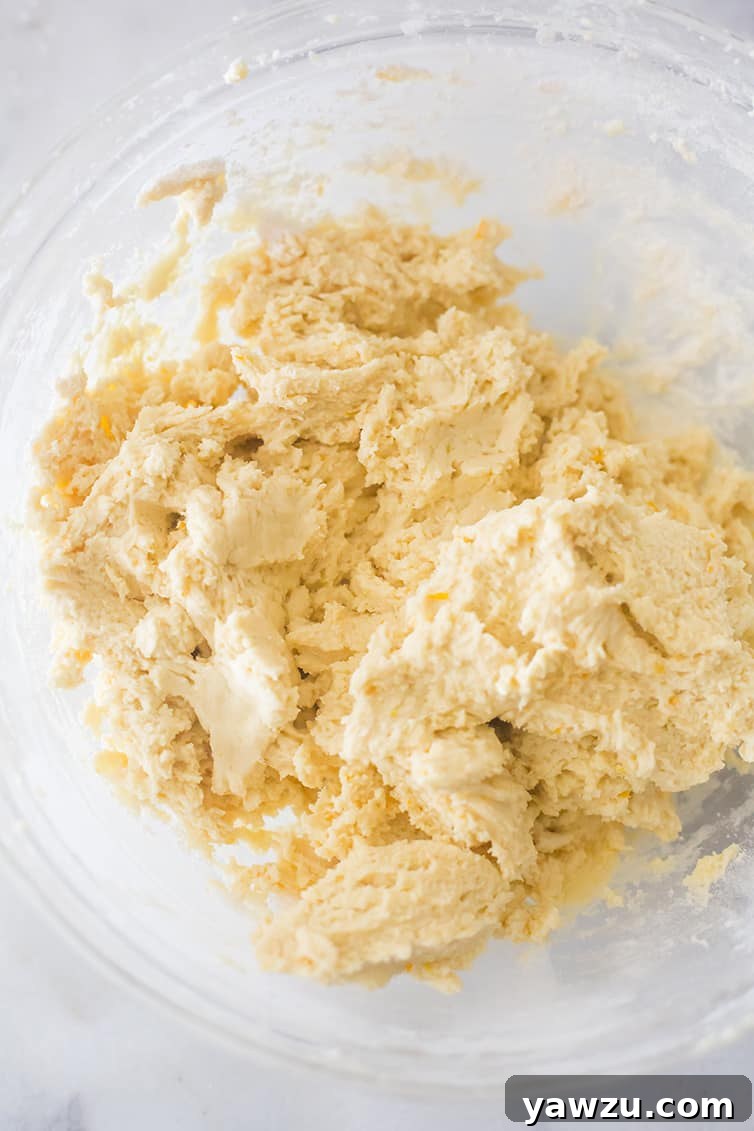
Sift the flour, baking powder and salt into the dough a little at a time, and beat on low speed until just combined. Use a rubber spatula to give the dough a final mix and incorporate any pockets of flour. The dough should be soft, but not sticky. Cover with plastic wrap and allow to rest for 20 minutes.
-
Preheat oven to 400 degrees F. Line two baking sheets with parchment paper or silicone baking mats.
-
Using about 2 tablespoons of dough at a time (or a medium cookie scoop), roll the dough into 7-inch ropes and then shape as desired: braids, circles, pinwheels, “S”s, etc. Place at least 2 inches apart on the prepared baking sheet.
-
In a small bowl, whisk together the egg yolk and water for the egg wash. Brush over the shaped cookies.
-
Bake, one sheet at a time, until golden brown, about 20 minutes. Allow to cool on the baking sheet, then store in an airtight container for up to 2 weeks.
Notes
Did you make this recipe?
Leave a review below, then snap a picture and tag @thebrowneyedbaker on Instagram so I can see it!