
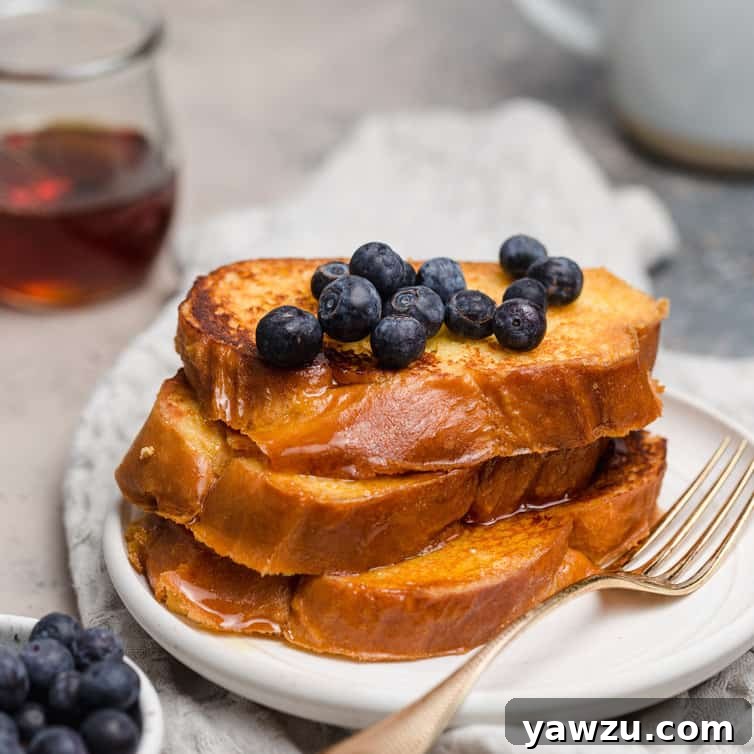
Indulge in the unparalleled delight of **Challah French Toast**, a breakfast masterpiece renowned for its incredibly fluffy texture and rich, custardy flavor. Drizzled with warm maple syrup, this recipe elevates any morning into a special occasion. Whether you’re planning a lavish weekend brunch, a comforting weeknight breakfast-for-dinner, or an unforgettable holiday feast, this Challah French Toast promises to be the star of your table. Get ready to transform simple ingredients into a truly extraordinary culinary experience.
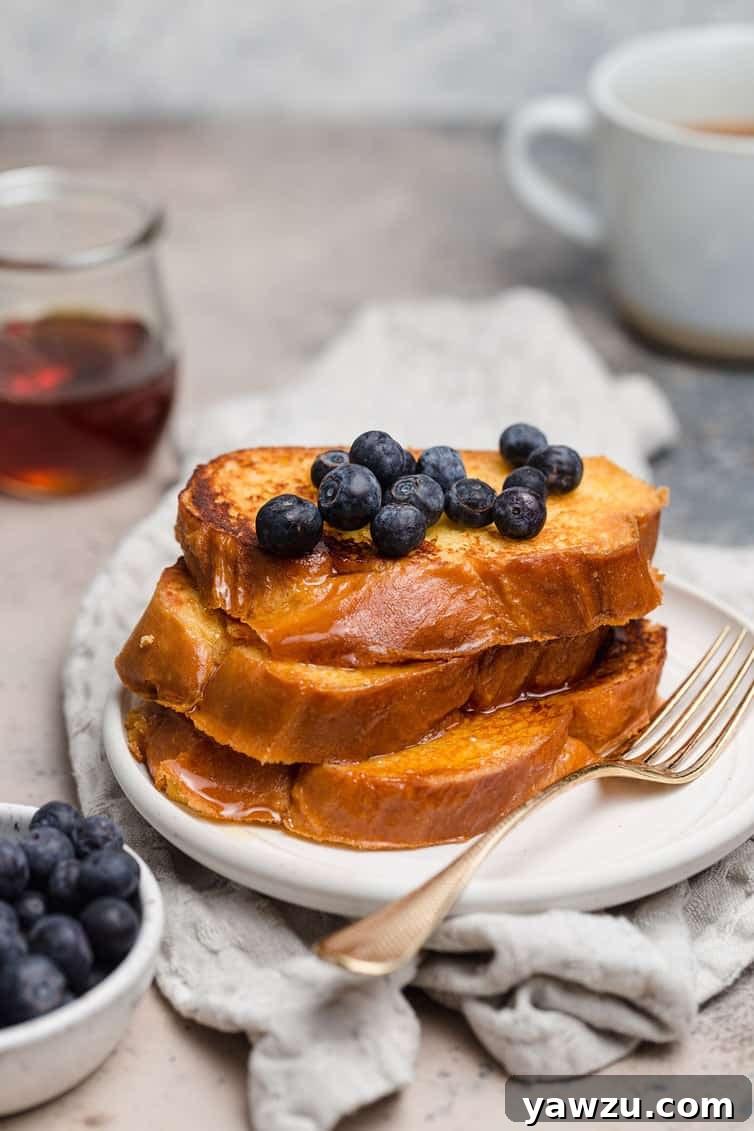
Prepare yourself for the revelation of truly authentic French toast. This isn’t just any ordinary breakfast; it’s a testament to the magic that happens when a simple dish is elevated with the right ingredients and a touch of culinary love. For many, French toast evokes cherished childhood memories – the warmth of a Saturday morning, the comforting aroma of butter and eggs sizzling in a skillet, and the sheer joy of a plate piled high with golden slices. My own memories are filled with my mom’s occasional French toast treats, which I always devoured with absolute delight. Who could possibly resist slices of bread lovingly dipped in a rich egg mixture, perfectly browned in a buttery pan, and then adorned with even more butter, a cascade of syrup, or a delicate dusting of powdered sugar? Add a side of crispy bacon or savory sausage, and you have, arguably, the best start to any weekend.
However, this particular Challah French Toast recipe transcends those nostalgic moments. It’s an exquisitely decadent creation, boasting a flavor so rich and a sweetness so perfectly balanced that you might find yourself contemplating whether the traditional maple syrup is even necessary. While I adore a good drizzle of syrup, the inherent deliciousness of this French toast truly shines on its own. It’s a bold claim, perhaps, but one bite of this custard-drenched perfection, and you’ll understand why it’s truly a cut above the rest. Its unique texture and deep flavor profile set it apart, making it a showstopper for any meal.
Selecting the Best Bread for Perfect French Toast
The secret to truly crave-worthy French toast lies almost entirely in your choice of bread. This is not the time to reach for that soft, squishy sandwich loaf. For the most exceptional, classic French toast, you need a bread that is firm, sturdy, and ideally, slightly stale. The firmness ensures it won’t disintegrate when soaked in the custard, while staleness allows it to absorb the egg mixture more effectively without becoming soggy. This absorption is key to achieving that signature custardy interior and perfectly golden-brown exterior.
Among the multitude of options, two types consistently rise to the top for their unparalleled results: **challah** and **brioche**. Both are rich, slightly sweet, and have a dense, yet tender crumb that is perfect for soaking up the luxurious egg custard. Challah, with its beautiful braided structure, offers a rich, eggy flavor and a slightly chewy texture once cooked. Brioche, made with butter and eggs, is incredibly tender and buttery, leading to an exceptionally soft and rich French toast. Beyond these two superstars, other excellent choices include a firm **wheat bread**, robust **Italian bread**, or even a good **sourdough**. The common thread among these superior choices is their ability to hold up to the soaking process, ensuring a French toast that is both moist inside and beautifully crisp on the outside.
The Science Behind Stale Bread: Why It Matters for French Toast
You might wonder why stale bread is so crucial. Fresh bread, especially soft varieties, contains a significant amount of moisture. When you dip fresh bread into a liquid, it quickly saturates, becoming overly wet and prone to falling apart in the pan. This results in a mushy, unappealing French toast that lacks the desired structure and texture. Stale bread, on the other hand, has lost a good portion of its internal moisture. This dehydration creates a cellular structure that is much more receptive to soaking up the egg custard evenly and thoroughly, like a sponge. This allows the bread to absorb all the rich flavors of the custard without becoming waterlogged. The result is a French toast with a perfectly custardy, moist interior and a firm, golden-brown crust that stands up beautifully to cooking.
If you forgot to leave your bread out overnight, don’t fret! You can quickly “stale” it by slicing it and placing it on a baking sheet in a 300°F (150°C) oven for about 10-15 minutes, flipping halfway through. This gentle toasting process helps to dry out the bread without fully toasting it, mimicking the effect of overnight air-drying and preparing it perfectly for its custardy bath.
Essential Ingredients for Decadent Challah French Toast
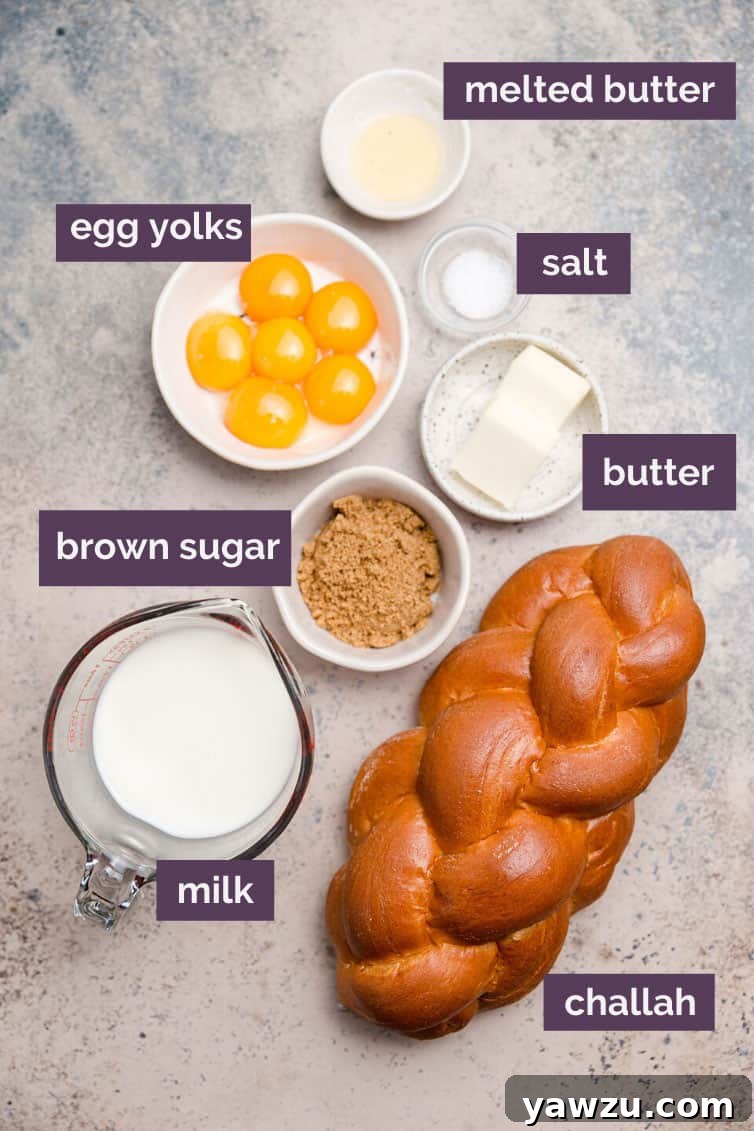
Crafting the perfect Challah French Toast requires a selection of high-quality ingredients that work in harmony to create that rich, custardy flavor and delightful texture. Each component plays a vital role:
- Challah Bread (or other firm bread like brioche): As discussed, this is the cornerstone of our recipe. Slice it into generous ½-inch thick pieces to ensure it can absorb plenty of custard while maintaining structural integrity.
- Whole Milk (or half & half): The fat content in whole milk contributes significantly to the richness and creaminess of the custard. Half & half will make it even more luxurious. Avoid low-fat milk, as it will dilute the flavor and texture.
- Egg Yolks: This is where the magic happens for that ultra-custardy, rich French toast. Using only egg yolks (instead of whole eggs) creates a more dense, creamy, and flavorful batter, preventing a rubbery texture. Don’t waste the leftover egg whites! Store them in an airtight container in the fridge and use them for other delicious recipes such as chocolate chip meringue cookies, a delicate pavlova, airy homemade marshmallow creme, or simply a healthy egg-white omelet.
- Light Brown Sugar: Adds a subtle sweetness and a hint of molasses flavor that complements the richness of the eggs and bread, promoting beautiful caramelization when cooked.
- Unsalted Butter (melted for custard, extra for cooking): Butter is essential for both flavor and cooking. Using unsalted butter in the custard allows you to control the overall saltiness of the dish. If salted butter is all you have, simply omit the added salt from the recipe. Fresh butter in the pan creates a crisp, golden crust.
- Salt: A pinch of salt enhances all the other flavors, balancing the sweetness and richness of the French toast.
- Pure Vanilla Extract: This is not the place to skimp on quality. Pure vanilla extract provides a depth of flavor that artificial vanilla simply cannot replicate. Its aromatic notes infuse the custard, adding a warm, inviting essence to every bite.
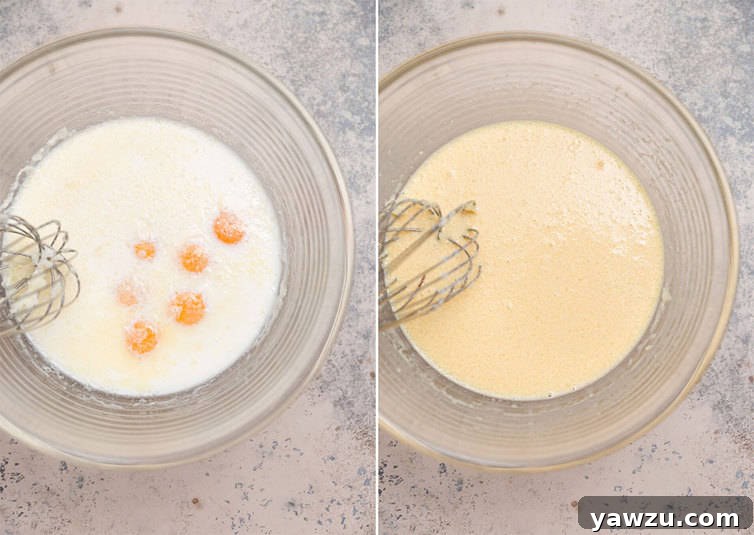
Step-by-Step Guide to Making Fluffy Challah French Toast
Achieving the perfect Challah French Toast is a straightforward process, but paying attention to a few key details will make all the difference. Remember, the first critical step is ensuring your bread is adequately stale, ideally by leaving it out on a cooling rack uncovered overnight. This preparation guarantees maximum absorption without sogginess.
- Prepare the Custard: In a large mixing bowl, combine all the custard ingredients: whole milk (or half & half), egg yolks, light brown sugar, melted unsalted butter, salt, and pure vanilla extract. Whisk vigorously until all ingredients are thoroughly blended and the mixture is smooth and uniform. Once whisked, transfer this luscious custard into a 13×9-inch baking pan or a rectangular casserole dish. The wide, shallow shape of the dish makes dipping the bread much easier.
- Soak the Bread (The Right Way): Precision in soaking is paramount for that ideal custardy interior. Work with two to three slices of your stale challah bread at a time to avoid overcrowding. Gently slip the bread into the custard, allowing one side to soak for approximately 20 seconds. Use a spatula to carefully turn the bread over, letting the second side absorb the custard for another 20 seconds. The goal is for the bread to be thoroughly saturated with the rich custard, but crucially, it should not be falling apart or overly mushy. It should feel heavy but still hold its shape.
- Prepare for Cooking: As each batch of bread finishes soaking, use your spatula to carefully transfer the saturated challah slices to a clean baking sheet or tray. This allows any excess custard to drain slightly and keeps your workstation tidy. Continue this process, soaking two to three slices at a time, until all your challah bread is prepped and ready on the baking sheet.
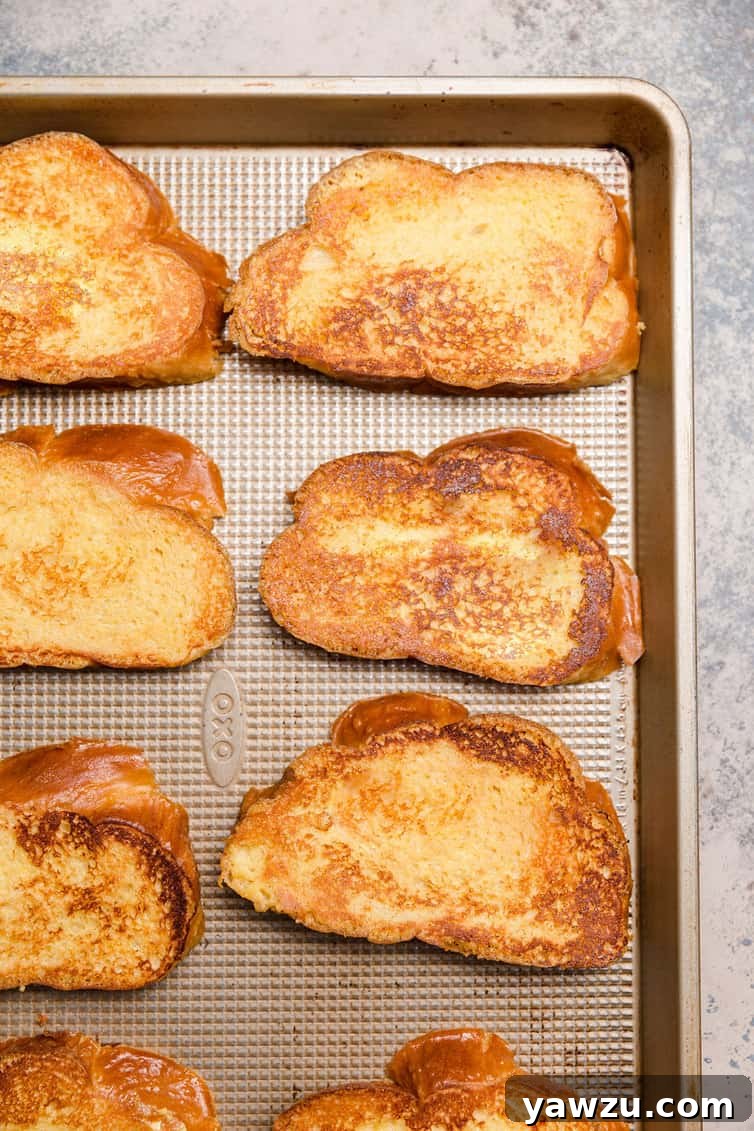
- Cook to Golden Perfection: Heat about ½ tablespoon of unsalted butter in a 12-inch skillet (a non-stick or cast-iron pan works best) over medium-low heat. Pay attention to the butter; it will foam up initially. Once the foaming subsides, indicating the water has evaporated and the butter is ready, gently transfer two slices of your soaked French toast into the skillet. Cook these slices for approximately 3 to 4 minutes per side, checking occasionally until they achieve a beautiful, rich golden-brown color and a slightly crispy exterior. The lower heat ensures the custard cooks through evenly without burning the outside.
- Repeat and Serve: After each batch is cooked, wipe out the skillet with a paper towel to remove any burnt butter bits, which can impart an undesirable flavor. Add another ½ tablespoon of fresh butter for the next batch and continue cooking the remaining bread, two pieces at a time, until all your Challah French Toast is perfectly golden.
Serving Tip: Challah French toast is truly at its best when served immediately, hot off the pan. If you need to keep multiple batches warm while you finish cooking, simply place the cooked slices on a cooling rack set over a baking sheet in a preheated 200°F (95°C) oven. This keeps them warm and prevents them from getting soggy, ensuring every bite is as delicious as the first.
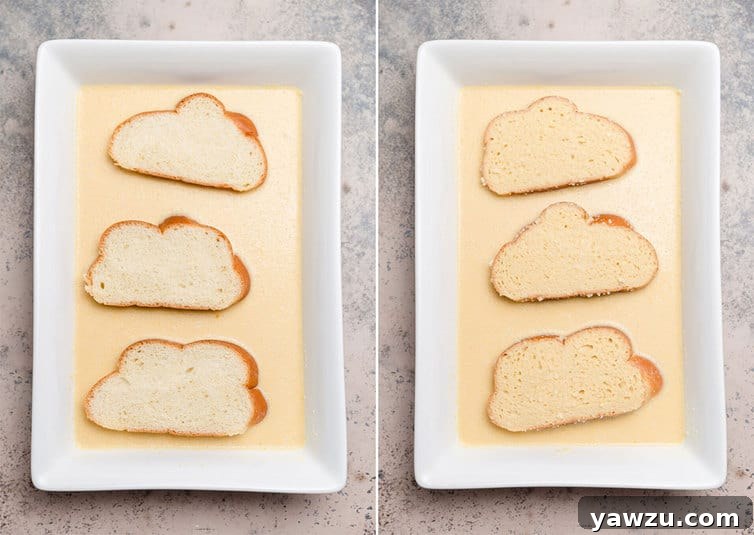
Expert Tips for Crafting the Ultimate French Toast
Transforming good French toast into truly extraordinary French toast is all about understanding a few key principles. These tips will help you consistently achieve that perfect balance of crispy exterior and custardy interior.
- Choose the Right Bread, Always: As emphasized, the bread is foundational. Stick with sturdy, dense, and slightly aged bread varieties. **Challah** and **brioche** are the gold standards due to their rich flavor and robust texture. Other excellent options include hearty **Italian bread**, rustic **sourdough**, or a substantial **wheat bread**. Avoid soft, thin sandwich bread at all costs; it will simply dissolve in the custard and yield a mushy, disappointing result.
- Prioritize Staling the Bread: This step cannot be overstated. Air-drying your sliced bread on a cooling rack overnight is the ideal method, allowing the bread to lose enough moisture to absorb the custard fully without becoming saturated to the point of disintegration. If time is short, use the oven trick: place bread slices in a 300°F (150°C) oven for about 10-15 minutes, flipping halfway. This quick-drying method achieves a similar effect, ensuring your bread is perfectly primed for soaking.
- Master the Heat Setting: Don’t Rush the Cook: Patience is a virtue when cooking French toast. Always use medium-low heat. While it might take a few extra minutes per side, this gentle heat is critical. It allows the custard inside the bread ample time to cook through and set, preventing a raw, uncooked interior. Simultaneously, it promotes slow, even browning of the exterior, resulting in that beautiful golden crust. Cooking at too high a temperature will quickly burn the outside of the bread, leaving the inside uncooked and mushy. This slow and steady approach is what creates the perfect textural contrast.
- Embrace Indulgence – Don’t Skimp: This Challah French Toast is meant to be a decadent treat, not an everyday health food. Resist the temptation to make it “healthier” by reducing fat or calories. Swapping whole milk for low-fat milk, or using only egg whites instead of yolks, will significantly compromise both the texture and the flavor. The fat from the whole milk and the richness of the egg yolks are essential for the creamy, luxurious custard that defines this recipe. Enjoy it for what it is – a truly special, indulgent breakfast.
- Creative Serving Suggestions: While the classic combination of butter and warm maple syrup is always a winner, don’t be afraid to get creative! A simple sprinkle of powdered sugar adds an elegant touch. Fresh berries (strawberries, blueberries, raspberries) provide a burst of freshness and color. For an extra touch of gourmet, consider serving with a homemade fruit compote (berry, apple, or peach), a dollop of whipped cream, or even a sprinkle of toasted nuts for added crunch.
- Consider a Make-Ahead Option: If you’re hosting a large brunch or want to save time on busy mornings, explore French toast casserole recipes. These often involve soaking the bread overnight and baking it in the morning, making for a convenient and equally delicious option. My Baked French Toast Casserole with Praline Topping is a fantastic choice for such occasions.
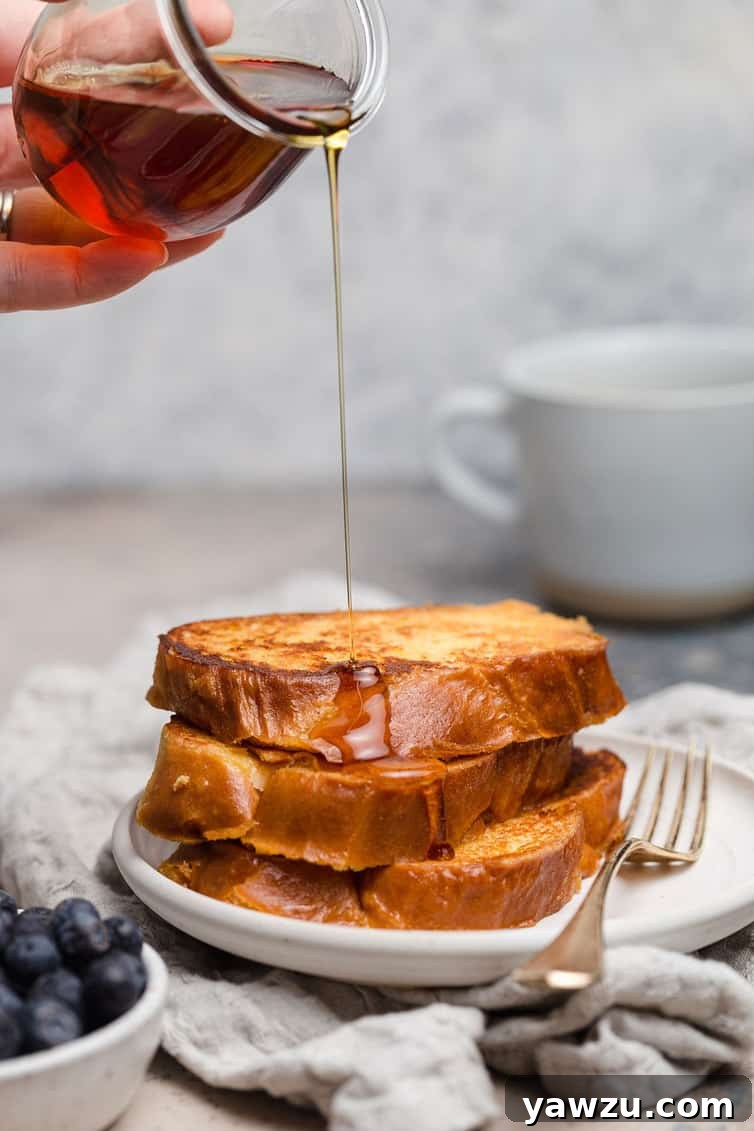
And there you have it – the ultimate guide to creating the absolute holy grail of French toast recipes. While it does require a little bit of pre-planning, particularly with the bread, the minimal effort is incredibly rewarding. The result is a breakfast experience that will transport your weekend mornings to another dimension of deliciousness. This Challah French Toast is more than just a meal; it’s a culinary journey, promising fluffy, custardy perfection with every single bite. Don’t just make French toast; master it, and savor the rich flavors and luxurious textures that only this recipe can deliver.
Explore More Decadent Breakfast & Brunch Recipes:
If you’ve fallen in love with the indulgent side of breakfast, you’ll want to explore these other fantastic recipes:
- **Monkey Bread From Scratch:** A pull-apart, sticky, cinnamon-sugar delight perfect for sharing.
- **Irresistible Sticky Buns:** Sweet, gooey, and topped with pecans, these are a true bakery-style treat.
- **Fluffy and Crisp Buttermilk Waffles:** Achieve the ideal balance of light and airy with a perfectly golden crunch.
- **The Best Fluffy Buttermilk Pancakes:** Classic breakfast comfort, made with a secret for ultimate fluffiness.
- **Brown Sugar Bacon Buttermilk Waffles:** A sensational sweet and savory combination that will impress any brunch guest.
If you make this Challah French Toast recipe and absolutely adore it, please consider taking a moment to leave a review below. Your feedback means the world! Thank you so much for cooking with us.

Challah French Toast
Pin
Ingredients
- 8 slices challah bread, sliced ½-inch thick
- 1½ cups (366 ml) whole milk
- 6 egg yolks
- 3 tablespoons light brown sugar
- 2 tablespoons unsalted butter, melted
- ¼ teaspoon (0.25 teaspoon) salt
- 1 tablespoon vanilla extract
- 2 tablespoons unsalted butter, divided (for cooking)
Instructions
-
Stale the bread by setting it out on a cooling rack uncovered overnight. Alternatively, for a quicker method, slice the bread and place it on a baking sheet in a 300°F (150°C) oven for about 10-15 minutes, flipping halfway, until slightly dried out.
-
In a large bowl, whisk together the whole milk, egg yolks, light brown sugar, melted unsalted butter, salt, and vanilla extract until the mixture is completely smooth and well-blended. Transfer this custard mixture to a 13×9-inch baking pan or a similar rectangular casserole dish, ensuring it’s spread evenly for easy dipping.
-
Working with 2 to 3 slices of stale challah bread at a time, gently dip each slice into the custard mixture for 20 seconds. Using a spatula, carefully turn the bread over and allow the other side to soak for an additional 20 seconds. The bread should feel saturated with the custard but remain firm enough to handle without falling apart. Transfer the soaked bread slices to a clean baking sheet or tray and continue this process until all your bread is soaked and ready for cooking.
-
Heat ½ tablespoon of the remaining unsalted butter in a 12-inch skillet over medium-low heat. Once the butter has melted and the initial foaming subsides, carefully transfer 2 slices of the soaked French toast to the skillet. Cook for 3 to 4 minutes per side, or until each side is beautifully golden brown and the internal custard is set. After each batch, wipe out the skillet with paper towels to remove any browned butter bits and add another ½ tablespoon of butter for the next batch. Repeat the cooking process with the remaining bread, 2 pieces at a time. For best results, serve the Challah French Toast immediately. If you need to keep it warm, place the cooked slices on a cooling rack in a 200°F (95°C) oven until ready to serve.
Notes
- Bread Selection: For the best results, use hearty bread varieties such as Challah, brioche, Italian, sourdough, or a sturdy wheat bread. These types hold up well to soaking.
- Stale Bread is Key: To ensure proper custard absorption without sogginess, it’s crucial for the bread to be stale. Ideally, leave sliced bread on a cooling rack overnight. If pressed for time, bake slices in a 300°F (150°C) oven for about 15 minutes, flipping halfway, to quickly dry them out.
- Mind the Heat: Always cook French toast over medium-low heat. This allows the custard to cook thoroughly inside while the exterior slowly browns to a perfect golden crisp, preventing a burnt outside and mushy inside.
- Embrace Indulgence: This recipe is designed to be rich and flavorful. Avoid making substitutions like low-fat milk or egg whites, as they will negatively impact the texture and depth of flavor. Enjoy this decadent treat as intended!
- Serving Inspiration: Beyond classic butter and maple syrup, consider powdered sugar, fresh seasonal fruit, or a homemade fruit compote for delicious variations.
- Make-Ahead Option: For holiday mornings or large gatherings, try a French toast casserole recipe. It often involves overnight soaking and baking, streamlining your morning preparation.
Nutritional values are based on one serving.
Did you make this recipe?
Leave a review below, then snap a picture and tag @thebrowneyedbaker on Instagram so I can see it!
[Photography by Ari of Well Seasoned]