
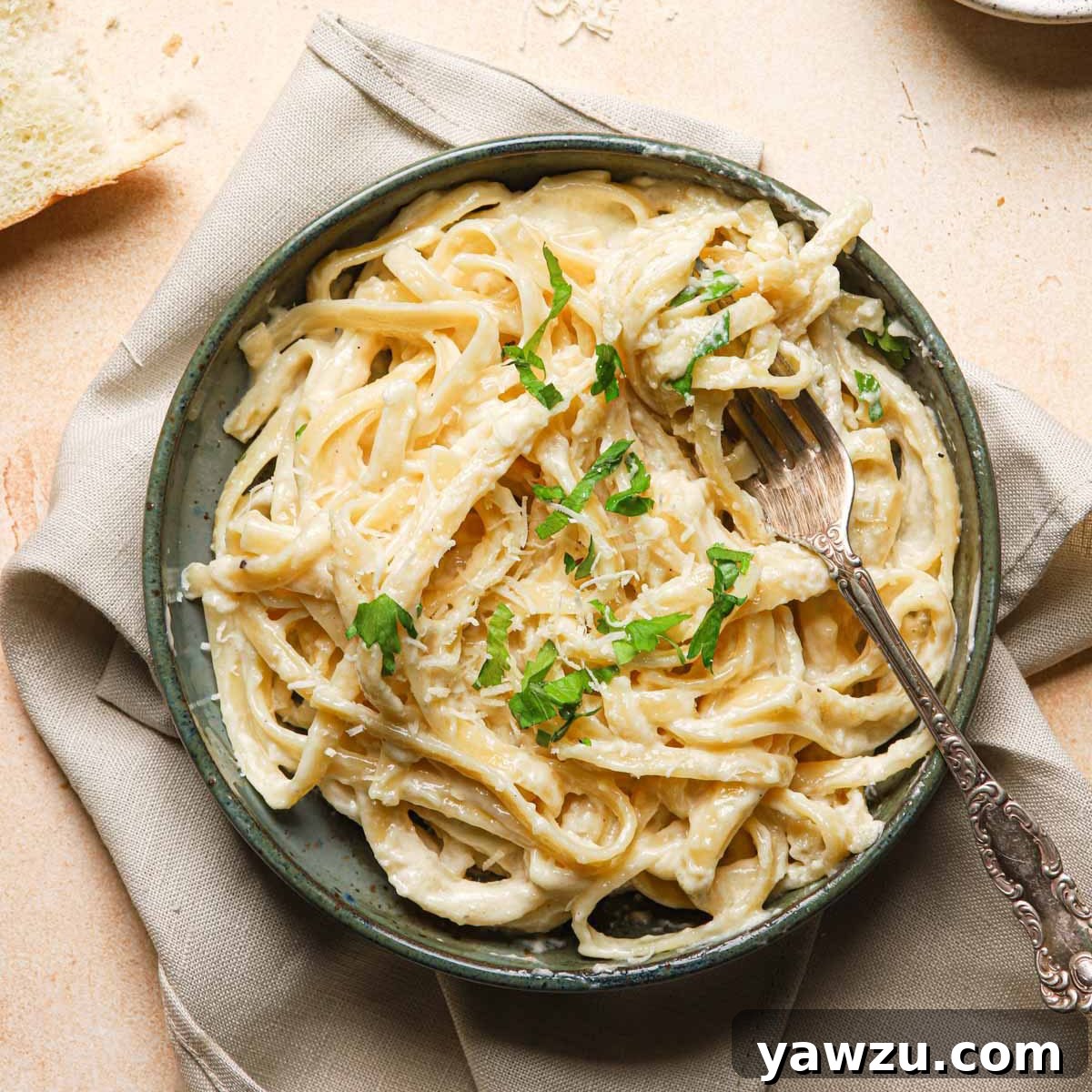
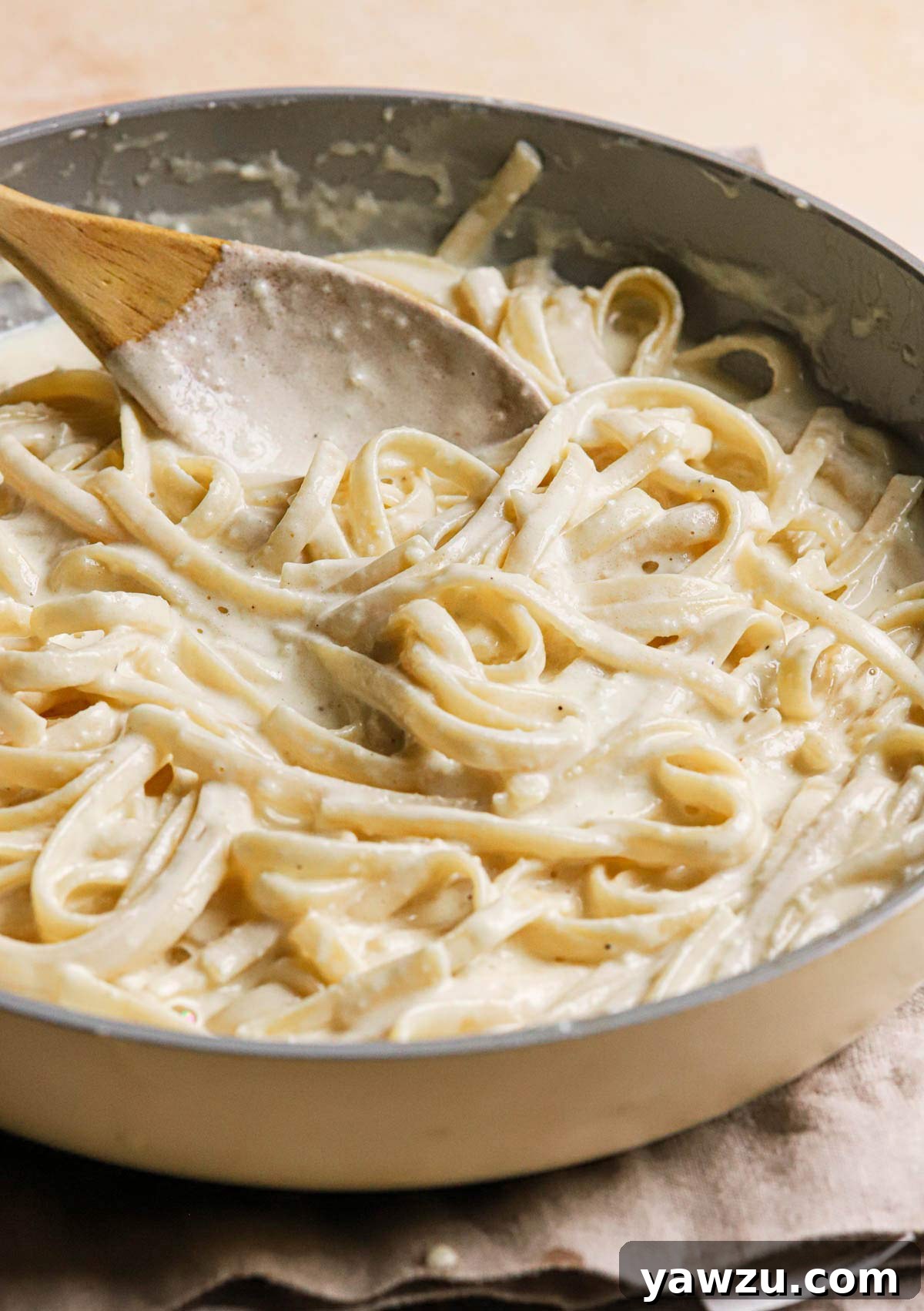
Unleash the ultimate comfort food experience with this incredibly rich, creamy, and irresistibly garlicky Alfredo sauce. Crafted from simple, wholesome ingredients like heavy cream and unsalted butter, infused with a symphony of garlic and spices, this sauce transforms ordinary pasta into a truly mouth-watering masterpiece. Perfectly tossed with tender fettuccine, it’s the epitome of indulgent, homemade goodness – a dish that truly defines comfort food at its finest.
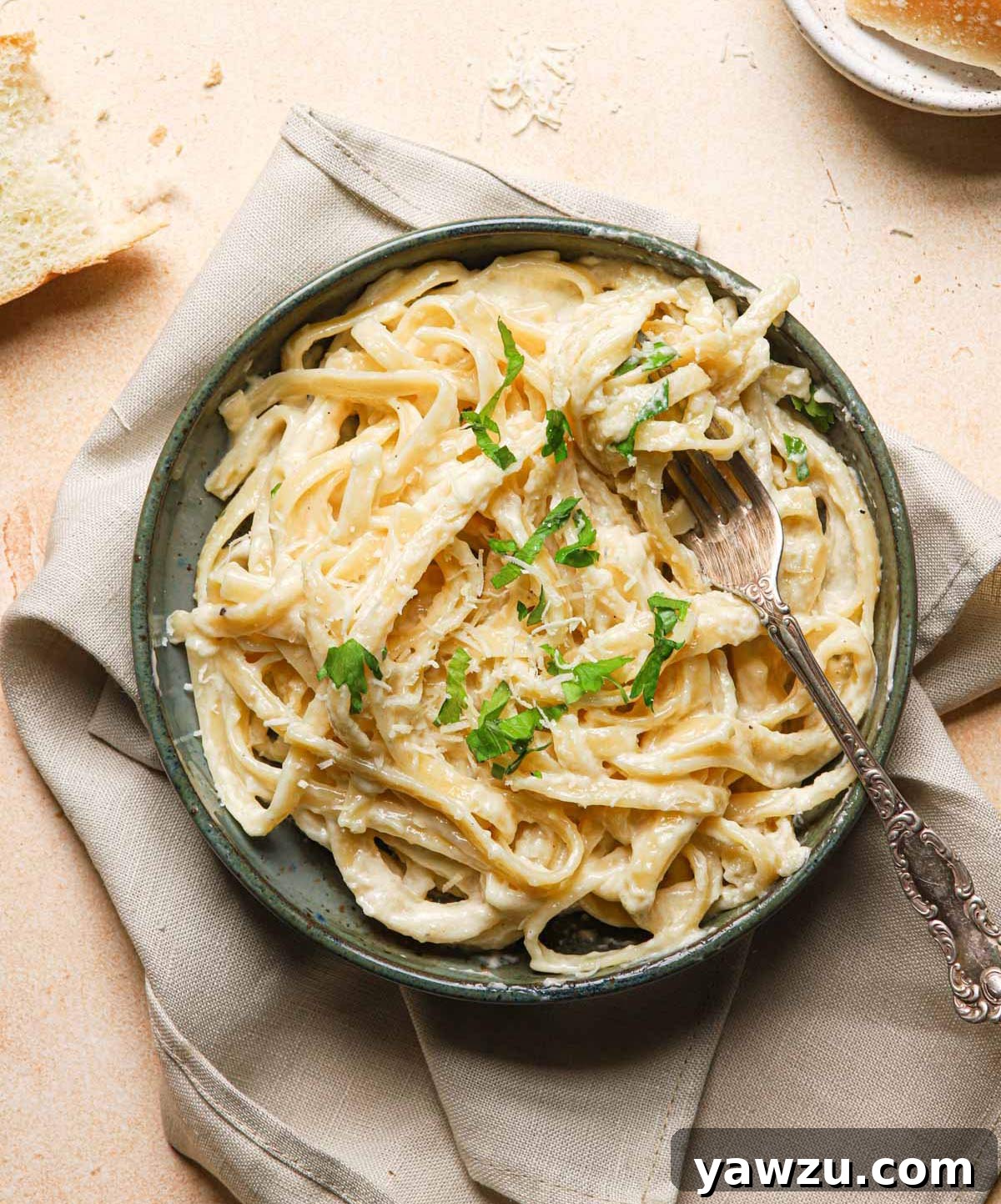
If you’ve been searching for the secret to a truly exceptional garlic Alfredo sauce, your quest ends here! This recipe delivers a sauce that is luxuriously thick, wonderfully luscious, and boasts a powerful double dose of garlic, complemented by an abundance of rich Parmesan cheese. It’s a flavor sensation that will have you coming back for more, elevating your weeknight meals to gourmet status.
There’s nothing quite like the creamy perfection of fettuccine Alfredo enjoyed at a restaurant. Dissatisfied with the blandness of store-bought jarred sauces, I embarked on a culinary journey to create an authentic, intensely garlicky flavor with a smooth, velvety texture right in my own kitchen. The result? A perfectly balanced and utterly delicious recipe that has quickly become a staple in my comfort food rotation. It’s often served alongside warm, crusty homemade focaccia bread, making for an unforgettable meal that rivals any Italian eatery.
The Best Creamy Garlic Alfredo Sauce: A Culinary Delight
What makes this garlic Alfredo sauce truly stand out? It’s the thoughtful combination of two distinct garlic forms. We utilize fresh minced garlic, which imparts a vibrant, pungent kick, alongside garlic powder, offering a milder, sweeter, and more integrated depth of flavor. This dual-garlic approach ensures a robust, authentic garlic taste that permeates every spoonful.
The foundation of its unparalleled richness and silky texture comes from using high-quality heavy cream. This ingredient, with its substantial milk fat content, creates an incredibly smooth emulsion that coats every strand of pasta beautifully. While it’s certainly an indulgent dish, remember that life is all about balance and enjoying delicious food in moderation. This homemade Alfredo sauce is a treat worth savoring, proving that some of the best culinary experiences are born from simple, quality ingredients and a little passion in the kitchen.
Essential Ingredients for Perfect Garlic Alfredo
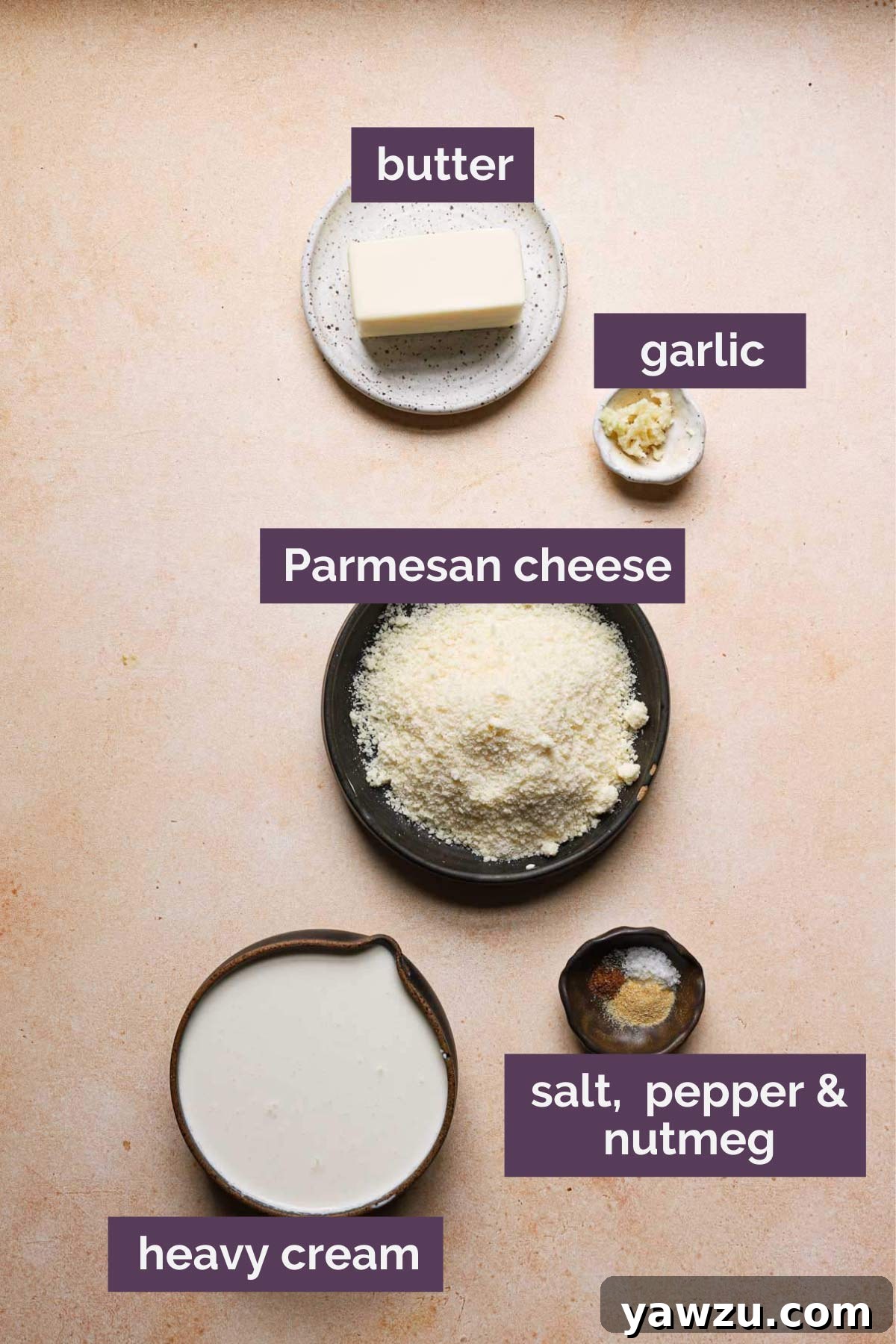
Crafting the perfect garlic Alfredo sauce starts with selecting the right ingredients. Each component plays a vital role in achieving that sought-after rich flavor and velvety texture. Here’s a closer look at what you’ll need and why each element is crucial:
- Unsalted Butter: The backbone of any good Alfredo sauce, unsalted butter allows you to control the overall sodium content of your dish. If you opt for salted butter, be sure to significantly reduce the amount of added salt to avoid an overly salty outcome. Quality butter contributes immensely to the sauce’s luxurious taste and mouthfeel.
- Garlic Cloves (Fresh): Freshly minced garlic is non-negotiable for that authentic, pungent, and aromatic flavor that defines this sauce. The volatile compounds in fresh garlic release an intense aroma and taste that powdered garlic simply cannot replicate alone. Aim for finely minced cloves to ensure even distribution and maximum flavor extraction.
- Heavy Cream: This is the superstar ingredient for achieving a truly rich and silky sauce. Heavy cream contains at least 36% milk fat, which is essential for creating a stable emulsion with the butter and cheese. Its high fat content prevents the sauce from becoming watery and provides that luxurious, coating consistency. Do not substitute with lighter creams or milk if you desire the classic Alfredo richness.
- Kosher Salt: With its larger, flaky crystals, kosher salt weighs less per teaspoon than fine table salt. This makes it easier to measure and less likely to over-salt your dish. It also dissolves beautifully into the sauce. If substituting with fine table salt, use approximately half the amount and always taste as you go, adjusting slowly to your preference.
- Pepper: Freshly cracked black pepper adds a delightful warmth and a subtle spicy kick. For those who prefer a pristine, pure white sauce without speckles, white pepper is an excellent alternative, offering similar warmth without altering the visual appeal.
- Garlic Powder: While fresh garlic provides a sharp, immediate flavor, garlic powder, made from dehydrated garlic cloves, offers a deeper, sweeter, and more mellow garlic essence. Using both creates a multi-layered garlic profile that is incredibly complex and satisfying, enhancing the overall garlic presence without being overpowering.
- Nutmeg: This often-overlooked spice is a secret weapon in many creamy, cheese-based sauces. A mere pinch of nutmeg adds a subtle warmth and a sophisticated, earthy undertone that perfectly complements the richness of the cream and Parmesan. It helps to round out the flavors and prevent the sauce from tasting flat.
- Parmesan Cheese: The quality of your Parmesan is paramount. Always grate your own cheese fresh from a block using the small holes of a box grater or a microplane grater. Pre-grated Parmesan often contains anti-caking agents that can make your sauce gritty and prevent smooth melting. Freshly grated, fine pieces of Parmesan melt effortlessly into the warm cream, creating a perfectly smooth and homogenous sauce.
- Flat-Leaf Parsley (Optional Garnish): A sprinkle of fresh, finely minced flat-leaf parsley adds a vibrant pop of color and a fresh, herbaceous note that brightens the rich sauce. It’s an optional, but highly recommended, garnish that enhances both the appearance and the flavor.
Crafting Your Creamy Garlic Alfredo Sauce: Step-by-Step
This garlic Alfredo sauce recipe is remarkably straightforward and comes together in just a few minutes, making it perfect for a quick yet impressive meal. The key to success is preparation: ensure your Parmesan cheese is freshly grated and ready to go before you even start heating your cream.
- Infuse the Butter with Aromatics: In a sturdy saucepan (preferably a heavy-bottomed one for even heat distribution) set over medium heat, melt the unsalted butter until it’s glistening. Once melted, add your freshly minced garlic, kosher salt, pepper, garlic powder, and nutmeg. Cook this aromatic mixture for precisely 1 minute, stirring continuously. This crucial step allows the heat to gently coax out the fragrant oils and flavors from the garlic and spices, infusing the butter with a deep, rich base for your sauce. Be careful not to brown the garlic, as this can make it bitter.
- Create the Creamy Base: Slowly and gradually pour the heavy cream into the saucepan with the infused butter. Continue stirring gently as you add the cream to ensure a smooth blend. Increase the heat slightly to bring the mixture to a rapid simmer. Once simmering, immediately reduce the heat to medium-low and allow it to gently simmer for 5 minutes. This simmering period allows the cream to slightly reduce and thicken, concentrating its flavor and preparing it for the addition of cheese.
- Incorporate the Parmesan Cheese: Remove the saucepan from the heat entirely. This is a critical step to prevent the cheese from clumping or seizing. Begin adding your freshly grated Parmesan cheese, a small handful at a time. After each addition, vigorously whisk the sauce until the cheese is completely melted and smoothly incorporated before adding the next batch. Continue this process until all the Parmesan has been added and the sauce is perfectly smooth and velvety. Gradual addition and constant whisking are key to a lump-free sauce.
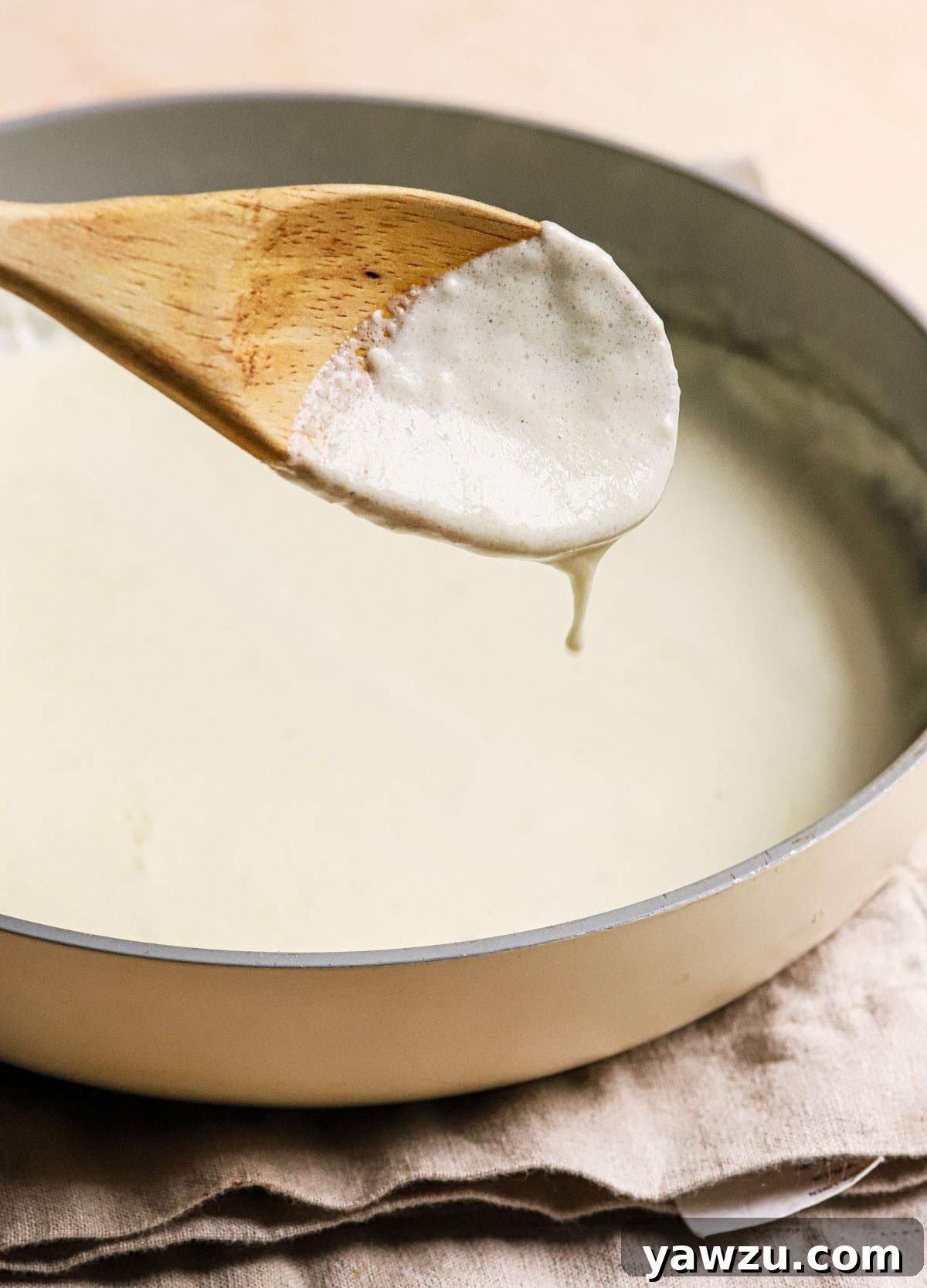
- Achieve Desired Thickness: Return the saucepan to the stovetop and cook over very low heat for an additional 2 to 5 minutes. Stir the sauce constantly during this final stage. You will notice the sauce beginning to visibly thicken to your desired consistency. Be attentive and avoid bringing it to a rolling boil, as high heat can cause the sauce to separate or become grainy. Once it reaches your preferred thickness, it’s ready to be served.
Delightful Serving Suggestions for Garlic Alfredo Sauce
While the most iconic pairing for Alfredo sauce is undoubtedly fettuccine, its rich and versatile nature makes it a fantastic accompaniment to a wide array of dishes. The classic approach is to generously toss the freshly prepared sauce with 1 pound of al dente fettuccine pasta, then garnish with a sprinkle of fresh parsley and a dash of extra cracked pepper for presentation and enhanced flavor. Serve it immediately to enjoy its optimal creamy texture.
But don’t limit yourself to just pasta! Here are numerous other creative and delicious ways to incorporate this heavenly garlic Alfredo sauce into your meals:
- As a Base for Pizza: Ditch the traditional tomato sauce and use Alfredo as the base for a decadent white pizza. Top it with cooked chicken, spinach, mozzarella, and a sprinkle of red pepper flakes for an irresistible twist.
- Tossed Over Gnocchi: The delicate, pillowy texture of gnocchi provides a wonderful contrast to the rich creaminess of Alfredo sauce. It’s a comforting and hearty alternative to traditional pasta.
- In a Veggie Lasagna: Layer Alfredo sauce instead of béchamel or ricotta in a vegetable lasagna for an incredibly rich and flavorful dish. It pairs beautifully with roasted vegetables like zucchini, mushrooms, and bell peppers.
- Make Cheesy Scalloped Potatoes: Transform ordinary potatoes into a luxurious side dish by using this Alfredo sauce. Layer thinly sliced potatoes with the sauce and bake until golden brown and bubbly. You can find a fantastic base recipe for scalloped potatoes here, then simply swap the sauce.
- As a Dip for Crusty Bread: Serve the warm Alfredo sauce in a small bowl with slices of crusty artisan bread, warm focaccia, or garlic bread for an indulgent appetizer or side. It’s perfect for dipping!
- With Chicken or Shrimp: Turn it into a hearty main course by adding grilled, pan-seared, or roasted chicken breast or succulent shrimp. Chicken Alfredo and Shrimp Alfredo are classic combinations that are always a hit.
- Over Baked Potatoes: A dollop of warm Alfredo sauce can elevate a simple baked potato into a more substantial and flavorful meal or side.
- Steamed or Roasted Vegetables: Drizzle the sauce over steamed broccoli, asparagus, green beans, or roasted cauliflower for a delicious way to encourage vegetable consumption. The rich sauce beautifully complements the freshness of the greens.
- Stuffed Shells or Manicotti: Use the Alfredo sauce to fill pasta shells or manicotti along with ricotta and other cheeses for a baked pasta dish that’s rich and satisfying.
Expert Cooking Tips for Flawless Alfredo
Achieving a truly exceptional garlic Alfredo sauce is simpler than you might think, especially with a few insider tips. Pay attention to these details to ensure your sauce is consistently smooth, flavorful, and perfectly creamy every time:
- Mastering Garlic Mincing: For the freshest flavor, always use fresh garlic cloves. A garlic press is an efficient tool for quickly mincing cloves. Alternatively, you can use the tiny holes of a box grater or a microplane grater to achieve a very fine mince, which melts into the sauce seamlessly. For an even more fuss-free option, especially when you’re short on time, keep a jar of good quality minced garlic in your fridge. Just remember that fresh is always best for maximum impact!
- Adjusting Sauce Thickness: Alfredo sauce can sometimes become thicker than desired as it cools or if it reduces too much. If your sauce seems overly thick, don’t fret! You can easily thin it out to your preferred consistency. Add a splash of milk (whole milk or half-and-half works best for retaining some richness) or, even better, a tablespoon or two of the starchy cooking water from your pasta. Add it slowly, whisking continuously, until the sauce reaches your ideal lusciousness. This starchy water also helps bind the sauce to the pasta beautifully.
- Preventing Lumps and Splitting: The key to a silky-smooth Alfredo is gentle heat and proper cheese incorporation. Always remove the sauce from direct heat when adding the Parmesan cheese. The residual heat is enough to melt the cheese without causing it to seize or clump. Add the cheese gradually, whisking constantly and thoroughly after each addition until it’s fully melted before adding more. Once the cheese is in, keep the heat on low and stir frequently to maintain an emulsion and prevent the butterfat from separating.
- Serving Immediately: Alfredo sauce is best enjoyed fresh off the stove. Its rich, dairy-based composition means it thickens significantly as it cools and can sometimes split upon reheating. For the ultimate experience, ensure your pasta is cooked and ready to be tossed as soon as the sauce is finished.
- Pasta Perfection: Cook your fettuccine (or chosen pasta) to al dente perfection according to package directions. It’s ideal to time your pasta cooking so it finishes just as your sauce is ready. A perfectly cooked pasta provides the best texture and mouthfeel for this rich sauce.
Frequently Asked Questions About Garlic Alfredo Sauce
Got questions about making the perfect Alfredo sauce? We’ve got answers to help you achieve a flawless and delicious result every time.
While you technically can, your sauce will be considerably thinner and lack the characteristic richness and velvety texture of traditional Alfredo. Heavy cream, with its higher fat content, is crucial for achieving that desired luxurious body and mouthfeel. If you prefer a slightly lighter sauce but still want some richness, half-and-half would be a better compromise than regular milk, though it will still result in a less robust sauce.
The secret to a smooth, creamy Alfredo sauce lies in two main techniques. First, ensure you add the freshly grated Parmesan cheese into the heated cream and butter mixture a little bit at a time. After each small addition, whisk the sauce vigorously and constantly until the cheese is completely melted and incorporated before adding the next batch. Second, once all the cheese is added, continue to stir the sauce continuously as it cooks for a couple of more minutes over low heat. Avoid high heat during this stage, as it can cause the cheese to clump or the sauce to split. Fine grating of the cheese also helps immensely.
This sauce is undoubtedly best enjoyed immediately after it’s made. Unfortunately, Alfredo sauce does not reheat very well. The high fat content from the butter and cream tends to separate, or “split,” upon reheating, leaving you with an oily, grainy mess where the butter separates from the dairy solids. Once a sauce splits, it’s incredibly difficult to bring it back together to its original creamy consistency. If you must reheat, do so very gently over low heat, adding a splash of milk or pasta water and whisking constantly, but manage your expectations for the texture.
The terms are often used interchangeably, but there’s a distinct culinary difference. “White sauce” typically refers to béchamel, a classic creamy French mother sauce made from a roux (a cooked mixture of butter and flour) thickened with milk. Alfredo sauce, on the other hand, is Italian in origin (or, more accurately, Italian-American) and is primarily made with rich ingredients like butter, heavy cream, and Parmesan cheese, thickened through emulsion rather than flour. Béchamel provides a milder, foundational creaminess, while Alfredo offers a more pronounced rich, buttery, and cheesy flavor profile.
Absolutely! Alfredo sauce is incredibly versatile and pairs wonderfully with various proteins. Cooked chicken breast (grilled, pan-seared, or shredded), shrimp, and even cooked sausage are popular additions. Simply stir your cooked protein into the finished sauce just before serving, allowing it to warm through.
Yes, this garlic Alfredo sauce recipe is inherently vegetarian. It contains no meat or animal products beyond dairy (butter, heavy cream, Parmesan cheese). However, some Parmesan cheeses use animal rennet in their production. If you follow a strict vegetarian diet, look for Parmesan or a similar hard Italian cheese labeled as vegetarian, often made with microbial rennet.
Looking for more delicious pasta sauce inspiration to elevate your meal rotation? Explore these fantastic recipes:
- Easy Bolognese Sauce: A timeless meat sauce perfect for any pasta.
- The Best Meat Sauce: Rich, hearty, and full of flavor.
- Slow Cooker Beef and Onion Ragu: A deeply savory and tender sauce, perfect for a slow-cooked meal.
Alfredo Sauce
8
servings
5
mins
15
mins
20
mins
Pin
Rate
Ingredients
-
½ cup ( 113 g) unsalted butter -
2 garlic cloves, minced -
2 cups ( 480 ml) heavy cream -
½ teaspoon kosher salt -
½ teaspoon pepper -
¼ teaspoon garlic powder -
Pinch nutmeg -
1½ cups ( 150 g) freshly grated Parmesan cheese -
Minced flat-leaf parsley, to garnish
Prevent your screen from going dark
Instructions
-
In a medium saucepan over medium heat, melt the butter. Then add the garlic, salt, pepper, garlic powder, and nutmeg and cook for 1 minute, stirring constantly to infuse the flavors without burning the garlic.
-
Slowly add the heavy cream, whisking gently to combine. Bring everything to a rapid simmer, then reduce the heat to medium-low and gently simmer for 5 minutes, allowing the sauce to thicken slightly.
-
Remove the pot from the heat. Add the freshly grated Parmesan cheese a small amount at a time, whisking the sauce constantly and vigorously until each batch is completely melted and incorporated before adding the next. This prevents clumping and ensures a smooth consistency.
-
Return the saucepan to the stovetop and cook on very low heat for an additional 2 to 5 minutes, stirring it constantly, until the sauce begins to thicken to your desired consistency. Avoid boiling.
-
Generously toss the warm sauce with 1 pound of freshly cooked fettuccine pasta. Serve immediately, garnishing with fresh minced flat-leaf parsley and additional cracked pepper, if desired. Enjoy the ultimate comfort food!
Notes
- Heavy Cream: While you can substitute milk, your sauce will be substantially thinner and less rich. For the best, most authentic Alfredo, heavy cream is essential.
- Pepper: I liked cracked black pepper for its aroma and slight bite, but if you want a pure white sauce for aesthetic reasons, use white pepper.
- Parmesan Cheese: Always grate your own Parmesan from a block using the small holes of a box grater or a Microplane grater. Fine, freshly grated pieces melt easily and smoothly into the sauce, unlike pre-shredded varieties.
- Reheating: This sauce is truly best eaten immediately. Unfortunately, due to its delicate emulsion of fats and dairy, it does not reheat very well. The sauce tends to split, meaning the butter separates from the dairy, resulting in an oily and often grainy texture. Once a sauce splits, it’s very difficult to bring it back to its original creamy state.
- Nutrition information is provided for the sauce only per serving; it does not include the cooked pasta or any added protein.
Calories:
382
kcal
,
Carbohydrates:
3
g
,
Protein:
8
g
,
Fat:
38
g
,
Saturated Fat:
24
g
,
Polyunsaturated Fat:
1
g
,
Monounsaturated Fat:
11
g
,
Trans Fat:
1
g
,
Cholesterol:
125
mg
,
Sodium:
470
mg
,
Potassium:
71
mg
,
Fiber:
1
g
,
Sugar:
1
g
,
Vitamin A:
1376
IU
,
Vitamin C:
1
mg
,
Calcium:
266
mg
,
Iron:
1
mg
Did you make this recipe?
Leave a review below, then snap a picture and tag @thebrowneyedbaker on Instagram so I can see it!
Michelle Lettrich
Main Course
American, Italian
Photography by Dee Frances.