
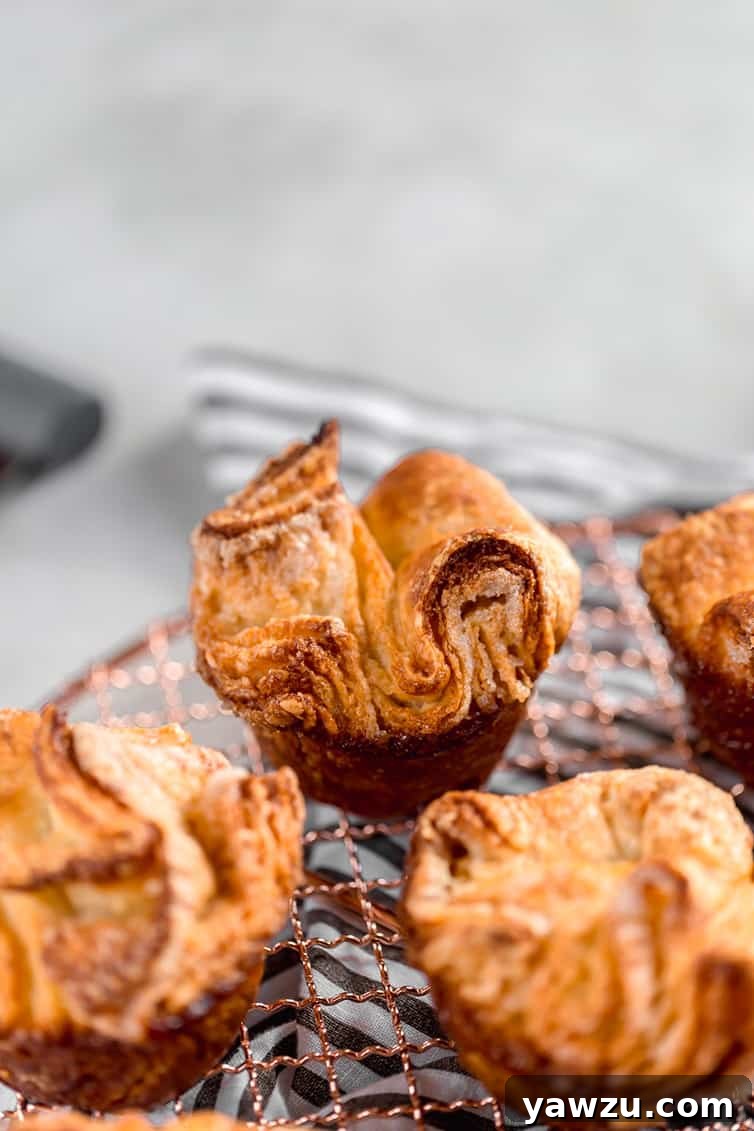
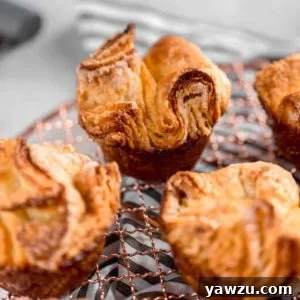
Welcome to the enchanting world of Kouign-Amann, a delectable French pastry that promises a truly unforgettable culinary experience. Imagine the buttery flakiness of a perfectly crafted croissant, but elevated with a sweet, caramelized sugar crust – that’s the magic of Kouign-Amann. These mini masterpieces, traditionally baked in muffin tins, offer a symphony of textures and flavors: crisp, tender, and intensely buttery with hints of sweet caramel. While the name might sound intimidating and the process of working with laminated dough appears complex, rest assured, this comprehensive guide will demystify every step. You’ll discover how to create these extraordinary pastries right in your own kitchen, complete with detailed instructions, helpful notes, and plenty of visual aids.
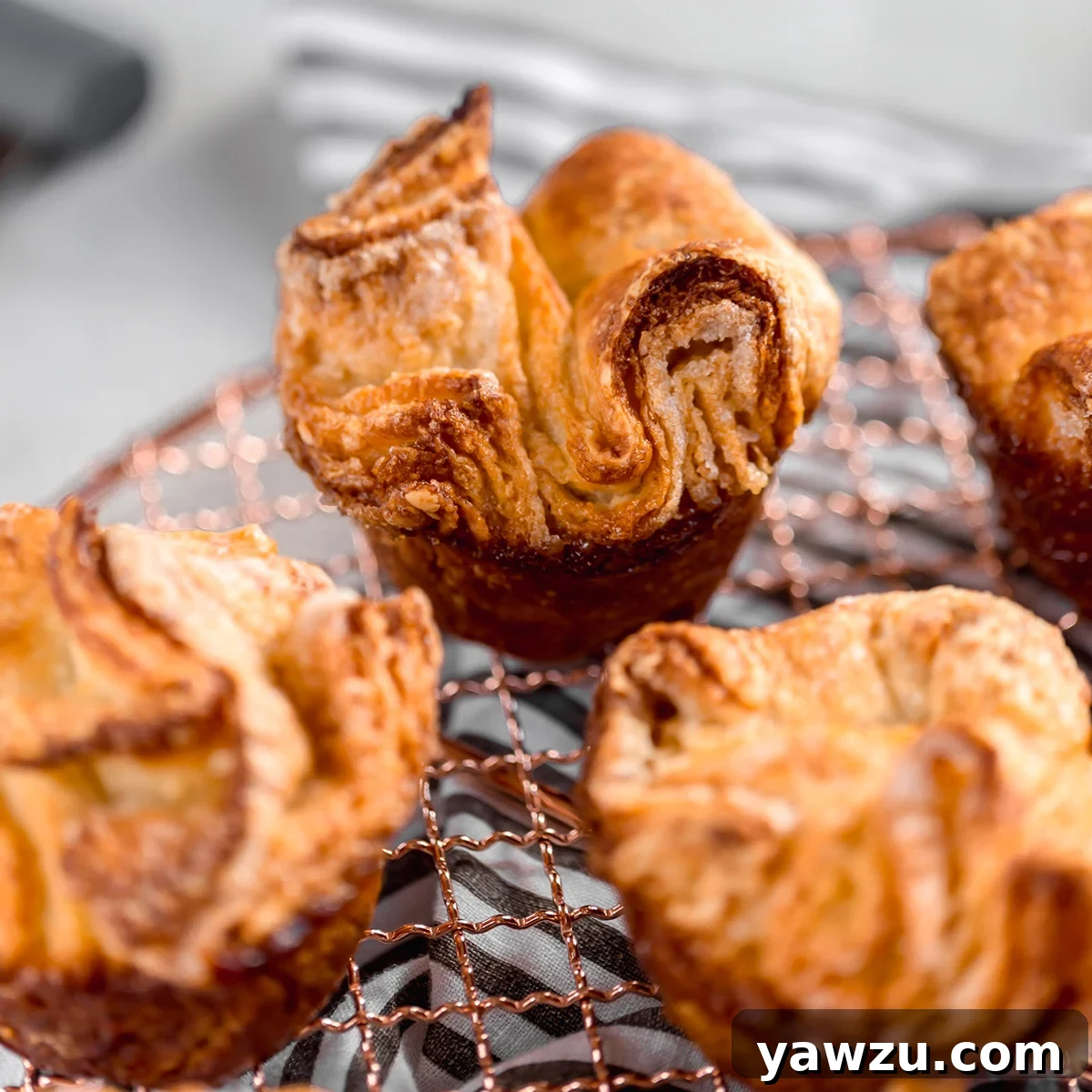
Hailing from the picturesque Brittany region on the northwestern coast of France, Kouign-Amann (pronounced “queen-ah-mahn”) is more than just a pastry; it’s a testament to French culinary artistry. Its name is derived from the Breton words “kouign” (cake) and “amann” (butter), quite literally translating to “butter cake.” This origin perfectly encapsulates the pastry’s essence, as butter is not just an ingredient but a star player, contributing profoundly to its signature richness and layered texture. Unlike its cousin, the classic croissant, Kouign-Amann distinguishes itself by incorporating generous amounts of sugar into the dough during the lamination process, creating those irresistible, crisp, and sweet caramelized layers that define this unique treat.
The concept of “laminated dough” often conjures images of professional patisseries and intricate techniques. It’s the same method used to create the light and airy layers in croissants or puff pastry. However, the addition of sugar in Kouign-Amann dough is the crucial difference, transforming it into something truly special. If the thought of working with laminated dough feels daunting, let this be your reassurance: you absolutely can master this! This detailed recipe breaks down the seemingly complex process into manageable, confidence-building steps. With clear instructions, invaluable tips, and illustrative photos, you’ll be well-equipped to bake these glorious French pastries with ease and enjoyment.
Mastering Homemade Kouign-Amann: A Step-by-Step Guide
Embark on a culinary journey to create these glorious French pastries. While the process requires patience and attention to detail, each step is designed to be straightforward, leading you to a truly rewarding result. Let’s delve into the fundamental stages of making Kouign-Amann, transforming simple ingredients into an extraordinary treat.
Crafting the Perfect Base Dough
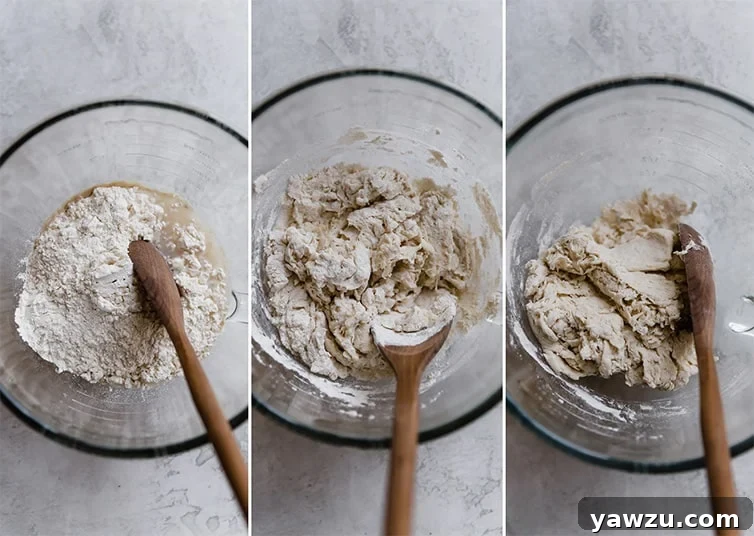
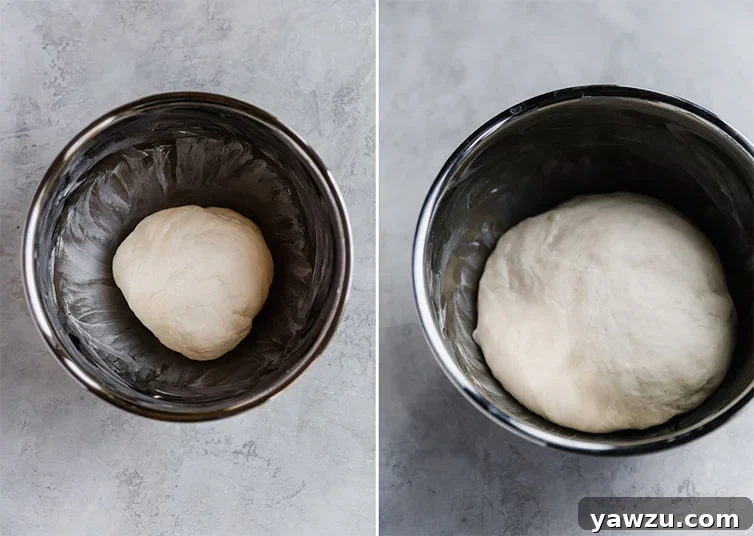
Our journey begins with a deceptively simple yeast dough, the foundation of our flaky pastry. This basic mix of water, active yeast, a touch of salt, and all-purpose flour forms the canvas for our buttery layers. The initial mixing is crucial: combine these ingredients until a shaggy, cohesive dough forms, then knead until it achieves a smooth, supple texture. This development of gluten is essential for the dough’s elasticity, allowing it to be rolled thinly without tearing later on. After kneading, the dough undergoes its first rise, doubling in size as the yeast works its magic. A brief refrigeration period of about 30 minutes follows, firming up the dough and making it significantly easier to handle and roll, preparing it for the butter incorporation.
The Art of the Butter Block
The butter block is arguably the most critical component of laminated pastries, and for Kouign-Amann, perfection is key. While various methods exist, a particularly effective one involves preparing cold, high-quality butter. Begin by cubing chilled butter, then beat it at low speed until it becomes uniformly homogeneous and waxy, free of any stubborn lumps. This ensures the butter will spread evenly within the dough without breaking or tearing. Next, carefully press this softened butter into a precise rectangle, approximately 6 by 10 inches, between two sheets of parchment paper. Using a rolling pin, gently yet firmly roll over the parchment-wrapped butter, pushing it into the corners to create a perfectly even layer with sharp edges. This precision is vital for creating consistent, beautiful layers in the final pastry. The butter block is then briefly refrigerated to firm up slightly, ensuring it’s pliable enough to work with but cold enough not to melt into the dough too quickly.
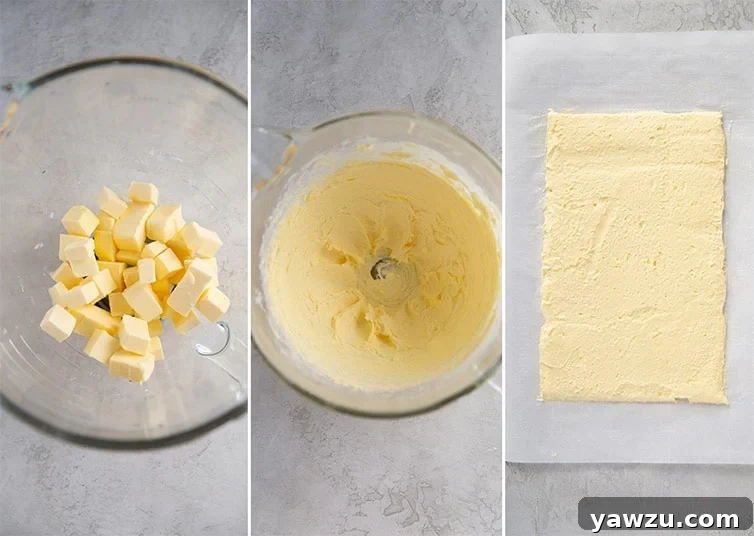
Seamlessly Integrating the Butter Block
With both your chilled dough and butter block prepared, it’s time for their initial union. On a lightly floured surface, roll out your chilled dough into a rectangle, typically about 12 by 20 inches. Carefully unwrap your firm yet pliable butter block and position it directly in the center of the rolled-out dough. The goal is to enclose the butter entirely within the dough, much like folding a letter. Fold one half of the dough over the butter block, ensuring it covers completely, then bring the remaining bottom half up and over, creating a neat package. This initial encasement sets the stage for the lamination process. A gentle roll over the folded dough helps to lightly press the layers together and evenly distribute the butter. Finally, fold this butter-enclosed dough into thirds once more, again mimicking a letter fold. This crucial first step meticulously traps the butter within the dough, laying the groundwork for the many flaky layers to come.
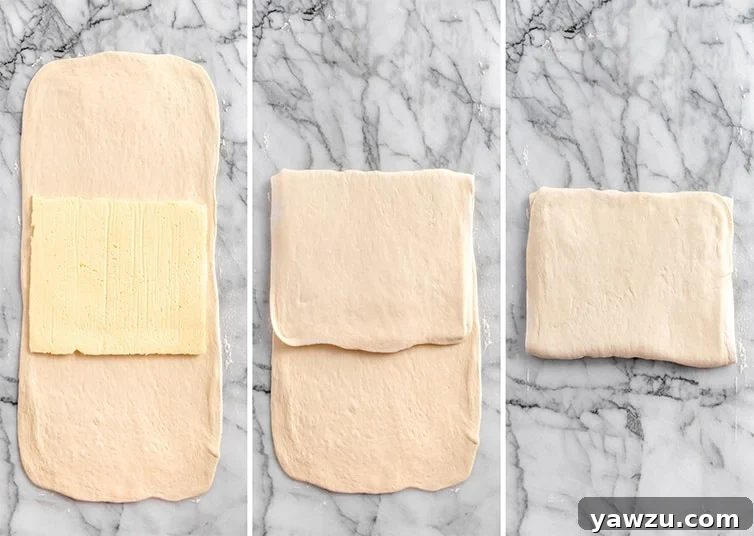
The Magic of Lamination: Performing the “Turns”
This stage is where the true alchemy of Kouign-Amann unfolds, creating the multitude of incredible flaky layers that define this pastry. Lamination is a meticulous process of repeatedly rolling out the dough and butter into thin sheets, then folding it back onto itself. Each complete cycle of rolling and folding is known as a “turn.” This process creates alternating strata of dough and butter, which, when baked, separate into those coveted, delicate layers that make pastries like croissants and Kouign-Amann so exquisitely buttery and light. For this Kouign-Amann recipe, we perform a total of four turns to achieve optimal flakiness and structure. It’s a dance between precision, gentle handling, and strategic chilling.
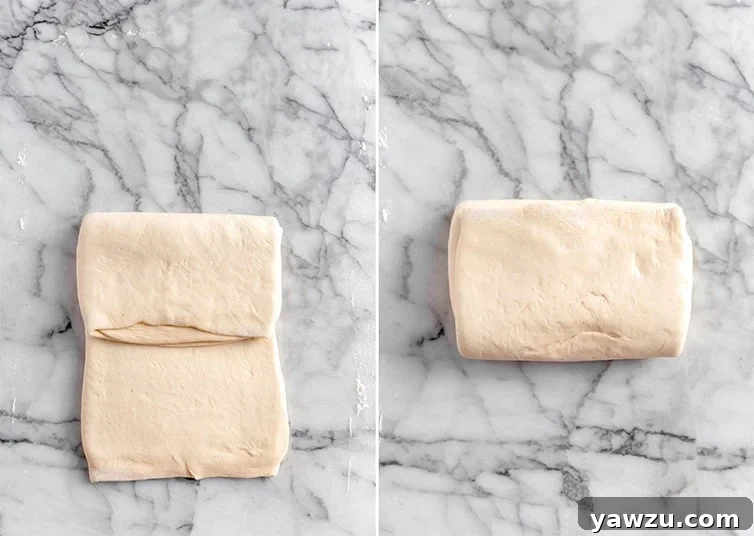
Maintaining the integrity of the butter layers is paramount, which is why chilling between turns is essential. In my experience, refrigerating the dough for a full 30 minutes after *each* turn makes a phenomenal difference. Without adequate chilling, the butter can become too warm and soft, leading to it squeezing out of the dough or becoming overly incorporated, which compromises the distinct layers. Consistent chilling ensures the butter remains firm and distinct, resulting in a cleaner lamination and ultimately, a superior pastry. This small but crucial step prevents common pitfalls and ensures your dough is always cooperative and easy to work with.
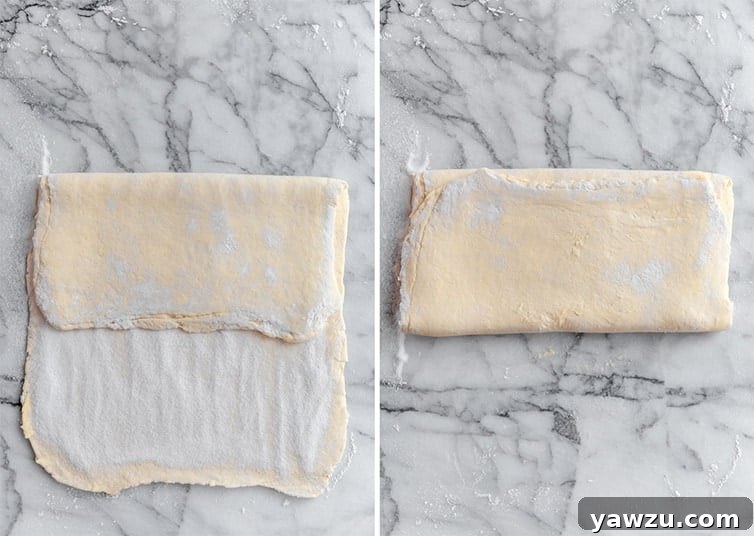
What truly sets Kouign-Amann apart, however, are the final two turns. During these last stages of lamination, a generous amount of granulated sugar is sprinkled across the entire surface of the rolled-out dough *before* it’s folded. This innovative step is the secret to Kouign-Amann’s unparalleled character. As the dough bakes, this embedded sugar melts and caramelizes, creating a wonderfully crisp, sugary crust on the exterior and adding an irresistible sweetness that permeates the flaky layers. It transforms the pastry from simply buttery to an astonishingly delicious, caramelized delicacy, a step above other laminated treats.
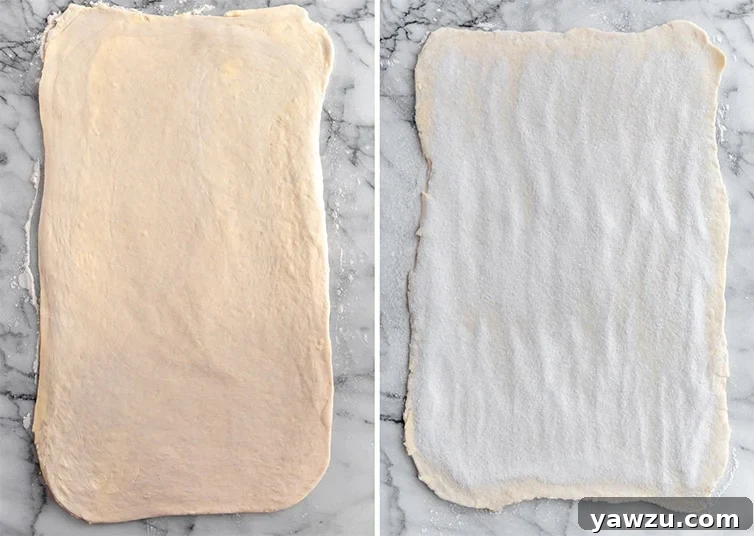
Shaping and Baking Your Golden Delights
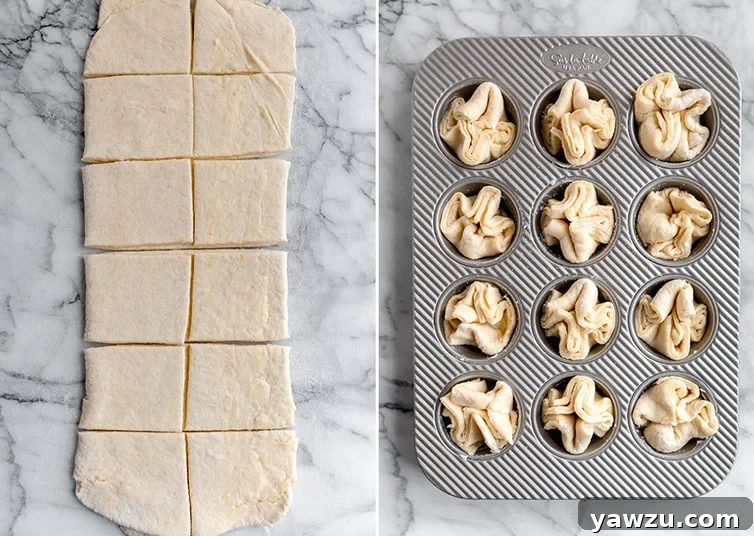
Once all the precise turns are complete and your dough is beautifully laminated with sugar, it’s time for the final transformation. The dough is rolled out one last time into a large rectangle and then meticulously cut into individual squares. The shaping process for Kouign-Amann is unique and charming: each square is folded by bringing its four corners into the center, creating a small, slightly puffed parcel. These shaped pastries are then gently but firmly tucked into generously buttered standard muffin tins. The buttering of the tins is crucial, as it aids in the caramelization process and prevents sticking. The pastries are then left to rise at room temperature for about 30 to 45 minutes, allowing the yeast to activate and the dough to puff up slightly, preparing them for their hot oven debut.
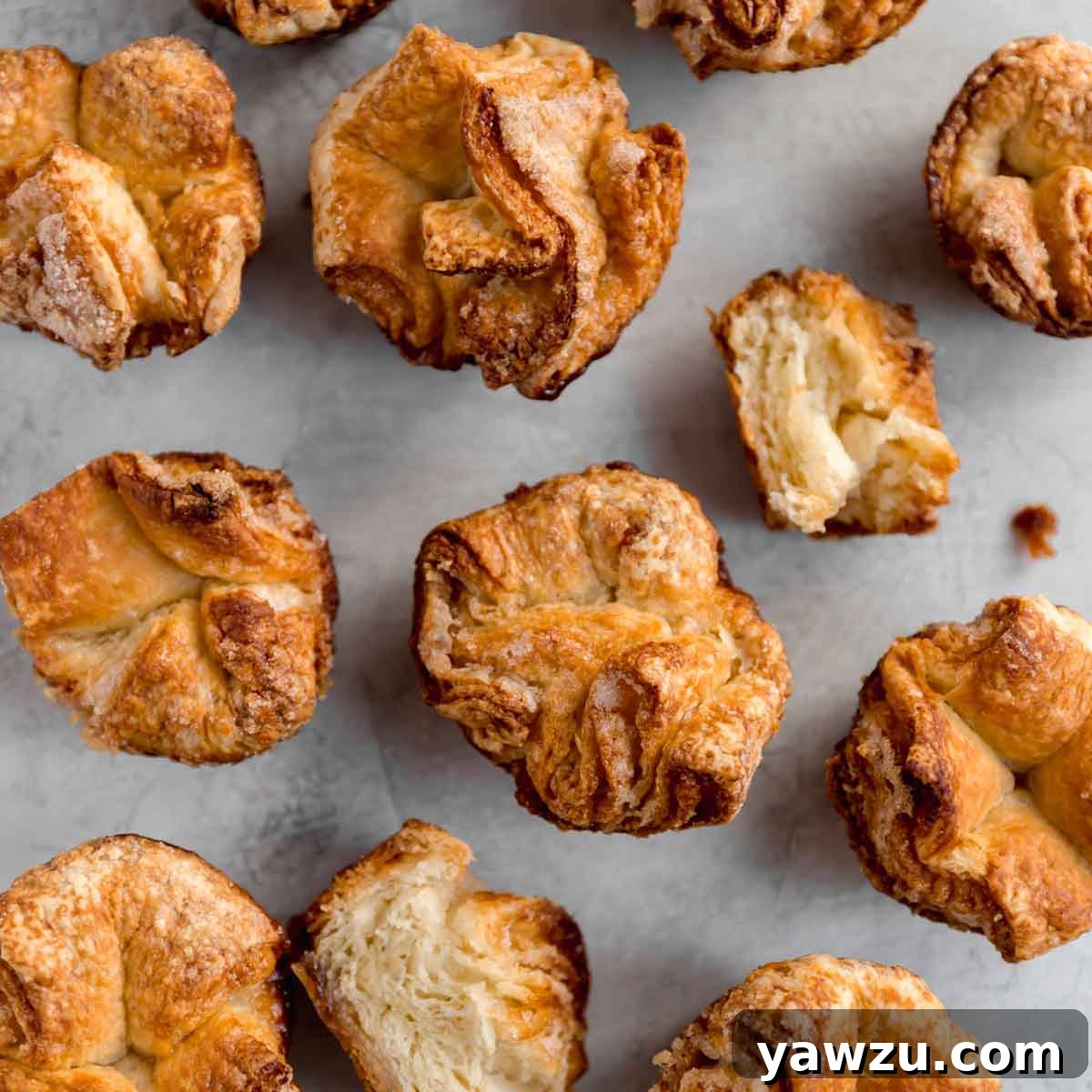
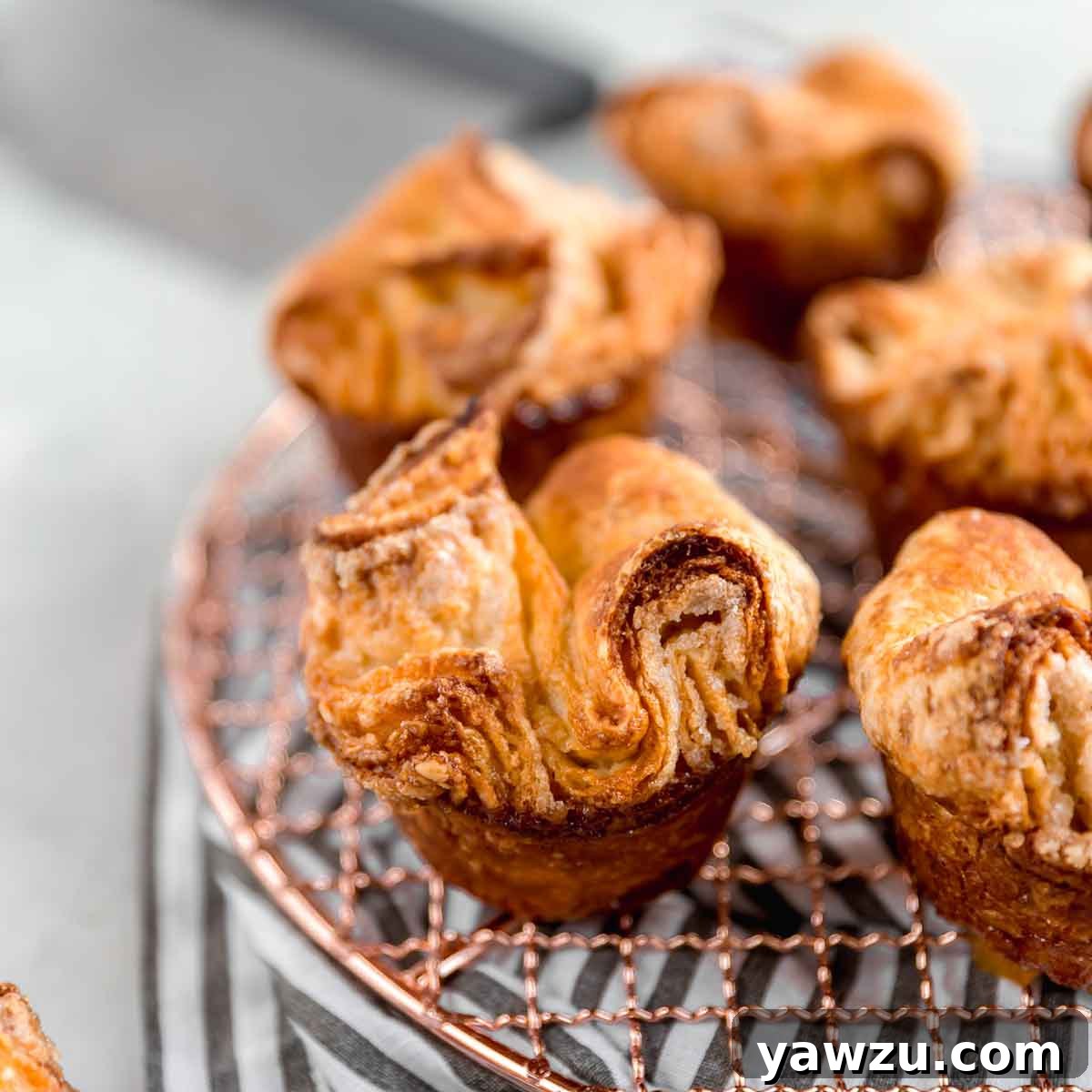
Baking Kouign-Amann to perfection requires a careful eye. They are done when they achieve a deep, glorious golden brown hue, with the edges just on the cusp of looking burnt – this deep color signifies the sugar has caramelized beautifully, creating that irresistible crunchy crust. The moment they are safely cool enough to handle, it is absolutely critical to remove them from the muffin tin to a cooling rack. This step cannot be emphasized enough! The melted sugar at the bottom of the pan will rapidly cool and harden, turning into a rock-solid caramel that will fuse the pastries to the tin, making them virtually impossible to remove without tearing apart their delicate structure. Prompt removal ensures the intact, perfectly caramelized bottom is preserved.
While the aroma of freshly baked Kouign-Amann is incredibly tempting, I implore you to resist the urge to devour them immediately. Though warm Kouign-Amann is undeniably good, it’s when they cool completely that they truly shine. The process of cooling allows the caramelized sugar to set and crisp up, and the layers to firm, bringing forth that quintessential crunchy, sugary, and flaky texture. This complete cooling is what unites all the elements into the magnificent pastry you’ve worked so hard to create. So, despite the tempting sticky-bun vibe at the bottom, exercise patience to enjoy these treats in their full, glorious splendor.
Admittedly, making Kouign-Amann does require a significant chunk of time due to the various chilling periods. However, the actual hands-on work is surprisingly minimal, making it an achievable project for home bakers. This recipe is also incredibly flexible, offering several “make-ahead” points where you can pause and refrigerate or even freeze the dough, allowing you to break up the process over several days. Don’t let the total time deter you; the ability to split up the work makes this gourmet pastry accessible even for busy schedules.
Essential Tips for Perfect Kouign-Amann
To help you achieve the most exquisite Kouign-Amann possible, here are a few expert tips and tricks:
- Butter Quality Matters: The star of Kouign-Amann is butter, so choose the best you can find. European-style butters, like Kerrygold, typically boast a higher fat content and lower water content compared to their American counterparts. This superior composition yields a richer flavor and helps create those distinct, flaky layers crucial for a perfect Kouign-Amann. It’s an investment that truly pays off in taste and texture.
- Hand-Pounding Butter (No Mixer? No Problem!): If a stand mixer isn’t available, you can still prepare a fantastic butter block by hand. Use two unwrapped sticks of cold butter (do not cube it for this method). Sprinkle your clean counter with a tablespoon or two of all-purpose flour, place the butter on top, and sprinkle it with more flour. Begin gently tapping the butter with your rolling pin to flatten it slightly, then increase pressure once the flour adheres. Pound the butter flat, fold it in half using a pastry scraper, and repeat this process 2-3 more times until the butter is very supple and can be easily flattened and folded within a few hits. Add extra flour as needed to prevent sticking. Shape it into a 6×10-inch rectangle and refrigerate for no more than 15 minutes before use, otherwise, it will become too stiff to work with.
- Mind the Chilling Time: While chilling between “turns” is crucial, don’t overdo it. Keeping the dough in the refrigerator for much longer than 30 minutes at a time can cause the butter to become overly stiff and brittle. This stiffness can make the dough difficult to roll without cracking the butter layers or even tearing the dough, which compromises the delicate lamination. Aim for firm but still pliable butter.
- Cinnamon-Sugar Variation: For a delightful aromatic twist, consider mixing a teaspoon of ground cinnamon into your granulated sugar before sprinkling it onto the dough during the last two turns. This simple addition infuses the Kouign-Amann with a warm, spicy note that perfectly complements the rich butter and caramelized sugar.
- Creative Add-Ins: Elevate your Kouign-Amann by incorporating a little something extra into the center of each pastry. After cutting the dough into squares and before folding the corners, place a small spoonful of fruit jam, a dollop of salted caramel, a few chocolate chips, or a small piece of dark chocolate in the middle. The folded dough will encapsulate your chosen filling, creating a delicious surprise inside.
- Prompt Removal is Key: As mentioned, this tip cannot be overstated. Once baked, the sugar at the bottom of the Kouign-Amann rapidly caramelizes and then solidifies as it cools. If you let the pastries cool too long in the muffin tin (even 10-15 minutes can be too much), this hardened sugar will effectively glue them to the pan, making neat removal nearly impossible without damaging the pastry. Aim to remove them within 5 minutes of taking them out of the oven.
- Best Enjoyed Fresh: While Kouign-Amann is truly best when eaten on the same day it’s baked, I’ve found them to be near-perfect on the second day when stored in an airtight container at room temperature. However, beyond that, they tend to soften significantly and lose their signature flaky/crunchy texture. Plan to enjoy them promptly for the ultimate experience.
- Freezing Baked Pastries: You can successfully freeze *baked* Kouign-Amann for up to 3 months. Allow them to cool completely, then wrap each pastry individually in plastic wrap before transferring them to a freezer-safe bag. To reheat, thaw at room temperature or place them in a 325-degree F (160°C) oven for about 10 minutes until warmed through. **A crucial warning:** I strongly advise against freezing *shaped, unbaked* pastries. The sugar content in the dough will liquefy in the freezer, turning syrupy and ruining the delicate laminated structure upon thawing.
Explore More Homemade Pastry Recipes:
- Morning Buns
- Classic Baklava Recipe
- Homemade Cannoli
- Apple Turnovers (From Scratch)
Watch Our Kouign-Amann Video Guide:
For a visual walkthrough of each intricate step, enhance your learning experience by watching our detailed video guide on how to make these exquisite Kouign-Amann pastries at home. See the techniques in action to build your confidence!
Kouign-Amann Recipe
Cook Time: 45 mins
Total Time: 6 hrs 45 mins
Kouign-Amann are an irresistible French pastry, known for their buttery, flaky layers and caramelized sugar crust. This recipe guides you through creating these delightful treats at home, offering a perfect balance of crispy exterior and tender interior. Similar to a sugared croissant or a refined sticky bun, they are truly a culinary masterpiece.
4.51 (97 ratings)
Pin Recipe
Rate Recipe
Ingredients
For the Dough:
- 1 cup (240 ml) water, at room temperature
- 2 teaspoons instant yeast
- 2½ cups (355 g) all-purpose flour
- 1 teaspoon salt
For the Butter Block:
- 8 ounces (227 g) salted butter, chilled and cubed
For the Pastries:
- 1½ cups (298 g) granulated sugar, divided
Instructions
- Make the Dough: Combine the water and yeast in the bowl of a stand mixer (or a mixing bowl, if kneading by hand). Add the flour and the salt. Stir with a wooden spoon until a shaggy dough is formed.
- Fit the mixer with a dough hook attachment and knead the dough at low speed until the dough is slightly tacky but smooth, 3 to 5 minutes. If the dough sticks to the sides of the bowl, add 1 tablespoon of flour at a time and knead until the dough is smooth. If the dough feels very stiff and dry, add 1 tablespoon of water at a time and knead until the dough is smooth.
- Transfer the dough to a clean bowl that has been lightly greased with butter, turning the dough to coat it with butter. Cover the mixing bowl with plastic wrap and let the dough rise until doubled in size, about 1 hour.
- Once the dough has doubled in size, place it in the refrigerator for at least 30 minutes. [MAKE-AHEAD NOTE: At this point, you can refrigerate the dough overnight, then proceed with the recipe.]
- Make the Butter Block: Beat the butter on low speed until it’s homogeneous and waxy in texture, about 3 minutes, scraping the beater and bowl as needed to break up the cubes. Turn the butter out onto a piece of parchment paper and shape into a rectangle about 6 inches by 10 inches. Wrap up the butter in the parchment paper, pressing out any air. Gently roll a rolling pin over the butter packet, pushing the butter into the corners to create a perfect rectangle with even thickness. Refrigerate until firm yet still pliable, about 25 to 30 minutes.
- Roll out the Dough: Place the chilled dough onto a floured work surface and roll into a rectangle 12 inches by 20 inches. Remove the butter from the refrigerator and place it in the middle of the dough. Fold one half of the dough over the butter, then fold the other half on top, like folding a letter. Roll it out slightly to press the layers together, then fold it again into thirds like a letter.
- “Turn the Dough” #1: Rotate the dough so that the open, narrower edge is facing you. Roll the dough out to a rectangle 12 inches wide by 20 inches long. Fold the top third down and bottom third up, again like folding a letter. Place the packet of dough on a baking sheet, cover with plastic wrap, and refrigerate for 30 minutes.
- “Turn the Dough” #2: Place the packet of dough on a floured surface with the open, narrower edge facing you. Roll the dough out to a rectangle 12 inches wide by 20 inches long. Fold the top third down and bottom third up, again like folding a letter. Place the packet of dough on a baking sheet, cover with plastic wrap, and refrigerate for 30 minutes. [MAKE-AHEAD NOTE: At this point, you can wrap the dough in plastic wrap, place in a freezer-safe bag and freeze for up to 2 months. Thaw in the refrigerator overnight, then proceed with the recipe.]
- “Turn the Dough” #3: Place the packet of dough on a floured surface with the open, narrower edge facing you. Roll the dough out to a rectangle 12 inches wide by 20 inches long. Sprinkle the entire surface of the dough with ¾ cup of the sugar, then press lightly to help it stick to the dough. Fold the top third down and bottom third up, again like folding a letter. If any sugar falls out, press it back into the folds. Place the packet of dough on a baking sheet, cover with plastic wrap, and refrigerate for 30 minutes.
- “Turn the Dough” #4: Place the packet of dough on a floured surface with the open, narrower edge facing you. Roll the dough out to a rectangle 12 inches wide by 20 inches long. Sprinkle the entire surface of the dough with ¾ cup of the sugar, then press lightly to help it stick to the dough. Fold the top third down and bottom third up, again like folding a letter. If any sugar falls out, press it back into the folds. Place the packet of dough on a baking sheet, cover with plastic wrap, and refrigerate for 30 minutes.
- Prepare the Muffin Tin: Grease the insides of a standard 12-cup muffin pan generously with butter. Set aside.
- Shape the Kouign-Amann: Sprinkle the work surface with sugar. Remove the dough from the refrigerator and transfer it to the counter. Sprinkle a little additional sugar over the top of the dough. Roll the dough out to a rectangle 8 inches wide by 24 inches long.
- Slice the dough down the length to form two strips that are 4 inches wide by 24 inches long. Cut each strip into 4-inch squares to create 12 squares. Fold the corners of each square toward the center. Pick up each pastry and tuck it firmly into the muffin pan; it will feel like you’re squishing the pastry in there! [MAKE-AHEAD NOTE: At this point, you can cover the pan with plastic wrap and refrigerate overnight. The next day, allow the pastries to come to room temperature and rise for 1 hour before baking.]
- Cover the pan loosely with plastic wrap and let them rise until slightly puffy, 30 to 40 minutes.
- Meanwhile, preheat the oven to 400 degrees F (200°C).
- Bake the Kouign-Amann: Set the muffin pan on a rimmed baking sheet, place in the oven and immediately reduce the heat to 350 degrees F (175°C). Bake until the pastries are deep golden brown and tips are very dark brown, 40 to 45 minutes, rotating the pan halfway through baking.
- Transfer the pan to a cooling rack and let the pastries stand until they are just cool enough to handle, about 5 minutes. Gently remove them from the muffin pan and set them on the cooling rack to finish cooling completely. The Kouign-Amann can be served warm or at room temperature. They are best served the same day they are made.
Notes
- Using high-quality European butter with higher fat content, such as Kerrygold, is crucial for the best flavor and flakiness in your Kouign-Amann. This butter’s richness contributes significantly to the pastry’s delicate texture and deep buttery taste.
- If a stand mixer isn’t available, you can **pound the butter by hand**. Start with two unwrapped sticks of cold butter. Lightly flour your counter and the butter. Gently tap with a rolling pin, then increase force once flour adheres. Pound flat, fold in half with a pastry scraper, and repeat 2-3 times until pliable. Aim for a 6×10-inch rectangle, adding flour as needed to prevent sticking. Refrigerate for no more than 15 minutes before use, or it will re-stiffen.
- Avoid refrigerating the dough for longer than 30 minutes between “turns” to prevent the butter from becoming too stiff and difficult to work with, which could compromise your laminated layers.
- For a delightful twist, incorporate ground cinnamon into the granulated sugar before sprinkling it onto the dough during the sugared turns, creating a delicious cinnamon-sugar Kouign-Amann.
- Consider adding a small filling to the center of each pastry before the final shaping. A teaspoon of fruit jam, salted caramel, a few chocolate chips, or a small piece of dark chocolate can add an exciting burst of flavor. Place the filling in the center of each square before folding the corners inward.
- It is imperative to remove the Kouign-Amann from the muffin tin within 5-10 minutes of baking. If left to cool in the pan, the caramelized sugar at the bottom will solidify into a rock-hard layer, making it almost impossible to extract the pastries intact without tearing them.
- While Kouign-Amann are truly exceptional when enjoyed warm from the oven, they develop their signature crunchy, sugary, and flaky texture best after cooling completely. Stored in an airtight container at room temperature, they remain excellent for up to two days, though they do soften slightly thereafter.
- Baked Kouign-Amann can be frozen for up to 3 months. Allow them to cool entirely, then wrap each pastry individually in plastic wrap before placing them in a freezer-safe bag. To reheat, thaw at room temperature or place in a 325-degree F (160°C) oven for about 10 minutes. **Do not freeze unbaked, shaped pastries**, as the sugar will liquefy and turn syrupy during the freezing and thawing process, ruining the texture.
Nutrition Information (per serving)
- Calories: 333kcal
- Carbohydrates: 45g
- Protein: 3g
- Fat: 15g
- Saturated Fat: 9g
- Cholesterol: 40mg
- Sodium: 331mg
- Potassium: 51mg
- Fiber: 1g
- Sugar: 25g
- Vitamin A: 470IU
- Calcium: 8mg
- Iron: 1.3mg
Did you make this recipe?
Leave a review below, then snap a picture and tag @thebrowneyedbaker on Instagram so I can see it!
Course: Dessert
Cuisine: French
[photos by Ari of Well Seasoned]