
Grandma’s Butternut Walnut Biscotti: A Timeless Italian Cookie Recipe
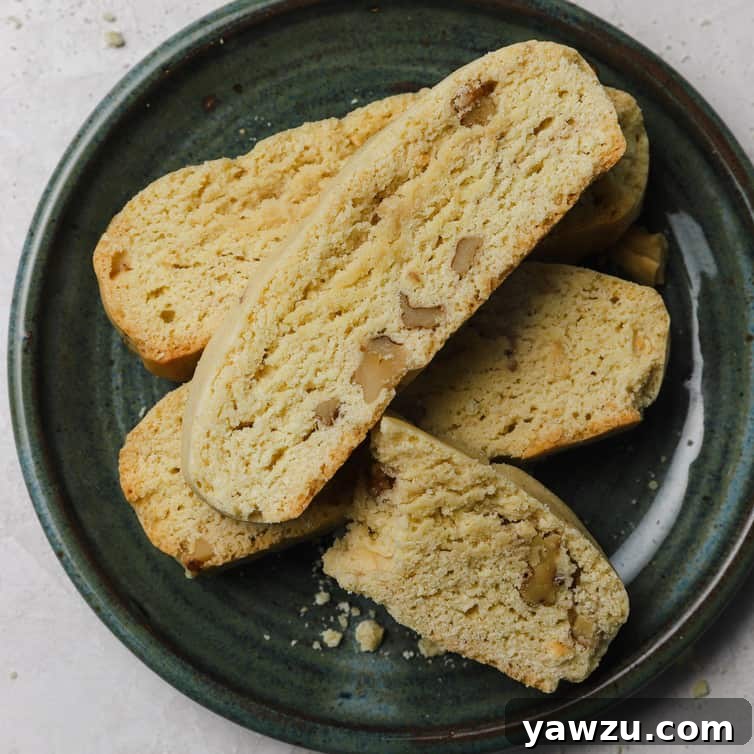
There’s a reason some recipes become cherished family heirlooms, passed down through generations with love and tradition. My grandma’s biscotti recipe is one such treasure. These classic twice-baked Italian cookies, with their distinct crunchy texture, were a constant presence in her home. While traditional biscotti often feature anise, her unique take included a delightful vanilla butternut flavoring and generous chunks of walnuts. The result? A perfectly crisp, subtly sweet, and wonderfully comforting cookie that quickly became a family favorite. Read on to discover how to easily bake these irresistible treats, complete with endless variations, making them ideal for gifting or simply enjoying with your favorite cup of coffee, tea, or a special dessert wine.
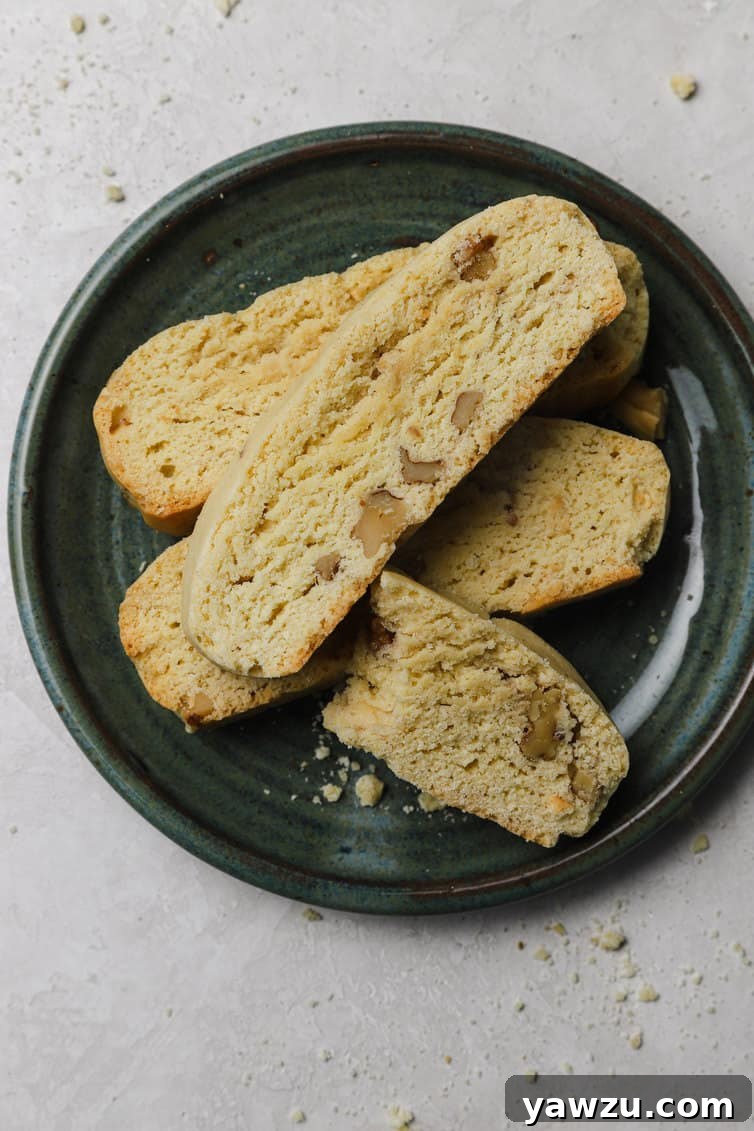
Growing up, my grandmother’s home was synonymous with warmth, laughter, and the comforting aroma of freshly baked goods. Her ceramic cookie jar, a staple on her kitchen counter, was never empty. It was perpetually filled to the brim with her signature biscotti. If you happened to reach in and discover you’d just claimed the last one, her response was always the same, delivered with a knowing smile: “Don’t you worry, dear. Head over to the steps and grab the big tin; there are plenty more in there.” And indeed, there always were. It seemed impossible to visit her without, at some point, settling down with one or two of these delightful cookies alongside a steaming cup of coffee, sharing stories and making memories.
I often find myself wishing she were still here, sitting across from me at her dining room table, or perhaps mine, indulging in a plate of these butternut walnut biscotti and chatting over coffee. One day, we’ll share those moments again.
What Are Biscotti and How Are They Made? A Journey into Italian Baking
Biscotti, whose name literally translates to “twice-cooked” (bis meaning twice, and cotti meaning cooked), are a beloved traditional Italian cookie renowned for their dry, crunchy texture. This distinctive characteristic is achieved through their unique twice-baked method, which not only makes them ideal for dunking but also grants them an exceptionally long shelf life. Historically, this longevity was crucial, as biscotti were originally created as a non-perishable food source for travelers and soldiers, dating back to ancient Roman times. The most famous origin story places modern biscotti in Prato, Tuscany, where they became widely popular in the 14th century.
The original Italian recipe for biscotti, often referred to as biscotti di Prato, is quite simple and lean. It typically includes no fat, relying solely on flour, eggs, sugar, pine nuts, and almonds. The dough is first shaped into elongated logs or slabs and baked until golden and firm. After cooling slightly, these logs are then diagonally sliced into individual cookies and returned to the oven for a second bake. This secondary baking process, often at a lower temperature, is what drives out moisture, creating the signature crispness that makes biscotti so perfect for dipping into beverages.
While the classic version remains a staple, modern biscotti recipes have evolved to include a wider array of ingredients. Many contemporary interpretations, including my grandma’s recipe, incorporate a form of fat (like vegetable oil or butter), various extracts or liqueurs for flavor, baking powder for a slightly lighter texture, and sometimes warming spices. These additions create a more tender crumb while still maintaining the essential crunch that defines a good biscotti, making them incredibly versatile and adaptable to personal taste.
Unleash Your Creativity: Flavor and Mix-In Variations for Biscotti
One of the most endearing and unique aspects of my grandma’s biscotti was her departure from the traditional anise flavoring. While anise holds a special place in classic Italian baking, it’s a flavor that tends to divide opinions. Recognizing this, and always aiming to please her broad family, Grandma thoughtfully replaced anise with a warm, inviting vanilla butternut flavoring. This subtle yet distinctive choice became her signature, making her biscotti beloved even by those who typically shy away from more pronounced flavors. This adaptability truly showcases the versatility of biscotti, allowing for endless customization to suit any palate.
My grandma sourced her beloved imitation vanilla butter & nut flavoring from a charming small-town grocery store. Today, that specific product has been rebranded as cake batter flavor, though its formulation is said to remain unchanged. For those seeking alternatives, vanilla butternut flavor is also an excellent choice, though it’s often more concentrated, so be sure to adjust quantities according to the bottle’s instructions to achieve the perfect balance.
Beyond Butternut: Exploring Other Extracts and Flavors
The beauty of biscotti lies in their limitless potential for flavor experimentation. Here are some fantastic ideas to inspire your next batch:
- Classic Extracts: Vanilla (always a winner), almond (pairs wonderfully with coffee), rum (adds depth), or lemon/orange for a bright, citrusy note. And, of course, anise for the purists!
- Citrus Zest: Freshly grated lemon or orange zest infuses the cookies with a vibrant, natural aroma and flavor that’s particularly refreshing.
- Warm Spices: Cinnamon, nutmeg, ginger, or cardamom can transform your biscotti into a cozy, spiced delight, especially perfect for fall or winter holidays.
- Espresso Powder: A touch of espresso powder enhances chocolate flavors or can stand alone for a rich, coffee-infused cookie.
Delicious Additions: Nuts and Mix-Ins
While my grandma’s recipe features walnuts, feel free to explore a world of textures and flavors by substituting or adding other ingredients:
- Assorted Nuts: Pecans, almonds (sliced or slivered), hazelnuts, macadamia nuts, pistachios, or cashews each offer a unique taste and crunch. Toasting them lightly beforehand can amplify their flavor.
- Chocolate Chips: Regular or mini chocolate chips in dark, semi-sweet, milk, or white chocolate varieties are always a hit.
- Other Chips: Butterscotch, peanut butter, or even mint chips can add exciting new dimensions.
- Toffee Bits: For a buttery, caramel-like crunch that melts in your mouth.
- Dried Fruit: Raisins, cranberries, cherries, apricots, dates, or figs add natural sweetness and a chewy texture. They pair wonderfully with nuts and citrus flavors.
Elevated Enjoyment: Fun Serving Ideas
Biscotti are beautiful on their own, but they can also be dressed up for special occasions or gifting. Here are a few creative serving suggestions:
- Chocolate Drizzle: Melt dark, white, or milk chocolate and drizzle it decoratively over the cooled biscotti for an elegant touch.
- Chocolate Dip: Dip one end or the entire bottom of each biscotti into melted chocolate. This adds a layer of richness and a beautiful presentation.
- Sprinkle or Nut Finish: After dipping in chocolate, immediately sprinkle with colorful sprinkles, finely chopped nuts, toasted coconut, or even a dusting of cocoa powder for extra flair.
- Ice Cream Pairing: Serve biscotti alongside a scoop of vanilla or coffee ice cream for a delightful dessert.
- Trifle Layer: Break them into pieces and use them as a crunchy layer in a trifle.
Expert Baking Tips for Perfect Biscotti Every Time
Achieving the perfect biscotti involves a few key steps and considerations. Paying attention to these details will ensure your cookies are crisp, flavorful, and beautiful:
- Ingredient Quality: Always start with fresh, high-quality ingredients. Fresh eggs and good quality flour make a noticeable difference in the final product.
- Dough Consistency: The dough should be firm enough to handle without being overly sticky. If it’s too sticky, add a little more flour, one tablespoon at a time. If it’s too dry and crumbly, add a tiny bit of milk or a beaten egg yolk.
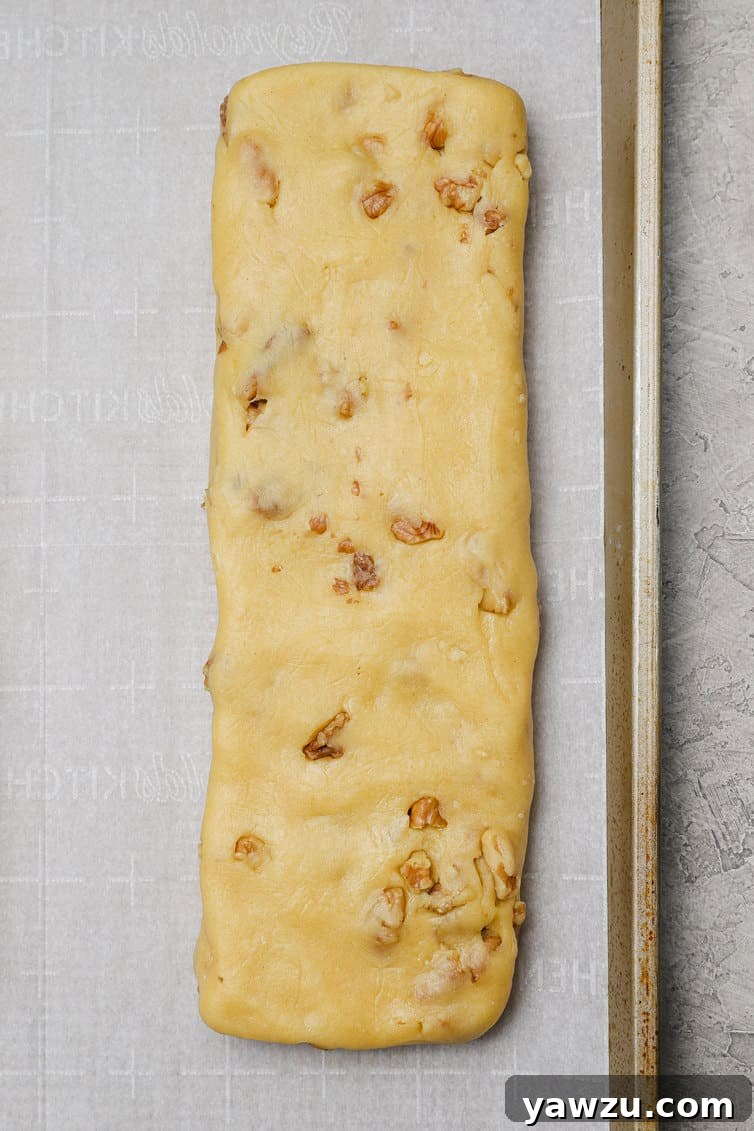
- Shaping the Logs: Aim for uniform logs (approximately 10×4 inches in this recipe). Consistency in shape and thickness is crucial for even baking. Thicker sections will bake slower and might remain softer, while thinner areas could become too hard. Use lightly floured hands to prevent sticking.
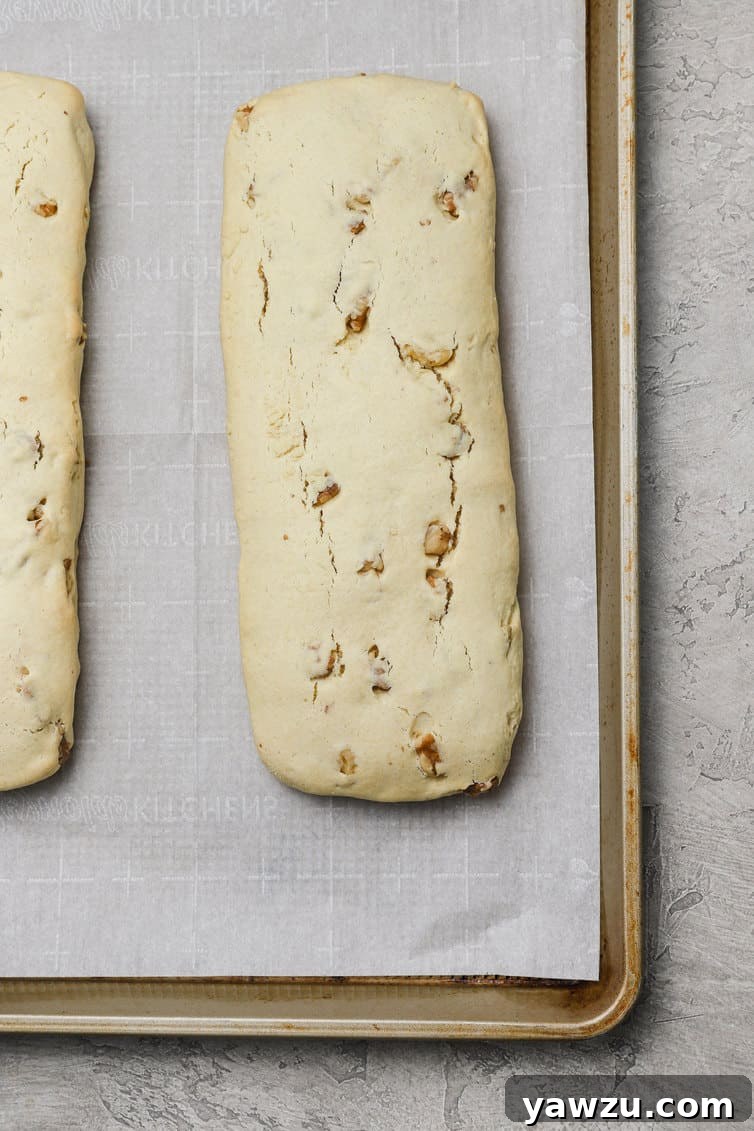
- First Bake: The first bake is where the logs cook through and achieve their initial set. They should be firm to the touch and lightly browned, but not overly dark. Over-baking at this stage can lead to crumbly biscotti when slicing.
- Cooling Before Slicing: This is a critical step! Allowing the logs to cool for 10-15 minutes on the cooling racks makes them much easier to slice without crumbling. If you slice them too hot, they tend to fall apart. If you let them cool completely, they become too hard to slice cleanly. The perfect window is when they are still warm but firm enough to handle.
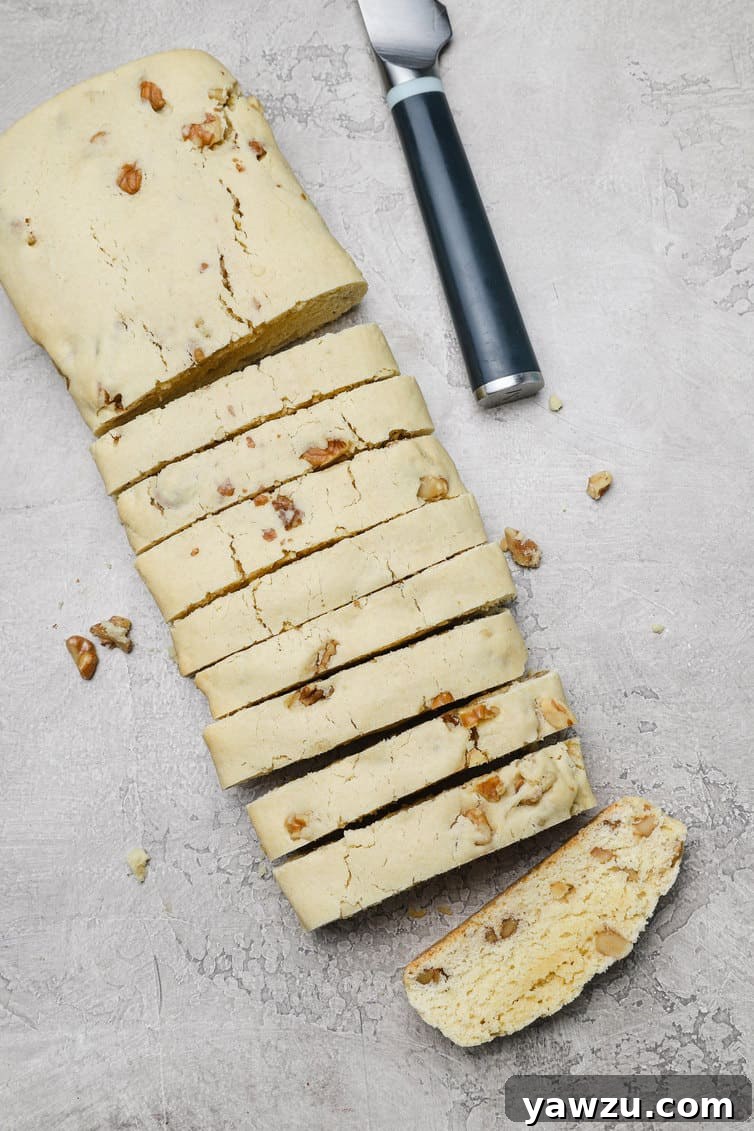
- Slicing Technique: Use a very sharp, serrated knife for the cleanest cuts. Slice the logs diagonally, aiming for ½-inch thick pieces. The diagonal cut gives biscotti their classic elongated shape.
- Second Bake: This is the “drying” stage. Arrange the slices cut-side up on the baking sheets, ensuring they have a little space between them for air circulation. This second bake removes moisture, creating the signature crisp texture. Flip them halfway through to ensure even drying and browning on both sides. Bake until they reach your desired level of crispness and golden brown color.
- Troubleshooting: If your biscotti turn out too hard, they might have been over-baked during the second phase, or the logs were too thin. If they’re too soft, they likely need more time in the second bake. Adjust oven temperatures or baking times as needed based on your oven’s calibration.
Thoughtful Gestures: Tips for Gifting Homemade Biscotti
Biscotti are an exceptional choice for gifting, not only because they are universally loved but also due to their impressive shelf life. Their sturdy, twice-baked nature means they travel well and stay fresh for an extended period, making them perfect for sending to loved ones near or far. Sharing a batch of homemade biscotti is a thoughtful and delicious way to show you care, whether for holidays, birthdays, or just because.
Here are some ideas to make your gifted biscotti extra special:
- Elegant Tins: Package your biscotti in beautiful decorative tins. These not only protect the cookies but also create a lovely presentation that can be reused by the recipient. Layer the biscotti with parchment paper between layers to prevent sticking and breakage.
- Resealable Bags for Shipping: If shipping, place cooled biscotti in sturdy, resealable plastic bags. Arrange them carefully within a box, cushioned by packing material like crinkle paper, bubble wrap, or tissue paper, to prevent movement and damage during transit. Ensure the box is filled snugly.
- Clear Treat Bags with Ribbons: For a charming and simple gift, place a few biscotti into clear treat bags. Tie them with festive ribbons that match the occasion, adding a personalized tag with a handwritten message or even the recipe itself.
- Gift Baskets: Incorporate biscotti into a larger gift basket alongside gourmet coffee, artisanal tea, a bottle of dessert wine, or other Italian treats.
- Personalized Tags: Attach a small tag detailing the flavor, ingredients, and storage instructions. A handwritten note adds a personal touch that makes the gift even more meaningful.
Maximizing Freshness: Storage and Freezing Your Biscotti
One of the many advantages of twice-baked biscotti is their inherent crispness and impressive longevity. This characteristic, which was part of their original design for extended preservation, makes them incredibly convenient for batch baking and long-term enjoyment. My grandma always stored her biscotti in tins, ensuring they remained crisp and delicious for weeks.
- Room Temperature Storage: Biscotti maintain their optimal texture and flavor when stored in an airtight container at room temperature. This method keeps them fresh and crunchy for up to 2 months. Avoid storing them in humid environments, as moisture is their enemy when it comes to crispness.
- Freezing for Extended Freshness: For even longer preservation, biscotti can be frozen. Place completely cooled biscotti in a freezer-safe airtight container or heavy-duty freezer bags. They will keep well in the freezer for up to 3 months. To enjoy, simply thaw them at room temperature. There’s no need to reheat, though a quick re-toast in a low oven can restore any lost crispness if desired.
Discover More Favorite Italian Desserts
If you loved making these biscotti, you’ll surely enjoy exploring other delights from the rich world of Italian baking. Here are a few more recipes that bring the authentic taste of Italy right to your kitchen:
- Chocolate Chip Biscotti: A crowd-pleasing twist on the classic, perfect for chocolate lovers.
- Zeppole (Italian Doughnuts): Light, airy fried dough, often dusted with powdered sugar, a festive treat.
- Italian Walnut Pillow Cookies: Delicate, melt-in-your-mouth cookies filled with a nutty surprise.
- Italian Sesame Seed Cookies (Giuggiulena): Crunchy and aromatic cookies, a simple yet satisfying classic.
- Pizzelle: Beautifully intricate, crisp waffle cookies, often flavored with anise or vanilla.
- Italian Hot Chocolate (Cioccolata Calda): A rich, thick, and decadent hot chocolate, perfect for dipping your biscotti.
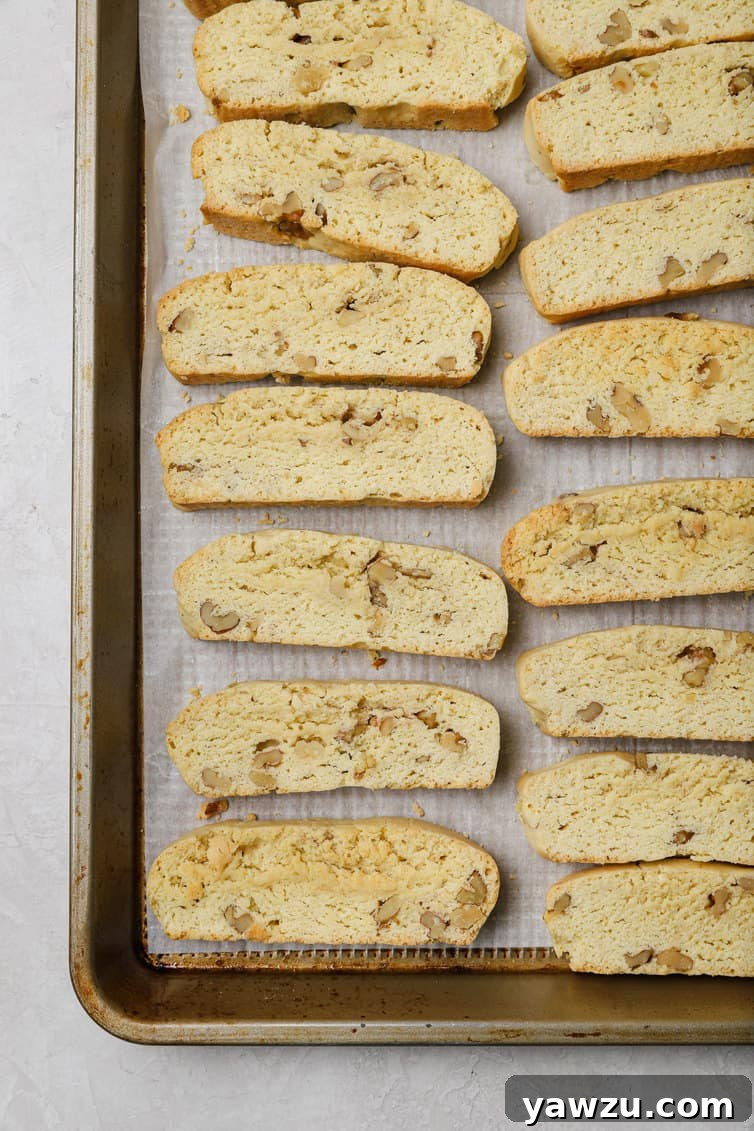
I hope this recipe brings as much joy and deliciousness to your home as it has to mine for generations. If you try this recipe and fall in love with these delightful cookies, please consider taking a moment to share your experience and leave a rating below. Your feedback means the world! ❤️️
Grandma’s Biscotti Recipe
72 biscotti
15 mins
45 mins
1 hr
My grandma’s cherished biscotti recipe – a family favorite for decades, now shared with you!
Average rating: 4.49 (29 ratings)
Pin Recipe
Rate This Recipe
Ingredients
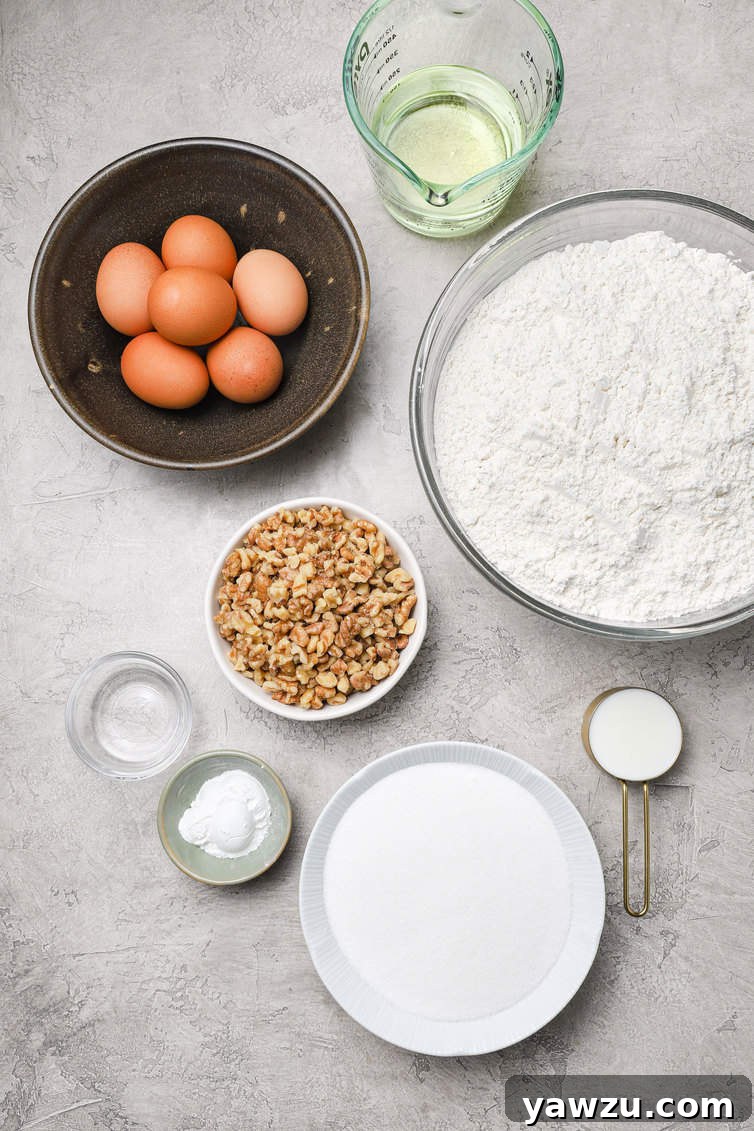
- 6 eggs
- 1½ cups (300 g) granulated sugar
- 1 cup (218 ml) vegetable oil
- ¼ cup (61 ml) milk
- 1 tablespoon butternut flavoring
- 8 cups (1 kg) all-purpose flour
- 4 teaspoons baking powder
- 2 cups (234 g) chopped walnuts, optional
Instructions
- Preheat oven to 350 degrees F (175 C). Line two baking sheets with parchment paper; set aside.
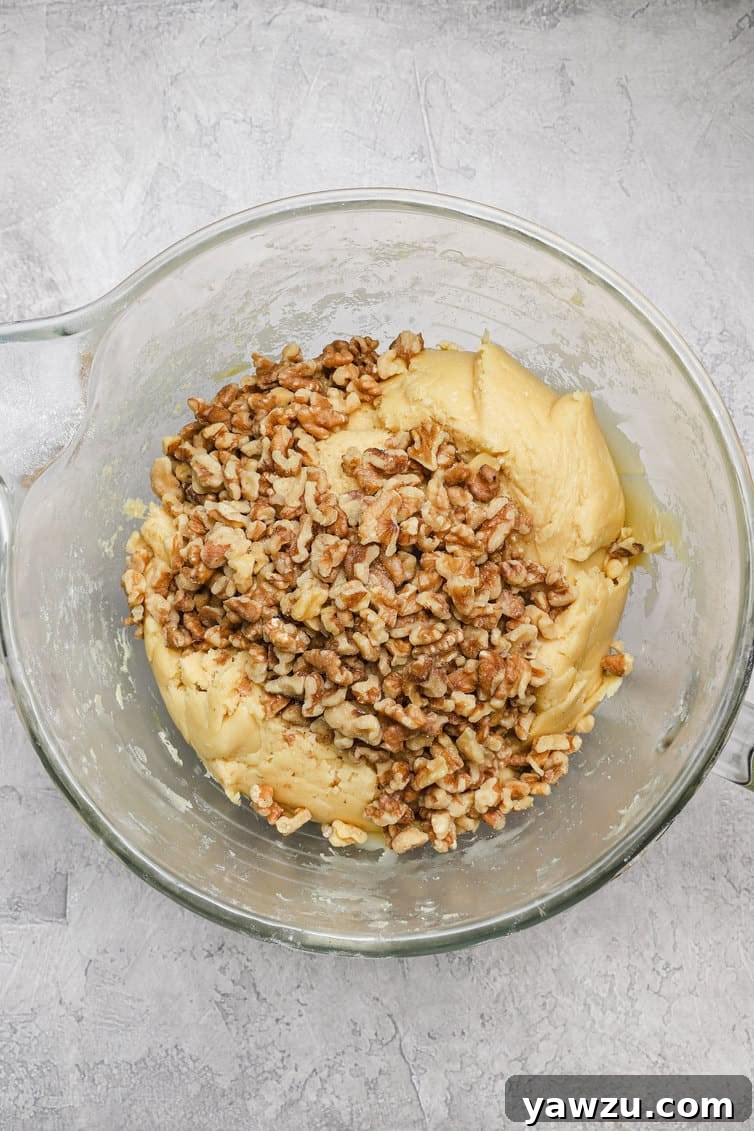
- Using an electric mixer, beat the eggs and sugar on medium speed until the mixture is pale yellow, about 3 minutes. Add the oil, milk, and butternut flavoring, and mix for an additional 1 to 2 minutes until completely combined. Reduce the mixer speed to low and gradually add the flour and baking powder, mixing only until just combined. Give the mixture a final stir with a rubber spatula, and fold in the walnuts (if using).
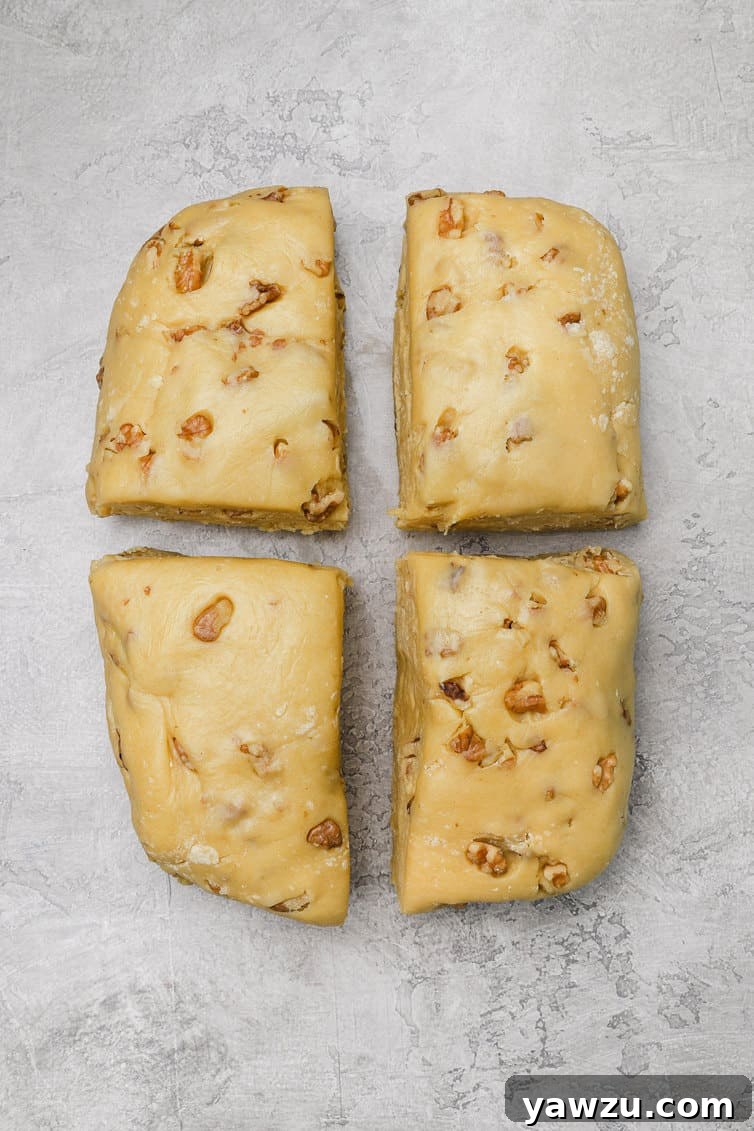
- Divide the dough into four equal pieces and shape each into a log about 10 inches long by 4 inches wide. Place two on each prepared baking sheet and bake for 24 to 27 minutes, or until firm to the touch and lightly browned. Remove from the oven and place the pans on cooling racks for 10 to 15 minutes, or until you can handle the biscotti easily.
- Increase the oven temperature to 375 degrees F (190 C).
- Using a sharp knife, slice each log on the diagonal into ½-inch slices. Arrange the slices cut side-up on the baking sheets and return to the oven for an additional 15 to 20 minutes, or until golden brown (or done to your liking), flipping them halfway through. Allow the biscotti to cool completely on the baking sheets, then store in an airtight container at room temperature for up to 1 month.
Notes
Nutritional values are based on one serving (one biscotti).
Nutrition Facts (per serving)
Calories: 97 kcal, Carbohydrates: 15g, Protein: 2g, Fat: 2g, Cholesterol: 13mg, Sodium: 6mg, Potassium: 57mg, Sugar: 4g, Vitamin A: 20IU, Vitamin C: 0.1mg, Calcium: 18mg, Iron: 0.8mg
Did you make this recipe?
Leave a review below, then snap a picture and tag @thebrowneyedbaker on Instagram so I can see it!
Michelle Lettrich
Snack, Dessert
American, Italian
Photography by Ari of Well Seasoned