
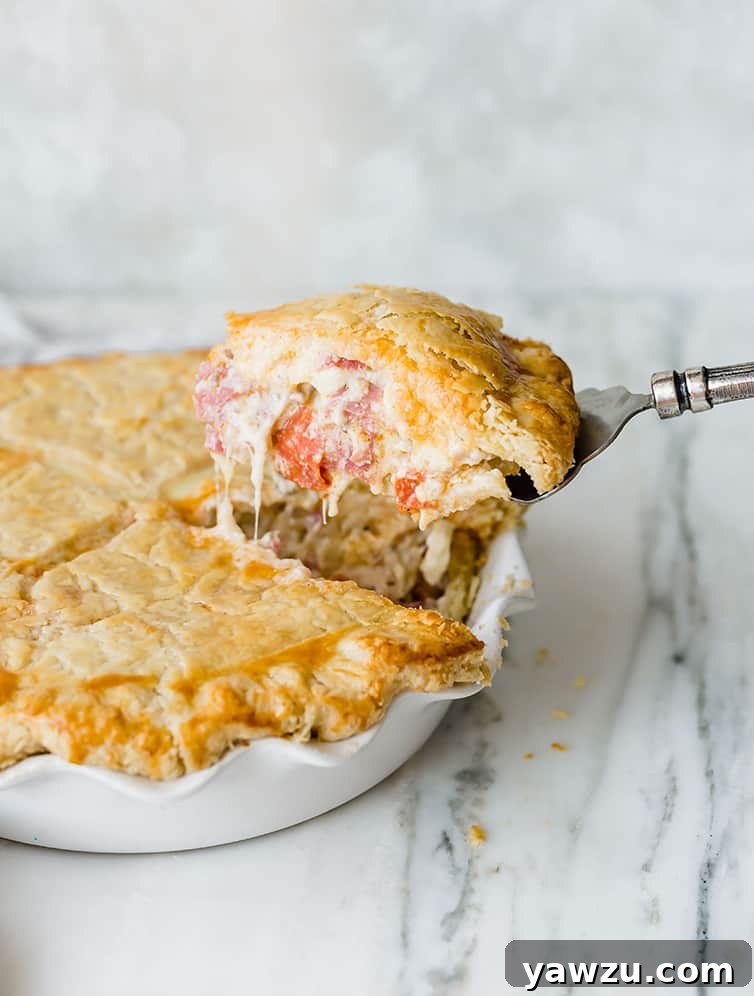
Italian Easter Pie, famously known as Pizza Rustica or Italian Easter meat pie, is a culinary masterpiece overflowing with a decadent combination of Italian meats and cheeses. Traditionally, this hearty pie marks a joyous occasion, served at noon on the day before Easter to celebrate the end of Lent and the anticipation of the holiday festivities.
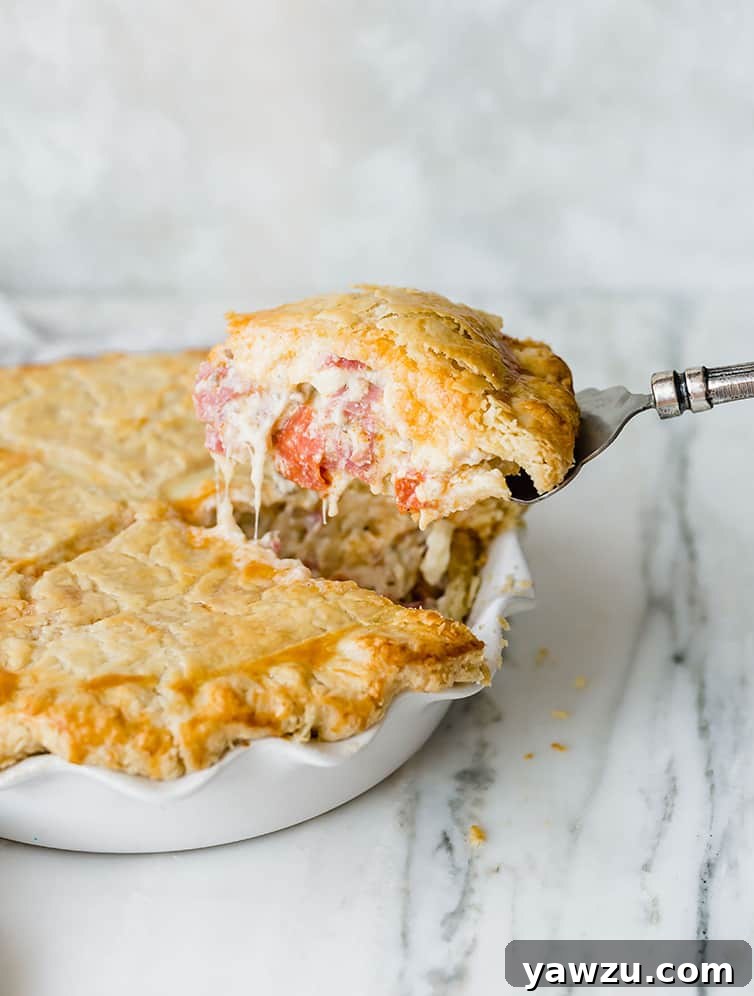
The Ultimate Italian Easter Pie: A Savory Tradition Unveiled
Almost a year after my beloved grandmother passed away, I found myself sifting through a stack of her treasured old recipes. Among the countless handwritten note cards, each a testament to her culinary legacy, a yellowed newspaper clipping from 1994 gently fell out. It was a feature on a local ricotta cheese company, but what truly caught my eye was the accompanying recipe for Italian Easter Pie.
I didn’t have a specific memory of my grandma ever making this particular pie, but one glance at the ingredient list was enough to convince me: over a pound of various Italian meats and nearly three pounds of assorted cheeses! This was a dish destined to be a family favorite. I carefully tucked the clipping away, mentally earmarking it for the following Easter. When I finally put the recipe to the test, the result was unsurprising – the entire pie was devoured with enthusiastic delight by everyone present.
It quickly became evident that this wasn’t just a recipe; it was the beginning of a cherished new Easter tradition, a delicious way to connect with my heritage and my grandmother’s memory.
The Rich History and Deep Significance of Italian Easter Pie
This magnificent Italian Easter Pie, often called Pizza Rustica or Pizza Gaina in various Italian-American households, is more than just a meal; it’s a profound cultural and religious statement. Rooted in Italian-Catholic traditions, it’s a celebratory dish explicitly made and served to mark the conclusion of Lent. For many, the midday meal on Holy Saturday or Easter Sunday itself is when this savory pie takes center stage, symbolizing the end of fasting and the joyful indulgence of the Easter feast.
After weeks of Lenten abstinence, few things signify breaking the fast more emphatically than a rich, golden pie crust generously filled with an unparalleled collection of premium Italian meats and an assortment of creamy and sharp cheeses. Each ingredient in this “pizza piena” (full pie) or “torta pasqualina” (Easter cake) contributes to a symphony of flavors, creating a truly unforgettable experience.
A Symphony of Savory Flavors: Understanding the Filling
The magic of Italian Easter Pie lies in its exceptionally generous and flavorful filling. It’s a carefully balanced blend of textures and tastes, designed to satisfy the palate after the long Lenten period. Let’s delve into the key components that make this pie so extraordinary:
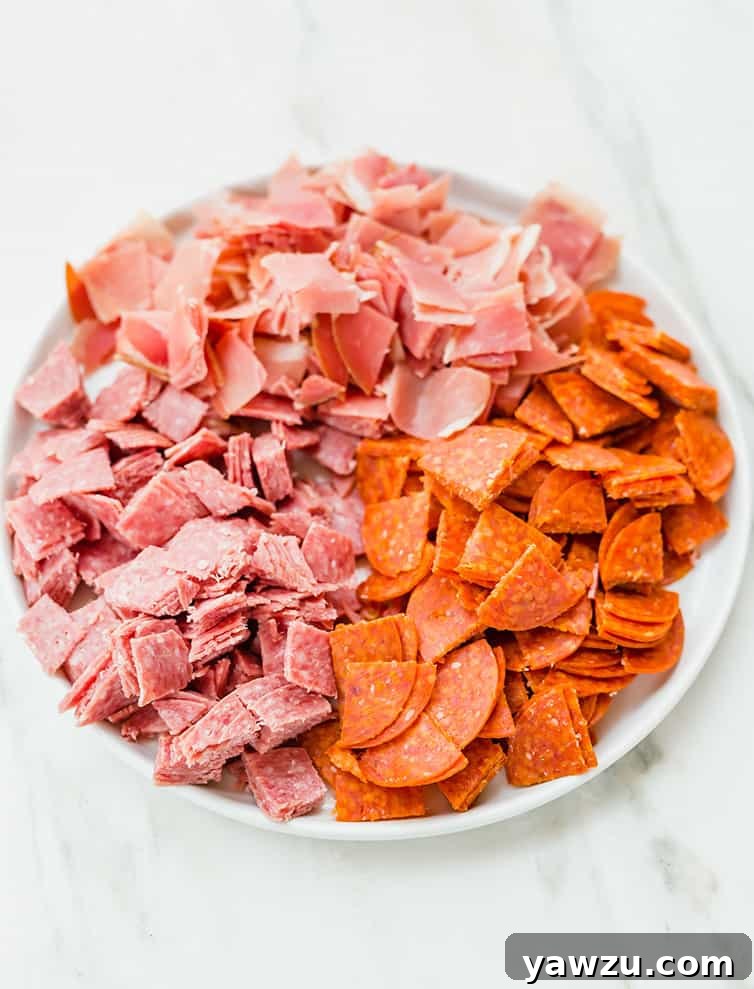
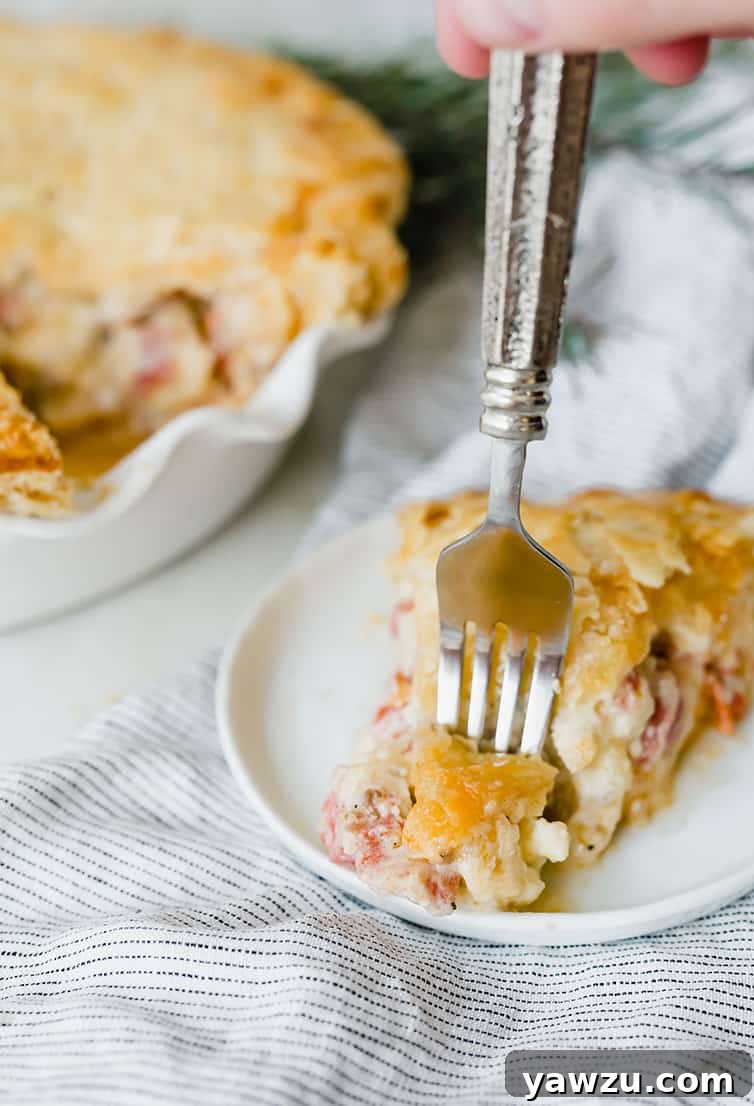
- The Meats: A Quintet of Delights. The recipe calls for a robust combination, typically including sweet Italian sausage, pepperoni, hard salami, and prosciutto. Each contributes its unique character: the sweet Italian sausage provides a foundational savory base with a hint of fennel; pepperoni adds a touch of spice and richness; hard salami offers a bold, tangy counterpoint; and prosciutto brings a delicate, salty depth. These meats are often chopped into bite-sized pieces, ensuring that every forkful delivers a delightful medley of flavors. This abundance of cured and seasoned meats is a direct homage to the celebratory nature of Easter, a time for joyous feasting.
- The Cheeses: A Creamy and Tangy Embrace. Equally crucial to the pie’s allure is its impressive quantity and variety of cheeses, often totaling nearly three pounds. This creamy, melty, and tangy blend includes:
- Ricotta Cheese: Essential for its creamy texture and mild sweetness, ricotta binds the filling together while adding a moist, rich consistency. Draining the ricotta is a critical step to prevent a watery pie.
- Mozzarella Cheese: Known for its superior meltability, mozzarella contributes a soft, stretchy texture and a delicate, milky flavor that balances the stronger notes of other ingredients.
- Provolone Cheese: Offering a slightly sharper, more piquant flavor than mozzarella, provolone adds complexity and a distinct Italian character to the cheese blend.
- Parmesan Cheese: A sprinkle of grated Parmesan provides a salty, umami kick, enhancing the overall savoriness and depth of the pie.
- Basket Cheese: This special ingredient is often considered the secret to an authentic Italian Easter Pie.
- Eggs: The Binding Agent. Lightly beaten eggs are folded into the meat and cheese mixture. Their role is twofold: they help to bind all the rich ingredients together, ensuring the filling sets beautifully when baked, and they contribute to the pie’s overall structure and moistness.
Unveiling the Enigma: Basket Cheese
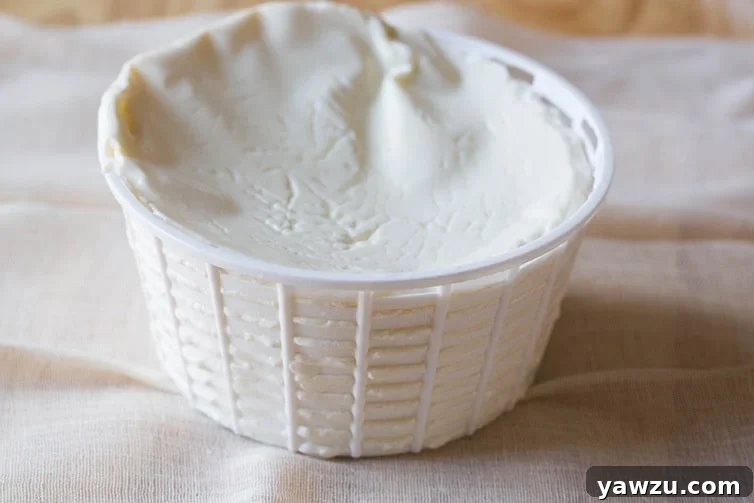
Speaking of cheese, Italian Easter Pie often features one truly special ingredient: basket cheese. This unique specialty item is typically only available in stores around the Easter holiday, making its presence a seasonal delight. Its name comes from its traditional production method: the cheese is made and then formed inside a plastic basket, which imprints its distinctive pattern on the rind.
Basket cheese is known for its soft texture and very mild flavor, offering a delicate taste that can be described as a harmonious cross between fresh ricotta and mozzarella. Its subtlety allows the robust flavors of the meats and other cheeses to shine while adding a unique creaminess to the pie. I typically find mine at a local Italian grocery store, but it’s worth checking the specialty cheese section of larger supermarkets during the Easter season. If your local grocery store is on the larger side, you might be surprised to find an entire display dedicated to basket cheese.
However, don’t fret if you can’t locate it! While authentic, basket cheese isn’t irreplaceable. You can easily substitute it with any other soft, mild cheese you prefer, such as a fresh mozzarella, a mild provolone, or even a good quality fresh farmer’s cheese. The goal is to maintain a soft texture and a balanced flavor profile within the filling.
Mastering the Craft: Tips for the Perfect Italian Easter Pie
Given the generous amount of filling, preparing this Italian Easter Pie requires a little planning and a few key considerations to ensure a perfect result.
Crafting the Flaky Crust
A truly exceptional savory pie begins with a fantastic crust. For this recipe, a homemade pie dough made with a combination of butter and vegetable shortening yields the best results – butter for flavor, shortening for tenderness and flakiness. Remember these tips:
- Keep Ingredients Cold: Ensure your butter, shortening, and ice water are as cold as possible. This prevents the fats from melting prematurely, which is essential for a flaky crust.
- Don’t Overwork: Mix the dough just until it comes together. Overworking develops gluten, leading to a tough crust.
- Chill Thoroughly: Always chill the dough for at least 30 minutes before rolling. This allows the gluten to relax and the fats to firm up, making the dough easier to handle and preventing shrinkage during baking.
Assembling with Care: The Right Pie Plate is Key
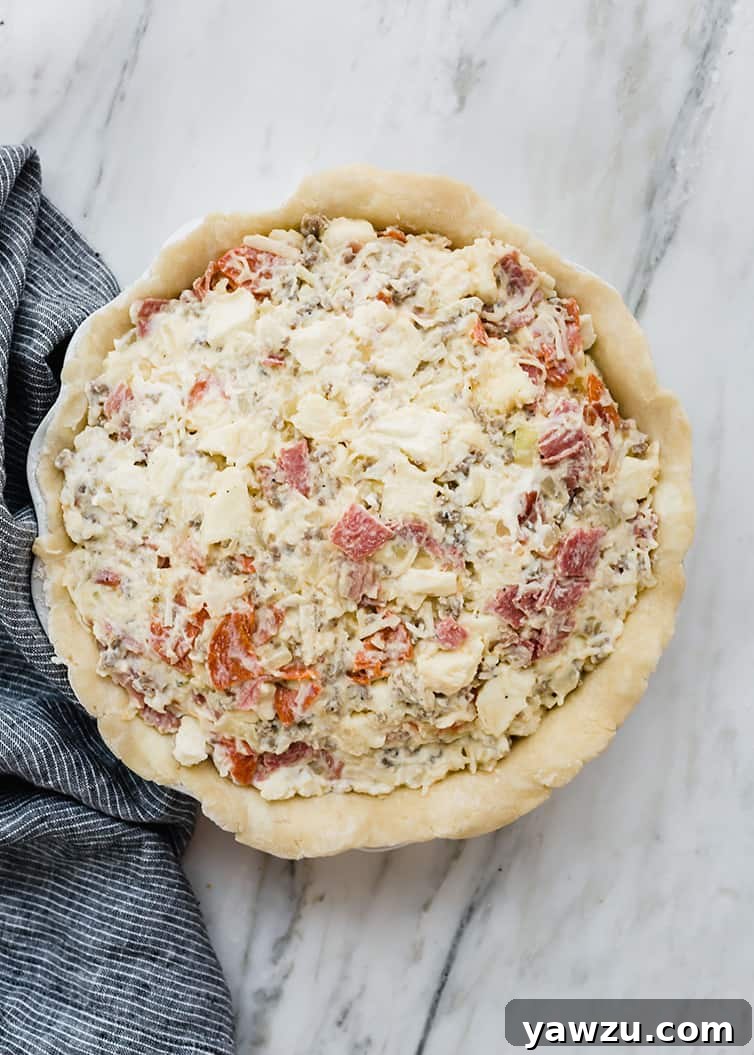
As you might imagine, this recipe yields a lot of filling. My initial attempt using a regular 9-inch pie plate resulted in a pie that was quite literally bursting at the seams. To prevent any unwelcome oven spillage and ensure your magnificent pie has ample room to bake beautifully, I definitely recommend using a 9-inch deep dish pie plate or a 10-inch standard pie plate. I’ve specified this crucial detail in the recipe below.
While you might be able to get away with a regular 9-inch pie plate, be prepared for potential overflow in the oven. If you must use a standard 9-inch, make sure to place a rimmed baking sheet underneath your pie plate to catch any drips and save yourself a messy oven clean-up.
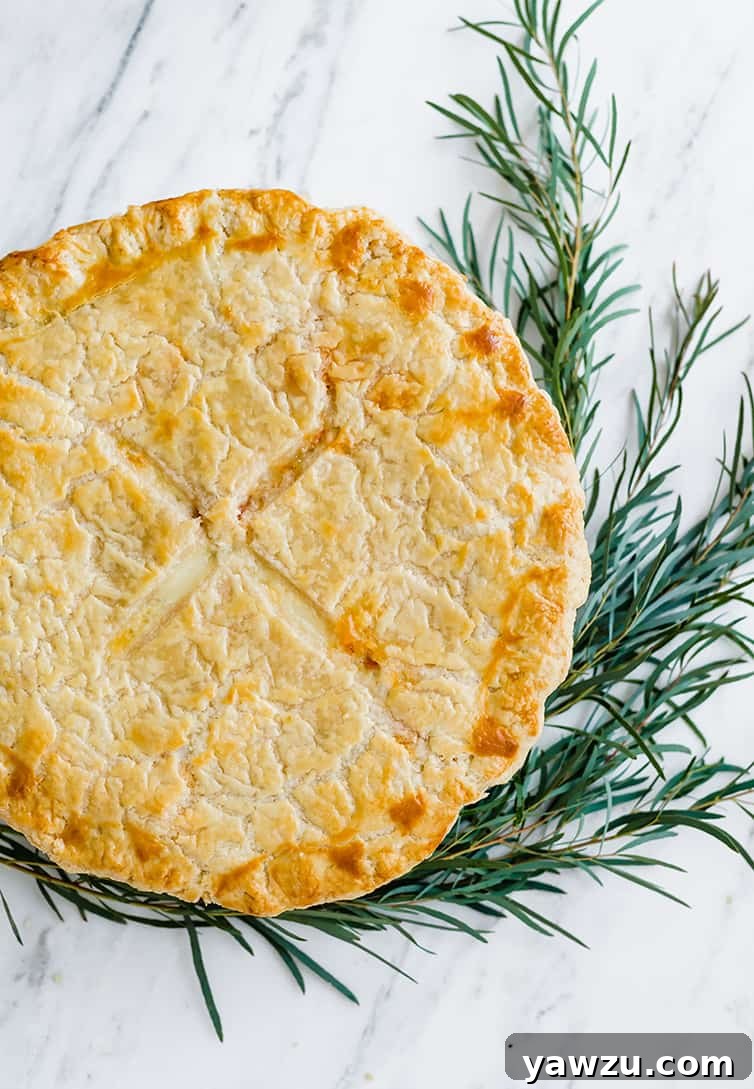
When transferring the substantial filling to your dough-lined pie plate, pack it in tightly, mounding it slightly in the center. This ensures an even bake and a robust, satisfying slice. Once the top crust is in place, trim the edges, tuck the rim of dough underneath itself for a neat finish, and flute or press with fork tines to seal it securely. Don’t forget to cut four slits at right angles on the dough’s top to allow steam to escape, preventing a soggy crust.
Finally, a simple egg wash made with an egg yolk and heavy cream brushed over the top crust will give your Italian Easter Pie that irresistible golden-brown sheen and a slightly crispy finish.
Serving Your Masterpiece and Creating New Traditions
Once baked to a golden perfection, with cheese bubbling tantalizingly through the vents, patience is key. Allow the pie to rest for at least 30 minutes before slicing and serving. This crucial resting period allows the rich filling to set properly, ensuring clean, beautiful slices that hold together perfectly.
This Italian Easter Pie is truly a showstopper. It can be enjoyed warm or at room temperature, making it ideal for a festive Easter brunch, a hearty lunch, or a centerpiece for your holiday spread. It pairs wonderfully with a simple green salad to balance its richness.
I’ve always loved unearthing my grandma’s old recipes and bringing them to life in my own kitchen. My mom recounted that this Italian Easter Pie was one my grandma made only a handful of times. While everyone adored it, her own “standard” Easter baking traditions, such as cookies, breads, and other sweets, likely occupied most of her time. It just goes to show that even within family traditions, there’s always room for new discoveries and cherished additions.
Food is such a powerful connection to our past and our loved ones. Making this pie, and now sharing it with my family, has deepened my appreciation for my grandmother’s culinary skills and the rich tapestry of our Italian heritage. It’s a testament to the enduring power of family recipes.
Share Your Easter Traditions!
What are some of your favorite traditional Easter recipes? Do you have a special savory pie or a beloved dessert that defines your holiday?
Four years ago: White Chicken Chili
Five years ago: Popovers
Seven years ago: Chocolate Mint Brownies
Ten years ago: Brioche Raisin Snails
Italian Easter Pie
Pin
Ingredients
For the Pie Dough
- 2½ cups (312.5 g) all-purpose flour
- 2 tablespoons granulated sugar
- 1 teaspoon salt
- 13 tablespoons unsalted butter, cold, cut into ¼-inch cubes
- 7 tablespoons vegetable shortening, cold, cut into pieces
- 4 to 5 tablespoons ice water
For the Pie Filling
- 8 ounces (226.8 g) sweet Italian sausage
- 1 small sweet onion, finely chopped
- 4 ounces (113.4 g) pepperoni, chopped
- 4 ounces (113.4 g) hard salami, chopped
- 4 ounces (113.4 g) prosciutto, chopped
- 1 pound (453.59 g) fresh basket cheese, drained and cut into bite-size pieces
- 1 pound (453.59 g) ricotta cheese, drained
- 4 ounces (113.4 g) mozzarella cheese, shredded (about 1 cup)
- 4 ounces (113.4 g) provolone cheese, shredded (about 1 cup)
- ¼ cup (25 g) grated Parmesan cheese
- 3 eggs, lightly beaten with a fork
- Freshly grated black pepper
For the Egg Wash
- 1 egg yolk
- 1 tablespoon heavy cream
Instructions
-
Make the Pie Crust: Add the flour, salt, and sugar to the work bowl of a food processor and pulse a few times to combine. Scatter the butter pieces over the flour mixture, tossing to coat butter with some flour. Cut the butter into the flour with five 1-second pulses. Add the shortening and continue pulsing (about four more 1-second pulses) until the flour is pale yellow and resembles coarse cornmeal with butter bits no larger than small peas. Turn the mixture into a medium bowl.
-
Sprinkle 4 tablespoons of ice water over the flour mixture. Use a rubber spatula to mix; press down on the dough with the broad side of the spatula until the dough sticks together, adding up to 1 tablespoon more ice water if the dough will not come together. Shape the dough into two balls with your hands, one slightly larger than the other. Flatten into 4-inch-wide disks. Dust lightly with flour, wrap in plastic, and refrigerate for 30 minutes before rolling out.
-
Preheat oven to 350 degrees F (175°C).
-
Prepare the Filling: While the dough is chilling, prepare the pie filling. Brown the sausage over medium heat in a large sauté pan, breaking it up into bite-size pieces as it cooks. Cook until the sausage is no longer pink in the middle, adding the onions during the last few minutes of cooking.
-
Using a slotted spoon, transfer the sausage and onions to a large mixing bowl. Add all the remaining ingredients and mix well until thoroughly combined.
-
On a lightly floured surface, roll out the smaller piece of pie dough into a circle about ⅛-inch thick. Transfer the dough to a 10-inch regular pie plate or a 9-inch deep dish pie plate.
-
Transfer the filling to the dough-lined pie plate. There is a lot of filling, so you’ll want to pack it tightly into the pie dish, mounding it slightly in the center. Roll out the other dough round and place it over the filling. Trim top and bottom edges to ½ inch beyond the pan lip. Tuck this rim of dough underneath itself so that the folded edge is flush with the pan lip. Flute edging or press with fork tines to seal. Cut four slits at right angles on the dough top. With a fork, beat together the egg yolk and heavy cream, and brush over the top and crust of the pie.
-
Bake the pie until the crust is golden brown and the cheese is bubbling through the slits on top, about 50 minutes. Let the pie sit for at least 30 minutes before serving. Any leftovers should be refrigerated.
Notes
- If you cannot find basket cheese, you can substitute any other mild, semi-soft cheese in its place.
Nutritional values are based on one serving
Did you make this recipe?
Leave a review below, then snap a picture and tag @thebrowneyedbaker on Instagram so I can see it!
This recipe was originally published on March 26, 2013.
[photos by Whitney Wright]