
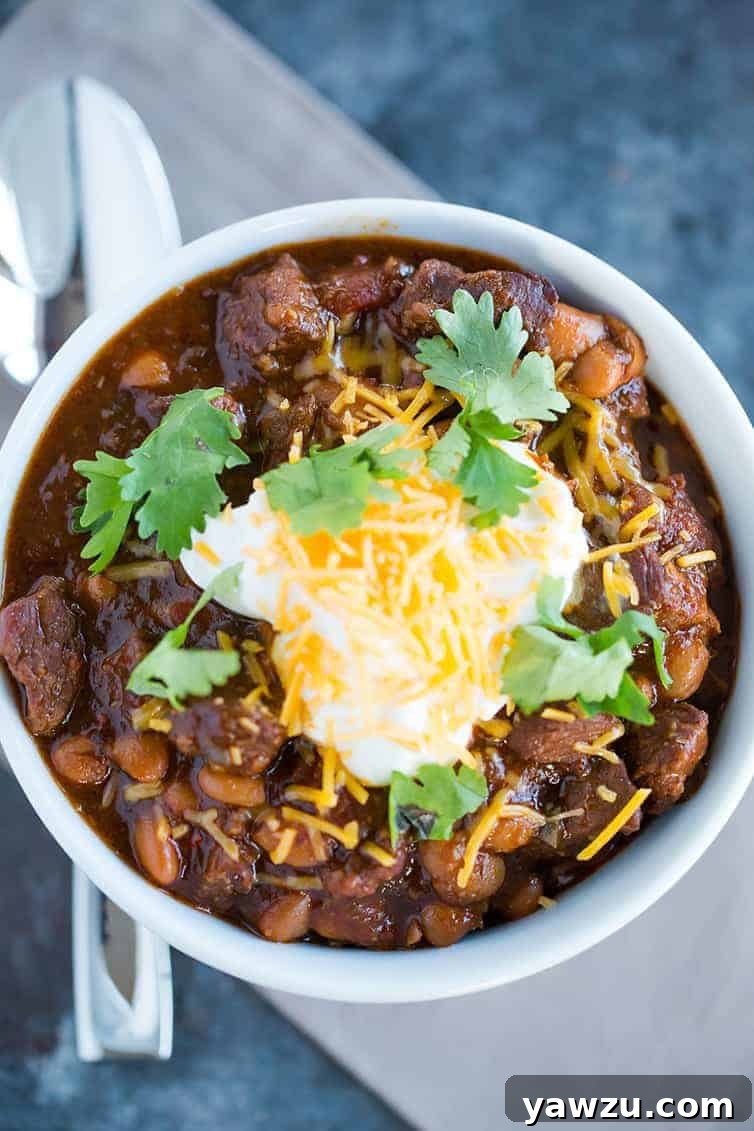
The Ultimate Chili Con Carne: A Deeply Flavorful Beef Chili Recipe
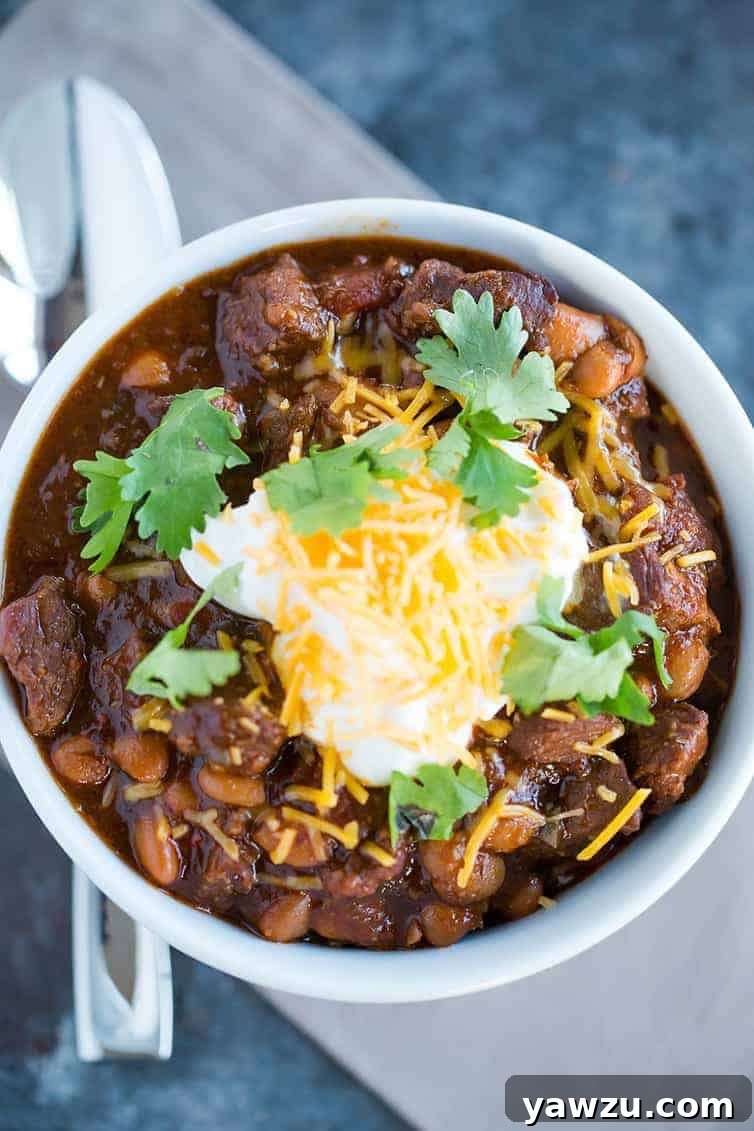
Prepare yourself for a culinary journey with this exceptional Chili Con Carne recipe. Far from your everyday beef chili made with ground meat, this version elevates the classic with tender, slow-cooked chunks of beef, a vibrant homemade chili paste, and a blend of secret ingredients that unlock unparalleled depth of flavor. If you’ve been searching for a chili that truly stands out, one that promises a rich, complex taste experience in every spoonful, your quest ends here. This recipe isn’t just about making chili; it’s about crafting a masterpiece that will redefine your expectations.
Discovering the Secret to an Unforgettable Chili Con Carne
My first encounter with this extraordinary recipe happened many years ago, buried within the pages of a Cook’s Illustrated issue. While it appeared to be a labor of love – and indeed, it is quite intensive – the promise of an authentic, profoundly flavorful chili was too tempting to resist. The result was nothing short of astonishing. Its rich, savory profile and melt-in-your-mouth beef were so captivating that I found myself making batch after batch. This wasn’t merely a meal; it was an experience, one that my husband and I quickly grew to adore.
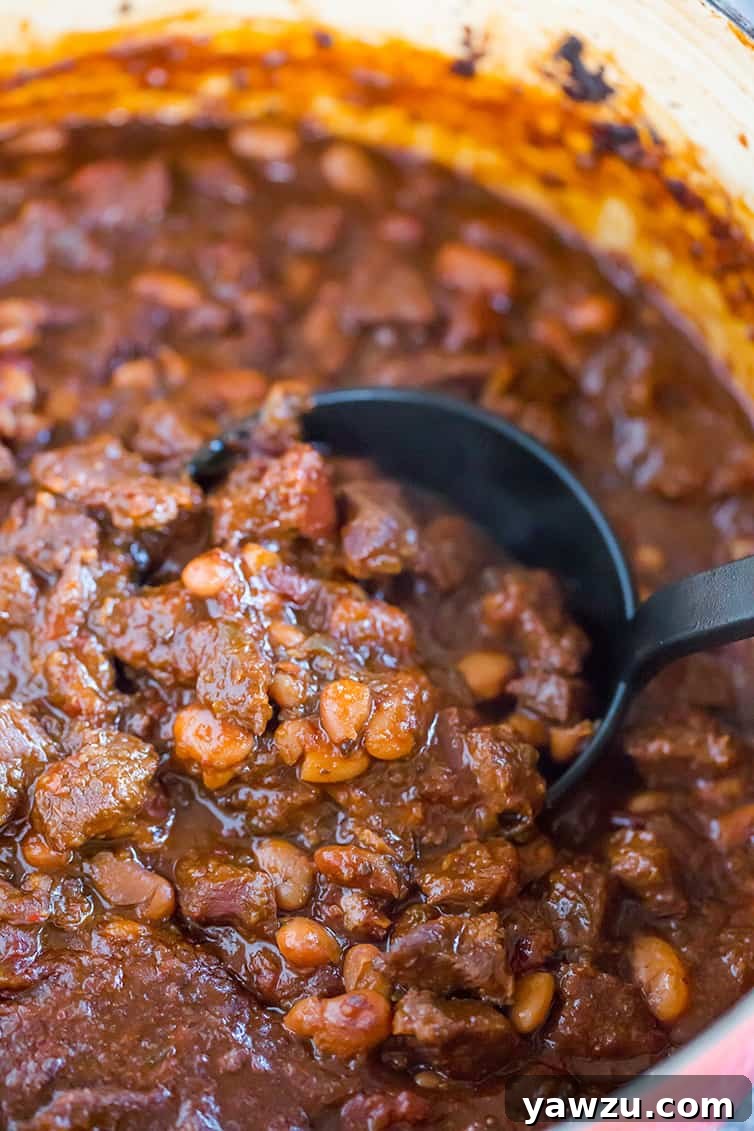
This recipe stands apart from conventional chili preparations in several key ways. Instead of relying on pre-ground chili powder, it calls for whole dried chiles, meticulously ground into a custom powder and then transformed into a potent chili paste. It eschews ground beef in favor of hearty chunks of beef, allowing for a more substantial texture and deeper stew-like quality. And then there are the “secret” ingredients: a touch of cocoa powder, a hint of molasses, and a splash of beer, all working in harmony to create layers of complexity that truly distinguish this dish. These elements, initially unfamiliar to my chili repertoire, coalesced into the most flavorful chili I have ever had the pleasure of tasting. The meat, after hours of slow simmering, becomes incredibly tender, falling apart with the slightest nudge of a spoon.
What Exactly is Chili Con Carne? Debunking the Myths
The definition of “chili con carne” is as varied and passionate as the regions it’s celebrated in. From Texas to New Mexico, culinary purists and innovators alike hold strong opinions on what constitutes an “authentic” bowl. At its core, as the Wikipedia page suggests, it is a spicy stew primarily featuring chili peppers and meat. Beyond that, the debate unfolds: some insist on the inclusion of tomatoes and beans, while others vehemently argue against them, claiming they detract from the dish’s true essence.
Another focal point of contention is the type of meat: ground beef versus larger cuts of beef. Given that chili con carne is fundamentally a stew, I firmly believe that using substantial chunks of beef, such as blade steak or chuck roast, yields a superior result. This approach allows the meat to slow-cook to unparalleled tenderness, absorbing the rich flavors of the sauce and contributing a satisfying, hearty texture that ground beef simply cannot replicate. My personal preference always leans towards this chunkier, stew-like rendition, and the rich depth it adds to the overall experience is truly remarkable.
Crafting an Authentic Chili Paste from Dried Chiles
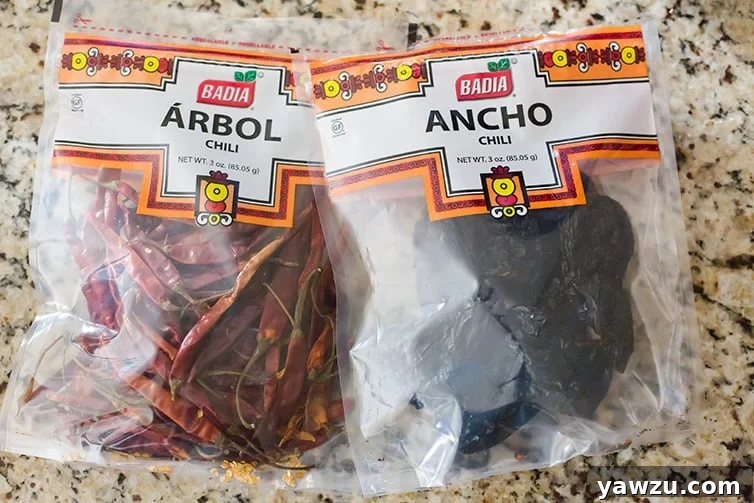
What truly sets this chili apart is the dedication to building flavor from scratch, starting with a homemade chili paste. Forget the generic chili powders you find on supermarket shelves; this recipe invites you to explore the aromatic world of dried chiles. For first-timers, the idea of working with dried chiles might seem daunting, but rest assured, they are surprisingly accessible. I was delighted to find both ancho and arbol chiles in the international aisle of my local supermarket, typically nestled among Hispanic food products. These two varieties form the backbone of our unique chili paste, each contributing its own distinct flavor profile and level of heat.
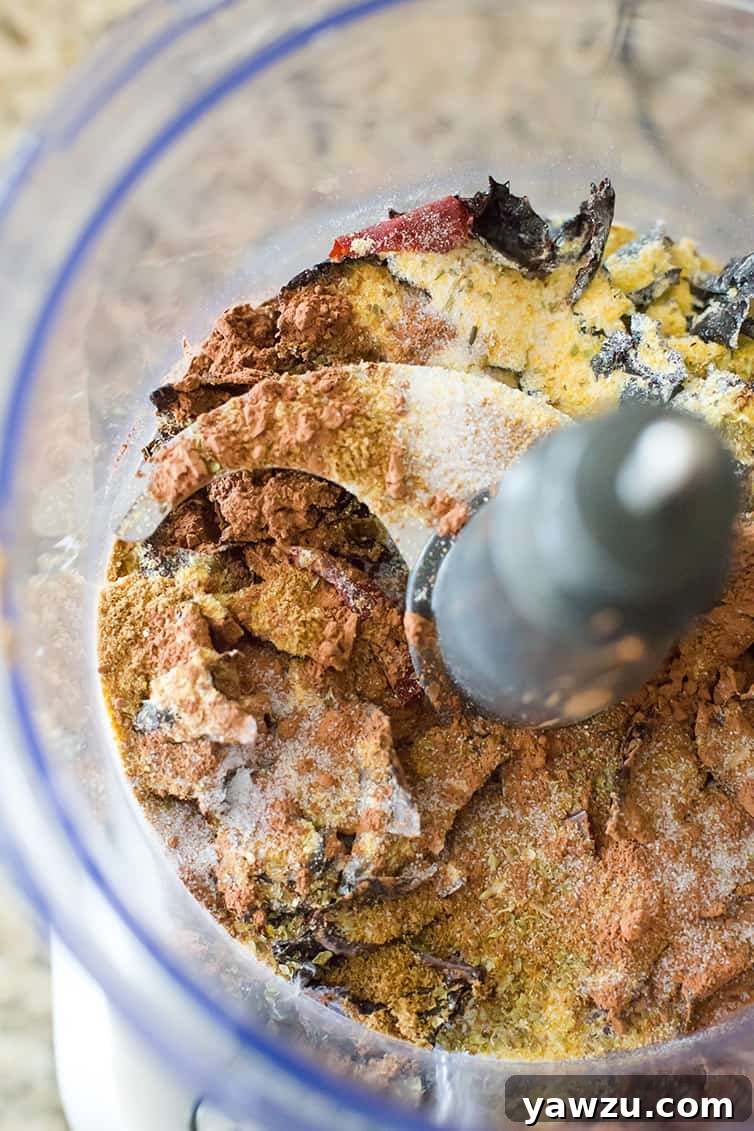
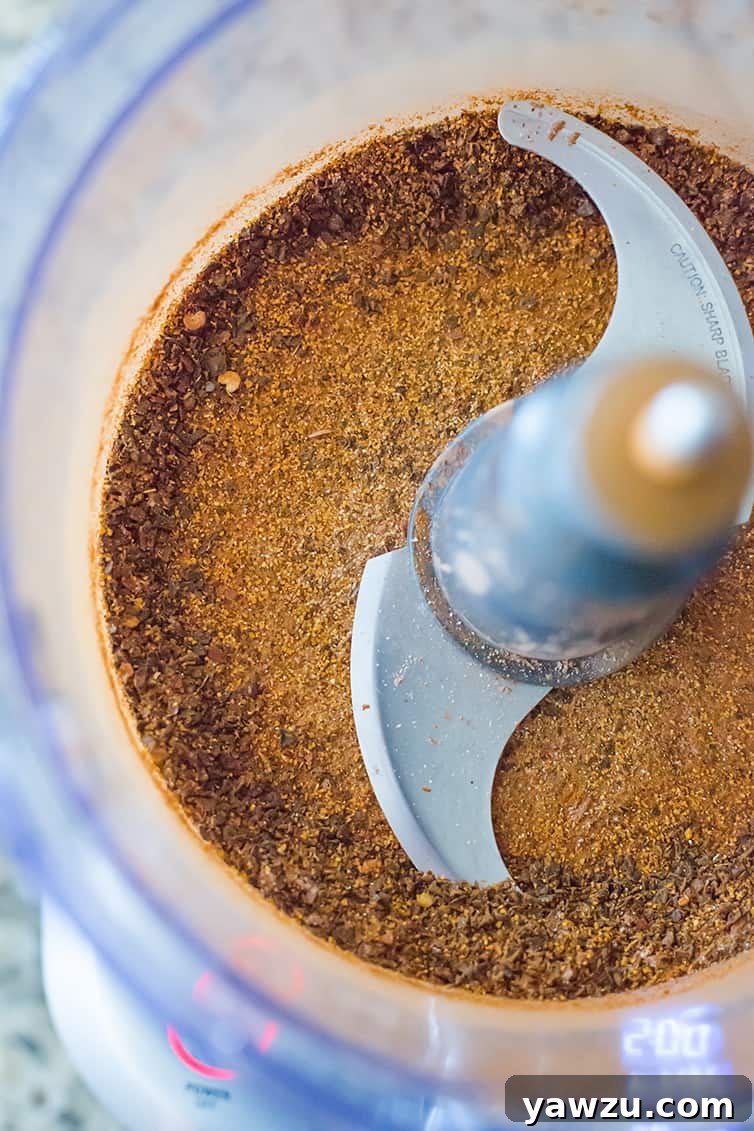
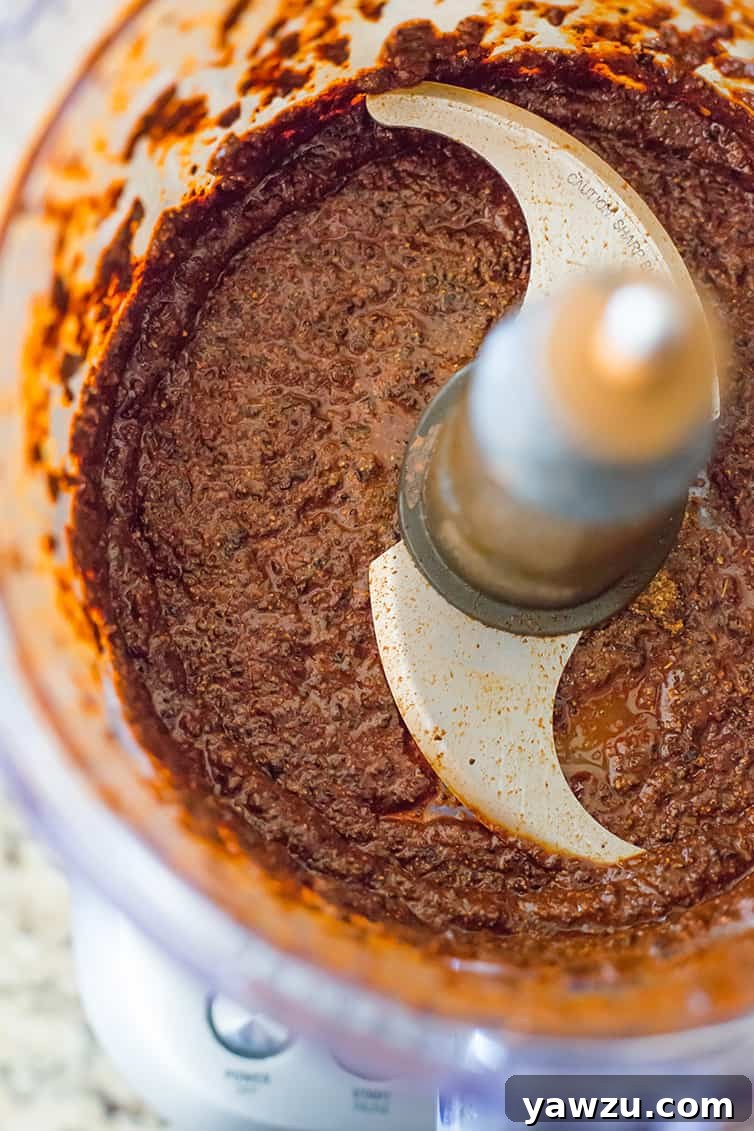
The process begins by toasting the dried ancho chiles in a skillet. This simple step is critical, as it awakens their deep, fruity, and slightly smoky notes, intensifying their aroma and flavor before they are ground. Once toasted and cooled, they are combined in a food processor with the fiery arbol chiles, cornmeal (which adds body), aromatic oregano, earthy cumin, a touch of cocoa powder for depth, and salt. A few pulses transform these ingredients into a fragrant, coarse chili powder. Then, slowly drizzling in chicken broth while the processor runs transforms this powder into a rich, smooth chili paste – a concentrated burst of flavor that forms the heart of this extraordinary chili. This fresh, custom-made paste imparts a depth and authenticity that simply cannot be achieved with pre-packaged spice blends, marking a significant difference from many other chili recipes you may have tried.
Step-by-Step Guide to Making This Legendary Chili
Once your homemade chili paste is ready, the rest of the recipe unfolds quite intuitively, guiding you towards a pot of deeply satisfying chili. The process involves several key stages, each contributing to the chili’s ultimate richness and complexity.
- Preparing the Beans: This recipe starts by soaking dried pinto beans, a step that significantly improves their texture compared to canned varieties. They are then boiled briefly, soaked, drained, and rinsed, preparing them to absorb the chili’s robust flavors during slow cooking. While dried beans are highly recommended for their superior texture, canned beans can be a convenient substitute if you’re short on time.
- Building the Aromatic Base: In a large Dutch oven, you’ll sauté a finely chopped mixture of onions and jalapeños until they soften and their moisture evaporates, concentrating their sweetness and gentle heat. Minced garlic is added next, cooked just until fragrant, laying a foundational layer of aromatic flavor.
- Incorporating the Chili Paste and Liquids: The homemade chili paste, diced tomatoes, and a hint of molasses are stirred into the aromatic base. This step ensures the chili paste is thoroughly combined, allowing its complex flavors to meld. The remaining chicken broth and the prepared beans are then added, bringing the mixture to a simmer.
- Searing the Beef for Depth: While the chili base simmers, chunks of beef (blade steak or chuck roast are ideal) are seared in batches until beautifully browned on all sides. This crucial step, known as the Maillard reaction, develops deep, savory notes that are essential to the chili’s rich flavor. The browned meat is then transferred to the Dutch oven.
- Deglazing and Adding the Beer: The skillet used for searing the beef is deglazed with mild lager, scraping up all the flavorful browned bits stuck to the bottom of the pan. This flavorful liquid is then added to the Dutch oven, further enriching the chili with malty notes and adding another layer of complexity.
- Slow Cooking to Perfection: The Dutch oven, now brimming with all the ingredients, is covered and transferred to the oven for a slow cook. This low and slow cooking method is the secret to achieving incredibly tender beef and perfectly cooked beans, allowing all the diverse flavors to meld and deepen over 1.5 to 2 hours. After cooking, a brief resting period allows the chili to settle and its flavors to intensify even further, before a final seasoning check.
The combination of these carefully executed steps, from the homemade chili paste to the slow cooking and the unexpected “secret” ingredients of cocoa, molasses, and beer, results in a chili con carne that is truly a cut above the rest. Each element plays a vital role in creating a harmonious and deeply satisfying dish that is both bold and comforting.
Expert Tips for a Perfect Pot of Chili Con Carne
Mastering this chili con carne is a rewarding experience, and these expert tips will help ensure your pot is nothing short of perfection:
- Quick Bean Swap: If time is of the essence, you can easily substitute two (15-ounce) cans of pinto beans for the dried ones. Just be sure to drain and rinse them thoroughly before adding them to the pot. While dried beans offer a slight textural advantage, canned beans still yield a delicious result.
- The Best Beef Cut: While the recipe calls for blade steak, I highly recommend using a 4-pound chuck-eye roast, trimmed of excess fat, and cut into ½-inch pieces. Chuck roast is my go-to for stew-like dishes because it beautifully breaks down and becomes incredibly tender during long cooking times, holding its shape better and offering a richer beef flavor.
- Alternative Chili Flavor Base: If dried chiles are unavailable or you prefer a simpler approach, you can substitute the ancho and arbol chiles with ½ cup of regular chili powder and ¼ to ½ teaspoon of cayenne pepper. Keep in mind that this alteration will slightly change the chili’s texture and depth of flavor compared to the homemade paste.
- Flexible Cooking Methods: Although the recipe specifies oven cooking, you can achieve similar tender results by simmering the chili on the stovetop over low heat for at least 2 hours, or until the beef is fully tender. Ensure it maintains a gentle simmer, stirring occasionally to prevent sticking.
- Slow Cooker Adaptation: This chili can also be adapted for a slow cooker. Assemble all ingredients as per the recipe, then transfer everything to your slow cooker. Cook on low for 6 to 8 hours. To thicken the chili at the end, you might want to switch to high heat and remove the lid for the last hour or so.
- Advance Preparation for Enhanced Flavor: Chili connoisseurs often swear by making their chili a day or two in advance. Preparing this chili up to 3 days before serving allows the flavors to meld and intensify beautifully in the refrigerator overnight. Re-warm it gently on the stovetop over low heat, adding a splash of chicken broth if needed to reach your desired consistency.
- Adjusting the Heat Level: The recipe suggests using 2 to 4 arbol chiles. Using two typically provides a medium level of heat. If you are sensitive to spice, consider using just one, or even half. For those who crave intense heat, feel free to increase the quantity of arbol chiles to your liking. Remember to wear gloves when handling dried chiles and wash your hands thoroughly afterward to avoid irritation.
Serving Suggestions & Toppings for Your Chili Masterpiece
A glorious bowl of chili con carne is only complete with an array of tempting garnishments and satisfying side dishes. The possibilities are truly boundless, allowing everyone to customize their bowl to perfection. When I serve this rich chili, I love to lay out a spread of toppings for family and friends to choose from:
- Shredded cheddar cheese: A classic pairing that melts into creamy goodness.
- Cool sour cream or Greek yogurt: Offers a delightful tang and creamy contrast to the chili’s heat.
- Finely diced red onion or sliced green onions: Provides a fresh, sharp crunch that brightens each bite.
- Diced avocado or a dollop of fresh guacamole: Adds a creamy texture and rich, healthy fats.
- Fresh cilantro: Its herbaceous notes add a burst of freshness.
- Lime wedges: A squeeze of fresh lime juice can awaken and enhance all the flavors in the chili.
- Warm cornbread: Perfect for soaking up every last drop of the savory sauce. You can find my favorite cornbread recipe here.
- Crispy tortilla chips: Great for scooping and adding a satisfying crunch.
- Steamed rice: A simple, hearty base that complements the rich chili.

The Reward: A Truly Unforgettable Culinary Experience
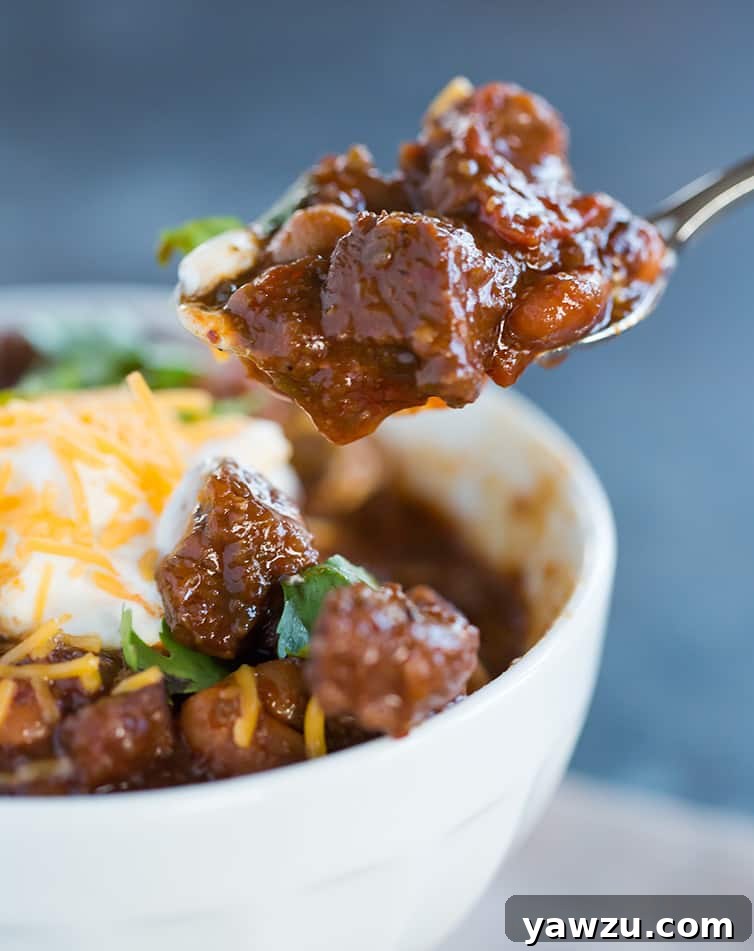
It’s true, this chili is not a quick, weeknight meal. It demands attention and time – a leisurely Saturday or Sunday afternoon project when you can hunker down and enjoy the process. But believe me when I say, every minute spent preparing this chili is absolutely worth it. The rich aromas that fill your kitchen, the anticipation as it slowly simmers, and finally, the incredible depth of flavor and tender texture in every bite make it a truly unforgettable culinary experience.
Plus, the beauty of a slow-cooked dish like this is its ability to feed a crowd or provide delicious leftovers. Make a large pot over the weekend, and you can portion it out and freeze it for those busy weeknights or unexpected cravings. It’s comfort food at its finest, perfect for cold winter days, cozy gatherings, or simply treating yourself to something truly special. While I have other beloved chili recipes, this one stands out as a true favorite, offering an unbelievable amount of texture and flavor that is unmatched. I encourage you to set aside the time, embrace the process, and give this extraordinary chili con carne a try!
Beyond This Recipe: More Chili Favorites to Explore
If you’re a true chili aficionado and can’t get enough of this hearty dish, here are some other fantastic chili recipes to add to your repertoire:
- Classic Beef Chili
- Cincinnati Chili
- White Chicken Chili
- Frito Pie
- Wendy’s Copycat Chili

Chili Con Carne Recipe
6
to 8 servings
2 hours
2 hours
4 hours
Rated 4.10 out of 5 (10 ratings)
Pin
Rate
Ingredients
- Table salt
- ½ pound (226.8 g) dried pinto beans, about 1 cup, rinsed and picked over
- 6 dried ancho chiles, about 1¾ ounces, stems and seeds removed, and flesh torn into 1-inch pieces
- 2-4 (2) dried árbol chiles, stems removed, pods split, seeds removed
- 3 tablespoons cornmeal
- 2 teaspoons dried oregano
- 2 teaspoons ground cumin
- 2 teaspoons cocoa powder
- 2½ cups (587.5 ml) chicken broth, divided
- 2 medium onions, cut into ¾-inch pieces (about 2 cups)
- 3 jalapeño peppers, stems and seeds removed, cut into ½-inch pieces
- 3 tablespoons vegetable oil, divided
- 4 garlic cloves, minced
- 14.5 ounce (411.07 g) can diced tomatoes
- 2 teaspoons light molasses
- 3½ pounds (1.59 kg) blade steak, trimmed of gristle and cut into ½-inch pieces
- 12 ounce (340.2 ml) bottle mild lager, such as Budweiser
Instructions
-
Combine 3 tablespoons salt, 4 quarts (16 cups) water, and beans in a large Dutch oven and bring to a boil over high heat. Remove the pot from heat, cover, and let stand 1 hour. Drain and rinse beans well. Rinse out Dutch oven.
-
Adjust oven rack to lower-middle position and heat oven to 300 degrees. Place ancho chiles in a 12-inch skillet set over medium-high heat; toast, stirring frequently, until flesh is fragrant, 4 to 6 minutes, reducing heat if chiles begin to smoke. Transfer to bowl of a food processor and cool. Do not wash out skillet.
-
Add árbol chiles, cornmeal, oregano, cumin, cocoa, and ½ teaspoon salt to food processor with toasted ancho chiles; process until finely ground, about 2 minutes. With the processor running, very slowly add ½ cup broth until a smooth paste forms, about 45 seconds, scraping down the sides of the bowl as necessary. Transfer the paste to a small bowl. Place the onions in the now-empty processor bowl and pulse until roughly chopped, about four 1-second pulses. Add the jalapeños and pulse until the consistency of chunky salsa, about four 1-second pulses, scraping down the bowl as necessary.
-
Heat 1 tablespoon of vegetable oil in the large Dutch oven over medium-high heat. Add the onion mixture and cook, stirring occasionally, until the moisture has evaporated and the vegetables are softened, 7 to 9 minutes. Add the garlic and cook until fragrant, about 1 minute. Add the chili paste, tomatoes, and molasses; stir until chili paste is thoroughly combined. Add the remaining 2 cups chicken broth and the drained beans; bring to a boil, then reduce heat to a simmer.
-
Meanwhile, heat 1 tablespoon of the vegetable oil in the 12-inch skillet over medium-high heat until shimmering. Pat the beef dry with paper towels and sprinkle with 1 teaspoon salt. Add half of the beef to the skillet and cook until browned on all sides, about 10 minutes. Using a slotted spoon, transfer the meat to the Dutch oven. Pour off any liquid in the skillet into the sink and return to the heat. Add ½ of the bottle of lager to the skillet, scraping the bottom of the pan to loosen any browned bits, and bring to a simmer. Transfer the lager to the Dutch oven. Repeat with the remaining tablespoon of oil, steak, and lager. Once the last addition of lager has been added to the Dutch oven, stir to combine and return the mixture to a simmer.
-
Cover the pot and transfer to the oven. Cook until the meat and beans are fully tender, 1½ to 2 hours. Let the chili stand, uncovered, 10 minutes. Stir well and season to taste with salt.
Notes
- You can substitute a 4-pound chuck-eye roast, well trimmed of fat, for the steak.
- I recommend wearing gloves when working with the dried chiles; if you don’t be sure to wash your hands well immediately after.
- If you don’t want to use dried chiles, the anchos and árbols can be replaced with ½ cup chili powder and ¼ to ½ teaspoon cayenne pepper, although the texture of the chili will be slightly compromised.
- Condiment ideas: diced avocado, chopped red onion, chopped cilantro, lime wedges, sour cream, and shredded cheese.
- You can make this up to 3 days in advance; refrigerate covered and re-warm over low heat, adding chicken broth to loosen the mixture if necessary.
Nutritional values based on one serving
Did you make this recipe?
Leave a review below, then snap a picture and tag @thebrowneyedbaker on Instagram so I can see it!
This recipe was originally published on October 27, 2011.