

New Orleans Beignets: Savoring Louisiana’s Iconic Deep-Fried Delight
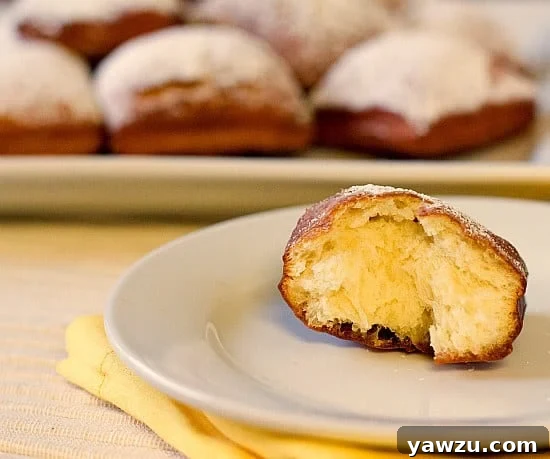
The culinary landscape of New Orleans is as rich and vibrant as its history, a tapestry woven with French, Spanish, African, and Caribbean influences. Amidst this gastronomic wonderland, one sweet treat consistently stands out, capturing the hearts and palates of locals and visitors alike: the Beignet. These iconic, deep-fried dough pastries, generously blanketed in a delicate snowfall of powdered sugar, are more than just a dessert; they are an experience, a symbol of Louisiana’s spirited culture, and officially the state’s very own doughnut. Whether you’re celebrating the boisterous energy of Mardi Gras or simply enjoying a quiet morning, beignets offer a taste of pure bliss, transporting you straight to the charming streets of the Crescent City.
My personal journey with beignets began long before I had the privilege of visiting New Orleans. My mother, returning from a memorable trip, raved about these ethereal fried pastries. Her descriptions painted a vivid picture of fluffy interiors and crisp exteriors, dusted with sweet perfection. Her enthusiasm led to an attempt to recreate them at home using a pre-made mix, but alas, the results, as often happens with culinary aspirations, fell short of the authentic New Orleans experience. The desire to capture that elusive magic lingered. Years later, fueled by a successful venture into homemade doughnuts, I felt a renewed determination to tackle beignets from scratch. This time, I was committed to unraveling the secrets behind these legendary treats and bringing their genuine flavor into my own kitchen.
A Culinary History: The French Roots of New Orleans Beignets
To truly appreciate the humble beignet is to delve into its fascinating origins. The word “beignet” itself is derived from the French word for “fritter.” These delightful pastries were introduced to Louisiana by French colonists in the 18th century, and over time, they became an integral part of Creole and Cajun cuisine. The beignet found its most famous home at Cafe Du Monde, a historic landmark in New Orleans’ French Quarter that has been serving them alongside its renowned café au lait (a strong coffee blended with chicory and hot milk) since 1862. For generations, the tradition of enjoying hot beignets and coffee at Cafe Du Monde has been a quintessential New Orleans experience, etched into the city’s very identity.
The cultural significance of beignets extends far beyond daily indulgence. They play a prominent role during Mardi Gras, the vibrant carnival season that culminates on Fat Tuesday, or Shrove Tuesday. Historically, this day marked a final opportunity for feasting on rich, fatty foods before the leaner, more abstinent period of Lent. Beignets, with their deep-fried richness and sweet simplicity, fit perfectly into this tradition of festive indulgence. They embody the joyous spirit of Mardi Gras, a celebration of life, food, and community that is uniquely New Orleanian. Each bite offers a glimpse into centuries of tradition, a culinary heritage passed down through generations.
The Craft of Homemade Beignets: Key Steps to Perfection
Embarking on the journey of making beignets from scratch is a deeply satisfying endeavor. While the process requires a bit of patience, the reward of biting into a warm, freshly fried beignet made in your own kitchen is unparalleled. The key to their signature light and airy texture lies in a few critical components: a carefully prepared yeast dough, the specific type of flour used, and a crucial chilling period.
The Foundation: Sweetened Yeast Dough with Bread Flour
Our beignet recipe begins with activating the yeast, a living organism crucial for leavening the dough. Combining active dry yeast with warm water and a touch of sugar creates an ideal environment for it to bloom, ensuring our dough will rise beautifully. A distinctive feature of authentic beignets is the use of bread flour. Unlike all-purpose flour, bread flour boasts a higher protein content, which, when kneaded, develops strong gluten strands. This gluten network provides the structural integrity necessary for the beignets to puff up impressively when fried, creating those delightful hollow centers and resilient, yet tender, exteriors. The initial mixing of the dough is surprisingly quick, typically taking less than 15 minutes of active preparation, making it an accessible project for even novice bakers.
The Secret to Success: The Chilling Period
Once the dough is mixed, it’s transferred to a bowl, covered, and refrigerated for at least 4 hours, and ideally up to an entire day. This cold fermentation process is not merely a waiting game; it’s a vital step that significantly enhances both the flavor and workability of the dough. Chilling allows the yeast to work slowly, developing complex flavors that give the beignets their nuanced depth. Furthermore, cold dough is considerably easier to handle. It’s less sticky and maintains its shape better when rolled out and cut, leading to perfectly uniform beignet squares. This period of rest and maturation in the refrigerator is a non-negotiable step that truly elevates a good beignet to a great one.
Frying and Finishing: The Irresistible Transformation
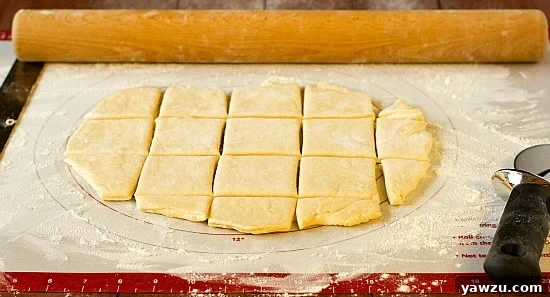
With your perfectly chilled dough ready, the exciting final stages of beignet creation begin. This is where those simple squares of dough are transformed into golden, sugar-dusted clouds of deliciousness. Roll out the dough to an even ¼-inch thickness on a generously floured surface, then cut it into 2½-inch squares. The uniformity of the cuts helps ensure even cooking.
The Magic of Frying: Achieving the Perfect Puff and Golden Hue
The frying process is where the true magic happens. Heat a generous amount of vegetable oil in a heavy-bottomed pot or Dutch oven to a precise temperature of 360°F (180°C). Maintaining a consistent oil temperature is crucial; too cool, and the beignets will absorb excess oil, becoming greasy and heavy; too hot, and they’ll brown too quickly on the outside while remaining raw in the center. Carefully drop the dough squares into the hot oil, frying them in small batches to prevent overcrowding and a drastic drop in oil temperature. As they fry, watch in delight as they puff up dramatically, creating their signature airy pockets. Each side needs only 2 to 3 minutes to achieve a beautiful, inviting golden-brown. Once perfectly cooked, use tongs or a slotted spoon to transfer them to a wire rack lined with paper towels, allowing any excess oil to drain.
The Iconic Finish: A Cloud of Powdered Sugar
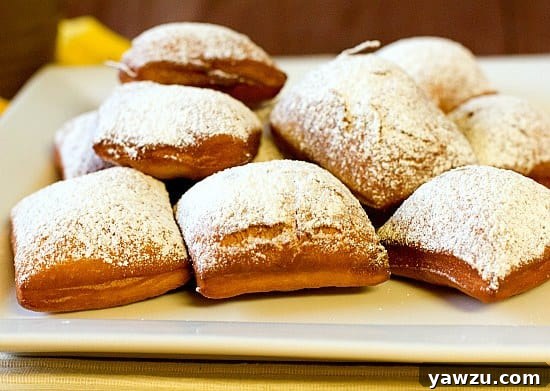
The final, and perhaps most characteristic, step is the liberal dusting of powdered sugar. While the beignets are still warm from the fryer, transfer them to a large bowl or plate and shower them generously with confectioners’ sugar. The warmth of the pastry helps the sugar adhere, creating that iconic, cloud-like coating that is synonymous with beignets. This sweet veil not only adds a delicate sweetness but also provides a lovely contrast to the rich, fried dough. The aroma alone is enough to quicken the pulse and beckon everyone to the kitchen.
The culmination of your efforts is a batch of truly extraordinary homemade New Orleans Beignets. Each one is a fluffy, sweet, and perfectly fried masterpiece, offering a unique texture that is simultaneously crispy on the outside and wonderfully tender within. While they share some similarities with traditional doughnuts, beignets possess a distinct charm and character that are entirely their own. Mastering this regional specialty is a rewarding experience, connecting you to a rich culinary tradition and adding another delightful dish to your repertoire of global flavors.
New Orleans Beignets Recipe
New Orleans Beignets
36 beignets
30 mins
40 mins
4 hrs
5 hrs 15 mins
A classic New Orleans recipe, perfect for any occasion or Mardi Gras celebration!
Pin Recipe
Ingredients
- ¼ ounce (7.09 g) active dry yeast (2¼ teaspoons)
- 1½ cups (375 ml) warm water, 105° to 115°F, divided
- ½ cup (100 g) granulated sugar, divided
- 1 cup (256 ml) evaporated milk
- 2 eggs, lightly beaten
- 1 teaspoon salt
- ¼ cup (51.25 g) vegetable shortening
- 6½ to 7 cups (780g to 840g) bread flour, plus more for dusting
- Vegetable oil, for frying (approximately 6-8 cups)
- Powdered sugar, for generous dusting
Instructions
-
In the bowl of a heavy-duty stand mixer, combine the active dry yeast, ½ cup of warm water (105° to 115°F), and 1 teaspoon of granulated sugar. Let this mixture stand for 5 to 10 minutes, allowing the yeast to bloom and become foamy. This indicates the yeast is active.
-
Once the yeast is active, add the evaporated milk, lightly beaten eggs, salt, and the remaining granulated sugar to the mixer bowl. In a separate microwave-safe bowl, microwave the remaining 1 cup of water until hot (about 115°F), then stir in the vegetable shortening until it completely melts. Add this warm shortening mixture to the yeast mixture in the stand mixer.
-
Using the paddle attachment, begin beating the mixture at low speed. Gradually add 4 cups of the bread flour, beating until the mixture is smooth and well combined. Switch to the dough hook attachment. Gradually add the remaining 2½ to 3 cups of bread flour, beating at medium-low speed until a sticky but cohesive dough forms. The dough should pull away from the sides of the bowl but still be soft.
-
Transfer the dough to a lightly greased large bowl. Turn the dough once to ensure the top is also lightly greased. Cover the bowl tightly with plastic wrap and chill in the refrigerator for a minimum of 4 hours, or ideally, up to 24 hours. This chilling period is crucial for flavor development and easier handling.
-
When you are ready to fry the beignets, turn the chilled dough out onto a generously floured surface (using additional bread flour or all-purpose flour). Roll the dough evenly to a thickness of approximately ¼-inch using a rolling pin. Using a pastry wheel or a sharp knife, cut the dough into 2½-inch squares. You should yield around 36 beignets.
-
Pour vegetable oil into a Dutch oven or heavy-bottomed pot to a depth of 2 to 3 inches. Heat the oil over medium-high heat until it reaches a consistent temperature of 360°F (180°C). Use a candy/frying thermometer to monitor the temperature, as consistent heat is vital for perfectly cooked beignets.
-
Carefully drop the dough squares into the hot oil, frying them in small batches (3-4 at a time) to avoid overcrowding and lowering the oil temperature. Fry for 2 to 3 minutes on each side, or until they puff up beautifully and turn a deep golden brown. Use tongs or a slotted spoon to flip them and remove them from the oil.
-
Transfer the fried beignets to a wire rack lined with paper towels to drain any excess oil. Immediately and generously dust them with a thick coating of powdered sugar while they are still warm. Serve warm and enjoy the authentic taste of New Orleans!
Carbohydrates: 20g,
Protein: 3g,
Fat: 3g,
Saturated Fat: 1g,
Cholesterol: 11mg,
Sodium: 76mg,
Potassium: 49mg,
Sugar: 3g,
Vitamin A: 30IU,
Vitamin C: 0.2mg,
Calcium: 24mg,
Iron: 0.3mg
Did you make this recipe?
We’d love to see your creations! Share your photos and experiences by tagging @thebrowneyedbaker on Instagram. Don’t forget to leave a review below and let us know how your homemade New Orleans Beignets turned out!
Michelle Lettrich
Dessert, Snack, Breakfast
American, Louisiana, Southern