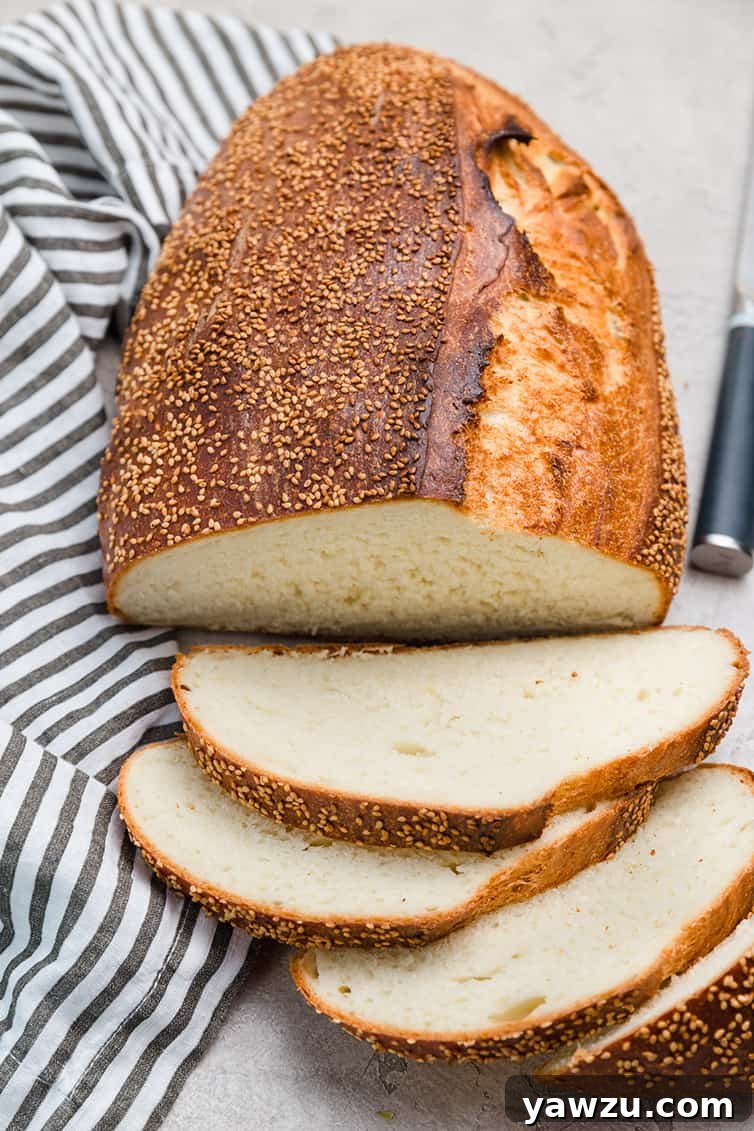
Welcome to the world of homemade Italian bread – a culinary journey that promises bakery-quality results right in your kitchen with surprisingly little effort. Imagine a loaf with a perfectly crisp, golden crust giving way to a soft, airy, and chewy interior. This isn’t just bread; it’s an experience, a staple that transforms any meal from ordinary to extraordinary. Forget those quick trips to the grocery store when a craving strikes; this recipe is so straightforward, even novice bakers will feel like seasoned pros. Get ready to slather generous amounts of softened butter on warm slices, or use it to soak up every last drop of your favorite sauces.
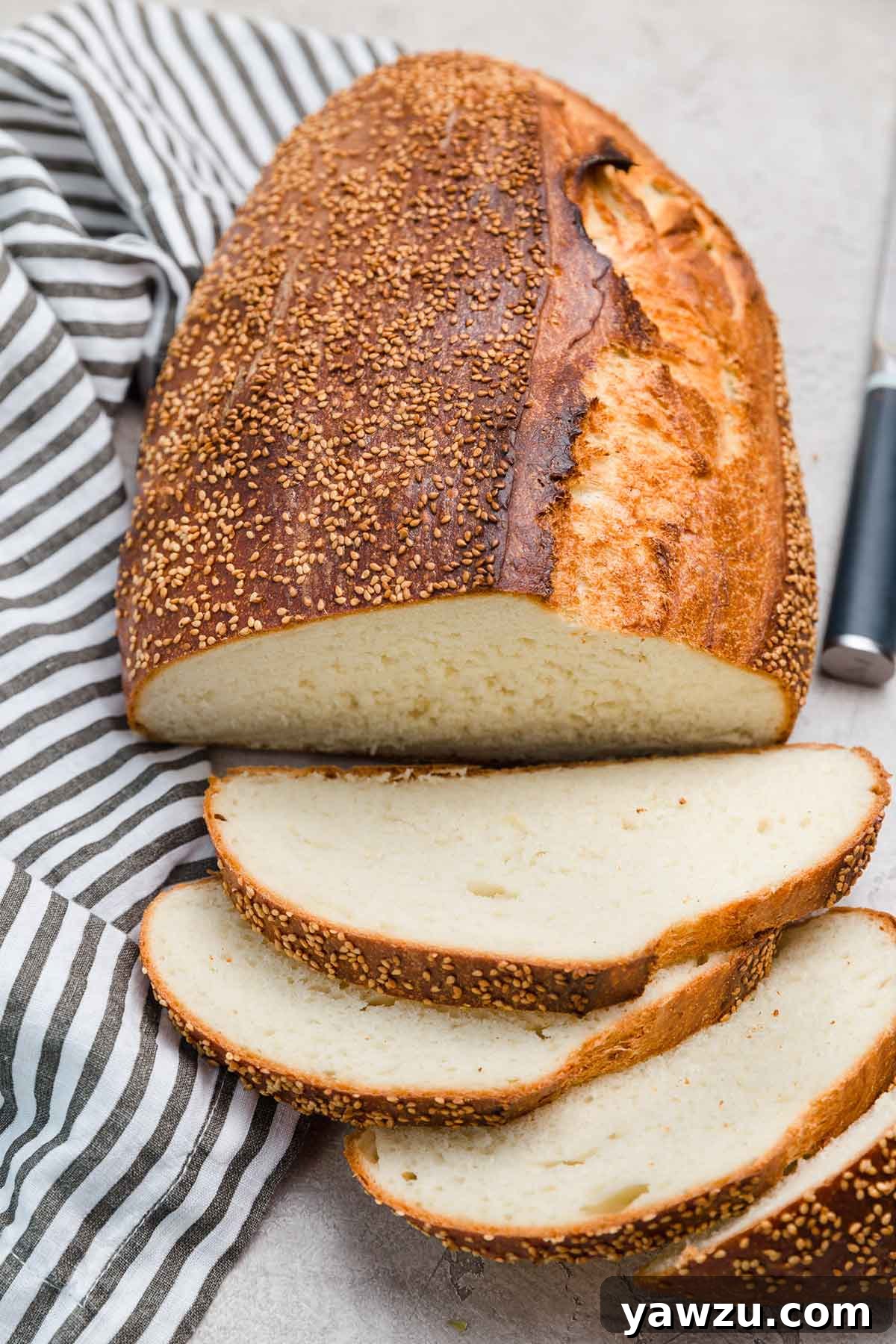
My journey to perfecting this Italian bread recipe began over a decade ago. I was in the midst of preparing a hearty Sunday spaghetti and meatballs dinner when an undeniable desire for fresh, crusty Italian bread suddenly hit. The thought of stepping out to the store, interrupting the cooking process, was unthinkable. Instead, I delved into various recipes, blending techniques and ingredients until I stumbled upon a combination that yielded the most magnificent loaf. It was love at first bite – an unbelievably delicious, enormous, and utterly perfect homemade Italian bread. Since that day, this recipe has been a cornerstone in my kitchen and a beloved treat among my friends, consistently delivering that sought-after perfect crisp crust and a delightfully soft, chewy interior with a tight crumb.
What Makes This Homemade Italian Bread Truly Special?
Beyond its ease of preparation, this Italian bread recipe truly shines in its texture and flavor. The secret lies in a carefully balanced combination of ingredients and a few simple techniques that elevate it from good to exceptional. The robust flavor profile is subtle yet distinct, making it an ideal companion for a wide range of dishes. Its versatility is unparalleled; whether you’re using it to mop up rich pasta sauces, crafting the ultimate sandwich, or simply enjoying it with a drizzle of olive oil, this bread is designed to impress. The satisfaction of pulling a warm, aromatic loaf from your own oven, knowing every ingredient that went into it, is an experience that store-bought bread simply cannot replicate.
The Magic of Bread Flour for Perfect Texture
When it comes to achieving that signature chewy texture and robust structure in Italian bread, the choice of flour is paramount. Unlike my favorite white bread recipe, which often calls for all-purpose flour for a light and fluffy result, this Italian bread demands bread flour. The key difference lies in its higher protein content. Bread flour typically contains 12-14% protein, compared to all-purpose flour’s 10-12%. This increased protein is crucial for developing strong gluten networks.
As the dough is kneaded, these gluten strands develop, providing the elasticity and strength necessary for the bread to rise beautifully and hold its shape. This results in a bread that is chewier, boasts a slightly denser crumb, and has an incredible ‘spring’ when you bite into it. Furthermore, for a free-form loaf like traditional Italian bread, bread flour is instrumental in helping the dough maintain its elongated shape during both the proofing and baking stages. It prevents the dough from spreading excessively, ensuring your loaf looks as authentic as it tastes. While you can substitute all-purpose flour in a pinch, be prepared for a noticeable difference in the bread’s characteristic chewiness and overall structure.
Creating the Ultimate Crisp Crust with Steam
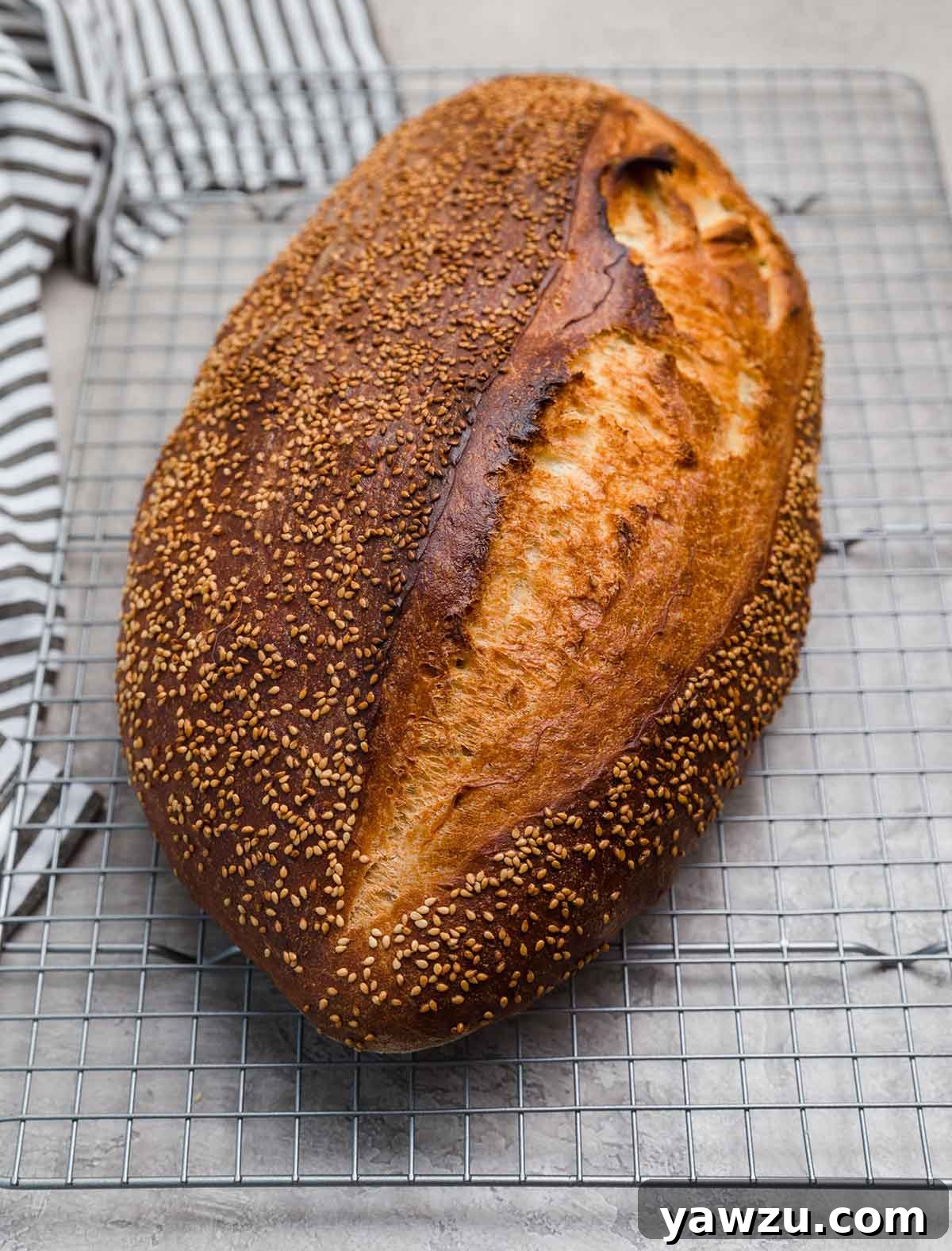
One of the hallmarks of truly excellent Italian bread is its wonderfully crisp, golden-brown crust. Achieving this bakery-quality exterior at home is simpler than you might think and involves a unique step: creating steam in your oven. During the preheating phase, you’ll place a metalbaking pan on the bottom rack of your oven. Once your bread is ready to go in, you’ll carefully pour a cup of water into this hot pan. This immediate contact with the heat generates a burst of steam.
This steam plays a vital role in crust development. It keeps the surface of the dough moist for the first few minutes of baking, allowing the bread to fully expand and rise without forming a premature, hardened crust. This promotes a more open crumb structure. As the steam dissipates, the dry heat then works its magic, leading to a thin, incredibly crisp, and perfectly browned crust that crackles with every slice. The Maillard reaction, responsible for those complex flavors and beautiful browning, is also enhanced by the steamy environment. This technique is a game-changer for homemade bread. However, a crucial safety warning: **ALWAYS use a metal baking pan, NOT glass.** Pouring cold water into a superheated glass pan can cause it to shatter explosively, a lesson I unfortunately learned firsthand many years ago. Please exercise extreme caution when adding water to the hot pan.
Your Step-by-Step Guide to Baking This Italian Bread
The beauty of this Italian bread recipe truly lies in its incredible simplicity and mostly hands-off approach. Many who try it are astonished by how easily they can achieve a loaf that tastes as though it came straight from an artisan bakery. In just a few hours, you can go from basic ingredients to a warm, fragrant, homemade bread that will impress everyone. Here’s a breakdown of the key steps you’ll follow to create this culinary masterpiece:
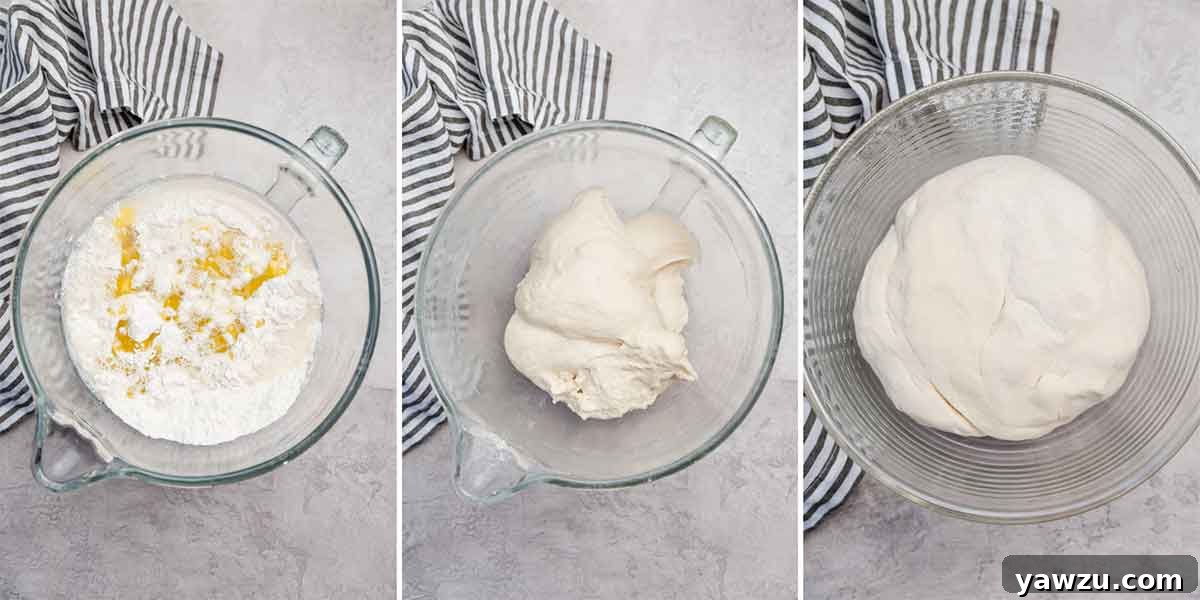
- Activate the Yeast: Begin by combining your active dry yeast with a portion of warm water. This process, known as proofing, ensures the yeast is active and ready to work its magic, giving your bread a great rise. As the yeast blooms, gather your dry ingredients.
- Initial Mixing: In the bowl of your stand mixer, combine bread flour, salt, brown sugar, and olive oil. Once the yeast mixture is foamy, add it along with the remaining water to the dry ingredients. Mix on low speed until a shaggy dough begins to form, gradually incorporating all the flour. You might need to add a touch more flour to achieve the right consistency depending on your environment.
- Kneading for Structure: Increase the mixer speed to knead the dough for a full 7 minutes. This develops the gluten, creating the elasticity essential for a chewy bread. Afterward, transfer the dough to a lightly floured surface and give it a final minute or two of hand-kneading until it’s smooth, firm, and elastic to the touch. This extra step by hand ensures a perfectly uniform dough.
- First Rise (Bulk Fermentation): Place the well-kneaded dough in a lightly oiled bowl, turning it once to coat, then cover it tightly with plastic wrap. Allow it to rise in a warm, draft-free spot at room temperature until it has doubled significantly in size. This primary rise, or bulk fermentation, can take about 1.5 to 2 hours, contributing immensely to the bread’s flavor and texture.
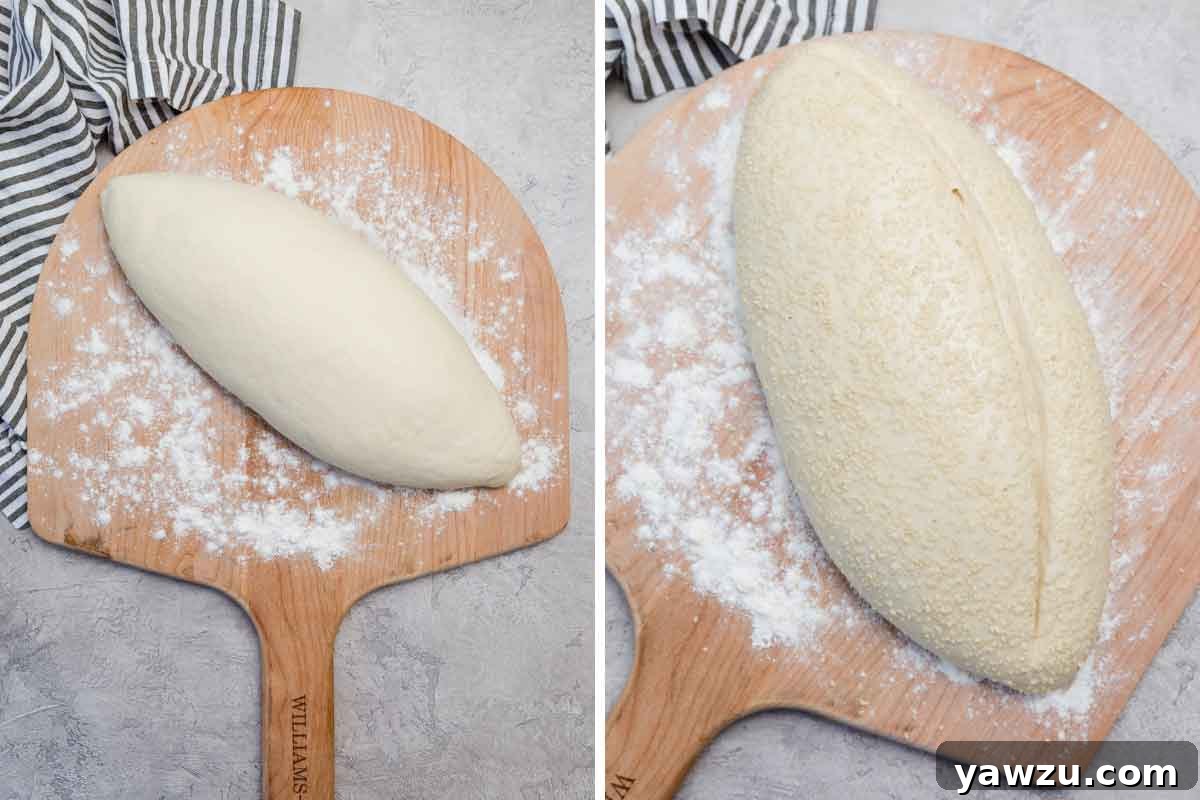
- Shape and Second Rise (Proofing): Gently punch down the risen dough to release the air. Shape it carefully into an elongated, torpedo-like loaf with tapered, rounded ends. This shaping step is critical for the final appearance of your Italian bread. Place the shaped loaf on a prepared surface (like a flour-dusted baker’s peel or inverted baking sheet) and let it rise a second time, loosely covered with a floured dish towel, until it has doubled in size once more. This second rise, or proofing, enhances the bread’s lightness.
- Prepare for Baking: As your bread undergoes its final rise, preheat your oven with a baking stone (if using) and that essential metal pan on the bottom rack. Just before baking, brush the dough with an egg wash (for a beautiful golden sheen) and sprinkle with sesame seeds if desired. Then, with a sharp blade, make a lengthwise slash along the top of the loaf to control expansion and create a beautiful artisanal look.
- Bake with Steam: Carefully pour a cup of water into the hot metal pan on the bottom rack to generate steam. Then, swiftly transfer your proofed loaf into the preheated oven. The initial steam ensures that crisp crust, while the dry heat finishes the baking, producing a perfectly golden and hollow-sounding loaf.
Essential Tips for Italian Bread Success
Baking homemade Italian bread is incredibly rewarding, and a few key tips can ensure your success, even if you’re new to yeast baking:
- Choose the Right Flour: Bread Flour is Key. As discussed, bread flour’s higher protein content is vital for developing the strong gluten structure needed for a chewy, airy Italian loaf that holds its shape. While all-purpose flour can work in a pinch, expect a lighter, less chewy texture. Bread flour is readily available at most grocery stores or can be purchased online.
- Understanding Yeast: Active Dry vs. Instant. This recipe specifies active dry yeast, which requires proofing in warm water to activate. If you have instant yeast (also known as rapid rise or bread machine yeast), you can use it as a direct substitute without any modifications or prior proofing; simply add it directly to the dry ingredients. Ensure your yeast isn’t expired for the best rise.
- Mixing Methods: Stand Mixer or By Hand. A stand mixer with a dough hook certainly simplifies the kneading process, making it mostly hands-off. However, don’t feel limited if you don’t own one! You can absolutely achieve a perfect dough using a large mixing bowl and kneading entirely by hand. Manual kneading helps you develop a feel for the dough, which is invaluable for understanding its texture and elasticity.
- Adjusting Flour for Humidity: The amount of flour needed can vary based on environmental factors like humidity and temperature. If your kitchen is particularly warm or humid, you might need to add a little extra flour (up to ¾ cup more than specified) during the mixing process to achieve a dough that comes together and isn’t overly sticky. Conversely, in drier conditions, you might need slightly less. Trust your instincts and the feel of the dough.
- The Critical Metal Pan for Steam: To reiterate the importance of safety and results: the pan you place on the bottom rack of the oven to create steam **must be metal, not glass.** This is crucial to prevent shattering from thermal shock. If you don’t have a suitable metal pan, consider this recommended one.
- Optimal Baking Surface: Baking Stone vs. Baking Sheet. For an incredibly crisp bottom crust and even baking, a baking stone is highly recommended. This is the baking stone I use, often paired with a pizza peel for easy transfer. If you don’t have a baking stone, a simple alternative is to flip a heavy baking sheet upside down, line it with parchment paper, and bake your bread directly on this surface. When using an inverted baking sheet, you would **not** place it in the oven during preheating; only the steam pan goes in.
- Don’t Skip the Egg Wash and Toppings: The optional egg white wash applied before baking gives your loaf a beautiful golden-brown luster and helps the sesame seeds (or other preferred toppings) adhere perfectly, adding both visual appeal and a delightful nutty flavor.
Freezing Your Homemade Italian Bread for Later
One of the best things about baking a larger loaf or making multiple batches is the ability to freeze it for future enjoyment. This recipe is highly freezer-friendly, allowing you to preserve both unbaked dough and fully baked bread. This means you can always have a fresh loaf on hand with minimal effort. Here’s how to do it:
Freezing Unbaked Bread Dough
To freeze the unbaked dough, follow the recipe instructions through step #4 (combining, mixing, kneading, and the first rise), then proceed to shape the dough into its torpedo form. Immediately place the shaped dough on a baking sheet lined with parchment paper. Cover it tightly with plastic wrap and transfer it to the freezer for at least 12 hours, or until it is completely frozen solid. Once frozen, remove the dough from the baking sheet, wrap it tightly in another layer of plastic wrap, followed by a layer of aluminum foil, and finally place it in a large ziploc freezer bag. This triple-layer protection prevents freezer burn. The dough can be frozen for up to 3 months.
When you’re ready to bake, simply remove the frozen dough from the freezer and let it thaw in the refrigerator overnight. The next day, take it out of the refrigerator and allow it to come to room temperature while it undergoes its final rise (step #5 in the recipe). Keep in mind that because the dough will be cold, this second rise may take a little longer than usual. Once doubled in size, bake as directed in the recipe.
Freezing Baked Bread
For freezing fully baked bread, ensure the loaf has cooled completely to room temperature before proceeding. You have the option to freeze it whole or sliced. I personally prefer freezing my loaves sliced, as it makes it incredibly convenient to pull out just a couple of pieces as needed for toast, sandwiches, or accompaniment to a meal, without having to thaw the entire loaf. However, both methods work wonderfully.
If you choose to freeze the whole loaf unsliced, wrap it tightly in a double layer of plastic wrap, then place it in a ziploc freezer bag. It can be stored in the freezer for up to 3 months. To thaw, simply remove it from the freezer and let it sit in the refrigerator overnight, or at room temperature for several hours, before slicing and serving. For a sliced loaf, wait until it’s completely cool, then slice it evenly. Reassemble the loaf as best as you can, then wrap it in a double layer of plastic wrap and store in a freezer bag as described above. Thaw slices as needed, or the whole reassembled loaf.
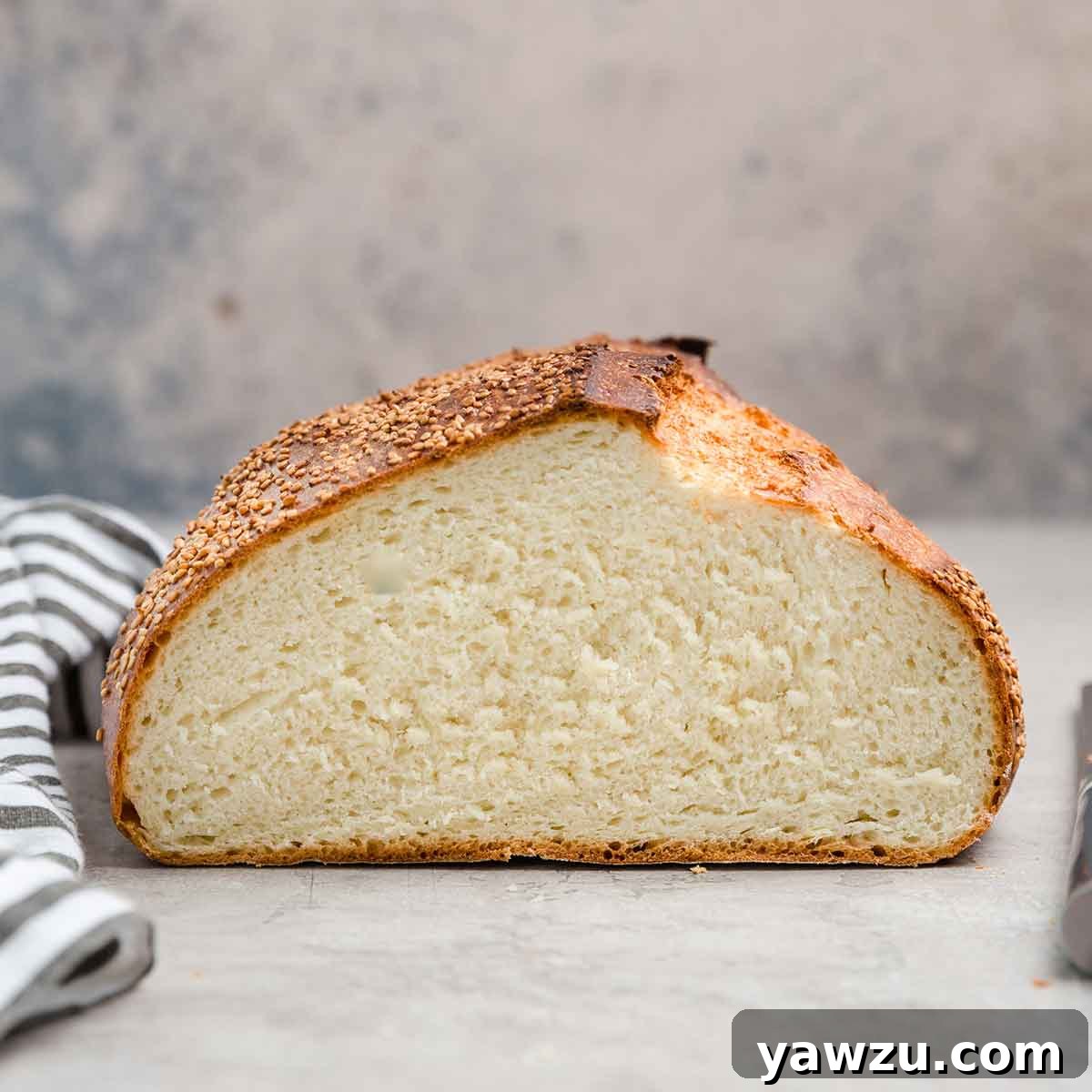
Delicious Ways to Enjoy Your Homemade Italian Bread
This versatile Italian bread isn’t just for dipping in olive oil (though it excels at that!). While it makes incredible sandwiches, its robust structure and subtle flavor truly shine when paired with heartier meals and rich, savory sauces. Here are some fantastic ways to enjoy your fresh-baked loaf, often with a side of softened, salted butter for spreading:
- Alongside Classic Italian Dishes: It’s the perfect accompaniment to comforting meals like Cheesy Lasagna Bolognese, rich pasta dishes, or a plate of tender Italian Meatballs, where its crust can soak up every drop of sauce.
- With Hearty Stews and Soups: Pair slices with warming bowls of Hearty Beef Stew or Homestyle Chicken Noodle Soup for a comforting and satisfying meal.
- Homemade Garlic Bread: Transform your Italian loaf into an irresistible side by slathering slices with garlic butter and toasting them for a delicious homemade garlic bread.
- Bruschetta and Crostini: Slice thinly, toast, and top with fresh tomatoes and basil for bruschetta, or get creative with various other toppings for elegant crostini appetizers.
- Croutons for Salads: Day-old bread can be cubed, tossed with olive oil and herbs, then baked until crispy to make homemade croutons that elevate any salad.
- Panzanella (Bread Salad): Use stale bread cubes to make a vibrant Italian bread salad with fresh vegetables and a vinaigrette dressing.
- Breakfast Toast: Simply toasted and topped with butter, jam, or even avocado for a delightful breakfast.
Explore More Delicious Bread Recipes
If the joy of baking this Italian bread ignites a passion within you, there’s a whole world of delightful bread recipes waiting to be explored. Expand your baking repertoire with these fantastic options:
- Ciabatta Bread: A rustic Italian loaf with an open, airy crumb.
- Classic White Bread: A soft and fluffy staple for sandwiches and toast.
- English Muffin Bread: The unique texture and nooks and crannies of English muffins, in a loaf form.
- Wholesome Whole Wheat Sandwich Bread: A nutritious and flavorful option for everyday use.
- Spicy Cheese Bread: A savory loaf with a kick, perfect for pairing with chilis and stews.
Recipe Overview
For a visual guide to making this incredible Italian bread, you might find a recipe video helpful. Many resources offer detailed step-by-step demonstrations that complement these written instructions.
If you try this Italian bread recipe and absolutely love it, please consider coming back to leave a 5-star rating. Your feedback helps other home bakers discover and enjoy this wonderful recipe! ❤️️
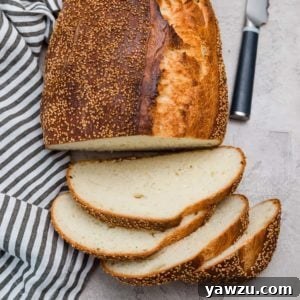
Homemade Italian Bread Recipe
Yield: 16 servings
Prep Time: 2 hours 30 mins
Cook Time: 45 mins
Total Time: 3 hours 15 mins
Recipe video included. You won’t believe how easy this Italian bread is to make! With its soft interior and crusty exterior, it tastes like a loaf straight from your favorite bakery.
Average Rating: 4.82 out of 5 stars (130 ratings)
Pin Recipe
Ingredients
For the Dough
- 2 cups (480 ml) lukewarm water, ~100°F
- 1 package active dry yeast (2.25 teaspoons)
- 5 cups (600 g) bread flour
- 1 tablespoon light brown sugar
- 2 tablespoons olive oil
- 2½ teaspoons salt
For the Topping (Optional)
- 1 egg white, lightly beaten
- 2 tablespoons sesame seeds
Instructions
- Stir ½ cup of the warm water with the yeast. Let it proof for about 5-10 minutes until foamy, while you measure out your dry ingredients.
- In the bowl of an electric mixer, combine the 5 cups of bread flour, brown sugar, and salt. Add the proofed yeast mixture, the remaining warm water, and olive oil. Using a dough hook attachment, mix on the lowest speed until a shaggy dough begins to form. Add more flour gradually, up to an additional ¾ cup, if the dough is too sticky to come together.
- Increase the mixer speed to low (setting 2 on a KitchenAid) and knead for 7 minutes. Transfer the dough to a lightly floured surface and continue kneading by hand for 1 to 2 minutes, until you have a smooth, firm, and elastic dough. It should be supple and bounce back when gently poked.
- Lightly oil a clean bowl and place the dough in it, turning once to coat. Lightly spray the top of the dough with cooking spray. Cover the bowl tightly with plastic wrap and set it aside in a warm, draft-free place to rise for 1½ hours, or until the dough has clearly doubled in size.
- Once risen, gently remove the plastic wrap, punch down the dough to release the air, and flatten it slightly with the heel of your hand. Roll the dough up tightly into an elongated, torpedo-like shape, ensuring you seal the seam well after each roll. The ends should be tapered and rounded.
- Place a baking stone on the center oven rack and preheat your oven to 425°F (220°C). Crucially, place a **metal** baking pan on the lowest rack of the oven to prepare for steam.
- Carefully transfer the shaped dough to a baker’s peel heavily dusted with flour, or an inverted baking sheet lined with parchment paper. Loosely cover the dough with a floured dish towel and allow it to proof for a second time for 30 minutes, or until it has doubled in size.
- If using the optional topping, gently brush the dough with the lightly beaten egg white and evenly sprinkle the sesame seeds over the top. Using a sharp razor blade or knife, make a single lengthwise slash about ¼-inch deep along the top of the loaf, holding the blade at a 45-degree angle.
- Just before placing the bread in the oven, carefully pour 1 cup of hot water into the preheated metal pan on the bottom rack. This will create immediate steam. Then, swiftly transfer the loaf from your peel or baking sheet onto the hot baking stone in the oven.
- Bake for 30 to 40 minutes, or until the crust is golden brown and the bottom of the bread sounds hollow when tapped. For an accurate reading, an instant-read thermometer inserted into the center should register at least 195°F (90°C). Allow the bread to cool completely on a wire rack before slicing for the best texture.
Notes
- Bread Flour: Essential for a chewy, structurally sound Italian bread due to its high protein content. While all-purpose flour works, the texture will be different. Available in most grocery stores or online.
- Yeast: This recipe uses active dry yeast, which is proofed in warm water. Instant yeast can be used directly with dry ingredients without proofing, with no other recipe modifications.
- Mixing by Hand: A stand mixer is convenient, but you can mix and knead the dough entirely by hand in a large mixing bowl.
- Extra Flour: The exact amount of flour can vary based on ambient humidity. You may need up to an additional ¾ cup of flour if the dough is too sticky, particularly in warmer, more humid conditions. In drier climates, less additional flour may be needed.
- Metal Pan for Steam: Always use a **metal** baking pan, not glass, for creating steam in the oven to prevent shattering from thermal shock. This one is recommended if you don’t have one.
- Baking Stone Alternative: For baking, a baking stone and pizza peel are ideal. Alternatively, you can use an inverted baking sheet lined with parchment paper. Remember, the inverted baking sheet should not preheat with the oven.
- Freezing Bread Dough: After shaping, place dough on parchment-lined sheet, freeze for 12 hours. Wrap tightly in plastic and foil, then freeze in a freezer bag for up to 3 months. Thaw overnight in the refrigerator, then proceed with the final rise (step #5). The final rise may take longer.
- Freezing Baked Bread: Once completely cooled, wrap a whole (sliced or unsliced) loaf in a double layer of plastic wrap and place in a freezer bag. Freeze for up to 3 months. Thaw in the refrigerator or at room temperature before serving.
Nutritional value is for 1/16th of loaf.
Nutrition Information
Calories: 166kcal, Carbohydrates: 29g, Protein: 5g, Fat: 2g, Sodium: 369mg, Potassium: 46mg, Fiber: 1g, Calcium: 17mg, Iron: 0.5mg
Did you make this recipe?
Leave a review below, then snap a picture and tag @thebrowneyedbaker on Instagram so I can see it!
Author: Michelle Lettrich
Course: Bread
Cuisine: Italian
[Photos by Ari of Well Seasoned Studio]
Recipe originally published in August 2008.