Authentic Irish Soda Bread: A Timeless Quick Bread Recipe
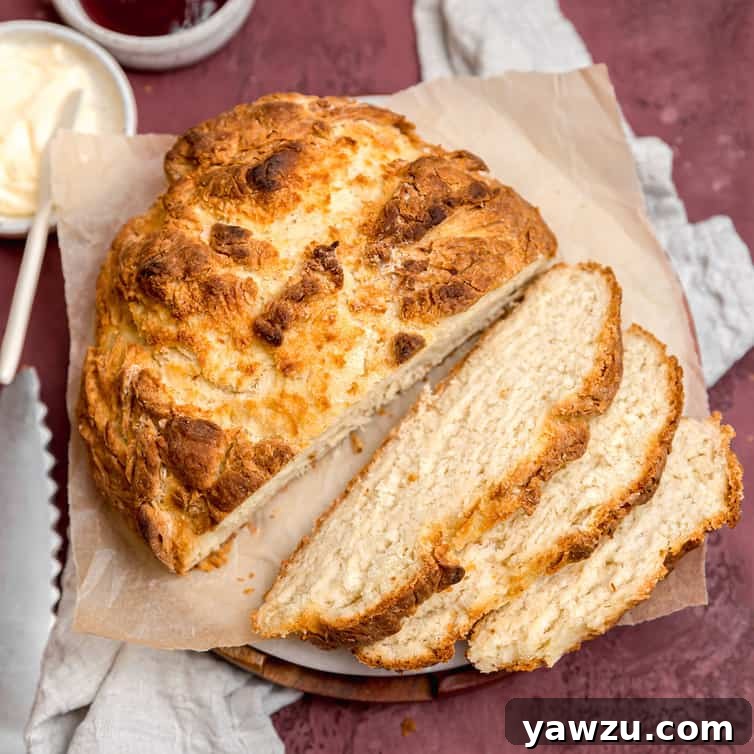
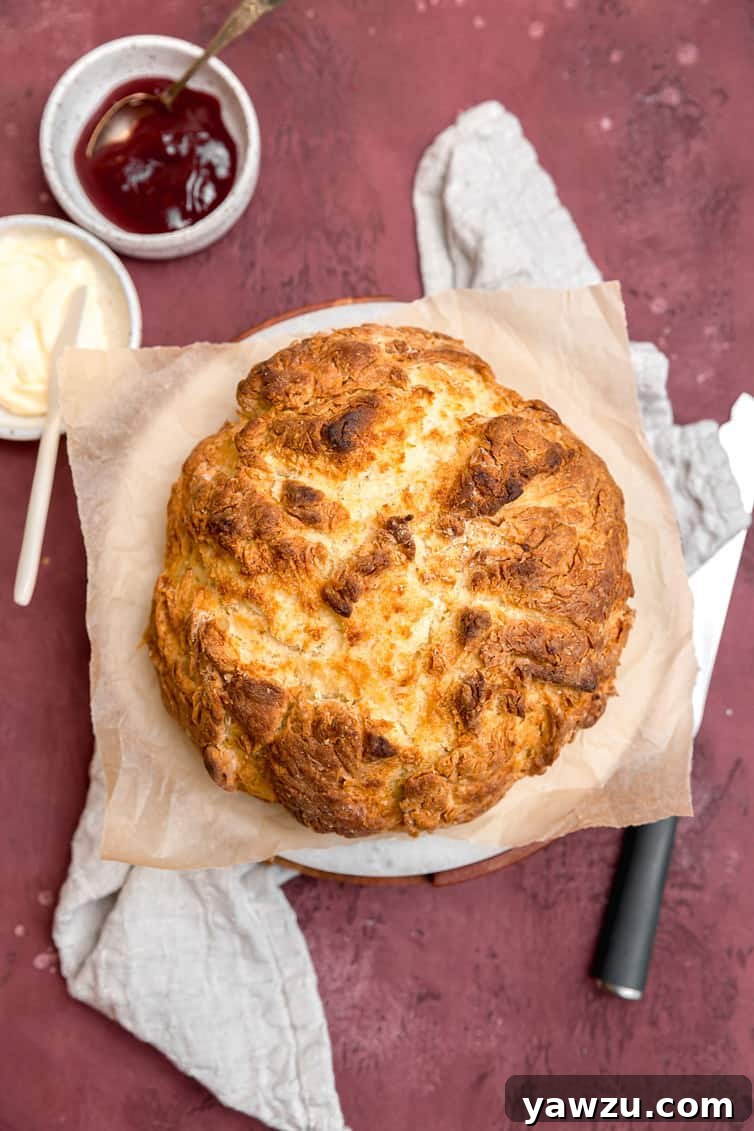
Discover the simple magic of Irish soda bread, a beloved quick bread that has graced tables for generations. Unlike traditional yeast breads, this rustic masterpiece relies on a clever combination of baking soda and tangy buttermilk for its characteristic rise, delivering a satisfyingly crisp crust and a dense, tender crumb. It’s the quintessential accompaniment for soaking up every last drop of your favorite hearty beef stew, or simply enjoyed slathered with a generous spread of creamy butter and homemade jam. This remarkably straightforward recipe allows you to bake a fresh, warm loaf in just over an hour using minimal, readily available ingredients, making it an ideal choice for both novice and experienced bakers alike.
The Enduring Appeal of Irish Soda Bread
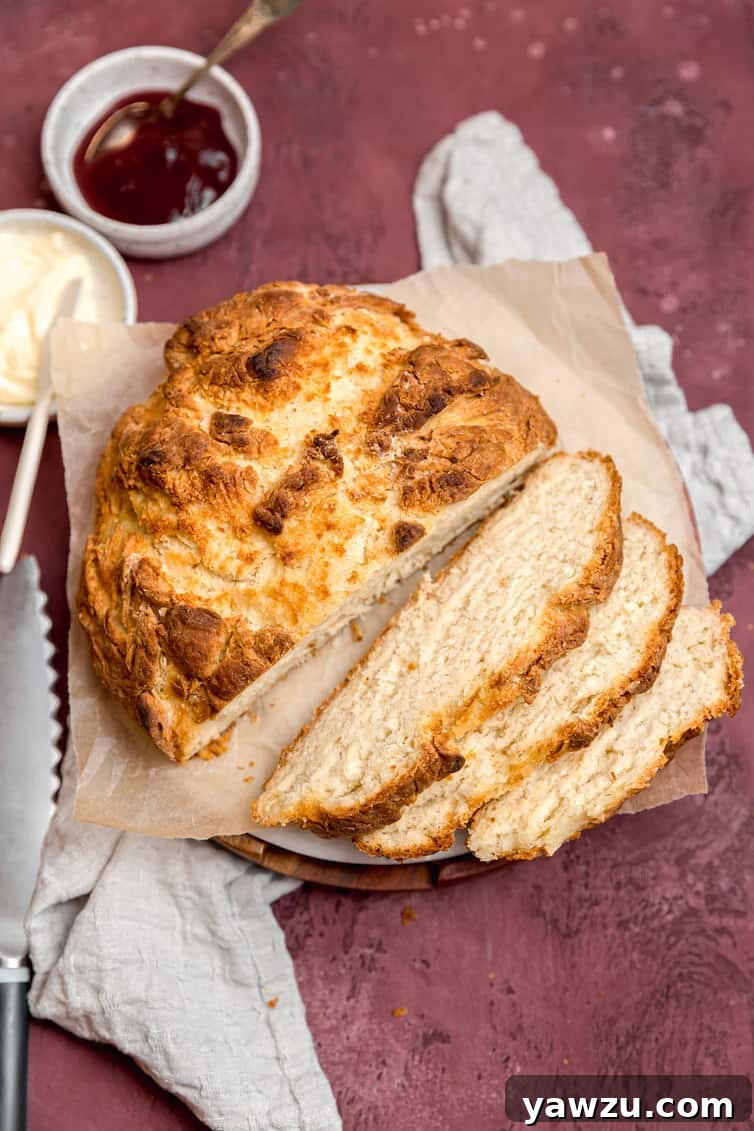
There’s an undeniable charm to Irish soda bread that transcends its humble origins. It’s more than just a quick bread; it’s a symbol of comfort, tradition, and ingenuity. Our recipe builds upon the principles of the classic Irish method, ensuring that signature crispy outer crust and delightfully tender inner crumb. However, we introduce a subtle richness that elevates the flavor profile, making it even more irresistible. Whether you’re celebrating St. Patrick’s Day or simply yearning for a wholesome, comforting loaf on any given day, this recipe promises to deliver a truly satisfying baking experience. It’s incredibly versatile, pairing beautifully with both savory dishes and sweet spreads, cementing its place as a staple in many kitchens.
Over the years, the versatility of Irish soda bread has inspired countless delicious variations. I’ve experimented with everything from light and fluffy scones and rustic brown bread, to sophisticated whiskey soda bread with a decadent Irish whiskey butter, and even a robust rye soda bread. Yet, despite these delightful twists, this original, classic version remains my steadfast favorite. It consistently bakes up with that perfect crisp crust and a light, tender crumb that simply begs to be enjoyed with generous amounts of rich Kerrygold butter, turning a simple slice of bread into an indulgent treat.
A Journey Through Time: The History and Cultural Significance of Irish Soda Bread
Considered an iconic Irish recipe alongside culinary legends like Shepherd’s Pie and corned beef, Irish soda bread boasts a rich and fascinating history rooted in necessity and resourcefulness. Its origins can be traced back to the 1700s, an adaptation of a quick bread developed by early American settlers. These pioneers, lacking yeast and sophisticated ovens, discovered that by combining an alkali (potash, a precursor to modern baking soda) with an acid (often sour milk), they could achieve a reliable rise in their bread using a simple skillet over an open fire.
By the mid-1800s, sodium bicarbonate, more commonly known as baking soda, became commercially available in Europe. This accessibility proved to be a game-changer for Irish households. Ireland’s climate and soil conditions were historically not ideal for growing the high-protein wheat needed for traditional yeast breads. Instead, locally grown wheat was often softer and lower in protein, meaning it lacked the gluten structure necessary to trap the gases produced by yeast. However, this low-protein flour was perfectly suited for soda bread. The chemical reaction between baking soda and buttermilk (which was also abundant as a byproduct of butter making) created carbon dioxide quickly, allowing the bread to rise without the need for extensive kneading or long fermentation times characteristic of yeast breads. Thus, Irish soda bread was born out of practicality, quickly becoming a staple in Irish homes due to its simplicity, speed, and affordability. It nourished families through lean times and remains a cherished part of Irish culinary heritage, a testament to its enduring appeal.
The Simple Magic: Key Ingredients Explained
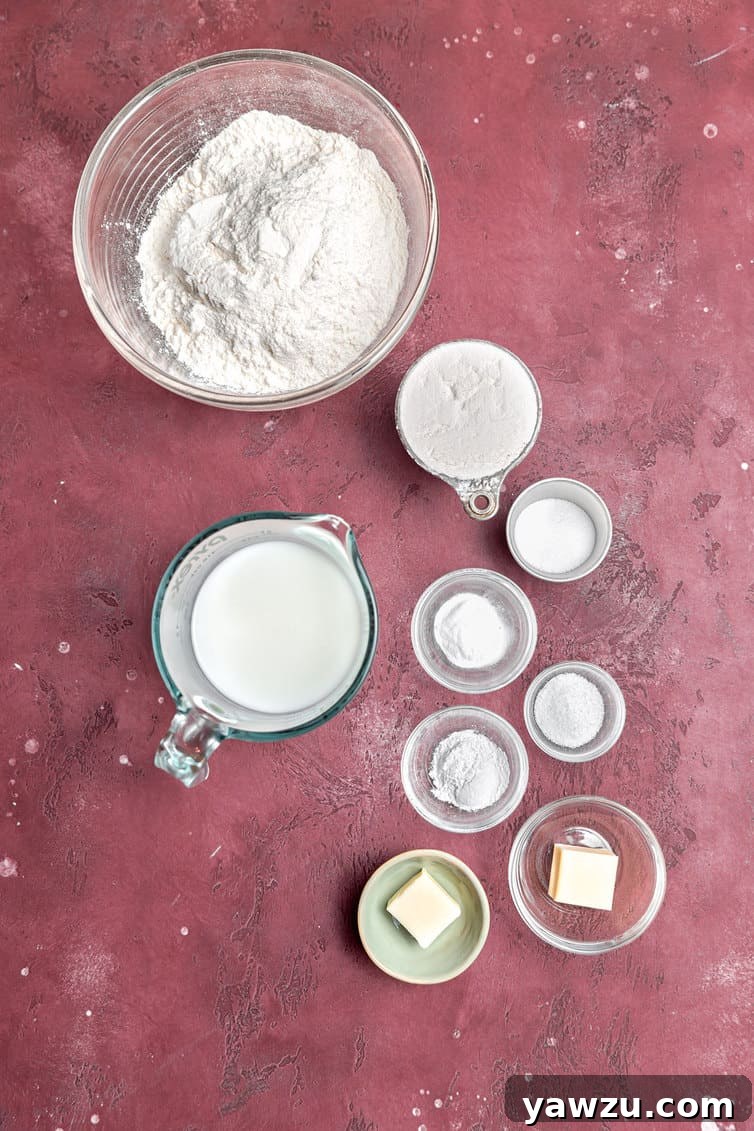
The beauty of Irish soda bread lies in its minimal ingredient list, each playing a crucial role in achieving its distinctive texture and flavor. Understanding the function of each component can elevate your baking from simply following a recipe to truly crafting a superb loaf.
Flour: The Foundation of Texture
One of the most significant distinctions between truly traditional Irish soda bread and many modern adaptations lies in the flour. Historically, the wheat cultivated in Ireland was low in protein. This characteristic meant the flour lacked the robust gluten structure required for successful yeast-leavened breads, which rely on strong gluten networks to trap gas and create an airy crumb. However, this softer, low-protein flour proved ideal for reacting with baking soda, producing a tender crumb without the need for extensive kneading. Today, most readily available all-purpose flour has a higher protein content than its historical Irish counterpart. To replicate that traditional tender texture, our recipe strategically blends all-purpose flour with a portion of cake flour. Cake flour is specifically milled to have a lower protein count, and by combining it with all-purpose flour, we achieve an optimal protein ratio that mimics the historical flour, resulting in a perfectly soft and delicate crumb.
Leavening: Baking Soda, Buttermilk & Cream of Tartar
The characteristic rise of Irish soda bread is a marvel of simple chemistry. The traditional recipe hinges on the reaction between baking soda (sodium bicarbonate), an alkali, and buttermilk, an acid. When these two meet, they produce carbon dioxide gas, which gets trapped in the dough and causes the bread to rise rapidly in the oven. Our recipe enhances this leavening power with the addition of cream of tartar. Cream of tartar, an acidic salt, acts as a secondary acidic component, ensuring a more vigorous and reliable rise. This strategic combination guarantees a light interior and contributes to the bread’s tender texture.
Butter: Adding Richness and Softness
While some strict traditional recipes might omit fat, the inclusion of butter in our recipe is a deliberate choice to enhance the bread’s overall appeal. Butter introduces a luxurious richness and depth of flavor that complements the tang of the buttermilk. More importantly, it contributes to a softer, more tender crumb. As the butter melts and integrates with the flour mixture, it coats the flour particles, inhibiting excessive gluten development. This results in a bread that is not only flavorful but also exceptionally tender and enjoyable, especially when spread with more butter.
Sugar & Salt: The Flavor Balancers
A small amount of granulated sugar, typically just two tablespoons, plays a vital role in balancing the flavors in this quick bread. It subtly counteracts the natural saltiness contributed by both the salt and the baking soda, creating a more harmonious and palatable taste profile. Salt, of course, is indispensable for enhancing the overall flavor of the bread, preventing it from tasting flat and bringing out the inherent sweetness of the wheat. These small additions are key to a well-rounded and delicious loaf.
Crafting Your Perfect Loaf: Step-by-Step Irish Soda Bread Recipe
One of the greatest joys of making Irish soda bread is its speed and simplicity. As a “quick bread,” the entire hands-on preparation takes mere minutes, allowing you to enjoy fresh, homemade bread with minimal effort. Follow these easy steps to achieve a perfect loaf every time.
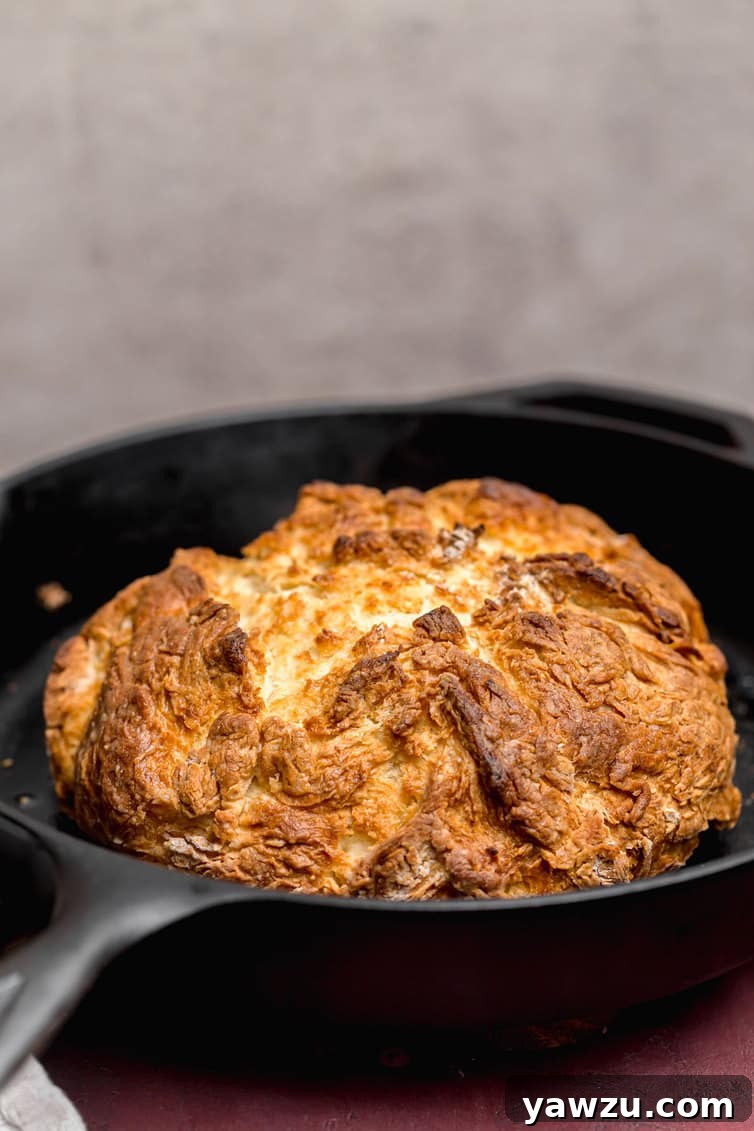
- Prepare the Oven and Baking Surface: Begin by preheating your oven to 400°F (200°C). Position an oven rack in the middle-top of your oven. This placement is crucial for ensuring the top of your loaf achieves a beautiful, golden-brown crust without over-browning the bottom. If using a baking sheet, line it with parchment paper for easy removal and cleanup. If you opt for a 12-inch cast iron skillet, which is highly recommended for an extra-crispy crust, you can simply lightly grease it.
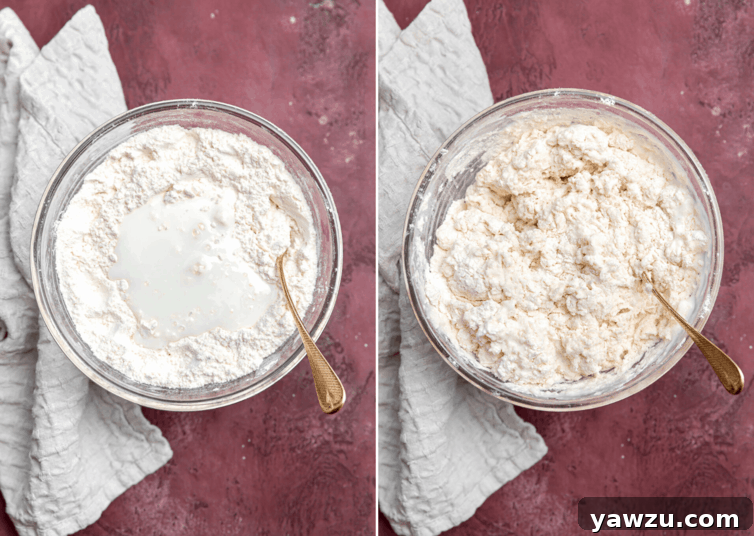
- Combine Dry Ingredients and Incorporate Butter: In a large mixing bowl, combine the all-purpose flour, cake flour, granulated sugar, baking soda, cream of tartar, and salt. Use a whisk or a fork to thoroughly blend these dry ingredients together, ensuring an even distribution. Next, add the softened unsalted butter. Using the back of your fork or your fingertips, work the butter into the flour mixture. The goal is to break down the butter into small pieces and coat the flour, creating a mixture that resembles coarse crumbs. This step helps create pockets of steam during baking, contributing to the bread’s texture.
- Form the Dough: Pour the buttermilk into the dry ingredient mixture. With your fork, gently stir just until the dough begins to come together. Avoid overmixing. Once a rough, shaggy dough forms, turn it out onto a lightly floured countertop or work surface. Gently knead the dough for just 12 to 14 turns, or until it becomes cohesive but still appears lumpy. The key here is minimal handling; over-kneading will develop too much gluten from the all-purpose flour, resulting in a tough, chewy bread rather than the desired tender crumb. Pat the formed dough into a round disc, approximately 6 inches in diameter and about 2 inches high. Carefully transfer the disc to your prepared baking sheet or cast iron skillet. Using a sharp knife, score a deep “X” on the top of the loaf, extending nearly to the edges. This scoring allows the bread to expand properly in the oven and helps ensure even baking.
- Bake and Cool Your Loaf: Place the prepared loaf in your preheated oven. Bake for approximately 40 to 45 minutes, or until the bread achieves a beautiful golden-brown color on the outside. To confirm doneness, insert a wooden skewer or a thin knife into the center of the loaf; it should come out clean. For ultimate accuracy, an instant-read thermometer inserted into the center should register 180°F (82°C). Once baked, remove the loaf from the oven. While it’s still hot, brush the entire surface with the melted unsalted butter. This step adds another layer of flavor and contributes to a softer crust as it cools. Allow the bread to cool completely to room temperature, which typically takes about 30 to 40 minutes, before slicing and serving. Cooling allows the internal structure of the bread to set, preventing it from becoming gummy. Enjoy your freshly baked Irish soda bread!
Elevate Your Loaf: Delicious Mix-In Ideas
While this classic Irish soda bread recipe is delightful in its pure form, its simple canvas allows for endless customization with various mix-ins. These additions can transform the bread to suit different palates, seasons, or occasions.
Traditional Enhancements
For those who appreciate a nod to tradition with a touch more flavor, these mix-ins are commonly found in Irish kitchens:
- Dried Fruits: Add 1 cup of raisins, golden raisins, or currants. These provide bursts of natural sweetness and a chewy texture that complements the dense crumb of the bread. They’re particularly popular around holidays.
- Caraway Seeds: Incorporate 2 teaspoons of caraway seeds for a distinct, slightly peppery, and anise-like flavor. This aromatic spice adds an authentic, savory depth that is a hallmark of some traditional Irish soda breads.
Modern & Creative Twists
Feel free to get creative and experiment with non-traditional additions to tailor your soda bread to your personal preference:
- Other Dried Fruits: Beyond raisins, try chopped dried figs, cranberries, or cherries for different flavor profiles and colors.
- Chopped Nuts: Introduce a delightful crunch and nutty flavor with chopped walnuts, pecans, or pistachios. Toasting them lightly beforehand can intensify their flavor.
- Savory Combinations:
- Cheddar and Apple: Cubed sharp cheddar cheese combined with finely grated apple creates a savory-sweet, tangy loaf.
- Black Pepper and Parmesan: A generous grinding of black pepper and grated Parmesan cheese yields a robust, peppery bread perfect for savory meals.
- Sundried Tomatoes and Feta: Chopped oil-packed sundried tomatoes and crumbled feta cheese add a Mediterranean-inspired tang and richness.
- Sweet Indulgences: Make it a dessert bread by mixing in chopped dark chocolate chunks and shredded coconut for a rich, sweet treat.
Expert Tips for Irish Soda Bread Success
Achieving the perfect Irish soda bread is straightforward, but a few key tips can ensure your loaf turns out beautifully every time:
- Mise en Place is Key: For the quickest and most stress-free baking experience, measure and prepare all your ingredients before you begin mixing. This “everything in its place” approach allows you to move seamlessly through the rapid mixing process.
- Do Not Over-Knead: This is arguably the most critical tip for soda bread. Unlike yeast breads, which require extensive kneading to develop gluten, soda bread should be handled minimally. Knead the dough just until it comes together and appears cohesive but still quite lumpy, typically about 12 to 14 turns. If you knead it until it’s smooth, you will over-develop the gluten, resulting in a dense, tough, and chewy finished bread.
- Embrace the Cast-Iron Skillet: While a parchment-lined baking sheet will certainly work, using a cast-iron skillet is highly recommended. The even heat distribution and high thermal mass of cast iron create an incredibly crispy, golden-brown crust that truly elevates the texture of the bread. There’s a certain magic to the crust a cast iron pan produces.
- Proper Storage for Freshness: To keep your Irish soda bread fresh for as long as possible, allow it to cool completely, then wrap it tightly in plastic wrap. Store it at room temperature for up to three days. For longer storage, see freezing instructions below.
- Reheating for Optimal Enjoyment: Leftover slices of soda bread can be wonderfully revived. Reheat them in a toaster oven or conventional oven at 350°F (175°C) until the outside is crisp and the interior is warm through. This brings back much of its fresh-baked appeal.
Irish Soda Bread: A Versatile Staple for Any Occasion
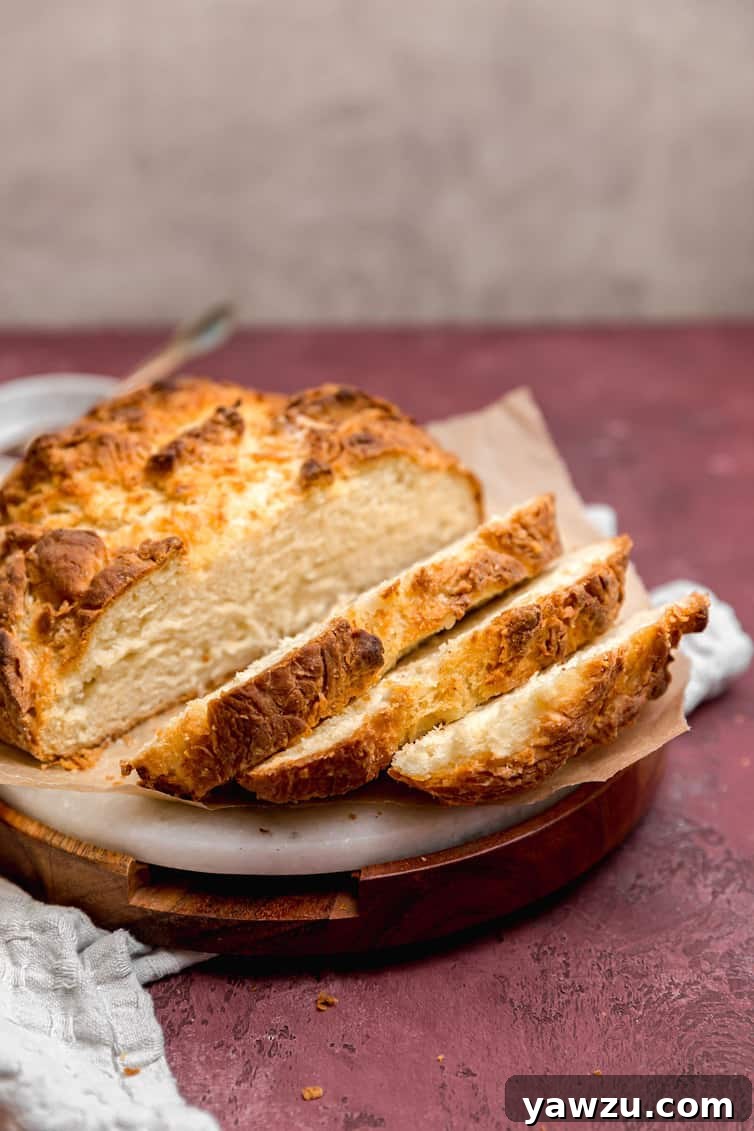
This quick and easy Irish soda bread is a testament to the fact that you don’t need yeast or hours of proofing to enjoy a truly satisfying loaf of homemade bread. Its distinctive crisp crust and tender, dense crumb make it the perfect sidekick for a cozy soup night, a Sunday roast, or any time you’re craving the comforting aroma and taste of freshly baked bread without the wait. It’s an indispensable recipe for every home baker, offering a blend of tradition, simplicity, and delicious versatility. Whether you’re making it for St. Patrick’s Day or simply to elevate your everyday meals, this recipe is sure to become a cherished favorite.
If you make this recipe and love it, remember to stop back and give it a 5-star rating – it helps others find the recipe and enjoy it too! Your feedback is always appreciated. ❤️️
Classic Irish Soda Bread Recipe
Irish soda bread is a delicious quick bread that requires no yeast but gets its beautiful rise from a combination of baking soda and buttermilk. It has a crisp crust and a dense, tender crumb, which makes it the perfect bread for soaking up the remnants of your favorite beef stew (or just slathering in butter!). This simple soda bread can be made in just one hour and with simple ingredients!
Yield: 12 servings (1 loaf)
Prep Time: 15 minutes
Cook Time: 40 minutes
Total Time: 55 minutes
Ingredients
- 3 cups (360 g) all-purpose flour
- 1 cup (120 g) cake flour
- 2 tablespoons granulated sugar
- 1½ teaspoons (1.5 teaspoons) baking soda
- 1½ teaspoons (1.5 teaspoons) cream of tartar
- 1½ teaspoons (1.5 teaspoons) salt
- 2 tablespoons unsalted butter, softened
- 1½ cups (360 ml) buttermilk
- 1 tablespoon unsalted butter, melted (for brushing)
Instructions
- Adjust an oven rack to the upper-middle position and preheat oven to 400°F (200°C).
- In a large bowl, whisk together the flours, sugar, baking soda, cream of tartar, and salt. Work the softened butter into the dry ingredients with a fork or your fingertips until the texture resembles coarse crumbs.
- Add the buttermilk and stir with a fork just until the dough begins to come together. Turn out onto a floured work surface and knead just until the dough becomes cohesive and bumpy, about 12 to 14 turns. (Remember: Do not knead until the dough is smooth, or the bread will turn out tough.)
- Pat the dough into a round about 6 inches in diameter and 2 inches high; place on a parchment-lined baking sheet or in a 12-inch cast iron skillet. Score the dough by cutting a cross shape on the top of the loaf.
- Bake until the loaf is golden brown and a skewer inserted into the center comes out clean, or the internal temperature reaches 180°F (82°C) on an instant-read thermometer, typically 40 to 45 minutes. Remove the loaf from the oven and brush the surface with the melted butter. Cool to room temperature before slicing, about 30 to 40 minutes. Leftovers should be wrapped tightly in plastic wrap and stored at room temperature for up to 3 days.
Notes
- Cake Flour: You can purchase cake flour in most grocery stores or online. If you can’t find it, substitute ¾ cup (90g) sifted all-purpose flour + 2 tablespoons cornstarch.
- Buttermilk: This is the key to the bread’s rise and phenomenal texture. If you do not have buttermilk and can’t get it, use this substitution: Place 1½ tablespoons lemon juice or white vinegar in a 2-cup liquid measuring cup. Add enough whole or 2% milk to bring the mixture to 1½ cups. Stir it, then let it sit for 5 minutes before using.
- Equipment: A cast iron skillet is recommended for the crispiest crust.
- Mix-Ins: Refer to the “Elevate Your Loaf” section above for both traditional and non-traditional mix-in ideas to customize your bread.
- Freezing Instructions: You can freeze the entire loaf or individual slices. Cool the bread completely, then wrap tightly in plastic wrap and place in a freezer-safe zip-top bag. Freeze for up to 3 months; thaw in the refrigerator or at room temperature before serving.
Nutrition Information (per serving)
Calories: 203kcal, Carbohydrates: 35g, Protein: 5g, Fat: 4g, Saturated Fat: 2g, Cholesterol: 10mg, Sodium: 460mg, Potassium: 146mg, Fiber: 1g, Sugar: 3g, Vitamin A: 135IU, Calcium: 41mg, Iron: 1.5mg
Did you make this recipe?
Leave a review below, then snap a picture and tag @thebrowneyedbaker on Instagram so I can see it!
Author: Michelle Lettrich
Course: Bread
Cuisine: American, Irish
Photography by Ari Laing