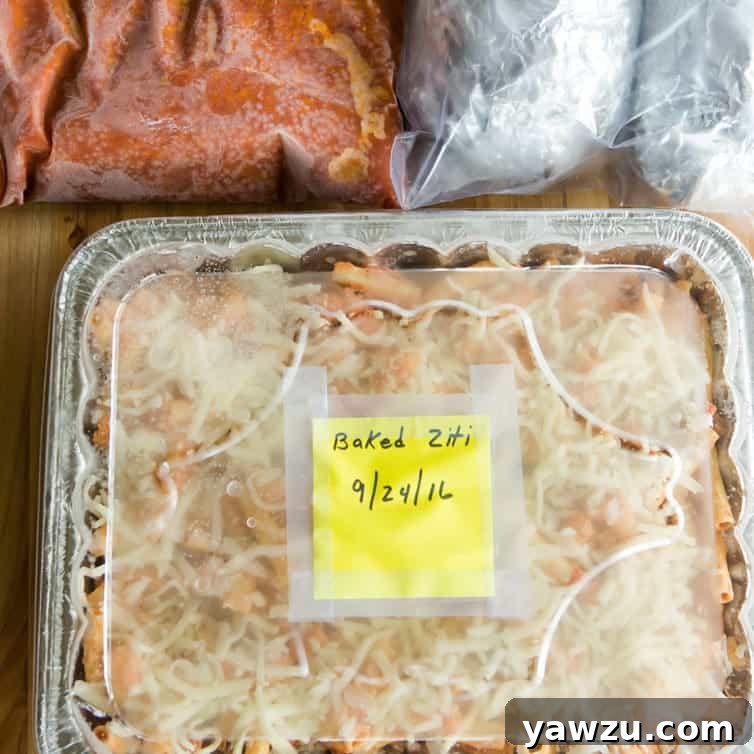
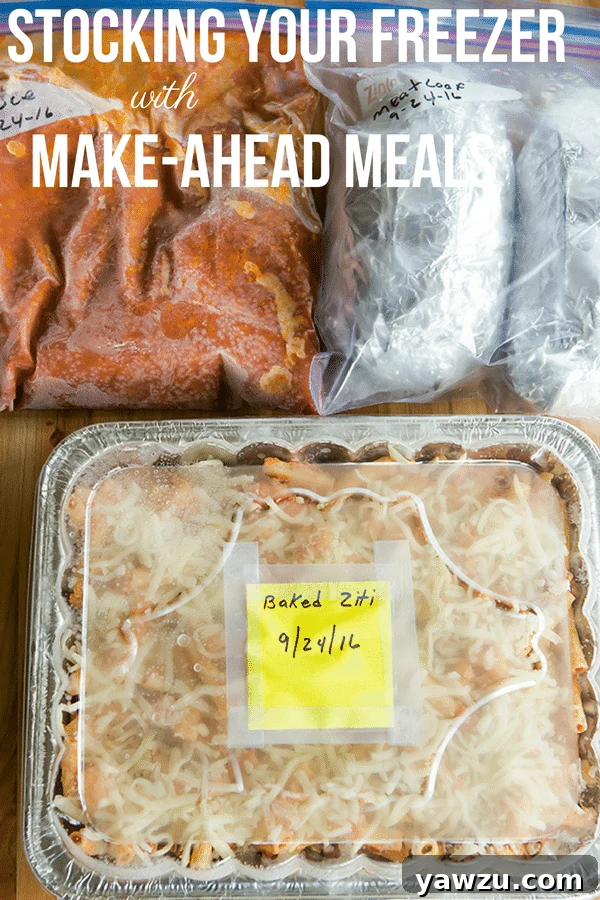
The anticipation of a major life event, be it welcoming a new baby, navigating a busy season at work, or simply striving for a more organized home life, often brings with it a surge of both excitement and a touch of anxiety. One of the most significant stressors during these times can be the daily dilemma of “what’s for dinner?” This is precisely where the magic of make-ahead freezer meals truly shines, transforming potential chaos into comforting convenience. I vividly recall the period just before my son, Joseph, was born. My due date was mere days away, and the nervous excitement was palpable. The sheer thought of daily cooking, especially with the impending recovery from an unplanned c-section, felt daunting. It was during this pivotal time that my incredible mom stepped in, becoming a true culinary superhero. She spent countless hours preparing and stashing an array of delicious, homemade dishes into our freezer. To simply pull out a tray of baked ziti or warm up a hearty batch of chili became an absolute lifesaver, allowing me to focus on recovery and bonding with my newborn without the added burden of meal preparation. Her thoughtful gesture underscored the profound impact that a well-stocked freezer can have on easing life’s transitions and making everyday living smoother.
Her dedication to this cause was truly inspiring. After two weeks away in Montreal for work, she returned home on a Friday night, only to dedicate her entire Saturday to cooking. By Sunday, she arrived at our doorstep, not just with well-wishes, but with an arsenal of ready-to-freeze meals: generous trays of baked ziti, comforting meatloaves, and rich pasta sauce. But she didn’t stop there; she committed to preparing even more over the following week, including soul-warming chili, various soups, and versatile breaded chicken cutlets. This level of support highlights not just the love of a mother, but the immense practical value of proactive meal preparation. It’s a testament to how planning ahead can significantly reduce stress and provide nourishing sustenance when you need it most. While this might not be a “baking basics” guide in the traditional sense, it is undoubtedly a fundamental aspect of “food basics” that every household can benefit from. It’s the perfect opportunity to delve into some of my absolute favorite freezer-friendly recipes and, crucially, share invaluable tips on how to properly store and prepare your frozen meals to ensure they remain as fresh, flavorful, and safe as possible for when you’re ready to enjoy them.
MASTERING THE ART OF FREEZER MEALS: BENEFITS AND PLANNING
Embracing the strategy of make-ahead freezer meals extends far beyond just preparing for a new baby. It’s a game-changer for anyone seeking to streamline their life, eat healthier, save money, and reduce daily stress. Imagine coming home after a long, exhausting day and knowing that a delicious, homemade meal is just minutes away, without the need for extensive chopping, cooking, or last-minute grocery runs. This is the promise of a well-stocked freezer.
- Unparalleled Convenience: The most immediate benefit is the sheer convenience. Freezer meals drastically cut down on cooking time during busy weeknights. Instead of spending an hour or more in the kitchen, you can often have a nutritious meal on the table in under 30 minutes, simply by reheating. This frees up precious time for family, hobbies, or much-needed relaxation.
- Significant Cost Savings: By planning your meals and buying ingredients in bulk when they’re on sale, you can significantly reduce your grocery bill. Batch cooking also minimizes the temptation to order expensive takeout or delivery when hunger strikes and time is short, leading to substantial savings over time.
- Healthier Eating Habits: When you prepare your own freezer meals, you have complete control over the ingredients. This means less processed food, fewer unhealthy fats, and the ability to cater to specific dietary needs or preferences, such as reducing sodium or adding more vegetables. It makes healthy eating an effortless default, rather than a constant struggle.
- Reduced Food Waste: Freezing allows you to preserve ingredients or leftover portions that might otherwise spoil. This is particularly useful for things like fresh herbs, pureed vegetables, half-used cans of sauce, or excess produce from your garden. By freezing, you extend their usability and contribute to a more sustainable kitchen.
- Stress Reduction and Peace of Mind: The mental load of daily meal planning and cooking can be immense. With a freezer full of ready-to-eat options, you eliminate decision fatigue and gain a tremendous sense of preparedness, freeing up mental energy for other priorities. It offers a comforting buffer against the unexpected challenges of everyday life.
- Emergency Preparedness: Life is unpredictable. Having a supply of freezer meals means you’re prepared for unexpected illness, power outages, bad weather, or simply days when you just don’t feel like cooking. They provide a reliable safety net for feeding yourself and your family.
When planning to stock your freezer, whether for an upcoming event, busy weekdays, or just a more relaxed lifestyle, the initial step is to strategize your culinary attack. While the possibilities for freezer-friendly recipes are vast and virtually endless, some dishes hold up better to the freezing and reheating process than others. The key is to select recipes that maintain their texture, flavor, and integrity, ensuring that your efforts yield delicious results every time. Let’s explore some tried-and-true favorites that are perfect for your make-ahead arsenal.
DELICIOUS FREEZER-FRIENDLY MEALS FOR EVERY OCCASION
Building your freezer meal repertoire doesn’t have to be complicated. Here’s a comprehensive list of my top picks, guaranteed to make your meal times easier and more delicious, covering everything from breakfast to dinner and even sweet treats:
- Hearty Baked Pastas: These are absolute champions of freezer meals. They are robust, comforting, and reheat beautifully. Think classic lasagna layered with rich meat sauce and creamy béchamel, baked ziti bubbling with cheese, or luscious stuffed shells. Prepare them in foil pans for easy freezing and baking directly from frozen, making them an ideal choice for a fuss-free family dinner.
- Comforting Soups and Stews: From a spicy chili perfect for game day to a warming Italian wedding soup, most soups and stews freeze exceptionally well. Their liquid base helps prevent freezer burn, and they often become even more flavorful as the ingredients meld together during freezing and thawing. Consider hearty beef stews, lentil soups, or creamy tomato bisque for comforting options.
- Versatile Meat Sauces: A big batch of homemade pasta sauce is a freezer essential. It can be thawed for quick spaghetti dinners, used as a base for casseroles, or incorporated into baked pasta dishes. Similarly, a rich marinara or a hearty Bolognese are excellent choices that provide a flavorful foundation for countless meals.
- Homemade Pizza Components: Freeze portions of pizza dough after its first rise. Simply thaw overnight, let it come to room temperature, then roll out and top for a quick homemade pizza night. Don’t forget to freeze some pizza sauce too! For ultimate convenience, fully assembled pizzas (like these delicious options) can be frozen and baked directly from the freezer for a ready-to-eat dinner that rivals any takeout.
- Flavorful Enchiladas: Stacked or rolled enchiladas are fantastic freezer fare. The generous amount of sauce keeps the tortillas from drying out, and they emerge from the oven bubbling, cheesy, and delicious, making them a satisfying crowd-pleaser.
- Perfectly Portioned Meatballs: Prepare a large batch of meatballs, bake or pan-fry them, then freeze. They can be tossed with spaghetti and marinara, simmered in a slow cooker for meatball subs, or added to soups, offering incredible versatility for quick meals.
- Taco Meat and Fillings: Cooked taco meat is incredibly versatile. Freeze it in family-sized portions or individual servings, and thaw for quick taco nights, quesadillas, nachos, or even as a flavorful topping for salads, providing a foundation for diverse meals.
- Breakfast Staples: Make busy mornings a breeze with frozen breakfast items. Fluffy waffles, hearty bagels, and various muffins (like delightful banana, classic blueberry, and decadent chocolate chip muffins) all freeze wonderfully. Individual breakfast burritos are also excellent; wrap them tightly and freeze for a grab-and-go option that’s much healthier than fast food.
- Proteins for Quick Meals: Breaded chicken cutlets can be frozen raw or cooked. They’re great for a main meal or sliced over a salad. Consider also freezing cooked chicken breast (shredded or diced), cooked ground beef, or marinated raw chicken (in freezer-safe bags) for future stir-fries, grilling, or casseroles, significantly cutting down on prep time.
- Sweet Treats and Desserts: Don’t forget dessert! Bake a batch of your favorite cookies, then freeze individual cookies or pre-portioned cookie dough balls to bake on demand. Brownies also freeze beautifully, allowing you to have a sweet indulgence ready whenever the craving strikes, or a quick treat for unexpected guests.
- Hearty Casseroles and Bakes: Beyond pasta, think about assembling shepherd’s pie, chicken pot pie, or various vegetable gratins. These can be assembled and frozen unbaked, then baked directly from frozen (with extended cooking time) for a fresh-from-the-oven experience with minimal effort on the day of serving.
- Prepped Ingredients: Sometimes, freezing components rather than full meals is beneficial. Think pureed pumpkin or butternut squash, chopped onions and peppers, blanched broccoli florets, or even ginger and garlic paste in ice cube trays. These speed up cooking significantly by eliminating chopping and dicing when you’re ready to cook.
EXPERT TIPS FOR OPTIMAL FREEZING AND STORAGE
Freezing meals isn’t just about putting food in a container and tossing it into the freezer. To truly preserve flavor, texture, and ensure food safety, a few best practices are essential. These expert tips will help you maximize the longevity and deliciousness of your make-ahead meals, turning your freezer into a well-organized culinary asset:
- Enhance Moisture in Sauce-Based Dishes: For dishes like baked ziti, enchiladas, or even casseroles with a creamy sauce, always add a little extra sauce or liquid before freezing. This simple step is critical in preventing the reheated dish from becoming dry or rubbery, ensuring a succulent and flavorful outcome that tastes freshly made. The added moisture acts as a protective barrier during the freezing and reheating process.
- Proper Pizza Dough Freezing: Freeze your pizza dough after its initial rise, but before you shape it. Form the dough into a smooth ball, wrap it tightly in plastic wrap (ensuring no air pockets), and then place it in a freezer-safe bag. When ready to use, thaw overnight in the refrigerator, then let it come to room temperature for about an hour before shaping and baking. This method retains the dough’s texture and rising capability.
- Portioning for Versatility: When preparing large-yield recipes such as chili, soups, or baked pastas, freeze them in a variety of portion sizes. Include single-serve containers for quick individual lunches or dinners, as well as family-sized portions for shared meals. This strategy not only reduces food waste by ensuring you only thaw what you need but also prevents “food fatigue” from eating the same large dish for days on end.
- Space-Saving for Soups and Sauces: To optimize freezer space, especially with liquids, portion out soups and sauces into gallon-sized (or smaller, depending on your needs) freezer bags. Seal them almost completely, leaving a small opening, then gently press out as much air as possible before sealing fully. Lay the bags flat on a baking sheet to freeze solid, then stand them upright like files in your freezer. This method allows for efficient stacking and easy access, transforming your freezer into an organized pantry.
- Strategic Container Choices: Whenever possible, opt for disposable freezer-safe containers for ease of cleanup, especially if you’re gifting meals to others. Aluminum foil pans are perfect for baked pastas, casseroles, and sheet pan meals. For individual items like muffins, cookies, or breakfast burritos, wrap each item tightly in plastic wrap first, then place them together in a large freezer bag. This individual wrapping prevents freezer burn and allows you to grab just one item at a time. For long-term storage and reusability, consider durable, airtight glass or heavy-duty plastic containers, which are excellent for going from freezer to oven/microwave (always check manufacturer’s instructions).
- Cool Food Completely Before Freezing: Never put hot food directly into the freezer. This can drastically raise the temperature of other frozen items, potentially causing them to partially thaw and refreeze (a food safety hazard), and can also lead to excessive ice crystals forming in your food, affecting texture. Always allow cooked food to cool completely to room temperature (within two hours of cooking) before packaging and freezing.
- Combatting Freezer Burn: Freezer burn occurs when food is exposed to air, causing dehydration and a change in texture and flavor. To prevent this, ensure all food is tightly wrapped and sealed. Use freezer-safe bags or containers designed to minimize air exposure. For delicate items, an extra layer of foil over plastic wrap can provide added protection. Vacuum sealing is the ultimate method for preventing freezer burn, extending shelf life significantly.
- Safe Thawing Practices: Always thaw frozen meals safely to prevent bacterial growth. The best and safest method is to transfer them to the refrigerator 24-48 hours before you plan to eat them. For quicker thawing, you can use the cold water method (submerging sealed food in cold water, changing the water every 30 minutes) or use the defrost setting on your microwave. Never thaw food at room temperature, as this allows bacteria to multiply rapidly.
- Don’t Refreeze Thawed Food: Once a meal has been completely thawed, it should not be refrozen due to potential food safety risks and significant quality degradation. Thawing can activate dormant bacteria, and refreezing might not eliminate them. Cook and consume thawed food within a few days.
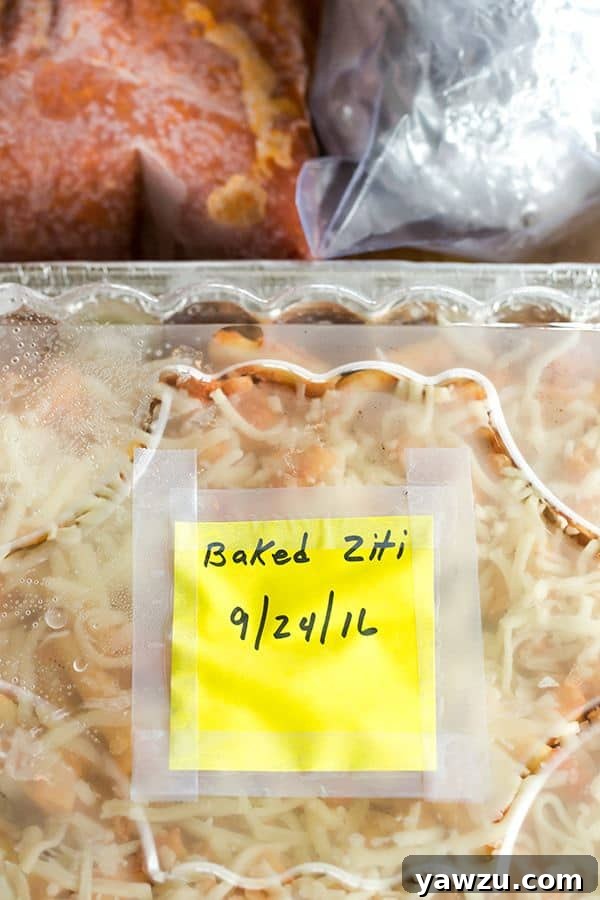
- Clear Labeling is Key: Invest in a good waterproof marker and freezer tape. Label every item with the name of the dish, the date it was frozen, and simple reheating instructions. This prevents the “mystery meal” phenomenon and ensures optimal consumption within recommended storage times. For example: “Baked Ziti – 10/26/2024 – Reheat at 375F for 45-60 min (covered), then uncovered for 15 min.”
- Maintain a Freezer Inventory: Keep a running list of what’s in your freezer on a whiteboard, notepad, or even a digital app. Update it as you add and remove items. This helps you keep track of what you have, prevents forgotten foods from lingering too long, and assists with efficient meal planning.
- Understand Shelf Life: While freezing preserves food, it doesn’t do so indefinitely without some quality degradation. Generally, cooked meats and casseroles are best within 3-6 months, soups and stews 2-3 months, and baked goods 1-2 months. Always consult reliable food safety guidelines (like those from the USDA) for specific items to ensure both safety and optimal taste.
Whether you’re diligently planning ahead for yourself, preparing for the beautiful chaos of new parenthood, or generously making something for a loved one in need, having an accessible, easy, and hot meal waiting patiently in the freezer is more than just a convenience – it’s a fabulous act of self-care and kindness. It allows you to savor precious moments, reclaim valuable time, and nourish your body without compromise, proving that a little foresight in the kitchen can lead to a lot of peace of mind.
What are your go-to freezer meals or indispensable tips for keeping your freezer stocked and ready for any occasion? Share your wisdom with us!