
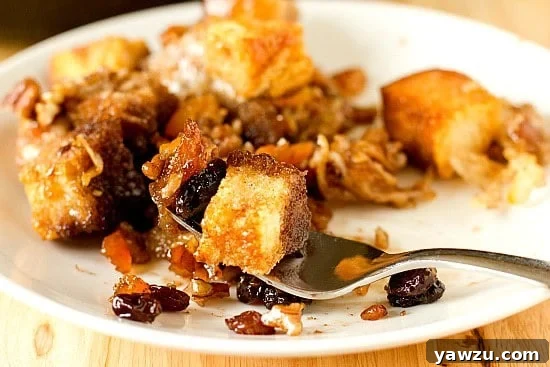
Capirotada: Discovering Mexico’s Traditional Lenten Bread Pudding
For those who cherish the comforting embrace of a classic bread pudding, the journey often leads to delightful culinary discoveries. I confess, after experiencing the rich, indulgent pleasure of a bourbon bread pudding just a few weeks ago, I believed I had reached the zenith of this beloved dessert. It felt like finding my definitive chocolate chip cookie recipe—a culinary high point that seemed utterly unmatched. Yet, the world of bread puddings, unlike the somewhat fundamental nature of cookies, offers an astonishing array of creativity and variations. This vast potential for innovation recently led me to a truly extraordinary revelation: Capirotada, the traditional Mexican bread pudding.
My culinary consultant, in search of inspiring Lenten recipes, stumbled upon this gem. It took me mere seconds to realize this was a recipe I absolutely had to make. What initially caught my attention, and frankly, gave me pause, was its distinctly different profile. Little did I know, venturing into the unknown would lead to a dish that was not just good, but utterly captivating, surprisingly delicious, and steeped in cultural significance.
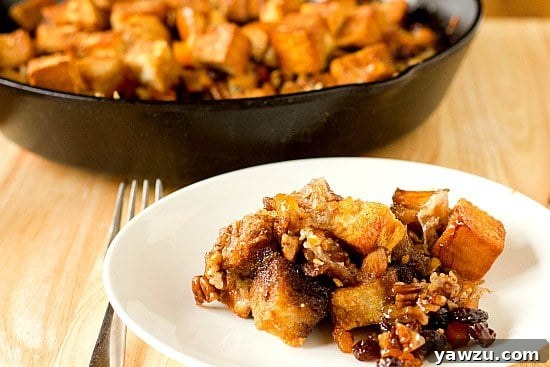
The Unexpected Twist: Cheese in a Traditional Mexican Sweet Dessert
My initial hesitation stemmed from one particularly unexpected ingredient: cheese. In a dish that is predominantly sweet, the inclusion of cheese felt counterintuitive, even a little daring. It prompted a moment of genuine contemplation. I questioned if it truly belonged, if it would seamlessly integrate, or if it might simply be an oddity that detracted from the experience. However, my curiosity quickly overcame any apprehension. There had to be a compelling reason for its presence in such a revered traditional Mexican recipe, and the mystery only deepened my resolve to forge ahead and explore this unique flavor combination. I am immensely grateful that I did, as the cheese proved to be a masterful stroke of culinary brilliance, providing a subtle yet essential balance to the rich sweetness.
Capirotada truly stands apart from its more common bread pudding cousins, which typically rely on a creamy, egg-based custard to soak and bind the bread together. Instead, the magic of this Mexican bread pudding lies in a rich, aromatic brown sugar syrup. This syrup is gently steeped with the warm, inviting notes of cinnamon and cloves, creating a fragrant base that permeates every layer. This unique syrup saturates cubes of toasted bread, creating a foundation for an extraordinary medley of textures and flavors. Nestled between these sweet, syrup-drenched layers are generous sprinklings of shredded Monterey Jack cheese, plump raisins, tender dried apricots, and crunchy chopped pecans. The Monterey Jack cheese, known for its mild flavor and excellent melting properties, is the unsung hero of the dish. If I hadn’t been the one preparing this delightful dessert, I might never have guessed the cheese was even in it. Its subtle, almost imperceptible flavor provides a delicate, yet crucial, hint of saltiness that expertly balances the inherent sweetness of the syrup and dried fruits. This delicate equilibrium transforms the Capirotada into a truly harmonious, complex, and uniquely satisfying sweet-and-savory dessert experience.
A Culinary Journey Through Mexican Tradition: The Profound Symbolism of Capirotada
Capirotada is far more than just a delicious dessert; it is a deeply rooted traditional Mexican dish, predominantly enjoyed during the solemn period of Lent. Its ingredients are not merely chosen for their flavor profiles or availability, but are rich with profound symbolic meaning, each representing an aspect of the Passion of Christ and the Easter story. Understanding this intricate symbolism greatly elevates the experience of tasting Capirotada, connecting diners to centuries of cultural and religious heritage that underscore its significance during this important season.
Each component of this traditional Mexican bread pudding carries a specific spiritual meaning:
- The Bread: Often stale or toasted French bread, the bread cubes in Capirotada symbolize the Body of Christ. Its humble and foundational role in the dish reflects its spiritual significance as the staff of life.
- The Syrup: The rich brown sugar syrup, often dark and intensely flavored with spices, represents the blood of Christ. Its sweetness can also be interpreted as the sweetness of divine grace and mercy.
- Cinnamon Sticks: The fragrant cinnamon sticks, used to infuse the syrup with their distinctive aroma and warm flavor, are said to represent the wood of the Holy Cross, upon which Christ was crucified.
- Cloves: The small, nail-like cloves scattered throughout the pudding symbolize the nails used in the crucifixion. Their intense, pungent flavor adds a subtle depth to the sweet syrup, much like the profound weight of the event they represent.
- Cheese: The layer of melted, mild white cheese, typically Monterey Jack, is believed to represent the Holy Shroud used to wrap Christ’s body after his descent from the cross. Its gentle, comforting presence adds to the dish’s depth, offering a creamy texture without overpowering the spiritual undertones.
- Raisins and Dried Fruits: These sweet additions, like plump raisins and tender dried apricots, often symbolize the tears of the Virgin Mary, or sometimes the sorrow and suffering of Christ during his Passion. Their concentrated sweetness adds bursts of flavor throughout the pudding.
- Pecans and Other Nuts: The nuts, with their hard shells, can represent the crown of thorns placed upon Christ’s head, or the difficulties and challenges encountered on the path of faith and redemption. Their crunch provides a welcome textural contrast to the soft bread.
This intricate layering of flavors and profound symbolism transforms a seemingly simple bread pudding into a deeply meaningful culinary tradition, especially potent and introspective during the Lenten season. Exploring such culturally rich dishes is always a joyous and enlightening experience, and finding one as profoundly delicious and historically significant as Capirotada is a true treasure that connects us to a vibrant heritage.
Crafting the Perfect Capirotada: Essential Tips for an Authentic Experience
Creating Capirotada at home is a rewarding endeavor that brings a rich taste of traditional Mexican culture to your table. While the recipe itself is straightforward, a few key tips can ensure your bread pudding is as authentic, flavorful, and perfectly textured as possible.
- Choosing and Preparing Your Bread: French bread is an ideal choice for Capirotada due to its robust texture, which absorbs the syrup beautifully without becoming overly soggy. For the best results, it’s highly recommended to use slightly stale bread, or at the very least, toast fresh bread cubes until they are golden and firm. This crucial step prevents the bread from disintegrating and allows it to effectively soak up the spiced brown sugar syrup, creating that perfect balance of tender interior and a slight, satisfying chew on the exterior.
- Mastering the Aromatic Syrup: The true heart of Capirotada is its deeply flavorful and fragrant syrup. Do not rush the boiling process; allow the light brown sugar, water, cinnamon, and cloves to simmer for the full 10 minutes, or until you observe that it has perceptibly thickened and reduced. This simmering time is essential for the spices to fully infuse the syrup, imparting their distinctive warmth, depth, and inviting fragrance throughout the entire pudding.
- Layering with Precision and Care: The beauty and complexity of Capirotada lie in its distinct and harmonious layers. Take your time arranging the bread, cheese, nuts, and dried fruits. Distributing these ingredients evenly across each layer ensures that every spoonful you take offers a delightful and balanced mix of sweet, savory, and nutty flavors, along with varied textures. The Monterey Jack cheese, in particular, should be spread generously to create that subtle salty counterpoint to the sweet elements, melting into pockets of deliciousness.
- Ensuring Even Saturation: When coating the toasted bread with melted butter and, subsequently, the spiced syrup, ensure that each piece is thoroughly and evenly moistened. This step is absolutely crucial for the pudding’s overall consistency, moisture, and robust flavor. The initial drizzle of butter, followed by tossing, and then the final pour of syrup are all designed to achieve maximum absorption, preventing dry spots and ensuring a uniformly flavorful dessert.
- Baking to Perfection: Baking Capirotada covered initially helps the bread steam gently and become wonderfully tender while efficiently absorbing the syrup. This covered period creates a moist environment. Removing the foil for the last 15 minutes allows the top layer to develop a beautiful, lightly crisp texture and a golden-brown hue, adding another delightful textural dimension to the finished dish. Keep a watchful eye during this final stage to prevent any over-browning.
- Serving Suggestions: Capirotada is traditionally enjoyed warm or at room temperature, allowing its complex flavors to fully develop and shine. Its rich and comforting profile typically does not require additional toppings, but for those who desire a modern touch, a simple dollop of unsweetened whipped cream or a light dusting of powdered sugar could be an optional addition, though not strictly traditional for this Lenten dish.
Variations and Adaptations: Making Capirotada Your Own (While Respecting Tradition)
While the traditional Capirotada recipe holds deep cultural and spiritual significance and is profoundly delicious in its classic form, home cooks often enjoy exploring minor adaptations to suit personal preferences or ingredient availability. For instance, while Monterey Jack cheese is the traditional choice, other mild, melting cheeses like mozzarella or a very mild Colby could potentially be used in a pinch. However, be aware that these might subtly alter the authentic flavor profile of the dish. Similarly, while raisins and dried apricots are customary, a mix of other dried fruits such as prunes, dried cranberries, or even a handful of candied citron could be added for a more festive touch, depending on personal preference and the specific Lenten customs one observes. As for nuts, walnuts or sliced almonds could offer an alternative to pecans, each adding a slightly different nuance to the overall texture and taste. For those who enjoy a hint of citrus, a little orange zest could be incorporated into the syrup. However, for a truly traditional Lenten Capirotada that honors its centuries-old heritage and symbolism, adhering closely to the classic ingredients and preparation methods is highly recommended.
Embracing new culinary traditions is a journey of continuous discovery and a delightful way to experience different cultures. From the surprising yet harmonious inclusion of cheese to the profound symbolism embedded in its every ingredient, Capirotada offers an experience that transcends that of a typical dessert. It is a comforting, deeply flavorful, and profoundly meaningful dish that I wholeheartedly recommend you explore and share with loved ones.
One year ago: Fig, Date, and Almond Granola Bars
Two years ago: Rich Coffeecake with Sweet Cheese Filling
Capirotada (Mexican Bread Pudding)
Ingredients
- 1 24-inch loaf French bread, cubed and toasted
- 2 cups (440 g) light brown sugar
- 2 cups (500 ml) water
- ½ teaspoon (0.5 teaspoon) ground cinnamon
- ¼ teaspoon (0.25 teaspoon) ground cloves
- 1 cup (113 g) shredded Monterey Jack cheese
- 1 cup (99 g) pecans, toasted and chopped
- ½ cup (72.5 g) raisins
- ½ cup (65 g) dried apricots, chopped
- 4 tablespoons butter, melted, divided
Instructions
-
Preheat oven to 350 degrees F (175°C). Grease a 12-inch cast iron skillet or an 8-inch square baking pan; set aside.
-
In a medium saucepan, combine the brown sugar, water, ground cinnamon, and ground cloves. Bring the mixture to a boil. Reduce heat and simmer for 10 minutes, or until the syrup is slightly thickened and reduced.
-
In a large bowl, place half of the cubed and toasted French bread. Drizzle half of the melted butter over the bread and toss gently to coat. Next, drizzle about ¼ cup of the prepared brown sugar syrup over the bread and toss again to ensure even coating. Transfer this bread mixture to the prepared skillet or baking pan, arranging it in a single, even layer. On top of this bread layer, evenly sprinkle half of the shredded Monterey Jack cheese, followed by half of the chopped pecans, raisins, and dried apricots.
-
Place the remaining half of the bread in the large bowl. Drizzle with the remaining melted butter, tossing to coat thoroughly. Pour the rest of the spiced brown sugar syrup over this bread, tossing once more to ensure that each piece of bread is properly saturated. Carefully pour this second bread mixture on top of the cheese, nut, raisin, and apricot layer in your baking skillet or dish. Arrange the bread so that it forms a relatively even layer across the top. Pour any excess syrup remaining in the bowl directly over the bread in the pan.
-
Cover the baking dish tightly with aluminum foil and bake in the preheated oven for 20 minutes. After 20 minutes, remove the foil and continue to bake for an additional 15 minutes, or until the top is golden brown and the pudding is heated through. Serve warm or at room temperature.
Nutrition Facts (per serving)
- Calories: 785 kcal
- Carbohydrates: 128g
- Protein: 14g
- Fat: 26g
- Saturated Fat: 9g
- Cholesterol: 36mg
- Sodium: 539mg
- Potassium: 491mg
- Fiber: 4g
- Sugar: 79g
- Vitamin A: 780 IU
- Vitamin C: 0.8mg
- Calcium: 256mg
- Iron: 4.1mg
Did you make this recipe?
We’d love to hear about your experience! Share your thoughts in the comments below, or snap a picture and tag us on Instagram.