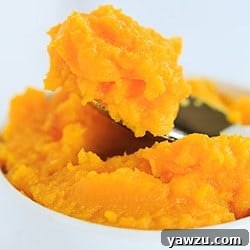
Welcome, fellow bakers and culinary enthusiasts! Are you dreaming of indulging in the rich, earthy flavors of pumpkin this autumn but find yourself in a region where canned pumpkin puree is a rare commodity? Or perhaps you’re simply eager to embark on a satisfying DIY kitchen adventure, creating something wholesome and delicious from scratch? Look no further! This comprehensive guide will walk you through the incredibly simple process of making your very own homemade pumpkin puree. It’s a project that promises not only a superior taste and texture for your baking but also the pure satisfaction of crafting ingredients with your own hands. Get ready to transform a humble sugar pumpkin into a golden, smooth puree, perfect for all your seasonal recipes!
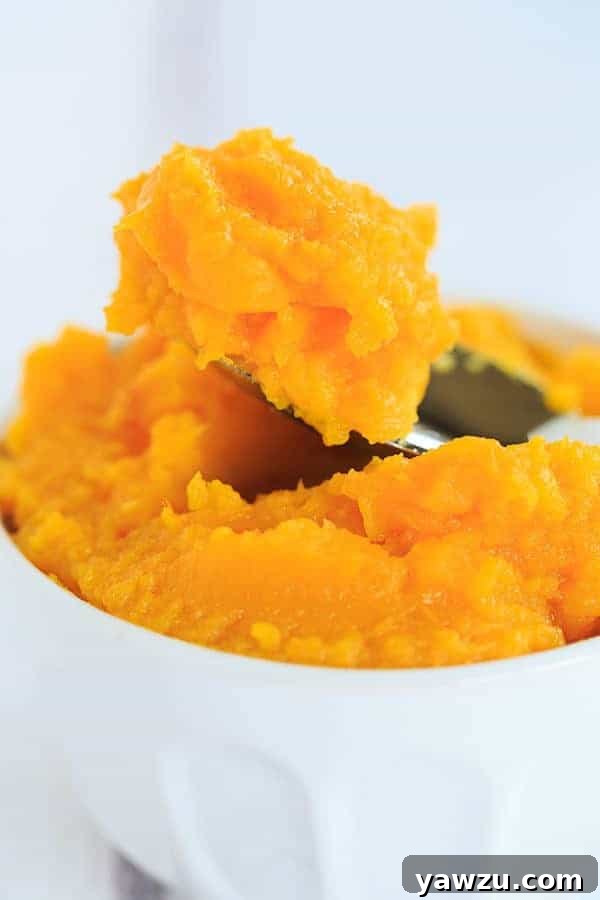
Why Opt for Homemade Pumpkin Puree?
While canned pumpkin puree is undeniably convenient, making your own offers a multitude of benefits that elevate your culinary creations. First and foremost, the flavor difference is remarkable. Homemade puree boasts a fresher, more vibrant pumpkin taste that truly shines through in your dishes, unlike the often muted flavor of its canned counterpart. You also gain complete control over the ingredients, ensuring your puree is free from any additives, preservatives, or sweeteners – just pure pumpkin goodness. This makes it an ideal choice for health-conscious individuals or those with dietary restrictions.
Furthermore, for those living outside North America, where canned pumpkin is not a staple grocery item, making it from scratch isn’t just a preference; it’s a necessity. Even if you have access to canned pumpkin, the DIY route is often more cost-effective, especially when pie pumpkins are in season and readily available at local markets or orchards. It’s also an incredibly rewarding experience to transform a whole pumpkin into a versatile ingredient, connecting you more deeply with your food and the seasonal rhythms of cooking.
Choosing the Perfect Pumpkin for Puree
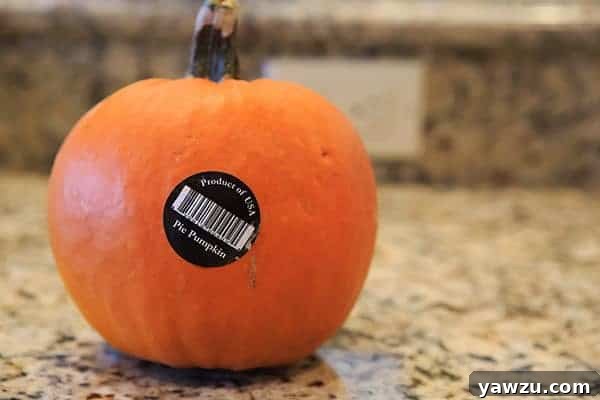
The secret to exceptional homemade pumpkin puree begins with selecting the right type of pumpkin. Forget those enormous, hollow carving pumpkins you see around Halloween! While festive, their flesh is stringy, watery, and lacks the concentrated flavor ideal for baking. Instead, you’ll want to seek out what are commonly referred to as “pie pumpkins” or “sugar pumpkins.”
These pumpkins are significantly smaller, typically ranging from 6 to 10 inches in diameter, and possess a denser, sweeter flesh with a much deeper, richer orange hue. Their thick walls and lower water content make them perfect for roasting and pureeing into a smooth, flavorful consistency. You should be able to find sugar pumpkins readily available in the produce section of most grocery stores during the fall months, or even better, at local farmer’s markets or apple orchards. When selecting your pumpkin, look for one that feels heavy for its size, has firm skin free of soft spots, and a sturdy stem.
Preparing Your Pumpkin for Roasting
Once you’ve acquired your ideal pie pumpkin, the preparation is straightforward, though it requires a bit of care.
- **Wash the Pumpkin:** Give the exterior a good wash to remove any dirt or debris.
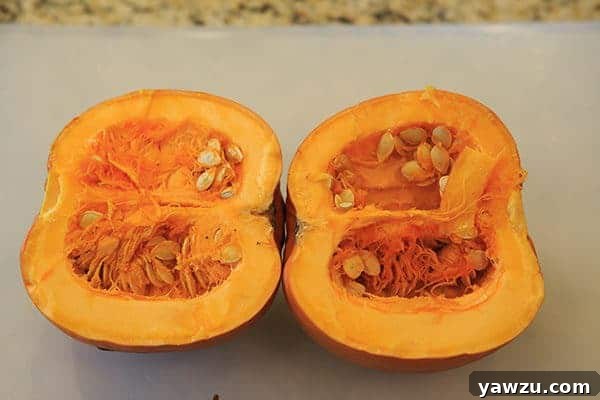
- **Halve the Pumpkin:** This is often the trickiest part due to the pumpkin’s tough skin. You’ll need a heavy, very sharp knife for this step. Place the pumpkin on a stable cutting board. Carefully insert the tip of your knife into the top of the pumpkin, near the stem, and press down firmly. Slowly work the knife around the pumpkin to cut it in half from top to bottom. Be extremely cautious and always cut away from your body. If the pumpkin is particularly firm, you might find it easier to score a line around the pumpkin first, then use a mallet to gently tap the back of the knife blade through the tough rind. Safety first!
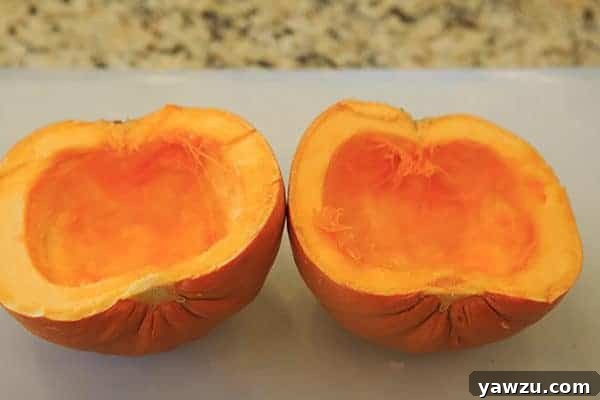
- **Remove Seeds and Pulp:** Once halved, use a sturdy spoon or an ice cream scoop to scrape out all the seeds and fibrous strands from the interior. Don’t discard the seeds immediately if you enjoy roasted pumpkin seeds – they make a delicious snack!
The Roasting Process: Unlocking Flavor and Sweetness
Roasting is the preferred method for cooking pumpkins destined for puree. Unlike boiling or steaming, which can water down the flavor, roasting caramelizes the natural sugars in the pumpkin, intensifying its sweetness and creating a richer, more complex taste. This crucial step is also incredibly simple:
- **Preheat Oven:** Set your oven to 375°F (190°C).
- **Prepare Baking Sheet:** Line a rimmed baking sheet with parchment paper. This prevents sticking and makes cleanup a breeze.
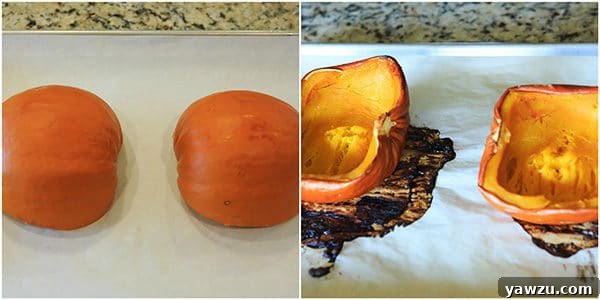
- **Arrange Pumpkin Halves:** Place the pumpkin halves on the prepared baking sheet, cut-side down. This allows the flesh to steam slightly in its own juices while the skin helps protect it from drying out.
- **Roast Until Tender:** Roast the pumpkin for approximately 45 to 60 minutes, or until a skewer or fork can easily pierce the flesh. The exact time will depend on the size and density of your pumpkin.
- **Flip and Continue Roasting (Optional but Recommended):** For an even deeper flavor and slightly drier flesh, carefully flip the pumpkin halves cut-side up and continue roasting for an additional 15-30 minutes. This helps evaporate excess moisture, resulting in a thicker, more concentrated puree.
- **Cool:** Once fully cooked, remove the pumpkin from the oven and let it cool on the baking sheet until it’s comfortable enough to handle.
Pureeing for Perfection: Achieving That Smooth Consistency
Once your roasted pumpkin halves have cooled, it’s time to transform them into a silky-smooth puree.
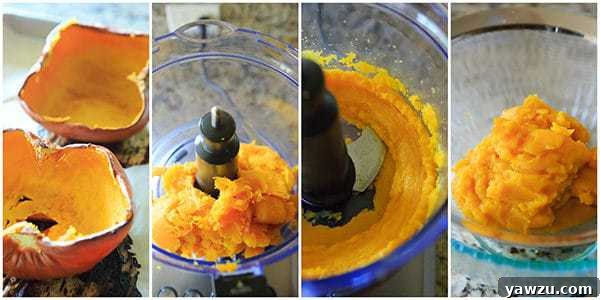
- **Scoop Out Flesh:** Using a spoon, scoop the tender pumpkin flesh away from the skin. The skin should peel away easily, or you can simply scoop the flesh directly out. Discard the skins.
- **Process in Food Processor or Blender:** Transfer the pumpkin flesh to the bowl of a food processor. Process until completely smooth, scraping down the sides of the bowl as needed to ensure no lumps remain. This usually takes about 1 to 2 minutes. A high-speed blender can also be used for an even silkier consistency, though you might need to add a tiny splash of water if it struggles to blend.
The Crucial Draining Step: Ensuring Optimal Consistency for Baking
This step is often overlooked but is absolutely vital for baking applications. Homemade pumpkin puree typically contains more moisture than canned versions, which can lead to soggy pies, runny muffins, or other undesirable textures in your baked goods. Draining helps achieve that perfect, firm-yet-creamy consistency.
- **Set Up the Strainer:** Place a fine-mesh sieve or colander over a medium bowl. Line the sieve with a few layers of cheesecloth if you want to extract even more liquid and achieve an extra-thick puree.
- **Drain the Puree:** Transfer your freshly blended pumpkin puree into the prepared sieve. Allow it to drain for at least 1 hour, or even up to 4 hours in the refrigerator, especially if your pumpkin seemed particularly watery. You’ll be surprised how much liquid collects in the bowl below!
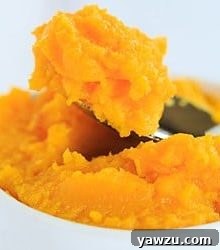
- **Test Consistency:** To check if your puree has reached the ideal consistency for baking, pack a small amount of it into a drinking glass. Invert the glass onto a plate and gently lift it. The puree should slump slightly but largely hold its shape, similar to the consistency of thick Greek yogurt or very soft cream cheese.
- **Too Loose?** If it’s too runny and spreads significantly, return it to the strainer and let it drain for more time.
- **Too Firm?** If it’s too thick or stiff, whisk in a little bit of the liquid that drained into the bowl, one teaspoon at a time, until you reach the desired texture.
From one medium sugar pumpkin (approximately 8-10 inches in diameter), you can typically expect to yield around 10 to 16 ounces (about 1 to 2 cups) of finished puree, depending on the pumpkin’s size and moisture content. This is roughly equivalent to one standard can of pumpkin puree.
Storing Your Homemade Pumpkin Puree
Once your homemade pumpkin puree has reached the perfect consistency, you can use it immediately or store it for later.
- **Refrigeration:** Store the puree in an airtight container in the refrigerator for up to 4 to 5 days.
- **Freezing for Longer Shelf Life:** For longer storage, homemade pumpkin puree freezes beautifully.
- **Portioning:** For convenience, divide the puree into desired portions (e.g., 1 cup or 15-ounce equivalents of canned pumpkin) in freezer-safe bags or containers.
- **Freezer Bags:** If using freezer bags, flatten them to remove as much air as possible, then seal. This also helps them stack neatly and thaw quickly.
- **Ice Cube Trays:** For smaller portions, spoon the puree into ice cube trays. Once frozen solid, transfer the cubes to a large freezer bag or container. This is excellent for adding a touch of pumpkin to smoothies, oatmeal, or small recipes.
- **Prevent Freezer Burn:** To prevent freezer burn, you can press a piece of parchment paper directly against the surface of the puree before sealing the container.
Frozen pumpkin puree can be stored for up to 6 to 8 months. Thaw overnight in the refrigerator before use.
Endless Culinary Possibilities: Using Your Fresh Puree
Your homemade pumpkin puree is a versatile ingredient that can be substituted in equal amounts for any recipe calling for canned pumpkin. Once you have a batch ready, a world of autumnal flavors awaits!
- **Classic Desserts:** Pumpkin pie, pumpkin cheesecake, pumpkin bread, pumpkin muffins, pumpkin cookies.
- **Savory Dishes:** Pumpkin soup, pumpkin chili, pumpkin risotto, pumpkin pasta sauce, pumpkin curry.
- **Breakfast Treats:** Pumpkin pancakes, pumpkin waffles, pumpkin oatmeal, pumpkin smoothies.
- **Seasonal Beverages:** Homemade pumpkin spice lattes.
- **Health-Conscious Choices:** Add it to baby food or even homemade dog treats for a nutritious boost.
Frequently Asked Questions About Homemade Pumpkin Puree
- Q: Can I use other types of squash instead of pumpkin?
- A: Absolutely! Many varieties of winter squash can be used interchangeably with pie pumpkins to make puree, and some even offer a sweeter, smoother result. Excellent alternatives include butternut squash, acorn squash, kabocha squash, and Hokkaido pumpkin. The preparation and roasting process remains the same.
- Q: How much puree will one sugar pumpkin yield?
- A: A single medium-sized sugar pumpkin (around 3-5 pounds) typically yields about 10-16 ounces, or 1 to 2 cups, of finished pumpkin puree. This is roughly equivalent to one standard 15-ounce can of pumpkin puree.
- Q: My puree seems a bit stringy. What went wrong?
- A: Stringiness can occur if the pumpkin wasn’t roasted long enough, if all the fibrous strands weren’t completely removed before pureeing, or if your food processor/blender isn’t powerful enough. To remedy this, you can pass the puree through a fine-mesh sieve or a chinois after blending. For future batches, ensure the pumpkin is fully tender after roasting and scrape out all stringy bits before processing.
- Q: Can I skip the draining step?
- A: While you technically can, it’s highly recommended not to, especially if you plan to use the puree for baking. Excess moisture can significantly alter the texture of your baked goods, making them watery or dense. If you’re using the puree for soups or other non-baking applications where a looser consistency is acceptable, then draining might be less critical.
Making homemade pumpkin puree is a rewarding process that provides you with a fresh, flavorful, and versatile ingredient for all your autumn culinary adventures. It’s an easy project that brings the true essence of fall into your kitchen and onto your table. So, grab a sugar pumpkin, and let the baking begin!
You might also enjoy these classic recipes:
- Salted Caramel Popcorn, Pretzel & Peanut Bars
- Potato Rosemary Bread
Homemade Pumpkin Puree
Yield: 10-16 ounces
Prep Time: 1 hour 15 mins
Cook Time: 1 hour 30 mins
Total Time: 2 hours 45 mins
Can’t get canned pumpkin where you live or are looking for an easy DIY kitchen project? This homemade pumpkin puree is simple and perfect for baking!
Ingredients
- 1 sugar pumpkin, approximately 3-5 lbs, halved from top to bottom, seeds and pulp removed
Instructions
- Preheat oven to 375 degrees F (190°C). Line a rimmed baking sheet with parchment paper.
- Place the pumpkin halves on the baking sheet, cut side down. Roast until a skewer or fork can easily pierce the flesh, about 45 to 60 minutes. Turn the pumpkin halves over and roast for an additional 15-30 minutes to further dry out the flesh.
- Once cool enough to handle, scoop the tender flesh from the pumpkin skins and place it in the bowl of a food processor. Puree until smooth, scraping down the sides of the bowl as needed, about 1 to 2 minutes.
- Place the pumpkin puree in a fine-mesh sieve set over a medium bowl and allow it to drain for at least 1 hour, or up to 4 hours in the refrigerator. To test the consistency, pack the puree into a small drinking glass and unmold it onto a plate. It should slump slightly but largely hold its shape. If it is too loose, return to the strainer and allow it to continue draining; if it is too firm, whisk in a little bit of the drained liquid until desired consistency is achieved.
- Once the correct consistency has been achieved, you can store the pumpkin puree in an airtight container in the refrigerator for up to four days, or freeze it (with parchment paper pressed against the surface of the puree) for up to six to eight months. This homemade puree can be substituted in equal amounts for any recipe calling for canned pumpkin.
Notes
Nutritional values are approximate and based on one ounce of puree. Yield may vary depending on pumpkin size and moisture content.
Nutrition Information (per ounce of puree)
Calories: 35kcal, Carbohydrates: 8g, Protein: 1g, Sodium: 1mg, Potassium: 462mg, Sugar: 3g, Vitamin A: 11580IU, Vitamin C: 12.2mg, Calcium: 29mg, Iron: 1.1mg
Did you make this recipe?
Share your experience by leaving a comment and let us know how it turned out! You can also snap a picture and tag @thebrowneyedbaker on Instagram so we can see your delicious creation!
Author: Michelle Lettrich
Course: Condiment
Cuisine: American