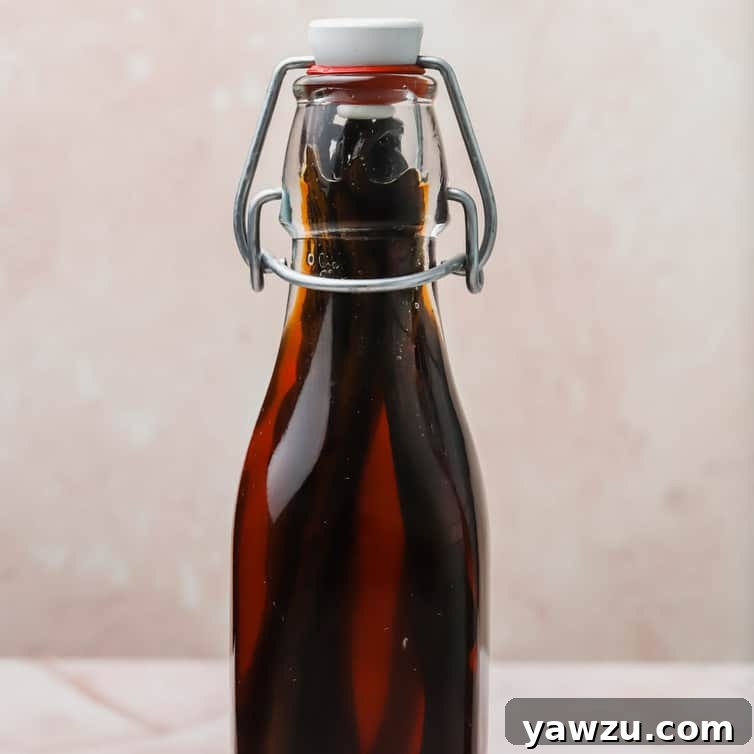
Welcome to the delightful world of homemade vanilla extract! A cornerstone in nearly every baking recipe, vanilla isn’t just a flavor; it’s an enhancer, a secret ingredient that elevates ordinary desserts into extraordinary culinary experiences. From the comforting aroma of freshly baked cookies to the sophisticated richness of a delicate crème brûlée, vanilla plays a vital, irreplaceable role. But why settle for store-bought when crafting your own premium vanilla extract is incredibly simple, cost-effective, and deeply satisfying?
This comprehensive guide will walk you through the entire process of making your own exquisite vanilla extract, using just two core ingredients: high-quality vanilla beans and your choice of 80-proof alcohol. In less than 10 minutes of active preparation, you can begin a journey that culminates in a rich, aromatic extract perfect for all your baking adventures or as a thoughtful, personalized gift. Be prepared to learn invaluable tips and tricks to ensure your homemade vanilla extract is nothing short of perfection, transforming your kitchen into an aromatic haven.
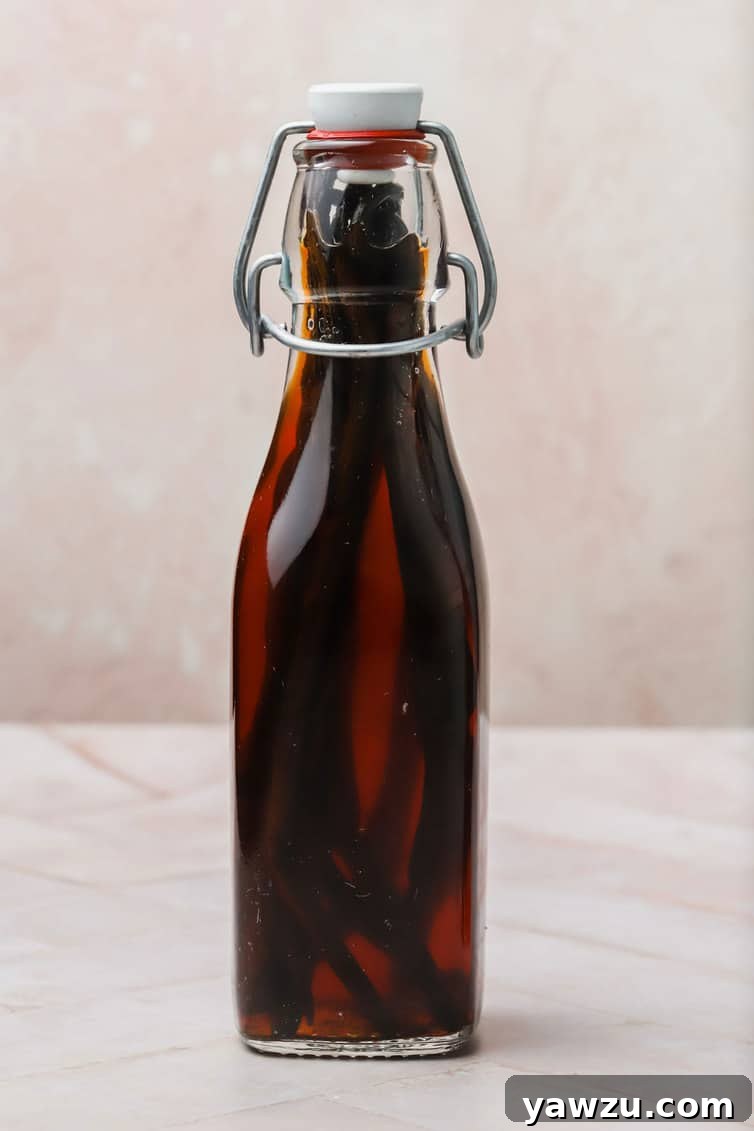
The Undeniable Importance of Vanilla in Baking
Think of any beloved baked good – cookies, cakes, cupcakes, brownies, pies, puddings – and you’ll find vanilla extract listed among the ingredients almost without fail. Its presence is not accidental; vanilla is a culinary powerhouse. Much like a pinch of salt enhances the savory notes in a dinner dish, vanilla extract has the remarkable ability to amplify and round out all the other flavors present in a sweet recipe.
Without vanilla, baked goods often fall flat, tasting bland and one-dimensional. The subtle, complex notes of vanilla provide depth and warmth, creating a harmonious balance that makes your desserts truly shine. It binds disparate flavors together, adds a comforting richness, and leaves a lingering, pleasant aftertaste. Forgetting vanilla in your dessert is akin to skipping the salt in your main course – a crucial omission that significantly impacts the final taste experience.
Why Choose to Make Your Own Vanilla Extract?
The decision to embark on the journey of making your own vanilla extract comes with a myriad of compelling benefits, extending beyond mere culinary convenience. Here’s why more and more home bakers are opting for the DIY approach:
- Exceptional Cost-Effectiveness: High-quality vanilla extract can be surprisingly expensive in stores, especially when you’re a frequent baker. By making your own, you’ll find that the initial investment in vanilla beans and alcohol quickly pays off, proving significantly less costly over time compared to continuously buying small bottles. This is particularly true if you consider making larger batches.
-
Unparalleled Customization and Control: This is where the real fun begins! Homemade vanilla extract offers a world of personalization. You’re not limited to a single “vanilla” flavor.
- Bean Variety: Explore vanilla beans from different origins, each boasting a unique flavor profile. Madagascar vanilla is classic, creamy, and sweet; Tahitian vanilla is floral and fruity; Mexican vanilla offers smoky and spicy undertones; Indian and Indonesian beans can provide distinct earthy or woody notes. Blending these varieties can create truly bespoke extracts.
- Alcohol Base: While neutral vodka is the standard choice, experimenting with other spirits can impart fascinating nuances. Bourbon will add a warm, smoky, caramel depth; rum lends a sweet, molasses-like richness; brandy contributes a fruity, slightly spicy complexity. Choosing your liquor allows you to tailor the vanilla to specific baking needs or personal preferences.
- Purity and Quality Assurance: When you make your own, you know exactly what goes into it. There are no artificial flavors, colors, or preservatives, just pure vanilla essence extracted naturally. This ensures a cleaner, more authentic flavor profile that often surpasses many store-bought options.
- The Joy of a Handmade Product: There’s immense satisfaction in using an ingredient you’ve crafted yourself. It adds a personal touch to your baking and makes for a truly special gift that reflects effort and care. The intoxicating aroma filling your kitchen as the vanilla steeps is a bonus!
Understanding Vanilla Beans: Grade A vs. Grade B
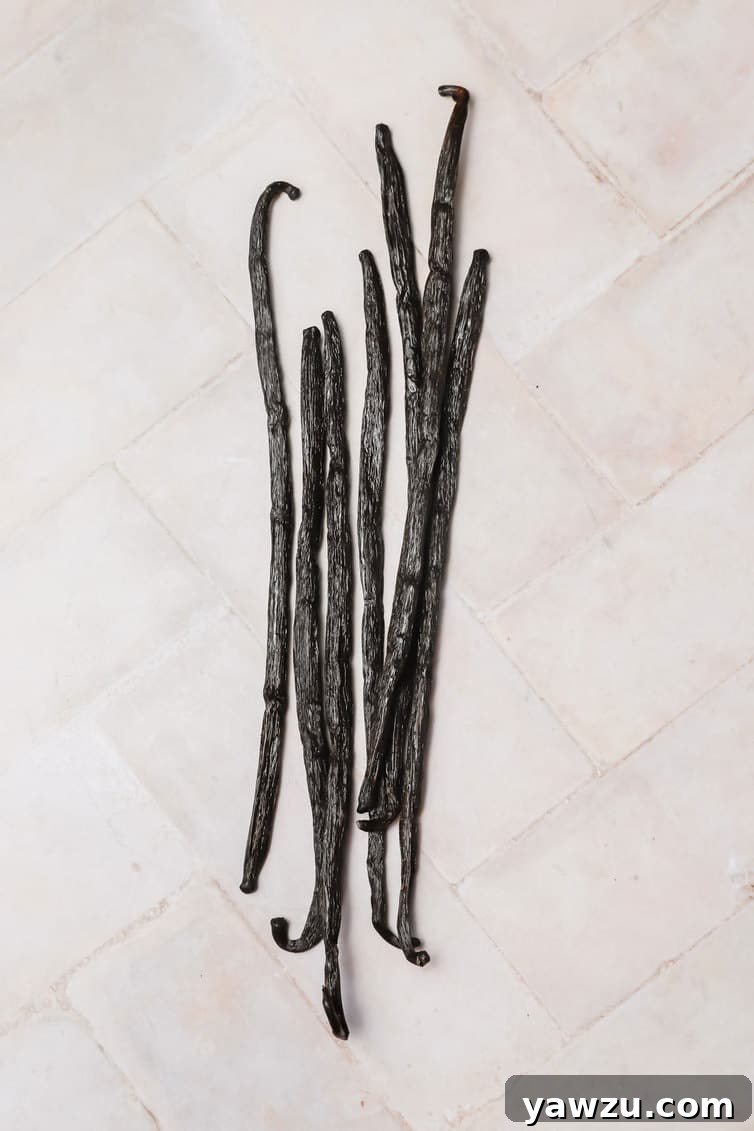
When you venture into the world of vanilla beans, you’ll encounter two primary classifications: Grade A and Grade B. While both come from the same plant, their characteristics and ideal uses differ significantly. For crafting vanilla extract, your focus should unequivocally be on Grade B vanilla beans. Let’s delve into the distinctions:
-
Grade A Vanilla Beans (Gourmet or Prime):
- Appearance: These beans are plump, moist, pliable, and visually appealing, often with a glossy sheen. They typically have few to no blemishes or cracks.
- Moisture Content: High (around 25-30%). This moisture contributes to their soft, supple texture.
- Flavor Infusion: Due to their high moisture content and readiness to release flavor, Grade A beans are ideal for applications where the vanilla flavor is meant to infuse quickly and directly into a dish, such as scraping the seeds into custards, puddings, ice creams, crème brûlée, or sauces.
- Cost: Significantly more expensive than Grade B beans because of their superior visual quality and higher moisture.
-
Grade B Vanilla Beans (Extract or Dry):
- Appearance: Often referred to as “extract beans,” these are drier, less pliable, and may appear shriveled or have more cracks and imperfections on their surface. They are not as visually appealing as Grade A beans.
- Moisture Content: Lower (around 15-20%). This dryness is precisely what makes them perfect for extract.
- Flavor Infusion: While it takes longer for the flavor to extract from Grade B beans, their lower moisture content means the vanilla flavor is more concentrated, not diluted. The slower, longer steeping process allows for a deeper, more robust extraction of vanillin and other aromatic compounds, resulting in a richer, more complex extract.
- Cost: Much less expensive than Grade A beans, making them an economical choice for extract production.
In essence, don’t be swayed by the appearance of Grade B beans. Their “imperfections” are actually assets for extract making. The robust flavor locked within these drier beans is patiently released over weeks and months, culminating in a superior, deeply aromatic vanilla extract that will elevate your baking to new heights. For quality Grade B beans perfect for extract, consider sourcing from reputable suppliers like Beanilla.
Selecting the Ideal Liquor for Your Vanilla Extract
The second essential component of homemade vanilla extract is the alcohol. The key requirement is that your chosen liquor must be 80 proof (40% alcohol by volume). This alcohol content is crucial for effectively extracting the vanillin and other flavor compounds from the vanilla beans and acting as a natural preservative for your extract.
While vodka is widely regarded as the go-to spirit for vanilla extract, thanks to its neutral flavor profile that allows the vanilla to shine unimpeded, there’s ample room for experimentation to create unique, nuanced extracts. Here are the most popular choices and what they bring to the table:
- Vodka: The ultimate neutral base. Vodka is flavorless and odorless, making it the perfect canvas for pure vanilla extraction. It ensures that the distinct characteristics of your chosen vanilla beans are front and center, without any competing notes from the alcohol itself. If you’re looking for a classic, unadulterated vanilla flavor, vodka is your best bet.
- Bourbon: For those who appreciate a deeper, warmer vanilla, bourbon is an excellent choice. Its inherent notes of caramel, vanilla, oak, and sometimes a hint of smokiness or spice beautifully complement and enhance the vanilla bean’s profile. Bourbon vanilla extract is particularly fantastic in recipes like chocolate chip cookies, pecan pie, or anything with a rich, comforting flavor.
- Rum: Sweet and aromatic, rum can add a delightful warmth and a hint of molasses or tropical fruit notes to your vanilla extract. Light rums will allow more of the vanilla to come through, while darker rums can impart a richer, more complex flavor. Rum-based vanilla extract shines in recipes featuring fruit, cream, or other tropical flavors.
- Brandy: Less common but equally intriguing, brandy offers fruity and sometimes slightly floral or spicy undertones. It can create a sophisticated vanilla extract with a subtle complexity, perfect for gourmet desserts or dishes where you want an extra layer of flavor.
Regarding the quality of alcohol, a common misconception is that you need an expensive, top-shelf liquor for superior extract. This is simply not true. Since the alcohol’s primary role is extraction and preservation, a mid-range, 80-proof spirit will work perfectly well. Save your premium liquors for sipping! Your money is better spent on acquiring excellent quality vanilla beans, as they are the true stars of your extract. Avoid using “flavored” vodkas or spirits unless you intentionally want those flavors integrated into your vanilla extract. For most purposes, a plain, unflavored spirit is preferred to let the vanilla bean’s natural complexity develop.
Essential Equipment for Making Vanilla Extract
Making homemade vanilla extract requires minimal specialized equipment, which adds to its appeal as a DIY project. With just a few basic items, you’ll be well on your way to creating your own aromatic elixir.
-
Glass Containers: This is arguably the most important piece of equipment. You’ll need clean, airtight glass bottles or jars to hold your vanilla beans and liquor during the steeping process. Options include:
- Swing-Top Bottles: These are popular for their aesthetic appeal and ease of pouring. The swing-top mechanism creates an excellent seal, crucial for long-term steeping. They also make attractive presentation bottles if you plan to gift your extract.
- Mason Jars: A versatile and readily available option, mason jars with their two-piece lid system provide an airtight seal. They come in various sizes, making them suitable for both small batches and larger quantities.
- Other Glass Bottles: Any clean, food-safe glass bottle with a tight-fitting cap or cork can work. Look for dark-colored glass if possible, as it helps protect the extract from light, which can degrade its flavor over time.
The size of your container will depend on the quantity of extract you wish to make. Remember, this recipe is easily scalable – whether you want to make a small bottle for personal use or a large batch for gifting, simply adjust the vanilla beans and alcohol proportionally.
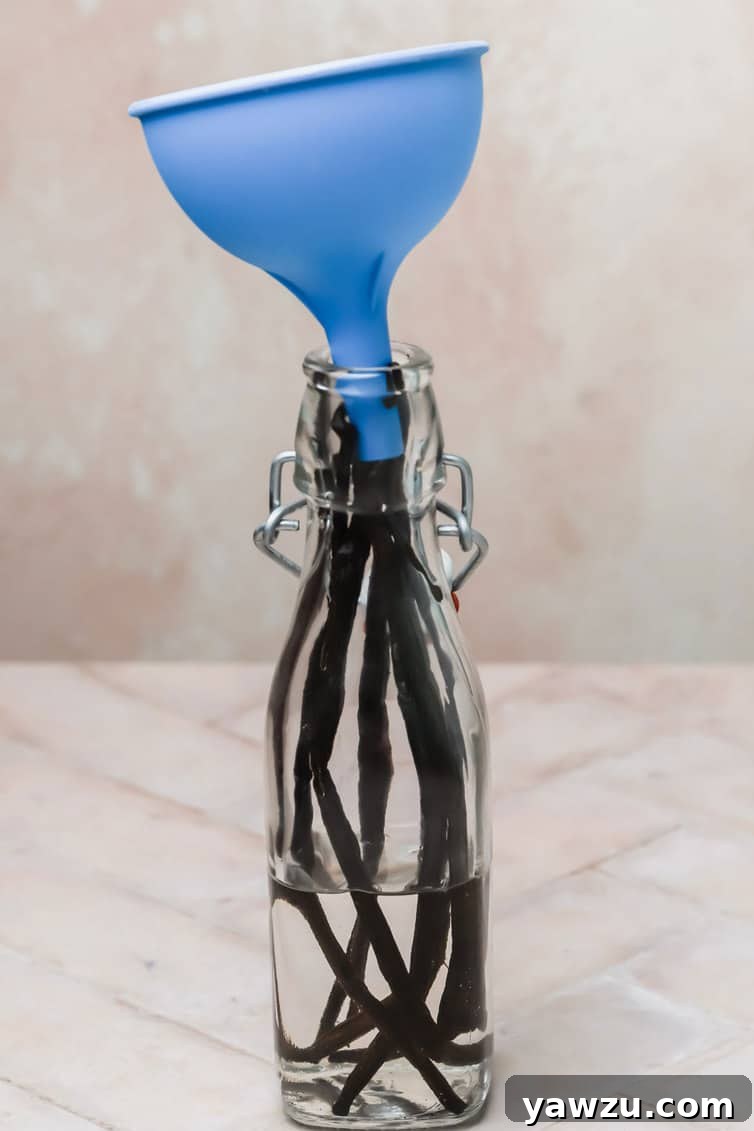
- Funnel: A small kitchen funnel is incredibly helpful, if not essential, for cleanly pouring the alcohol into bottles, especially those with narrow necks. It prevents spills and waste, making the preparation process much smoother.
- Sharp Knife and Cutting Board: You’ll need a sharp paring knife and a clean cutting board to split your vanilla beans lengthwise. This step exposes more of the bean’s surface area, allowing for better flavor extraction.
- Labels: Don’t forget to label your bottles! This might seem minor, but it’s crucial for tracking. Note the date you started steeping, the type of vanilla beans used (e.g., “Madagascar Vanilla”), and the type of alcohol (e.g., “Vodka Base”). If you make different varieties, clear labeling prevents confusion and helps you track which extracts are ready to use.
- Dark Storage Spot: While not a physical item, a cool, dark place is vital for the steeping process. A pantry, cupboard, or even a basement corner will work perfectly. Direct sunlight or extreme temperature fluctuations can negatively impact the extraction process and the final flavor.
Tips for Storage, Aging, and Gifting Homemade Vanilla Extract
Making vanilla extract is only half the journey; the other half involves patient aging and proper care to develop its full potential. Here are crucial tips for storing your extract, maintaining its quality, and presenting it as a cherished gift.
-
The Art of Steeping (The Waiting Game):
- Minimum Steeping Time: While it might be tempting to use your extract immediately, patience is paramount. Allow the extract to steep for at least one month before its first use. This initial period allows the essential flavors to begin melding.
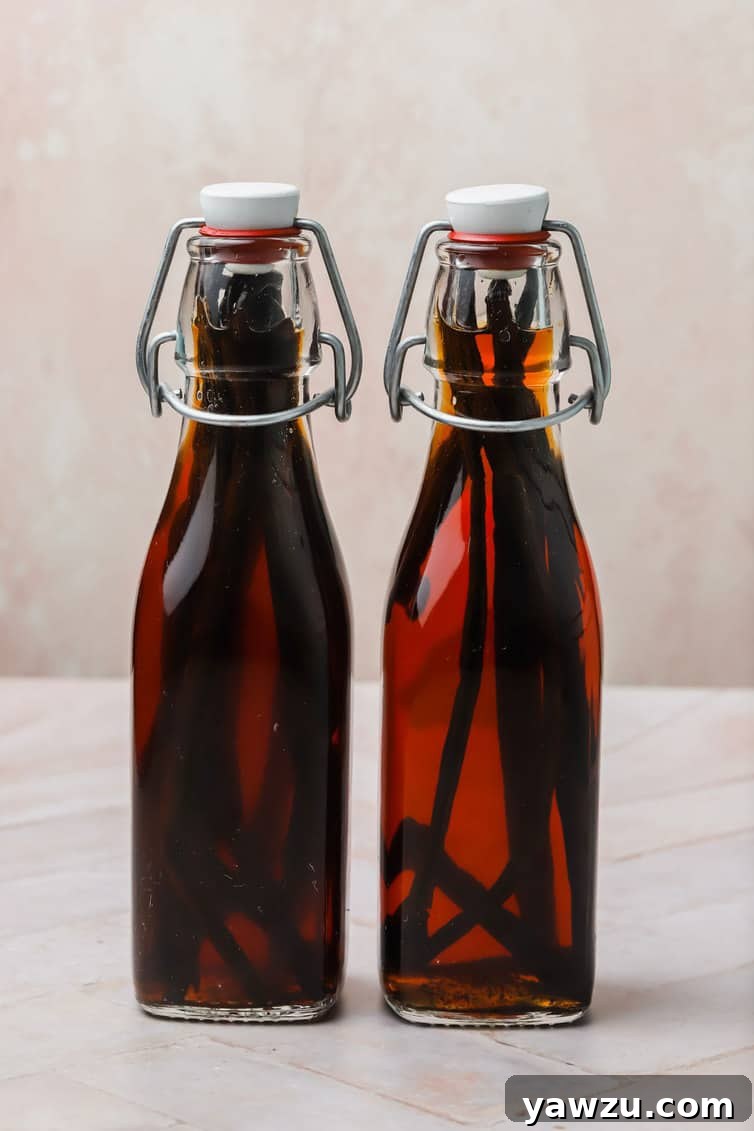
- Optimal Aging for Flavor: For truly exceptional vanilla extract, longer is always better. Aim for 6 to 12 months of steeping. During this extended period, the complex flavor compounds fully develop, resulting in a deeper, richer, and more aromatic extract. Some connoisseurs even let their extracts age for several years! Store your bottles in a cool, dark place, and remember to give them a gentle shake once or twice a week, especially during the initial months, to help agitate the beans and aid the extraction process.
-
Thoughtful Gifting:
- Removing the Beans: If you are preparing your homemade vanilla extract as a gift, it’s generally recommended to remove the vanilla beans from the bottle before presentation. This prevents the beans from becoming mushy or brittle over time and ensures the recipient gets a clear, beautiful extract. However, some prefer to leave a bean or two for aesthetic appeal and to signify its homemade quality.
- Presentation Matters: Enhance your gift with attractive bottles, custom labels detailing the bean origin and start date, and perhaps a small ribbon. Include a note explaining that the extract can be topped off with more alcohol as it’s used, ensuring it lasts even longer.
-
Refreshing and Replenishing Your Extract (The Perpetual Method):
- Continuous Use: If you’re keeping the extract for your own use, you can adopt a “perpetual” method. As you use the vanilla extract, simply top off the bottle with more 80-proof alcohol, ensuring the vanilla beans remain fully submerged. This continuous replenishment allows you to enjoy a never-ending supply of homemade vanilla.
- When to Replace Beans: The vanilla beans will continue to impart flavor for a significant period. However, after approximately 1 year of continuous topping off and use, their potency will start to diminish. At this point, remove the old, spent vanilla beans and replace them with fresh, slit beans to restart the extraction process. The old beans can still be rinsed, dried, and buried in a jar of sugar to make vanilla sugar!
Delightful Desserts Enhanced by Vanilla Extract
Once your homemade vanilla extract is perfectly aged and ready, you’ll find countless ways to incorporate its rich flavor into your favorite treats. Here are some classic vanilla-centric desserts that truly benefit from a high-quality extract:
- Fluffy Vanilla Cupcakes with Silky Vanilla Buttercream Frosting
- Creamy Homemade Vanilla Bean Ice Cream
- Luxurious Swiss Meringue Buttercream Frosting
- The Ultimate Classic Crème Brûlée
- Golden Brown Sugar Cookies
- Velvety Vanilla Pudding
- Classic Pancakes or Waffles for a brunch treat
- Fruit tarts and custards
Beyond baking, vanilla extract can also elevate savory dishes and cocktails. A dash in a vinaigrette, a glaze for roasted carrots, or an old fashioned can introduce unexpected depth and warmth. Don’t be afraid to experiment!
Embarking on the journey of making your own vanilla extract is a rewarding experience that pays dividends in flavor, cost savings, and the sheer joy of creating something exceptional from scratch. With just two simple ingredients and a little patience, you’ll unlock a world of rich, aromatic vanilla that will transform your baking and delight your senses. Share the love, gift your homemade extract, and savor every drop of this liquid gold in your culinary creations.
If you’ve followed this guide and created your own batch of homemade vanilla extract, we’d love to hear about it! Please take a moment to leave a review or share your experience in the comments below. Your feedback helps inspire others to discover the magic of DIY vanilla!
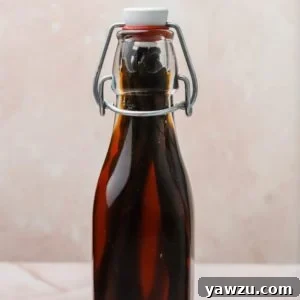
How to Make Vanilla Extract
8 ounces
10 mins
10 mins
Pin
Rate
Ingredients
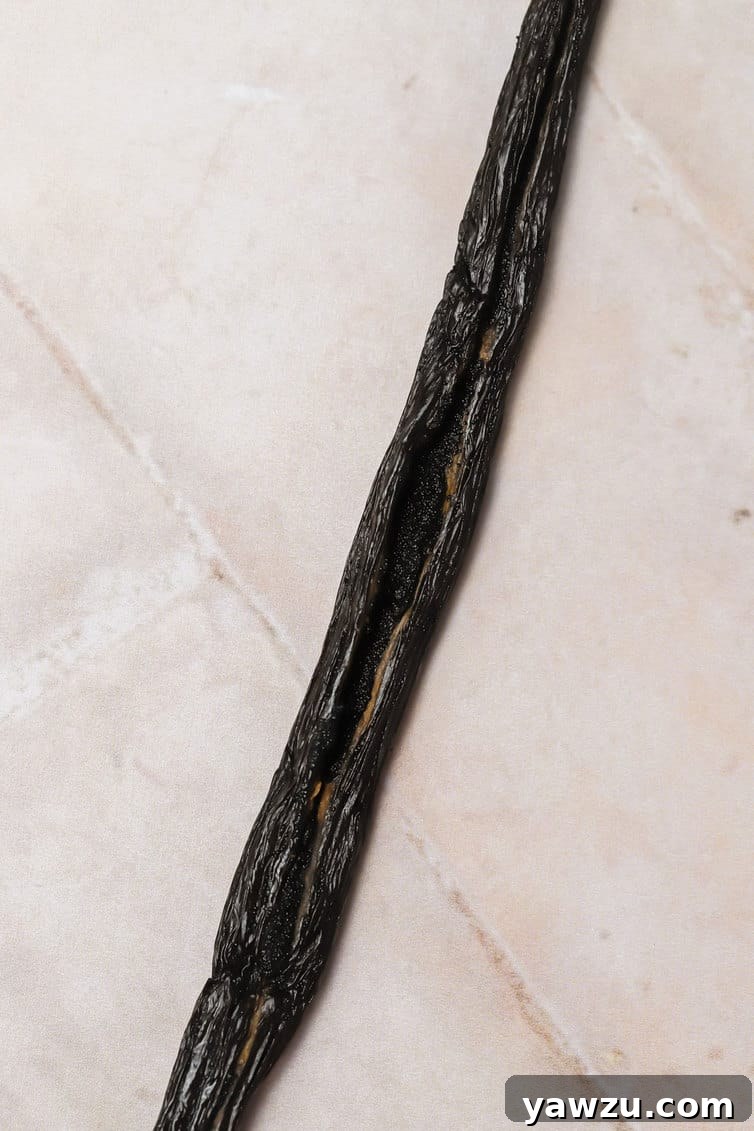
- 1 ounce (8) vanilla beans (about 7 beans), slit lengthwise, (do not cut the whole way through)
- 1 cup (240 ml) vodka
Instructions
-
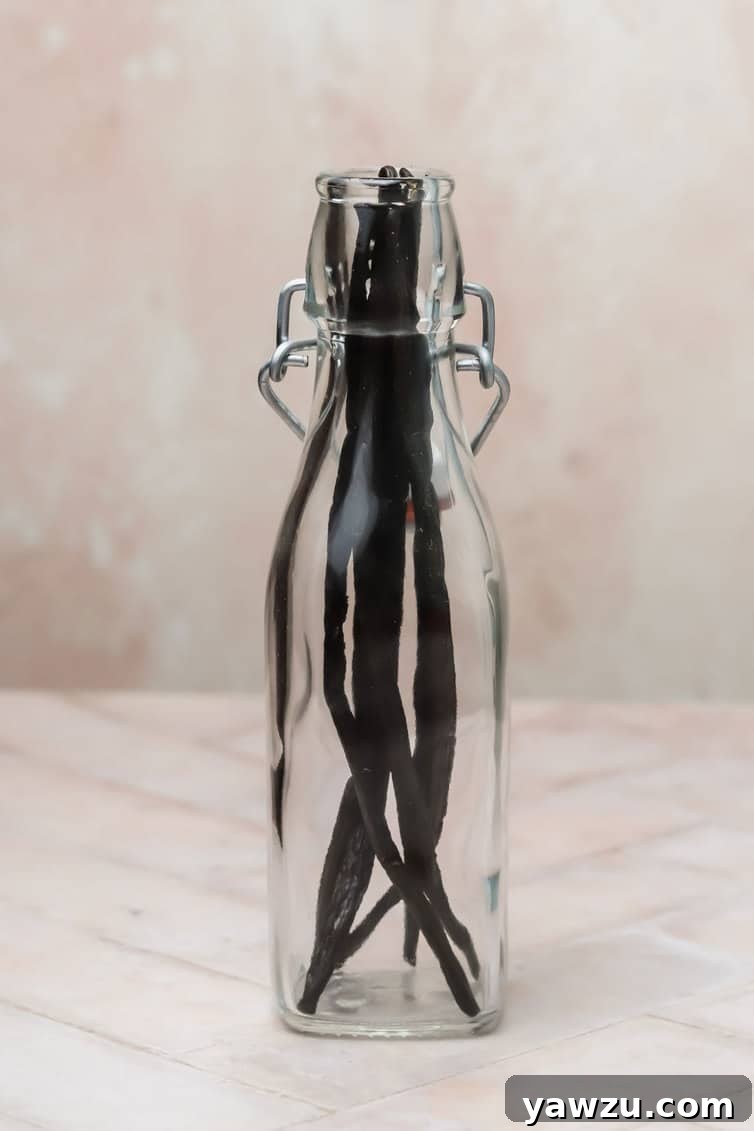
Place the vanilla beans into an 8-ounce jar, cutting the beans if necessary so that they fit.
-
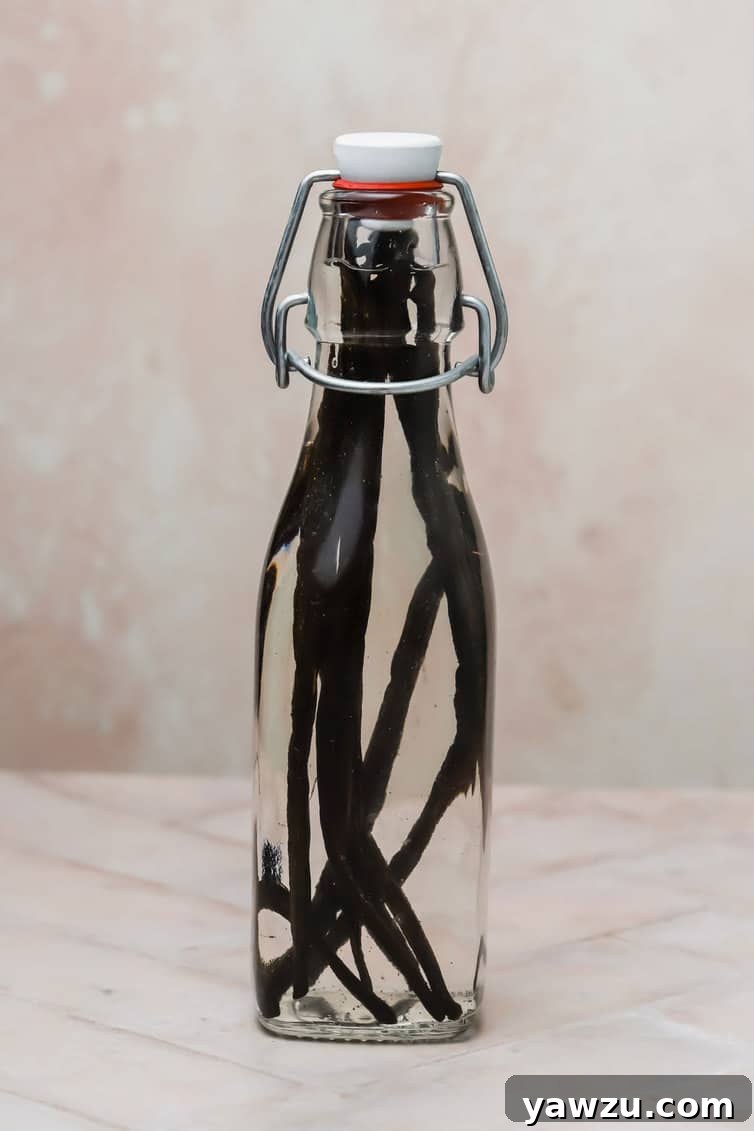
Pour the vodka over the beans, ensuring that the beans are fully submerged, seal the jar and give it a few shakes.
-
Place the jar in a cool, dark spot for at least 1 month, giving the bottle a shake once or twice a week.
Notes
- Alcohol – Bourbon or rum may be substituted for the vodka.
- Steeping – Let the extract steep for at least 1 month before using, but longer is better! If you can let it go for 6 or 12 months, the flavor will be amazing.
- Gifting – If you are gifting the extract, remove the vanilla beans first.
- Refreshing/Replenishing – If you are using at home, top off with alcohol as you use it to keep the beans submerged. After 1 year of using/topping off, remove the vanilla beans, and replace them with fresh beans.
Nutritional values are based on one ounce.
Calories: 81kcal
,
Carbohydrates: 1g
Did you make this recipe?
Leave a review below, then snap a picture and tag @thebrowneyedbaker on Instagram so I can see it!
[Photography by Ari of Well Seasoned]