Mastering the Art of Rye Sour Starter for Authentic Jewish Rye Bread
For years, the enigmatic world of rye bread seemed determined to remain just out of my grasp. Like many passionate home bakers, I embarked on a quest to replicate that elusive perfect loaf – specifically, the kind of fresh, flavorful Jewish rye bread I once savored at a Florida deli over three years ago. With a background in baking countless yeast breads, I naively assumed rye would be a straightforward endeavor. Oh, how wrong I was! My journey was punctuated by a series of disheartening attempts, each resulting in a failed rye starter that tested my patience and determination. Frustration mounted, eventually leading me to temporarily shelve the ambitious project.
However, the allure of baking my own authentic Jewish rye bread never truly faded. A few months ago, a renewed sense of purpose ignited, prompting me to dive back in, but this time with a crucial change in strategy. I decided to go straight to the most trusted source: a well-worn Jewish cookbook sitting on my shelf. And there it was – a comprehensive recipe for Jewish rye bread, complete with meticulous instructions for creating a robust rye sour starter. Following the directions to a “T” proved to be the turning point, leading to an incredibly satisfying success that felt nothing short of magic. This experience underscored a fundamental truth in baking: sometimes, the best path forward is to honor traditional methods and wisdom.
The creation of a vibrant rye sour starter is arguably the most critical step in achieving the soft texture and immense, distinctive flavor characteristic of traditional Jewish rye bread. This isn’t a quick process; it’s a multi-day journey of fermentation and careful nurturing. Given its involved nature, I’ve decided to dedicate this guide specifically to the starter process. Here, you’ll find detailed, step-by-step instructions, complemented by helpful photos, to guide you in cultivating your very own thriving rye sour starter. Once your starter reaches its peak, you’ll be ready to transform it into an unforgettable loaf of Jewish rye bread. Stay tuned for the complete bread recipe, which will build upon the foundation we establish here.
[Update: Find the full recipe for Jewish Rye Bread using this starter here!]
Why a Rye Sour Starter is Essential for Jewish Rye Bread
A rye sour starter, often referred to as a “sourdough starter” specifically made with rye flour, is more than just a leavening agent; it’s the heart and soul of authentic Jewish rye bread. Unlike commercial yeast, which provides a quick rise, a rye sour starter introduces a complex array of wild yeasts and beneficial bacteria. These microorganisms work in harmony over several days to ferment the rye flour, developing the distinctive tangy flavor, chewy crumb, and aromatic crust that rye bread enthusiasts cherish. The acidity produced during fermentation also helps to break down the proteins in rye flour, which are naturally lower in gluten than wheat flour. This process is crucial for creating a lighter, more pliable dough and a wonderfully moist interior texture, preventing the bread from becoming dense or gummy.
Furthermore, the fermentation process contributes significantly to the bread’s nutritional value and digestibility. It helps to unlock nutrients and can make the bread easier on the stomach for some individuals. The development of a robust rye sour starter is an art form, a testament to patience and observation. Each stage builds upon the last, progressively intensifying the microbial activity and enriching the starter’s flavor profile. The slight tang, the subtle notes of caraway, and the moist crumb are all directly attributable to the health and vitality of your starter. Embarking on this journey to create your own rye sour starter isn’t just about baking; it’s about connecting with a time-honored tradition and elevating your bread-making skills to a whole new level.
Understanding the Multi-Day Process of Cultivating Your Rye Sour Starter
Creating a rye sour starter is a rewarding process that unfolds over several days, requiring a bit of attention and careful timing. The recipe is structured into distinct stages, each designed to progressively build the strength and flavor of your starter. This method ensures optimal fermentation, leading to a starter that’s potent enough to leaven your rye bread effectively and infuse it with that classic, deep rye flavor.
The initial stage involves activating a small amount of yeast alongside rye flour and water, combined with aromatic additions like crushed caraway seeds and minced onion. These ingredients aren’t just for flavor; they contribute to the microbial environment, encouraging a vigorous fermentation from the start. As the days progress, you’ll be feeding your starter with fresh flour and water, a process known as ‘refreshing.’ This consistent feeding maintains the active yeast and bacteria, allowing them to multiply and strengthen. The visual cues, such as bubbling and cracking on the surface, are your indicators of a healthy, active starter ready to perform its magic. Patience is key through these stages, as rushing the process can result in a weak starter and, ultimately, a less-than-perfect loaf of bread.
Rye Sour Starter
Pin
Rate
Ingredients
Rye Sour Starter:
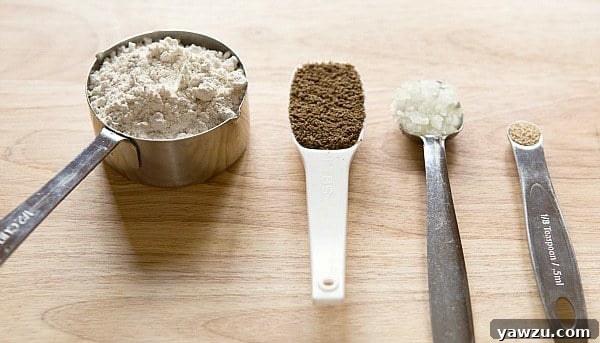
- ½ cup (51 g) rye flour
- ⅛ teaspoon (0.13 teaspoon) active dry yeast
- 1 cup (250 ml) warm water, 110 degrees F
- 1 tablespoon crushed caraway seeds
- 1 teaspoon minced onion
Stage One:
- ½ cup (125 ml) water
- 1½ cups (153 g) rye flour
- 1 recipe Sour Starter
Stage Two:
- ½ cup (125 ml) warm water, 110 degrees F
- 1 cup (102 g) rye flour
Stage Three:
- ½ cup (125 ml) water, use warm water if sour has been refrigerated
- 1 cup (102 g) rye flour, or more
Instructions
-
1. Begin the Rye Sour Starter: In a large mixing bowl, combine the rye flour, active dry yeast, warm water (at 110°F), crushed caraway seeds, and minced onion. Stir these ingredients thoroughly with a wooden spoon until the mixture is completely smooth and free of lumps. At this point, the consistency should be thin and soupy. Cover the bowl tightly with plastic wrap to prevent air exposure and allow the mixture to ferment in a warm spot in your kitchen. This initial fermentation phase can last up to 24 hours, during which you should observe bubbles forming, indicating active yeast and the beginning of fermentation.
-
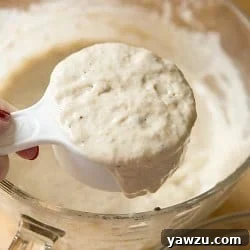
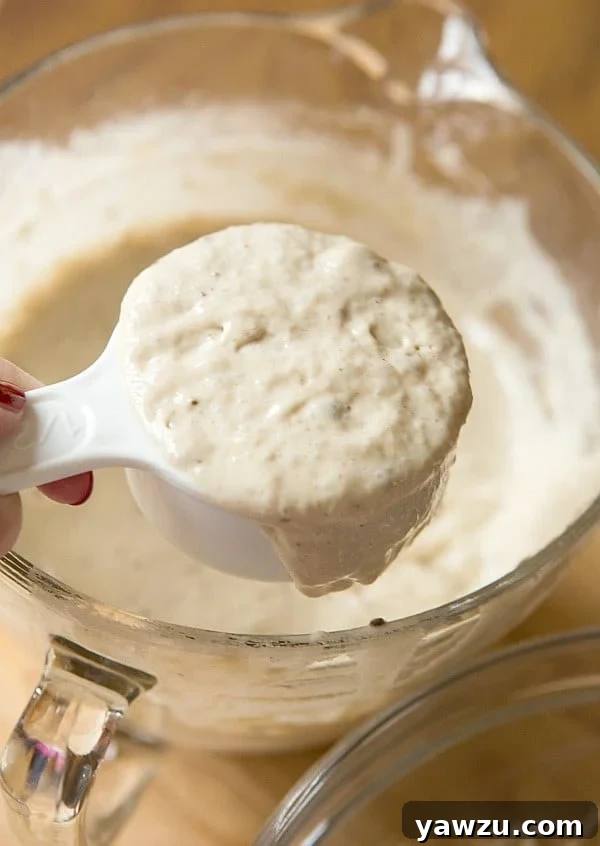
2. Prepare Stage One: The next morning (or after the initial fermentation is complete), empty the entire contents of your Rye Sour Starter into a clean, large bowl. Add ½ cup of fresh water along with 1¼ cups of rye flour. Using a sturdy wooden spoon, mix vigorously until all ingredients are well incorporated and the mixture becomes smooth. As you stir, the dough should begin to develop some elasticity, pulling slightly away from the sides of the bowl. Gently scrape down any dough clinging to the sides of the bowl. Then, sprinkle the remaining ¼ cup of rye flour evenly over the entire surface of the sour. Cover the bowl once more with plastic wrap. Allow this stage to rise in a warm environment until it has visibly doubled in size. A key indicator of readiness is when the floured top appears cracked with wide openings, signaling a robust fermentation. This typically takes between 4 to 8 hours. It’s crucial to monitor your starter and avoid letting it collapse back down, as this indicates it has over-fermented.
-
3. Prepare Stage Two: To the risen Stage One sour, add another ½ cup of warm water (110°F) and ¾ cup of fresh rye flour. Mix diligently until the mixture achieves a smooth, consistent texture. Once again, wipe down the sides of the bowl and sprinkle the remaining ¼ cup of rye flour over the surface of the sour. Re-cover the bowl with plastic wrap and return it to a warm area. Let it rise for another 4 to 8 hours, or until its volume has doubled. This continuous feeding and rising process strengthens the starter and develops its characteristic sour notes.
-
4. Prepare Stage Three: For the final stage of the starter preparation, incorporate ½ cup of water and 1 cup of rye flour into your Stage Two sour. If your sour has been refrigerated, it’s beneficial to use warm water to help it become active again quickly. Mix thoroughly until smooth. At this point, the mixture should start to resemble a dough. If it’s too wet, add additional rye flour, ¼ cup at a time, mixing until a manageable dough-like consistency is achieved. Cover with plastic wrap and place in a warm spot for a final rise of 4 to 8 hours, or until it has doubled in size. Your rye sour starter is now vibrant, active, and perfectly ready to be incorporated into your Jewish rye bread recipe!
Notes:
-
To achieve finely crushed caraway seeds, you can utilize a coffee or spice grinder for a quick method, or a traditional mortar and pestle for a more hands-on approach. The finer the crush, the more evenly the flavor will distribute throughout the starter and eventually the bread.
-
The original recipe specifically suggests using white rye flour. This type of rye flour can be purchased from specialty baking suppliers or trusted brands. I personally sourced mine from King Arthur Flour, which offers high-quality baking ingredients.
-
During the preparation of Stages One and Two, the primary goal is to achieve a thick consistency that closely resembles a soft dough rather than a watery batter. If you find your mixture is too soupy after mixing the specified flour and water, incrementally add more rye flour, about ¼ cup at a time. Continue mixing until the desired thick, smooth consistency is reached. This adjustment is crucial for proper fermentation and development.
-
For optimal results and timing, it is recommended to prepare Stages One and Two consecutively on the same day. After Stage Two is complete, the sour can be refrigerated overnight. Then, on the morning you plan to bake your bread, prepare Stage Three. Alternatively, if you intend to bake your bread first thing in the morning, you can prepare Stage Three the evening before. This allows the starter to undergo a slow, overnight rise, ensuring it is perfectly active and ready for baking when you wake up.
-
Your rye sour starter is a living culture that can be maintained for future baking. If you are not using it regularly, it is recommended to stir it down every 3 to 4 days. For long-term storage and to keep it vibrant, every 10 to 12 days, dispose of roughly half of the starter and refresh the remainder by mixing in equal amounts of fresh rye flour and water. Should you notice any discoloration on the surface of your stored starter, it is usually harmless and can simply be skimmed off before refreshing.
Notes
Did you master this recipe?
Leave a review below to share your experience with your rye sour starter! Don’t forget to snap a picture and tag @thebrowneyedbaker on Instagram so I can see your success!
Essential Tips for a Thriving Rye Sour Starter
Cultivating a successful rye sour starter requires a combination of precise measurements, ideal environmental conditions, and a touch of patience. Here are some key tips to ensure your starter thrives:
- Maintain Consistent Temperature: A warm, stable environment is crucial for active fermentation. Aim for a spot in your kitchen that stays consistently around 70-75°F (21-24°C). If your home is cooler, consider using a proofing box, your oven with the light on (but off), or another warm spot.
- Use Good Quality Rye Flour: The type of rye flour can significantly impact your starter. While the recipe suggests white rye flour for a specific texture in Jewish rye, a good quality whole rye flour can also yield a very active starter. Ensure your flour is fresh and unbleached.
- Proper Hydration is Key: Pay close attention to the consistency described in each stage. Rye flour absorbs water differently than wheat, and an overly wet or dry starter can struggle. Don’t hesitate to make slight adjustments to flour or water amounts as noted in the recipe if your mixture isn’t achieving the described texture. A thick, soft-dough consistency is generally ideal for stages one and two.
- Gentle Mixing: While stirring needs to be thorough to combine ingredients, avoid overworking the starter. Gentle mixing encourages the natural development of the microbial community.
- Observe and Learn: Your starter is a living entity. Pay attention to its behavior: how quickly it bubbles, how much it rises, and the scent it develops. A healthy starter will smell pleasantly sour, yeasty, and slightly fruity, not overwhelmingly vinegary or moldy.
- Don’t Fear Discoloration: As mentioned in the notes, slight discoloration on the surface is often harmless and can be skimmed off. However, if you see fuzzy mold, or a strong, unpleasant smell, it’s best to discard the starter and begin anew.
- Regular Maintenance for Stored Starters: If you plan to keep your starter active for future use, consistent feeding as described in Note 5 is vital. This prevents it from becoming too acidic or running out of food, ensuring it’s always ready for your next baking adventure.
By following these guidelines, you’ll not only create a fantastic rye sour starter but also gain valuable insights into the fascinating world of sourdough baking. The journey itself is a significant part of the reward, leading to delicious and uniquely flavored homemade bread.
Beyond the Starter: What to Bake Next
Congratulations on successfully cultivating your rye sour starter! This living ingredient is the foundation for an incredible range of artisanal breads, with Jewish rye being a standout favorite. Once your starter is bubbly and active, you’re ready to embark on the next exciting step: baking a loaf of bread that truly captures the essence of homemade goodness. The complex flavors and tender crumb achieved with a well-maintained rye sour starter are unparalleled, promising a deeply satisfying baking and eating experience. Don’t forget to check out our full recipe for Authentic Jewish Rye Bread to put your new starter to magnificent use!
From Our Baking Archives: More Recipes You’ll Love
While you’re waiting for your rye sour starter to mature or simply looking for your next baking challenge, explore some of our other cherished recipes. These tried-and-true favorites offer a variety of flavors and techniques for every baker:
- A Year Ago: Indulgent Bourbon Bread Pudding – A warm and comforting dessert perfect for any occasion.
- Two Years Ago: Craving something sweet? Try our decadent Peanut Butter Cup Crunch Brownie Bars or the delightful Chocolate Malted Whopper Cookies.
- Three Years Ago: Embrace the autumn flavors with Pumpkin Scones with Spiced Glaze.
- Four Years Ago: For a hearty and warming meal, revisit our classic Ham and Split Pea Soup.
- Five Years Ago: Discover the rich layers of the Almost Fudge Gateau for a truly special treat.
Happy baking, and enjoy the incredible flavors you’ll create!