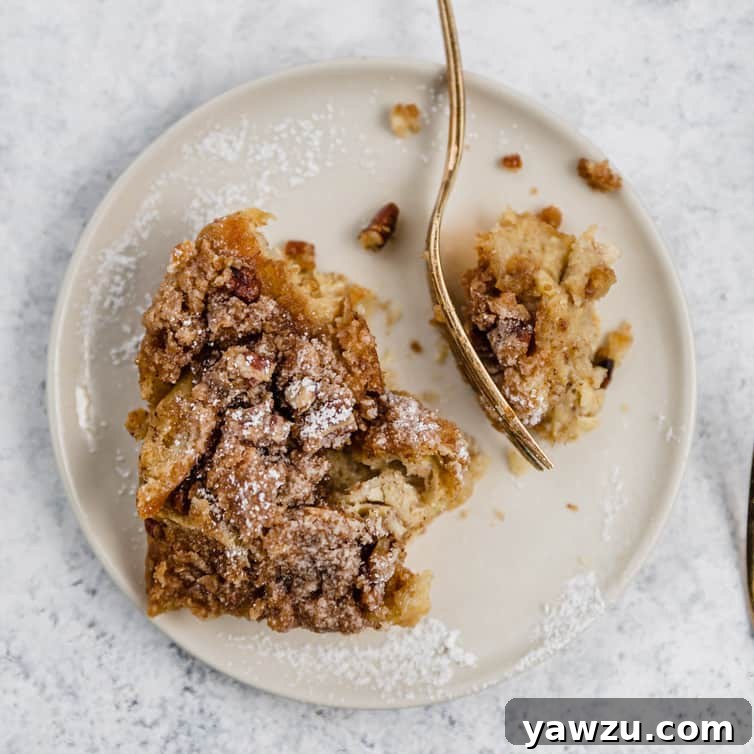
Welcome to the ultimate guide for creating an unforgettable breakfast experience! This Baked French Toast Casserole with a decadent Praline Topping isn’t just a recipe; it’s a game-changer for your morning routine, especially when you need to impress. Imagine waking up to a warm, golden-brown casserole, infused with rich custardy goodness and crowned with a crunchy, sweet pecan praline. This dish is designed to be a showstopper, pleasing everyone from discerning foodies to hungry kids, and it’s surprisingly easy to achieve.
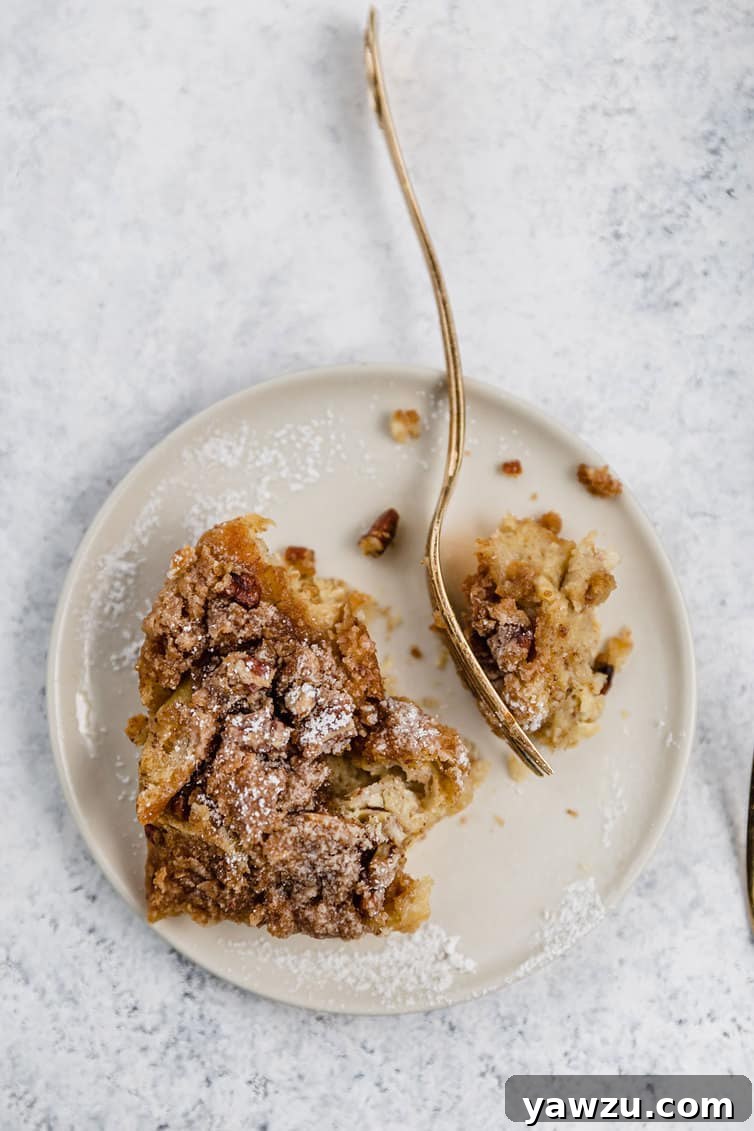
Say goodbye to the frantic morning rush of flipping individual slices of French toast. This ingenious casserole reimagines the beloved classic, allowing you to prepare the bulk of the work the night before. This means less stress, more sleep, and more time to savor your coffee on those special mornings. Prepare for your family and guests to request this delightful breakfast bake every chance they get!
The Magic of Make-Ahead Breakfast: Effortless Elegance
One of the most remarkable aspects of this French toast casserole is its make-ahead nature. The secret lies in assembling the dish the evening prior, allowing the bread ample time to soak up the rich, spiced custard overnight in the refrigerator. This extended soaking period is critical, transforming ordinary bread into a moist, flavorful base that’s tender on the inside and perfectly crisp around the edges once baked. The next morning, simply pull it from the fridge, sprinkle on the irresistible praline topping, and pop it into the oven. The result is a luxurious breakfast that tastes like you spent hours in the kitchen, without any of the morning hassle. This convenience makes it an ideal choice for:
- Holiday Brunches: Perfect for Christmas morning, Easter, or Thanksgiving breakfast when you want to enjoy family time instead of cooking.
- Entertaining Guests: Effortlessly impress overnight visitors with a gourmet breakfast without waking up at the crack of dawn.
- Weekend Indulgence: Transform a regular Saturday or Sunday morning into a special occasion.
- Batch Cooking: Prepare a large batch for meal prep, enjoying delicious leftovers throughout the week.
Essential Ingredients for Your Baked French Toast Masterpiece
Crafting this incredible baked French toast casserole requires two main components: the rich, creamy French toast base and the sweet, crunchy praline topping. Each ingredient plays a crucial role in achieving the perfect balance of flavors and textures.
For the Irresistible French Toast Base:
- Hearty Bread: The foundation of our casserole. We’ll delve into the best choices shortly, but think sturdy, absorbent loaves.
- Large Eggs: The binding agent that creates the luscious custard and helps the bread puff up beautifully.
- Heavy Cream: Essential for a truly rich and decadent custard. It contributes significantly to the creamy texture and indulgent flavor.
- Whole Milk: Balances the richness of the heavy cream while adding moisture to the custard. Avoid low-fat milk for optimal results.
- Light Brown Sugar: Adds a delicate sweetness and a hint of molasses flavor to the custard, complementing the bread and spices.
- Vanilla Extract: A classic flavor enhancer, providing warmth and aromatic depth.
- Ground Cinnamon: The quintessential French toast spice, infusing the custard with comforting warmth.
- Pinch of Salt: Crucial for balancing the sweetness and enhancing all the other flavors in the custard.
For the Crunchy Praline Topping:
This topping is what elevates this casserole from simply delicious to absolutely extraordinary. It bakes into a delightful, caramelized crust that adds texture and an extra layer of sweetness.
- All-Purpose Flour: Helps create a crumbly texture and binds the topping ingredients together.
- Light Brown Sugar: Provides deep, caramel-like sweetness to the praline.
- Ground Cinnamon: Adds warmth and a spicy note that pairs wonderfully with the pecans.
- Pinch of Salt: Again, vital for balancing sweetness and enhancing flavor.
- Cold Unsalted Butter: Cut into cubes, the cold butter is worked into the dry ingredients to create those signature crumbly pieces that turn golden and crisp.
- Chopped Pecans: The star of the praline, offering a buttery crunch and nutty flavor that is simply divine.
Choosing the Perfect Bread for Your French Toast Casserole
The type of bread you use is paramount to the success of your baked French toast. It needs to be sturdy enough to absorb the rich custard without disintegrating, yet soft enough to yield a tender bite. For this recipe, the ideal choice is a hearty, somewhat dense loaf that can hold its structure through an overnight soak and baking.
Our Top Recommendation: French Bread
As the name implies, a good loaf of French bread is often the best candidate. It’s readily available, typically affordable, and its robust texture is perfect for soaking up the custard without becoming soggy. Look for a traditional, unsliced loaf that you can tear into pieces. The slightly denser crumb of a classic French bread loaf, distinct from a thin baguette, provides the ideal balance.
Excellent Alternatives: Brioche or Challah
If you’re looking for an even richer, more luxurious flavor profile, brioche or challah bread are fantastic alternatives. These breads are made with eggs and butter, giving them a tender crumb and a beautiful golden hue. However, because they are softer and richer than French bread, they require a little extra preparation to prevent sogginess:
- Stale Them Overnight: For brioche or challah, it’s highly recommended to tear them into pieces and let them sit out uncovered on a baking sheet overnight. This allows them to dry out slightly, creating a more absorbent surface for the custard and preventing them from becoming mushy.
- Quick Oven Dry: If you’re short on time, you can quickly dry out torn brioche or challah pieces in a low oven (around 200°F or 95°C) for 15-20 minutes, or until lightly toasted and dried. Let them cool completely before assembling.
What to Avoid: French Baguettes and Soft Sandwich Breads
- French Baguettes: While also “French bread,” a baguette is typically too crusty on the outside and too airy on the inside for this casserole. The crust won’t soften sufficiently, and the interior will likely become overly saturated and mushy.
- Soft Sandwich Bread: Avoid standard sandwich bread or anything too thinly sliced and soft. These varieties lack the structure needed to absorb the custard properly and will quickly turn into a soupy mess.
By selecting the right bread and preparing it appropriately, you’ll ensure a perfectly textured, incredibly delicious French toast casserole every time.
Step-by-Step Guide to Crafting Your Perfect Baked French Toast
Making this baked French toast casserole is a straightforward process, largely divided into two main stages: overnight preparation and morning baking. Follow these steps for a flawless result:
Part 1: Evening Preparation (The Night Before)
- Prepare Your Baking Dish: Begin by lightly greasing a standard 9×13-inch baking dish with butter or non-stick cooking spray. This will ensure your casserole doesn’t stick and comes out easily.
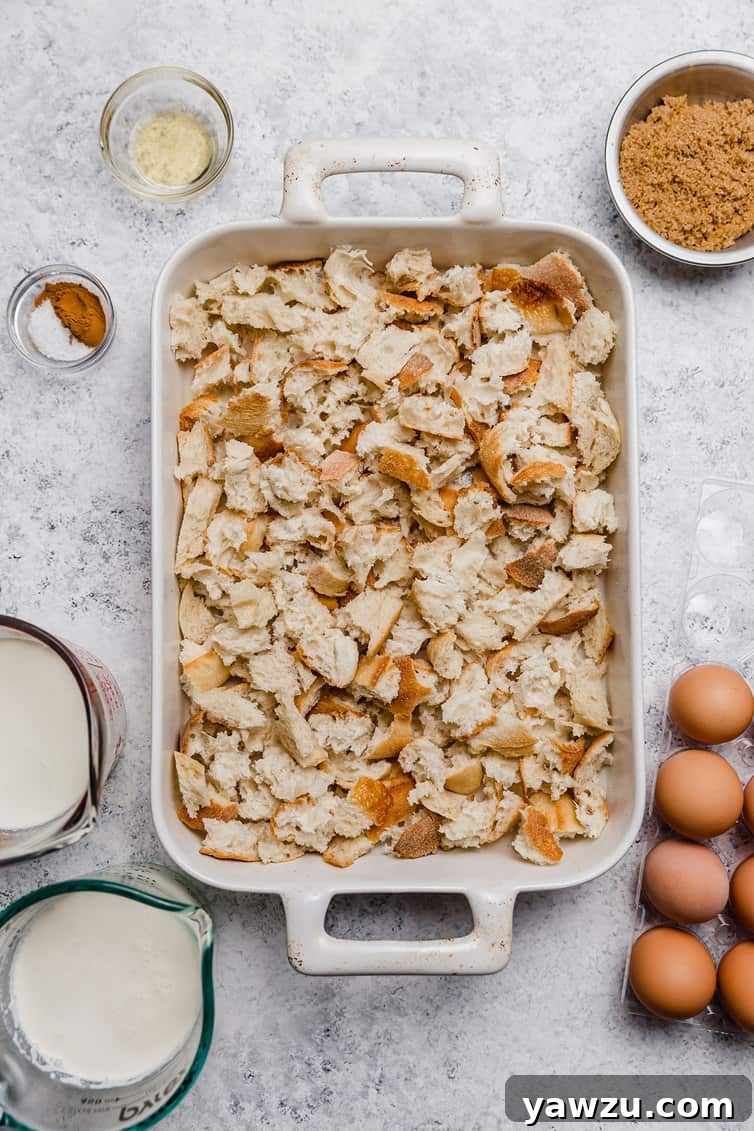
- Tear the Bread: Take your chosen loaf of hearty bread and tear it into roughly 1-inch, bite-sized pieces. Aim for about 10 to 12 cups of torn bread. Distribute these pieces evenly across the bottom of your prepared baking dish.
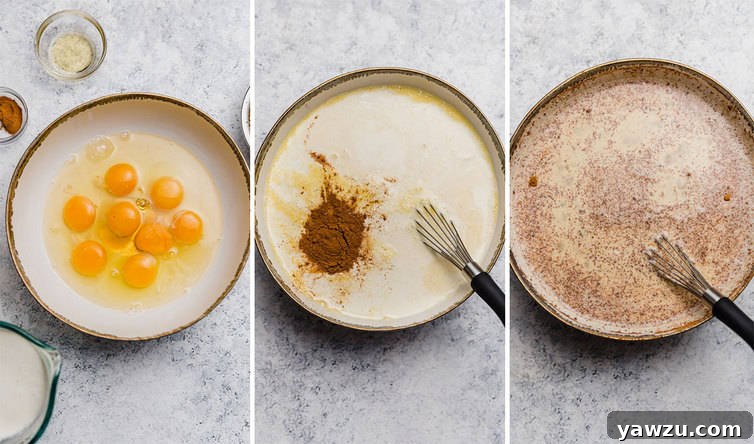
- Whisk the Custard: In a large mixing bowl, gently whisk together the heavy cream, whole milk, eggs, light brown sugar, vanilla extract, ground cinnamon, and a pinch of salt. Whisk just until the ingredients are well blended and smooth; avoid over-whisking, which can introduce too much air and create a bubbly texture.
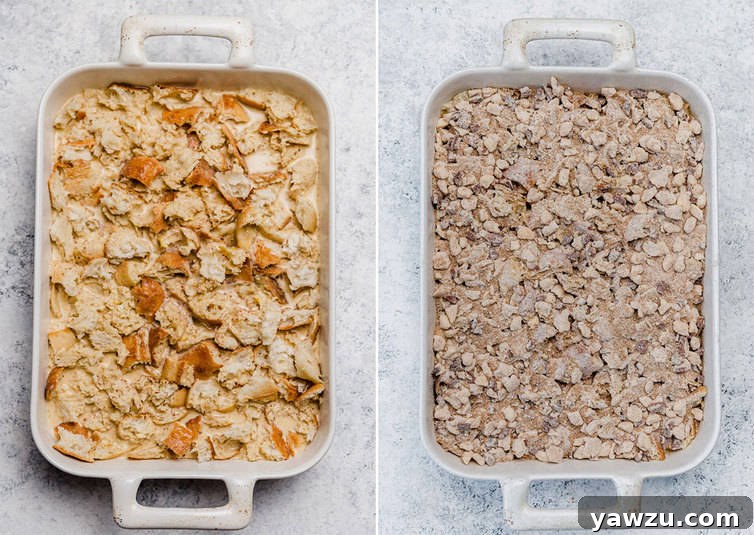
- Soak the Bread: Pour the custard mixture evenly over the bread pieces in the baking dish. Using the back of a spoon or a spatula, gently press down on the bread to ensure that all pieces are fully submerged and absorb the custard. This step is crucial for an even soak and prevents dry spots.
- Refrigerate Overnight: Cover the baking dish tightly with plastic wrap and place it in the refrigerator. Allow it to soak overnight for at least 8 hours, or up to 24 hours. This extended resting period is key to the casserole’s moist and tender interior. If you don’t have space for a 9×13 dish, you could transfer the soaked bread and custard to a large, sealed container.
Part 2: Morning Baking (The Next Day)
- Preheat Oven and Rest Casserole: The next morning, preheat your oven to 350°F (175°C). While the oven heats, remove the French toast casserole from the refrigerator and let it sit at room temperature for about 15-20 minutes. This helps ensure even baking.
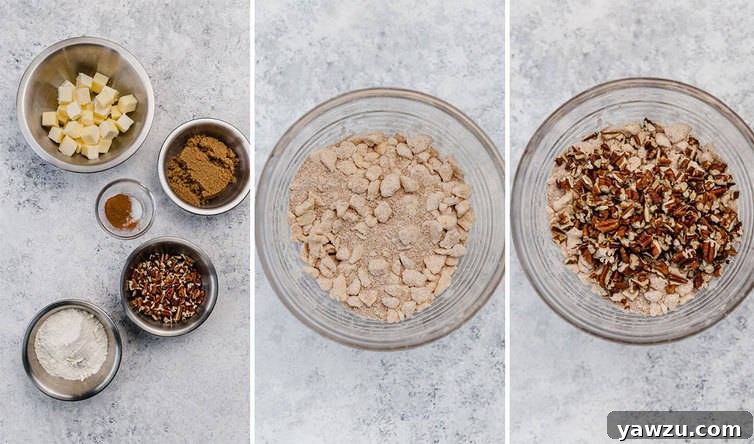
- Prepare the Praline Topping: In a medium bowl, combine the all-purpose flour, light brown sugar, ground cinnamon, and a pinch of salt. Add the cold, cubed unsalted butter. Using a pastry blender, a fork, or your fingertips, work the butter into the flour mixture until it resembles coarse crumbs with some pea-sized pieces remaining. Stir in the chopped pecans until evenly distributed.
- Add the Topping: Evenly sprinkle the prepared praline mixture over the soaked French toast casserole in the baking dish.
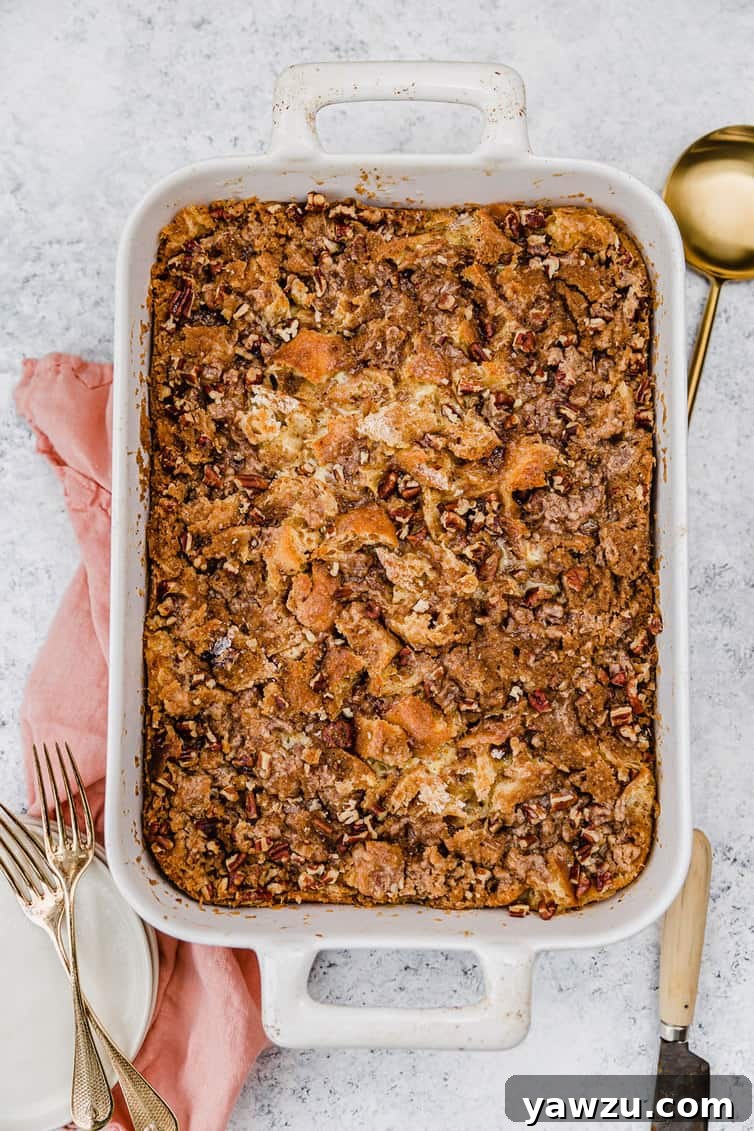
- Bake to Perfection: Place the casserole in the preheated oven and bake for 40 to 50 minutes. The casserole is ready when it’s beautifully golden brown, puffed up, and a quick check with an instant-read thermometer inserted into the center registers at least 165°F (74°C).
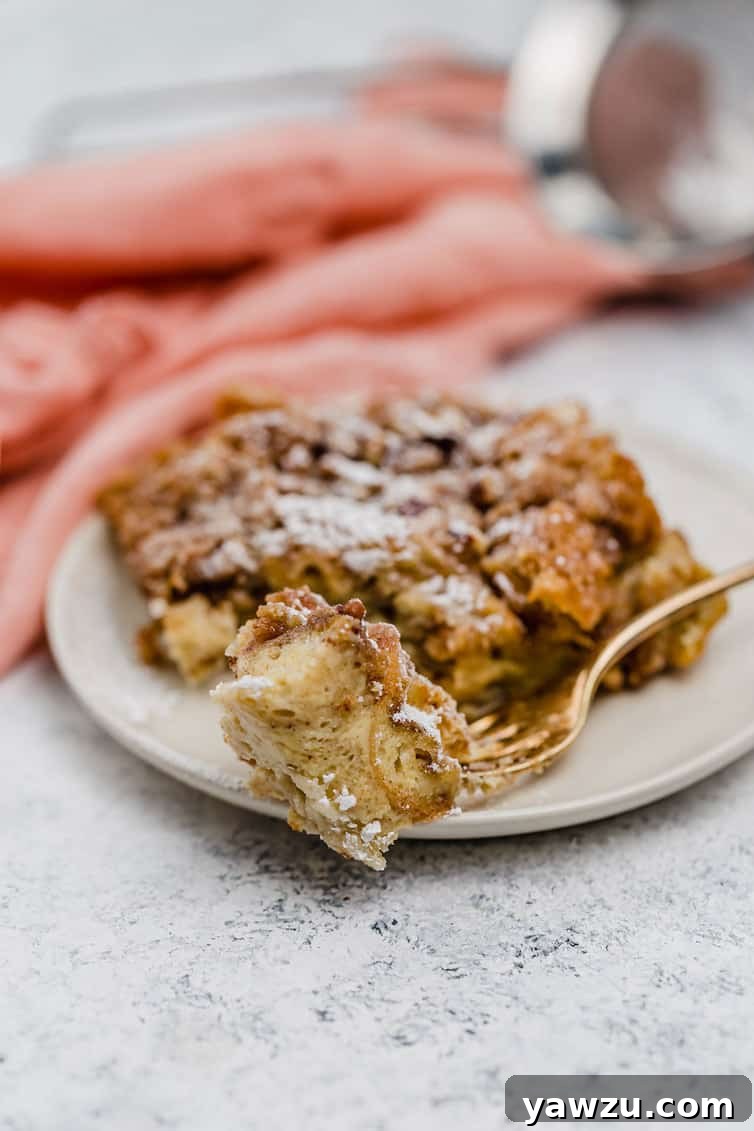
- Serve and Enjoy: Allow the baked French toast casserole to rest for about 5 minutes after removing it from the oven. This helps it set slightly and makes for easier serving. Serve hot, traditionally topped with a dusting of powdered sugar and a generous drizzle of warm maple syrup. Fresh berries or a dollop of whipped cream also make wonderful additions!
Troubleshooting: Why Does Baked French Toast Get Soggy?
Nobody wants a soggy French toast casserole. The goal is a tender, custardy interior with a slightly crisp exterior, especially with the praline topping. If your baked French toast turns out mushy, here are the most common culprits and how to avoid them:
-
The Bread Choice: This is perhaps the most critical factor.
- Wrong Bread Type: Using soft, thinly sliced sandwich bread or a very airy baguette will almost always result in a soggy casserole. These breads lack the robust structure to absorb the custard without collapsing. They become oversaturated and turn into a dense, wet mass.
- Solution: Stick to dense, sturdy breads like French bread (not baguette), Italian bread, challah, or brioche. These breads have a strong crumb that can absorb a significant amount of liquid while maintaining their integrity.
-
Insufficient Resting Time: The overnight soak is not merely for convenience; it’s essential for texture.
- Too Short a Soak: If you only let the casserole rest for a few minutes or a couple of hours, only the exterior pieces of bread will absorb the custard thoroughly. The inner pieces will remain relatively dry, while the outer ones become overly saturated and mushy, leading to an unevenly cooked and textured dish.
- Solution: Plan ahead and allow the casserole to refrigerate overnight (8-24 hours). This gives the bread ample time to evenly soak up the custard, ensuring a consistently tender and moist interior throughout the entire dish.
-
Custard to Bread Ratio (Super-Sized Eggs): While less common, the size of your eggs can impact the liquid ratio.
- Excessive Custard: If you’re using unusually large eggs, or simply too many eggs for the amount of bread, you might end up with too much custard. This can lead to oversaturation, particularly if your bread isn’t very dense.
- Solution: Standard large eggs are usually fine. If you suspect your eggs are extra-large, or if you’ve had soggy results before, consider reducing the number of eggs slightly (e.g., from 8 to 7, depending on the recipe and bread volume).
-
Incorrect Pan Size or Shape: The dimensions of your baking dish play a role in how evenly the bread soaks and bakes.
- Too Small a Pan: If your baking dish is significantly smaller than a 9×13-inch, the bread pieces will be packed too tightly, or the custard will pool at the bottom without evenly distributing throughout the bread.
- Tapered Pan: Some 9×13-inch pans taper significantly towards the bottom. This can cause custard to collect in the narrower base, leading to uneven soaking and potentially a soggy bottom layer.
- Solution: Use a true 9×13-inch baking dish (or equivalent volume, roughly 3 quarts) with relatively straight sides to ensure the bread pieces have enough space to soak evenly and that the custard is distributed uniformly.
By paying attention to these details, you can prevent soggy French toast and ensure your breakfast casserole is a perfectly cooked, golden, and delicious delight every time. It truly is a minimal-effort, maximum-reward dish that’s bound to become a favorite!
Serving Suggestions and Delicious Variations
While this Baked French Toast Casserole with Praline Topping is a standalone star, there are many ways to customize and serve it to make it even more special:
- Classic Toppings: Always have powdered sugar and warm maple syrup on hand. A sprinkle of powdered sugar adds an elegant finish, and maple syrup is the perfect sweet complement.
- Fresh Fruit: Brighten up the dish with a colorful array of fresh berries (strawberries, blueberries, raspberries), sliced bananas, or even a mixed fruit compote. Add them just before serving.
- Whipped Cream or Ice Cream: For an extra indulgent treat, a dollop of freshly whipped cream or a scoop of vanilla ice cream turns this breakfast into a dessert.
- Savory Sides: Pair the sweetness of the French toast with savory breakfast staples like crispy bacon, breakfast sausage, or a simple scrambled egg to create a balanced meal.
Recipe Variations:
- Nut Alternatives: Don’t like pecans? Walnuts, almonds, or even a mix of nuts can be used in the praline topping. You can also omit nuts entirely for a nut-free version.
- Add Chocolate: Stir chocolate chips (milk, dark, or white) into the bread and custard mixture before soaking, or sprinkle them on top with the praline for a melty chocolate surprise.
- Fruit Infusion: Add thinly sliced apples, pears, or a handful of dried cranberries to the bread layer before pouring the custard for a fruity twist.
- Spiced Up: Experiment with other warm spices in the custard, such as a pinch of nutmeg, cardamom, or allspice for a different flavor profile.
- Lighter Custard: While heavy cream is recommended for richness, you can substitute all or part of the heavy cream with half-and-half for a slightly lighter casserole, or even use all whole milk for a less rich but still delicious option. Avoid low-fat milk.
Storage and Reheating Tips
One of the beauties of a casserole is its ability to be stored and reheated. This baked French toast is no exception, making it perfect for enjoying leftovers:
- Refrigeration: Leftovers can be stored in an airtight container in the refrigerator for up to 3-4 days.
- Reheating: For best results, reheat individual servings in the microwave until warm, or in a preheated oven at 300°F (150°C) for 10-15 minutes, until heated through. Covering it with foil helps prevent it from drying out.
- Freezing: This casserole freezes beautifully! Once baked and completely cooled, cover the pan tightly with aluminum foil (or transfer individual portions to freezer-safe containers) and freeze for up to 3 months. To reheat from frozen, thaw overnight in the refrigerator, then bake in a 350°F (175°C) oven, covered, for about 15-20 minutes, or until warmed through.
More Favorite Breakfast Recipes to Explore
If you love starting your day with something special, be sure to check out these other fantastic breakfast and brunch ideas:
- Monkey Bread (From Scratch!) – A pull-apart sweet bread perfect for sharing.
- Fluffy and Crisp Buttermilk Waffles – The ideal combination of texture and flavor.
- Fluffy Buttermilk Pancakes – A classic, light, and airy breakfast staple.
- Homemade Pop-Tarts – A nostalgic treat made better from scratch.
We truly hope this Baked French Toast Casserole with Praline Topping finds a special place on your menu, whether for a festive holiday morning or simply to make an ordinary weekend feel extraordinary. It’s a recipe designed for ease, indulgence, and creating memorable moments around the breakfast table.
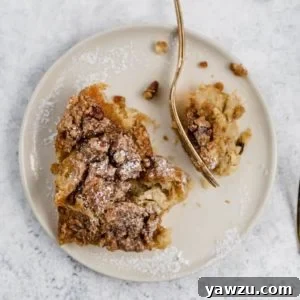
Baked French Toast Recipe with Praline Topping
This French toast casserole is wonderfully decadent, making it perfect for holidays or overnight guests!
Yield: 8 servings
Prep Time: 20 mins
Cook Time: 40 mins
Total Time: 1 hr
Pin Recipe
Ingredients
For the French Toast:
- 1 loaf hearty French or Italian bread, about 1 pound
- 1½ cups heavy cream
- 1½ cups whole milk
- 8 large eggs
- ½ cup light brown sugar
- 1 tablespoon vanilla extract
- 1 teaspoon ground cinnamon
- ¼ teaspoon salt
For the Topping:
- ½ cup all-purpose flour
- ½ cup light brown sugar
- ¾ teaspoon ground cinnamon
- Pinch salt
- ½ cup unsalted butter, cold and cubed
- ½ cup chopped pecans
Instructions
- Prepare the Casserole: Spray a 9×13-inch baking dish with non-stick cooking spray. Tear the loaf of bread into bite-size 1-inch pieces (you should have about 10 to 12 cups) and place in the baking dish in an even layer.
- In a large bowl, whisk together the heavy cream, whole milk, eggs, brown sugar, vanilla, cinnamon, and salt. Evenly pour over the bread pieces in the baking dish. Using the back of a spoon, gently press down on the bread so that it is all submerged in the custard. Cover with plastic wrap and refrigerate overnight.
- Make the Topping: In a medium bowl, whisk together the flour, brown sugar, cinnamon and salt. Add the butter and, using a pastry blender, fork, or your fingertips, work the butter into the flour mixture until only pea-sized pieces remain. Toss in the chopped pecans. Cover and refrigerate until ready to use.
- Bake the Casserole: Preheat oven to 350°F (175°C). Remove the casserole from the refrigerator and allow to sit at room temperature while the oven preheats.
- Sprinkle the topping evenly over the casserole.
- Bake until golden brown and puffed, approximately 40 to 50 minutes (an instant-read thermometer should register at least 165°F (74°C) when inserted into the center). Allow to rest for 5 minutes before serving. Top with powdered sugar and maple syrup for a traditional French toast flavor!
Notes
- Bread: Do not use a French baguette, as it is too crusty for this recipe. If you choose to use a richer bread such as brioche or challah, I recommend letting the torn pieces sit out overnight (before assembling) to let it stale or to dry it in the oven, as these are softer breads that won’t hold up as well in the custard.
- Custard: You can replace all of the heavy cream and whole milk with half-and-half if you’d like, or you can use all whole milk for a slightly lighter, albeit less rich, casserole. I do not recommend using low-fat milk in this recipe.
- Nuts: You can substitute different nuts for the pecans in the topping, or omit them altogether.
- Bake Immediately Option: While this is an ideal make-ahead recipe since it should be assembled the day before baking to allow the bread to absorb the custard, you CAN make it the same day, if desired. After pouring the custard over the bread, allow to sit at room temperature for at least 1 hour before baking. The inside will be less soft, but still delicious!
- Freezing Instructions: This casserole can be baked, cooled completely, refrigerated for at least 2 hours, then frozen. To freeze, cover the pan tightly with foil and freeze for up to 3 months. Thaw overnight in the refrigerator, then reheat in a 350-degree oven, covered, until warmed through, about 15 minutes.
Nutrition Facts (per serving)
Calories: 677kcal, Carbohydrates: 66g, Protein: 15g, Fat: 40g, Saturated Fat: 20g, Cholesterol: 260mg, Sodium: 438mg, Potassium: 291mg, Fiber: 2g, Sugar: 31g, Vitamin A: 1322IU, Vitamin C: 1mg, Calcium: 163mg, Iron: 3mg
Did you make this recipe?
Leave a review below, then snap a picture and tag us on Instagram so we can see it!
Author: Michelle Lettrich
Course: Breakfast
Cuisine: American
Originally published in 2011, this article has been updated to include new photos, and an improved recipe based on user feedback.
[photos by Ari of Well Seasoned]