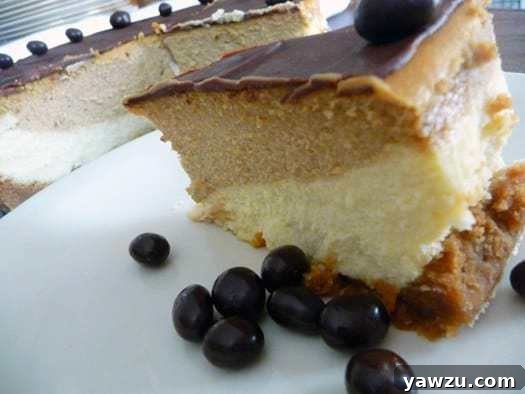
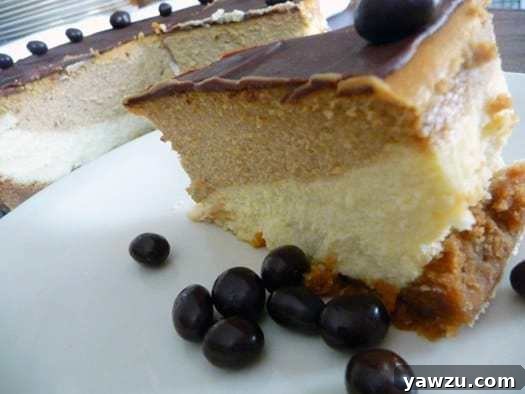
Indulge in Layers of Perfection: The Ultimate Coffee & Espresso Cheesecake Recipe
Every special occasion calls for a truly unforgettable dessert, and my sister’s recent birthday was no exception. While she was busy celebrating in the vibrant city of Chicago, I was back home, envisioning a unique sweet treat to mark our belated celebration. Last year, I crafted a delightful Vanilla Cake with Chocolate Hazelnut filling at her request, setting a wonderfully high bar for this year’s culinary challenge. As I pondered what would truly delight her, my thoughts kept circling back to one irresistible flavor: coffee. Being an avid cheesecake lover myself, the idea of combining the rich, aromatic notes of coffee and robust espresso with the creamy indulgence of cheesecake quickly took root.
The quest for the perfect coffee-flavored cheesecake began. I scoured countless recipes online, seeking inspiration for a dessert that was both unique and deeply satisfying. While many offered promising starting points, none quite captured the specific balance and depth of flavor I envisioned. This led me to embark on my own creative journey, combining elements I loved from classic cheesecakes with distinct coffee infusions, culminating in a truly original and utterly delicious layered coffee and espresso cheesecake that I’m thrilled to share with you today. This recipe isn’t just a dessert; it’s a celebration of rich flavors and textures, designed to impress and delight.
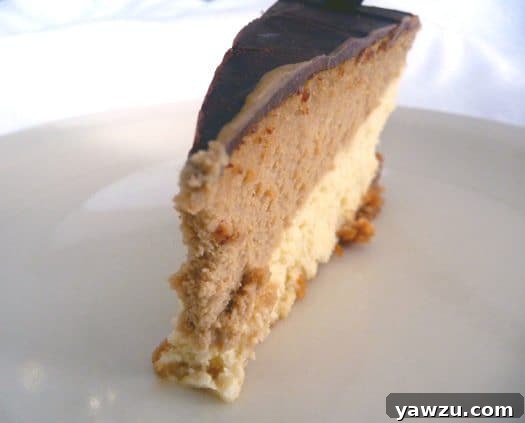
Crafting a Dual-Layered Coffee Masterpiece
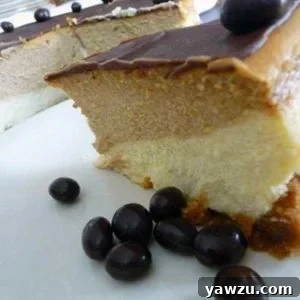
This Coffee and Espresso Layered Cheesecake is a true masterpiece of coffee-infused dessert artistry, meticulously designed to offer a sophisticated and harmonious flavor experience. It all begins with a perfectly crunchy and buttery graham cracker crust, which provides a delightful textural contrast and a sturdy foundation for the luxurious filling. The true innovation lies within the cheesecake batter itself, which is carefully divided and exquisitely flavored to create two distinct yet complementary layers.
The first layer is infused with the subtle, warm richness of coffee liqueur, imparting a mellow and sophisticated coffee essence that gently awakens the palate. For this, I initially used Starbucks Coffee Liqueur, but excellent alternatives like Kahlua or even a premium Irish cream would also work beautifully, allowing you to fine-tune the aromatic notes. The second layer receives a more robust and intense kick from a serving of freshly brewed, concentrated espresso, delivering a bolder, more pronounced coffee flavor that truly stands out. This clever dual-layer approach ensures that every single bite offers a delightful journey through coffee’s nuanced profile, from gentle undertones to a more assertive presence.
To crown this decadent creation, a silky, bittersweet chocolate ganache is generously poured over the top, creating a smooth, glossy finish that beautifully ties all the rich elements together. The slight bitterness of the chocolate perfectly balances the sweetness of the cheesecake, enhancing the overall depth of flavor. Finally, for an added touch of elegance and an extra burst of coffee bliss, the cheesecake is artfully garnished with crunchy chocolate-covered espresso beans. The balance of flavors in this homemade coffee cheesecake is, in my opinion, simply unparalleled: a delicate hint of coffee liqueur perfectly complementing an espresso flavor that’s present but never overpowering, all brought into exquisite harmony by the rich, bittersweet chocolate ganache. This results in a truly gourmet dessert that coffee lovers will adore.
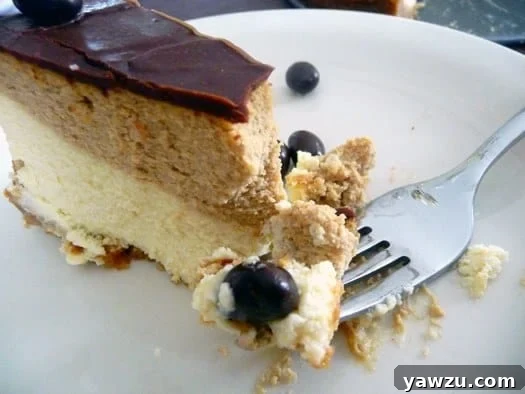
Elevating Your Cheesecake: Tips and Customizations for Success
While my initial creation featured the classic graham cracker crust, I firmly believe that a chocolate crust would be an absolutely phenomenal pairing for this espresso cheesecake. Honestly, when is chocolate ever NOT a great idea? Exactly. Imagine the deep cocoa notes mingling with the rich coffee and espresso layers – a truly irresistible combination. You could easily achieve this by substituting chocolate wafers or Oreo crumbs for the graham crackers in the crust recipe, adjusting the sugar slightly if your chosen chocolate cookie is already sweet. This simple customization elevates the dessert to another level of indulgence.
For the coffee liqueur, as mentioned, I opted for Starbucks Coffee Liqueur. However, feel free to use any coffee-flavored liqueur you prefer. Kahlua is a widely available and excellent choice, offering a distinct coffee taste that blends wonderfully with the cream cheese. If you’re looking for a non-alcoholic alternative, a high-quality coffee-flavored creamer can be used just as effectively. Simply substitute it for the liqueur, ensuring you still get that essential coffee aroma and taste without the alcohol content. This flexibility makes the recipe accessible to everyone. Consider experimenting further by adding a touch of almond extract to the coffee liqueur layer for an extra layer of sophisticated flavor, or a pinch of cinnamon to the espresso layer for warmth.
Achieving the perfect cheesecake texture and preventing cracks involves a few key steps. Firstly, ensure all your dairy ingredients, especially the cream cheese and eggs, are at room temperature. This is crucial for a smooth, lump-free batter. Cold ingredients won’t emulsify properly, leading to a grainy texture. Secondly, avoid overmixing the batter once the eggs are added. Overmixing incorporates too much air, which can cause the cheesecake to puff up in the oven and then fall dramatically, resulting in cracks. Mix just until combined. Lastly, the cooling process is just as important as the baking. Allowing the cheesecake to cool gradually in the oven after baking, with the door slightly ajar, helps it set gently and prevents sudden temperature shocks that cause fissures. Following these simple tips will ensure your homemade layered cheesecake is perfectly smooth and creamy every time.
The Great Water Bath Debate: A Baker’s Honest Perspective
Now, let’s delve into a topic that often sparks lively discussions and strong opinions among bakers: the water bath method for cheesecakes. I must admit, I’ve never been fully convinced of its absolute necessity or superiority. Over the years, I’ve baked countless cheesecakes using both traditional methods – with a water bath and with a “regular” bake without one. And honestly, I’ve found very little significant difference in the final product’s texture or appearance, apart from the substantial benefits of foregoing the water bath.
Baking a cheesecake without a water bath is undeniably easier, far less messy, and, crucially for me, dramatically reduces the chances of my beloved crust turning soggy. As a self-proclaimed “crust girl,” a perfectly crisp, dry, and flavorful crust is paramount to my cheesecake enjoyment, and the fear of water seeping into the pan, despite meticulous wrapping, is a constant worry. For me, simplicity, ease of execution, and a superior crust consistently win out. The potential mess of a roasting pan filled with boiling water, the precarious transfer in and out of the oven, and the risk of water damage to the bottom of the pan often outweigh the perceived benefits. I’m always incredibly curious to hear other bakers’ opinions on this; what method do you swear by, and what are your reasons for believing it’s the superior technique?
Many traditional recipes advocate for water baths to ensure even baking, prevent cracks, and maintain a supremely moist texture. The theory posits that the gentle, indirect heat from the steam prevents the edges from baking faster than the center, thus reducing the risk of a dry, cracked surface. While this principle holds true, I’ve found that modern ovens are often quite consistent in temperature, and a carefully managed, gradual cooling process can achieve strikingly similar results without the added fuss. My preferred “regular” baking method involves an initial crust bake at a slightly higher temperature, followed by baking the cheesecake filling at a slightly lower, consistent temperature. This is then followed by a slow cool-down inside the turned-off oven with the door slightly ajar for at least an hour. This technique allows the cheesecake to set gently and evenly, preventing rapid temperature changes that are the primary culprits behind cracking. It also frees up valuable oven space and completely eliminates the hazardous task of carefully maneuvering a heavy roasting pan filled with boiling water. For a home baker seeking delicious results without unnecessary complexity, I highly recommend giving the water bath-free method a try for this gourmet coffee dessert.
More Decadent Cheesecake Recipes to Explore
- Brownie Mosaic Cheesecake: A rich chocolate dream adorned with delightful brownie pieces, offering a textural feast.
- Cheesecake Truffles: Irresistible, bite-sized delights that are perfect for entertaining guests or as a luxurious individual treat.
- Hidden Berry Cream Cheese Torte: A delightful surprise with a vibrant, fruity center nestled within creamy cheesecake, offering a burst of freshness.
- Oreo Cheesecake: The ultimate treat for cookie lovers, featuring crushed Oreo cookies in both the crust and the creamy filling.
- Classic New York Cheesecake: The quintessential creamy, dense cheesecake, celebrated for its rich texture and subtle tang.
Coffee-and-Espresso Layered Cheesecake
12 servings
30 mins
1 hr 30 mins
2 hrs
For printing or saving this recipe, please consider using your browser’s print function.
Ingredients
For the crust
- 1¾ cups (147 g) graham cracker crumbs
- 3 tablespoons sugar
- ½ stick (0.5 stick) unsalted butter, (4 tablespoons), melted
For the cheesecake
- 2 pounds (907.18 g) cream cheese, at room temperature, (four 8-ounce packages)
- 1 ⅓ cups (266.67 g) sugar
- ½ teaspoon (0.5 teaspoon) salt
- 4 large eggs, at room temperature
- 1 ⅓ cups (306.67 ml) sour cream
- 1 teaspoon Kahlua, or other coffee liqueur (or coffee-flavored creamer for a non-alcoholic option)
- 1 tablespoon instant espresso powder
- 1 tablespoon boiling water
For the chocolate ganache (adapted from the Brownie Mosaic Cheesecake)
- 1.5 ounces (42.52 g) bittersweet chocolate, finely chopped
- ¼ stick (0.25 stick) unsalted butter, (2 tablespoons)
- ⅛ cup (29.75 ml) heavy cream
- ¼ teaspoon (0.25 teaspoon) vanilla extract
- ½ tablespoon (0.5 tablespoon) powdered sugar
- Chocolate-covered espresso beans, for garnish (optional)
Instructions
-
Butter a 9-inch springform pan thoroughly. Then, wrap the bottom and sides of the pan securely in a double layer of heavy-duty aluminum foil. This helps to create a barrier, preventing any moisture from reaching the crust, especially important if you choose to use a water bath.
-
In a medium bowl, combine the graham cracker crumbs and sugar. Pour the melted butter over this mixture and stir thoroughly until all the dry ingredients are evenly moistened and cohesive. Transfer this crumb mixture into the prepared springform pan and firmly pat it into an even layer over the bottom and halfway up the sides of the pan. Place the pan in the freezer to chill for at least 15 minutes while your oven preheats; this helps set the crust.
-
Preheat your oven to 350 degrees F (175 degrees C) with an oven rack centered. Place the springform pan containing the crust on a baking sheet to catch any potential drips and bake for 10 minutes. This initial bake helps to crisp the crust and prevent it from becoming soggy later. After baking, remove the pan from the oven and set it on a cooling rack to cool slightly.
-
Reduce the oven temperature to 325 degrees F (160 degrees C). This slightly lower temperature is crucial for baking cheesecake gently and evenly, minimizing the risk of cracks and ensuring a creamy texture.
-
If you choose to use a water bath (despite my personal preference to avoid it), now is the time to put a kettle or a medium saucepan filled with water on to boil.
-
For the cheesecake filling: In a large mixing bowl, using an electric mixer, beat the room temperature cream cheese at medium speed until it is completely smooth, soft, and creamy, which typically takes about 4 minutes. With the mixer still running, gradually add the sugar and salt, continuing to beat for another 4 minutes until the mixture is light, fluffy, and well combined. Add the large eggs one by one, beating for approximately one minute after each addition, just until they are fully incorporated. Finally, reduce the mixer speed to low and gently mix in the sour cream until it is just incorporated. Be very careful not to overmix the batter at this stage, as excessive air can lead to cracks in the finished cheesecake.
-
Carefully divide the cheesecake batter evenly into two separate bowls. This division is essential for creating the distinct coffee and espresso layers that define this recipe.
-
To one half of the batter, add the coffee liqueur (or coffee-flavored creamer if using). Gently fold it in with a rubber spatula until the liqueur is thoroughly and evenly combined throughout the batter. This layer will provide the subtle, underlying coffee note.
-
In a small, heatproof bowl, dissolve the instant espresso powder with the boiling water, stirring until there are absolutely no lumps remaining. Add this concentrated espresso mixture to the other half of the cheesecake batter. Again, use a rubber spatula to gently mix the espresso until it is thoroughly combined and uniform in color. This layer will offer a more intense and robust espresso flavor.
-
Pour the coffee liqueur-flavored batter into the prepared graham cracker crust, spreading it into an even layer with your spatula. Then, very slowly and deliberately, pour the espresso-flavored batter directly over the coffee layer. This careful pouring technique helps to maintain two distinct layers without them immediately mixing into one.
-
If you are using a water bath, place the foil-wrapped springform pan into a larger roasting pan that is big enough to hold the springform pan with some space around it. Carefully pour enough boiling water into the roasting pan to come halfway up the sides of the springform pan. Be extremely cautious to avoid splashing any water into the cheesecake batter itself.
-
Carefully transfer the roasting pan (if using a water bath) or the baking sheet with the springform pan into the preheated oven. Bake the cheesecake for 1 hour and 30 minutes. The cheesecake is done when the edges are set but the very center still has a slight, delicate jiggle. Once the baking time is complete, turn off the oven and prop the oven door open slightly (about one inch) with a wooden spoon or oven mitt. Leave the cheesecake in the cooling oven for one full hour. This crucial gradual cooling process prevents sudden temperature changes that can cause the cheesecake to crack.
-
After the one-hour resting period in the oven, carefully pull the roasting pan (if used) out of the oven and lift the springform pan out. Let the cheesecake cool completely to room temperature on a wire cooling rack. Once it has reached room temperature, refrigerate the cheesecake for at least 4 hours. However, overnight chilling is highly recommended for the best texture, firmest set, and most developed flavors.
-
To prepare the chocolate ganache: Place the finely chopped bittersweet chocolate in a medium, heatproof bowl. In a separate microwave-safe bowl or small saucepan, heat the unsalted butter and heavy cream on HIGH for 1 minute in the microwave, or gently simmer on the stovetop, until hot and just beginning to bubble. Pour the hot cream mixture directly over the chopped chocolate and let it sit undisturbed for 2-3 minutes to allow the chocolate to melt completely. Stir gently with a whisk until the chocolate is entirely melted and the mixture is smooth and glossy. Whisk in the vanilla extract, then mix in the powdered sugar until fully combined and the ganache is perfectly smooth. While the ganache is still warm and pourable, spread it evenly over the top of the chilled cheesecake. Chill the cheesecake again until the ganache is completely set, typically for at least 30 minutes, or until you are ready to serve.
Carbohydrates: 41g,
Protein: 8g,
Fat: 41g,
Saturated Fat: 23g,
Cholesterol: 169mg,
Sodium: 464mg,
Potassium: 217mg,
Sugar: 33g,
Vitamin A: 1465IU,
Vitamin C: 0.2mg,
Calcium: 125mg,
Iron: 1.3mg
Did you make this recipe? Share your experience!
We’d love to hear how your Coffee and Espresso Layered Cheesecake turned out! Please leave a review below to share your thoughts and tips with other bakers. Don’t forget to snap a picture and tag @thebrowneyedbaker on Instagram so we can admire your delicious creation!