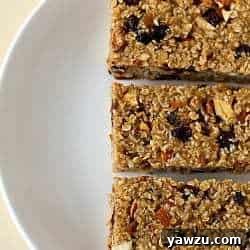
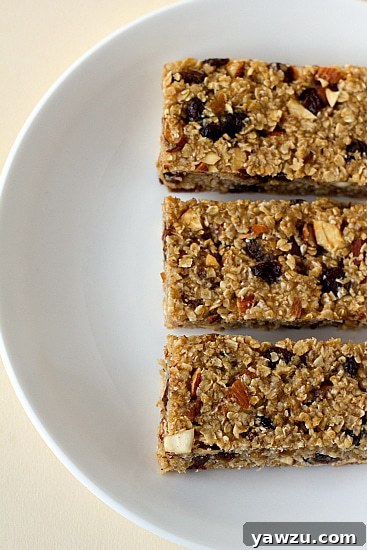
Mastering Homemade Granola Bars: Your Ultimate Guide to Healthy, Customizable Snacks
The infamous 3 PM slump is a universal challenge, a moment when energy levels dip, and the allure of a quick pick-me-up becomes almost irresistible. My own experience with this afternoon energy crash traces back to my early days post-college, toiling away in a monotonous cubicle environment. Back then, my go-to “remedy” was often a Diet Coke paired with whatever processed snack I could grab from a vending machine – usually pretzels or generic granola bars. While the momentary walk to the machine offered a brief mental break, the nutritional payoff of these pre-packaged options was minimal, leaving me longing for a more wholesome and sustained energy boost.
Fast forward to today, and while the setting has shifted from a cubicle to a home office, that midday energy dip still occasionally appears. However, my approach to combating it has fundamentally changed. The realization that store-bought granola bars, despite their healthy-sounding name, often contain excessive sugars, artificial flavors, and preservatives, spurred me to seek a better alternative. This led me on a journey to experiment with homemade granola bars, a venture that has proven to be incredibly rewarding. Not only are these handcrafted delights far superior in taste and texture, but they also offer limitless possibilities for customization, allowing me to create a snack that perfectly aligns with my dietary preferences and energy needs. It’s a true game-changer for anyone looking to embrace healthier eating habits without sacrificing flavor or convenience.
Why Homemade Granola Bars Are a Superior Choice
Opting for homemade granola bars over their store-bought counterparts brings a wealth of benefits that extend beyond just taste. It’s a conscious choice towards healthier living, offering unparalleled control and flexibility in your daily diet:
- Unmatched Freshness and Flavor: Homemade bars boast a freshness that simply cannot be replicated by commercial products designed for long shelf lives. The vibrant flavors of fresh oats, ripe dried fruits, and toasted nuts shine through, creating a snack that is genuinely delicious and satisfying.
- Complete Control Over Ingredients: This is arguably the most significant advantage. You dictate exactly what goes into your bars, allowing you to avoid artificial additives, trans fats, high-fructose corn syrup, and excessive sodium commonly found in mass-produced snacks. This control is invaluable for individuals managing allergies, sensitivities, or specific dietary plans like gluten-free or vegan.
- Endless Customization Options: The ability to tailor every aspect of your granola bar is liberating. Craving something nutty and sweet? Add extra walnuts and chocolate chips. Prefer a tangy, tropical twist? Incorporate dried pineapple and mango. The formula we’ll explore opens doors to an infinite array of flavor profiles, ensuring you never get bored.
- Economical Snacking Solution: While assembling a pantry of quality ingredients might seem like an initial investment, making granola bars from scratch is significantly more cost-effective in the long run than purchasing individual packaged bars. You save money while simultaneously enjoying a higher quality product.
- Enhanced Nutritional Value: By carefully selecting whole grains, lean proteins from nuts and seeds, and natural sweeteners, you create a snack that is genuinely nourishing. These bars provide sustained energy, a good dose of fiber, and essential vitamins and minerals, making them a truly functional food.
- Personal Satisfaction and Culinary Adventure: There’s a unique sense of accomplishment in crafting your own food. Making granola bars is a fun, relatively simple kitchen project that yields tangible, delicious results, boosting confidence in the kitchen and encouraging further culinary exploration.
The Adaptable Granola Bar Formula: Your Blueprint for Infinite Creativity
The secret to consistently great, customizable homemade granola bars lies in understanding a fundamental, versatile formula. This elegant structure, which I first encountered through Good Life Eats, breaks down granola bar creation into five core components. Mastering these elements allows you to become your own granola bar artisan, endlessly experimenting with flavors and textures to suit any mood or occasion.
1. Rolled Grains (2½ cups)
The cornerstone of any hearty granola bar, grains provide the bulk, structure, and a substantial portion of the fiber and complex carbohydrates needed for sustained energy. While rolled oats are the classic and most forgiving choice, exploring other grain flakes can introduce exciting new textures and nutritional benefits.
- Old-Fashioned Rolled Oats: These are the standard, offering a satisfying chewiness and a neutral base that allows other flavors to shine. They contribute to a heartier bar.
- Quick Oats: For a slightly softer, more cohesive bar, quick oats can be used. They absorb moisture faster and lead to a less discernible individual oat texture.
- Rye Flakes: Introduce a denser texture and a distinct, slightly earthy flavor. They are excellent for a more robust and wholesome bar.
- Barley Flakes: Provide a mild, nutty flavor and a tender chewiness that complements various add-ins.
- Mixed Grain Flakes: Many health food stores offer blends of oats, barley, rye, and wheat flakes, providing a diverse nutritional profile and complex texture.
For an extra layer of depth and aroma, consider lightly toasting your chosen grains in a dry pan or on a baking sheet before mixing. This simple step can significantly enhance their nutty flavor.
2. Nuts, Seeds & Spices (1 cup)
This category injects crunch, healthy fats, protein, and aromatic complexity into your granola bars. A thoughtful selection of nuts, seeds, and spices not only elevates the flavor profile but also boosts the nutritional content, making your snack even more beneficial.
- Nuts: Almonds are a classic, providing a clean crunch and mild, buttery flavor. Walnuts offer a richer, slightly bitter note and are packed with omega-3s. Pecans lend a sweet, buttery richness. Pistachios add a unique flavor and vibrant color. Cashews and hazelnuts are also fantastic options for variety.
- Seeds: Sunflower and pumpkin seeds contribute a mild, earthy taste and satisfying texture. Chia seeds and ground flax seeds are nutritional powerhouses, acting as binders while adding fiber and healthy fats. Sesame seeds offer a delicate crunch and nutty aroma.
- Spices: Ground cinnamon is almost mandatory for its warming, sweet notes that complement most ingredients. Ginger adds a zesty, slightly spicy kick. Nutmeg, allspice, or even a touch of cardamom can create more exotic and comforting flavor combinations. Don’t forget a tiny pinch of sea salt to enhance all the other flavors!
Coarsely chopping larger nuts ensures they are well-distributed and integrate seamlessly into each bite. Toasted seeds (especially sesame and sunflower) release a more intense flavor and aroma.
3. Sticky Sweetener (1/3 cup + ¼ cup)
Beyond simply adding sweetness, this component is fundamental for providing the “glue” that holds your granola bars together and contributes to their desirable chewy texture. Opting for natural sticky sweeteners also brings more complex flavors and often some beneficial trace nutrients.
- Honey: A timeless choice, honey delivers a rich, floral sweetness and exceptional binding capabilities, making it a cornerstone in many granola bar recipes.
- Agave Nectar: A popular vegan alternative, agave nectar offers a more neutral sweetness and a slightly thinner consistency than honey.
- Molasses: For a deeper, more robust, and almost caramel-like flavor, molasses is an excellent choice, particularly for darker, more rustic bars.
- Maple Syrup: With its distinctive, comforting flavor, pure maple syrup pairs beautifully with oats and nuts, offering a nuanced sweetness.
- Brown Rice Syrup: Known for its mild sweetness and excellent binding properties, it’s another great option for a sticky base.
The exact quantity of sweetener can be adjusted slightly based on your personal preference and the inherent sweetness of your chosen dried fruits. The stickiness is paramount for cohesion.
4. Dried Fruits (1 cup)
Dried fruits are the natural gems of your granola bars, infusing them with concentrated bursts of sweetness, delightful chewiness, and a healthy dose of fiber, vitamins, and antioxidants. Their diversity allows for incredible personalization and flavor exploration.
- Classic Favorites: Raisins, dried cranberries, and chopped dried apricots are go-to choices, offering a lovely balance of tartness and sweetness.
- Rich & Indulgent: Chopped dates and dried figs provide a deep, caramel-like sweetness and a wonderfully soft, chewy texture. When pureed, they also contribute significant binding power.
- Tropical Delights: Diced dried pineapple, mango, or even papaya can transport your taste buds to sunnier climates with their vibrant flavors.
- Berry Bliss: Dried blueberries or cherries introduce a fantastic tart-sweet contrast and beautiful color.
Ensure all dried fruits are chopped into small, uniform pieces. This not only aids in even distribution throughout the bars but also prevents them from becoming too clumpy or difficult to chew. If your dried fruits seem a bit hard, a quick soak in warm water for 10-15 minutes can rehydrate them, making them softer and easier to chop.
5. Binder (1 cup)
The binder is the unsung hero of the granola bar formula, responsible for holding all the ingredients together, providing essential moisture, and contributing to that perfectly soft and chewy texture. This component often adds a significant nutritional boost as well.
- Pureed Dried Fruit: A powerful natural binder, pureed dates, figs, or prunes (often blended with a splash of water) offer intense sweetness and a dense, sticky consistency without relying on added sugars.
- Nut Butters: Natural peanut butter, almond butter, or cashew butter are excellent choices, imparting richness, healthy fats, and protein, along with strong binding capabilities. Opt for unsweetened, natural varieties to control sugar content.
- Fruit Purees: Unsweetened applesauce, pumpkin puree, or mashed banana are fantastic for adding moisture, natural sweetness, and a soft texture, while keeping fat content lower.
- Apple Butter: This concentrated fruit spread is another superb option, contributing a spiced, fruity flavor and effective binding.
The choice of binder will profoundly influence the final flavor and texture of your granola bars. A nut butter will result in a richer, denser bar, while a fruit puree will yield a lighter, fruitier, and often softer outcome.
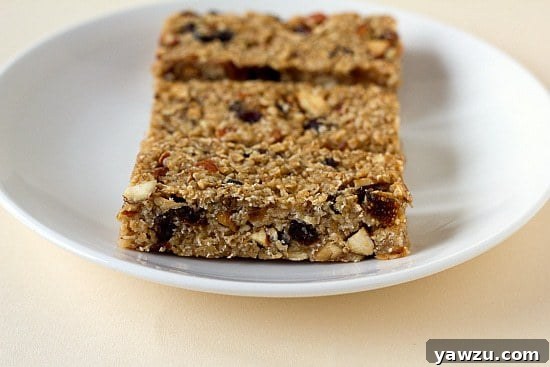
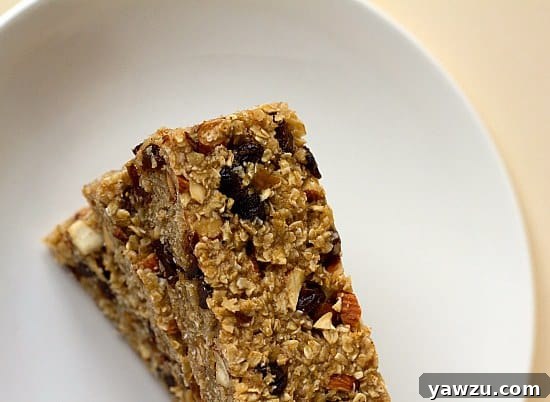
Recently, I put this adaptable formula to the test during a “pantry clean-out” mission. I gathered the last remnants of dried dates, figs, and raisins, which serendipitously amounted to almost exactly one cup. These were paired with a handful of chopped almonds, a generous measure of honey for stickiness, and the last bit of unsweetened applesauce from my fridge to act as the binder. The resulting granola bars were not only incredibly delicious but also triggered a delightful culinary epiphany! Their flavor profile immediately reminded me of the rich, spiced fruit filling in the Cucidati Italian fig cookies I’ve made in the past. Those delightful cookies feature a filling comprising pureed figs, dates, raisins, walnuts, honey, and a hint of orange marmalade. Inspired, I instantly knew my next batch of granola bars would be a direct homage: I’m already planning to swap the almonds for walnuts and incorporate orange marmalade instead of applesauce. The thought of Cucidati-inspired granola bars is incredibly exciting!
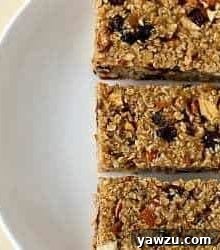
Fig, Date & Almond Granola Bars
Deliciously chewy and wholesome snack bars packed with nutritious dried fruit and crunchy almonds, perfect for a natural energy boost or a satisfying treat.
Yield: 8 to 12 bars (depending on how large you cut them)
Prep Time: 15 minutes
Cook Time: 25 minutes
Total Time: 40 minutes
Pin Recipe
Ingredients
- 1 cup (244 g) unsweetened applesauce
- ⅓ cup (113 ml) + ¼ cup honey
- 1 teaspoon ground cinnamon
- ¾ teaspoon (0.75 teaspoon) vanilla extract
- 2½ cups (202.5 g) rolled oats (old-fashioned or quick, see note)
- 1 cup (143 g) chopped almonds
- ⅓ cup (49.67 g) chopped dried figs
- ⅓ cup (49 g) chopped dried dates
- ⅓ cup (48.33 g) raisins
Instructions
- Preheat your oven to 325 degrees F (160 degrees C). Prepare an 8×8-inch baking pan by lining it with parchment paper, allowing the paper to overhang on two opposite sides. This “sling” will make it easy to lift the finished bars out of the pan.
- In a large mixing bowl, combine the unsweetened applesauce, honey, ground cinnamon, and vanilla extract. Whisk these wet ingredients together thoroughly until they are well blended and form a cohesive liquid base.
- Add the rolled oats to the wet mixture. Stir vigorously with a sturdy spoon or spatula, making sure that every oat flake is evenly moistened and coated by the liquid mixture. This step is critical for ensuring the bars bind together properly.
- Next, fold in the chopped almonds, dried figs, chopped dates, and raisins. Continue to mix until all the dry components are uniformly distributed throughout the oat mixture, ensuring every bar will have a delightful mix of flavors and textures.
- Transfer the entire granola bar mixture into the prepared baking pan. Using the back of a spoon, a spatula, or even your hands (lightly greased if sticking is an issue), press the mixture down very firmly and evenly into the pan. Compacting it tightly is crucial for creating dense, well-formed bars that won’t crumble when cut.
- Bake in the preheated oven for 25 minutes. The bars should appear lightly golden brown around the edges and feel set in the center. Avoid overbaking, as this can make the bars too dry.
- Remove the pan from the oven and let it cool completely on a wire rack at room temperature. For optimal firmness and ease of cutting, transfer the cooled pan to the freezer and chill for at least 1 hour, or until the entire slab of granola is very firm.
- Once thoroughly chilled and firm, use the parchment paper overhang to carefully lift the entire slab out of the baking pan. Place it on a clean cutting board and, using a sharp knife, cut it into your desired bar size. This recipe typically yields between 8 to 12 bars.
- Store the homemade granola bars in an airtight container. They will keep well at room temperature for up to 1 week, or in the refrigerator for extended freshness (up to 2 weeks).
Recipe Note on Oats:
During my recipe development, I experimented with both traditional old-fashioned rolled oats and quick oats. I personally found that quick oats tend to produce a slightly softer, more uniform bar with a less pronounced chew. However, my mom, a trusted taste-tester, expressed a preference for the heartier, more rustic texture provided by traditional rolled oats. This highlights that the choice between oat types is largely a matter of personal taste and desired consistency. Feel free to use whichever variety you have readily available or conduct your own taste test to determine which you enjoy most!
Nutritional Information (per serving, estimated for 8 bars):
- Calories: 292 kcal
- Carbohydrates: 46g
- Protein: 7g
- Fat: 10g
- Sodium: 4mg
- Potassium: 342mg
- Fiber: 6g
- Sugar: 19g
- Vitamin A: 10 IU
- Vitamin C: 0.7mg
- Calcium: 67mg
- Iron: 2.1mg
Did you make this delightful recipe?
We’d love to hear about your experience! Please consider leaving a review below to share your thoughts. And if you snap a picture of your amazing creations, don’t forget to tag @thebrowneyedbaker on Instagram so we can see them!
Author: Michelle Lettrich
Course: Snack
Cuisine: American