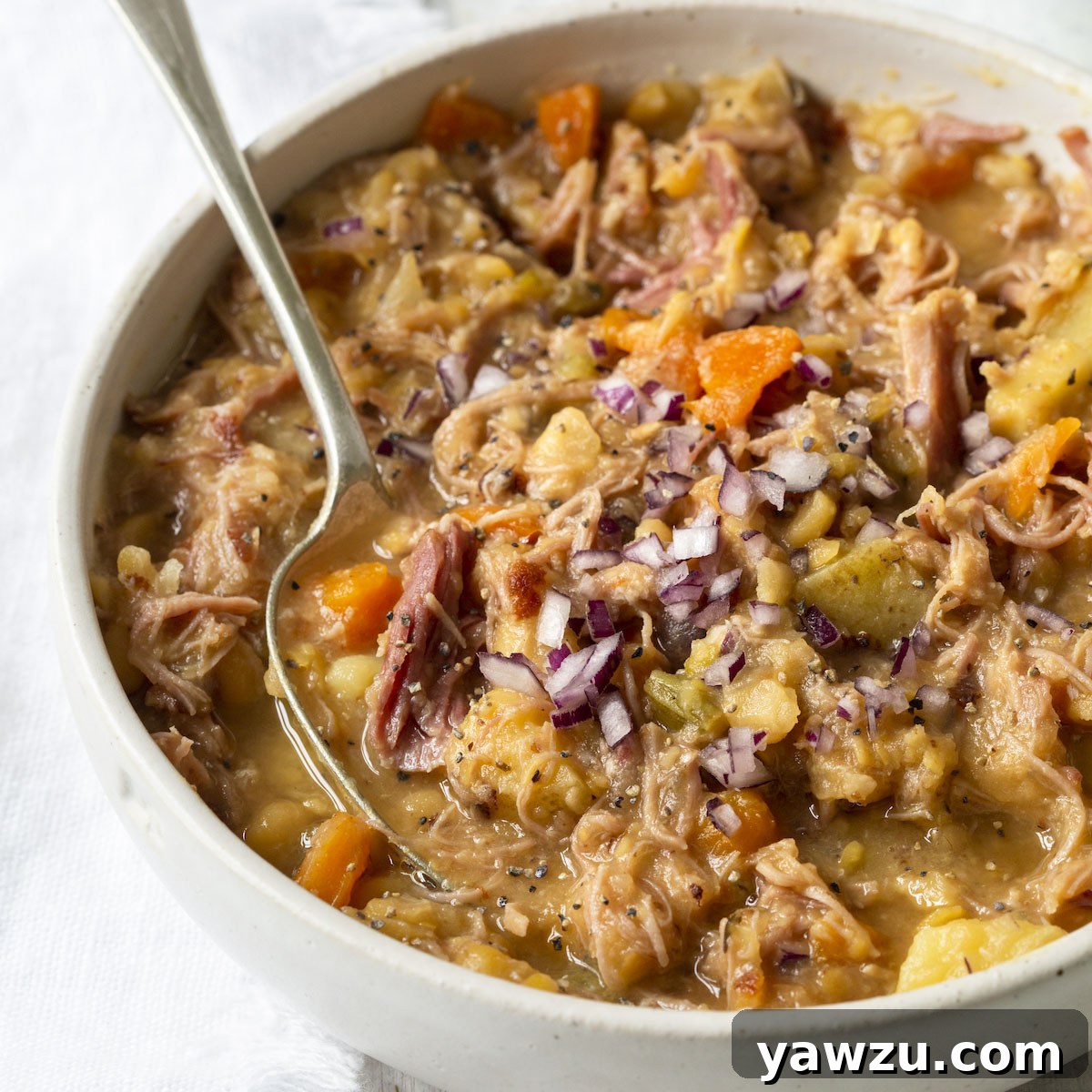
Hearty Ham and Split Pea Soup: A Classic Comfort Food Recipe
There’s nothing quite like a steaming bowl of soup on a chilly day to warm you from the inside out. This isn’t just any soup; this is a profoundly satisfying Ham and Split Pea Soup—a dish that’s hearty, smoky, and boasts a subtle sweetness that truly captivates the palate. It’s the kind of meal that wraps you in a comforting embrace, reminiscent of simpler times and cherished family recipes. Forget what you think you know about split pea soup; this rendition promises to redefine your expectations with its rich flavors and irresistible texture.
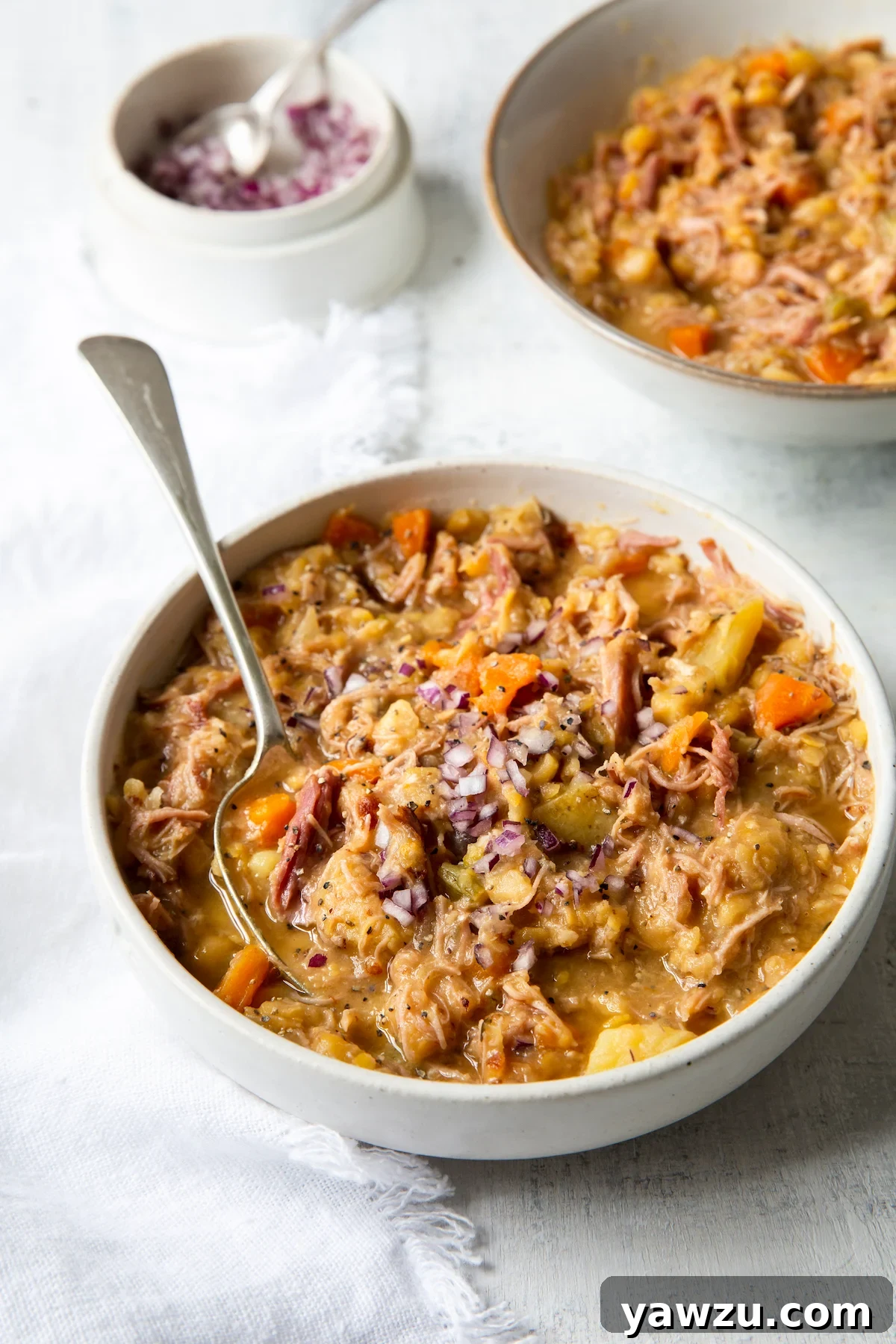
Let’s be honest, split pea soup might not always win awards for its visual appeal. Its humble green or yellow hue can sometimes be deceptive. But as the old adage goes, you can’t judge a book by its cover, and the same absolutely applies to this incredible soup! For many years, I shared a similar initial hesitation. My grandmother often made this growing up, and I wouldn’t dare go near it. However, a turning point came many years ago when I decided to prepare a pot for her after she returned home from a hospital stay. That’s when I had my culinary awakening and truly realized that Ham and Split Pea Soup is, indeed, good stuff—exceptionally good, in fact.
I’m not sure exactly what preconceived notions I had, but this soup surprised me with its incredible depth of flavor and wonderfully thick, hearty consistency. It instantly became a staple in my kitchen, a dish I now return to again and again throughout the cold winter months. The secret to its unparalleled taste lies in a key component: making your own flavorful stock from a ham and its bone. Much like a homemade cream of mushroom soup or a rich turkey stock, crafting your own ham stock infuses the soup with a profound depth and savory richness that simply cannot be replicated by store-bought alternatives. It’s an extra step that pays dividends in flavor, transforming a good soup into an unforgettable one.
Why Homemade Ham Stock Makes All the Difference
While convenience often dictates our cooking choices, there are certain recipes where a little extra effort yields exponential rewards. Ham and Split Pea Soup is one such dish, and the cornerstone of its exceptional flavor is undoubtedly the homemade ham stock. Using a bone-in ham allows you to extract all those wonderful savory notes and gelatinous richness that contribute to the soup’s luxurious texture and complex taste. This slow extraction of flavor during the stock-making process forms the foundation upon which the entire soup is built, providing a savory backbone that elevates every other ingredient.
When you simmer a ham bone, especially a smoked one, you’re not just getting a liquid; you’re creating a concentrated essence of ham. This homemade stock offers a nuanced smoky and savory profile that packaged broths simply can’t match. It deepens the overall flavor of the soup, making it taste truly authentic and robust. Furthermore, the natural gelatin released from the bone contributes to the soup’s desirable thick, velvety consistency as the peas break down. It’s a simple step that requires patience but guarantees a richer, more satisfying result than any store-bought broth could ever provide.
Essential Ingredients for Your Perfect Split Pea Soup
Crafting this classic split pea soup requires simple, wholesome ingredients that come together to create a symphony of flavors. Here’s a comprehensive list of what you’ll need to gather:
- Smoked, Bone-In Picnic Ham: This is the star ingredient! Opt for a bone-in ham, as the bone is absolutely crucial for making that rich, homemade stock that forms the soul of your soup. The smoked variety adds an irreplaceable depth of flavor.
- Bay Leaves: These aromatic leaves infuse the stock and soup with a subtle, earthy, and slightly floral note, enhancing the overall savory profile.
- Split Peas: The namesake ingredient! You can choose between yellow or green varieties. Your finished soup will naturally take on the beautiful hue of whichever pea color you select. Ensure they are rinsed and picked through to remove any small debris.
- Dried Thyme: A classic herb pairing for ham and peas, thyme adds a warm, earthy, and slightly minty flavor. If you prefer using fresh thyme, simply use 2-3 times the amount for comparable flavor intensity.
- Extra-Virgin Olive Oil: Used for sautéing your aromatic vegetables, providing a flavorful base.
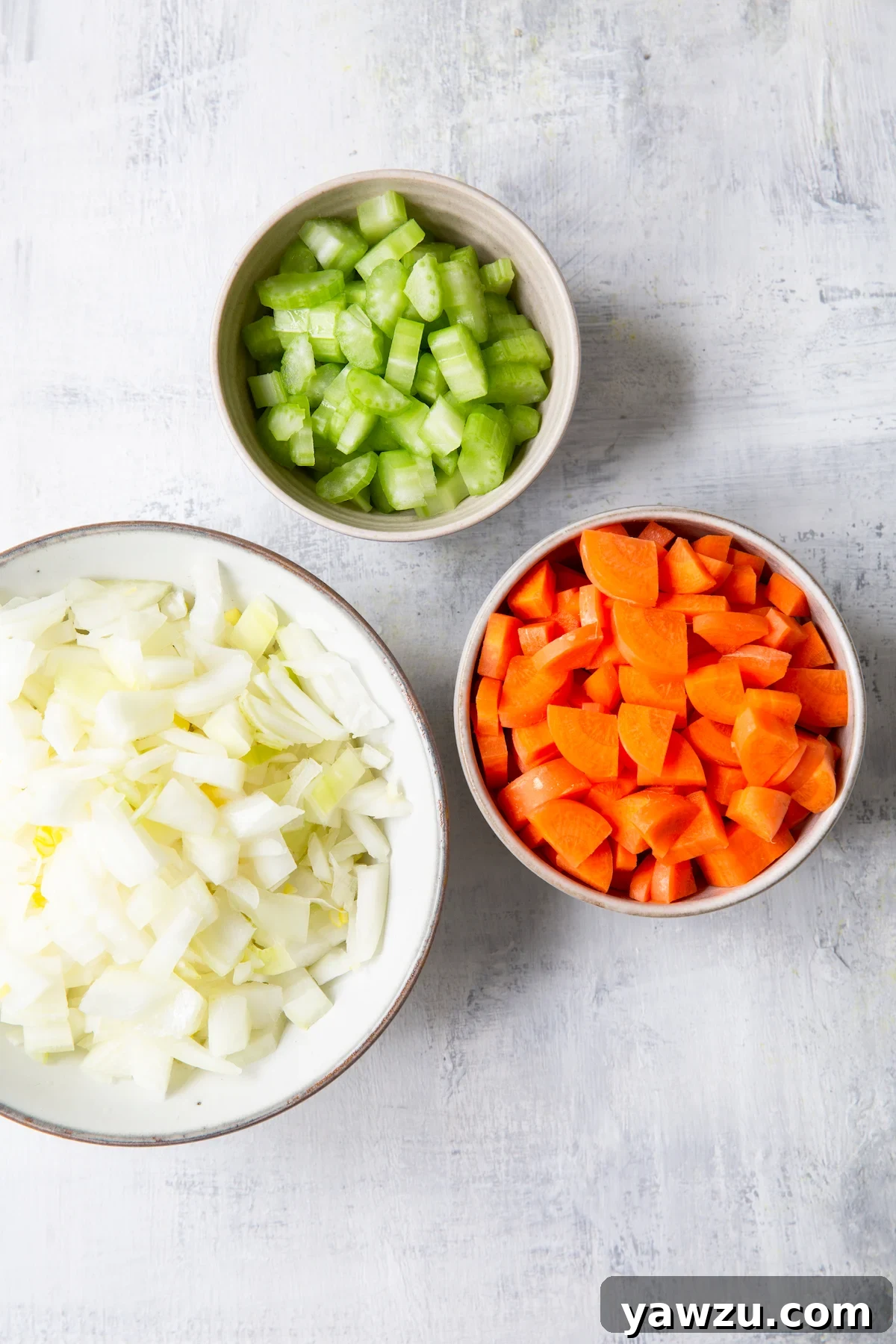
- Onions: Medium-sized onions, chopped, are essential for the mirepoix, contributing sweetness and savory depth as they caramelize.
- Carrots: Chopped medium, carrots add natural sweetness, a vibrant color, and essential nutrients to the soup.
- Celery: Medium stalks, chopped, provide a distinct aromatic flavor and texture to the mirepoix, completing this foundational flavor trio.
- Unsalted Butter: A small amount of butter added to the sautéing vegetables helps to enrich their flavor and achieve a beautiful deep brown color.
- Garlic: Minced garlic offers a pungent and aromatic kick that complements the other savory ingredients beautifully.
- Sugar: Just a pinch of sugar is added during the sautéing process. It’s not for making the soup sweet, but rather to help coax out and enhance the natural sweetness of the peas and vegetables, balancing the smoky ham.
- New Potatoes: Small new potatoes, scrubbed and diced into ½-inch pieces, add a lovely starchy element that thickens the soup further and provides textural contrast. Red potatoes or Yukon Gold potatoes are excellent substitutes if new potatoes are unavailable.
- Ground Black Pepper: Used to season the soup to taste, adding a gentle heat and aromatic finish. Salt will be added at the very end due to its effect on split peas.
- Red Onion: An optional but highly recommended garnish. Minced red onion provides a fresh, sharp crunch and a zesty bite that contrasts wonderfully with the rich, creamy soup.
- Balsamic Vinegar: I strongly recommend using a high-quality, slightly syrupy balsamic vinegar as a finishing swirl. Its acidity and complex sweetness brighten the entire dish, cutting through the richness and adding an elegant touch.
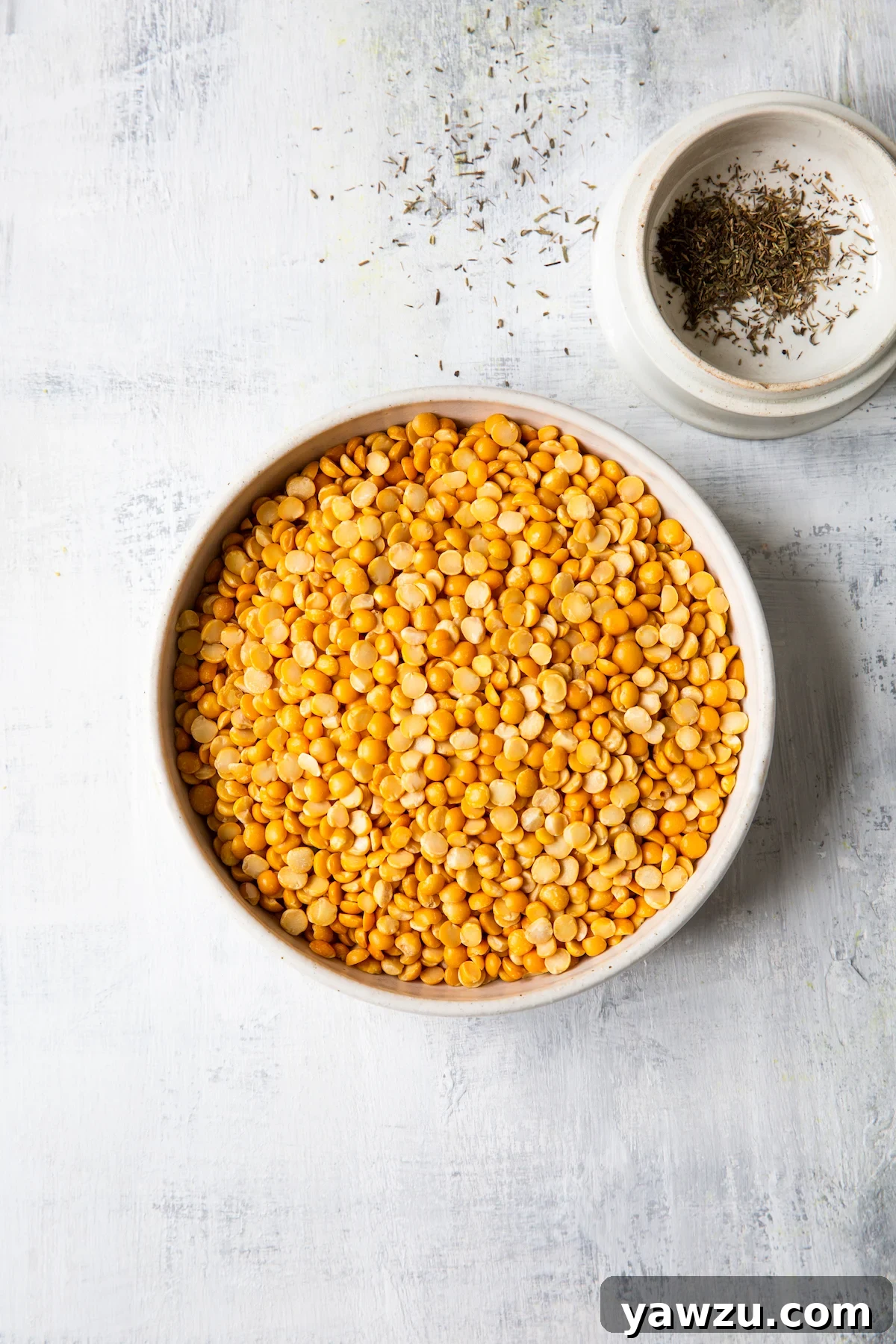
Green vs. Yellow Split Peas: What’s the Difference?
When preparing split pea soup, you have the option of using either yellow or green split peas. Both varieties offer similar nutritional profiles and generally have comparable cooking times, making them interchangeable in most recipes. Beyond their distinct colors—green being more vibrant and yellow having a softer, golden hue—the primary difference lies in their flavor profiles.
Yellow split peas tend to possess a slightly earthier, milder flavor, often drawing comparisons to red lentils with their subtle, almost nutty undertones. They create a soup with a more subdued color and a comforting, mellow taste. Green split peas, on the other hand, have a more pronounced “pea” flavor; they are notably sweeter and fresher-tasting, yielding a brighter green soup. The choice between the two largely comes down to personal preference for color and the nuanced flavor you wish to achieve. For a classic, slightly sweeter pea flavor, green is often preferred, while yellow offers a gentler, more savory canvas.
Step-by-Step Guide: Crafting Your Ham and Split Pea Soup
Patience is a virtue, especially when it comes to developing deep flavors in soup. Slow simmering is the unequivocal key to achieving both a superior ham stock and an utterly delicious, velvety split pea soup. This recipe isn’t a quick fix, but the time invested will be richly rewarded with a meal that tastes like it’s been lovingly prepared for hours. Good things truly do come to those who wait!
- Make the Ham Stock: Begin by placing your smoked, bone-in picnic ham and bay leaves into a large stockpot or Dutch oven. Add 3 quarts of cold water, ensuring the ham is mostly submerged. Cover the pot and bring the contents to a rolling boil over medium-high heat. Once boiling, reduce the heat significantly to low, allowing the stock to simmer gently. Continue simmering until the ham meat is incredibly tender and easily pulls away from the bone, a process that typically takes between 2 to 2½ hours. This slow simmer is crucial for extracting maximum flavor from the ham bone.
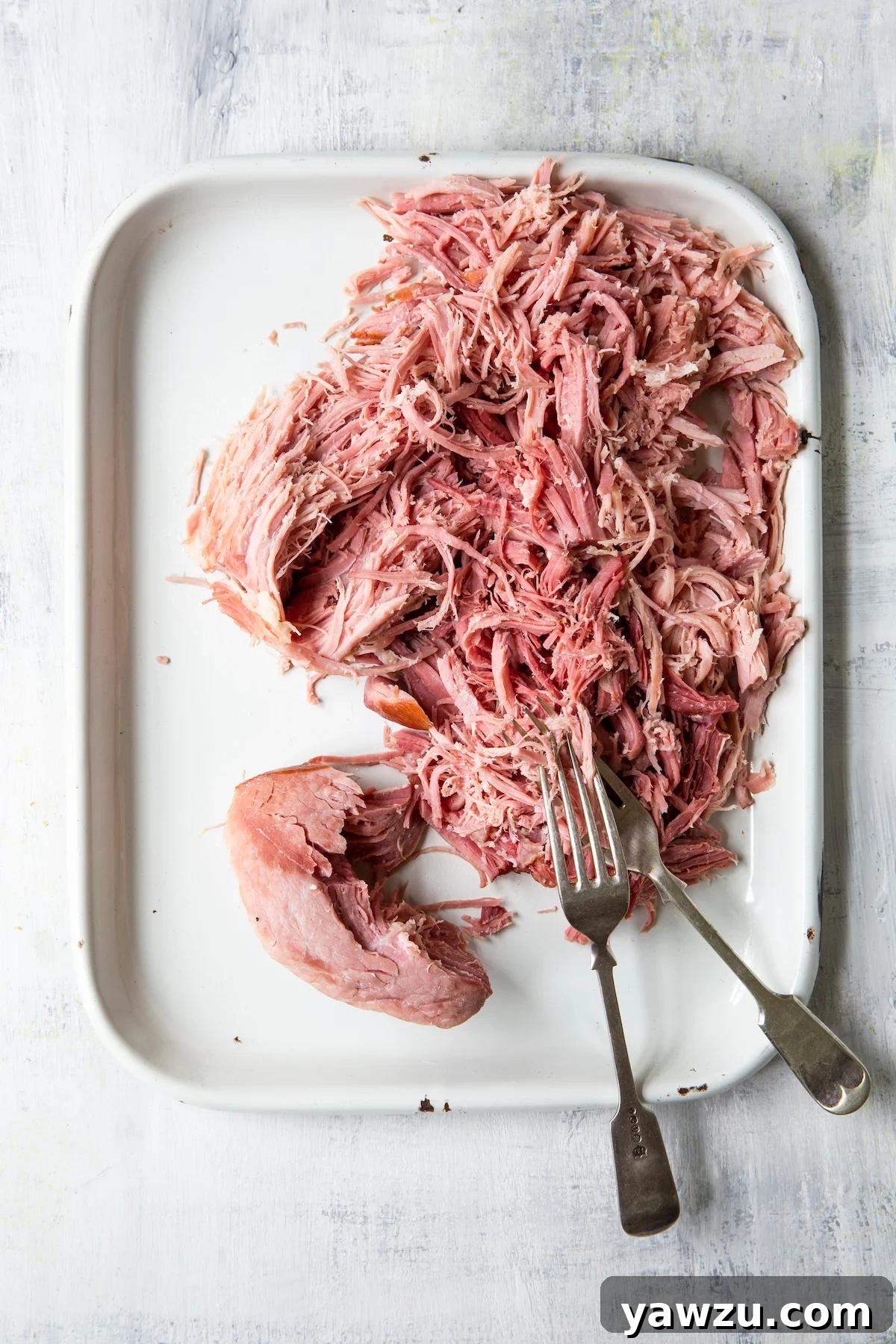
- Prepare the Ham for the Soup: Carefully remove the tender ham meat and bone from the stockpot and transfer them to a platter or cutting board. Allow the ham to cool slightly, making it safe and easier to handle. Once cooled, shred the cooked ham meat into bite-sized pieces; these will be added back to the soup later. Discard the ham rind, any excess fat, and the bone—its flavor contribution to the stock is now complete.
- Cook the Split Peas: Return to your stockpot, now filled with that precious ham stock. Add the rinsed split peas and dried thyme directly into the stock. Increase the heat to bring the mixture back to a boil, then reduce it once more to a gentle simmer. Cook the peas, uncovered, until they are tender but haven’t completely dissolved into mush. This usually takes about 45 minutes. They should be soft but still retain a bit of their shape before they fully break down later.
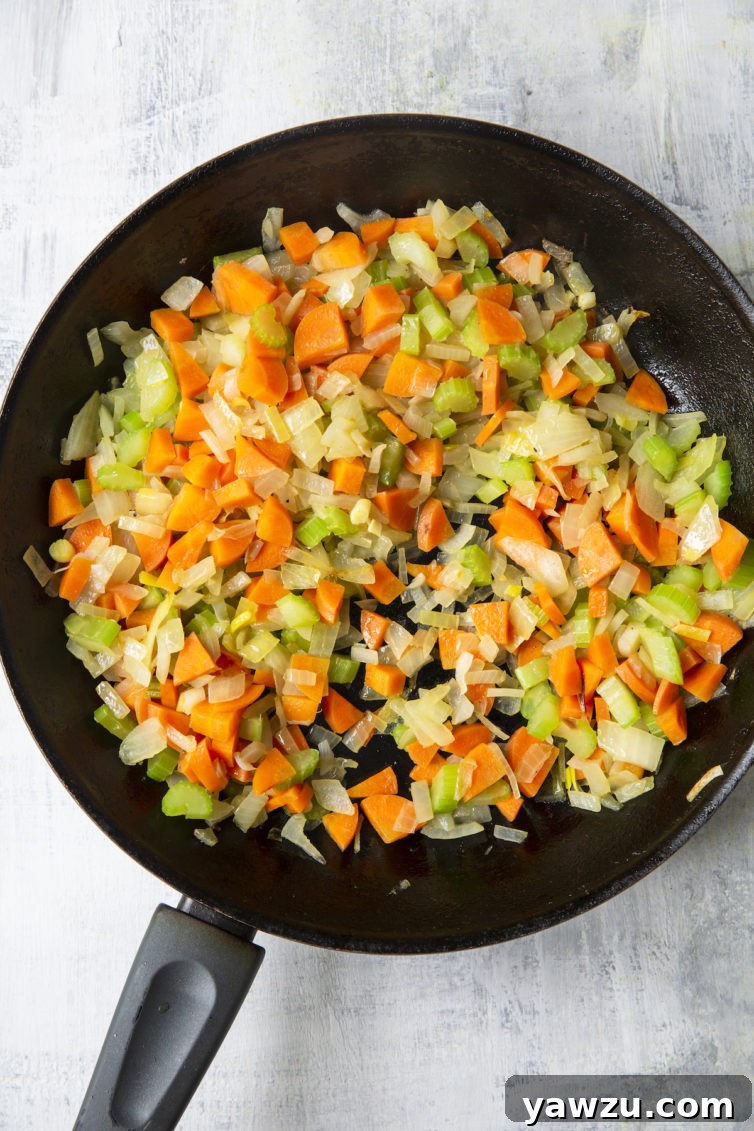
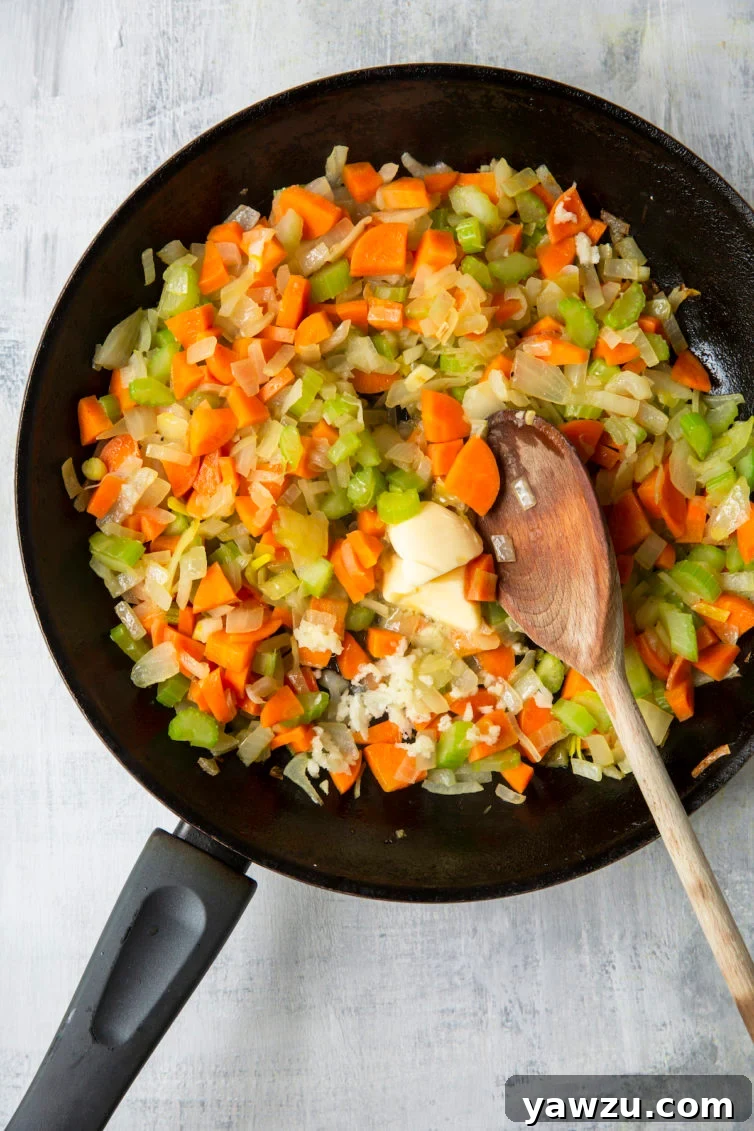
- Sauté the Mirepoix: While the split peas are happily simmering, begin preparing your aromatic vegetables. Heat the extra-virgin olive oil in a large skillet over high heat until it shimmers. Add the chopped onions, carrots, and celery (the classic mirepoix) and sauté, stirring frequently. Cook until most of the liquid has evaporated and the vegetables begin to take on a light brown color, which should take about 5 to 6 minutes. This initial browning kickstarts flavor development. Now, reduce the heat to medium-low, add the unsalted butter, minced garlic, and a pinch of sugar. Continue to cook the vegetables, stirring frequently and patiently, until they are deeply browned and caramelized, a process that will take a significant 30 to 35 minutes. This slow, deep browning is essential for creating a complex, sweet, and savory base for your soup. Once achieved, set the sautéed mirepoix aside.
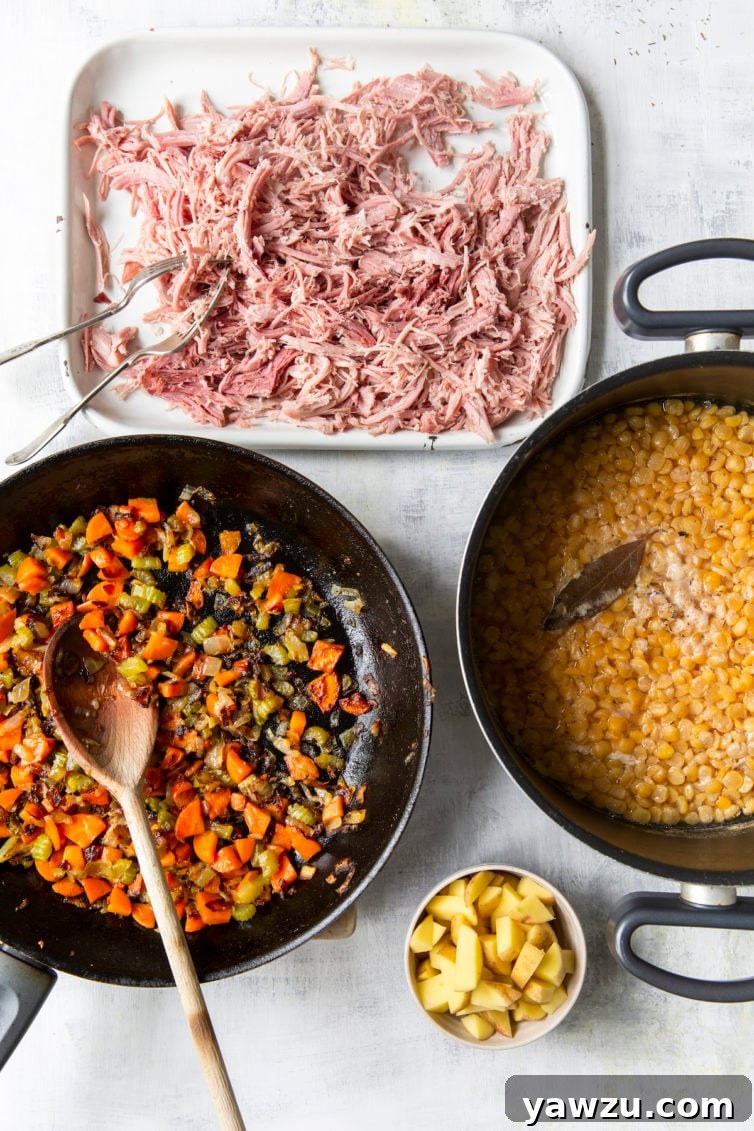
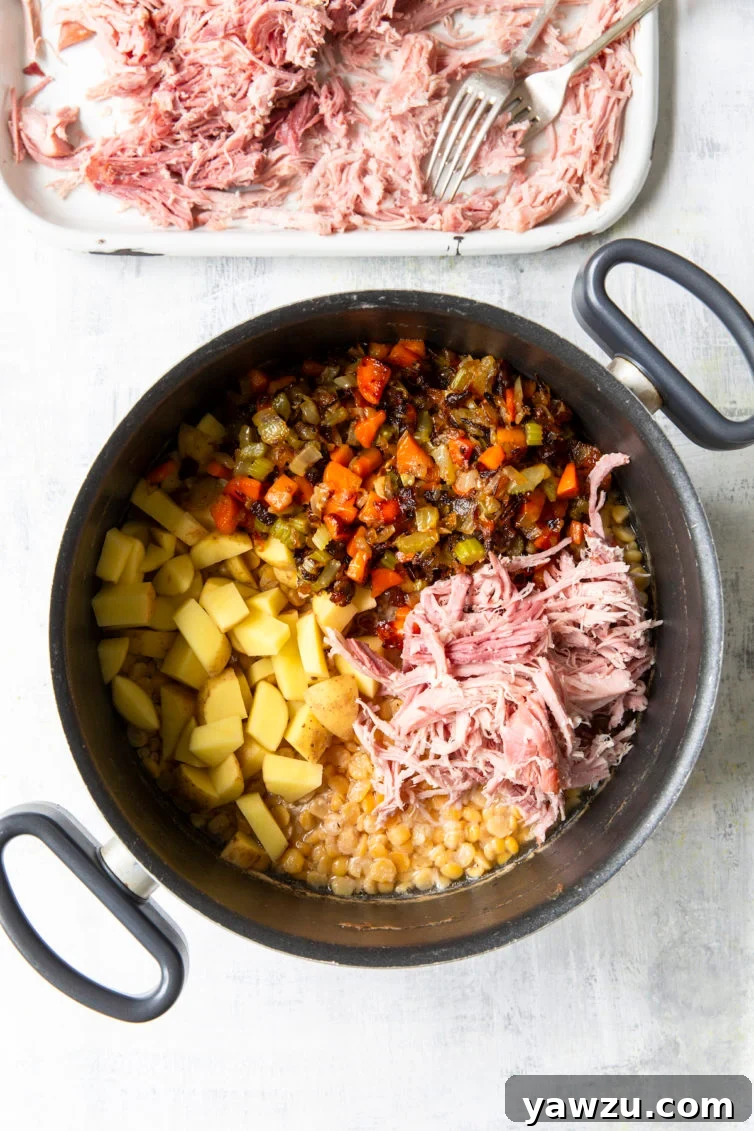
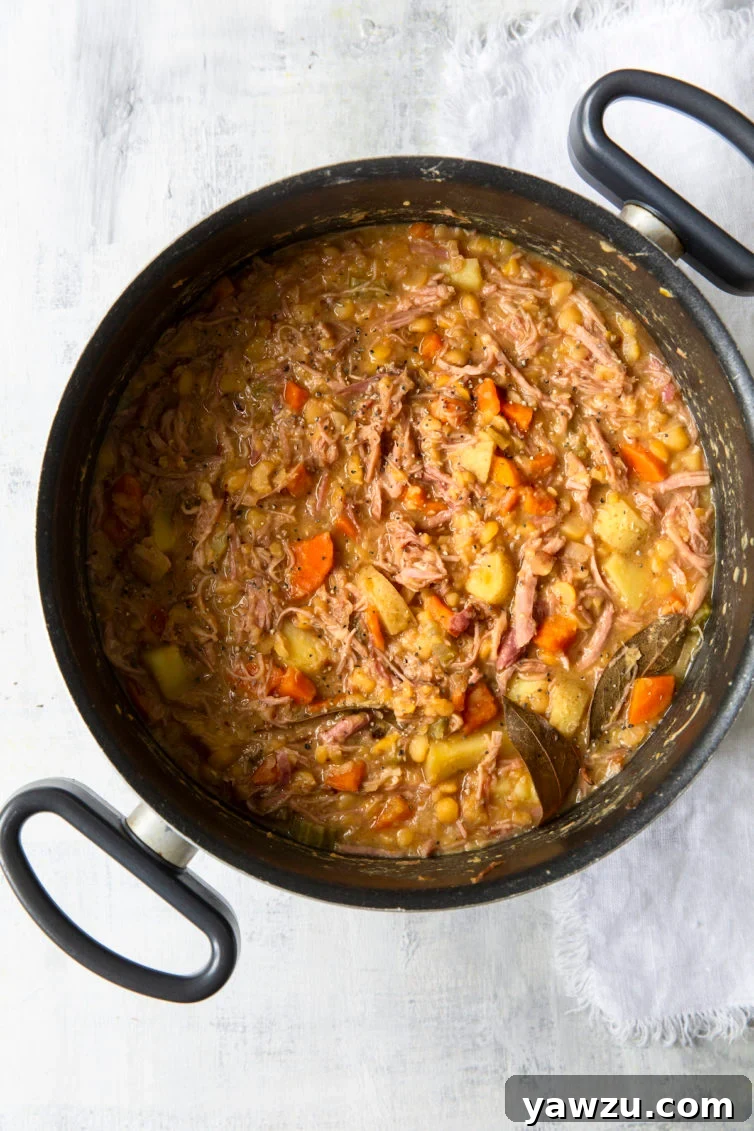
- Finish the Soup: Now it’s time to bring all the delicious components together. Add the deeply browned sautéed vegetables, the diced new potatoes, and the shredded ham meat to the pot with the simmering split peas and stock. Stir everything gently to combine. Continue to simmer the soup, uncovered, until the potatoes are completely tender and the split peas have fully dissolved, thickening the soup to a wonderfully creamy consistency resembling light cream. This final simmer usually takes about 20 minutes. Once thickened to your liking, season the soup generously with ground black pepper to taste. Only now, if needed, add salt, tasting as you go. Before serving, remember to remove and discard the bay leaves.
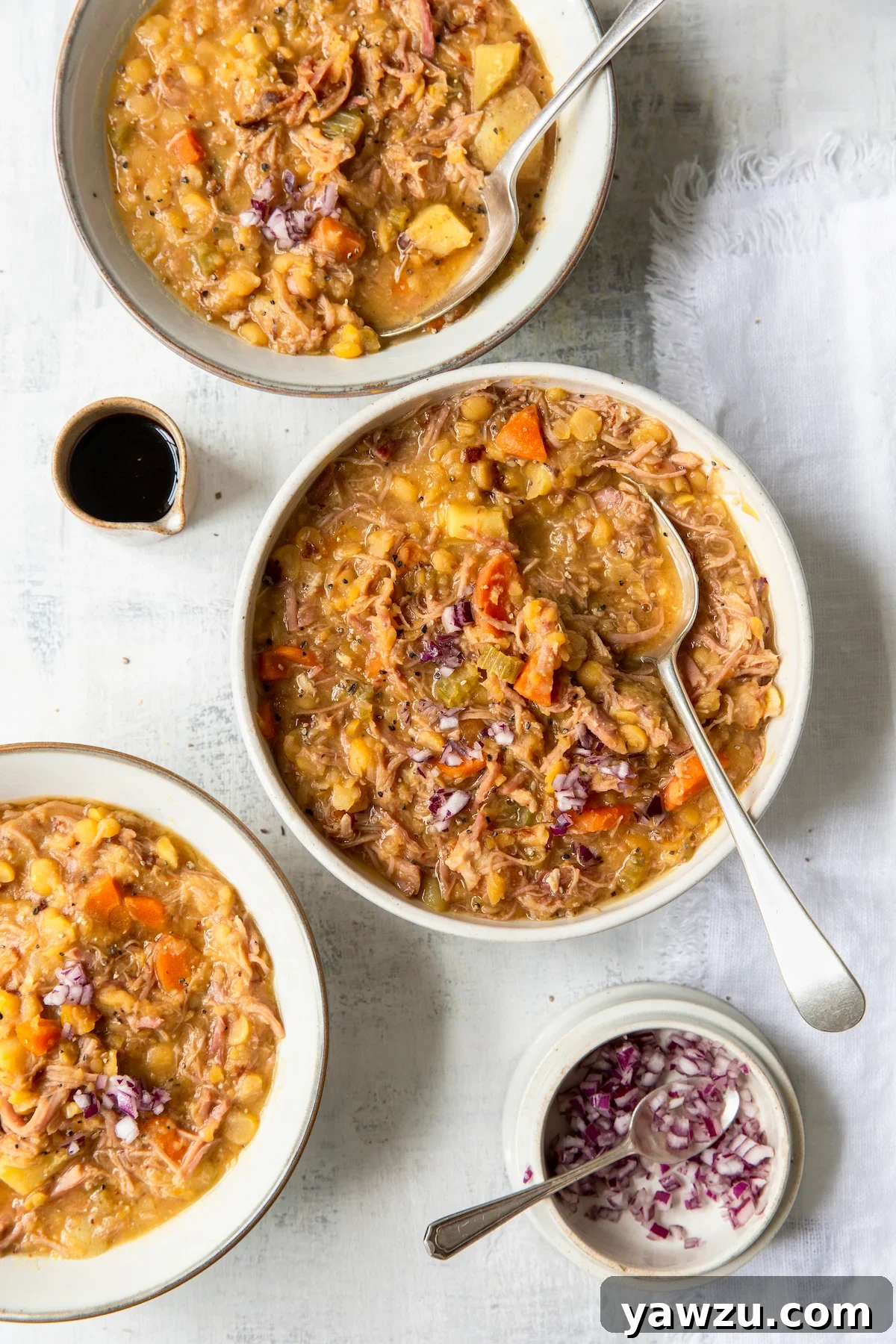
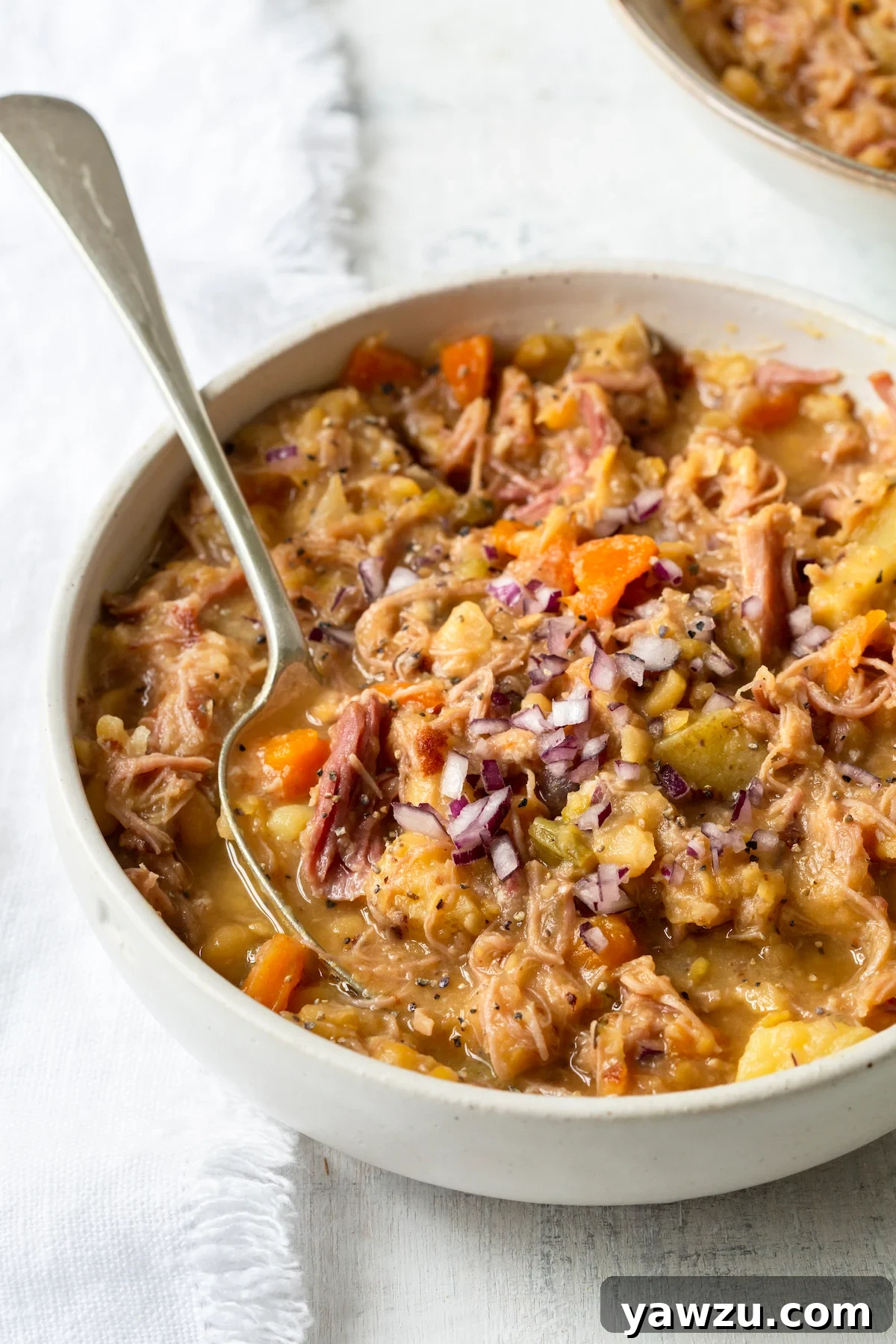
- Serve and Garnish: Ladle the hot, fragrant Ham and Split Pea Soup into individual serving bowls. For an exquisite finish, drizzle each bowl with a swirl of high-quality balsamic vinegar. The vinegar’s bright acidity and subtle sweetness provide a delightful counterpoint to the soup’s richness. If using, sprinkle a generous amount of minced red onions over the top for a fresh, sharp crunch that adds another layer of texture and flavor. Serve immediately with crusty bread for dipping, if desired.
Expert Tips for a Flawless Ham and Split Pea Soup
Achieving the perfect pot of Ham and Split Pea Soup is simpler with a few insider tricks. Here are some expert tips to ensure your soup is absolutely perfect every time:
- Troubleshooting Your Split Peas: If your split peas seem stubbornly firm and aren’t softening during the simmering process, they might be a bit older. While they will eventually soften, you may need to extend the cooking time. Keep an eye on the liquid level; if too much stock boils off, add a little more water or fresh ham stock to ensure the peas have enough liquid to fully hydrate and break down.
- Resist Salting the Stock Early: This is a crucial tip! Adding salt to the ham stock or early in the cooking process can actually prevent your split peas from softening properly. Salt has a hardening effect on legumes. To avoid this, refrain from adding any additional salt until the very end of the recipe, after the peas and potatoes are fully tender. Your ham may also contribute significant saltiness, so tasting at the end allows for proper adjustment.
- Ensure Uniform Potato Size: For even cooking, make sure to cut your new potatoes (or red/Yukon Gold potatoes) into uniform ½-inch dice. This consistency ensures that all the potatoes cook at the same rate. If they are unevenly sized, some pieces will be crunchy and undercooked, while others will be mushy and falling apart.
- Don’t Rush the Mirepoix: The step of sautéing the onions, carrots, and celery until they are deeply browned might seem lengthy, but it’s vital for building complex flavors. This caramelization process develops natural sweetness and savory notes through the Maillard reaction. Resist the urge to rush this step; low and slow truly wins the race here.
- Taste and Adjust Seasoning: Always taste your soup before serving. The saltiness from the ham can vary, so it’s essential to adjust black pepper and any additional salt at the very end. A final splash of balsamic vinegar or a squeeze of lemon can brighten flavors.
Storing and Reheating Your Delicious Leftovers
One of the best things about Ham and Split Pea Soup is that it often tastes even better the next day, as the flavors have more time to meld and deepen. If you find yourself with leftovers, store the soup in an airtight container and refrigerate it promptly. It will keep beautifully in the refrigerator for up to 2-3 days. When you’re ready to enjoy it again, gently reheat the soup over low heat on the stovetop, stirring occasionally, until it is thoroughly warm. You might need to add a splash of water or stock if the soup has thickened too much in the fridge.
Can You Freeze Ham and Split Pea Soup?
Absolutely, Ham and Split Pea Soup freezes exceptionally well, making it a fantastic meal-prep option! To freeze, ensure the soup has cooled completely to room temperature. Ladle it into freezer-safe airtight containers or heavy-duty freezer bags, leaving a little headspace if using containers, as liquids expand when frozen. It can be stored in the freezer for up to 2 months without significant loss of quality. For the best results when reheating, transfer the frozen soup to the refrigerator overnight to thaw. Once thawed, simmer it gently on the stovetop over low heat, adding a little extra water or stock if needed to reach your desired consistency. Freezing this soup allows you to enjoy its comforting flavors whenever a craving strikes!
Frequently Asked Questions (FAQ) About Ham and Split Pea Soup
- Do I need to soak split peas before cooking?
- No, split peas generally do not require soaking before cooking. Unlike whole dried peas or beans, split peas have their outer skin removed, allowing them to cook more quickly and absorb water readily without presoaking. Just a good rinse is sufficient.
- What kind of ham should I use?
- A smoked, bone-in picnic ham is highly recommended for its flavor and for providing the bone for stock. You can also use ham hocks for the stock if you prefer a leaner ham for the shredded meat, or use leftover ham bone from a holiday meal. The key is to have that bone for the deep, smoky stock.
- Can I make this soup in a slow cooker?
- Yes, you can adapt this recipe for a slow cooker. You would still make the ham stock separately on the stovetop first, as slow cookers don’t always achieve the necessary boil for initial stock creation. Once the stock is made and ham is shredded, you can combine the stock, peas, thyme, sautéed mirepoix, potatoes, and ham in the slow cooker and cook on low for 4-6 hours or until peas and potatoes are tender. Remember to sauté the mirepoix separately for maximum flavor development.
- My soup is too thick/thin. How do I fix it?
- If your soup is too thick, simply stir in additional water or ham stock a little at a time until it reaches your desired consistency. If it’s too thin, you can continue to simmer it uncovered for a bit longer to allow more liquid to evaporate and the peas to break down further. Alternatively, you can mash some of the peas with the back of a spoon against the side of the pot for a thicker consistency.
- What can I serve with Ham and Split Pea Soup?
- This hearty soup is a meal in itself, but it pairs wonderfully with simple accompaniments. Crusty bread or warm rolls are perfect for dipping. A light, fresh green salad with a vinaigrette dressing provides a nice counterpoint to the richness of the soup. Cornbread or even a simple grilled cheese sandwich also make excellent companions.
Ham and Split Pea Soup Recipe Card
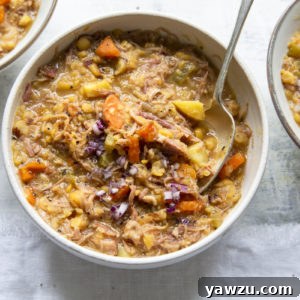
Ham and Split Pea Soup
Yield: 6 servings
Prep Time: 30 mins
Cook Time: 5 hrs
Total Time: 5 hrs 30 mins
Hearty and smoky with just a hint of sweetness, this Ham and Split Pea Soup is the perfect meal for a chilly day.
Ingredients
- 2.5 pounds (1.13 kg) smoked, bone-in picnic ham
- 4 bay leaves
- 1 pound (453.59 g) split peas, rinsed and picked through (2½ cups)
- 1 teaspoon dried thyme
- 2 tablespoons extra-virgin olive oil
- 2 medium onions, chopped medium
- 2 medium carrots, chopped medium
- 2 medium stalks celery, chopped medium
- 1 tablespoon unsalted butter
- 2 medium cloves garlic, minced
- Pinch sugar
- 3 small new potatoes, scrubbed and cut into ½-inch dice (about ¾ cup)
- Ground black pepper, to taste
- Minced red onion, optional (for garnish)
- Balsamic vinegar, optional (for garnish)
Instructions
- Place the ham, bay leaves, and 3 quarts water in a large stockpot or Dutch oven. Cover and bring to a boil over medium-high heat. Reduce the heat to low and simmer until the meat is tender and pulls away from the bone, 2 to 2½ hours. Remove the ham meat and bone from the pot. When the ham is cool enough to handle, shred the meat into bite-sized pieces and set aside. Discard the rind, fat, and bone.
- Add the split peas and thyme to the ham stock. Bring back to a boil, reduce the heat, and simmer, uncovered, until the peas are tender but not dissolved, about 45 minutes.
- While the peas are simmering, heat the oil in a large skillet over high heat until shimmering. Add the onions, carrots, and celery and sauté, stirring frequently, until most of the liquid evaporates and the vegetables begin to brown, 5 to 6 minutes. Reduce the heat to medium-low and add the butter, garlic, and sugar. Cook the vegetables, stirring frequently, until deeply browned, 30 to 35 minutes; set aside.
- Add the sautéed vegetables, potatoes, and shredded ham to the pot with the split peas. Simmer until the potatoes are tender and peas dissolve and thicken to the consistency of light cream, about 20 minutes. Season with ground black pepper to taste. Remove the bay leaves. Ladle the soup into bowls, sprinkle with red onion, if using, and serve, passing balsamic vinegar separately.
Nutrition Information (per serving)
Calories: 840kcal, Carbohydrates: 60g, Protein: 61g, Fat: 39g, Saturated Fat: 13g, Cholesterol: 122mg, Sodium: 1885mg, Potassium: 1620mg, Fiber: 21g, Sugar: 10g, Vitamin A: 3630IU, Vitamin C: 14.8mg, Calcium: 89mg, Iron: 5.7mg
Did you make this recipe?
We’d love to hear from you! Share your thoughts and photos.
Author: Michelle Lettrich
Course: Soup
Cuisine: American