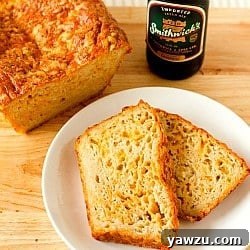
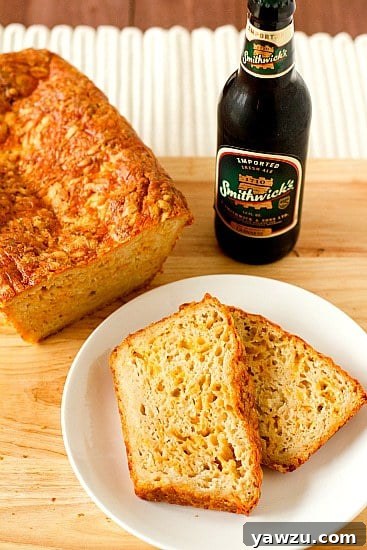
Irresistible Irish Beer and Cheese Bread: A St. Patrick’s Day Must-Bake!
There’s an undeniable joy that comes from biting into a warm, cheesy loaf of homemade bread. For many, including myself, it’s a simple pleasure that few culinary delights can surpass. The mere mention of favorites like savory pepperoni bread, hearty bacon and cheese bread, or cheesy pizza breadsticks is enough to evoke a craving that can only be satisfied by a generous serving. It’s a fundamental truth: combine bread and cheese, and you create an immediate, irresistible allure.
My culinary journey with beer bread began years ago with a fantastic three-cheese beer bread recipe. It was a revelation – packed with layers of rich cheese, bursting with flavor, and, of course, infused with the subtle depth of beer. This original recipe quickly became a staple, celebrated for its robust character and comforting warmth. Then, a brilliant adaptation emerged from a fellow baker, Krissy at Make It Naked, who ingeniously transformed my beloved recipe into an Irish-themed masterpiece, perfectly timed for St. Patrick’s Day. The idea was pure genius, and I knew I had to share this incredible version with you. So, as the holiday approaches, let’s dive into creating a truly exceptional Irish Beer and Cheese Bread!
The Magic Behind Irish Beer and Cheese Bread
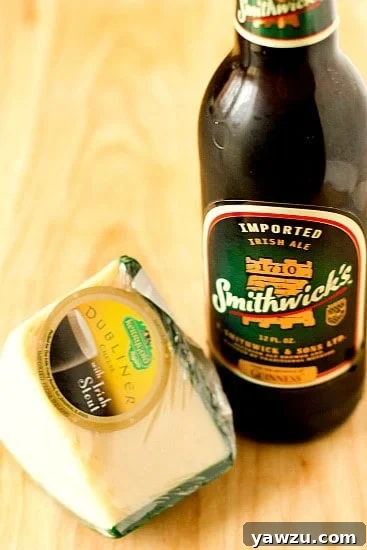
This isn’t just any cheesy bread; it’s a celebration of Irish flavors, meticulously crafted to deliver an unforgettable taste experience. The secret lies in a harmonious blend of authentic Irish ale and the distinctive Dubliner cheese. Dubliner, a remarkable Irish cheese, offers a unique profile – often described as a sharp, mature cheddar with a sweet, nutty undertone, sometimes subtly spiked with stout. This combination introduces a delightful tang and sharpness that elevates the bread from ordinary to extraordinary, making it a perfect centerpiece for any gathering, especially during St. Patrick’s Day celebrations.
Choosing the right beer is crucial for this recipe. While many associate Irish holidays with stout, this recipe calls for an Irish ale. Ales, like the readily available Smithwick’s I found at my local grocery store, contribute a lighter, more nuanced malty flavor that complements the cheese without overpowering it. Stouts, being much heavier and more robust, could easily dominate the delicate balance of flavors in this bread, resulting in a less refined outcome. If Smithwick’s isn’t available, any good quality Irish ale will do; just ensure it’s an ale, not a stout.
The star of the cheese trio is undoubtedly Dubliner. Its complex flavor profile, reminiscent of a mature cheddar with hints of Parmesan and even a slight sweetness, adds an incredible depth. You’ll typically find Dubliner in the specialty cheese section of larger supermarkets. However, if it proves elusive, don’t despair! You can easily adjust the recipe by increasing the amounts of the other two cheddar cheeses, ensuring your loaf still boasts a wonderfully cheesy character. A blend of sharp and extra-sharp white cheddar will provide a robust flavor base that truly shines.
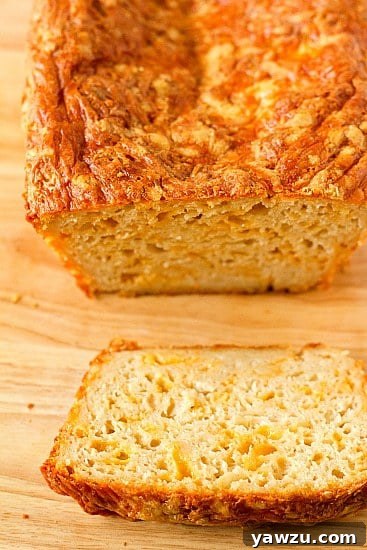
This Irish Beer and Cheese Bread is, in essence, pure culinary heaven. Beyond the rich combination of cheese and beer, it delivers a robust flavor profile with just a hint of spice, creating a warming, inviting aroma that fills your kitchen. It’s a canvas for endless variations, allowing you to tailor it to your personal preferences. I’m already envisioning an Italian-inspired version, perhaps with sun-dried tomatoes, basil, and a blend of Parmesan and provolone, which I’m eager to explore. But for now, I wholeheartedly encourage you to bake this Irish delight for St. Patrick’s Day. Imagine it as a fabulous breakfast bread, perhaps alongside your first celebratory green beer of the day, or as a hearty accompaniment to a comforting stew. Its versatility and incredible taste make it a truly special treat.
Crafting Your Perfect Loaf: Tips for Success
Achieving the perfect Irish Beer and Cheese Bread is simpler than you might think, but a few key tips can elevate your baking experience. First and foremost, resist the urge to overmix the dough. Beer bread is a quick bread, meaning it relies on chemical leaveners like baking powder rather than yeast. Overmixing can develop the gluten in the flour too much, leading to a tough, dense loaf rather than the desired tender crumb. Mix just until the ingredients are combined – a few lumps are perfectly acceptable.
When it comes to selecting your Irish ale, remember the advice: avoid stouts. Stouts like Guinness have a very strong, roasted flavor that, while delicious in a pint, can be overwhelming in a bread recipe where you want the cheese and subtle spice notes to shine. Lighter Irish ales or even a good quality amber ale will provide the necessary moisture and malty depth without overshadowing other ingredients. For the cheese, don’t be afraid to experiment with your cheddar blend if Dubliner is unavailable. A mix of sharp and extra-sharp yellow and white cheddar offers a fantastic flavor profile that’s rich and tangy.
Ensuring your bread is properly baked is also vital. The internal temperature of 190°F (88°C) is a reliable indicator of doneness for quick breads. If you don’t have an instant-read thermometer, the classic knife or toothpick test works well: insert it into the center of the loaf, and if it comes out clean, your bread is ready. And finally, patience during the cooling process is key. Allowing the bread to cool on a wire rack for the recommended time helps it set properly and prevents it from becoming soggy. Slicing too early can result in a less satisfying texture.
Serving Suggestions and Creative Variations
The beauty of Irish Beer and Cheese Bread lies in its versatility. While it’s undoubtedly a star on its own, especially fresh from the oven, there are countless ways to enjoy it. For a truly festive St. Patrick’s Day breakfast, serve warm slices with a generous smear of butter, perhaps alongside some scrambled eggs and Irish sausages. It also makes an exceptional companion to a hearty Irish beef stew or a creamy potato soup, soaking up all the delicious broths and sauces.
Thinking beyond St. Patrick’s Day, this savory quick bread can be incorporated into everyday meals. Serve it toasted with your morning coffee, enjoy it as a side with a fresh salad, or even use it as the base for small open-faced sandwiches. The robust flavor stands up well to various toppings and accompaniments. And for those with an adventurous palate, the possibilities for variations are endless. Consider adding chopped fresh herbs like chives or rosemary to the dough for an aromatic twist. A pinch of smoked paprika could introduce a deeper, smoky note. For a slight kick, a finely diced jalapeño or a dash more cayenne pepper can be a welcome addition.
My future “Italian version” might include sun-dried tomatoes, olives, and a mix of provolone and Parmesan. But you could also go in a different direction: a “Harvest Loaf” with dried cranberries, walnuts, and a hint of cinnamon, pairing well with a less hoppy ale. Or a “Spicy Cheddar Jalapeño” bread for those who love heat. The foundational recipe is so forgiving and flavorful that it invites creativity. Don’t be afraid to experiment with different cheeses – a sharp aged gouda or a tangy blue cheese could create entirely new taste experiences. The key is to have fun and make it your own!
More Irish-Inspired Delights and Sweet Treats
If you’re looking to complete your St. Patrick’s Day spread or simply want to explore more delightful recipes, here are some past favorites that might pique your interest:
One year ago: Homemade Shamrock Shake
Two years ago: Irish Soda Bread Scones
Three years ago: Irish Soda Bread
Five years ago: Super Sugar Cookies
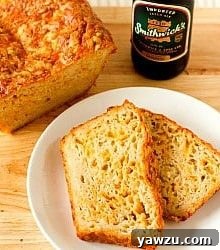
Irish Beer and Cheese Bread
Pin
Rate
Ingredients
- 8 ounces (226.8 g) sharp cheddar cheese, shredded (about 2 cups)
- 8 ounces (226.8 g) extra sharp white cheddar cheese, shredded (about 2 cups)
- 4 ounces (113.4 g) Dubliner cheese, shredded (about 1 cup)
- 3¼ cups (406.25 g) all-purpose flour
- 1 tablespoon baking powder
- 1 teaspoon dry mustard
- ½ teaspoon coarse salt
- ¼ teaspoon cayenne pepper
- ¼ teaspoon white pepper
- 1 clove garlic, minced
- 1¼ cups (295 ml) Irish ale, I used Smithwick’s
- ¾ cup (172.5 ml) sour cream
- 1 egg
- 1 tablespoon Worcestershire sauce
Instructions
-
Preheat oven to 350 degrees F (175°C). Grease a 9×5-inch loaf pan and set aside.
-
Measure out ¼ cup of the sharp cheddar, ¼ cup of the white cheddar, and 2 tablespoons of the Dubliner. Reserve this mixture for topping the bread later.
-
In a large bowl, combine the remaining cheese, the flour, baking powder, dry mustard, salt, cayenne pepper, white pepper, and minced garlic. Stir well to ensure all the cheese is evenly coated with flour.
-
In a separate small bowl, whisk together the Irish ale, sour cream, egg, and Worcestershire sauce until smooth.
-
Pour the wet beer mixture into the dry cheese and flour mixture. Use a wooden spoon or spatula to mix the dough until just combined. Be careful not to overmix. Spoon the dough into the prepared loaf pan, using a spatula to gently spread and even out the top. Sprinkle the reserved cheese mixture evenly over the top of the dough.
-
Bake for 55 to 65 minutes, or until a knife or wooden skewer inserted into the center of the loaf comes out clean. If you have an instant-read thermometer, the internal temperature of the bread should reach 190 degrees F (88°C).
-
Remove the bread from the oven and place the pan on a wire rack to cool for 10 minutes. After 10 minutes, carefully run a knife along the edges of the pan to loosen the bread. Continue to cool on the wire rack in the pan. Once the bottom of the pan is cool enough to touch, invert the bread onto the wire rack and let it cool completely before slicing and serving.
Did you make this recipe?
Leave a review below, then snap a picture and tag @thebrowneyedbaker on Instagram so I can see it!