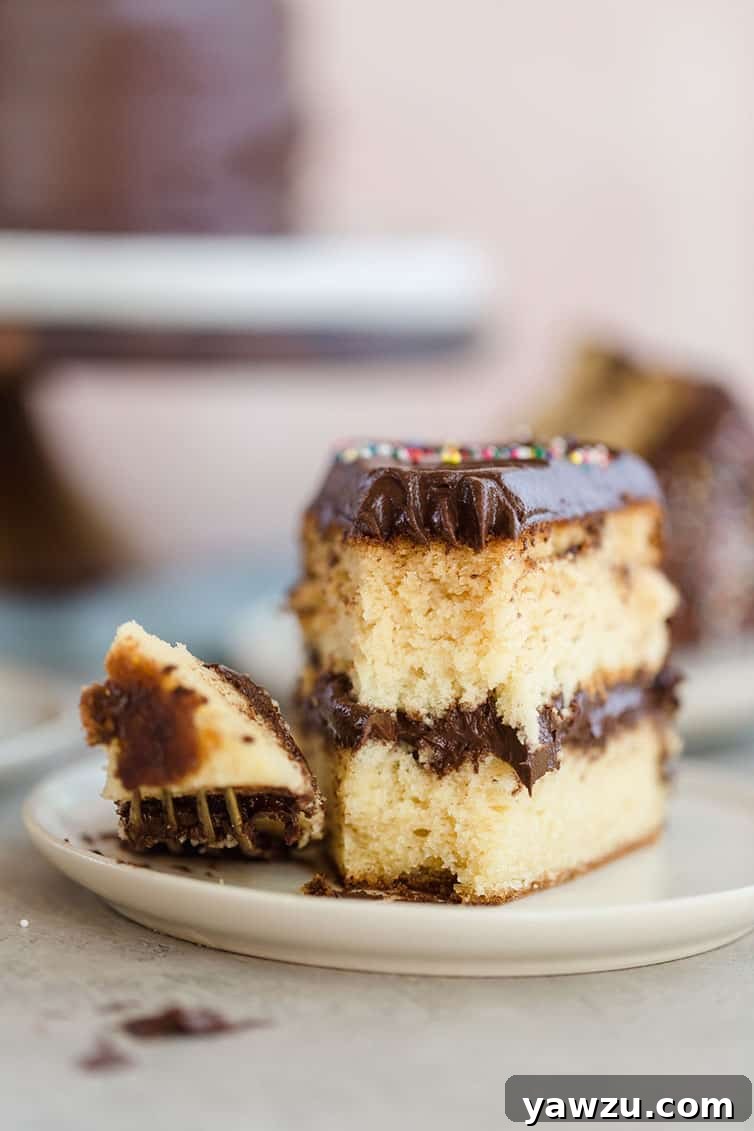
This comprehensive guide will show you how to bake the most incredible, fluffy vanilla cake from scratch, perfectly complemented by a rich and silky smooth chocolate frosting. Forget the box mix; this is the ultimate homemade yellow cake recipe, ideal for birthdays, celebrations, or simply to satisfy your sweet tooth!
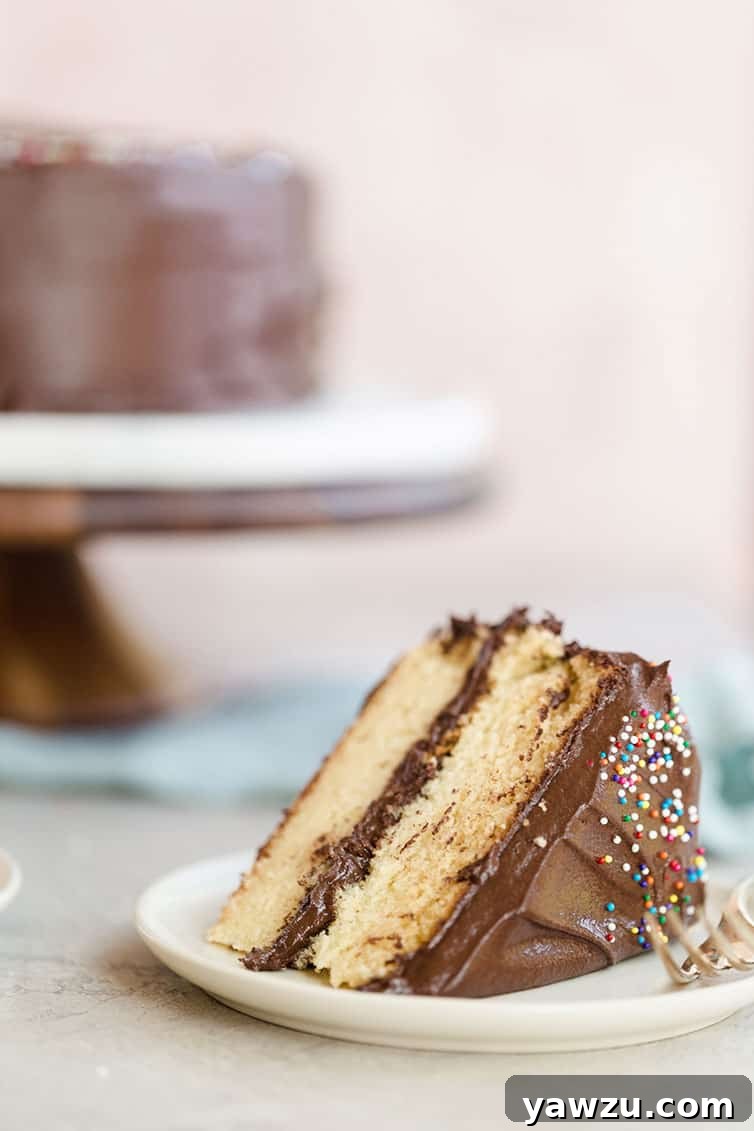
Unlocking the Secret to the Perfect Homemade Yellow Cake
For many home bakers, the allure of a perfectly moist and fluffy yellow cake rivals any other dessert. Yet, achieving that ideal, tender crumb at home can feel like a culinary quest. While box mixes consistently deliver a reliably moist and airy texture, replicating that magic from scratch often proves challenging. My journey to find a truly exceptional homemade yellow cake recipe was long and filled with trials – too many cakes turned out dry, dense, or overly delicate, lacking that signature buttery richness we crave. Bakeries always seem to nail it, but finding that same perfection in my own kitchen seemed elusive.
I explored countless recipes, only to be met with disappointment. Some were overly complicated, demanding fussy techniques and an array of specialty ingredients. Others promised simplicity but delivered a texture closer to cornbread than a classic yellow cake. I simply wanted a straightforward recipe that produced consistently delicious results – a reliable foundation for memorable birthday cakes and everyday delights. It wasn’t until I stumbled upon a recipe from Joy the Baker, while preparing for Joseph’s birthday, that my search finally ended. This was it – the unicorn of yellow cake recipes I had been chasing for years!
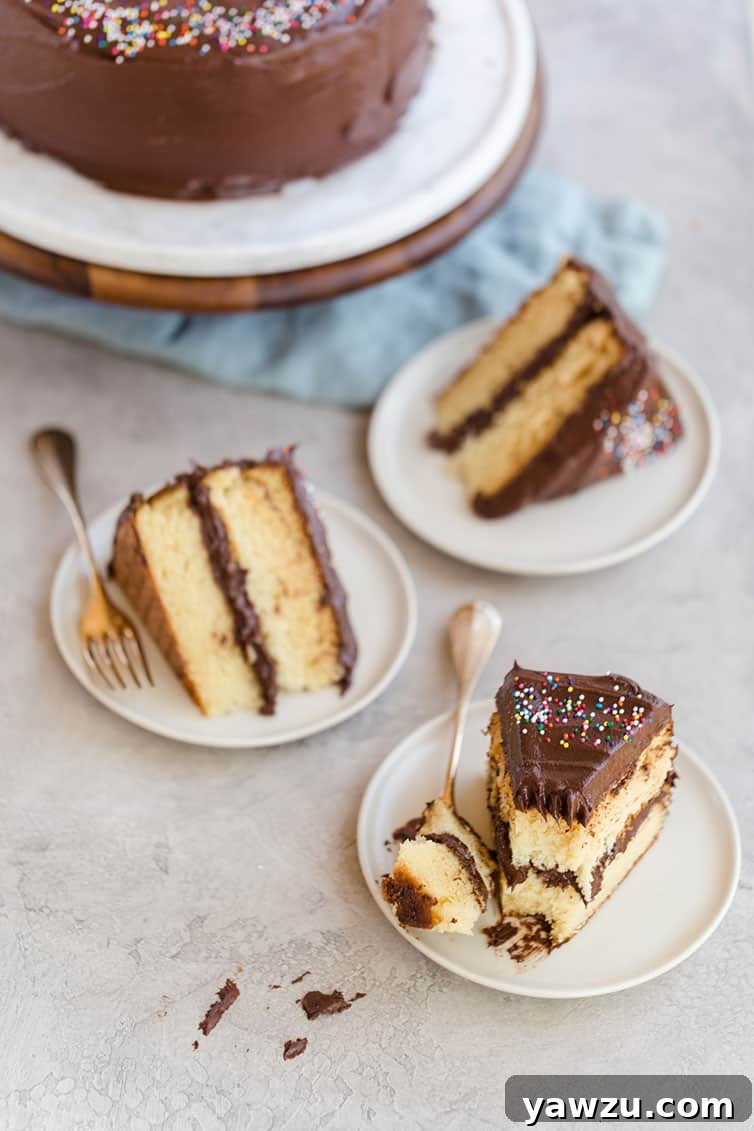
Why This Yellow Cake Recipe Will Be Your New Go-To
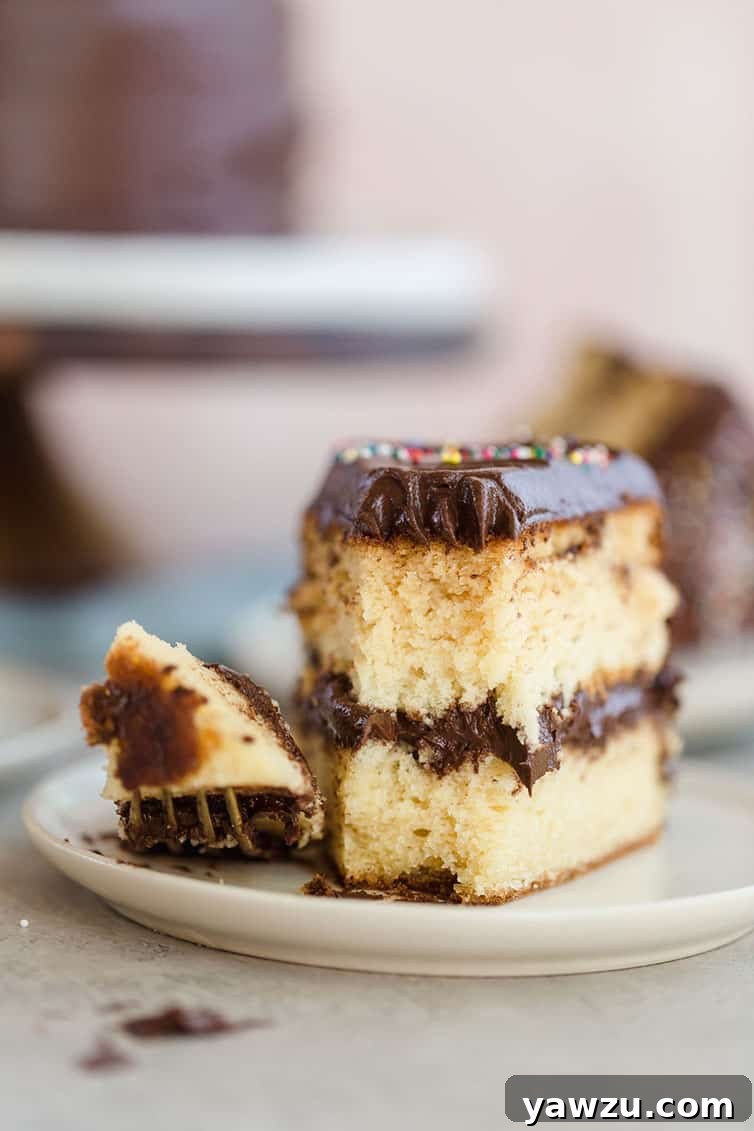
What makes this particular recipe stand out? Its sheer simplicity and the consistently spectacular results it yields. You don’t need fancy equipment or advanced baking skills. This cake batter comes together effortlessly, even with just a hand mixer, making it accessible for bakers of all levels. The ingredients are common pantry staples, yet the outcome is anything but ordinary. The layers bake up beautifully light yet robust, boasting a rich buttery flavor and an unbelievably moist, fine crumb that is never dry or crumbly. It provides the perfect canvas for your favorite frosting, elevating any occasion it graces.
For this ultimate yellow cake, I’ve paired it with a luscious chocolate frosting derived from my beloved ultimate chocolate cupcakes recipe. This isn’t just any chocolate frosting; it’s a dream. More buttery than sugary, it has a satiny smooth texture that melts in your mouth, bursting with deep, rich chocolate flavor. It glides onto the cake layers with remarkable ease, creating a professional-looking finish with minimal effort. The combination of the tender yellow cake and this decadent frosting is truly irresistible, a classic pairing that never disappoints.
The Golden Rule for Yellow Cake Perfection: Room Temperature Ingredients
Achieving that coveted light, fluffy, and moist texture in a homemade yellow cake often feels like chasing a baking legend. It’s easy for cakes to turn out too dry, too dense, too crumbly, or even with an undesirable cornbread-like consistency. After countless batches and extensive experimentation, I’ve discovered one paramount piece of advice that guarantees yellow cake perfection:
Ensure ALL ingredients listed as “at room temperature” genuinely ARE at room temperature.
I know the temptation well. In a rush, it’s easy to grab butter, eggs, or buttermilk that are still a bit cool from the refrigerator. However, for this particular cake, adherence to this rule is absolutely vital. The science behind it is simple yet powerful: when butter, eggs, and dairy are at room temperature, they emulsify much more effectively. This process creates a stable mixture that can trap significantly more air as you cream them together. Once the batter goes into the oven, that trapped air expands, producing a cake with an incredibly light, airy, and fluffy texture. Cold ingredients, on the other hand, resist emulsification, leading to a denser batter that won’t rise as effectively and can result in a tougher, less tender cake.
Beyond texture, room temperature ingredients contribute to a beautifully smooth and uniform batter. This consistency is key to preventing a crumbly or coarse cake, ensuring every slice is perfectly tender and moist. So, plan ahead! Take your butter, eggs, and buttermilk out of the fridge at least 30-60 minutes before you begin baking. If you’re short on time, you can quickly bring eggs to room temperature by placing them in a bowl of warm water for 5-10 minutes, or gently warm buttermilk in the microwave for a few seconds (being careful not to overheat).
The Must-Have Recipe for Every Home Baker
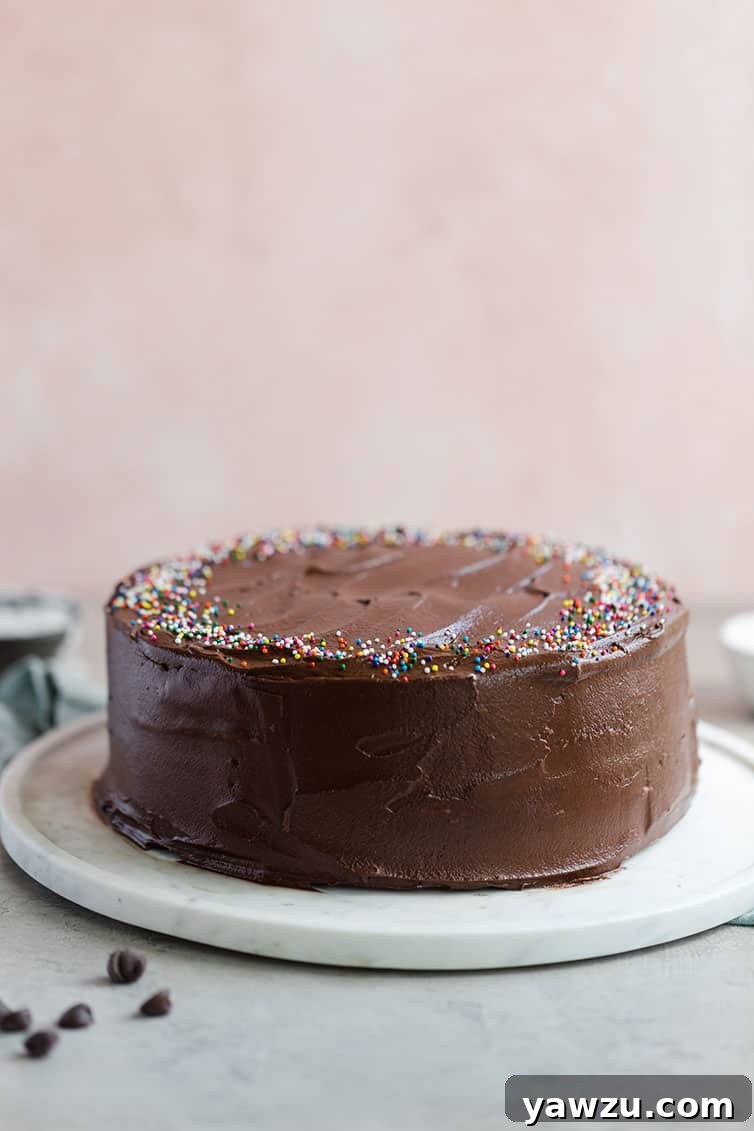
Every baker needs a reliable, show-stopping yellow cake recipe in their repertoire – one that can be effortlessly transformed into the centerpiece of any celebration. This is that recipe. It garnered enthusiastic rave reviews at Joseph’s party, and since then, I’ve baked it countless times, always to immense appreciation and applause. It’s truly a joy to make and even more of a joy to eat. The satisfaction of serving a homemade cake that rivals the best bakeries is unparalleled.
This isn’t just a recipe; it’s an experience. The delicate vanilla notes of the cake, the rich, melt-in-your-mouth chocolate frosting, and the perfect balance of sweetness and texture create a dessert that will be remembered long after the last crumb is gone. From its straightforward preparation to its impressive presentation, this yellow cake with chocolate frosting is destined to become your signature bake. Trust me, once you try this recipe, you’ll agree: this is the only yellow cake recipe you’ll ever need!
Expert Baking Tips for Success
- Do Not Overmix: After adding the dry ingredients, mix just until combined. Overmixing develops the gluten in the flour, leading to a tough, dry cake.
- Prepare Pans Properly: Always grease and flour your cake pans thoroughly, or line them with parchment paper, to prevent sticking and ensure your beautiful layers release cleanly.
- Check for Doneness: Use a wooden skewer or toothpick inserted into the center of the cake. It should come out with just a few moist crumbs attached, not wet batter. Overbaking is a common culprit for dry cakes.
- Cool Completely: Allow cakes to cool in their pans for about 10 minutes before inverting them onto wire racks to cool completely. Frosting a warm cake will cause the frosting to melt and slide off.
- Don’t Substitute Buttermilk Lightly: Buttermilk reacts with the baking soda to create a tender crumb and adds a subtle tang. If you don’t have buttermilk, you can make your own by adding 1 tablespoon of white vinegar or lemon juice to a measuring cup, then filling the rest with regular milk to make 1¼ cups. Let it sit for 5-10 minutes until it slightly curdles.
Frequently Asked Questions About Yellow Cake
Can I make this cake into cupcakes?
Absolutely! This recipe can easily be adapted for cupcakes. Line a 12-cup muffin tin with paper liners. Fill each liner about two-thirds full with batter. Bake for approximately 18-22 minutes, or until a toothpick inserted into the center of a cupcake comes out clean. Baking time will vary, so keep a close eye on them.
How long does the cake last?
Once assembled and frosted, the cake can be kept at room temperature for up to 1 day before serving. For best freshness, store any leftovers in an airtight container at room temperature for up to 4 days. If you need to store it longer, it can be refrigerated for up to a week, but the texture is best at room temperature.
Can I freeze this cake?
Yes, both the unfrosted cake layers and the frosted cake freeze well. For unfrosted layers, wrap them tightly in plastic wrap and then in aluminum foil. Freeze for up to 2-3 months. Thaw at room temperature before frosting. For a frosted cake, freeze it uncovered until the frosting is firm, then wrap tightly in plastic wrap and foil. Thaw in the refrigerator overnight.
What if I don’t have a food processor for the frosting?
While a food processor yields the silkiest texture for this particular chocolate frosting, you can use a stand mixer with the paddle attachment or a hand mixer. You’ll need to beat the butter, sugar, cocoa, and salt until very light and fluffy, scraping down the bowl often. Then, beat in the corn syrup, vanilla, and melted chocolate until smooth and well combined.
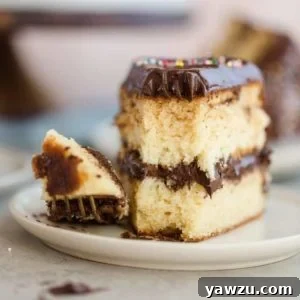
Yellow Cake with Chocolate Frosting (From Scratch!)
Yield: 8 to 10 servings
Prep Time: 1 hr
Cook Time: 35 mins
Total Time: 1 hr 35 mins
This fluffy vanilla cake recipe is the absolute best yellow cake and paired with a silky smooth chocolate frosting, you can’t beat it for a classic birthday cake or any other celebration!
Rated 4.50 out of 5 stars (176 ratings)
Print Recipe
Pin Recipe
Ingredients
For the Cake:
- 2¼ cups (281.25 g) all-purpose flour
- 2 teaspoons baking powder
- 1 teaspoon baking soda
- 1 teaspoon salt
- ½ cup (113.5 g) unsalted butter, at room temperature
- 1½ cups (300 g) granulated sugar
- 3 large eggs, at room temperature
- 1 teaspoon vanilla extract
- 1¼ cups (300 ml) buttermilk, at room temperature
For the Frosting:
- 20 tablespoons unsalted butter, at cool room temperature
- 1 cup (120 g) powdered sugar
- ¾ cup (64.5 g) Dutch-processed cocoa
- Pinch of salt
- ¾ cup (255.75 ml) light corn syrup
- 1 teaspoon vanilla extract
- 8 ounces (226.8 ml) milk or semisweet chocolate, melted and cooled slightly
Equipment Used:
- Stand Mixer or Hand Mixer
- Round Cake Pans
- Wire Cooling Racks
- Food Processor
- Large Icing Spatula
Instructions
- Make the Cake: Preheat oven to 350 degrees F. Grease and flour two 8-inch round cake pans; set aside.
- In a medium bowl, whisk together the flour, baking powder, baking soda, and salt; set aside.
- Using an electric mixer, cream together butter and sugar until light and fluffy, about 3 to 5 minutes. Scrape down the sides of the bowl and beat in the eggs, one at a time, beating for 1 minute between each addition. Beat in vanilla extract.
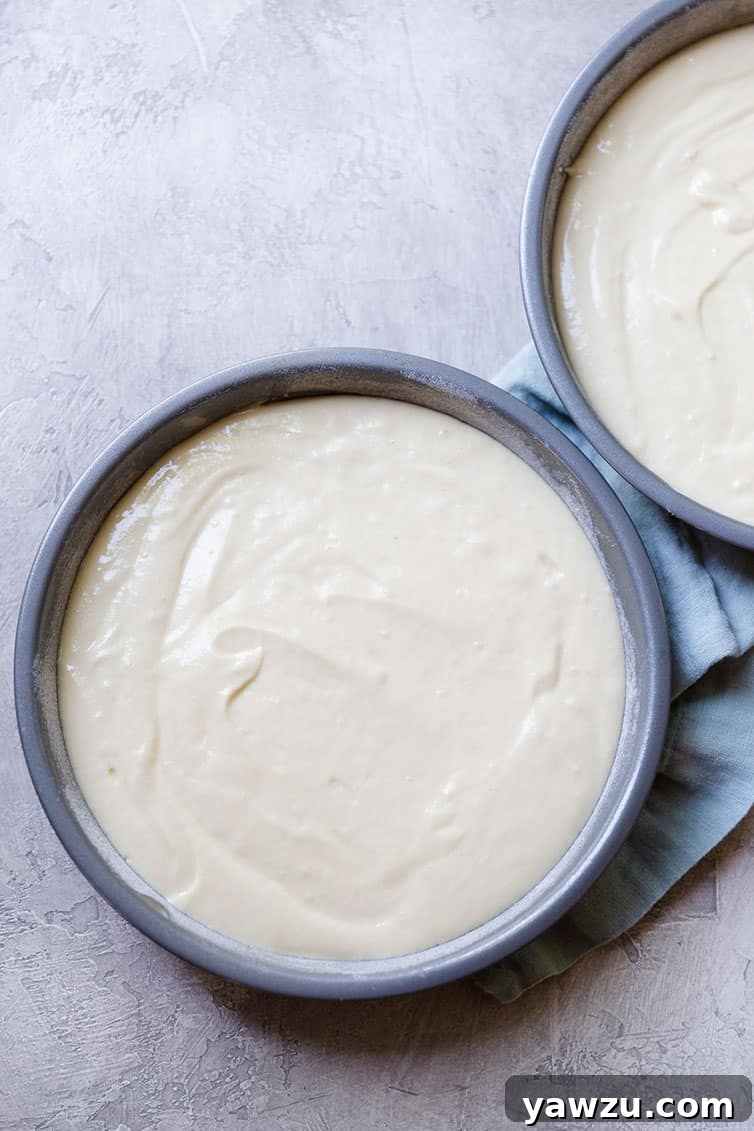
- Add the dry ingredients all at once and beat on low speed until just combined. Add the buttermilk and beat on low for 1 minute, then increase the speed to medium and beat for 3 additional minutes.
- Divide the batter evenly between the prepared pans. Bake for 33 to 38 minutes, or until a skewer inserted into the center of the cake comes out with just a few moist crumbs attached. Remove from the oven and cool for 10 minutes in the pans, then turn out onto wire racks and cool completely before frosting.
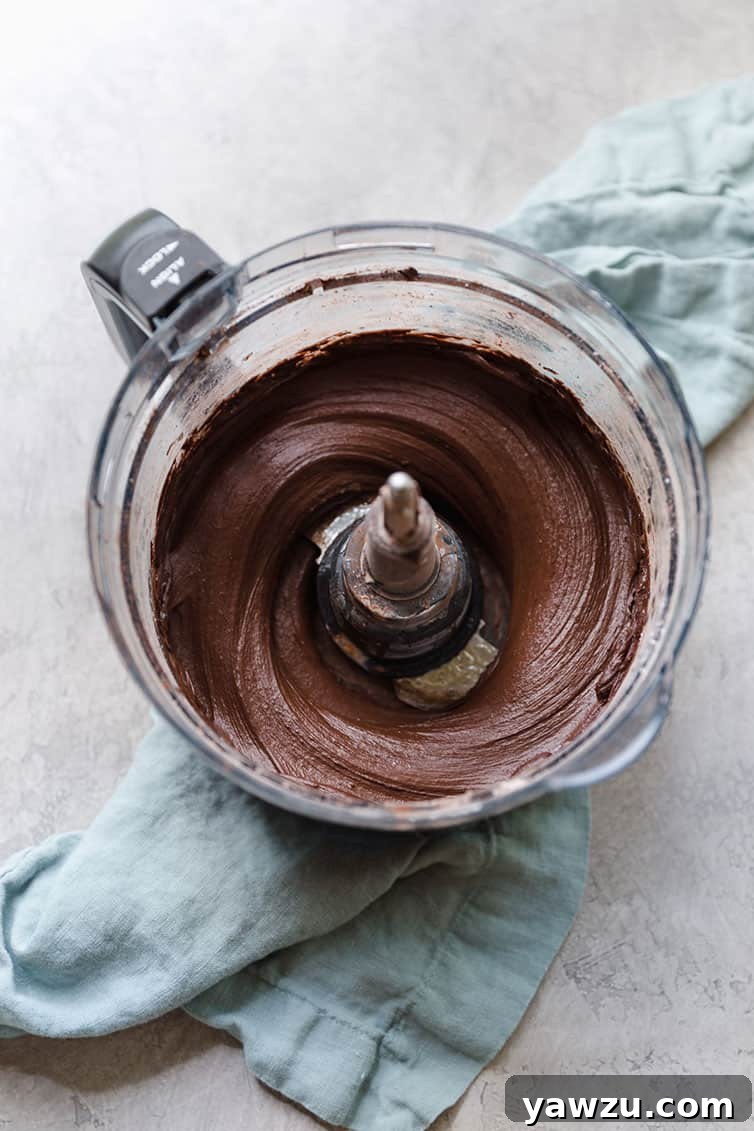
- Make the Frosting: In a food processor, process the butter, powdered sugar, cocoa powder, and salt until smooth, about 30 seconds, stopping once to scrape the sides of the bowl. Add the corn syrup and vanilla and process until just combined, 5 to 10 seconds. Scrape the sides of bowl, then add the melted chocolate and pulse until smooth and creamy, 10 to 15 seconds.
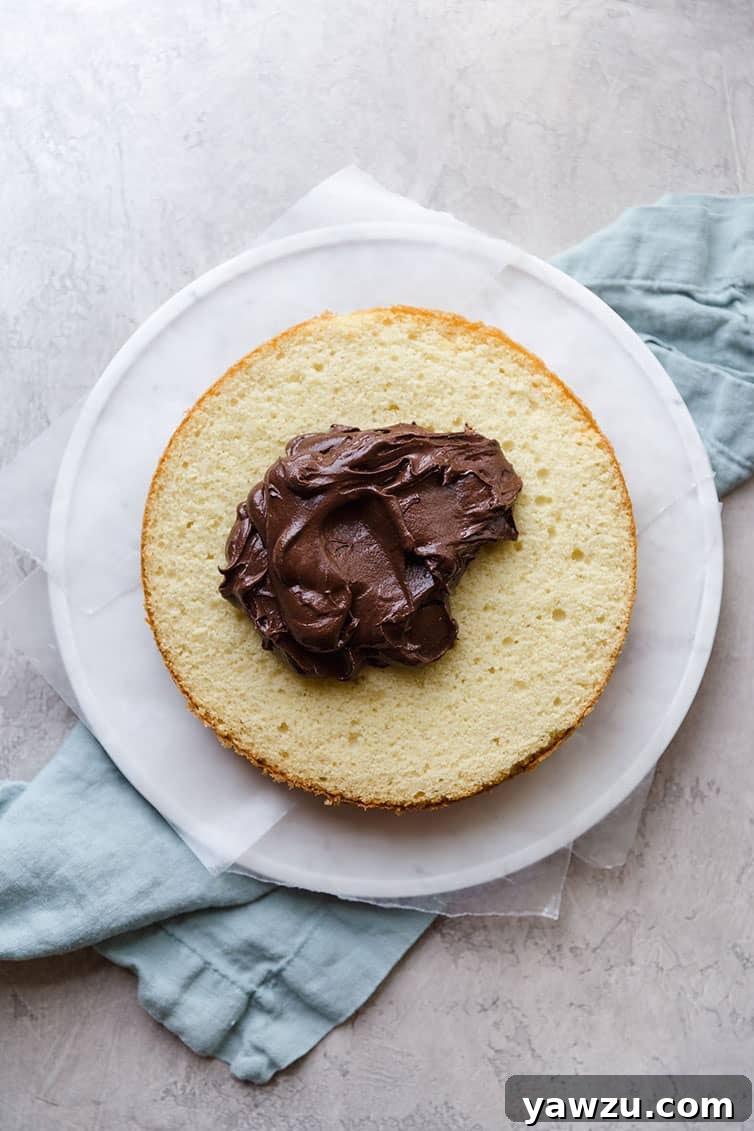
- Assemble the Cake: Place one of the cake layers on a serving platter and spread 1 cup of the frosting evenly over the surface. Place the second cake layer on top. Use the remaining frosting to frost the top and sides of the cake. The cake can be kept at room temperature for up to 1 day before serving. Once cut, leftovers should be stored in an airtight container at room temperature for up to 4 days.
Notes
- You can make this cake in 9-inch pans; you will just need to reduce the baking time slightly. It can also be made in a 9×13-inch pan (again, reduce baking time).
- The only substitution I’m aware of for the corn syrup in the frosting is Lyle’s golden syrup, which has a more pronounced flavor. If you cannot find (or do not want to use) corn syrup, I would recommend using The Best Chocolate Frosting recipe instead.
Nutritional values are based on one serving:
Calories: 660kcal, Carbohydrates: 112g, Protein: 9g, Fat: 45g, Saturated Fat: 27g, Cholesterol: 174mg, Sodium: 535mg, Potassium: 380mg, Fiber: 3g, Sugar: 80g, Vitamin A: 1425IU, Calcium: 159mg, Iron: 3.1mg
Did you make this recipe?
Leave a review below, then snap a picture and tag @thebrowneyedbaker on Instagram so I can see it!
Author: Michelle Lettrich
Course: Dessert
Cuisine: American
Update Notes: This recipe was originally published in February 2016; updated in September 2019 with new photos and extra recipe tips.
[photos by Ari of Well Seasoned]