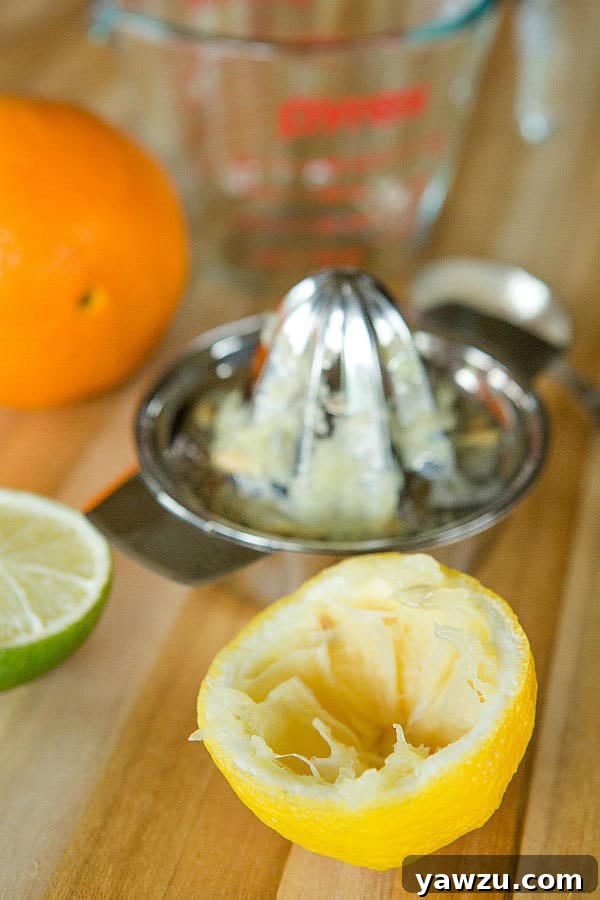
Mastering Citrus: Your Essential Guide to Fresh Juice Yields
Freshly squeezed citrus juice is a cornerstone of countless culinary delights, transforming everyday dishes into extraordinary experiences. From vibrant summer lemonades and refreshing cocktails to savory marinades and exquisite baked goods, the bright, invigorating flavor of fresh citrus is simply unparalleled. However, a common dilemma for many home cooks and bakers arises when a recipe calls for a specific amount of juice: “How much juice can I actually expect from one lemon, lime, or orange?”
This seemingly simple question is incredibly important for accurate recipe scaling, efficient grocery shopping, and ensuring your dishes turn out perfectly every time. Nobody wants to be halfway through a recipe only to discover they’ve run out of essential ingredients. Understanding the typical juice yield of various citrus fruits empowers you to confidently plan your cooking adventures, preventing last-minute trips to the store or, worse, compromising on flavor by using less than ideal bottled alternatives. The subtle nuances and potent aroma of fresh juice elevate dishes in a way that pre-packaged options simply cannot replicate.
While precise yields can fluctuate slightly based on factors like fruit size, ripeness, and even the method of juicing, there are reliable averages that serve as an excellent starting point. This comprehensive guide will not only provide you with those crucial benchmarks but also equip you with expert tips and tricks to maximize every single drop of juice, store it efficiently, and unlock a world of culinary possibilities that only fresh citrus can offer. Prepare to elevate your cooking and baking to new heights!
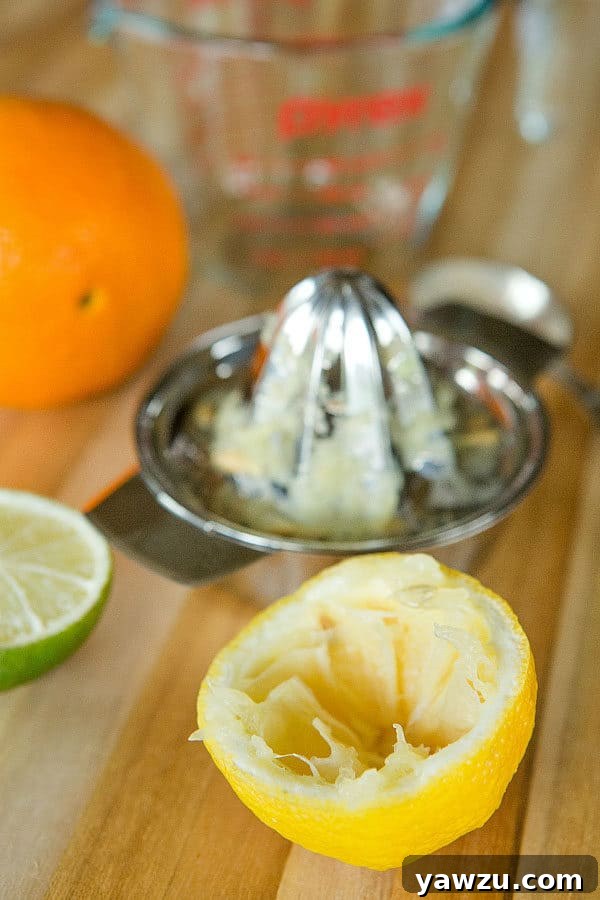
The Core Citrus Juice Yields: Your Quick Reference Guide
To get straight to the point, here are the general guidelines for how much juice you can expect from common citrus fruits. These figures represent averages for medium-sized, ripe fruits. Keep in mind that individual fruits can vary, so it’s always wise to have an extra on hand.
- 1 Lemon: Approximately 3 tablespoons (around 45 ml or 1.5 fluid ounces). For roughly ½ cup of lemon juice, you’d typically need 3-4 medium lemons.
- 1 Lime: Approximately 2 tablespoons (around 30 ml or 1 fluid ounce). To achieve ¼ cup of lime juice, plan on 2-3 medium limes.
- 1 Orange: Approximately ⅓ cup (around 80 ml or 2.7 fluid ounces, which is about 5-6 tablespoons). For a full cup of orange juice, you’ll need approximately 3-4 medium oranges.
These averages are a fantastic starting point for planning your grocery list and ensuring you have enough citrus for any recipe. Whether you’re making a refreshing beverage, a vibrant dessert, or a savory sauce, knowing these estimates will empower you in the kitchen.

For a convenient, downloadable PDF version of these quick reference guides, perfect for printing and hanging in your kitchen, you can click here.
Why Freshly Squeezed Citrus Juice Reigns Supreme
While bottled citrus juice offers a convenient shortcut, there’s simply no true substitute for the vibrant flavor, potent aroma, and nutritional benefits of freshly squeezed juice. Here’s why making the extra effort is almost always worth it for discerning palates and health-conscious cooks:
- Unmatched Flavor Complexity: Fresh juice boasts a brighter, more complex, and nuanced flavor profile compared to its bottled counterparts. Bottled juices often have a more muted, sometimes “cooked” taste due to pasteurization and long-term storage, and they frequently lack the lively zest and natural tartness that defines fresh citrus.
- Superior, Invigorating Aroma: The moment you cut into a fresh lemon, lime, or orange, the air fills with its invigorating aroma. This is due to the concentrated essential oils released from the zest, which contribute significantly to the overall sensory experience of your dish or drink—an element largely absent in bottled versions.
- Nutritional Powerhouse at Its Peak: Fresh citrus fruits are packed with Vitamin C, powerful antioxidants, and other beneficial compounds. While many bottled juices are fortified with Vitamin C, the natural vitamins and enzymes in fresh juice are at their peak potency and bioavailability.
- Purity and Absence of Additives: Bottled juices often contain preservatives, added sugars, or artificial flavors to extend shelf life and maintain a consistent taste profile. Fresh juice, by contrast, is pure and natural, allowing the true essence of the fruit to shine through without any unwelcome additions.
Key Factors Influencing Citrus Juice Yields
As mentioned, the yields provided above are averages. Several factors can significantly affect how much juice you actually extract from a single fruit. Understanding these elements can help you choose the best fruits and maximize your juicing efforts:
- Size and Variety of Fruit: Larger fruits generally yield more juice simply because they contain more pulp and liquid. Additionally, different varieties within the citrus family can have varying amounts of juice. For instance, Meyer lemons are often juicier and sweeter than standard Eureka or Lisbon lemons, while Valencia oranges are prized for their juicing qualities compared to Navel oranges.
- Ripeness Level: Perfectly ripe fruits are typically the juiciest and most flavorful. Under-ripe fruits tend to be harder, contain less moisture, and yield less juice, often with a more acidic or bitter taste. Overripe fruits, while still juicy, might have a less desirable texture or flavor profile.
- Fruit Temperature: This is a crucial, yet often overlooked, factor. Room temperature citrus fruits are significantly easier to juice and yield more liquid than cold fruits straight from the refrigerator. The fibers and membranes within the fruit soften as they warm, making it easier to extract the juice with less effort.
- Preparation and Juicing Technique: How you prepare the fruit before juicing and the method you use for extraction play a crucial role. Applying certain pre-juicing techniques and utilizing the right tools can dramatically increase your juice yield, ensuring you get the most out of every piece of fruit.
Expert Tips for Maximizing Every Drop of Citrus Juice
Don’t let a single precious drop of juice go to waste! With these simple yet effective techniques, you can ensure you’re getting the absolute most out of your lemons, limes, and oranges, enhancing both efficiency and yield:
- Bring to Room Temperature: This is arguably the most important tip. If your citrus fruits are in the refrigerator, take them out at least 30 minutes to an hour (or even longer) before you plan to juice them. Warm fruits have softer internal membranes, making them considerably easier to squeeze and release their liquid.
- Roll Them Firmly on a Hard Surface: Before cutting, place the fruit on a hard surface (like a countertop or cutting board) and roll it back and forth firmly with the palm of your hand, applying consistent, gentle pressure. This action helps to break down the internal membranes and pulp, loosening the juice vesicles inside and allowing for easier extraction.
- Microwave Briefly for an Extra Boost: For an additional softening effect, microwave a whole lemon, lime, or orange for 10-20 seconds. Be careful not to overheat it, as this can start to cook the fruit. This quick burst of warmth further softens the fruit’s structure and makes juicing even more efficient.
- Cut Correctly for Optimal Extraction: For lemons and limes, cut them in half crosswise (through the middle, perpendicular to the stem). This exposes more of the juicy segments. For larger oranges, you might find it more effective to cut them into quarters or even eighths, depending on the size of the fruit and your juicing tool, to get better leverage.
- Choose and Use the Right Tool for the Job:
- Hand Reamers/Juicers: These are excellent, affordable tools for lemons, limes, and smaller oranges. They are simple to use, easy to clean, and don’t take up much space. Look for ones with sharp ridges and an ergonomic handle for comfort.
- Citrus Presses: These handheld devices, often made of metal, are fantastic for quickly juicing halves of lemons and limes directly into a glass or bowl. They minimize mess, filter seeds, and allow for significant pressure application.
- Electric Citrus Juicers: For larger quantities of juice, frequent juicing, or if you prefer a less strenuous method, an electric citrus juicer (which often features a motorized reamer) can save significant time and effort, especially for larger fruits like oranges and grapefruits.
- Tongs (The Emergency Hack): If you’re caught in a pinch without a dedicated juicer, you can use sturdy kitchen tongs. Cut the lemon or lime in half, place one half between the tongs (cut-side down), and squeeze firmly to extract the juice.
- Juice with Pressure and a Twist: When using a hand reamer, apply firm downward pressure and twist the fruit back and forth vigorously. For a citrus press, squeeze firmly and completely until no more liquid comes out. The combination of pressure and twisting motion helps to release maximum juice.
- Always Zest Before Juicing: If your recipe calls for citrus zest (the colored outer layer of the peel), or if you simply want to store it for future use, always remember to zest the fruit before you cut and juice it. The zest contains concentrated essential oils and incredible flavor that you don’t want to lose once the fruit is cut and squeezed.
Storing Freshly Squeezed Citrus Juice for Extended Freshness
Once you’ve diligently juiced your bounty, proper storage ensures you can enjoy its vibrant freshness for longer. This is especially useful if you’ve juiced more than you need for a single recipe or want to have some on hand for quick, convenient use without the immediate effort of juicing.
Refrigeration:
Fresh citrus juice can be stored in an airtight container (a glass jar with a tight-fitting lid or a sealed plastic container works best) in the refrigerator for up to 2-3 days. While it won’t spoil immediately beyond this period, its flavor, aroma, and especially its vitamin content will begin to degrade over time. For the absolute best quality and nutritional value, consume it as fresh as possible.
Freezing for Extended Freshness:
Freezing is an excellent, long-term storage solution that allows you to preserve that vibrant, fresh flavor for months. This method is particularly handy when citrus fruits are in season and abundant, allowing you to stock up and enjoy them year-round.
- Ice Cube Trays: Pour the freshly squeezed juice into standard ice cube trays. Once the cubes are frozen solid, transfer them to a freezer-safe bag or container. This method is brilliant because it allows you to thaw small, pre-portioned amounts as needed for recipes or beverages, preventing waste. Each standard cube typically holds about 1-2 tablespoons of juice.
- Freezer Bags or Containers: For larger quantities, you can freeze juice in heavy-duty freezer-safe bags or rigid freezer containers. Always remember to leave a little headspace at the top of the container, as liquids expand when they freeze.
Frozen citrus juice will maintain excellent quality for 3-4 months, although it is typically safe to use for up to 6 months. To use, thaw frozen juice in the refrigerator overnight or by running warm water over the container or bag. Give it a good shake before using, as some pulp may settle during the thawing process.
When Bottled Juice Can Be a Stand-in (and When to Insist on Fresh)
While fresh is almost always best, there are certain situations where bottled citrus juice can be a convenient and acceptable substitute. However, understanding when to use it and when to absolutely insist on fresh can be the difference between a mediocre dish and a truly outstanding one:
- Acceptable Substitutions:
- Large Batch Beverages: For very large batches of lemonade, punch, or infused water where the subtle nuances of fresh juice might get diluted or masked by other strong flavors.
- Certain Marinades for Meats: In marinades where the citrus is just one of many strong flavors and its primary role is tenderizing or adding acidity rather than being the star flavor.
- Cleaning or Non-Culinary Uses: For household cleaning purposes, DIY beauty recipes, or other non-food applications where flavor is not a concern.
- Emergencies: When you absolutely have no fresh citrus on hand and a recipe calls for a small amount, a quick dash of bottled juice might be acceptable, but be mindful of the flavor difference.
- When to Insist on Fresh Juice:
- Baking and Desserts: Especially in recipes where citrus flavor is prominent, such as lemon bars, key lime pie, citrus tarts, or glazes. The zest and fresh juice provide essential brightness and a depth of flavor that bottled versions cannot replicate.
- Sauces and Dressings: Vinaigrettes, hollandaise, beurre blanc, or any sauce where citrus is a star ingredient benefits immensely from fresh juice. Its acidity and freshness are critical for balance and vibrancy.
- Cocktails and Craft Beverages: A perfectly crafted margarita, gin fizz, or whiskey sour is incomparably better with fresh lime or lemon juice. Bottled juice will simply fall flat, imparting an artificial or stale taste.
- Finishing Touches: A final squeeze of fresh lemon over grilled fish, roasted vegetables, a creamy soup, or a vibrant salad at the end of cooking adds an indispensable burst of freshness and acidity that bottled juice simply cannot replicate.
Beyond the Big Three: Exploring Other Citrus Fruits
While lemons, limes, and oranges are the most common in everyday cooking, the citrus family is vast and full of flavorful options. Expanding your horizons can introduce exciting new dimensions to your culinary repertoire. Here are a few others and their general juice yields:
- Grapefruit: A medium grapefruit can yield anywhere from ½ to ¾ cup of juice (approximately 120-180 ml or 4-6 fluid ounces). Their juice is wonderfully tart and slightly bitter, excellent in breakfast drinks, sophisticated cocktails, marinades for seafood, and even savory glazes for poultry.
- Tangerines/Mandarins: These smaller, sweeter cousins of the orange typically yield about 1-2 tablespoons of juice per fruit. Their mild, sweet flavor makes them great for lighter dressings, delicate sauces, or naturally sweetening beverages and desserts where a less acidic profile is desired.
- Key Limes: Much smaller than regular Persian limes, Key limes are incredibly aromatic and intensely tart but yield significantly less juice, usually about 1 teaspoon to 1 tablespoon per fruit. You’ll need many of them to get enough for their namesake Key lime pie, but their unique floral and tart flavor is truly distinctive.
Conclusion: Embrace the Zest of Life in Your Kitchen
Knowing the approximate juice yields of lemons, limes, and oranges is a small yet incredibly valuable piece of knowledge that makes a big difference in the kitchen. It simplifies meal prep, ensures consistent results in your recipes, and helps you appreciate the true value and versatility of fresh ingredients. By employing a few simple techniques—such as warming and rolling your fruits—you can easily maximize your juice extraction, efficiently store any excess, and always have that burst of natural, vibrant flavor ready at your fingertips.
So, the next time a recipe calls for a splash of citrus, reach for a fresh fruit, implement these expert tips, squeeze out every last drop of goodness, and savor the incomparable difference that fresh juice brings to your culinary creations. Your taste buds, and your cooking, will undoubtedly thank you for it!