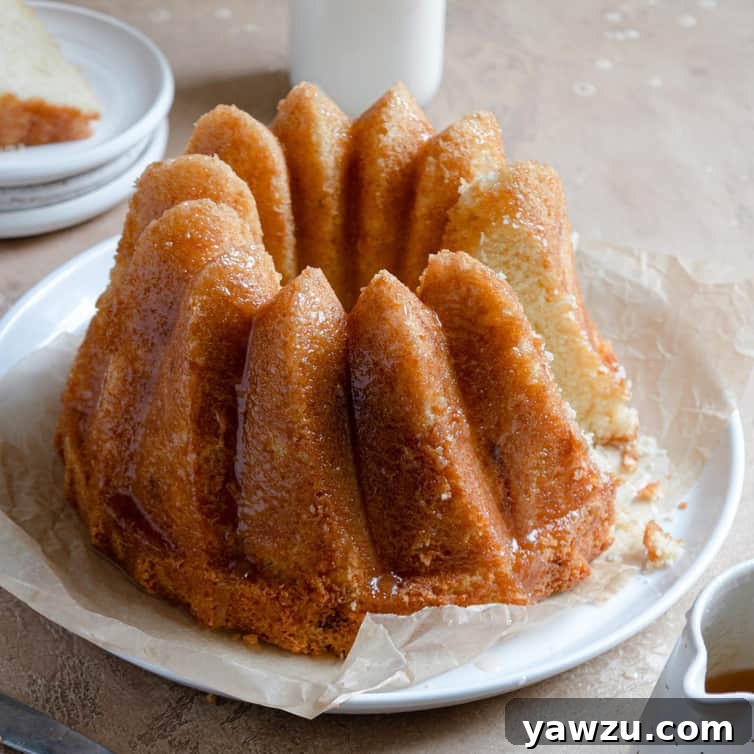
There’s a special kind of magic in a truly exceptional cake – one that captivates your senses even before the frosting enters the picture. While many of us declare ourselves “frosting people,” this old-fashioned Kentucky Butter Cake is poised to convert even the most ardent frosting loyalists. It’s a culinary masterpiece that boasts an unparalleled moistness, a profound buttery flavor, and a signature butter-sugar sauce that infiltrates every crumb. The result? A divinely sugary, crunchy crust that promises pure bliss with every bite. Prepare to fall head over heels for a cake that doesn’t just satisfy a sweet tooth, but creates a lasting craving. Below, we’ll delve into a treasure trove of tips for perfecting this ultimate butter cake, including expert tricks for flawlessly preparing Bundt pans, crafting a spirited bourbon variation, mastering freezing techniques, and much more, ensuring your success from start to finish.
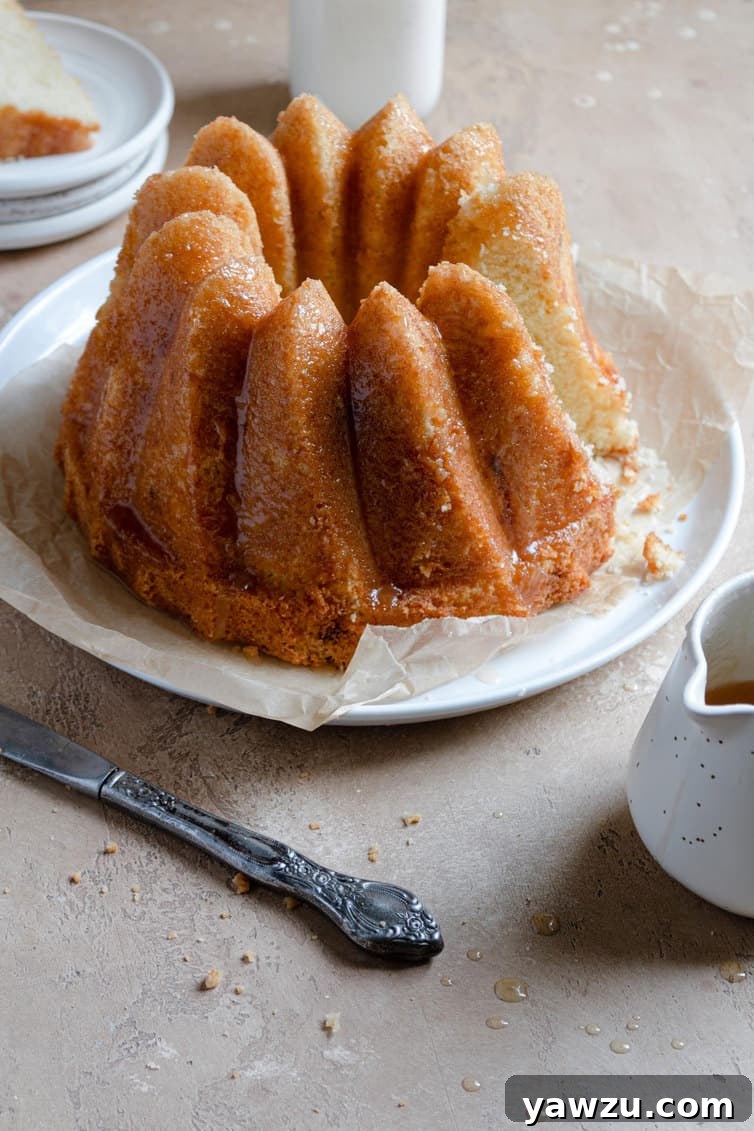
Are you the kind of person who savors every morsel of cake, or do you find yourself primarily motivated by the frosting? For me, it’s undeniably the latter. My dessert heart beats for creamy, decadent frosting, often viewing the cake merely as a vehicle for that sweet topping. So, when I stumble upon a cake that I genuinely *crave* – a cake so utterly delicious that it requires absolutely NO frosting to shine – you know it’s a certified, undeniable winner. This Kentucky Butter Cake is precisely that. With its deceptively simple ingredients and straightforward preparation, it delivers a knock-your-socks-off experience thanks to its incredible texture and the unforgettable, caramelized glaze. Enjoy it as-is, letting that irresistible sugary crust take center stage, or elevate it further with a dollop of freshly whipped cream or a scoop of velvety vanilla ice cream. This isn’t just another recipe; it’s a timeless classic that demands a permanent spot in your culinary repertoire.
Understanding the Classic: What is Butter Cake?
At its heart, a butter cake is a quintessential dessert, a fundamental building block in any baker’s arsenal. True to its name, it is generously loaded with butter, which contributes significantly to its rich flavor, moist crumb, and tender texture. Beyond butter, it’s rounded out with other standard baking ingredients such as granulated sugar for sweetness and moisture, eggs for structure and richness, vanilla for aromatic depth, all-purpose flour for body, and leavening agents like baking powder and baking soda to ensure a beautiful rise. The magic of a good butter cake lies in this harmonious blend, baking up into an incredibly buttery, moist, and utterly delicious treat.
Butter Cake vs. Pound Cake: A Subtle Yet Significant Distinction
While butter cake and pound cake often appear similar in their golden hue and dense structure, there’s a key historical and proportional difference that sets them apart. Traditionally, pound cakes earned their name from a precise ingredient ratio: one pound of each main component – butter, sugar, flour, and eggs. This adherence to equal parts creates a notoriously dense, rich cake with a fine crumb. Butter cakes, while sharing many of these same core ingredients, deviate slightly in their ratios, allowing for variations that can result in a slightly lighter or more tender texture, depending on the specific recipe.
An endearing old-fashioned moniker for traditional butter cake is the “1-2-3-4 cake.” This delightful name serves as an easy mnemonic for its classic ratios: 1 cup of butter, 2 cups of sugar, 3 cups of flour, and 4 eggs. This simple, balanced formula has been a beloved staple in home baking for generations, a testament to the enduring appeal of these fundamental ingredients. The charm of old-fashioned baking often lies in such straightforward, memorable recipes.
The Southern Charm: What Makes a Kentucky Butter Cake Unique?
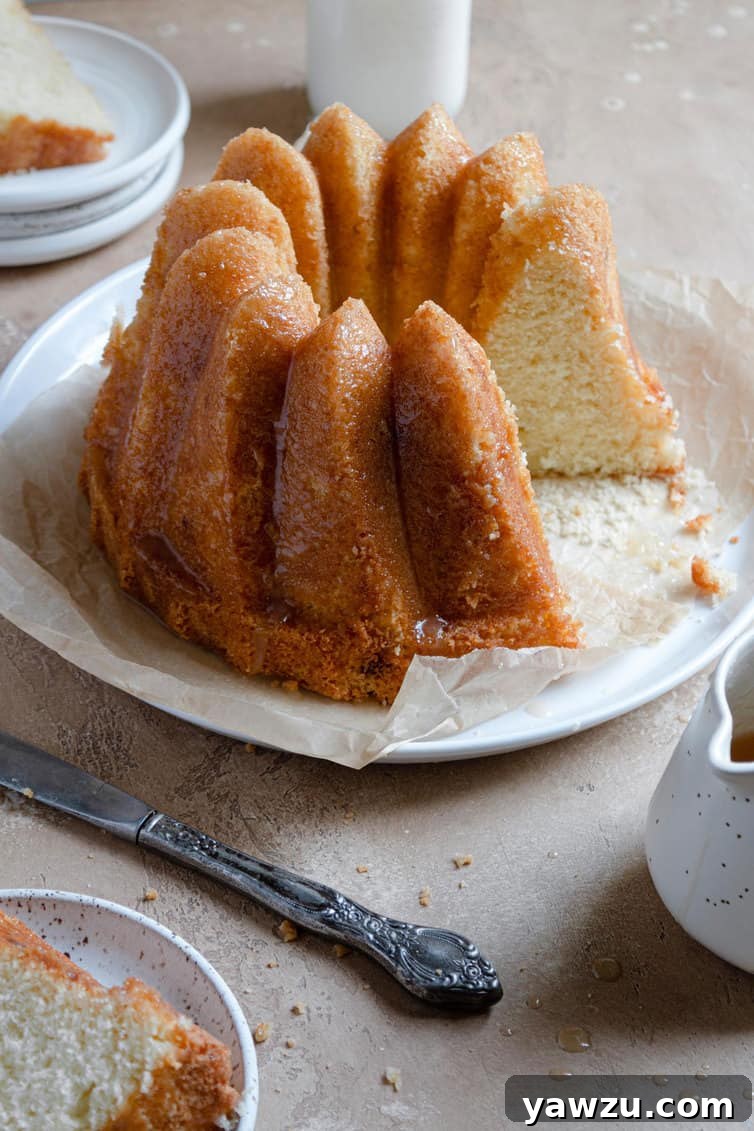
The Kentucky Butter Cake takes the beloved butter cake concept a delectable step further, infusing an already rich and moist cake with an irresistible butter-sugar sauce *after* it emerges from the oven. This warm, sweet glaze is poured slowly over the still-hot cake while it rests in the pan, allowing it to deeply saturate every nook and cranny. As the cake cools and is eventually inverted onto a serving plate, this sauce transforms into a glorious, buttery, sugary, and delicately crunchy exterior that is absolutely to die for. It’s this signature glaze that elevates a simple butter cake to the legendary status of a Kentucky Butter Cake. For an extra layer of authentic Southern flair and a phenomenal cake perfect for celebrating events like the Kentucky Derby, consider incorporating the bourbon option (detailed below). This spirited addition delivers a nuanced warmth reminiscent of a classic rum cake, making it an unforgettable dessert.
Essential Ingredients for Your Perfect Butter Cake
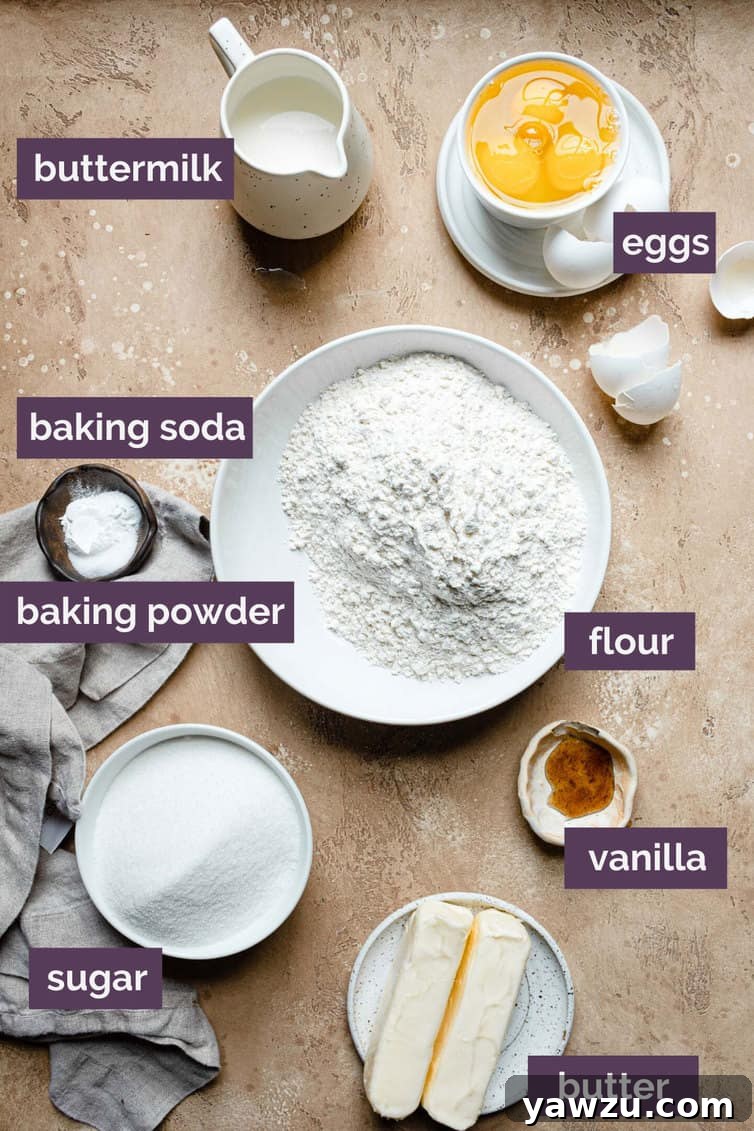
One of the most appealing aspects of baking a butter cake is the high probability that you already possess all the necessary ingredients right in your pantry and refrigerator. This makes it an ideal choice for a spontaneous baking session or when you need a crowd-pleasing dessert without a last-minute grocery run. Here’s a breakdown of the simple yet powerful components:
- Butter: Unsurprisingly, butter is the undisputed star of this show, lending its name and rich essence to the cake. Since butter forms the flavor foundation, using a high-quality brand you love (like Kerrygold) will truly make a difference in the final taste. Ensure it’s at room temperature for optimal creaming.
- Granulated Sugar: Beyond providing sweetness, sugar plays a crucial role in the cake’s structure and moisture content. When creamed with butter, it creates air pockets, contributing to a lighter texture, and it helps keep the cake moist.
- Eggs: These are the binding agents, bringing all the ingredients together. Eggs add significant richness, contribute to the cake’s structure, and aid in leavening, ensuring a tender and well-risen crumb. Make sure they are at room temperature for better emulsification with the butter and sugar.
- Vanilla Extract: Essential for depth of flavor, vanilla elevates the simple ingredients into something truly special. Always opt for pure vanilla extract over imitation for the best results.
- Buttermilk: This acidic ingredient is key to a tender and moist cake. Buttermilk reacts with baking soda to create lift and contributes a subtle tang that balances the sweetness. If you’re out of buttermilk, a simple substitute can be made by adding 1 tablespoon of lemon juice or white vinegar to regular milk and letting it sit for 5-10 minutes until it slightly curdles. Whole or 2% milk can also be used in a pinch, though the texture may be slightly less tender.
- All-Purpose Flour: This provides the primary structure of the cake. For an even lighter and more tender crumb, you can substitute sifted cake flour, which has a lower protein content.
- Baking Powder + Baking Soda: These are our leavening agents, responsible for the beautiful rise and airy texture of the cake. Baking powder provides initial lift, while baking soda reacts with the buttermilk’s acidity to create additional leavening.
- Salt: A small but mighty ingredient, salt enhances all the other flavors, balancing the sweetness and preventing the cake from tasting flat. Always include it!
Crafting Perfection: Let’s Make Kentucky Butter Cake From Scratch!
Despite its impressive results, this Kentucky Butter Cake comes together surprisingly easily, employing the traditional creaming method familiar to many home bakers. Precision and a little patience are your best tools here. Let’s walk through the steps to achieve a flawless cake:
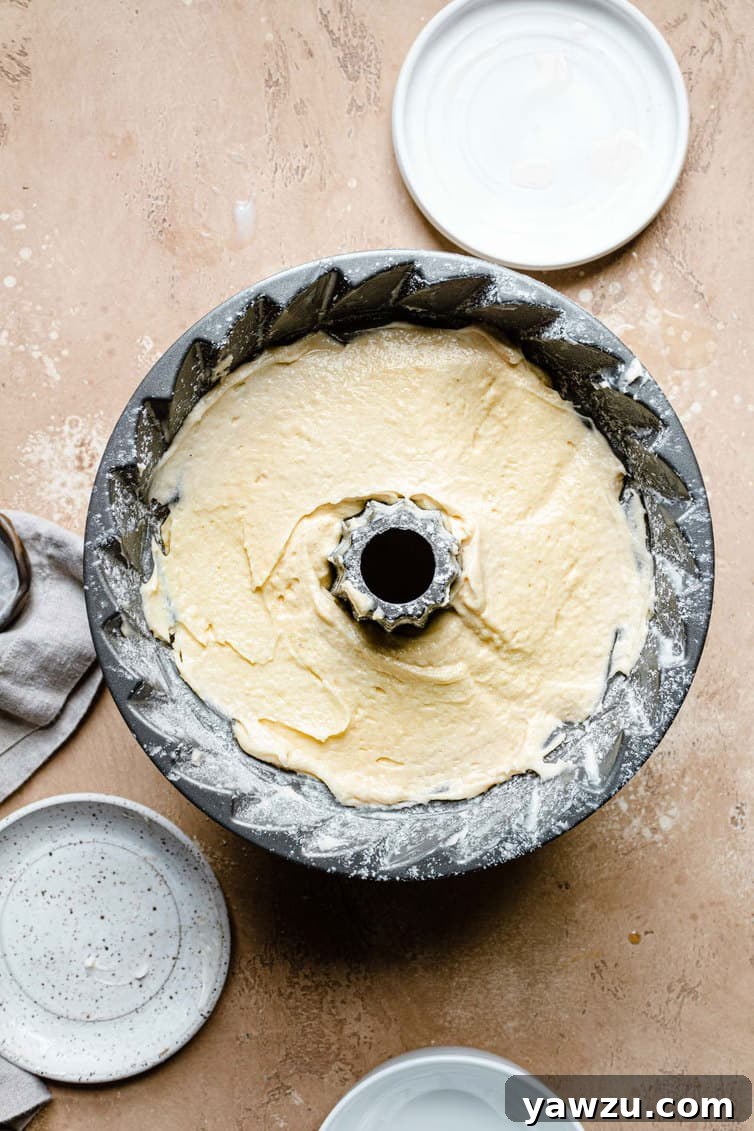
- Prepare Your Pan with Utmost Care: This is arguably THE most critical step for any Bundt cake, especially one that will be glazed upside down in the pan. You must liberally grease every single nook, cranny, and intricate design of your Bundt pan. Don’t skimp! Use solid vegetable shortening (like Crisco) for best results, ensuring a thick, even coat. Once thoroughly greased, dust the entire interior with flour, tapping out any excess. This dual-layer preparation creates a non-stick barrier that is crucial for the cake to release cleanly. Proper pan prep is the difference between a beautiful cake and a frustrating, broken one.
- Whisk Together Dry Ingredients: In a medium-sized bowl, combine the all-purpose flour, baking powder, baking soda, and salt. Give them a quick but thorough whisk. This step ensures that the leavening agents and salt are evenly distributed throughout the flour, preventing pockets of unmixed ingredients and promoting an even rise.
- Cream Butter and Sugar to Perfection: In a large mixing bowl, using an electric mixer, beat the softened butter and granulated sugar together on medium speed. This process, known as creaming, incorporates air into the mixture, making it light and fluffy. It will take a few minutes (typically 3-5 minutes) for the mixture to transform into a pale, airy, and voluminous consistency. Don’t rush this step, as it’s vital for the cake’s final texture.
- Incorporate Eggs and Vanilla: Add the eggs to the creamed butter and sugar mixture, one or two at a time, beating well after each addition until thoroughly combined. Scrape down the sides of the bowl as needed to ensure everything is incorporated. Finally, add the vanilla extract and beat just until it’s mixed in. The eggs add richness and structure, while vanilla enhances the overall flavor.
- Alternate Flour Mixture and Buttermilk: Reduce your mixer speed to low. Begin by adding about a third of the whisked flour mixture to the butter mixture, mixing just until barely combined. Then, add half of the buttermilk, mixing until just incorporated. Continue by alternating with the remaining flour and buttermilk, ending with the flour mixture. It’s crucial not to overmix the batter once the flour is added, as this can develop the gluten too much, resulting in a tough cake. Stop the mixer before the last of the flour is fully incorporated and finish blending by hand with a rubber spatula to gently fold it in.
- Bake Until Golden: Carefully spread the prepared batter evenly into your meticulously greased and floured Bundt pan. Bake in a preheated oven (usually 325-350°F or 160-175°C) for approximately 45 to 55 minutes. The cake is done when a wooden toothpick or skewer inserted halfway between the edge and the center comes out clean or with only a few moist crumbs attached.
- Prepare the Irresistible Butter Sauce: While your cake is in its final baking stages or immediately after it comes out of the oven, prepare the star sauce. In a small saucepan, combine the cubed butter, granulated sugar, and water (or bourbon for the spirited version). Heat this mixture over medium-low heat, stirring constantly, until the butter is completely melted and the sugar has fully dissolved. It’s important not to let the mixture boil; a gentle simmer is fine, but avoid rapid boiling to prevent crystallization. Remove the saucepan from the heat and stir in the vanilla extract.
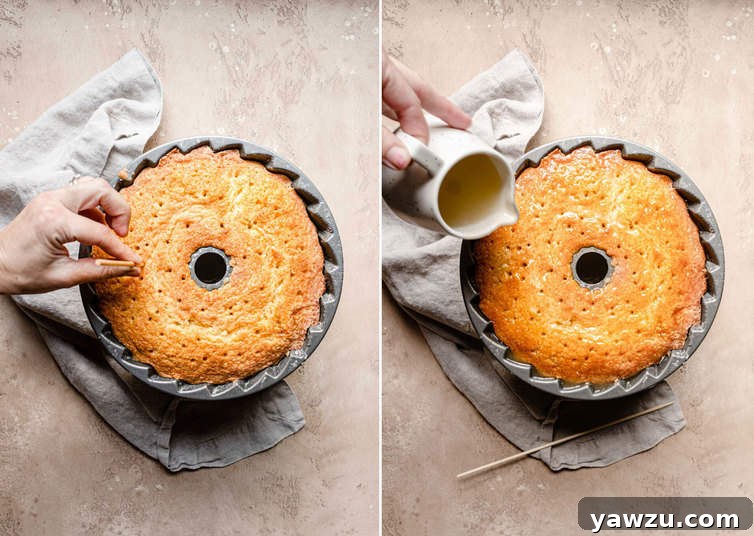
- Glaze the Cake with Patience: As soon as the cake is out of the oven, while it’s still warm and residing in its Bundt pan, take a skewer or a thin wooden dowel and poke numerous holes all over the surface of the cake. These holes will act as channels for the delicious butter sauce. Now, very, very slowly and deliberately drizzle the warm glaze evenly over the entire surface of the cake. Allow ample time for each pour to absorb into the cake before adding more. This slow infusion ensures the cake is thoroughly saturated, creating that incredibly moist interior and the signature crunchy exterior.
- Cool Completely and Invert: Allow the glazed cake to cool completely in the Bundt pan. This cooling period is absolutely crucial for the cake to set, firm up, and for the glaze to properly penetrate and adhere, forming that desired crust. Attempting to invert a warm or hot cake will almost certainly lead to it breaking apart. Once fully cooled, carefully invert the pan onto your chosen serving plate. Give it a gentle shake if needed, and the perfectly formed, glazed Kentucky Butter Cake should release beautifully.
Elevate Your Cake: The Bourbon Option
For those who appreciate a deeper, more complex flavor profile with a hint of sophisticated warmth, the bourbon option is a game-changer. It’s incredibly simple to implement: merely substitute an equal amount of your favorite bourbon for the water in the butter-sugar glaze. This small alteration introduces a delightful kick and a characteristic bourbon essence that permeates the entire cake, without requiring any other adjustments to the cake batter itself. The rich, caramel notes of the bourbon beautifully complement the buttery sweetness of the cake, making it an ideal dessert for adult gatherings, particularly festive occasions like the Kentucky Derby, or any time you want to add a touch of refined indulgence to your meal. The bourbon doesn’t just add alcohol; it infuses the cake with a unique aroma and a layer of flavor that is truly exquisite and memorable.
Serving Suggestions & Glaze Alternatives
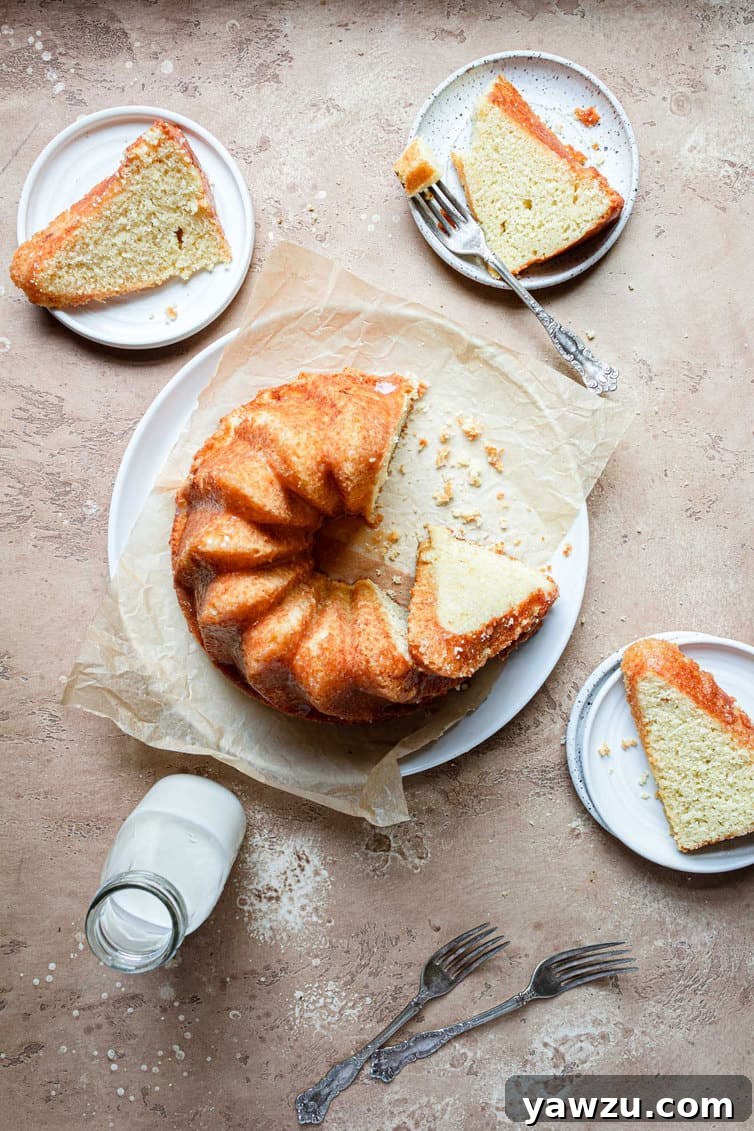
While the signature butter-sugar glaze is what defines a Kentucky Butter Cake and creates its legendary crunchy crust, the base cake itself is incredibly versatile. If you prefer to enjoy a simpler version, leaving the cake unglazed is certainly an option. Served plain, its inherent buttery moistness is absolutely fabulous, especially when accompanied by a generous dollop of homemade whipped cream, a scoop of creamy vanilla ice cream, or a scattering of fresh berries. These simple additions highlight the cake’s exquisite texture and rich flavor without overwhelming it.
However, if your heart truly yearns for frosting, or if you’re serving the cake for a special occasion that calls for extra embellishment, there are numerous frosting options that pair wonderfully with a butter cake. Here are some classic choices to consider:
- Vanilla Buttercream: A timeless choice that complements the cake’s flavor without overshadowing it.
- Chocolate Buttercream: For the chocolate lovers, a rich chocolate frosting adds a luxurious contrast to the buttery cake.
- Swiss Meringue Buttercream: Light, silky, and less sweet than traditional American buttercream, offering an elegant finish.
- Chocolate Ganache: A glossy, decadent pour-over option that hardens into a delicate shell, adding both beauty and intense chocolate flavor.
- 7-Minute Frosting: A fluffy, marshmallow-like frosting that’s light and airy, perfect for a nostalgic touch.
Bundt Cake Breakthrough: Troubleshooting Tips for Perfect Release
One of the most common frustrations for bakers attempting Bundt cakes is the moment of truth: turning the cake out of the pan. Many people encounter issues with cakes sticking or breaking, marring what should be a beautiful presentation. To avoid these heartbreaking culinary mishaps, it is paramount that you **prep the pan correctly and meticulously**. In my extensive baking experience, simply spraying a Bundt pan with a generic non-stick cooking spray (like Pam) is rarely sufficient and often leads to disappointment. These sprays often don’t adhere well enough to the intricate designs of Bundt pans, leaving crucial spots vulnerable to sticking.
Bundt pans, with their beautiful and often complex patterns, demand a bit more tender loving care. My tried-and-true formula for success involves a two-step process: first, grease the entire interior of the pan thoroughly with solid vegetable shortening (such as Crisco). Use your fingers or a pastry brush to ensure every single nook, cranny, and crevice is generously coated. Then, liberally dust the entire greased surface with all-purpose flour, rotating the pan and tapping it gently to ensure the flour adheres everywhere. Once fully coated, invert the pan and tap out any excess flour. The combination of solid fat and flour creates a robust non-stick barrier that helps the cake release cleanly, preserving its stunning shape. Some enthusiastic bakers swear by baking sprays that already contain flour, and while they work for some, I personally haven’t found them as consistently reliable as the shortening and flour method. Another option you might find online is “homemade cake pan release,” which is a mixture of fat and flour that can be prepared in advance and kept on hand. While I haven’t personally used these homemade versions, they are a popular alternative for dedicated Bundt cake enthusiasts.
Recommended Bundt Pans for Beautiful Results
I absolutely adore Bundt pans! They are not only functional but also artistic, allowing you to create cakes with unique and intricate designs that elevate any dessert table. Here are a few of my top recommendations for high-quality Bundt pans that consistently deliver gorgeous results:
- Nordic Ware Kugelhopf Pan (the elegant design featured in the photographs for this recipe)
- Nordic Ware Heritage Pan (a stunning spiral design, as seen in my homemade rum cake photos)
- Nordic Ware Anniversary Pan – This is my reliable “standard” Bundt pan, perfect for a classic look!
Planning Ahead: Make-Ahead and Freezing Options
This Kentucky Butter Cake is an ideal candidate for preparing in advance, making it a perfect dessert for entertaining or busy schedules. Making the cake the day before you plan to serve it actually enhances its flavor and texture. Allowing the warm butter sauce ample time to completely soak into the cake and letting the cake cool thoroughly helps develop that incredible, caramelized crust on the outside, intensifying its deliciousness. It’s truly superb when given this extra time to meld and mature.
Furthermore, this cake freezes exceptionally well, providing a convenient option for future enjoyment or for managing leftovers. You can freeze either the entire cake or individual slices, depending on your needs. To freeze a whole cake, first ensure it is completely cool. Then, wrap it tightly in several layers of plastic wrap, followed by a layer of heavy-duty aluminum foil to protect against freezer burn. Place the double-wrapped cake into a large zip-top freezer bag for an extra layer of protection. For individual slices, wrap each slice tightly in plastic wrap, then place them together in a zip-top freezer bag. Both methods will keep the cake fresh and delicious in the freezer for up to 3 months. When you’re ready to enjoy, simply thaw the cake or individual slices at room temperature. The cake will retain its moistness and flavor beautifully, ready to be served.
More Southern-Inspired Delights for the Kentucky Derby:
If you’re planning a celebration for the Kentucky Derby or simply love the flavors of the South, here are some other fantastic recipes to complete your spread:
- Kentucky Derby Chocolate Bourbon Walnut Pie
- Bourbon Slush
- Kentucky Derby Pie Cupcakes
- Mint Julep Jell-O Shots
If you embark on the delightful journey of making this Kentucky Butter Cake recipe and find yourself utterly charmed by its moistness, richness, and that unforgettable crunchy crust, I would be incredibly grateful if you’d take a moment to leave a rating below. Your feedback helps other bakers discover and enjoy this wonderful recipe. Thank you so much for your support! ❤️️
Kentucky Butter Cake
Prep Time: 30 mins
Cook Time: 45 mins
Total Time: 1 hr 15 mins
This old-fashioned Kentucky butter cake is super moist, ultra buttery, and infused with the best butter-sugar sauce. It creates a sugary, crunchy crust that you won’t be able to get enough of!
Pin Recipe
Rate Recipe
Ingredients
For the Cake:
- 3 cups (437.5 g) all-purpose flour
- 1 teaspoon (1.25 teaspoons) baking powder
- ½ teaspoon (0.75 teaspoon) baking soda
- 1 teaspoon (1.25 teaspoons) salt
- 1 cup (283.75 g) unsalted butter, at room temperature
- 2 cups (350 g) granulated sugar
- 4 (5) eggs, at room temperature
- 2 teaspoons (80 ml) vanilla extract
- 1 cup (300 ml) buttermilk, at room temperature
For the Butter Sauce:
- ½ cup (7 tablespoons) unsalted butter, cubed
- 1 cup (200 g) granulated sugar
- ¼ cup (80 ml) water (or bourbon for the bourbon option)
- 2 teaspoons vanilla extract
Instructions
- Preheat oven to 325 degrees F (160°C). Liberally grease and flour a standard 10 to 12-cup Bundt pan, ensuring every detail is coated.
- Make the Cake: In a medium bowl, whisk together the flour, baking powder, baking soda, and salt until well combined.
- In a large mixing bowl, beat the unsalted butter and granulated sugar on medium speed until the mixture is light and fluffy, which should take about 3 minutes. Add the eggs, two at a time, beating thoroughly after each addition. Incorporate the vanilla extract and beat until fully combined.
- Reduce the mixer speed to low. Gradually add the flour mixture in three parts, alternating with the buttermilk in two parts. Begin and end with the flour mixture. After each addition, mix only until just barely blended. Stop the mixer and use a rubber spatula to scrape down the sides of the bowl. Complete the final blending by hand with the spatula to avoid overmixing, which can lead to a tough cake.
- Scrape the cake batter into the meticulously prepared Bundt pan. Bake until a wooden toothpick inserted halfway between the edge and center comes out clean, typically 45 to 55 minutes.
- Make the Butter Sauce: As soon as the cake is out of the oven, start preparing the butter sauce. In a small saucepan, combine the cubed butter, granulated sugar, and water (or bourbon). Warm the mixture over medium-low heat, stirring frequently, until the butter is completely melted and the sugar is fully dissolved. Do not allow the mixture to come to a rolling boil. Remove the saucepan from the heat and stir in the vanilla extract.
- Using a skewer or thin wooden dowel, poke numerous holes all over the top surface of the cake while it is still in the Bundt pan. Very slowly pour the warm glaze evenly over the cake, allowing plenty of time for it to absorb before adding more. This ensures deep penetration and a wonderful crust. Allow the cake to cool completely in the pan before inverting it onto a serving plate.
Notes
Nutritional values provided are based on one serving.
Nutrition Information (per serving):
- Calories: 548kcal
- Carbohydrates: 75g
- Protein: 6g
- Fat: 25g
- Saturated Fat: 15g
- Cholesterol: 118mg
- Sodium: 286mg
- Potassium: 119mg
- Fiber: 1g
- Sugar: 51g
- Vitamin A: 821IU
- Calcium: 57mg
- Iron: 2mg
Did you make this recipe?
Leave a review below, then snap a picture and tag @thebrowneyedbaker on Instagram so I can see it!
Author: Michelle Lettrich
Course: Dessert
Cuisine: American
A previous version of this cake was posted in April 2014. It has since been updated and the recipe improved upon based on reader feedback, enhancing its moistness and the glorious crunchy crust.
[Photography by Dee of One Sarcastic Baker]