Mastering Butter Measurements: Your Ultimate Guide to Baking Precision
For many home bakers and seasoned chefs alike, few ingredients cause as much confusion and frustration as butter when it comes to measurement. Have you ever found yourself staring blankly at a recipe, wondering how many cups are in a stick of butter, or desperately searching for a conversion chart online? You are certainly not alone. The seemingly simple act of measuring butter can quickly become a stumbling block, leading to inconsistencies in your culinary creations.
This guide aims to put an end to that confusion. We’ll delve into the nuances of butter measurements, providing a clear, comprehensive breakdown of sticks, cups, ounces, tablespoons, and even grams. We’ll explore why precise measurement is crucial in baking, champion the accuracy of kitchen scales, and equip you with an indispensable cheat sheet to ensure your butter measurements are spot-on every single time. Say goodbye to frantic Googling and hello to baking confidence!
The Universal Baking Frustration: Why Butter Measurement is So Tricky
It’s a common scenario: a recipe calls for a specific amount of butter, often in cups, but your butter comes in sticks, or perhaps in a large block. Immediately, a mental hurdle appears. Is it 1/2 cup per stick? Or is it 1/4 cup? The memory often fails precisely when you need it most. This isn’t just an arbitrary annoyance; it’s a genuine challenge stemming from varying regional standards and measurement preferences.
In the United States, butter is commonly sold in one-pound packages, which are typically divided into four quarter-pound sticks. Each stick is further marked with tablespoon increments, making it seemingly easy to measure smaller quantities. However, when a recipe specifies “one cup” or “half a cup,” the conversion from sticks isn’t always intuitive for every baker. Elsewhere in the world, butter might be sold in solid blocks by weight (e.g., 250g or 500g), making volume-based recipes even harder to translate without a proper guide.
The core problem lies in the conversion between volume (cups, tablespoons) and weight (ounces, grams). Butter, a semi-solid fat, can be packed differently into a measuring cup, leading to inconsistencies. A loosely packed cup of butter will weigh less than a firmly packed one, and even a slight variation can impact the texture, flavor, and overall success of your baked goods. This inherent variability makes volumetric measurements for butter, while convenient, less precise than weight-based measurements.
The Case for Weight: Why Your Kitchen Scale is Your Best Friend
If there’s one golden rule in baking, it’s precision. Baking is often likened to chemistry – a science where the exact ratios of ingredients can make or break a recipe. Unlike cooking, where a pinch more of this or a dash less of that might be perfectly acceptable, baking demands accuracy. This is particularly true for ingredients like flour, sugar, and, you guessed it, butter.
Measuring by weight using a kitchen scale offers unparalleled accuracy compared to volume measurements. Here’s why:
- Consistency: A gram of butter is always a gram of butter, regardless of whether it’s melted, softened, or rock-hard. A cup of butter, however, can vary based on its density and how it’s packed.
- Eliminates Error: There’s no guesswork involved with a scale. Simply place your bowl on the scale, zero it out, and add butter until you reach the desired weight. No more scraping out measuring cups or leveling off.
- Easier Cleanup: Often, you can measure multiple ingredients directly into your mixing bowl, reducing the number of dirty measuring cups and spoons.
- Professional Results: Professional bakers almost exclusively measure by weight for these very reasons. Adopting this practice can significantly improve the consistency and quality of your homemade treats.
- Universal Language: Weight measurements (grams, ounces) are more universally understood across different culinary cultures than volume measurements (cups), making it easier to follow international recipes.
While we understand that not every recipe provides weight measurements, equipping yourself with the knowledge to convert volumetric amounts to weight can elevate your baking game considerably. This guide provides those crucial conversions.
Decoding Butter Conversions: Your Essential Cheat Sheet
To help you navigate the often-confusing world of butter measurements, we’ve compiled a comprehensive cheat sheet. This information will empower you to convert between sticks, cups, tablespoons, ounces, and grams with ease, ensuring you always add the correct amount of butter to your recipes.
Understanding the Standard U.S. Butter Stick:
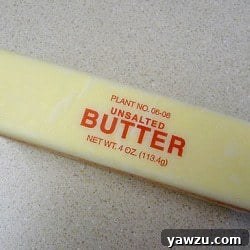
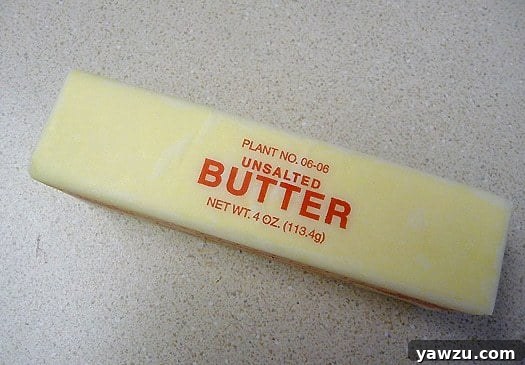
A standard U.S. stick of butter is usually 4 ounces by weight, which is equivalent to 1/2 cup by volume. This is a foundational conversion to remember, as many recipes are based around these units.
- 1 standard stick of butter = 4 ounces (oz)
- 1 standard stick of butter = 1/2 cup
- 1 standard stick of butter = 8 tablespoons (tbsp)
- 1 standard stick of butter = 113 grams (g)
Key Butter Conversions:
Here are the conversions you’ll use most frequently:
- Cups to Sticks:
- 1/4 cup butter = 1/2 stick = 4 tbsp = 2 oz = 57 g
- 1/3 cup butter = 5 tbsp + 1 tsp (approx.) = 2.67 oz = 76 g
- 1/2 cup butter = 1 stick = 8 tbsp = 4 oz = 113 g
- 2/3 cup butter = 1 stick + 2.67 tbsp (approx.) = 5.33 oz = 151 g
- 3/4 cup butter = 1 stick + 4 tbsp = 6 oz = 170 g
- 1 cup butter = 2 sticks = 16 tbsp = 8 oz = 227 g
- Tablespoons to Other Units:
- 1 tbsp butter = 1/2 oz (approx.) = 14.2 g (approx.)
- 2 tbsp butter = 1 oz = 28.35 g
- Ounces to Grams (for butter):
- 1 oz butter = 28.35 g
- 4 oz butter (1 stick) = 113.4 g
- 8 oz butter (2 sticks / 1 cup) = 226.8 g
- Pounds to Sticks/Cups:
- 1 pound (lb) butter = 4 sticks
- 1 pound (lb) butter = 2 cups
- 1 pound (lb) butter = 16 oz
- 1 pound (lb) butter = 454 g
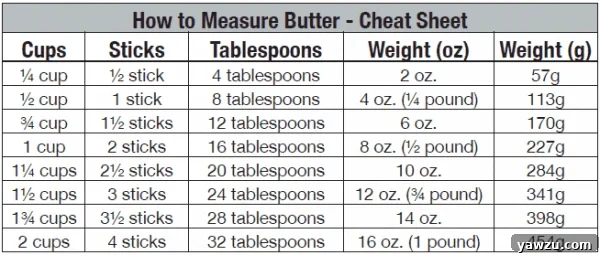
Butter Measurement Chart: At a Glance
For quick reference, here’s a detailed table summarizing common butter measurements:
| Amount in Sticks | Amount in Cups | Amount in Tablespoons | Amount in Ounces (oz) | Amount in Grams (g) |
|---|---|---|---|---|
| 1/4 stick | 1/8 cup | 2 tbsp | 1 oz | 28 g |
| 1/2 stick | 1/4 cup | 4 tbsp | 2 oz | 57 g |
| 3/4 stick | 3/8 cup | 6 tbsp | 3 oz | 85 g |
| 1 stick | 1/2 cup | 8 tbsp | 4 oz | 113 g |
| 1 1/2 sticks | 3/4 cup | 12 tbsp | 6 oz | 170 g |
| 2 sticks | 1 cup | 16 tbsp | 8 oz | 227 g |
| 4 sticks (1 lb) | 2 cups | 32 tbsp | 16 oz | 454 g |
This table can be invaluable, whether you print it out and stick it on your fridge or save it in your digital recipe binder. No more second-guessing!
For your convenience, here is a printable version of a similar butter measurement chart that you can keep handy in your kitchen.
Beyond Measurement: Tips for Perfect Butter Usage in Baking
Accurate measurement is just the first step. How you handle your butter also significantly impacts the outcome of your baked goods. Here are a few essential tips:
- Softening Butter: Most baking recipes call for “room temperature” or “softened” butter. This doesn’t mean melted. Softened butter should be pliable enough to leave an indentation when pressed gently, but still hold its shape. It should not be greasy or oily. Softened butter creamed with sugar creates air pockets, which contribute to a light and fluffy texture in cakes and cookies. To quickly soften butter, cut it into smaller pieces and let it sit at room temperature for 15-30 minutes, or gently microwave it in 5-second bursts, flipping it between bursts, until it reaches the desired consistency.
- Melting Butter: Some recipes require melted butter, particularly for recipes like brownies or certain cookie doughs where a chewier texture is desired. Ensure the butter is fully melted but not browned (unless the recipe specifically calls for brown butter). Allow it to cool slightly before incorporating it into other ingredients, especially if eggs are involved, to prevent them from scrambling.
- Salted vs. Unsalted Butter: Always pay attention to whether a recipe specifies salted or unsalted butter. Unsalted butter (often labeled “sweet cream butter”) gives you complete control over the salt content of your recipe, which is why it’s generally preferred by professional bakers. If a recipe calls for unsalted butter and you only have salted, you may need to reduce any added salt in the recipe by about 1/4 teaspoon per stick of butter used.
- Clarified Butter: Also known as ghee, clarified butter is pure butterfat with the milk solids and water removed. It has a higher smoke point and a longer shelf life. While less common in standard baking, it’s used in some specific applications and certain cultural cuisines.
Say Goodbye to Guesswork: Embrace Precision in Your Kitchen
The journey to becoming a more confident and successful baker often starts with mastering fundamental techniques, and accurate ingredient measurement is paramount among them. By understanding the various units of butter measurement and embracing the precision offered by a kitchen scale, you’ll eliminate a significant source of baking frustration. No longer will you dread seeing “cups of butter” in a recipe; instead, you’ll be able to quickly convert to your preferred method, confident in the knowledge that your proportions are perfect.
We hope this comprehensive guide has provided you with the clarity and tools needed to confidently measure butter for all your baking adventures. Keep this cheat sheet handy, practice your conversions, and watch as your baked goods achieve new levels of consistency and deliciousness.
Happy Baking!