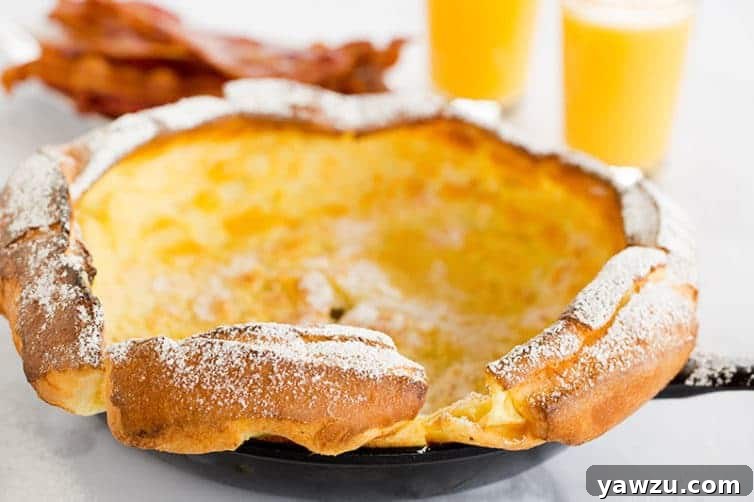
There are few breakfast dishes as visually stunning and effortlessly delicious as the Dutch Baby Pancake. Often mistaken for a traditional pancake, this magnificent creation, sometimes affectionately referred to as a German pancake, is in a league of its own. Imagine a grand, puffy popover with a delicate, crepe-like base, golden-brown edges that reach for the sky, and a tender, custardy center. It’s a culinary marvel that transforms simple ingredients into an extraordinary breakfast or brunch experience, offering a delightful balance of not-too-sweet flavor that can be customized to your heart’s content.
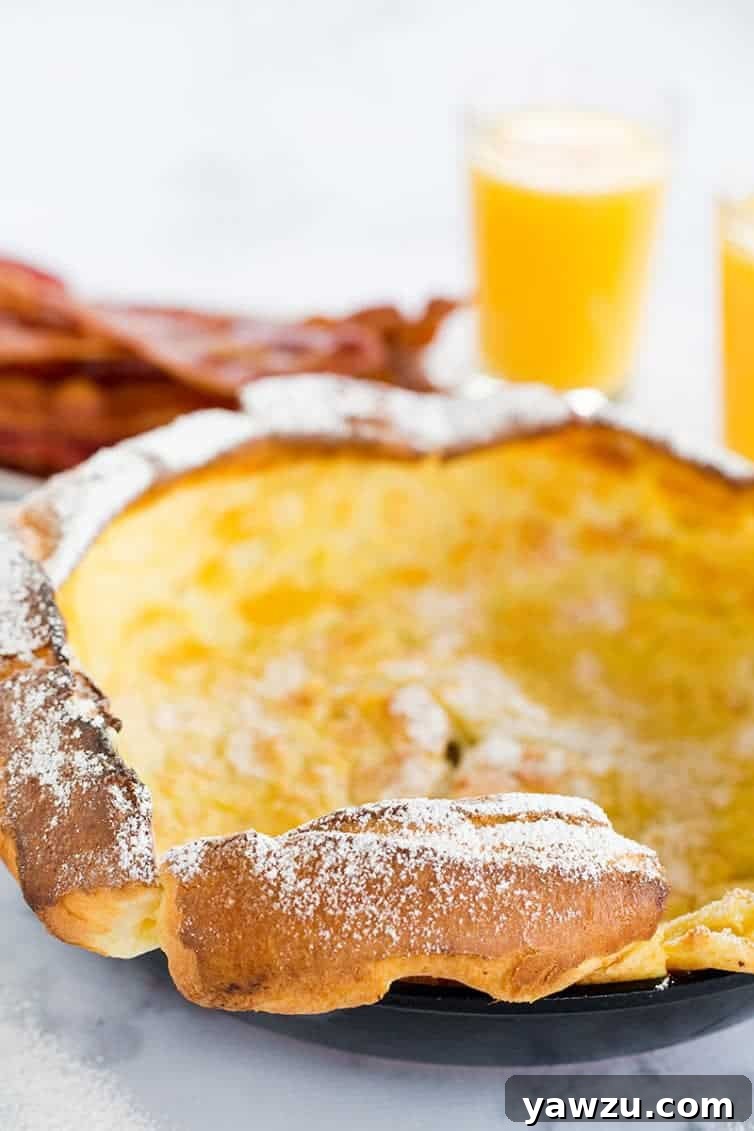
For too long, I resisted the allure of the Dutch Baby. Despite hearing whispers of its charm and seeing tantalizing photos online, I couldn’t quite fathom how a seemingly simple oven-baked pancake could truly rival the comforting stacks of flapjacks I adored. Oh, how mistaken I was! My first encounter was nothing short of a revelation. The golden, airy edges and the soft, slightly chewy center, perfectly cradling a generous drizzle of syrup, instantly converted me. If you haven’t yet experienced the magic of a homemade Dutch baby pancake, prepare to be amazed. It’s not just a meal; it’s an event, a delightful surprise that promises to elevate your morning routine.
My journey to becoming a Dutch Baby enthusiast was serendipitous, inspired by a cookbook that defied my usual preferences. Chrissy Teigen’s “Cravings” caught my attention through its widespread praise on social media and other food blogs. Skeptical of celebrity cookbooks, I eventually gave in, and I’m incredibly glad I did. This book is a treasure trove of outstanding recipes, and its Dutch Baby Pancake recipe was one of the first I tried, quickly proving itself to be an absolute winner. The consistent feedback from others who own the book echoes my sentiment: every recipe is a hit, each one more impressive than the last. This particular recipe from “Cravings” has become a staple, showcasing just how simple and satisfying baking can be.
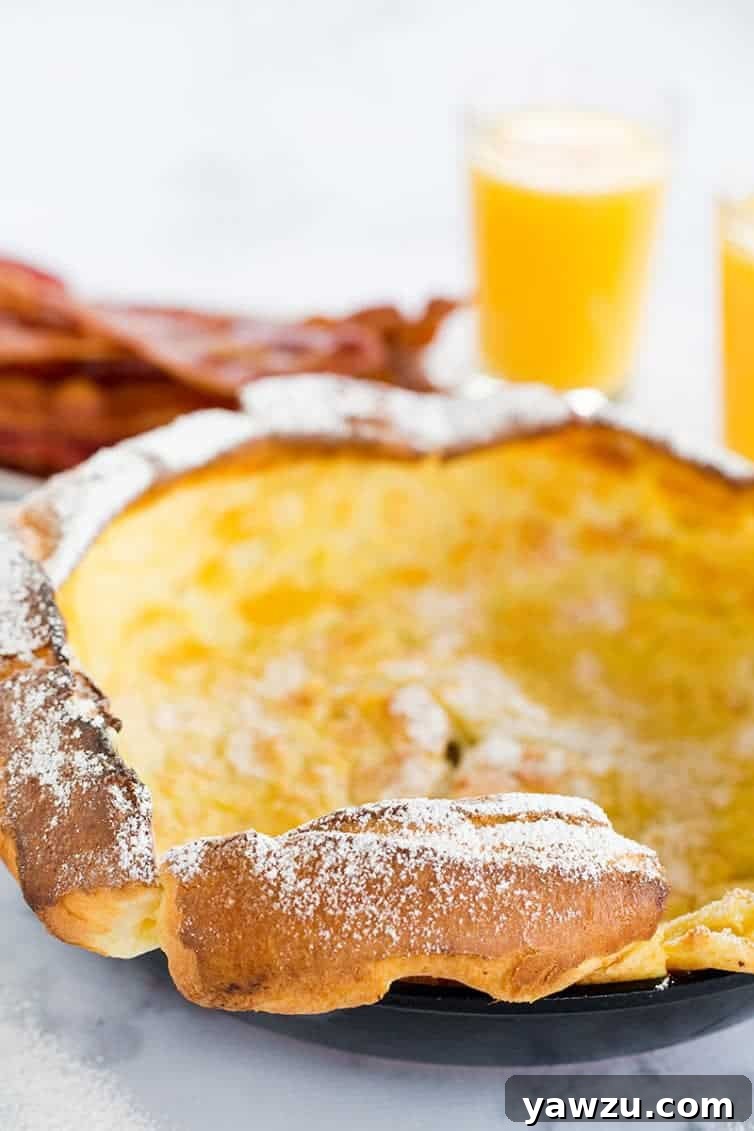
While my enthusiasm for that cookbook is undeniable, let’s refocus on the star of today’s discussion: the magnificent Dutch Baby Pancake. This dish deserves its own spotlight, not just as a recipe from a book, but as a culinary experience everyone should try.
What Is a Dutch Baby Pancake and What Does it Taste Like?
A Dutch Baby Pancake is a unique and delightful hybrid that beautifully blends the best characteristics of a crepe, a popover, and a very thin pancake. Unlike traditional pancakes cooked on a griddle, Dutch babies are baked in a hot oven, typically in a cast iron skillet, which gives them their signature dramatic puff and golden, crispy edges. The batter, a simple mixture of eggs, flour, milk, and salt, is poured into a sizzling, butter-filled pan, then baked until it transforms into a grand, impressive spectacle.
The flavor profile is subtly sweet, allowing it to be an ideal canvas for a wide array of toppings, both sweet and savory. The texture is what truly sets it apart: the bottom remains thin and slightly custardy, similar to a delicate crepe, while the sides puff up dramatically, creating a buttery, crispy, and airy crust reminiscent of a popover. This contrast in textures — the soft interior meeting the crunchy exterior — makes every bite a truly incredible experience. It’s light yet satisfying, comforting yet elegant. Once you try it, you’ll understand why it garners such devotion.
And here’s another fantastic aspect: the preparation is remarkably straightforward, requiring significantly less active effort than flipping multiple batches of traditional pancakes. It’s a low-fuss recipe with incredibly high rewards.
How Do You Make a Dutch Baby Pancake?
The simplicity of making a Dutch Baby Pancake is one of its greatest appeals. The process is surprisingly easy, making it perfect for both seasoned bakers and novice cooks. Here’s the basic rundown:
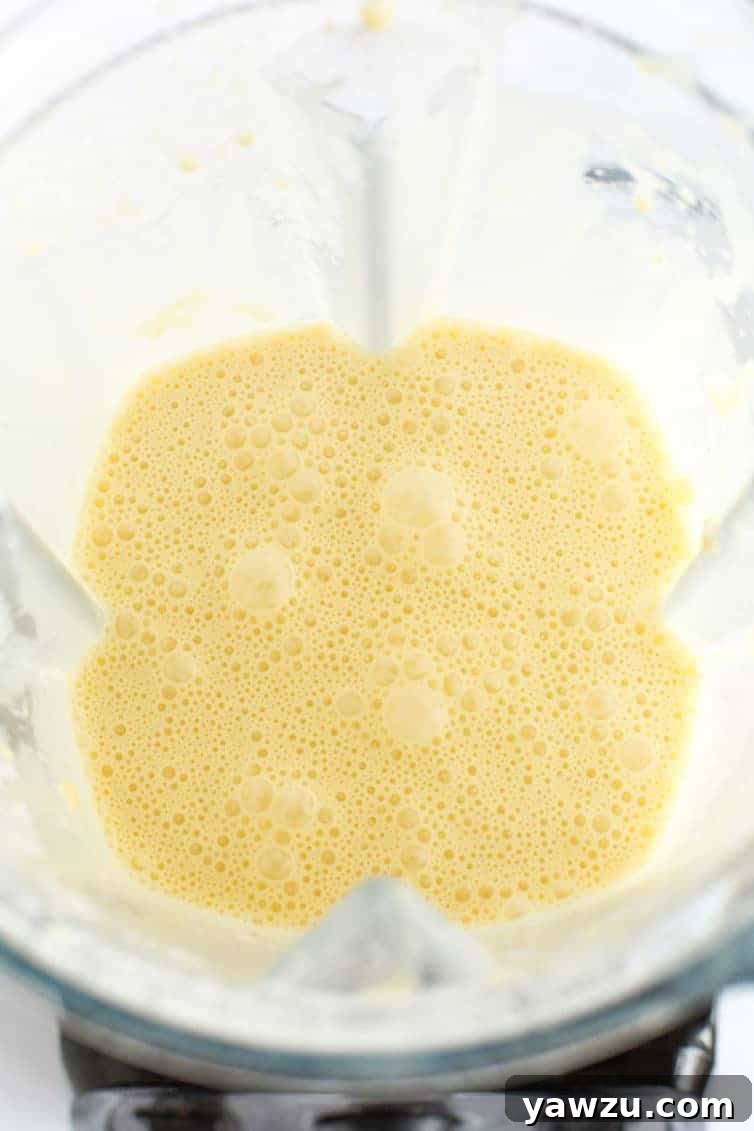
- Prepare the Batter: All you need to do is combine the essential ingredients—flour, eggs, milk, and a touch of salt—in a blender. Blend until the mixture is completely smooth, typically taking only 20 to 30 seconds. No lumps, no fuss.
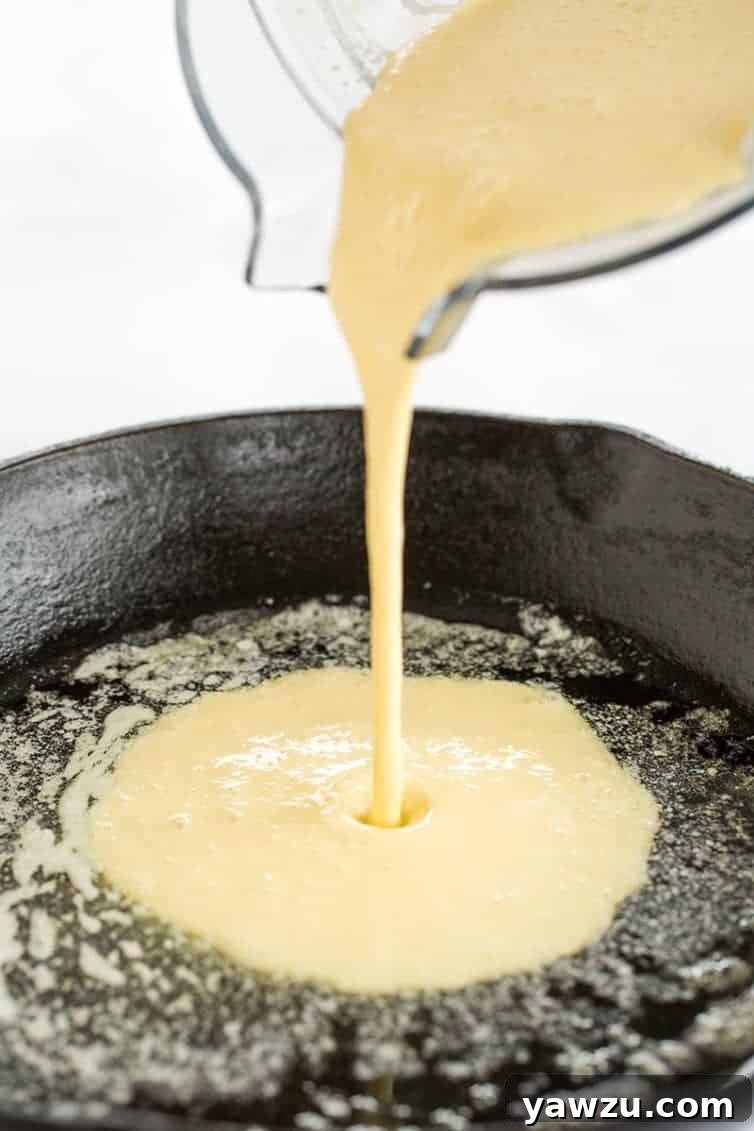
- Heat the Skillet: This step is crucial for achieving that characteristic puff. You’ll need a good quality, ovenproof skillet, preferably cast iron. Melt a generous amount of butter in the skillet and heat it over high heat until it’s wonderfully foamy and hot. The sizzle is your cue!
- Bake to Perfection: Pour the smooth batter directly into the preheated, butter-laden skillet and immediately transfer it to a hot oven. As it bakes, you’ll witness the magic unfold: the pancake will swell, puff up dramatically around the edges, and achieve a beautiful deep golden-brown hue.
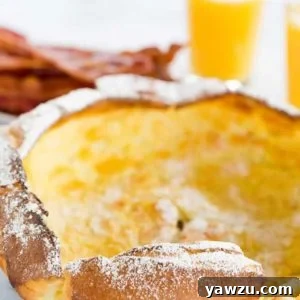
- Serve and Enjoy: Once it emerges from the oven, a majestic, puffed creation, it’s ready for immediate enjoyment. A generous slathering of softened butter, a cascade of your favorite syrup, and a delicate dusting of powdered sugar are classic additions, transforming it into an irresistible breakfast masterpiece.
(Note: While a cast iron skillet is highly recommended for its excellent heat retention and even cooking, you can certainly make a Dutch baby pancake using any heavy, ovenproof skillet you have on hand. Just ensure it can withstand high oven temperatures!)
The History and Charm of the Dutch Baby
Despite its name, the Dutch Baby Pancake is not Dutch in origin. It’s actually an American creation, derived from the German Pfannkuchen, a type of baked pancake. The name “Dutch Baby” is said to have originated in the early 20th century at Manca’s Cafe in Seattle, Washington. One story suggests that the owner’s daughter coined the term “Dutch Baby,” a slight corruption of “Deutsch” (German), to describe the small, puffy pancakes. Regardless of its exact etymology, the dish quickly gained popularity for its distinctive appearance and delightful taste, becoming a cherished breakfast staple across America. Its simple ingredients and impressive presentation make it a timeless classic, perfect for any occasion.
Tips for the Perfect Puffed Pancake
Achieving that iconic, dramatic puff in your Dutch baby pancake is easier than you might think, with a few key tips:
- Room Temperature Ingredients: Ensure your eggs and milk are at room temperature. This helps the batter blend more smoothly and contributes to a better rise in the oven.
- Sift Your Flour: Sifting the all-purpose flour before adding it to the blender helps prevent lumps and creates a lighter, airier texture in the finished pancake.
- Hot Skillet is Key: Don’t underestimate the importance of a properly preheated skillet. The moment the batter hits the hot, buttered pan, the edges begin to crisp and rise. Using a cast iron skillet ensures excellent heat retention and distribution.
- High Oven Temperature: The high heat of the oven (475°F or 245°C) creates steam from the liquid in the batter, which is what causes the rapid, dramatic puff.
- Resist the Urge to Peek: Opening the oven door during the baking process can cause the pancake to deflate. Trust the process and keep the oven door closed until the suggested baking time is nearly complete.
- Serve Immediately: Dutch babies are best enjoyed fresh out of the oven, when they are at their most voluminous and tender. They will deflate as they cool, which is perfectly normal, but the texture is optimal when hot.
Creative Topping Ideas for Your Dutch Baby
While a simple dusting of powdered sugar and a generous pour of maple syrup are classic and undeniably delicious, the Dutch baby pancake is incredibly versatile and lends itself beautifully to a wide array of toppings:
- Sweet Sensations:
- Fresh Berries: Strawberries, blueberries, raspberries, or a mix of seasonal berries add a burst of freshness and color.
- Sliced Fruit: Thinly sliced apples or pears sautéed in a little butter and cinnamon, or caramelized bananas, make wonderful warm toppings.
- Lemon and Sugar: A squeeze of fresh lemon juice and a sprinkle of granulated sugar offer a bright, tangy contrast to the rich pancake.
- Nut Butter & Jam: A dollop of almond or peanut butter with your favorite fruit jam creates a comforting and satisfying combination.
- Chocolate Chips or Hazelnut Spread: For the ultimate indulgence, sprinkle chocolate chips over the warm pancake or spread with a luscious hazelnut spread.
- Whipped Cream: A light and airy whipped cream adds an extra layer of decadence.
- Savory Adventures:
- Cheese and Herbs: A sprinkle of Gruyere or Parmesan cheese with fresh chives or thyme makes a savory twist.
- Smoked Salmon and Cream Cheese: For a brunch-worthy option, top with smoked salmon, a dollop of cream cheese, and a sprinkle of fresh dill.
- Sautéed Mushrooms and Spinach: A quick sauté of mushrooms and spinach with a hint of garlic can turn your Dutch baby into a savory meal.
- Fried Egg and Bacon: For a hearty breakfast, pair with a perfectly fried egg and crispy bacon.
Experiment with your favorite flavors to discover your perfect Dutch Baby combination. The possibilities are truly endless!
So, what are you waiting for? Make this phenomenal pancake. Immediately. It’s versatile enough for breakfast, a delightful lunch, or even a unique dinner. You’ll absolutely love it!
More Favorite Breakfast Recipes
- Buttermilk Waffles
- Oven-Baked Bacon
- Challah French Toast
- Fluffy Pancakes
Dutch Baby Pancake
4 servings
5 mins
18 mins
25 mins
Pin Recipe
Ingredients
- 1 cup (125 g) all-purpose flour, sifted
- 4 eggs
- 1 cup (244 g) whole milk, at room temperature
- ½ teaspoon (0.5 teaspoon) kosher salt
- 4 tablespoons unsalted butter, melted, divided
- Powdered sugar, for dusting
- Pancake syrup, for serving
Instructions
- Preheat oven to 475 degrees F.
- In a blender, combine the flour, eggs, milk, salt, and 2 tablespoons of the melted butter. Blend until smooth with no lumps, 20 to 30 seconds.
- In a 10-inch cast iron skillet, heat the remaining 2 tablespoons melted butter over high heat until foamy. Add the batter and immediately put the skillet in the oven. Bake until the outside of the pancake is puffed and a deep golden color, 17 to 18 minutes.
- Remove from the oven, slather with softened butter, and cut into quarters. Pour syrup over the pancake slices and dust with powdered sugar.
Notes
If you don’t have a cast iron skillet, you can use a heavy ovenproof skillet.
Nutritional values are based on one serving.
Nutrition Information (per serving):
- Calories: 314kcal
- Carbohydrates: 27g
- Protein: 10g
- Fat: 17g
- Saturated Fat: 9g
- Cholesterol: 199mg
- Sodium: 381mg
- Potassium: 174mg
- Sugar: 3g
- Vitamin A: 685IU
- Calcium: 102mg
- Iron: 2.2mg
Did you make this recipe?
Leave a review below, then snap a picture and tag @thebrowneyedbaker on Instagram so I can see it!
Michelle Lettrich
Breakfast
American