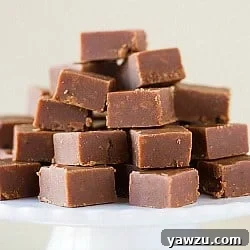
Decadent Chocolate Peanut Butter Fudge: A Timeless Recipe
Some recipes aren’t just about ingredients and instructions; they’re steeped in cherished memories, family milestones, and the warmth of shared moments. This Chocolate Peanut Butter Fudge recipe is precisely one of those. Its story began on a chilly February day in Pittsburgh, a rare snowy occasion, when my family gathered to celebrate an extraordinary event: my grandparents’ 60th wedding anniversary. Sixty years! It’s a testament to enduring love, dedication, and perhaps, a few secret family recipes that make life a little sweeter.
The day unfolded beautifully, starting with a lively family lunch, followed by a special blessing during an early evening Mass, and finally culminating back at my grandparents’ home. There, the house buzzed with laughter, stories, and, of course, an abundance of food, cake, and sweets. Amidst the joyful chaos and flipping through old photo albums filled with a lifetime of memories, I found myself drawn to the dessert table. My plate soon held a sampling of nearly everything, but one particular treat captured my senses and my heart: the fudge.
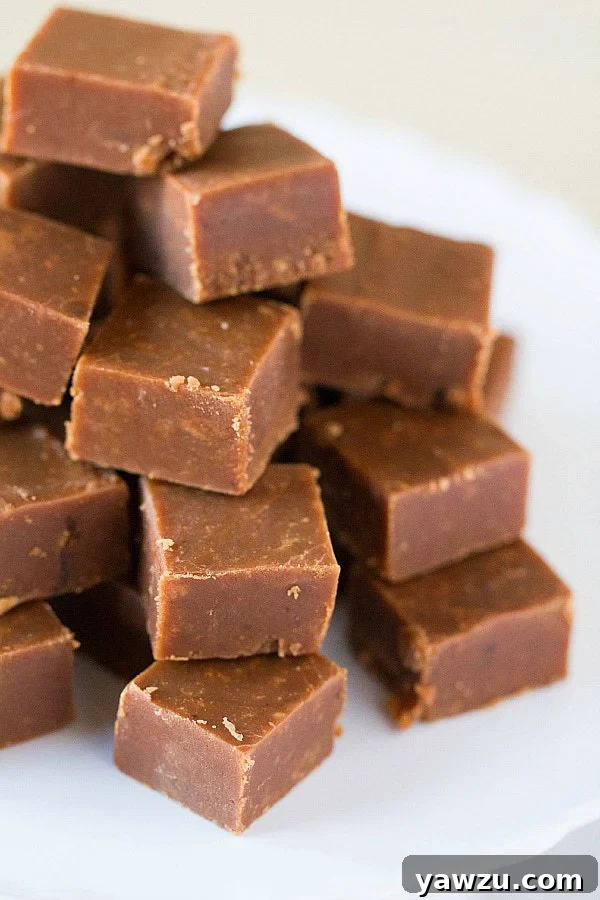
It was an absolute dream. Rich, incredibly creamy, intensely chocolatey, and perfectly balanced with the salty-sweet depth of peanut butter. Each bite was a moment of pure bliss. When I asked my grandma about this divine confection, she confessed it wasn’t her own secret recipe but a treasured one passed down from her dear neighbor. Unfortunately, her neighbor had already departed for the evening, but my grandma promised to secure the recipe for me. Eight months later, after much anticipation, it finally arrived in my mailbox. I wasted no time. My first batch was made almost immediately, and I can confidently say that your life truly won’t feel complete until you experience this fudge!
The Irresistible Allure of Chocolate Peanut Butter
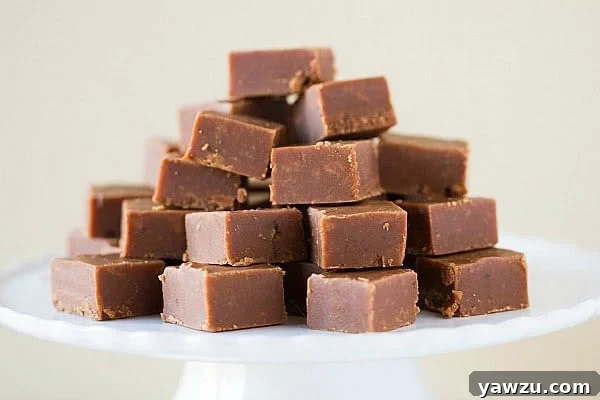
What makes the combination of chocolate and peanut butter so universally beloved? It’s a symphony of flavors and textures that dance on the palate. The deep, often slightly bitter notes of chocolate harmonize exquisitely with the salty, nutty, and subtly sweet profile of peanut butter. When combined in fudge, this pairing creates an unparalleled depth of flavor and a wonderfully complex texture—smooth, melt-in-your-mouth creaminess punctuated by that delightful peanut butter swirl. This isn’t just a dessert; it’s a culinary experience, a nostalgic embrace of two classic flavors that were simply meant to be together.
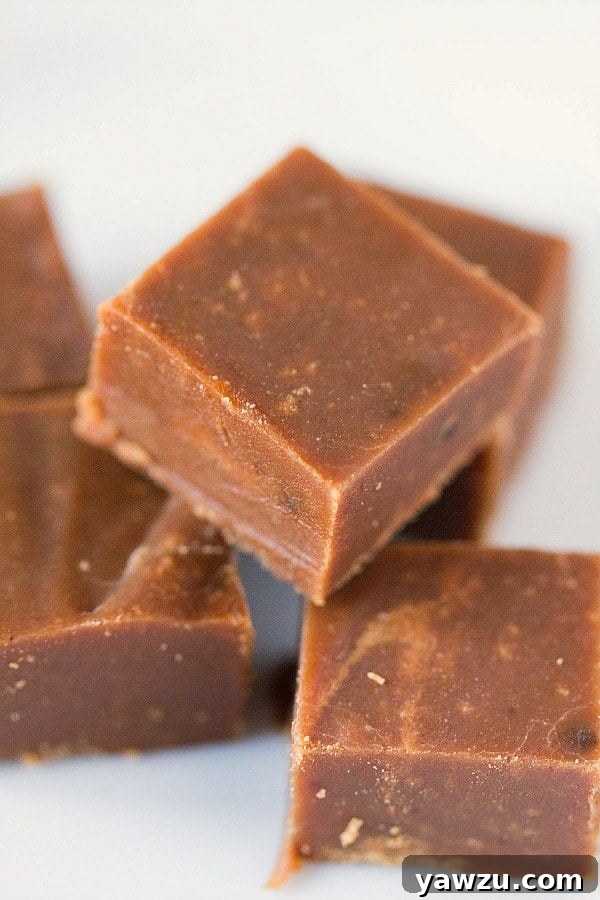
This particular recipe elevates that classic duo to new heights. It’s not overly sweet, allowing the distinct flavors of both the chocolate and peanut butter to truly shine. The texture is firm enough to hold its shape beautifully when cut, yet soft enough to yield with minimal pressure, dissolving into a rich indulgence. It’s the kind of fudge that inspires awe and requests for the recipe, every single time.
A Timeless Treat for Every Occasion
With the holiday season often just around the corner, this Chocolate Peanut Butter Fudge is an absolute showstopper for your baking list. Imagine a platter of festive cookies, and then add these glistening squares of fudge—they will instantly elevate the entire presentation. Packaging the pieces in individual mini paper liners or candy wrappers transforms them into delightful, ready-to-share gifts. They make perfect additions to Christmas cookie trays, holiday gift baskets, or as a thoughtful homemade present for teachers, neighbors, or colleagues. Just be prepared for the inevitable clamor and adoration that will ensue, and brace yourself to act as a mediator when the last piece is in contention!
Beyond the holidays, this fudge is incredibly versatile. It’s a fantastic treat for potlucks, family gatherings, birthday parties, or simply as an indulgent dessert after a special meal. It’s also surprisingly easy to scale up if you’re feeding a crowd, making it a reliable choice for larger events. There’s something inherently comforting and luxurious about homemade fudge, and this chocolate peanut butter version consistently proves to be a crowd-pleaser that leaves a lasting impression.
The Secret to Longevity? Perhaps a Slice of Fudge!
While I can’t definitively say that spectacular homemade fudge is the key to a sixty-year marriage, it certainly couldn’t hurt, could it? My grandparents’ enduring love, much like this recipe, has been a source of inspiration, proving that some things, when nurtured and cherished, only get better with time. Perhaps the shared joy of a delicious dessert is one small ingredient in a recipe for a long and happy life together!
Mastering the Art of Fudge Making: Tips for Success
Making fudge might seem intimidating to some, but with the right techniques and a good candy thermometer, it’s a remarkably straightforward process that yields incredibly rewarding results. This recipe is designed to be as foolproof as possible, but a few expert tips can ensure your Chocolate Peanut Butter Fudge turns out perfectly every time.
Key Ingredient Considerations
- Granulated Sugar: Crucial for the fudge’s structure and sweetness. Don’t skimp on quality.
- Cocoa Powder: Use unsweetened cocoa for the best chocolate flavor without making the fudge overly sweet. Dutch-processed cocoa will give a darker color and mellower flavor, while natural cocoa offers a fruitier, more intense chocolate note.
- Evaporated Milk: This is a non-negotiable ingredient. Its reduced water content and rich flavor contribute significantly to the fudge’s creamy texture. Do not substitute with regular milk or condensed milk.
- Light Corn Syrup: This often-overlooked ingredient is a secret weapon in fudge making. It helps prevent sugar crystallization, which is what often leads to grainy fudge. It creates a smoother, more desirable texture.
- Unsalted Butter: Provides richness and a smooth mouthfeel. Dividing it allows for perfect incorporation at different stages.
- Peanut Butter: Creamy peanut butter works best for a smooth fudge. Natural peanut butter (the kind that separates) might affect the texture, so it’s best to stick to conventional creamy varieties.
- Vanilla Extract: Enhances all the flavors. Use a good quality pure vanilla extract.
The Importance of a Candy Thermometer
Achieving the “soft ball stage” is the most critical step in fudge making, and a reliable candy thermometer is your best friend here. This stage is typically between 234-237°F (112-114°C). Cooking the mixture to the exact temperature ensures the right consistency – not too soft, not too hard, and perfectly smooth. Without a thermometer, it’s very easy to undercook (resulting in soft, unset fudge) or overcook (resulting in dry, crumbly fudge). Invest in a good thermometer; it will make all the difference.
The Beating Process: A Crucial Step
After the mixture comes off the heat and has cooled slightly, the beating process is what transforms the sugary syrup into creamy fudge. Beating introduces air and encourages the sugar crystals to form uniformly, creating that signature smooth texture. If you don’t beat it enough, the fudge might be too soft or grainy. If you overbeat it, it can become too stiff or crumbly. The key is to beat it until it thickens and loses its glossy sheen, taking on a more matte appearance. This can be done by hand with a sturdy wooden spoon (a real arm workout!) or, more easily, with a stand mixer fitted with a paddle attachment or a hand mixer on medium speed.
Troubleshooting Common Fudge Problems
- Grainy Fudge: This usually happens due to sugar crystallization. Ensure all sugar is dissolved before boiling, cover the pot initially to wash down sugar crystals from the sides, and avoid stirring once it reaches the soft ball stage until it’s time to beat. Using corn syrup also helps prevent this.
- Fudge Not Setting: This indicates the mixture didn’t reach a high enough temperature (below 234°F). It can also happen if humidity is very high. If this occurs, you can try reheating it, but it’s often best to embrace a softer, spoonable “fudge sauce” or start over.
- Hard, Crumbly Fudge: The mixture was cooked to too high a temperature (above 237°F). Unfortunately, this is harder to fix. Ensure your candy thermometer is accurate by testing it in boiling water (it should read 212°F or 100°C at sea level).
Serving, Storage, and Gifting Ideas
Once your delectable Chocolate Peanut Butter Fudge has set, lift it out of the pan using the parchment paper overhang and cut it into neat 1-inch squares. For an extra touch of elegance, consider sprinkling a pinch of flaky sea salt over the top before it fully sets – it beautifully enhances the chocolate and peanut butter flavors.
This fudge can be stored in an airtight container at cool room temperature for up to two weeks, though in my experience, it rarely lasts that long! For extended freshness, store it in the refrigerator for up to three weeks, or even freeze it for several months. If refrigerating or freezing, let it come to room temperature for a few minutes before serving to achieve the best creamy texture.
For gifting, arrange the fudge squares in decorative tins, small cellophane bags tied with ribbon, or layered in a box with parchment paper between the layers. These make fantastic hostess gifts, teacher appreciation presents, or a delightful contribution to any holiday cookie exchange.
One year ago: Chubby Hubby Truffles
Two years ago: Carrot Cake with Cream Cheese Frosting
Three years ago: Empire Cookies
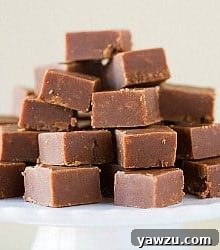
Chocolate Peanut Butter Fudge
64
pieces
5 minutes
15 minutes
20 minutes
Pin
Ingredients
-
2½ cups
(500 g)
granulated sugar -
¼ cup
(21.5 g)
cocoa powder -
1 cup
(256 ml)
evaporated milk, from a can -
1 tablespoon
light corn syrup -
½ cup
(113.5 g)
unsalted butter, divided -
½ cup
(129 g)
peanut butter -
2 teaspoons
vanilla extract
Instructions
-
Butter an 8-inch square pan thoroughly and line it with parchment paper, ensuring there’s enough overhang on the edges to easily lift the fudge out later. This prevents sticking and makes removal simple.
-
In a large, heavy-bottomed saucepan, combine the granulated sugar, cocoa powder, evaporated milk, and light corn syrup. Place the saucepan over medium heat and cook, stirring constantly with a wooden spoon or whisk, until the sugar completely dissolves. This step is crucial for preventing a grainy texture.
-
Add 2 tablespoons of the unsalted butter to the mixture and continue to stir until it has melted and is fully incorporated. Allow the mixture to come to a full boil. Once boiling vigorously, cover the saucepan with a lid and boil for exactly 3 minutes. The steam trapped under the lid will wash down any sugar crystals clinging to the sides of the pan, helping to ensure a smooth fudge.
-
Remove the lid and continue to cook the mixture without stirring. Insert a candy thermometer, making sure it doesn’t touch the bottom of the pan. Cook until the mixture reaches 234 degrees F (112°C), which is the soft ball stage. This precise temperature is essential for the fudge’s final consistency. Immediately remove the saucepan from the heat. Without stirring, add the remaining butter, peanut butter, and vanilla extract to the hot mixture. Let it sit undisturbed for 10 minutes; this cooling period is important for proper crystallization.
-
After 10 minutes, it’s time to beat the fudge. You can do this vigorously using a sturdy wooden spoon, continuously stirring until the fudge thickens and begins to lose its initial glossy sheen, taking on a more matte appearance (this can take anywhere from 5 to 15 minutes of constant beating). Alternatively, for less effort, transfer the mixture to the bowl of a stand mixer fitted with the paddle attachment (or use a hand mixer). Beat on medium speed, being careful to only mix until it reaches the desired thickness and loses its gloss. Do not overmix, as this can lead to dry or crumbly fudge.
-
Immediately pour the beaten fudge mixture into the prepared 8-inch square pan. Gently spread it evenly using an offset spatula. Allow the fudge to come to room temperature completely, then cover the pan tightly with plastic wrap and chill it in the refrigerator until it is fully set, usually several hours or overnight. Once set, lift the fudge out of the pan using the parchment paper overhang and cut it into 1-inch squares. The fudge can be stored in an airtight container at cool room temperature for up to two weeks, or in the refrigerator for longer freshness.
Notes
Carbohydrates: 9g,
Fat: 2g,
Saturated Fat: 1g,
Cholesterol: 4mg,
Sodium: 14mg,
Potassium: 30mg,
Sugar: 8g,
Vitamin A: 55IU,
Vitamin C: 0.1mg,
Calcium: 12mg,
Iron: 0.1mg
Did you make this recipe?
We’d love to hear from you! Leave a review below, then snap a picture and tag @thebrowneyedbaker on Instagram so we can see your delicious creation!
Michelle Lettrich
Snack
American