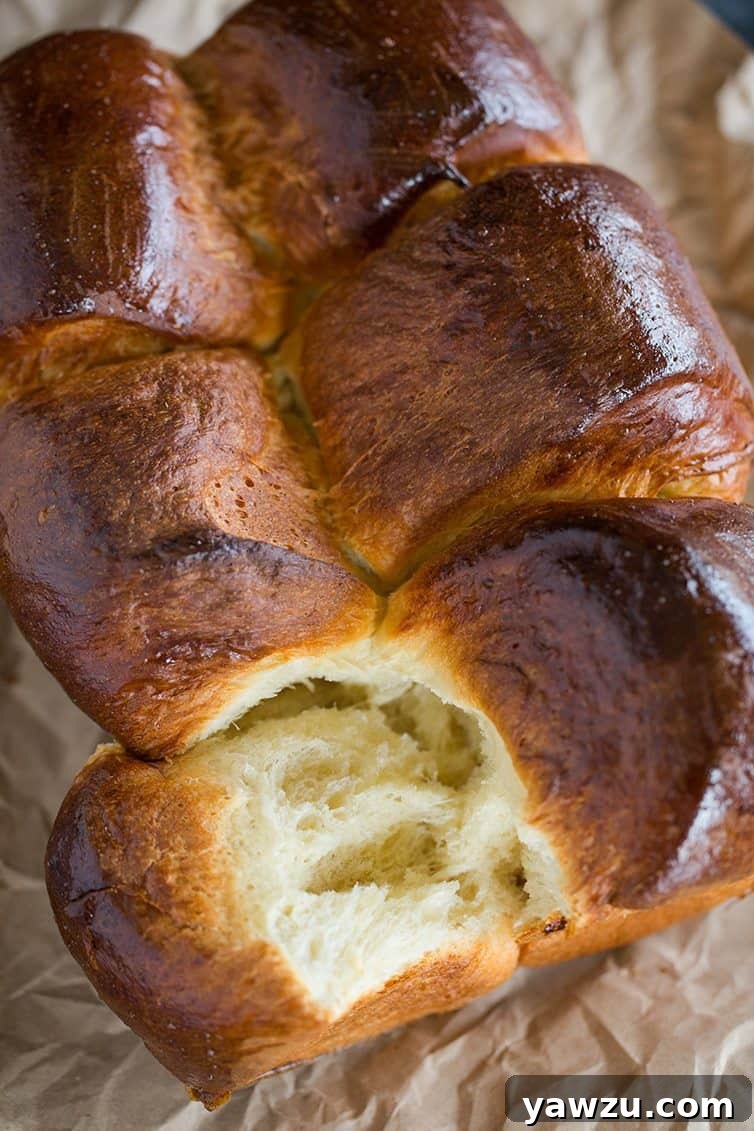
Welcome to the world of milk bread! Prepare to be captivated by this extraordinary recipe for the iconic soft and fluffy bread that has taken the culinary world by storm. Whether shaped into traditional loaves, delightful pull-apart bread, individual rolls, or classic split-top buns, this versatile creation promises an unparalleled experience. Once you taste its tender crumb and delicate sweetness, you seriously won’t be able to stop reaching for more!
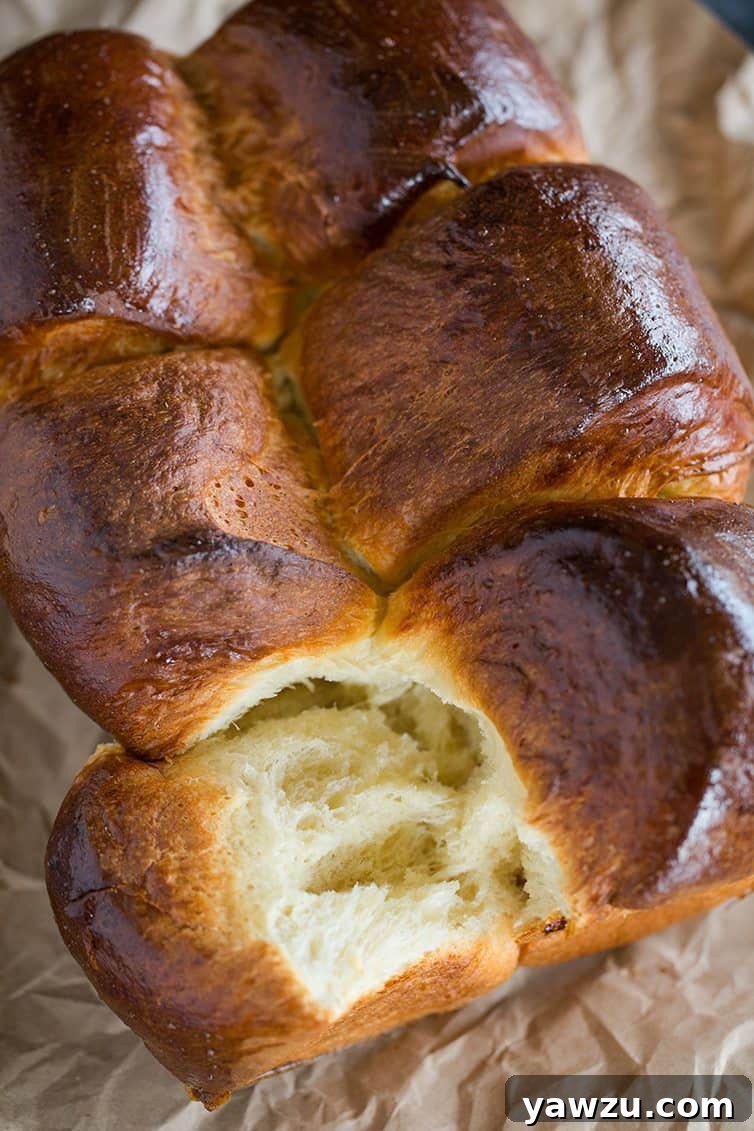
Mastering the Art of Milk Bread: Your Ultimate Guide to Soft & Fluffy Perfection
Have you ever encountered a bread so exquisitely soft and ethereal it almost melts in your mouth? If not, allow us to introduce you to milk bread – often hailed as the most addictive bread you will ever eat. My own journey into the irresistible realm of milk bread began a couple of months ago, captivated by an online video that promised an unparalleled bread experience. Challenge accepted, and after several delicious experiments, I can confidently confirm: this bread is indeed hopelessly addicting. Grab your favorite butter, and let’s embark on this delightful baking adventure together!
The original inspiration for this recipe stems from the renowned Kindred restaurant in Davidson, North Carolina. Here, this exceptional bread is served as warm, mini pull-apart loaves, taking the place of a traditional bread basket and fostering a veritable cult following. The restaurant cleverly utilizes this very same dough recipe for its signature burger buns, split-top rolls, and everyday sandwich bread, showcasing its incredible versatility and universal appeal.
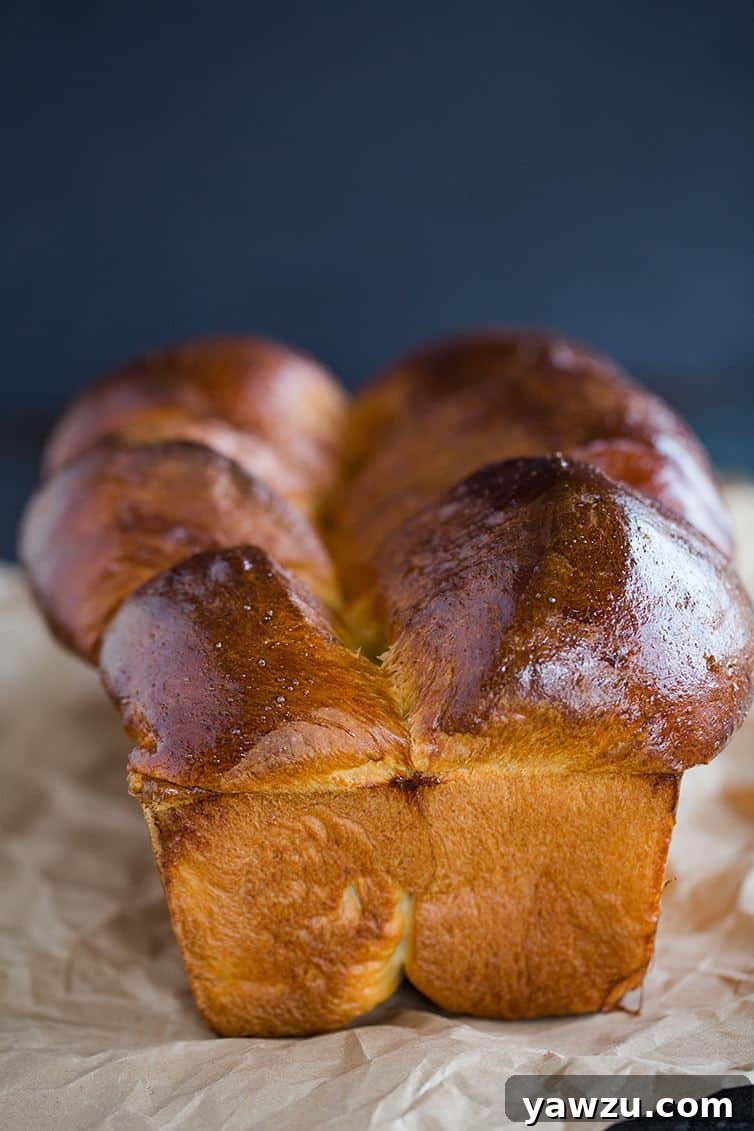
What Exactly is Milk Bread? The Secret Behind its Ethereal Texture
At its core, milk bread is an utterly fantastic, supremely soft, and wonderfully fluffy bread that delivers an almost cloud-like texture. Originating in Japan, where it’s known as Shokupan, this bread stands apart from other enriched doughs. It’s rich and flavorful, akin to a beautiful Challah, yet possesses a remarkable lightness and airiness reminiscent of classic white bread. It truly offers the best of both worlds, creating a bread that is robust enough to hold its shape but tender enough to tear apart effortlessly and generously slather with butter.
The global appeal of milk bread lies in its unique ability to remain incredibly soft for days after baking, a quality that makes it superior to many other homemade loaves. Its fine, uniform crumb and subtle sweetness make it ideal for various uses, from sophisticated sandwiches to a simple breakfast toast. Once you experience the difference of a truly great milk bread, it’s hard to go back to ordinary loaves.
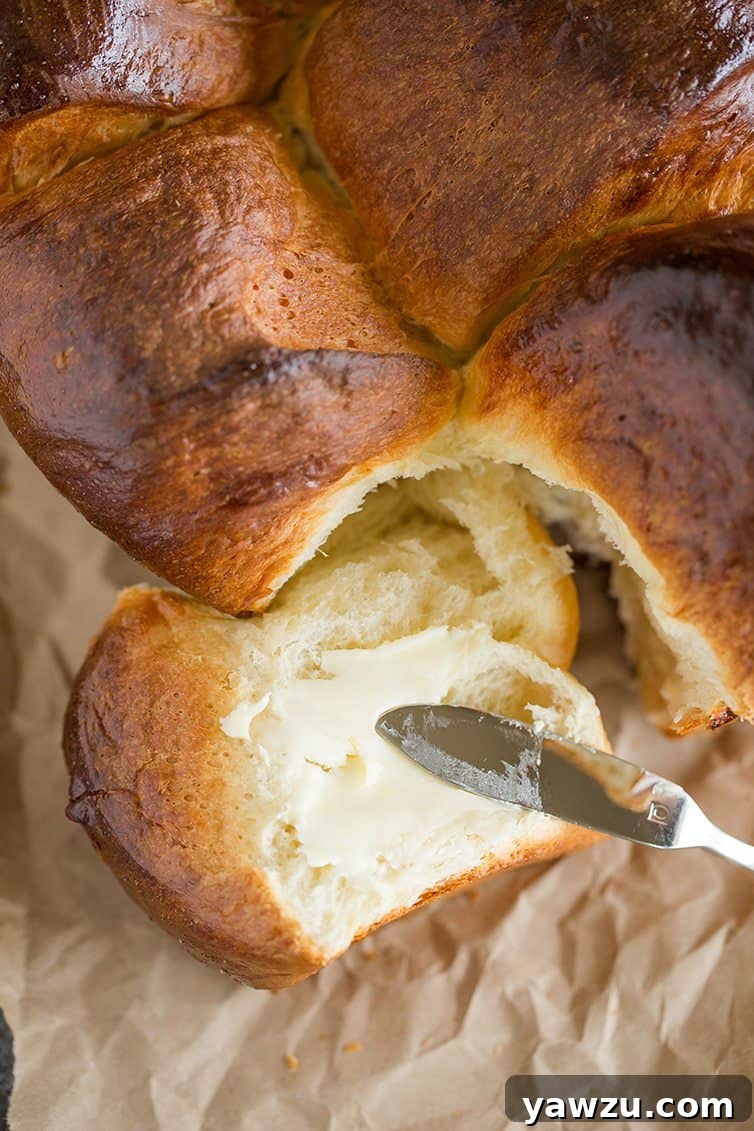
Unlocking the Ultimate Softness: The Magic of the Tangzhong Method
So, what is the culinary wizardry that keeps an enriched dough, packed with ingredients like eggs, butter, cream, and honey, so remarkably soft, fluffy, and moist? The answer lies in an ingenious technique known as Tangzhong. This method, which dates back to 19th-century Japan but has Chinese origins, involves precooking a small portion of the flour with water or milk to form a thick, gelatinous paste. This paste is almost like a roux but without the fat. Once this tangzhong mixture is prepared, it is cooled and then incorporated into the rest of the bread ingredients.
The scientific principle behind tangzhong is fascinating. By cooking the flour with liquid, the starch molecules absorb more water and gelatinize. This gelatinized starch is capable of holding significantly more moisture than raw flour. When this paste is added to the main dough, it introduces a large amount of water into the bread without making the dough overly sticky or wet. The result is a bread with an incredibly soft, moist, and springy texture that boasts tiny, delicate air bubbles throughout its crumb. This increased water retention also contributes to the bread’s extended shelf life, keeping it fresh and soft for several days.
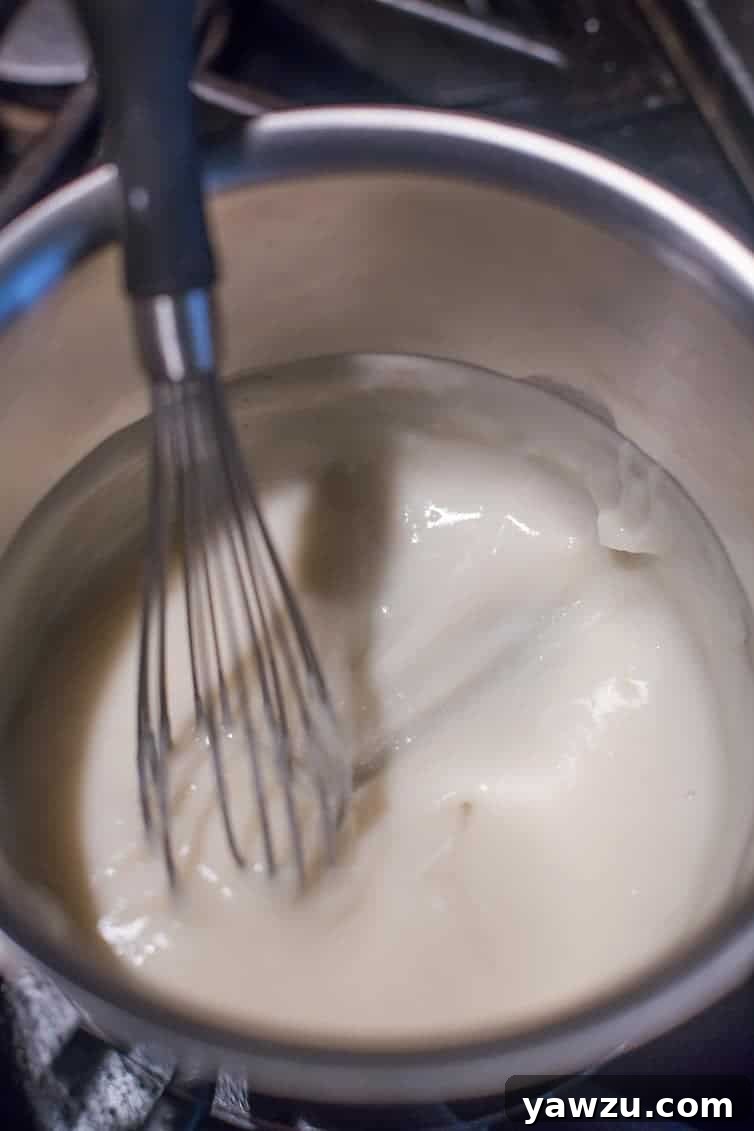
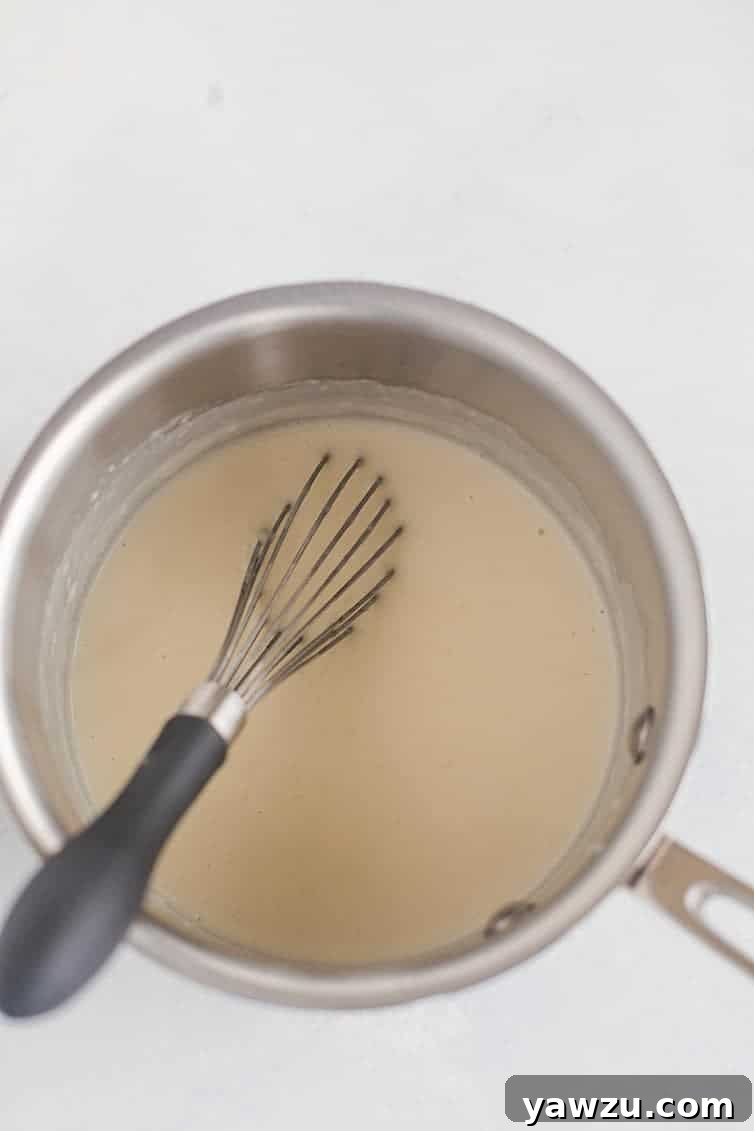
As illustrated in the images below, the tangzhong mixture is slightly looser than a traditional roux but still quite thick. For this recipe, we enhance the richness by adding heavy cream and honey to the paste, warming the mixture gently until the honey has completely dissolved, infusing it with extra flavor and moisture.
Troubleshooting Common Challenges & Expert Baking Tips
My initial attempts at making milk bread weren’t without their hurdles. The first time I tried this recipe, I encountered two significant issues that almost deterred me from mastering this beloved bread:
Challenge #1: Exceptionally Slow Rise Times. The dough took an inordinate amount of time to rise, both during the first and second proofing stages. We’re talking hours – sometimes over three for each rise – and even then, it never achieved the high, fluffy volume I expected from such an enriched dough.
Challenge #2: Overly Salty Bread. The resulting bread was incredibly, almost unbearably salty. I usually enjoy a good balance of salt, but this was borderline inedible. My husband even joked it tasted like pretzel bread because of the excessive saltiness.
Simple Fixes for Phenomenal Results
Fortunately, two straightforward adjustments transformed the recipe, and the subsequent batches turned out absolutely phenomenal!
Yeast Selection is Key: My first crucial change involved swapping the active dry yeast specified in the original recipe for instant yeast. Given the substantial amount of fat in this dough – from the eggs, heavy cream, and butter – coupled with the natural sugars from the honey, the dough needs a reliable boost to achieve proper fermentation and rise. Instant yeast proved to be the perfect solution, working more rapidly and efficiently. With instant yeast, the dough rose beautifully, yielding a super light and wonderfully fluffy bread every time.
Balancing the Salt: As for the excessive saltiness, the solution was incredibly simple: I halved the amount of kosher salt, and the flavor profile became perfectly balanced. The reduced salt content allowed the rich sweetness of the honey and cream to shine through without being overpowered, creating a harmonious and delightful taste.
These two simple tweaks are game-changers for ensuring your milk bread is not only soft and fluffy but also perfectly seasoned and rises consistently. Always pay attention to the type of yeast you use and don’t be afraid to adjust salt levels to your preference, especially with enriched doughs.
Versatility in Every Batch: Shaping Your Milk Bread Creations
One of the most appealing aspects of this milk bread recipe is its incredible versatility. While I typically prepare two simple loaves, the dough is wonderfully adaptable to create a variety of other fantastic bread variations. You can easily transform this single recipe into an array of delightful treats:
- Soft Dinner Rolls: Perfect for any meal, these rolls can be made in standard dinner roll size or larger for a heartier option. Their tender crumb makes them irresistible.
- Charming Mini Loaves: Ideal for gifting or smaller households, mini loaves offer the same incredible texture in a more petite package.
- Classic Split-Top Rolls: The ultimate choice for your favorite hot dogs, delectable po’ boys, or luxurious lobster rolls. Their unique shape is perfect for holding fillings without crumbling.
I’ve included specific instructions within the recipe notes to guide you through making these variations, ensuring you can customize your milk bread experience to perfectly suit any occasion or craving. Whether you prefer a traditional sandwich loaf or the fun of pull-apart segments, this dough delivers consistently excellent results.
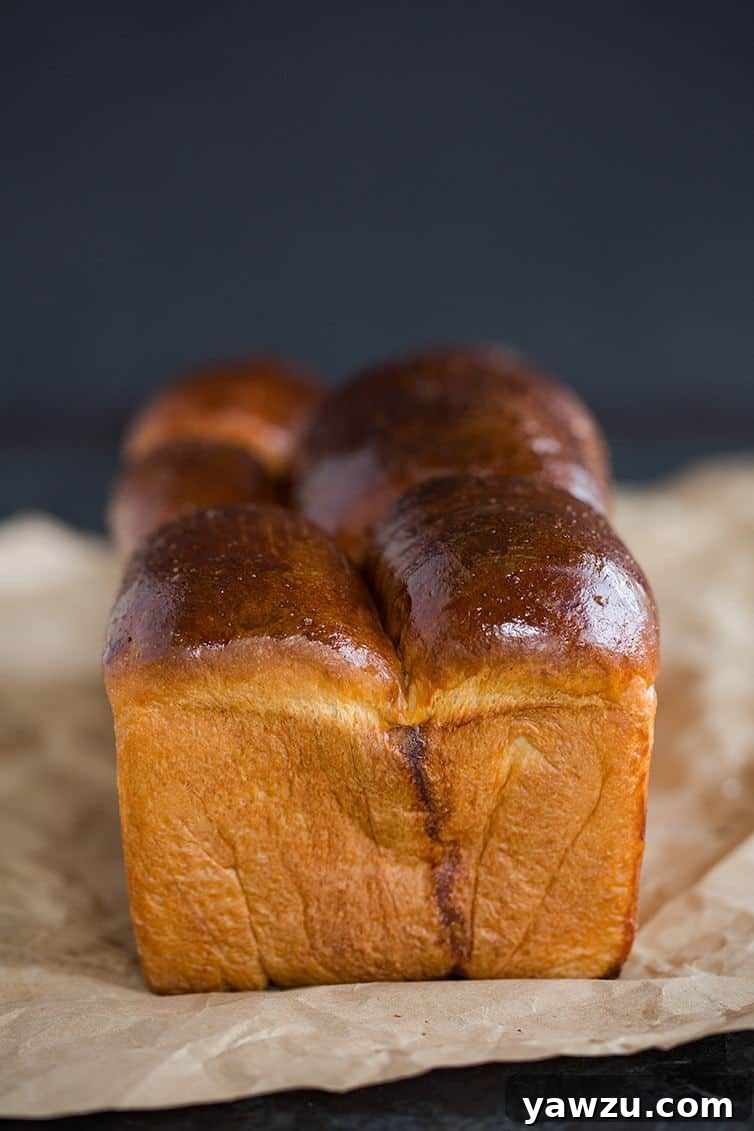
Serving Suggestions and Storage Tips for Your Homemade Milk Bread
If you’ve never had the pleasure of trying milk bread before, you absolutely MUST give this recipe a try! It’s surprisingly easy to make, and the resulting bread truly melts in your mouth with every bite. When I made my last batch, I shaped one loaf as a classic sandwich bread and the other for the sheer joy of pulling it apart. I couldn’t stop tearing off big, fluffy chunks and slathering them with butter – it disappeared in less than a day! The sandwich loaf was equally divine, making for absolutely phenomenal, pillowy soft sandwiches.
Beyond simple butter, homemade milk bread is fantastic toasted and paired with jams, marmalades, or honey. It also makes an exceptional base for gourmet sandwiches, sweet French toast, or even a savory bread pudding. Imagine rolling smaller balls from this dough and using them for an incredible, elevated spin on a classic monkey bread recipe!
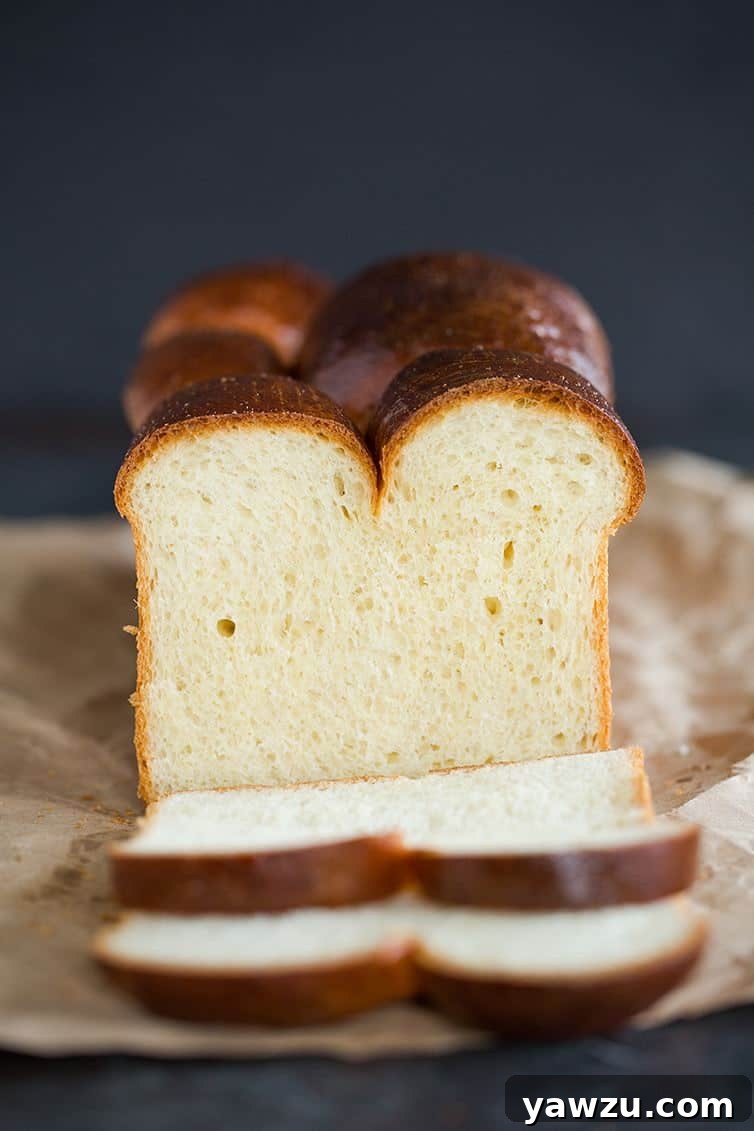
To keep your milk bread fresh and soft for as long as possible, store it in an airtight container or a sealed plastic bag at room temperature. It typically stays fresh for 3-4 days. For longer storage, you can slice the cooled bread and freeze it in an airtight freezer bag for up to 2-3 months. Thaw slices as needed, or pop them straight into the toaster for a quick treat.
Milk Bread Recipe: Your Guide to Bakery-Quality Bread at Home
Milk Bread
Yield: 16 servings (2 loaves)
Prep Time: 2 hours 30 mins
Cook Time: 30 mins
Total Time: 3 hours
A truly fabulous recipe for the iconic soft and fluffy milk bread that can be effortlessly transformed into versatile loaves, irresistible pull-apart bread, dinner rolls, or perfect split-top buns.
Ingredients
For the Bread
- 5⅓ cups (666.67 g) bread flour, divided
- 1 cup (250 ml) water
- 1 cup (238 ml) heavy cream
- ⅓ cup (113 ml) honey
- 3 tablespoons nonfat dry milk powder
- 2 tablespoons instant yeast
- 1 tablespoon kosher salt
- 2 eggs
- 4 tablespoons unsalted butter, cut into cubes, at room temperature
For the Egg Wash
- 1 egg
- 1 teaspoon water
- Flaky sea salt, for sprinkling (optional)
Instructions
- Prepare the Tangzhong: Combine ⅓ cup of the bread flour and the water in a small saucepan. Place it over medium heat, whisking constantly, until a thick paste forms. This should take approximately 3 to 5 minutes; the consistency will be slightly looser than a traditional roux. Reduce the heat to low, then add the heavy cream and honey, whisking continuously until the honey has fully dissolved into the mixture. Remove the saucepan from the heat and set aside to cool slightly.
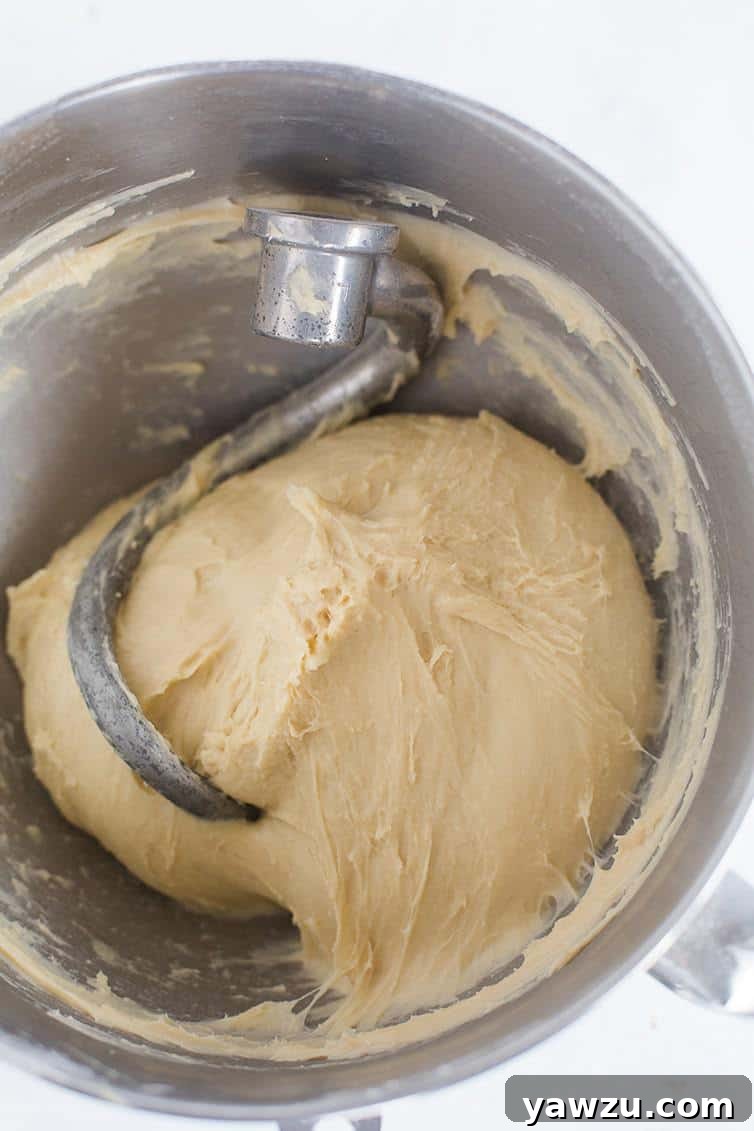
- Combine & Knead Dough: Transfer the prepared tangzhong mixture to the bowl of a stand mixer fitted with a dough hook. Add the nonfat dry milk powder, instant yeast, kosher salt, eggs, and the remaining 5 cups of bread flour. Begin kneading on medium speed for about 5 minutes, or until the dough becomes smooth and well combined. Next, gradually incorporate the unsalted butter, adding one piece at a time and ensuring each piece is fully absorbed into the dough before adding the next. Continue kneading for an additional 4 minutes, or until the dough is smooth, shiny, and highly elastic. Initially, the dough may appear somewhat loose and separated, but it will come together beautifully with continued kneading.
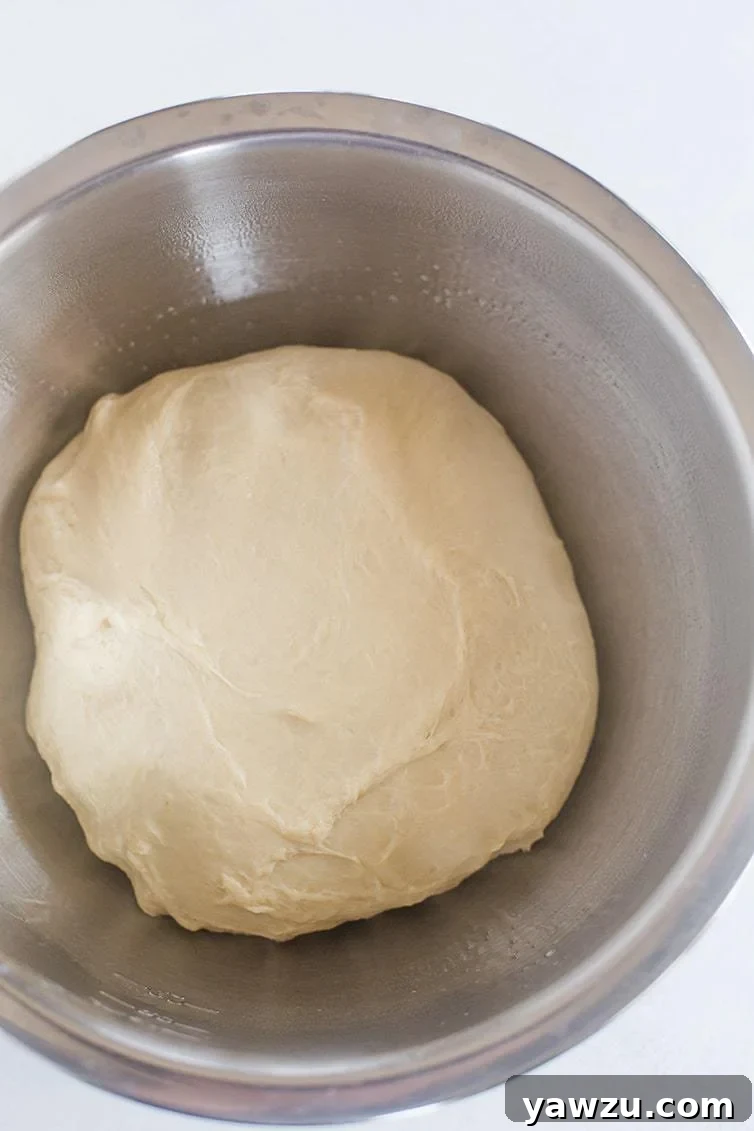
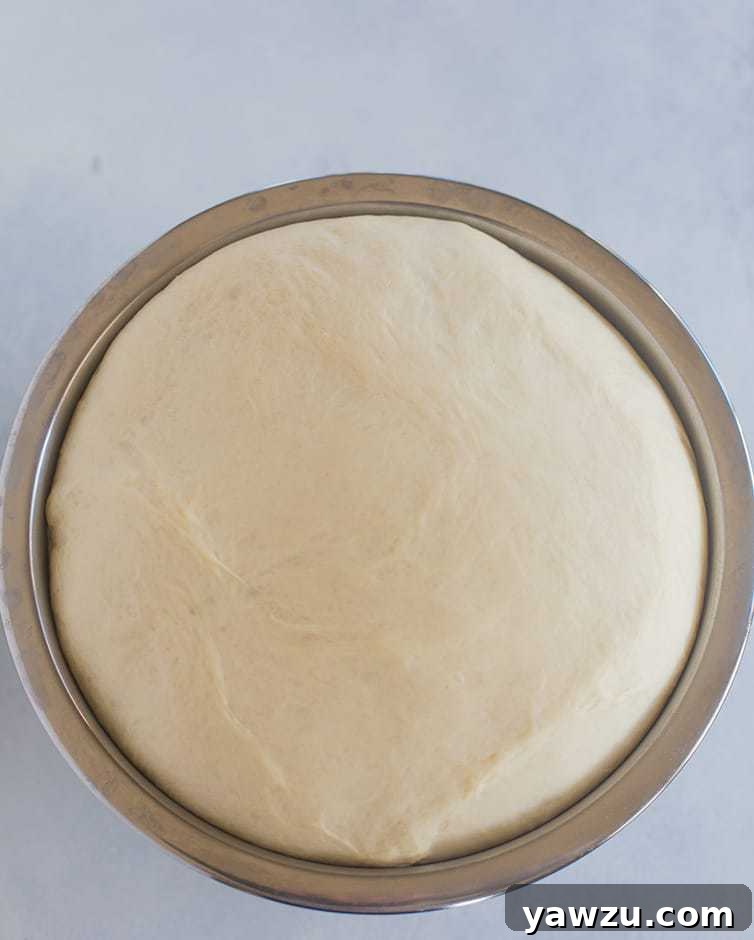
- First Rise: Lightly coat a large clean bowl with nonstick cooking spray. Carefully transfer the kneaded dough to the bowl, turning it once or twice to ensure all sides are coated. Cover the bowl tightly with plastic wrap and place it in a warm, draft-free location. Allow the dough to rise until it has visibly doubled in size, which typically takes about 1 hour.
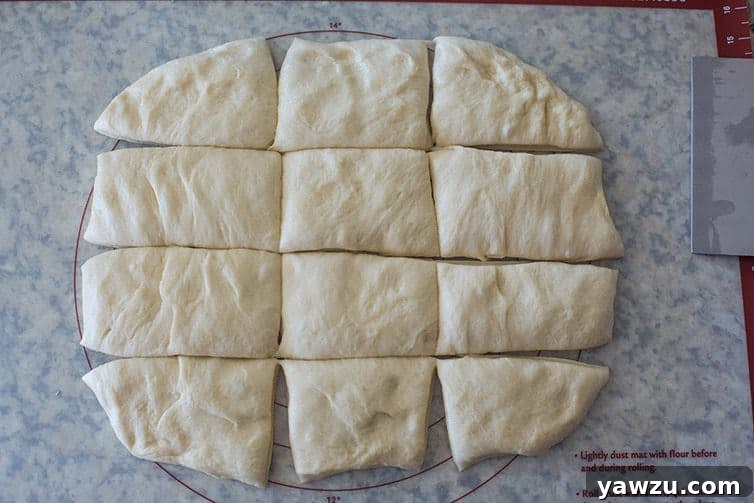
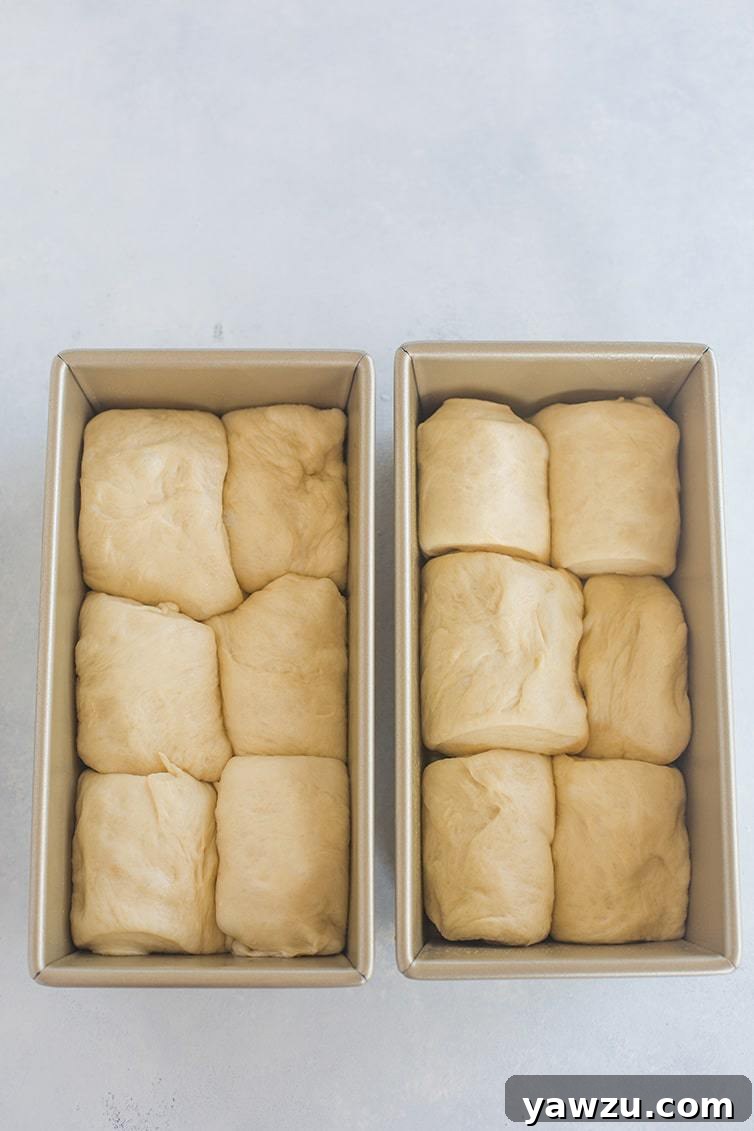
- Shape the Loaves: While the dough is completing its first rise, prepare two 9- by 5-inch loaf pans by coating them thoroughly with nonstick cooking spray. Once the dough has doubled, gently turn it out onto a lightly floured surface. Divide the dough into 12 equal pieces. For each loaf pan, arrange 6 pieces of dough side-by-side to create two neat rows running down the length of the pan. Cover the filled pans loosely with a clean dish towel.
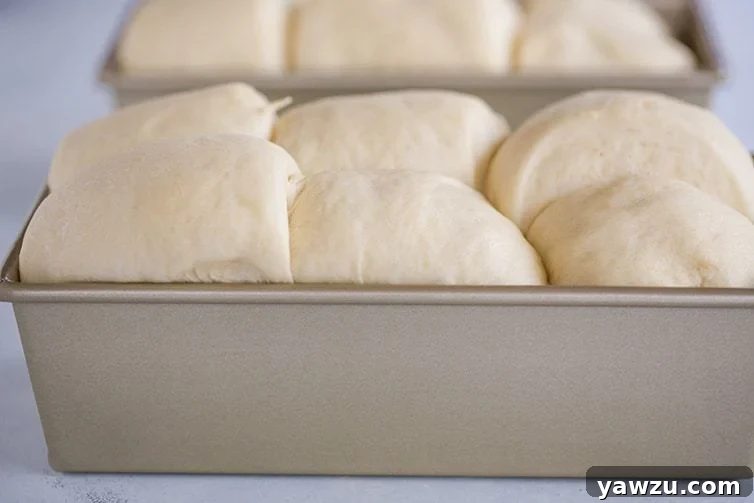
- Second Rise: Place the covered loaf pans in a warm, draft-free place to undergo their second rise. Allow the dough to rise until it has again doubled in size and is gently puffing over the top edge of the pans, which usually takes about 1 hour.
- Bake to Perfection: As the dough finishes its second rise, preheat your oven to 375 degrees F (190 degrees C). In a small bowl, whisk together the remaining egg and 1 teaspoon of water to create the egg wash. Once the dough is ready, gently brush the tops of the risen loaves generously with the egg wash. If desired, sprinkle a pinch of flaky sea salt over the tops for an added touch of flavor and texture. Bake for approximately 30 minutes, rotating the pans halfway through the baking time to ensure even browning. The bread is done when it’s a deep golden brown and an instant-read thermometer inserted into the center of a loaf registers 190 degrees F (88 degrees C). Let the baked bread cool in the pans on a wire rack for about 10 minutes before carefully turning them out onto the rack. Allow the loaves to cool completely before slicing and serving to ensure the best texture.
Notes
- To Make Soft Rolls: Divide the dough into 12 equal pieces and shape each into a smooth, round ball. Arrange the rolls in a greased 9×13-inch baking pan. Cover with a clean dish cloth and let rise until doubled in size. Brush generously with the egg wash and sprinkle with flaky sea salt, if desired. Bake for 15 to 20 minutes, or until golden brown and an instant-read thermometer registers 190 degrees F (88 degrees C).
- To Make Split-Top Hot Dog or Lobster Rolls: Lightly coat two 9×13-inch baking dishes with nonstick cooking spray. Divide the dough into 12 pieces and shape each piece into a 4-inch long log. Place 6 logs in a single row down the length of each dish, leaving a small space between them. Cover with a clean dish cloth and let rise until doubled in size. Brush with egg wash and sprinkle with flaky sea salt, if desired. Bake for 20 to 25 minutes, or until golden brown and an instant-read thermometer registers 190 degrees F (88 degrees C).
Nutrition Information (per serving)
Nutritional values are based on one serving. Calories: 266kcal, Carbohydrates: 37g, Protein: 7g, Fat: 9g, Saturated Fat: 5g, Cholesterol: 58mg, Sodium: 465mg, Potassium: 97mg, Fiber: 1g, Sugar: 6g, Vitamin A: 380IU, Vitamin C: 0.2mg, Calcium: 39mg, Iron: 0.6mg
More Beloved Bread Recipes to Explore
- Classic White Sandwich Bread
- Rustic Ciabatta Bread
- Authentic Italian Bread Recipe
- Easy English Muffin Bread
- Effortless No-Knead Bread
Did you make this recipe?
We’d love to see your incredible milk bread creations! Share your experience and tag @thebrowneyedbaker on Instagram. Don’t forget to leave a review below and let us know what you thought – your feedback helps fellow bakers!
Author: Michelle Lettrich
Course: Bread
Cuisine: American