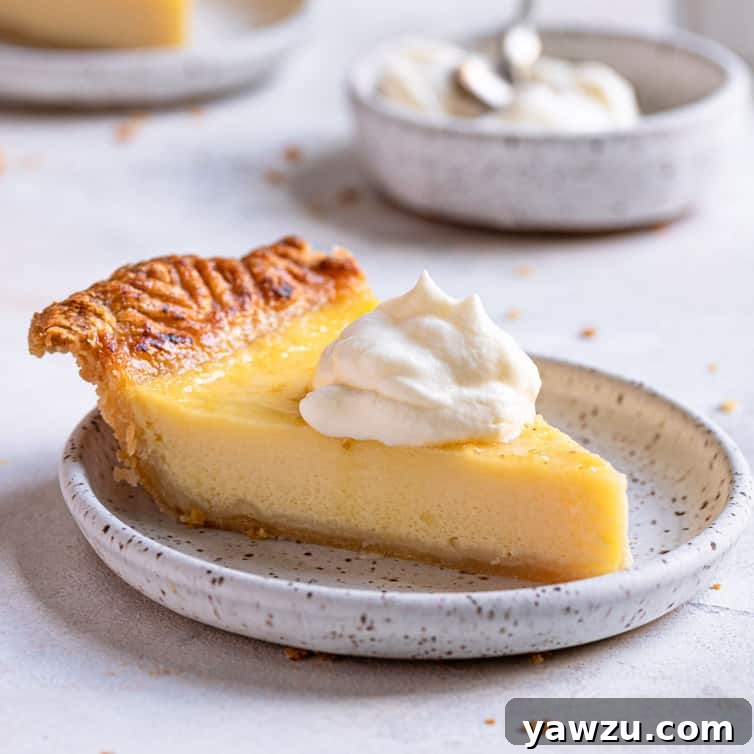
Welcome to the delightful world of classic Southern desserts! This buttermilk pie recipe is a true gem, offering a harmonious blend of sweet and tangy flavors encased in a smooth, creamy custard filling. Crowned with a beautifully crackled, sugary top, reminiscent of a sophisticated crème brûlée, this pie is an understated culinary masterpiece that deserves far more recognition. If you’re searching for an effortlessly elegant and truly unique dessert, look no further than this old-fashioned Southern favorite. It’s simple to make, yet profoundly satisfying, promising to become a cherished addition to your recipe collection.
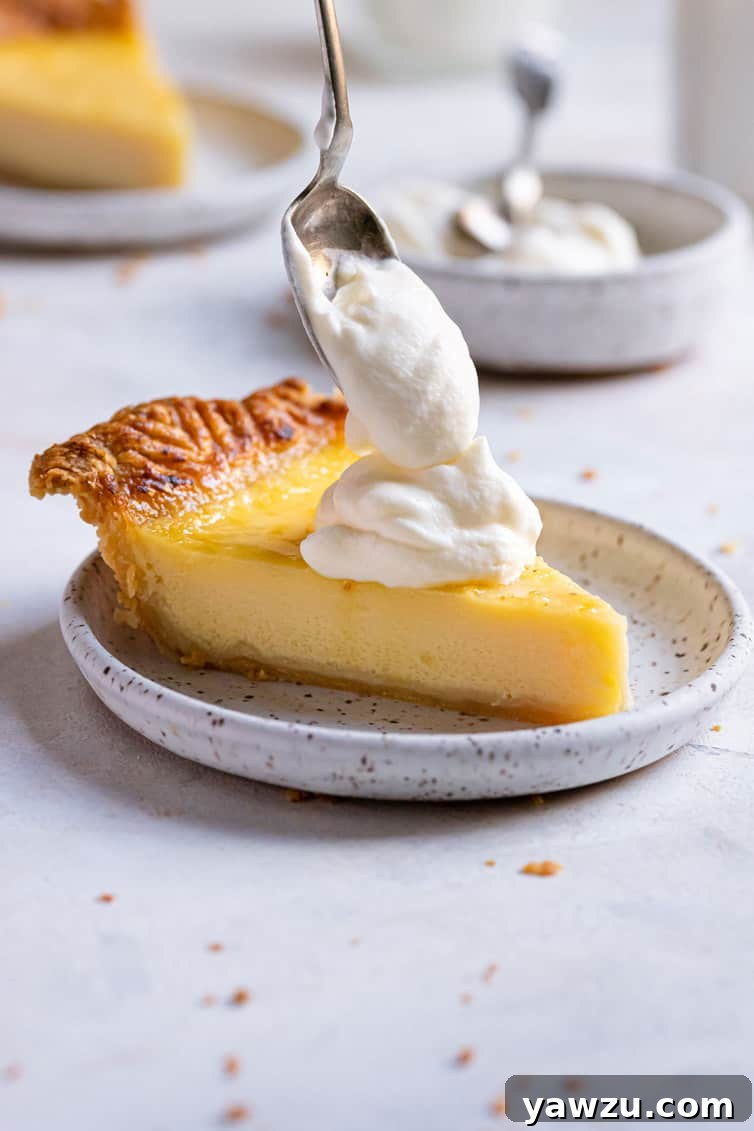
My culinary journey led me to the revelation of buttermilk pie only about a decade ago. Having not grown up in the Southern United States, particularly Texas where this pie is a beloved staple, I was genuinely surprised to discover an entirely new realm of baking possibilities centered around one of my favorite ingredients: buttermilk. I’ve always adored the subtle tang and incredible moistness that buttermilk imparts to baked goods. It’s a constant presence in my kitchen, a secret weapon in recipes ranging from light and fluffy buttermilk pancakes to crisp buttermilk waffles, both of which are regular fixtures on our weekly menu!
The moment I realized that this particular dessert’s signature feature was a beautifully caramelized, crackly sugar crust—just like a crème brûlée—I was completely captivated. Crème brûlée has long held a special place in my heart, so the prospect of a pie sharing that exquisite characteristic was irresistible. I knew instantly I had to try it, and I’m so glad I did. The combination of that delicate, burnt sugar snap with a silky smooth custard base is truly an experience in indulgence.
What is Buttermilk Pie? A Southern Classic Unveiled
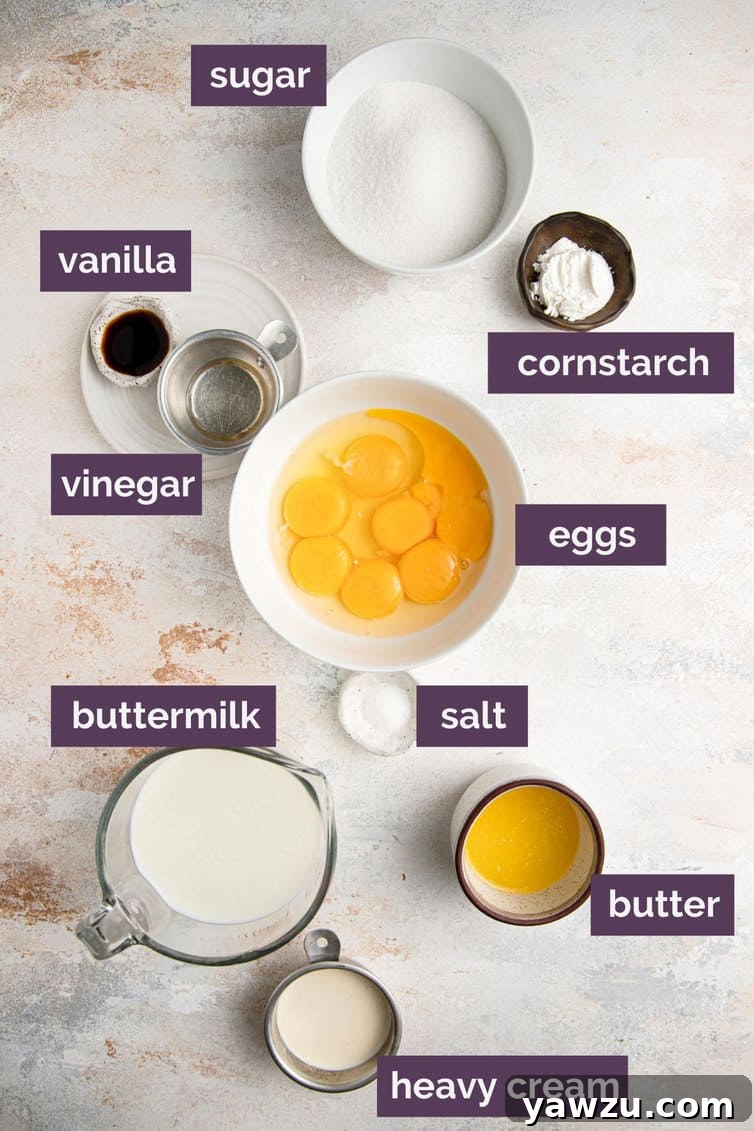
The story of buttermilk pie begins across the Atlantic in the United Kingdom, eventually making its way to the American South with early settlers. Its widespread popularity in the U.S. stems from the accessibility and affordability of buttermilk, a dairy product that was easy to produce and store in various climates. This made it a practical and delicious ingredient for everyday baking. Often, buttermilk pie is mistakenly identified as a classic Chess Pie, which typically includes cornmeal, or a sugar cream pie, distinguished by its pre-cooked filling. However, buttermilk pie stands proudly on its own, offering a unique flavor and texture profile that is just as, if not more, delicious!
Generations of Southern bakers have perfected the buttermilk pie, transforming it into one of the first custard pies many learn to master. The magic truly happens with the sugar topping – that incredible crème brûlée-style snap, a crisp counterpoint to the velvety, rich custard beneath, is absolutely mind-blowing. Adding a generous dollop of freshly whipped cream elevates this dessert to an even more luxurious experience, making it perfect for any occasion, from casual family dinners to festive holiday gatherings. It’s more than just a pie; it’s a taste of Southern heritage and hospitality.
Why You’ll Fall in Love with This Buttermilk Pie Recipe
If you’ve never experienced the joy of a homemade buttermilk pie, prepare to be amazed. This recipe isn’t just easy; it’s a gateway to a dessert that offers comfort, elegance, and a surprisingly complex flavor profile. Here’s why this buttermilk pie will quickly become a cherished favorite:
- Effortless Elegance: Despite its sophisticated taste and appearance, buttermilk pie is remarkably simple to prepare, especially if you have your pie crust ready. The custard filling comes together with minimal effort, making it ideal for both novice and experienced bakers.
- Uniquely Balanced Flavor: The star of the show is the perfect balance of sweet and tangy. The buttermilk provides a delicate tartness that cuts through the sweetness, preventing it from being overly rich and creating a wonderfully refreshing dessert experience.
- Irresistible Texture Contrast: The smooth, silky custard filling is complemented by the delightful crunch of the crackled sugar topping. This contrast in textures adds another layer of enjoyment, making each bite an adventure.
- Versatile for Any Occasion: While deeply rooted in Southern tradition, buttermilk pie transcends seasonal boundaries. It’s light enough for a summer picnic, comforting for a fall evening, and impressive enough for holiday celebrations.
- A Taste of Southern Charm: There’s a reason this pie has been passed down through generations. It embodies the warmth and hospitality of Southern baking, offering a nostalgic flavor that evokes memories of simpler times and hearty home cooking.
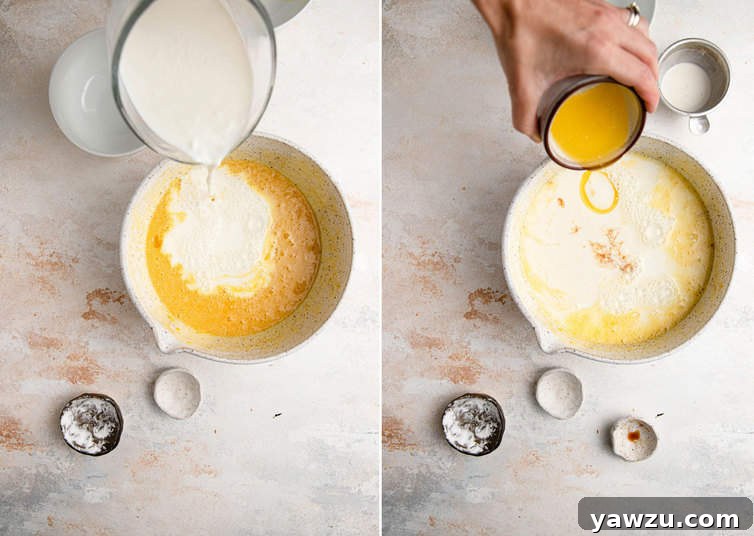
Step-by-Step Guide: How to Make the Perfect Buttermilk Pie
The true magic of custard-based pies like this buttermilk delight lies in their straightforward preparation, particularly once your pie crust is expertly handled. While the process of making pie dough from scratch might initially seem daunting, I assure you it’s incredibly rewarding, and I’ll share some valuable tips to ensure your success. Remember, patience with chilling times is key to a flaky, perfect crust!
- Prepare Your Pie Dough: Begin by preparing your favorite pie dough. For best results, I highly recommend using a recipe that yields a flaky, tender crust. Once prepared, wrap it tightly and refrigerate it for at least 1 hour, or up to 2 days. (My go-to best pie crust recipe works wonders with this buttermilk pie).
- Roll and Chill the Crust: Allow the chilled dough to sit at room temperature for about 10 minutes to make it more pliable. Lightly flour your work surface and roll the dough into a 12-inch circle. Carefully transfer the rolled dough into your pie plate, tucking any excess dough underneath itself to create a neat edge. Crimp the edges decoratively as desired. Return the dough-lined pie plate to the refrigerator for 40 minutes, then transfer it to the freezer for an additional 20 minutes. This double-chilling prevents shrinking during baking. While the crust chills, preheat your oven to 375 degrees F and arrange oven racks to the upper-middle and lower-middle positions.
- Blind Bake the Crust: Line the frozen pie crust with two pieces of parchment paper, ensuring the edges hang over. Fill the lined crust with pie weights (or dried beans/rice). Place the pie plate on a lined baking sheet and blind bake on the lower-middle oven rack for 20 to 25 minutes, or until the edges are lightly golden. Carefully remove the parchment paper and pie weights. Rotate the baking sheet and continue baking for another 5 to 7 minutes until the crust achieves a beautiful golden brown color. For an extra protective layer against a soggy bottom, lightly brush the surface of the hot crust with a beaten egg white and bake for just 1 minute more. This creates a seal.
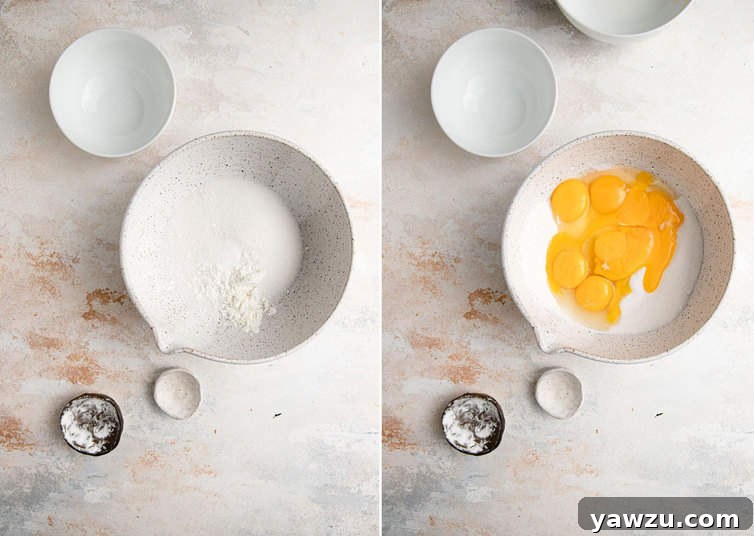
- Prepare the Custard Filling: While the crust is blind baking, whisk together ¾ cup of granulated sugar, cornstarch, and salt in a large bowl. Add the eggs and egg yolks, whisking thoroughly until fully combined. Next, incorporate the buttermilk, heavy cream, melted unsalted butter, distilled white vinegar, and vanilla extract. Whisk until the mixture is completely smooth and homogeneous.
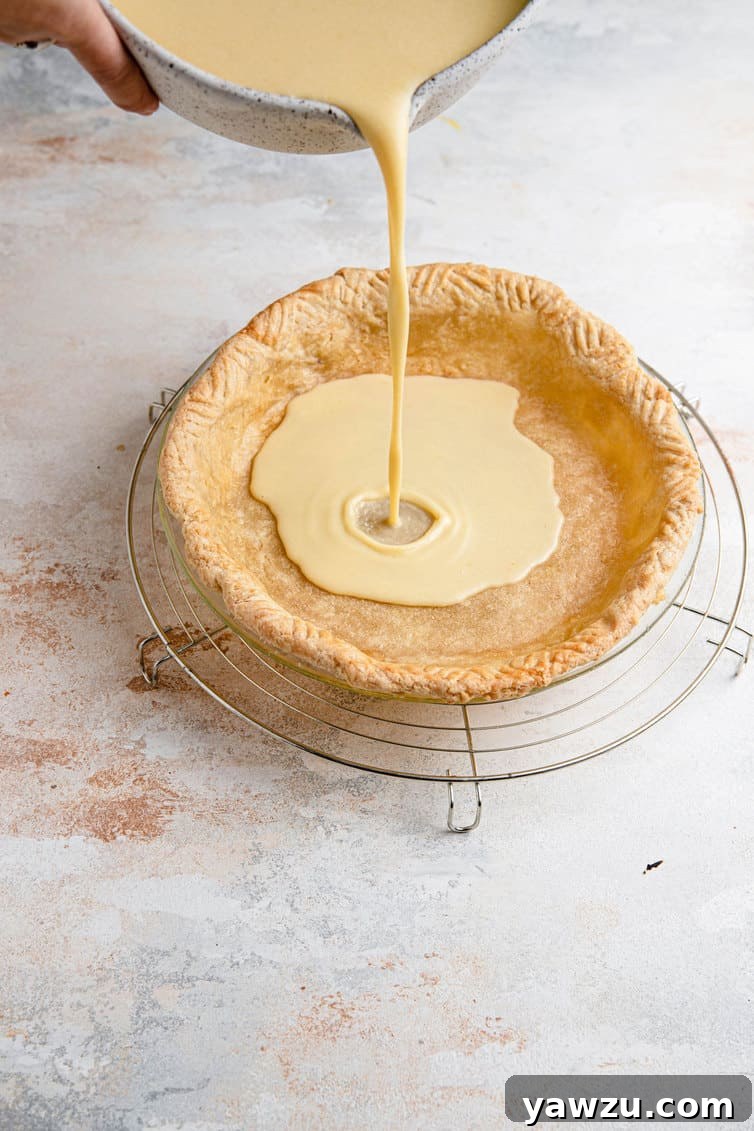
- First Bake of the Pie: Once the crust is ready, reduce the oven temperature to 300 degrees F. If your filling has been resting, give it a quick whisk to ensure everything is well combined, then pour it into a 4-cup measuring cup or a large bowl with a spout for easy pouring. Carefully slide the lower-middle oven rack out slightly (leaving the pie crust in the oven) and slowly pour the prepared filling into the hot pie shell. Bake for 10 minutes.
- Second Bake and Sugary Top: After 10 minutes, slide the oven rack out again. Evenly sprinkle the remaining 2 teaspoons of granulated sugar over the top of the pie. Continue baking for another 30 to 40 minutes, or until the center of the pie jiggles only slightly when gently shaken, and the top and edges are set and lightly golden.
- Caramelize the Top: Remove the pie from the oven and immediately increase the oven temperature to 450 degrees F. Once the oven reaches the new temperature, carefully place the pie on the upper-middle rack and bake for a final 5 to 7 minutes, or until the sugar on top is beautifully caramelized and golden brown, forming that signature crackly crust. Keep a close eye on it to prevent burning!
- Cool and Chill: Remove the finished pie from the oven and place it on a wire rack to cool for 30 minutes at room temperature. After this initial cooling, transfer the pie to the refrigerator and chill for at least 3 hours (preferably longer) before slicing and serving. This chilling time is crucial for the custard to fully set and achieve its perfect texture.
Creative Variations and Substitutions for Your Buttermilk Pie
One of the many wonderful aspects of this buttermilk pie is its fundamental simplicity, making it a fantastic canvas for creative adaptations. This versatility allows it to shine in any season, for any holiday, or simply to suit your personal taste. Here are some delightful ideas to customize your next buttermilk pie:
- Citrus Zest Infusion: For a brighter, more aromatic pie, incorporate 1 to 2 teaspoons of finely grated lemon or orange zest into the custard filling. The citrus notes beautifully enhance the tanginess of the buttermilk.
- Berry Bliss: Transform your buttermilk pie into an incredible summer dessert by scattering a cup of fresh blueberries (or raspberries!) over the base of the par-baked crust before pouring in the buttermilk filling. The berries will bake into the custard, adding bursts of fruity flavor.
- Adjusting the Tang: The recipe includes a small amount of distilled white vinegar, which subtly amplifies buttermilk’s inherent tanginess. If you prefer a milder, less tart flavor, you can certainly omit the vinegar without compromising the pie’s structure.
- Coffee or Chocolate Kick: Infuse your custard with a richer flavor by whisking in 1 to 2 tablespoons of instant espresso powder or unsweetened raw cocoa powder. This adds depth and a delightful twist, perfect for coffee or chocolate lovers.
- Dairy-Free Alternatives: For those seeking a vegan or less-dairy option, a variety of excellent vegan buttermilk replacements are readily available in most grocery stores. You can also easily make your own by adding a tablespoon of lemon juice or apple cider vinegar to a cup of plant-based milk and letting it sit for 5-10 minutes until it curdles.
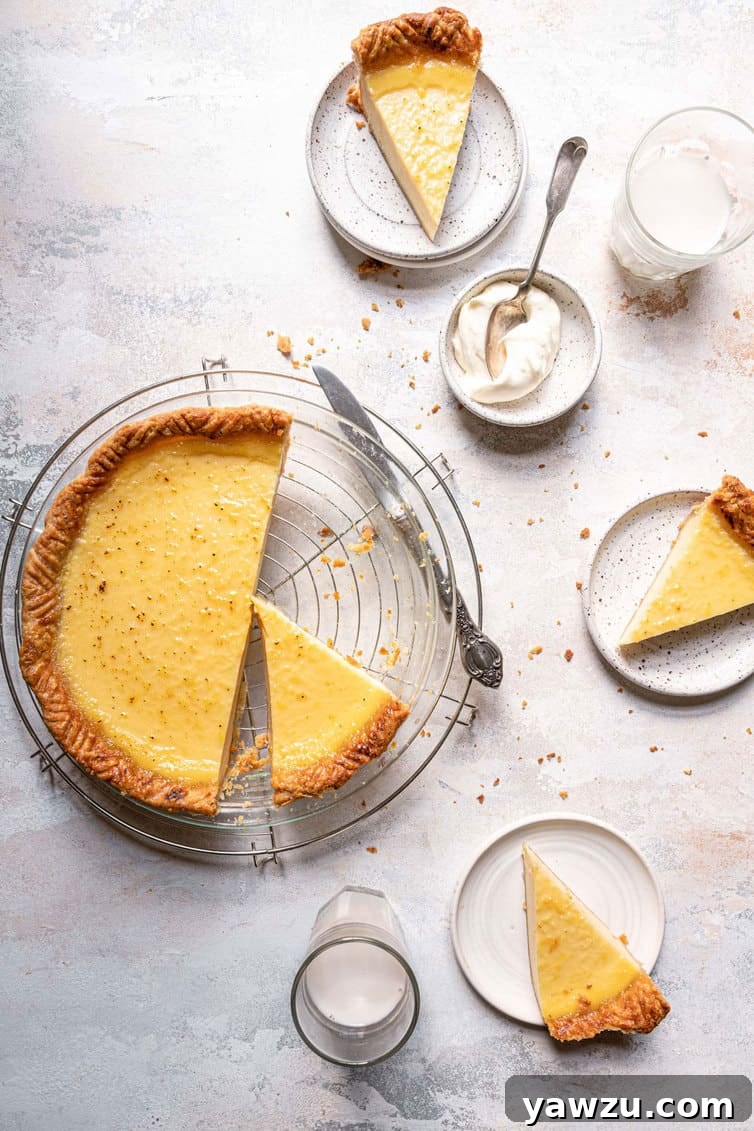
Expert Tips for Storing Buttermilk Pie
To keep your buttermilk pie at its absolute best, proper storage is essential. This custard-based pie thrives in cooler temperatures, so refrigeration is key. Always ensure your pie is covered tightly to maintain freshness and prevent it from absorbing other odors in the fridge – unless, of course, you’re enjoying a sneaky midnight slice!
Planning ahead, especially during busy holiday seasons, can be a game-changer. This buttermilk pie offers excellent make-ahead options:
- Freezing a Baked Pie: While a bit riskier than freezing components separately (as textures can sometimes change), it’s certainly possible! Once the pie is completely baked and cooled, transfer it to the refrigerator for at least an hour to ensure it’s fully set and firm. This crucial step prevents a sad, watery pie upon thawing. After chilling, wrap the entire pie dish completely and tightly with several layers of plastic wrap, followed by a layer of aluminum foil. This airtight seal is vital to protect against freezer burn.
- Preparing Components in Advance for Freezing: This method generally yields superior results. Prepare your pie dough as directed, then wrap it tightly and freeze. Simultaneously, prepare the custard filling (without baking) and freeze it in an airtight, freezer-safe container. Choose a container that will allow for easy scraping or thawing of the filling. When ready to bake, thaw both components, assemble, and follow the baking instructions.
- Mark the Date: Whether you’ve frozen a whole baked pie or just its components, for optimal quality and flavor, aim to enjoy it within three months. Always label your frozen items with the date they were made to keep track!
Love Buttermilk? Explore More Delicious Recipes!
If you’re as much of a buttermilk enthusiast as I am, you’ll be thrilled to discover its incredible versatility in a wide array of recipes. Its tenderizing and tangy properties make it a star ingredient beyond just pie. Here are some of my all-time favorite recipes that truly highlight the magic of buttermilk:
- Perfect Buttermilk Biscuits: Flaky, tender, and incredibly satisfying, these biscuits are a breakfast or dinner staple.
- Blueberry Lemon Buttermilk Bundt Cake: A vibrant, moist cake bursting with fruity and citrusy flavors.
- Buttermilk Doughnuts: Soft, fluffy, and just the right amount of tang, these homemade doughnuts are a treat.
- The Best Chocolate Cake Recipe: Buttermilk lends an exceptional moistness and depth to this rich chocolate cake.
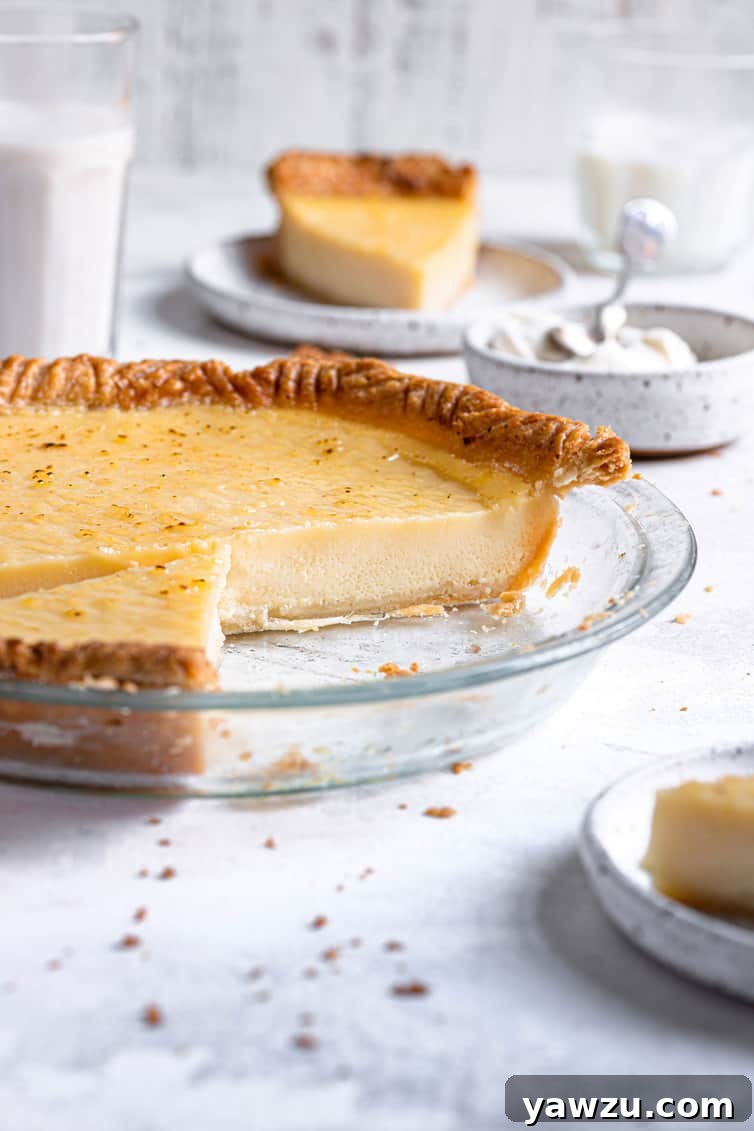
I genuinely hope you’ll give this incredible buttermilk pie a try for your next dessert. It’s a truly special recipe that brings a touch of Southern warmth and sweetness to any table. If you do bake it, please consider returning here to leave a rating and share your thoughts. I’d absolutely love to hear how much you enjoyed it! ENJOY! 😍
Buttermilk Pie Recipe
Yield: 8 servings
Prep Time: 3 hours | Cook Time: 1 hour 30 minutes | Cooling Time: 2 hours | Total Time: 6 hours 30 minutes
Buttermilk Pie boasts a creamy, custard-like filling with a slight tang from buttermilk and a crackly sugar crust.
Average rating: 4.16 out of 5 stars (19 ratings)
Ingredients
For the Pie Crust:
- 1¼ cups (156.25 g) all-purpose flour
- 1 tablespoon sugar
- ½ teaspoon (0.5 teaspoon) salt
- 4 tablespoons vegetable shortening, cut into small pieces and chilled
- 6 tablespoons unsalted butter, cut into small pieces and chilled
- 3 to 4 tablespoons ice water
- 1 egg white, lightly beaten
For the Filling:
- ¾ cup (150 g) + 2 teaspoons granulated sugar, divided
- 1 tablespoon cornstarch
- ¾ teaspoon (0.75 teaspoon) salt
- 2 eggs
- 5 egg yolks
- 1¾ cups (420 ml) buttermilk
- ¼ cup (59.5 ml) heavy cream
- 4 tablespoons unsalted butter, melted
- 2 teaspoons distilled white vinegar
- 1½ teaspoons (1.5 teaspoons) vanilla extract
Instructions
- Make the Pie Crust: Place the flour, sugar, and salt in a food processor and pulse a few times to combine. Add the chilled shortening and pulse until coarsely ground (about 5 to 6 pulses). Add the chilled butter and pulse until mixture resembles coarse crumbs (about 10 pulses). Transfer the mixture to a large bowl. Sprinkle 3 tablespoons ice water over the flour mixture. Using a rubber spatula, stir the mixture until dough forms. If dough remains crumbly, add remaining 1 tablespoon water. Form the dough into a 4-inch disk, wrap tightly in plastic wrap, and refrigerate for at least 1 hour or up to 2 days.
- Let the chilled dough stand at room temperature for 10 minutes. Roll the dough into a 12-inch circle on a lightly floured surface. Transfer the dough to a pie plate and fold any overhanging dough underneath itself so the edge of the dough is flush with the outer edge of the pie plate. Crimp edges as desired. Refrigerate the dough-lined pie plate for 40 minutes, then place in the freezer for 20 minutes. While the crust is in the freezer, adjust the oven racks to the upper-middle and lower-middle positions and preheat the oven to 375 degrees F.
- Line the chilled pie plate with two pieces of parchment paper, allowing the parchment edges to hang over the edges of the pie crust. Fill the lined pie crust with pie weights, place on a lined baking sheet and bake on the lower-middle oven rack until lightly golden around the edges, 20 to 25 minutes. Remove the parchment and pie weights, rotate the baking sheet and continue to bake until the crust is golden brown, 5 to 7 more minutes. Brush the surface of the hot crust with the egg white and bake for an additional 1 minute.
- Make the Pie Filling: While the crust is baking, prepare the pie filling. In a large bowl, whisk together ¾ cup of the sugar, the cornstarch and salt. Add the eggs and egg yolks and whisk to thoroughly combine. Add the buttermilk, heavy cream, melted butter, white vinegar and vanilla extract, and whisk until completely combined.
- Once the crust is done, reduce the oven temperature to 300 degrees F. If the pie filling has been sitting for a few minutes, give it a short whisk to recombine, then transfer to a 4-cup measuring cup (or other large bowl/cup with a spout). Leaving the pie crust in the oven (just slide the oven rack out a bit), carefully pour the filling into the hot pie shell. Bake for 10 minutes.
- Again, leaving the pie crust in the oven and just sliding the oven rack out, sprinkle the remaining 2 teaspoons of sugar evenly over the top of the pie. Continue to bake until the center jiggles very slightly when the pie is shaken, 30 to 40 minutes. Remove the pie from the oven and increase the oven temperature to 450 degrees F. Once the oven comes to temperature, place the pie on the upper-middle rack and bake until the top is golden brown, 5 to 7 minutes.
- Remove from the oven and place the pie plate on a wire rack and allow to cool for 30 minutes. Transfer the pie to the refrigerator and chill for at least 3 hours before serving.
Notes
- I use and recommend this pie plate.
- You can substitute my all-butter crust, best-ever pie crust, or your favorite pie crust recipe (or store-bought, if you must) for the one listed above.
- You can omit the vinegar if you want to cut the tanginess a bit.
- I recommend my homemade whipped cream recipe for topping this pie.
- Storage: Leftovers should be covered and refrigerated for up to 3 days.
Nutrition Information
Nutritional values are based on one serving:
Calories: 449kcal, Carbohydrates: 39g, Protein: 7g, Fat: 29g, Saturated Fat: 14g, Cholesterol: 216mg, Sodium: 451mg, Potassium: 130mg, Sugar: 23g, Vitamin A: 855IU, Calcium: 93mg, Iron: 1.4mg
Did you make this recipe?
Leave a review below, then snap a picture and tag @thebrowneyedbaker on Instagram so I can see it!
Author: Michelle Lettrich
Course: Dessert | Cuisine: American
[Photography by Dee Frances]