The Ultimate Homemade Cherry Pie: A Guide to Flaky Crusts and Flavorful Fillings
There’s a special kind of magic in a homemade pie. While I’ve recently delighted in crafting various vibrant, single-crust desserts—like the creamy coconut cream pie and zesty key lime pie—my heart has been yearning for something more traditional. Something with a truly honest-to-goodness flaky, buttery pastry, preferably enrobing the filling from both top and bottom. While a graham cracker crust offers its own delightful crunch, the call of classic pie dough has been irresistible. Having explored the sweet depths of raspberries and blackberries, and even indulging in a cherry crisp last summer, my repertoire of cherry baking felt surprisingly sparse. The timing was perfect: my desire for a perfect pie crust aligned beautifully with an emerging craving for tart cherries. It was undeniably high-time to bake a classic cherry pie.
The Elusive Quest for the Perfect Cherry
My journey to bake a cherry pie, a dessert I adore, revealed an unexpected truth: I was a complete cherry novice. Like many, my familiarity extended primarily to sweet varieties such as the dark, juicy Bing cherries—a personal favorite for snacking—and the lovely, yellowish-orange Rainier cherries, also delightfully sweet. Naively, I assumed a quick trip to the grocery store would yield the perfect pie fruit. Not so fast. My research, spanning nearly ten cookbooks (yes, ten!), consistently pointed to one critical ingredient: tart or sour cherries. This was a revelation! I was clearly living in a sweet cherry bubble.
My subsequent hunt for fresh sour cherries was met with disappointment across multiple stores. Frozen sour cherries proved equally difficult to locate. It was then, buried within the pages of one of those cookbooks, that I encountered the cold, hard truth: fresh sour cherry season is remarkably fleeting, often lasting only a couple of weeks each summer. This seasonality explains why many recipes suggest using jarred or canned tart cherries. Adapting to this reality, I made my way to the canned fruit aisle, where I finally found what I needed: canned sour cherries packed in water. These became the foundation for my delicious pie filling, proving that culinary discoveries often involve creative sourcing and adaptation.
Understanding the distinction between sweet and tart cherries is crucial for successful pie baking. Sweet cherries, like Bing and Rainier, are fantastic for eating fresh, in fruit salads, or for lighter desserts where their natural sugar content shines. However, their sweetness can become overwhelming in a pie, and their texture might not hold up as well under baking. Tart cherries, on the other hand, possess a vibrant acidity that cuts through the richness of the pie crust and provides a beautifully balanced flavor profile. Their firmer flesh also stands up better to the heat of the oven, resulting in a pie filling that is both flavorful and structurally sound.
Mastering the Art of the Lattice Top
Beyond the filling, I also felt compelled to revisit the sheer beauty of a lattice-top pie crust. My only previous attempt dated back to the “dark ages” of 2008, a delightful blueberry pie, but the aesthetic always resonated with me. A lattice top evokes a charming sense of nostalgia—a retro, vintage flair reminiscent of 1950s kitchens and classic homemakers like Donna Reed. It suggests a time when one might have those precious extra minutes to add a touch of artistic elegance to a homemade pie.
The truth is, creating a lattice top is far less intimidating than it appears. It genuinely requires only a few extra minutes of time and, with a little practice, is quite simple. The visual reward, however, is immense. A meticulously woven lattice doesn’t just look pretty; it adds an undeniable “pizzazz” that elevates a humble pie into a centerpiece. The open weave allows some of the vibrant filling to peek through, creating an enticing visual that promises deliciousness beneath. It’s a simple step that transforms a pie from good to truly exceptional, proving that sometimes, a little extra effort yields significant dividends in both appearance and appreciation.
Crafting the Perfect Cherry Pie: Sweetness, Spice, and Everything Nice
This particular cherry pie recipe delivers on all fronts. It is generously packed with luscious cherries, balanced with just the right amount of sweetness. A subtle splash of almond extract adds a sophisticated depth of flavor, beautifully complementing the fruit’s natural notes, while cornstarch ensures the filling thickens to a perfect, spoonable consistency, preventing a watery, unset interior. This pie is the epitome of a quintessential summer dessert, warm and inviting, bursting with the season’s best flavors.
Imagine serving a generous slice of this cherry pie, its golden lattice top glistening, alongside a generous scoop of creamy vanilla ice cream. The cool, melting ice cream creates a delightful contrast with the warm, fruity filling, a harmonious blend of temperatures and textures. Alternatively, a towering dollop of freshly whipped cream would be equally magnificent, adding a cloud-like richness that enhances every bite. For the truly indulgent, why choose? Both ice cream and whipped cream would elevate this pie to an unforgettable culinary experience.
Beyond being a delightful dessert, baking a cherry pie is a rewarding experience. From the careful crafting of the flaky crust to the vibrant preparation of the fruit filling and the artistic weaving of the lattice, each step is a testament to the joy of homemade goodness. It’s a dessert that speaks of comfort, tradition, and the simple pleasure of sharing something beautiful and delicious with loved ones.
A Look Back:
One year ago: Angel Food Cake
Two years ago: Monster Cookies
Three years ago: No-Bake Chocolate, Peanut Butter & Oatmeal Cookies
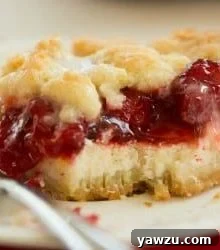
Classic Cherry Pie
8 servings
30 mins
50 mins
2 hrs 30 mins
3 hrs 50 mins
What’s better than a slice of warm cherry pie, especially one with a perfectly flaky, buttery crust?
Pin Recipe
Ingredients
For the Pie Dough:
- 3 cups (375 g) all-purpose flour
- 1 teaspoon salt
- 2 tablespoons granulated sugar
- 10 tablespoons cold unsalted butter, cut into ¼-inch pieces
- 7 tablespoons vegetable shortening
- 10 tablespoons ice water
For the Pie Filling:
- 1¼ cups (250 g) granulated sugar
- ¼ cup (32 g) cornstarch
- ¼ teaspoon ground cinnamon
- Pinch salt
- 6 cups (828 g) sour cherries, pitted (See note below.)
- ¼ teaspoon almond extract
For the Topping:
- 1 tablespoon water
- 1 tablespoon granulated sugar
Instructions
-
1. Make the Pie Dough: Process the flour, salt, and sugar in a food processor until just combined. Add the shortening and process until the mixture has the texture of coarse sand, about 10 seconds. Scatter the cold butter pieces over the flour mixture; pulse the food processor about ten 1-second times until the butter is cut into the flour, resulting in a pale yellow mixture resembling coarse crumbs, with butter bits no larger than small peas. Transfer the mixture to a medium bowl.
-
2. Hydrate the Dough: Sprinkle 8 tablespoons of the ice water evenly over the mixture. With a rubber spatula, use a gentle folding motion to incorporate the water. Press down on the dough with the broad side of the spatula until the dough begins to stick together. If it’s too dry, add up to 2 tablespoons more ice water, one tablespoon at a time, until the dough just comes together. Divide the dough into two balls, one slightly larger than the other. (Ideally, the larger piece should weigh approximately 16 ounces, and the smaller piece 14 ounces.) Flatten the larger piece into a rough 5-inch square and the smaller piece into a 4-inch disk. Wrap each separately in plastic wrap and refrigerate for at least 1 hour, or up to 2 days, before rolling.
-
3. Prepare Lattice Strips: Remove the larger dough piece from the refrigerator (if it’s been chilled for more than 1 hour, let it stand at room temperature for a short while until it becomes malleable but still cold). On a lightly floured surface, roll this larger piece of dough into a 15×11-inch rectangle, aiming for about 1/8-inch thickness. Carefully transfer this dough rectangle to a baking sheet lined with parchment paper. Using a pizza wheel, a fluted pastry wheel, or a sharp paring knife, trim the long sides of the rectangle to create clean, straight edges. Then, cut the rectangle lengthwise into 8 equal strips.
-
4. Line the Pie Plate: Next, roll the smaller piece of dough on a lightly floured work surface into a 12-inch circle. Gently transfer this dough circle to a 9-inch pie plate. Working around the circumference of the pan, carefully ease the dough into the pan corners by gently lifting the edge with one hand while pressing it into the pan bottom with the other. Leave any dough that overhangs the lip of the pie plate in place; do not trim yet. Place the baking sheet with the dough strips in the freezer and the dough-lined pie plate in the refrigerator. Chill both for 30 minutes.
-
5. Preheat Oven: Meanwhile, adjust an oven rack to the lowest position. Place a rimmed baking sheet on this rack and preheat the oven to a scorching 500 degrees Fahrenheit (260 degrees Celsius). This initial high heat helps to set the crust quickly.
-
6. Prepare the Filling: In a small bowl, whisk together the granulated sugar, cornstarch, ground cinnamon, and a pinch of salt until thoroughly combined. In a separate large bowl, place the pitted sour cherries and stir in the almond extract, ensuring the cherries are evenly coated. Sprinkle the dry sugar mixture over the cherries and, using a rubber spatula, gently mix until all the cherries are coated and the sugar mixture is well distributed.
7. Assemble the Pie:
-
8. Create the Lattice: Turn the prepared cherry mixture into the chilled dough-lined pie plate. Remove the strips of dough from the freezer. (If they are too stiff to work with, let them sit at room temperature for just a moment until they soften slightly but remain very cold.) Now, artfully arrange the lattice top as follows: Lay 4 strips of dough, evenly spaced, across the pie horizontally. Fold back the first and third strips. Place a new strip of dough slightly to the right of the center, perpendicular to the horizontal strips. Unfold the first and third strips back over this new perpendicular strip. Now, fold back the second and fourth horizontal strips. Add a second perpendicular strip. Unfold the second and fourth strips over it. Repeat this process with two more perpendicular strips until you have 4 strips of dough running in each direction, forming a classic woven lattice pattern.
-
9. Finish and Decorate: Carefully trim any excess lattice strips and the overhanging bottom crust, leaving about a 1-inch overhang. Crimp the edges of the pie using your fingers or a fork to create a decorative seal. Lightly brush the entire lattice top with 1 tablespoon of water and generously sprinkle with the remaining 1 tablespoon of granulated sugar. This will help create a beautiful golden-brown crust and a sparkling finish.
-
10. Bake the Pie: Lower the oven temperature to 425 degrees Fahrenheit (220 degrees Celsius). Place the pie on the preheated baking sheet (which is still on the lowest rack). Bake for 25 to 30 minutes, or until the crust is set and begins to turn light golden brown. Rotate the pie 180 degrees and reduce the oven temperature further to 375 degrees Fahrenheit (190 degrees Celsius). Continue baking for another 25 to 30 minutes, or until the crust is a deep golden brown and the cherry juices are visibly bubbling thickly in the center. This bubbling indicates the filling has properly thickened. Cool the pie completely on a wire rack for at least 2 hours before slicing and serving. This crucial cooling time allows the filling to fully set, ensuring clean slices.
Notes
Sour Cherry Availability: Fresh sour cherries are notoriously seasonal, often appearing for only a brief couple of weeks in summer in most regions. If you miss them, don’t despair! You can successfully substitute frozen sour cherries (do not thaw them before using), or jarred/canned sour/tart cherries. If opting for jarred or canned, you will need approximately 72 ounces total. Be sure to drain them very well, ideally pressing out excess liquid, and pat them dry with paper towels before incorporating them into the recipe. This prevents a watery pie filling.
Nutritional values are approximate and based on one serving.
Nutrition Information (per serving):
Calories: 690kcal, Carbohydrates: 111g, Protein: 6g, Fat: 26g, Saturated Fat: 11g, Cholesterol: 37mg, Sodium: 312mg, Potassium: 229mg, Fiber: 2g, Sugar: 35g, Vitamin A: 1810IU, Vitamin C: 3.8mg, Calcium: 30mg, Iron: 4.7mg
Did you make this recipe?
Leave a review below! Then, snap a picture and tag @thebrowneyedbaker on Instagram so I can see your delicious creation!
Michelle Lettrich
Dessert
American